

PAINTING NOW | Jo Chew

  • Artist
    Jo Chew
  • Dates
    4—28 Dec 2025
  • Catalogue
    Download now
  • Gallery Location
    Eora / Sydney

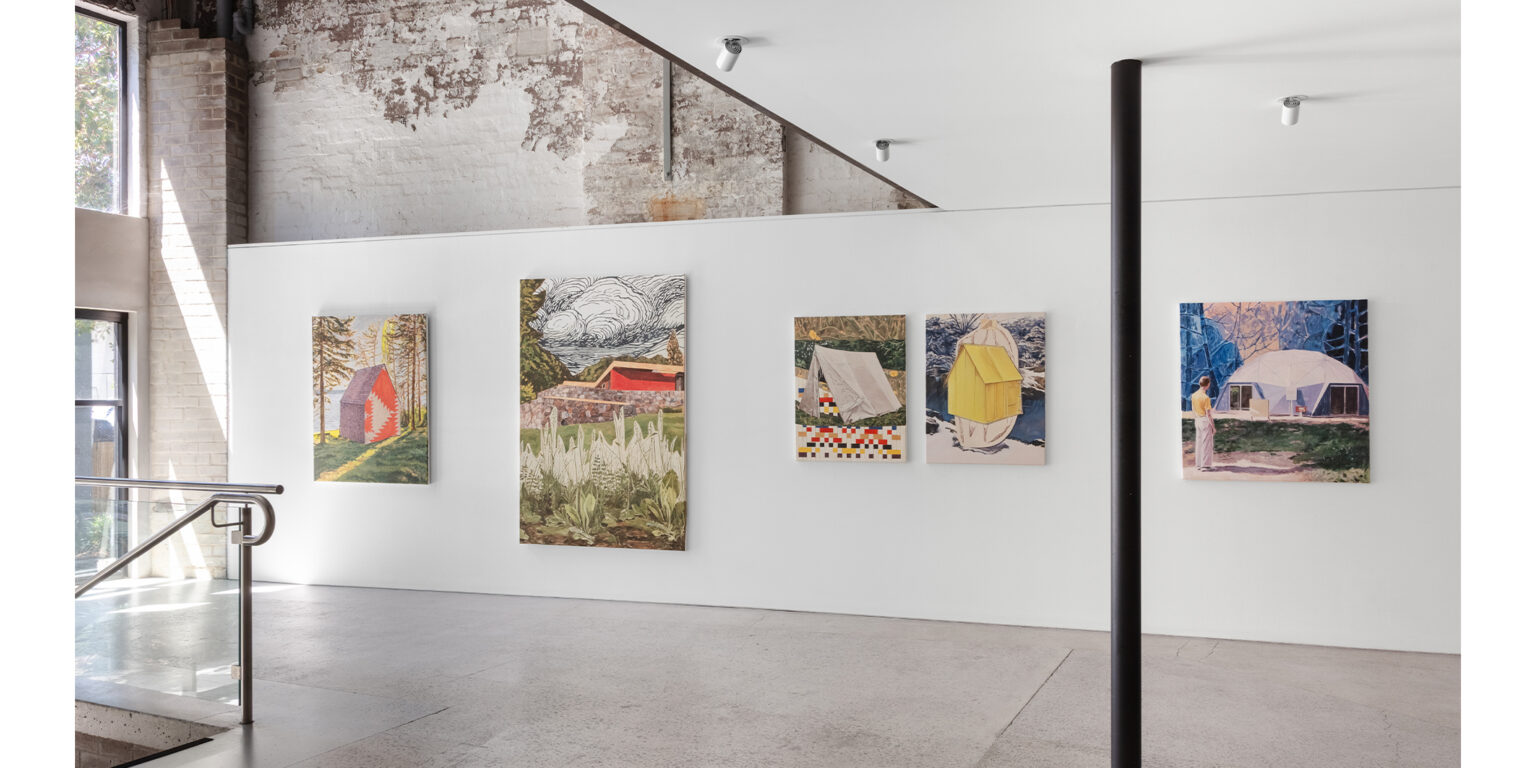
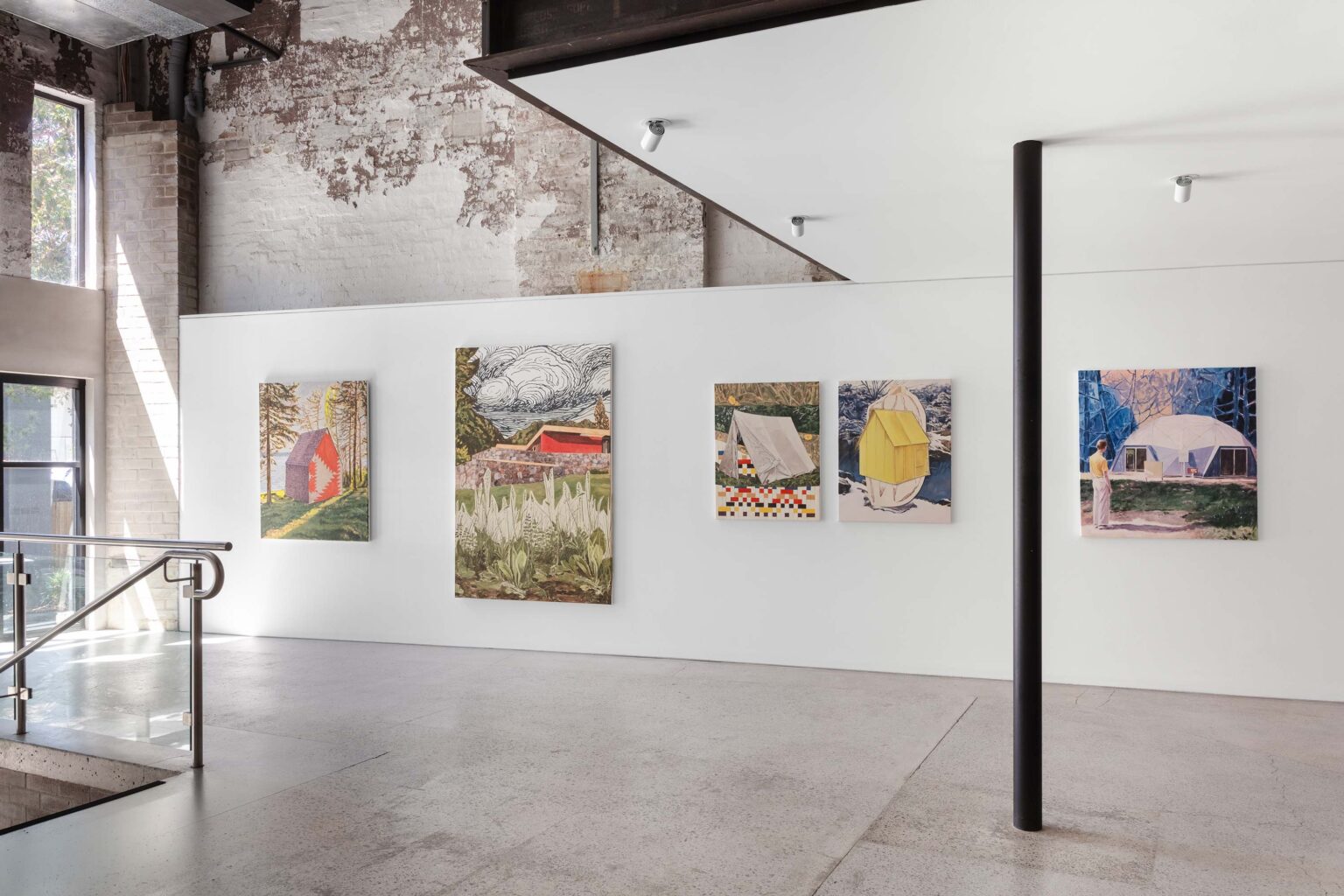
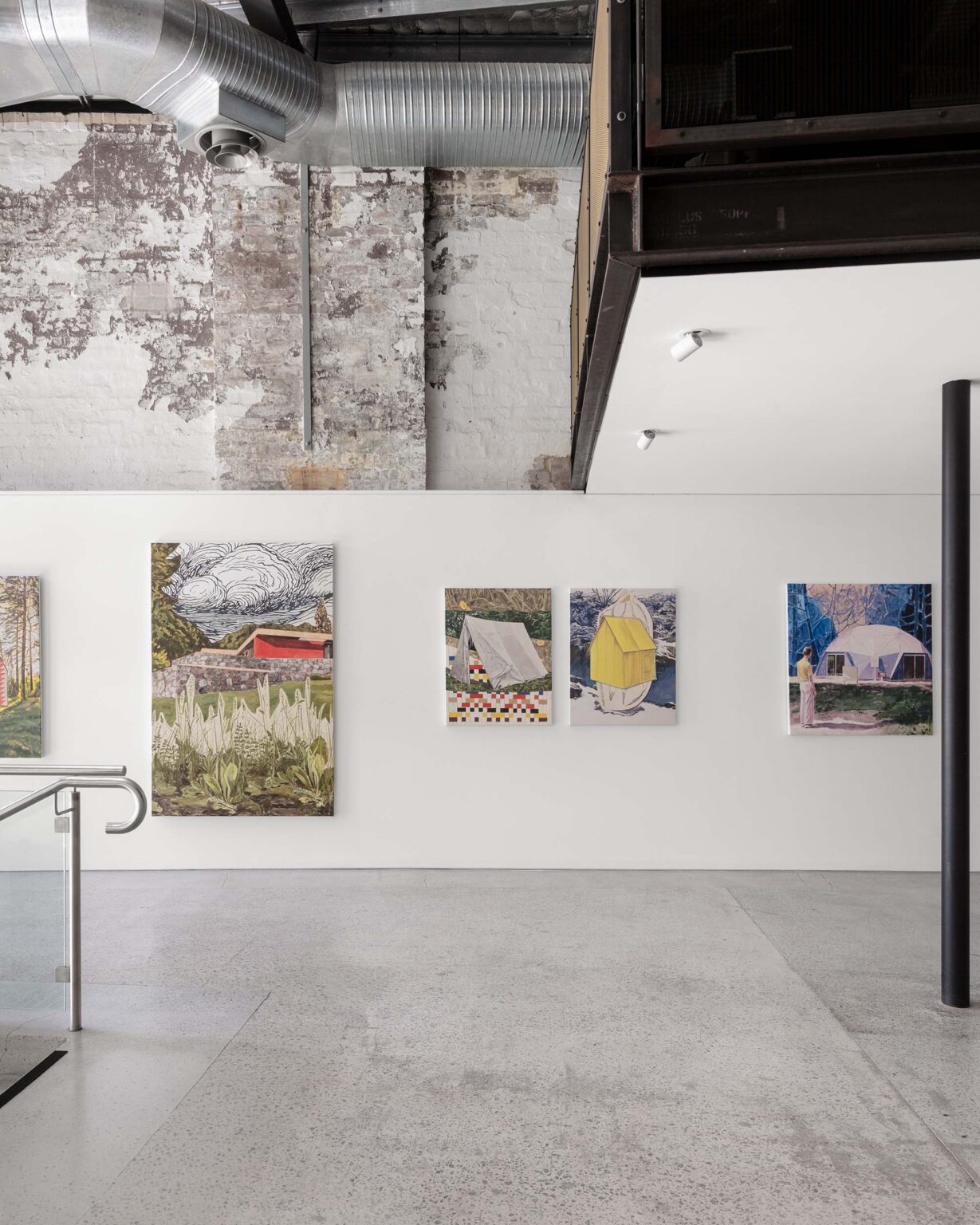
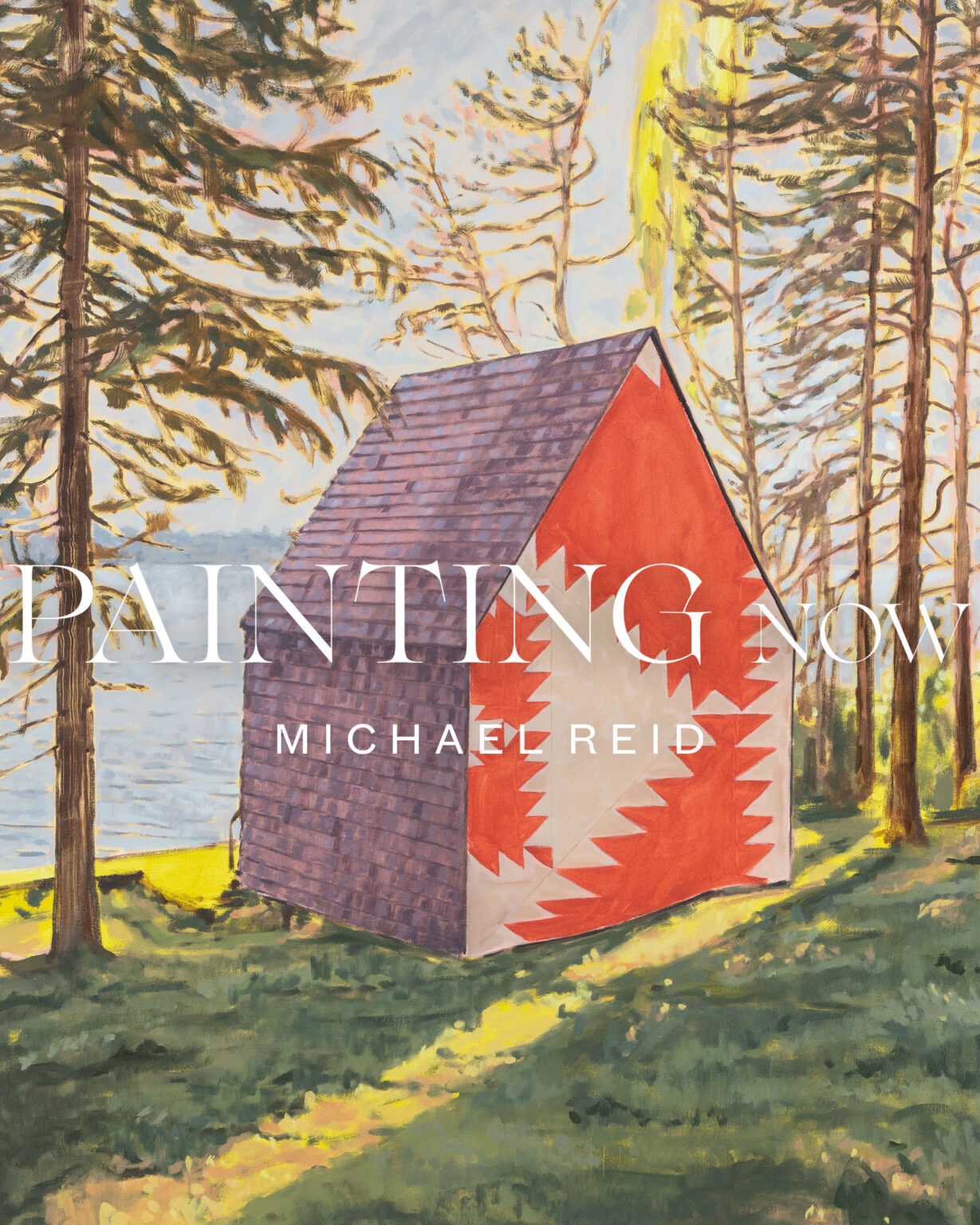
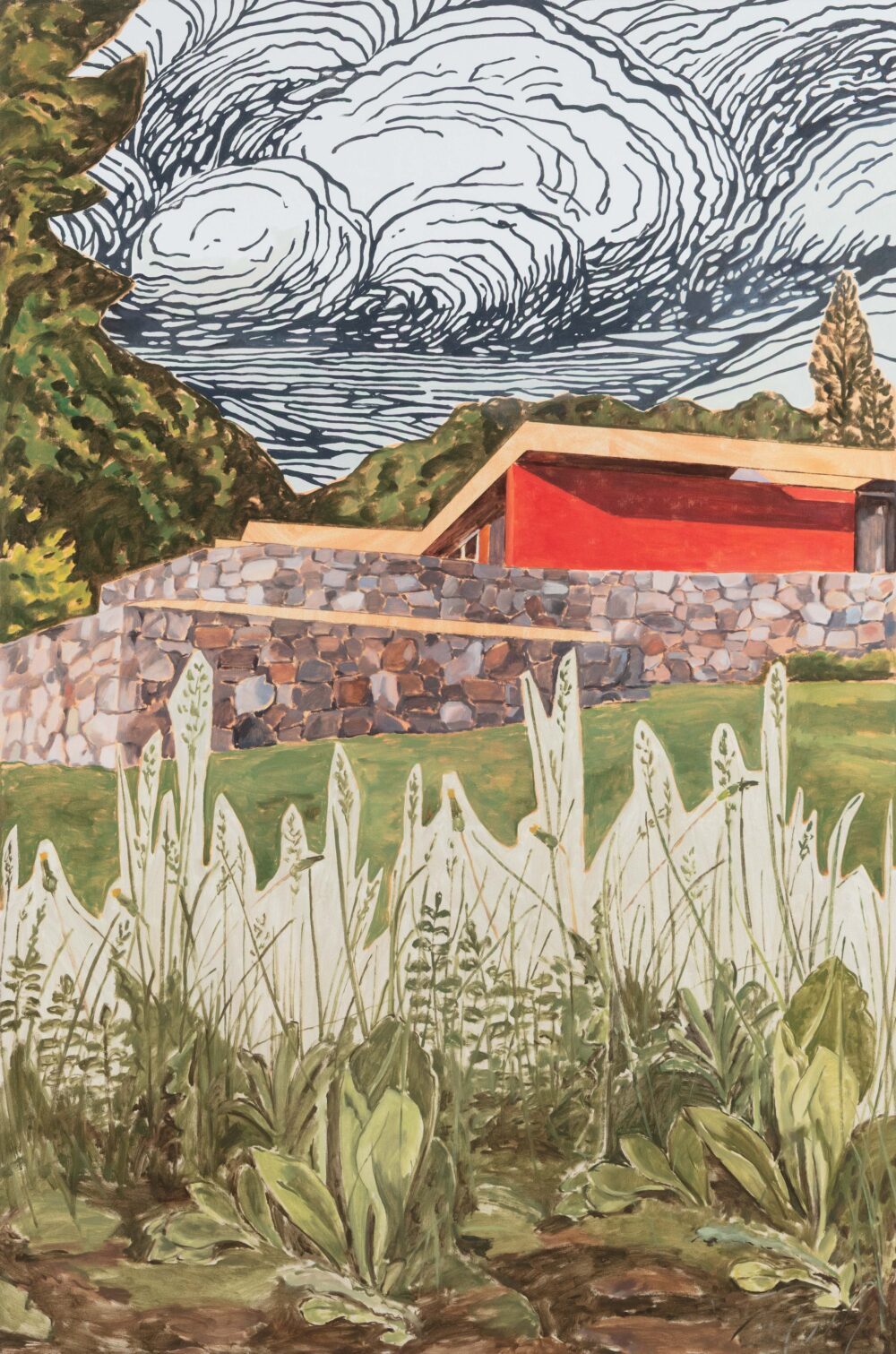
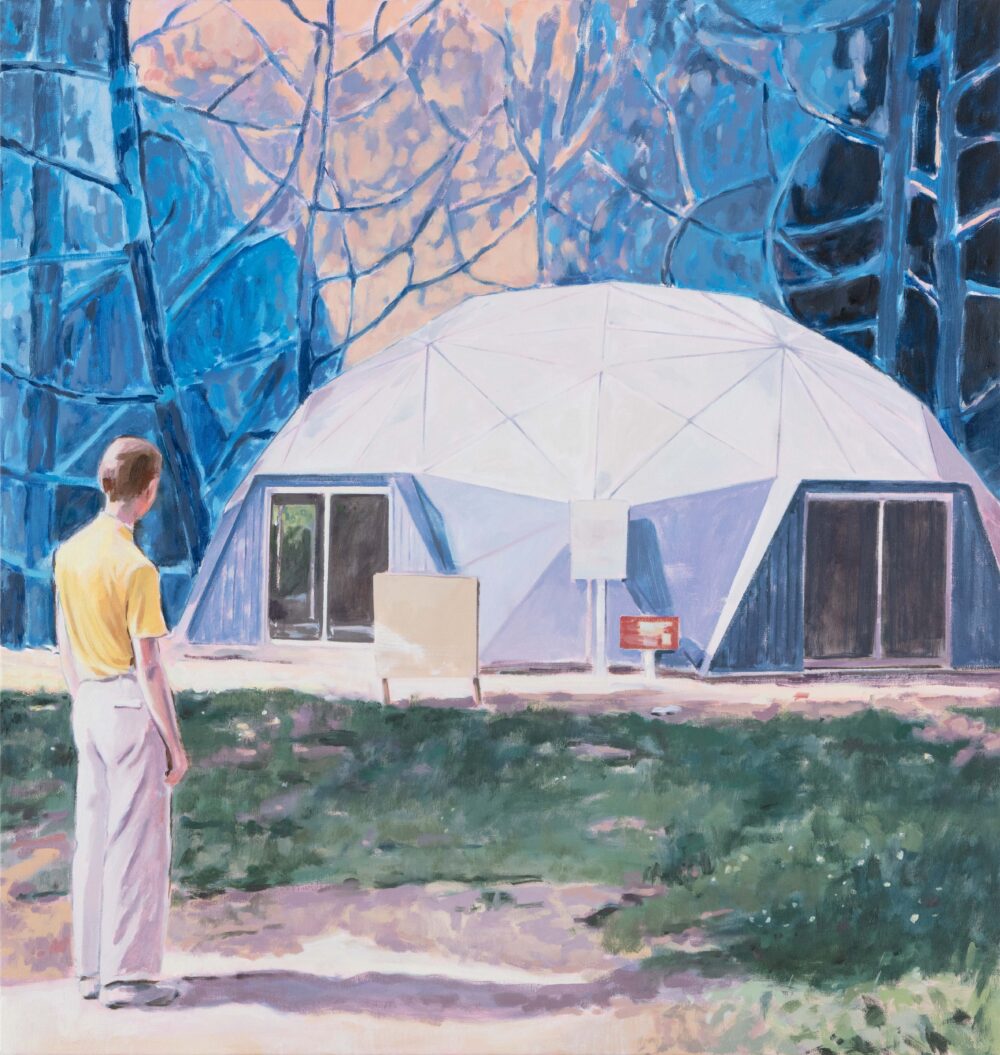
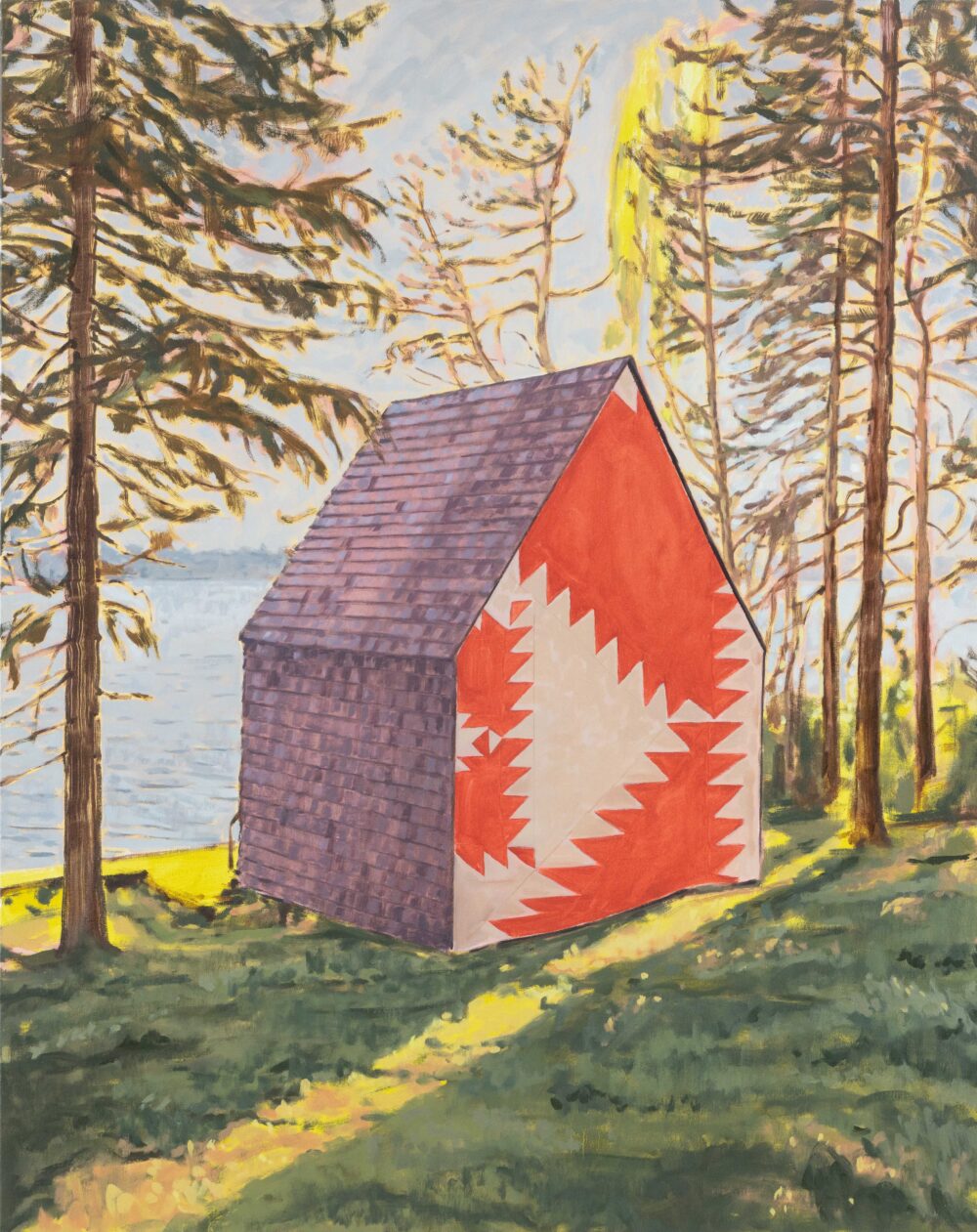
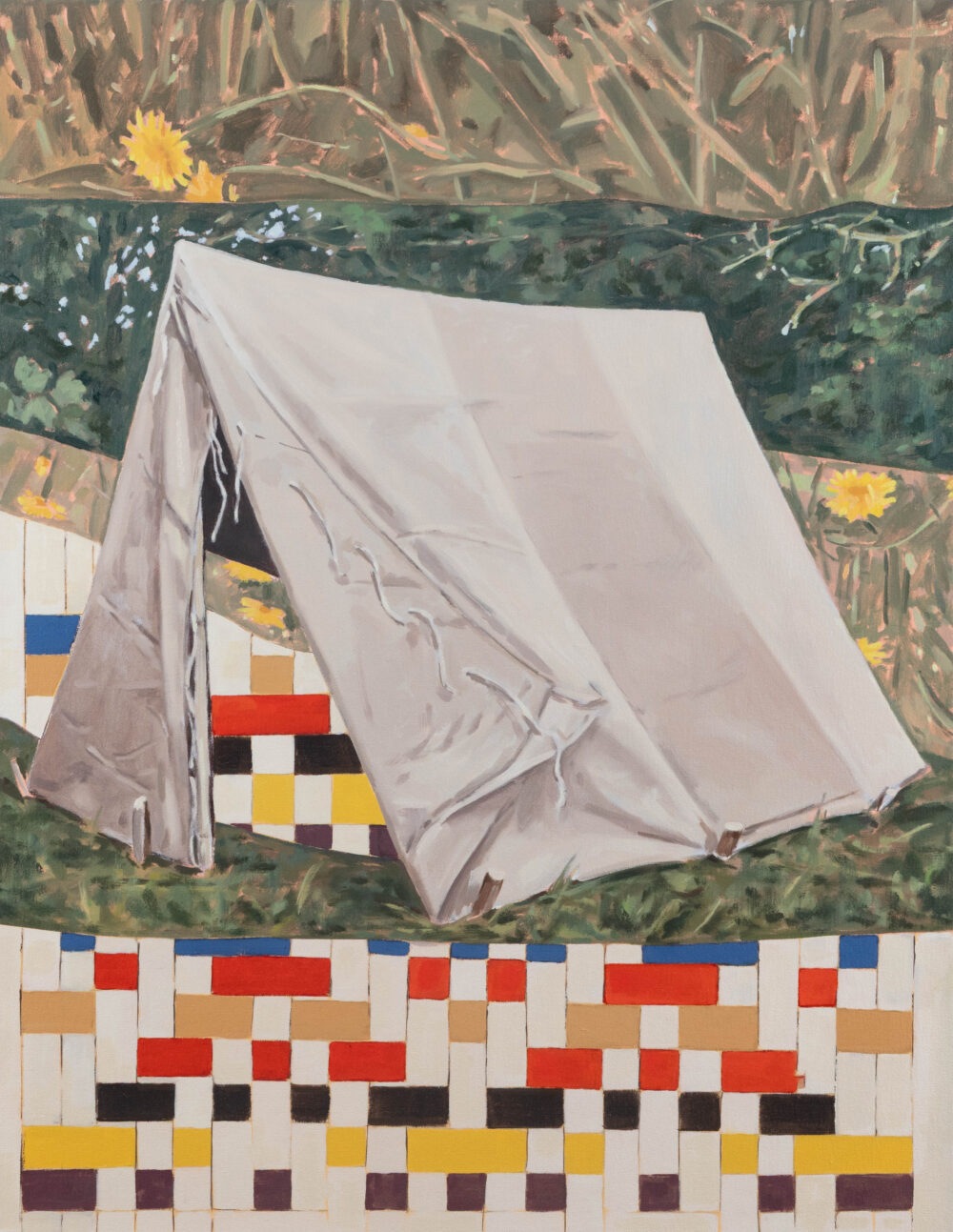
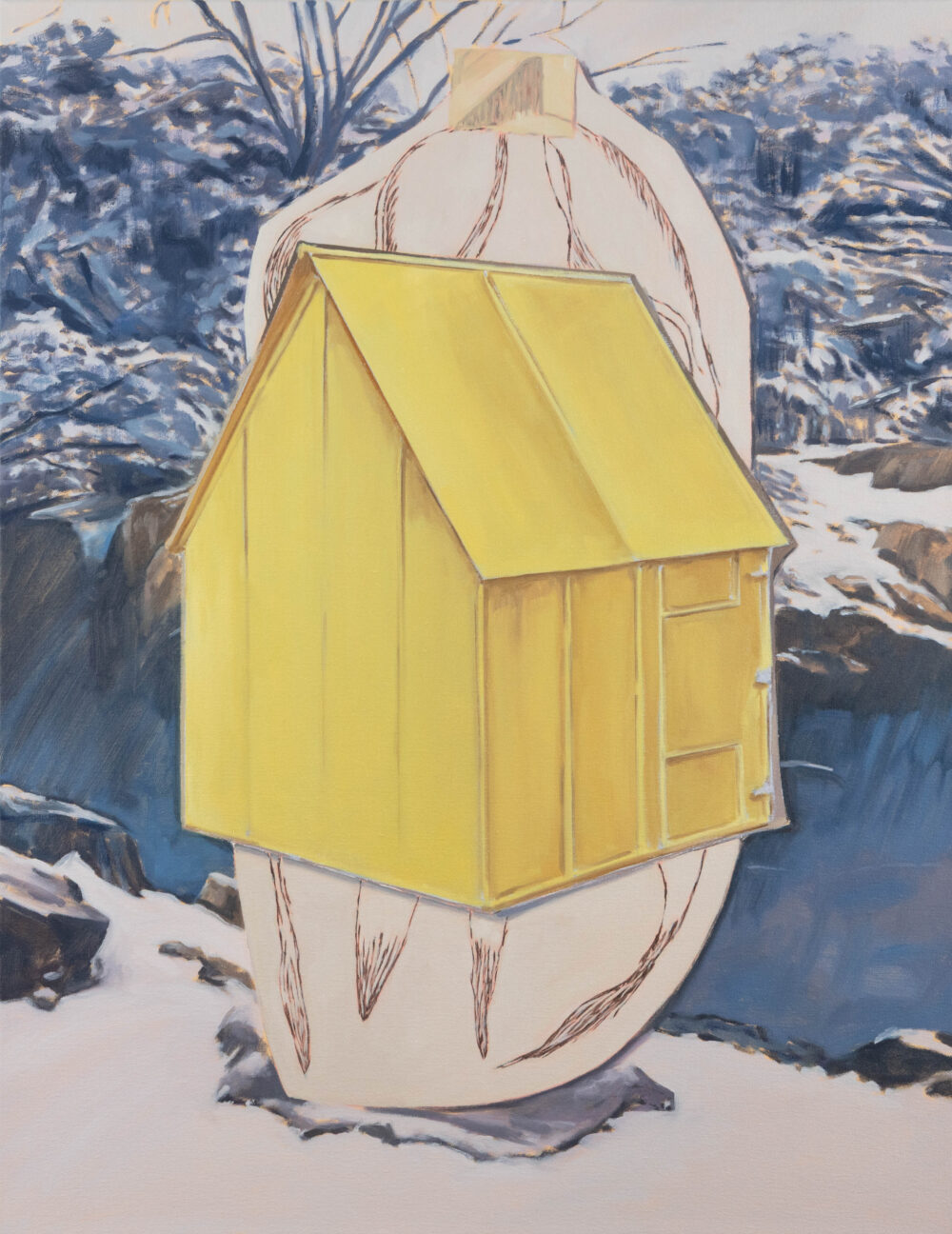
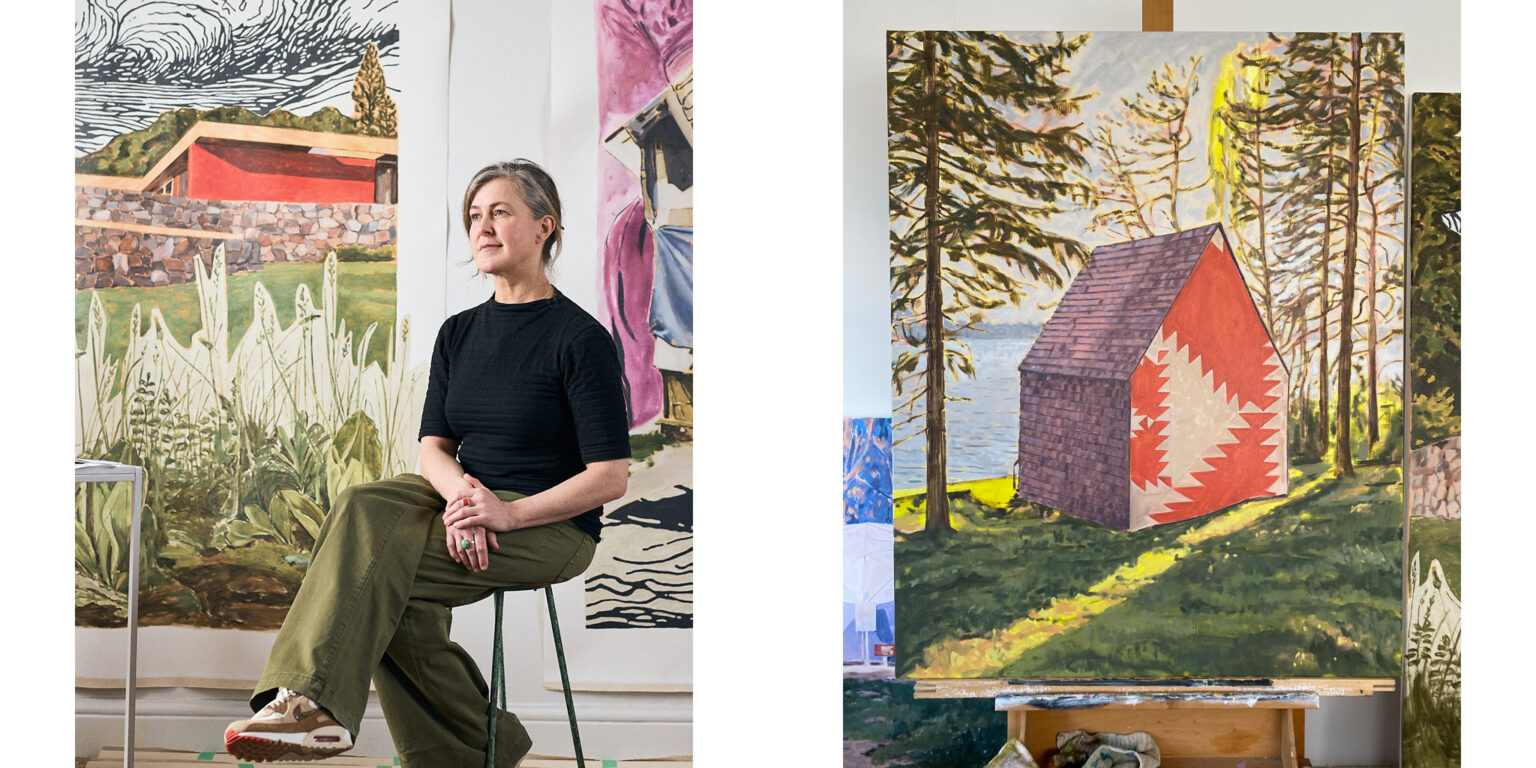
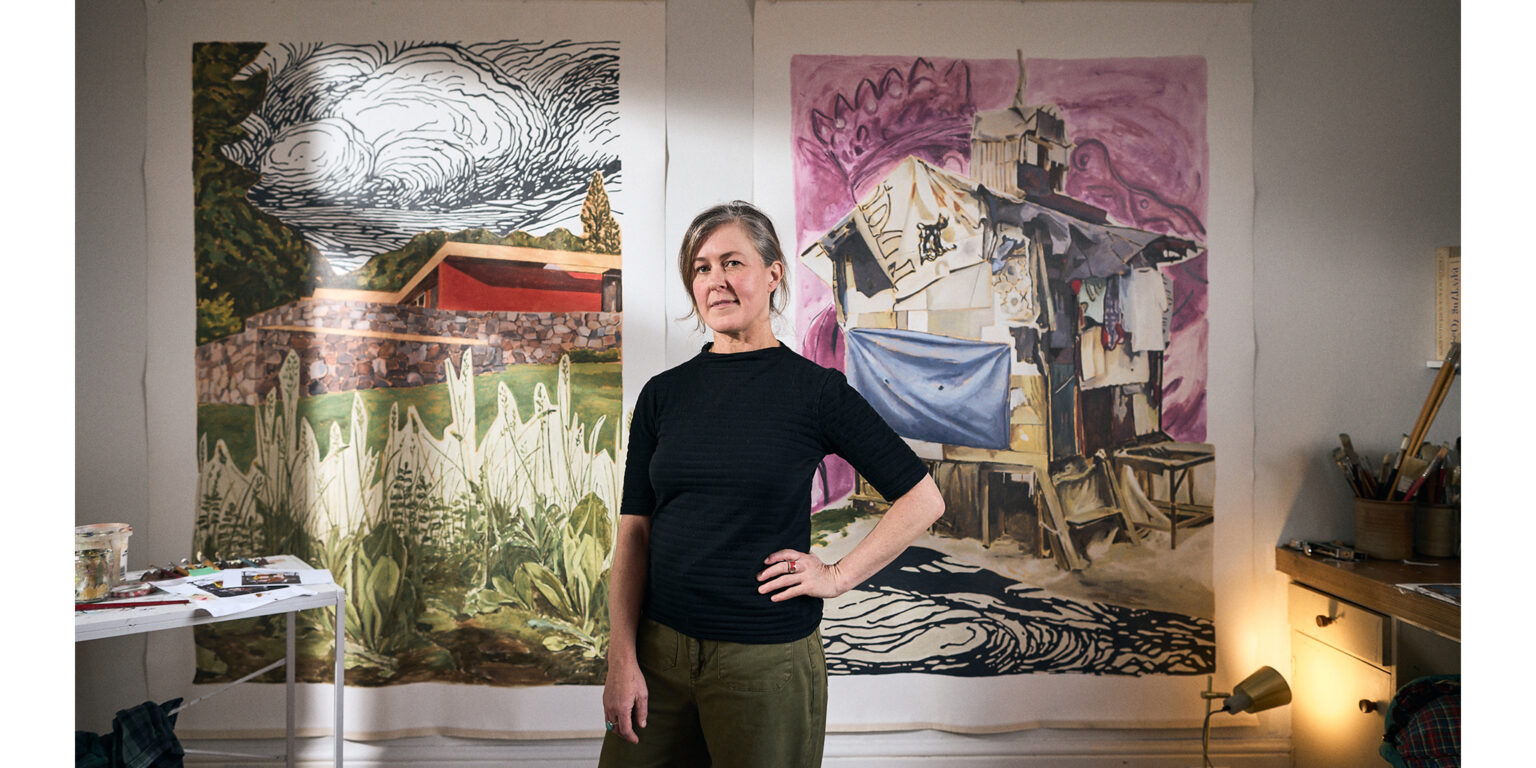
In the painted worlds of Nipaluna/Hobart-based artist Jo Chew, built forms become vessels for an open-ended meditation on vulnerability, hopefulness, loss and longing. “A poem doesn’t need to describe everything and a song doesn’t need to make sense – I feel it can be the same with a painting,” says the artist, whose vibrant, sun-dappled paintings derive from collaged compositions; fragmentary photographs, drawings and found references spliced together “in the hope of finding something that speaks to me.”

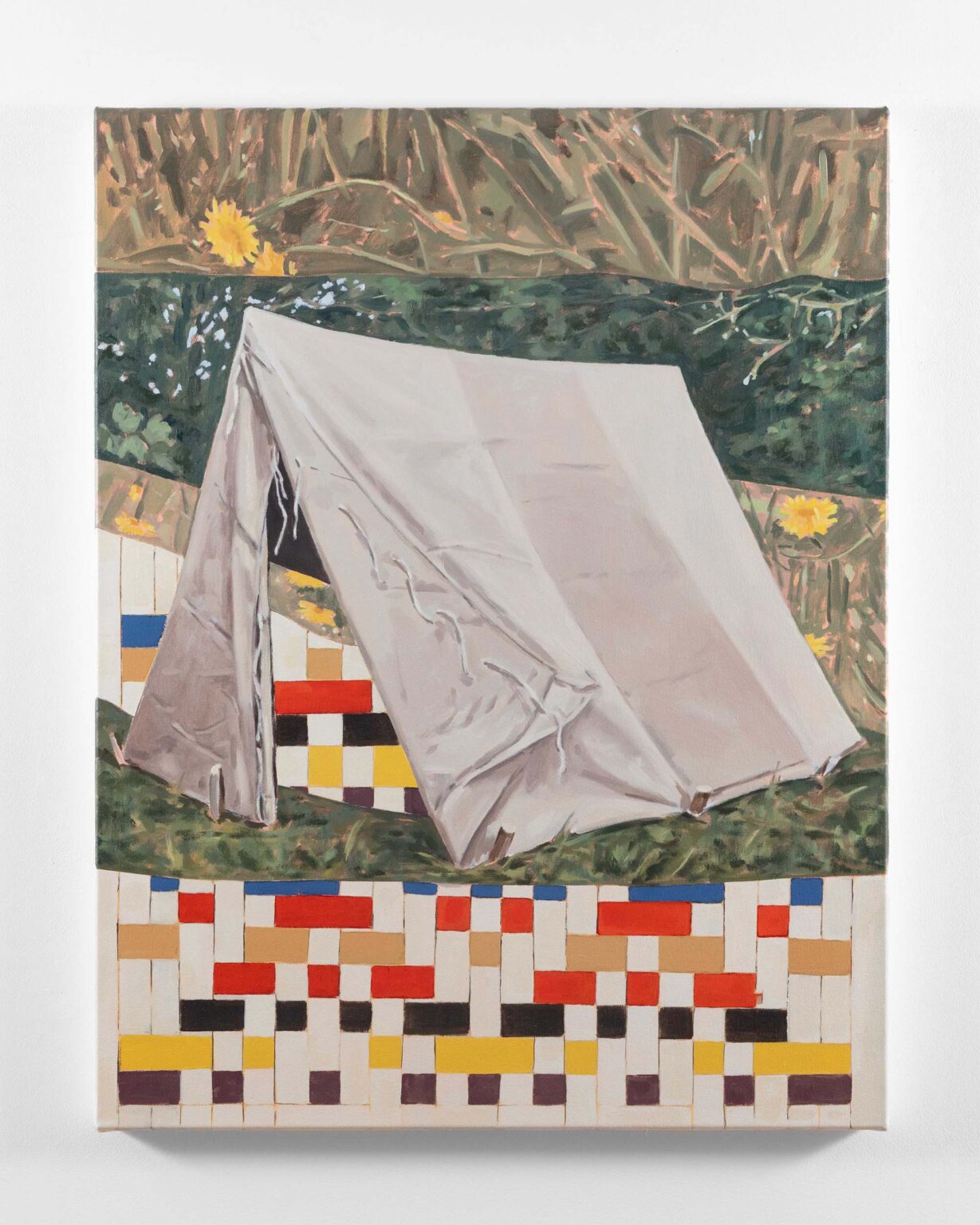
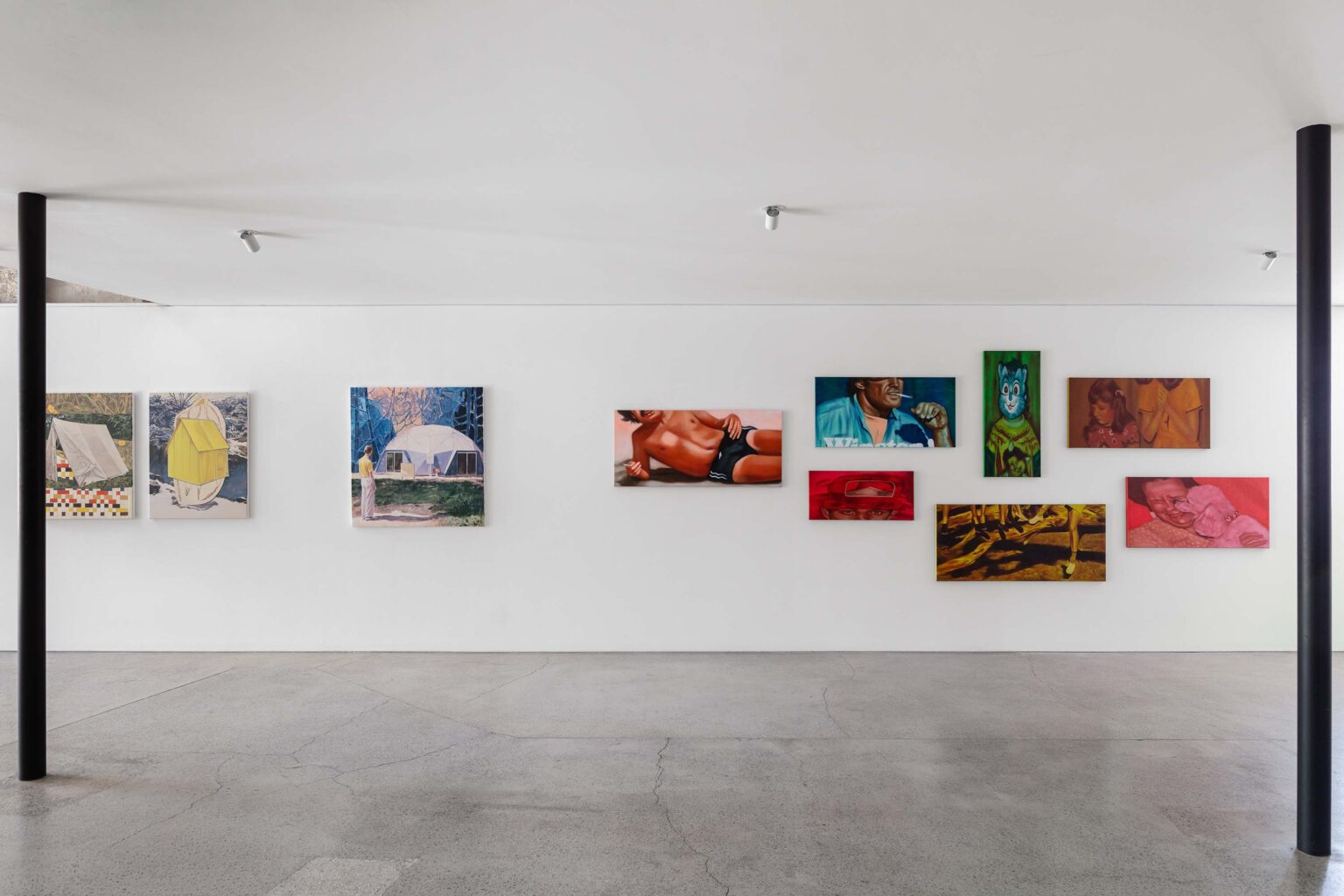
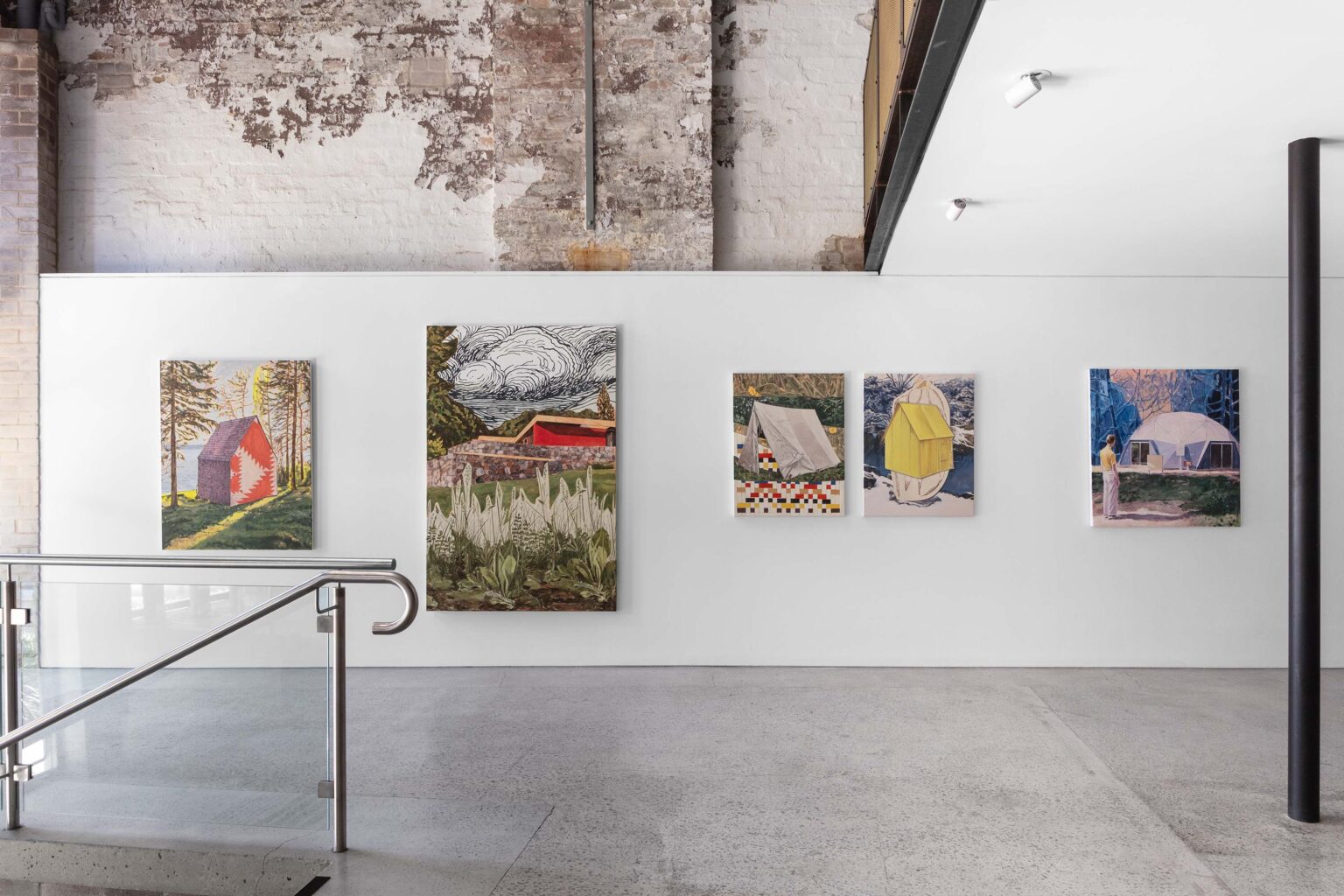
This process achieves an almost trompe-l’œil effect, with her large-scale paintings retaining a collagistic sense of pictorial layering in space – an illusory interweaving of paper and paint, memory and material. In doing so, her practice breathes new life into the medium, in step with the curatorial ambitions of Painting Now.

Despite the work’s compelling ambiguities, themes slowly coalesce through Chew’s Painting Now series, in which house-like structures repeat in various guises and take on poetic resonance. Whether temporary and improvisational – tents and makeshift A-frames – or suggesting past visions of a future utopia – modernist dream houses and geodesic domes – her recurring pitched forms invoke a universal language of shelter, inviting reflections on our longing for refuge and a place to call home.

Brought to life during her final months in her long-term home, Chew’s exploration of how we dwell and what we treasure is tinged with a quiet acceptance of transience. “It doesn’t mean things or places can’t be treasured,” she says. “Just that nothing is really ours to keep.” The artist notes a nostalgic thread running through her constructed images: “A desire to get something back that we can’t quite retrieve,” she says. “But they’re not dark or depressing; I think there’s an appreciation for something from the past and an optimism that something similar might still be found. Many of my works this year have a feeling of something hidden and forming, suggesting a period of rest and reflection; cocoon-like, perhaps.”

For enquiries, please email dean@michaelreid.com.au

Explore more from Painting Now HERE.

What were some of your earlier artistic influences?

From an early age I was encouraged to be curious – to look at and find wonder in small things and the natural world. My parents and grandparents were, and are, resourceful and creative. Both of their homes were full of books and art and treasured objects. I remember beachcombing on Bruny Island and Dolphin Sands – collecting shells, seedpods and sea urchin endoskeletons. Treasuring these small ‘homes’ fed my creative impulse. I can’t help but see their influence on my paintings of shelters and dwellings.

What initially drew you to painting and how has your approach developed over time?

Painting is magical. I don’t know how else to describe it. I’m always amazed when looking at paintings – they can be two years old or two hundred years old or two thousand years old and somehow they feel current and alive. I love how painting distils time – the movement of a hand and the thought process of the maker still sit on the surface and in the layers of these objects. It’s like a direct link to a moment in time, a place on earth and the thinking of a person that never ceases to amaze me.

I’m particularly drawn to paintings that are more than descriptive; I’m interested in internal worlds as much as external. Music and poetry have been influential and I try to think visually in these ways. A poem doesn’t need to describe everything and a song doesn’t need to make sense – I feel it can be the same with a painting. Shelters and dwellings are recurrent themes. This has, at times, taken on a form of social or political commentary, but more often than not they stand in for the way we dwell and how we find ourselves in the world. They’re often temporary in nature – either in the structure itself or in the way it might be painted (with a kind of fragility or brevity). They are about our experience – which is huge and saturated but also so incredibly fleeting and small in the scheme of things.
What have been some of your favourite career experiences?

I’ve had some wonderful moments – being selected for or winning prizes in recent years has been hugely encouraging. However, I think the biggest creative breakthroughs came with moving back home to Tasmania and throwing myself into research. Those years were both healing and expanding for me as a person and for my work. It was a huge luxury to have the time and space and support to think deeply and experiment and paint.

Could you tell us about the body of work you have created for Painting Now?

I began with collages – this is how I usually begin – collecting and combining pictures, drawings, paintings; extracting parts and overlaying or weaving together images in the hope of finding something that speaks to me. During the process of painting them I was conscious that the time in my current home was drawing to a close. I will have been in this house for seven years – the longest I’ve ever been in a place in my adult life. It’s been a crucial touchstone for me and my children, but I was aware it wouldn’t be forever. I’ve been thinking about the importance of holding onto things lightly. It doesn’t mean things, or places, can’t be treasured – just that nothing is really ours to keep.

Is there a narrative or throughline in your Painting Now series?

When naming these works I realised a lot of the names revolve around ideas of mapping – it’s no coincidence given maps have loomed large in my day job at Mona library recently. But I also think they’re about quiet observation – scoping out a way forward, but biding my time. Many of my works this year have a feeling of something hidden and forming, suggesting a period of rest and reflection; cocoon-like, perhaps.

How do you hope viewers will engage with your work in Painting Now?

I hope they will find something pleasurable in these paintings. Perhaps they’ll suggest a memory, association or a feeling for the viewer. In my mind there’s something deeply nostalgic about these works – a desire to get something back that we can’t quite retrieve. But they’re not dark or in any way depressing; I think there’s an acknowledgement and appreciation for something from the past and an optimism that something similar might still be found.

REGISTER YOUR INTEREST: PAINTING NOW | Jo Chew
This field is for validation purposes and should be left unchanged.
Join our mailing list
Interests(Required)
REGISTER YOUR INTEREST: PAINTING NOW | Jo Chew
This field is hidden when viewing the form
Artist
This field is hidden when viewing the form
Centres
This field is hidden when viewing the form
Interests