



Murray Fredericks
- Murray Fredericks
- 8 Oct—7 Nov 2026
- Eora / Sydney
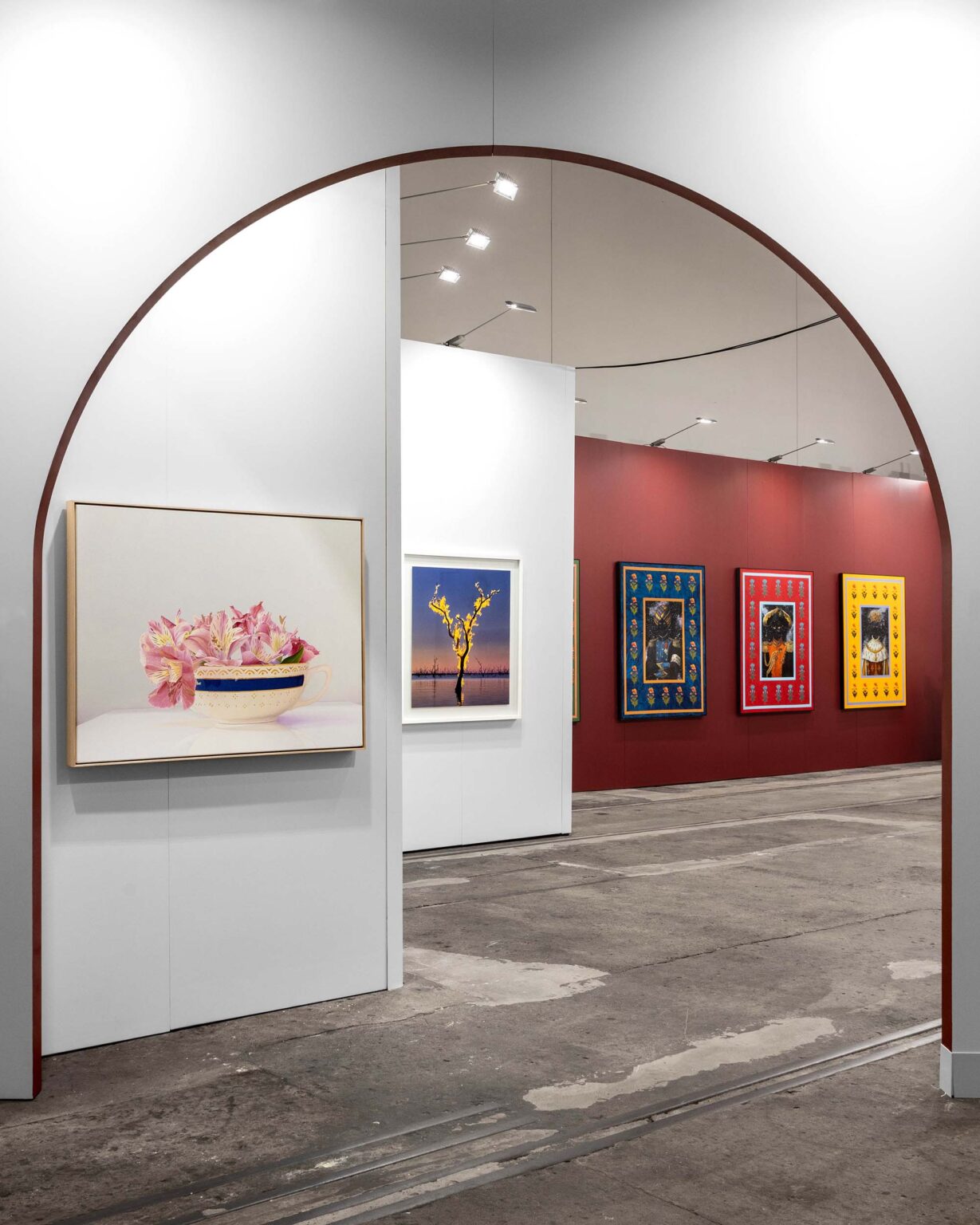
This October, acclaimed Australian photographer and filmmaker Murray Fredericks will present his first solo exhibition at Michael Reid Sydney since the announcement of his representation by our galleries earlier this year. Now available to preview by request, this large-scale presentation coincides with the artist’s career-spanning survey The salt lake – curated by the Museum of Australian Photography (MAPh) and travelling to Yarrila Arts and Museum in Coffs Harbour this month – as well as this year’s Bowness Photography Prize exhibition at MAPh, where Dog Fence, Solitary Posts – which marks Fredericks’s third selection as a finalist – is on view.
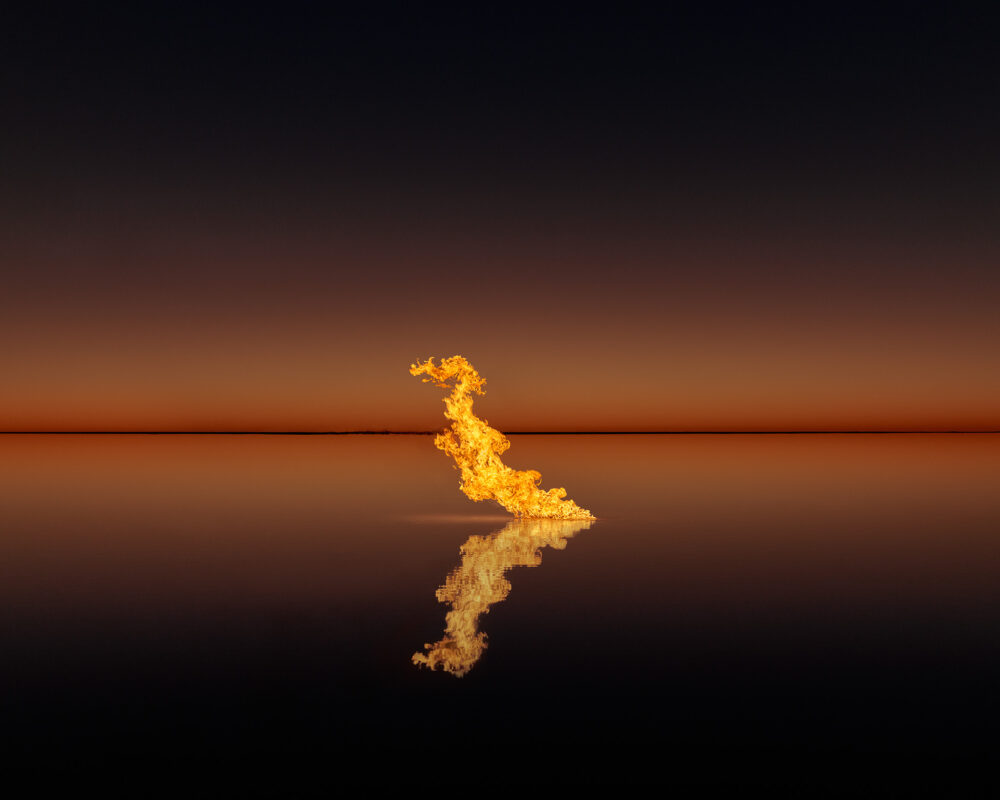
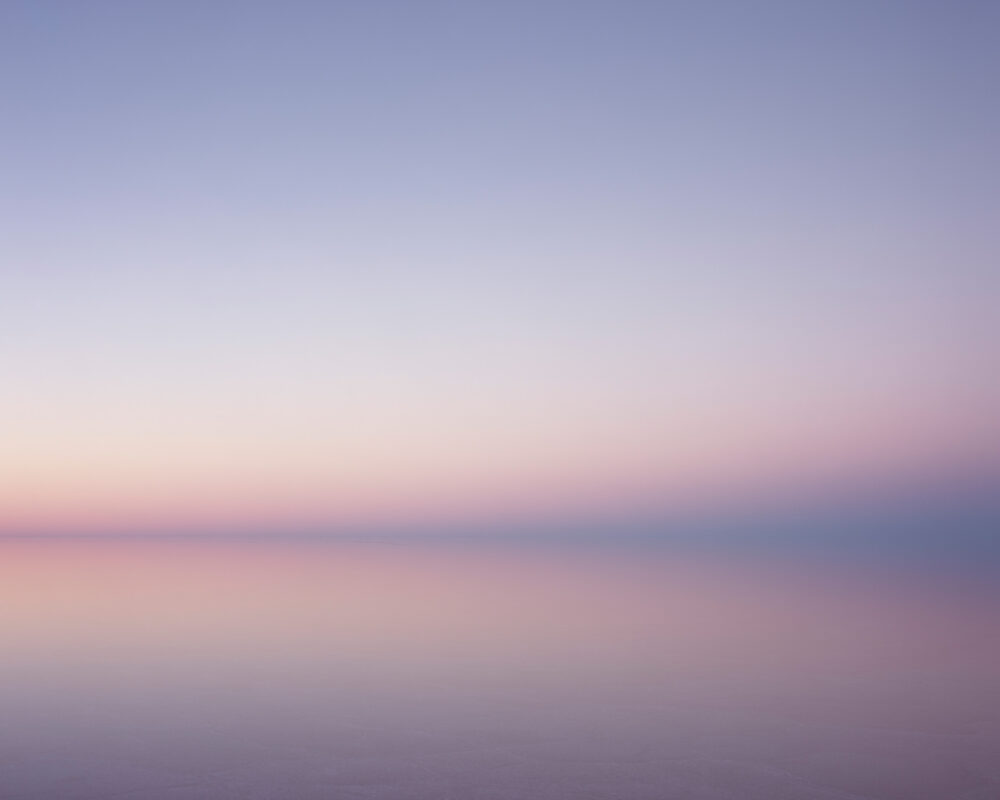
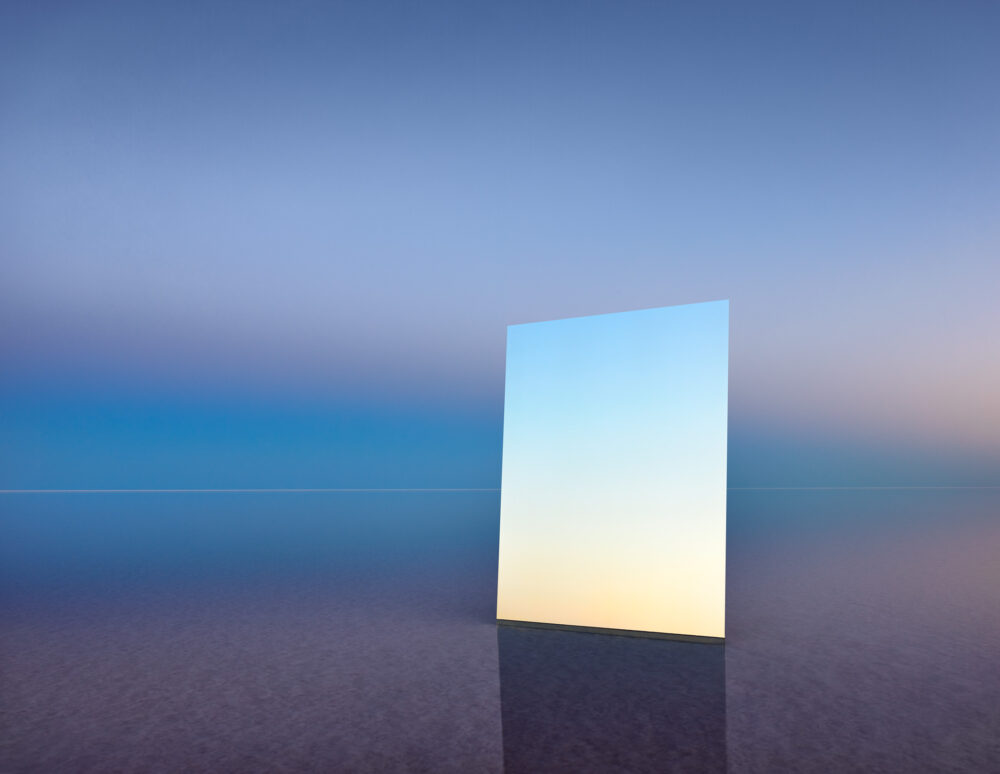
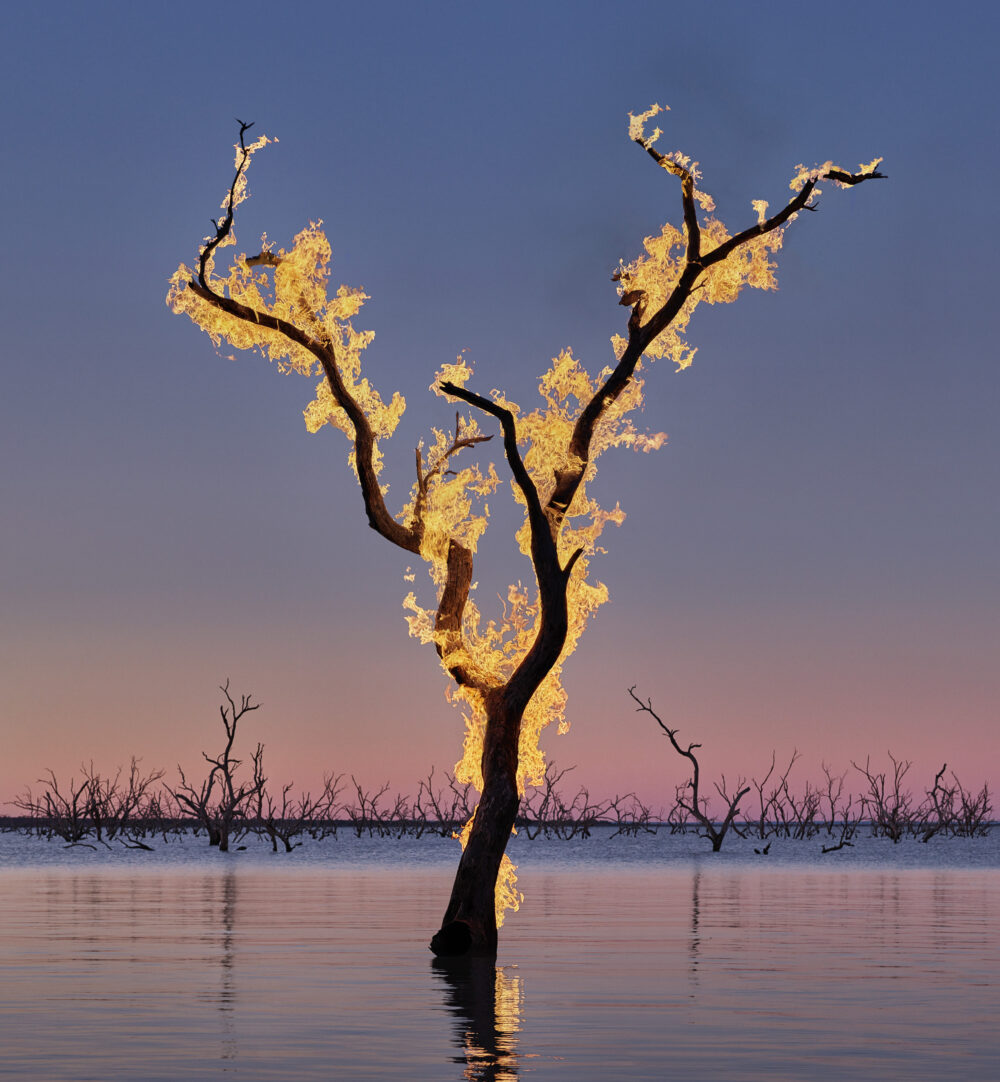
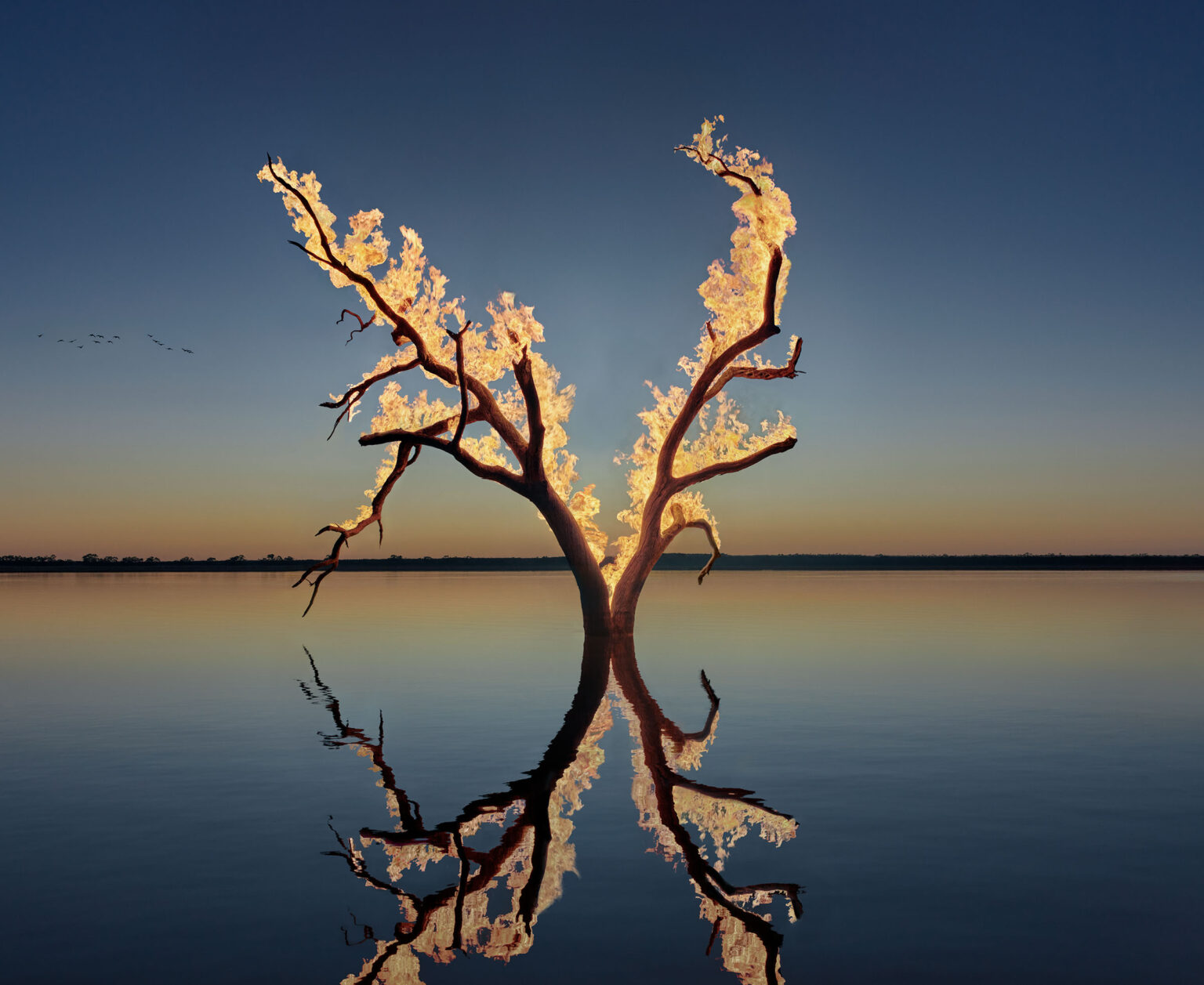
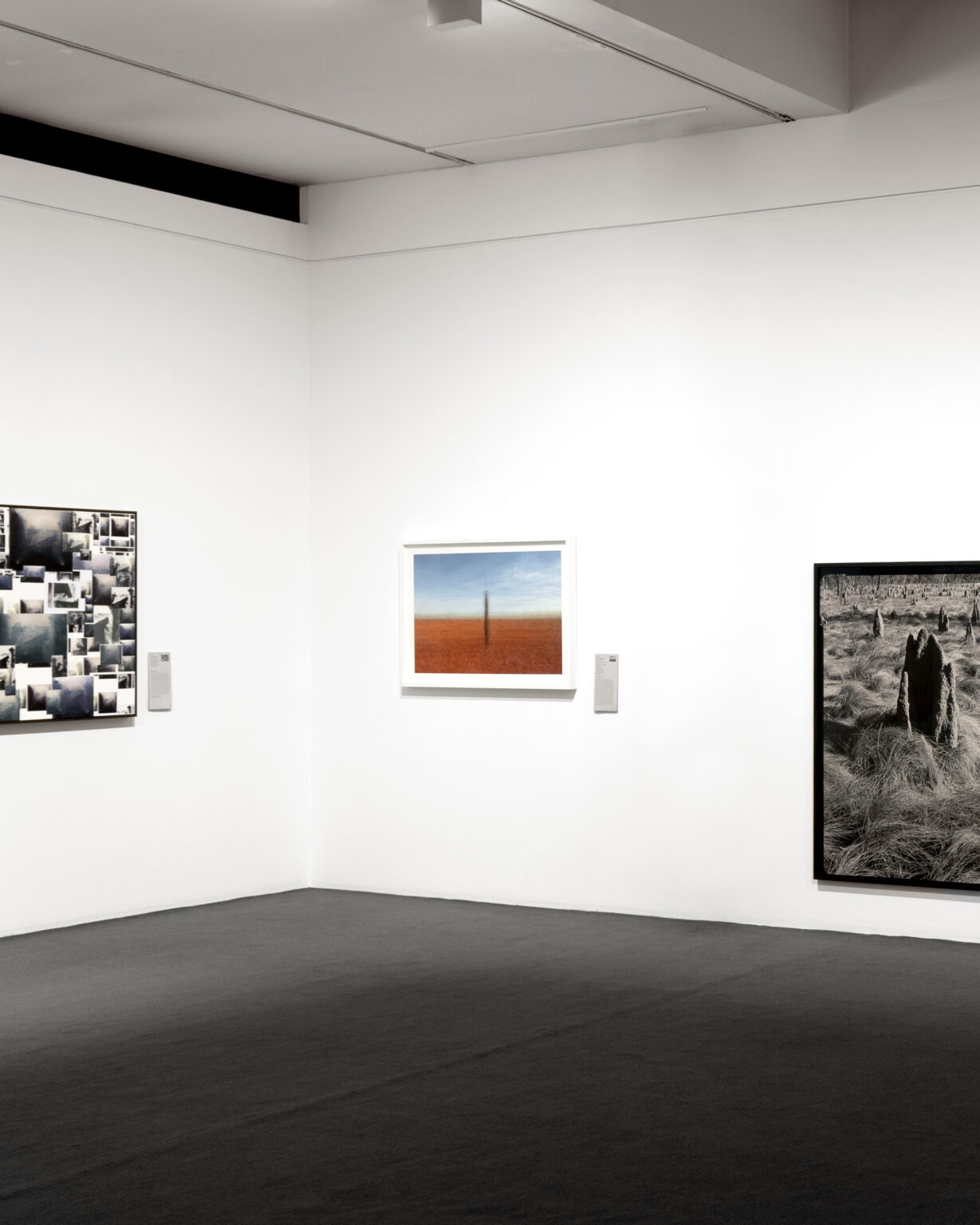
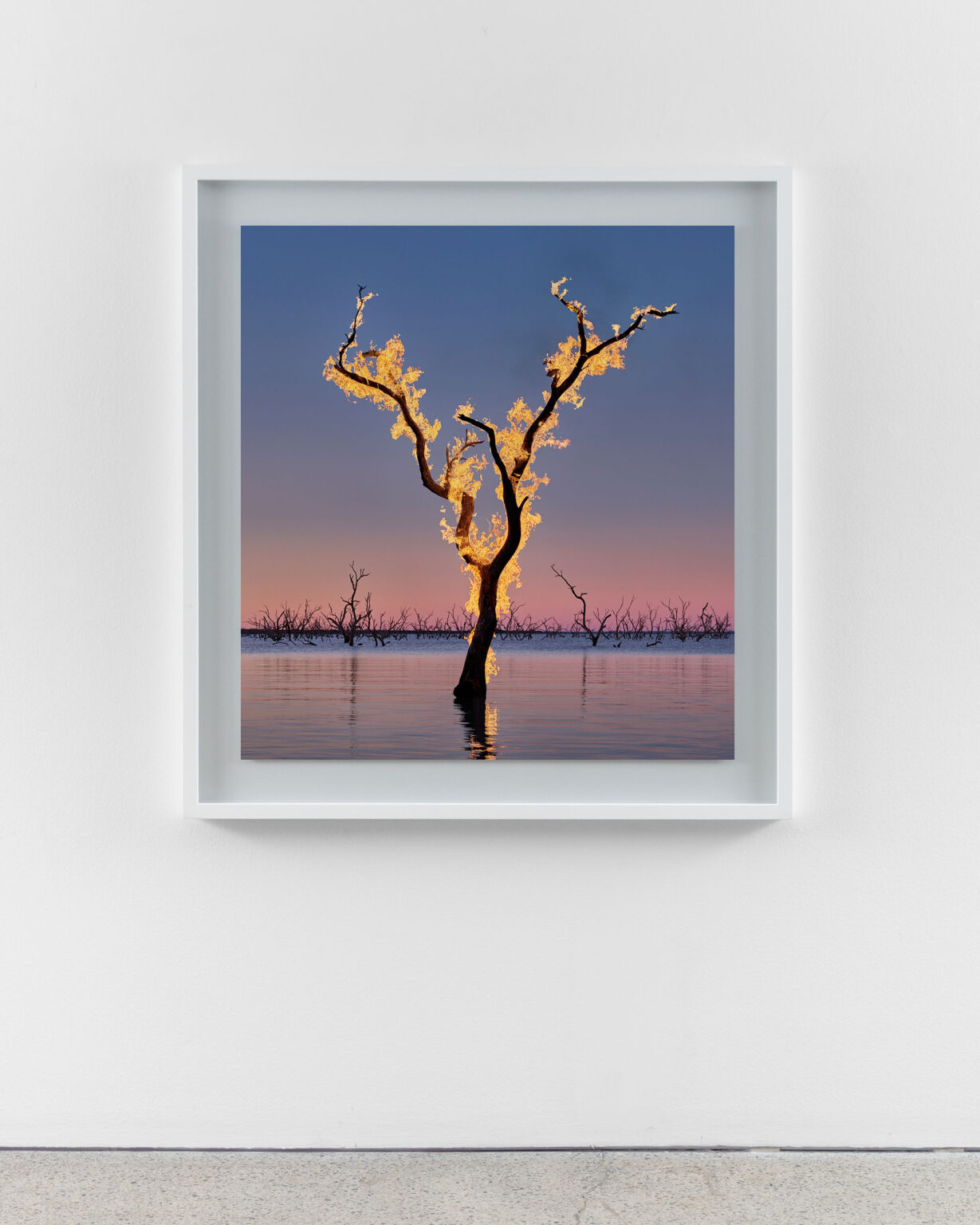
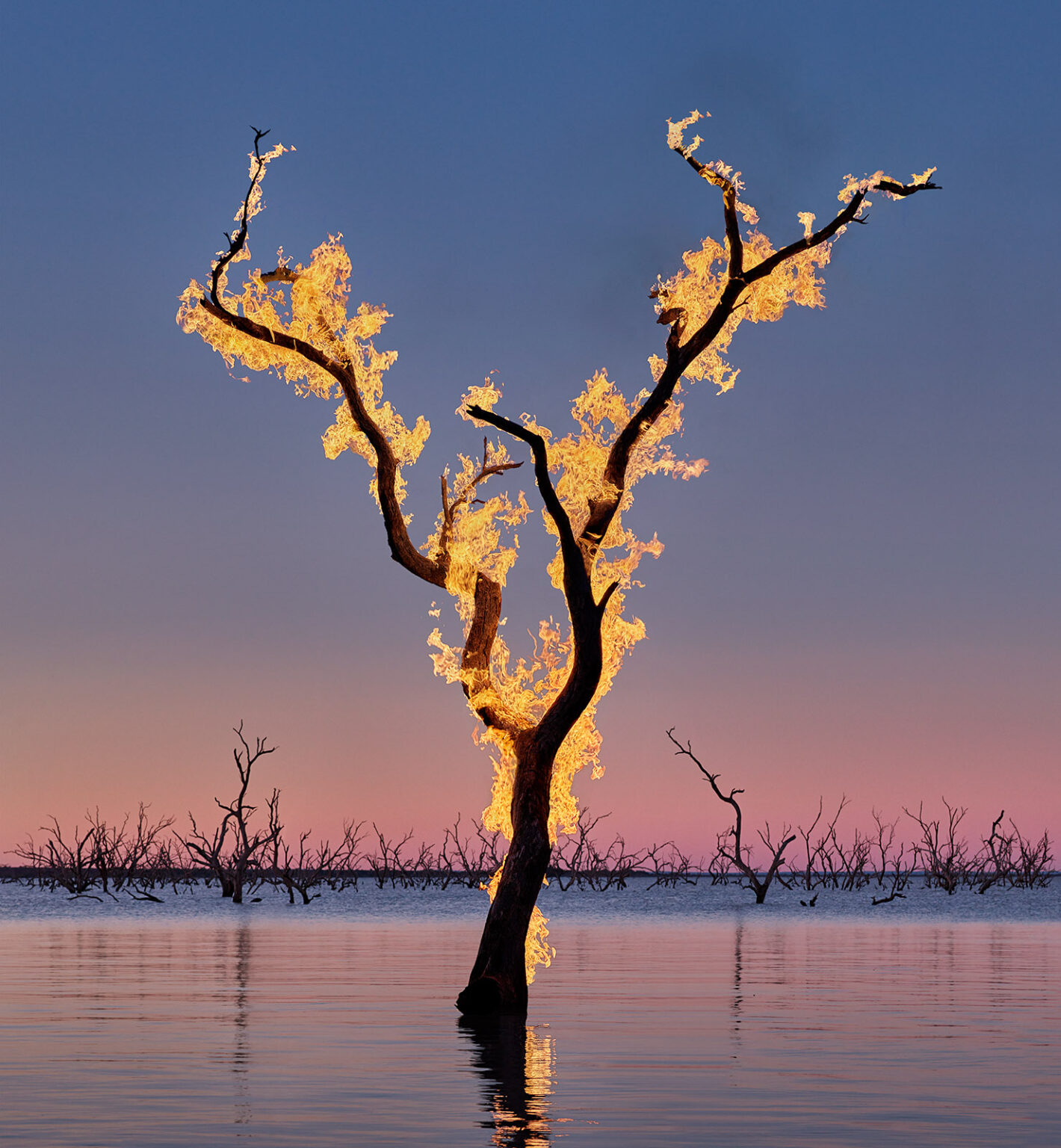
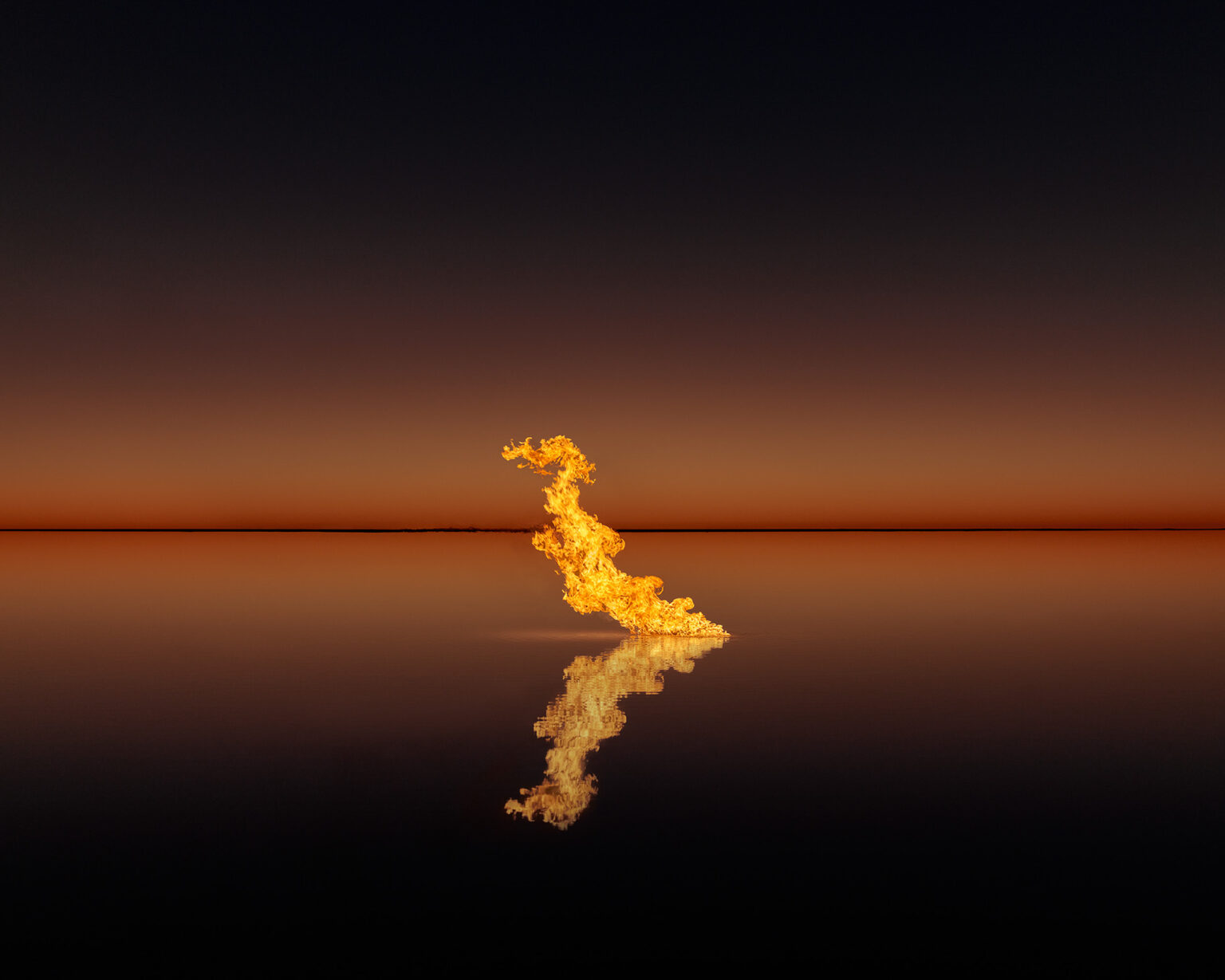
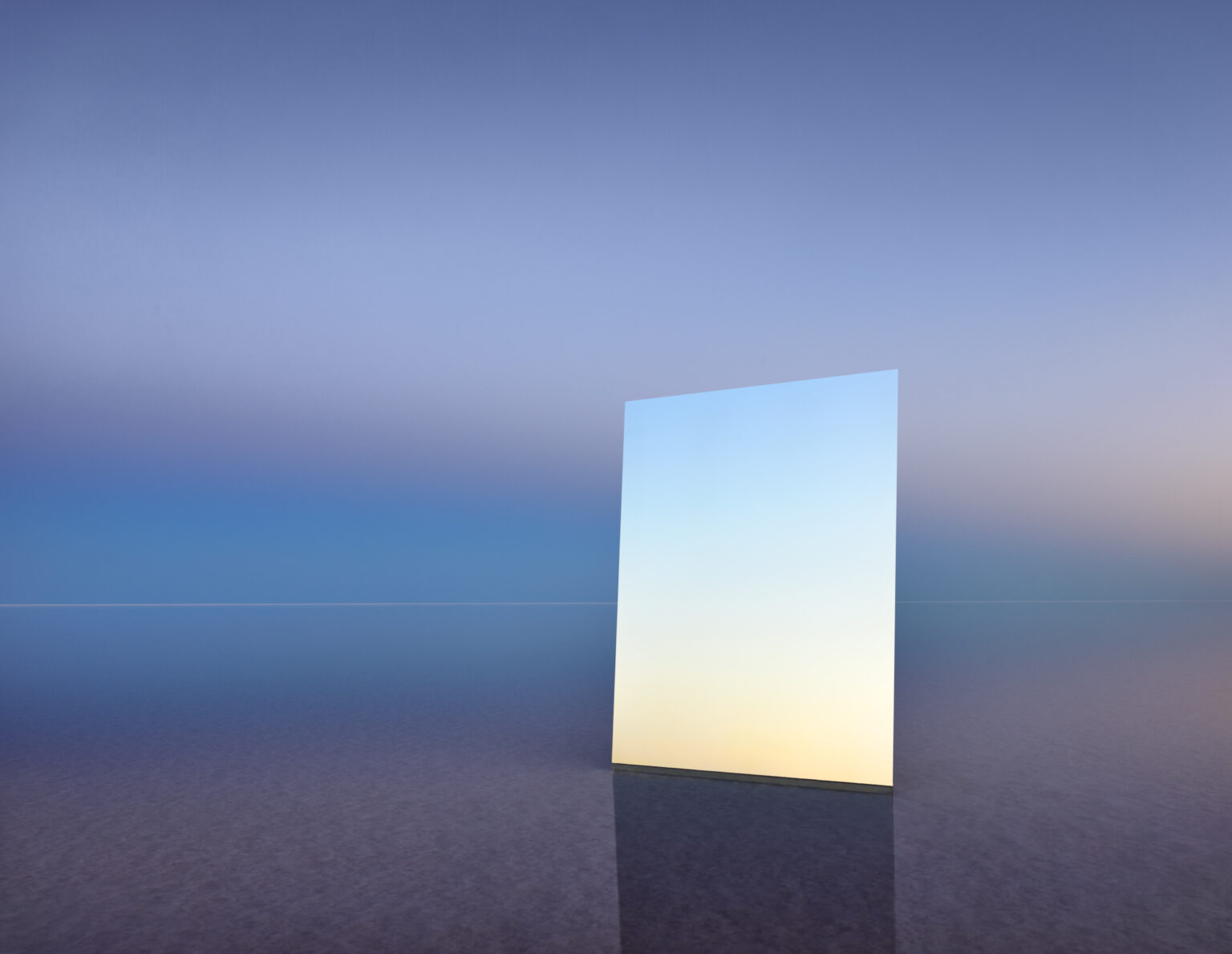
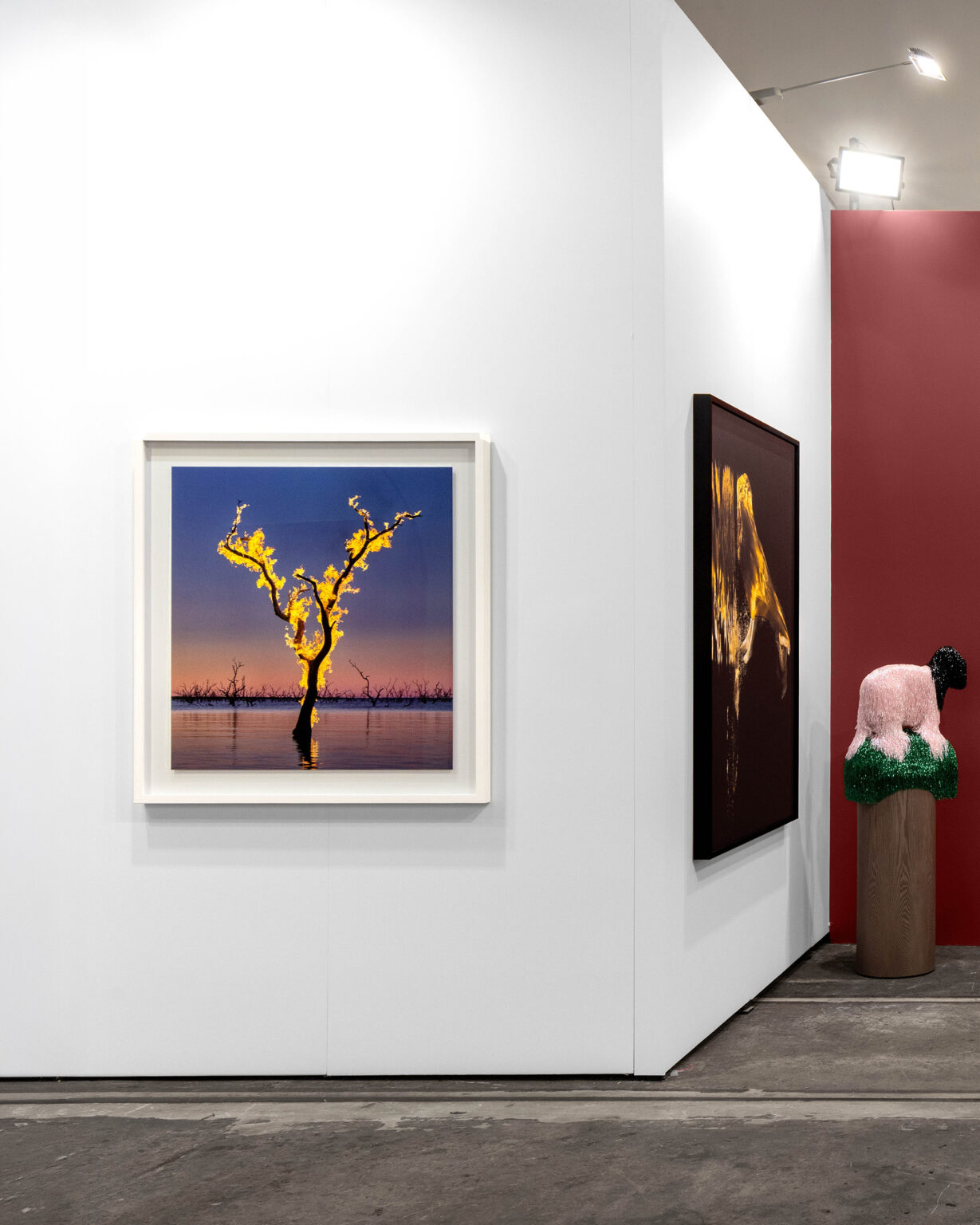
Unfolding across the entire ground floor of our Chippendale gallery, Fredericks’s inaugural Michael Reid Sydney exhibition draws together key photographs from his seminal, decades-spanning Salt project alongside more recent images from his Blaze and Dog Fence series. Connecting the visual and conceptual threads of a globally acclaimed practice, the exhibition traces Fredericks’s sustained inquiry into light, space and duration, and the emotional and psychological states that emerge through prolonged immersion in landscape.
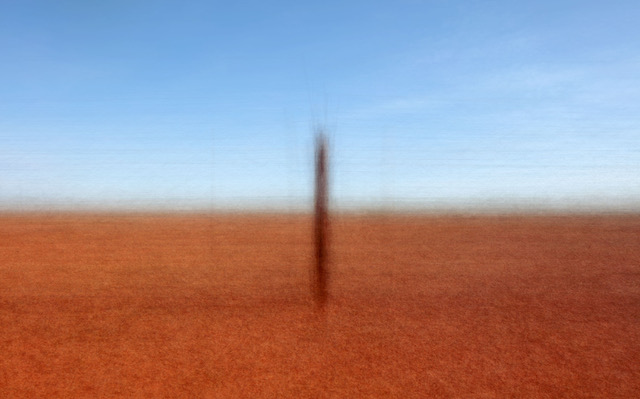
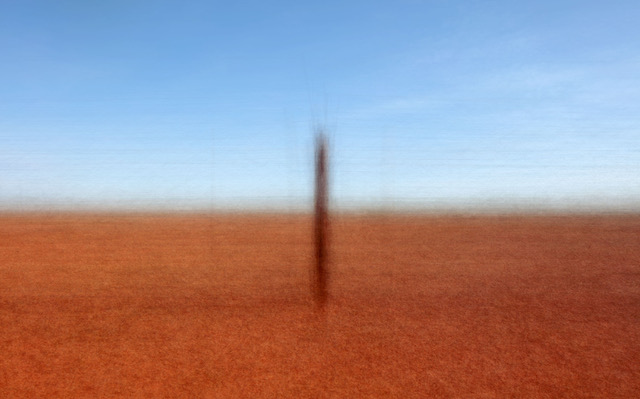
Fredericks’s Bowness Prize work will form a centrepiece of his Eora/Sydney exhibition. “The Dog Fence is the longest continuous humanmade structure in the world,” says the artist, who traced approximately 1,500 kilometres of the fence through a simple methodology: a photograph made every 300 metres. “Conceived as a survey of place, the work instead became an investigation of the fence’s structures and their interaction with the landscape. Palimpsestic images collapse multiple locations into shared forms, revealing a landscape shaped by repetition, intervention and control.”
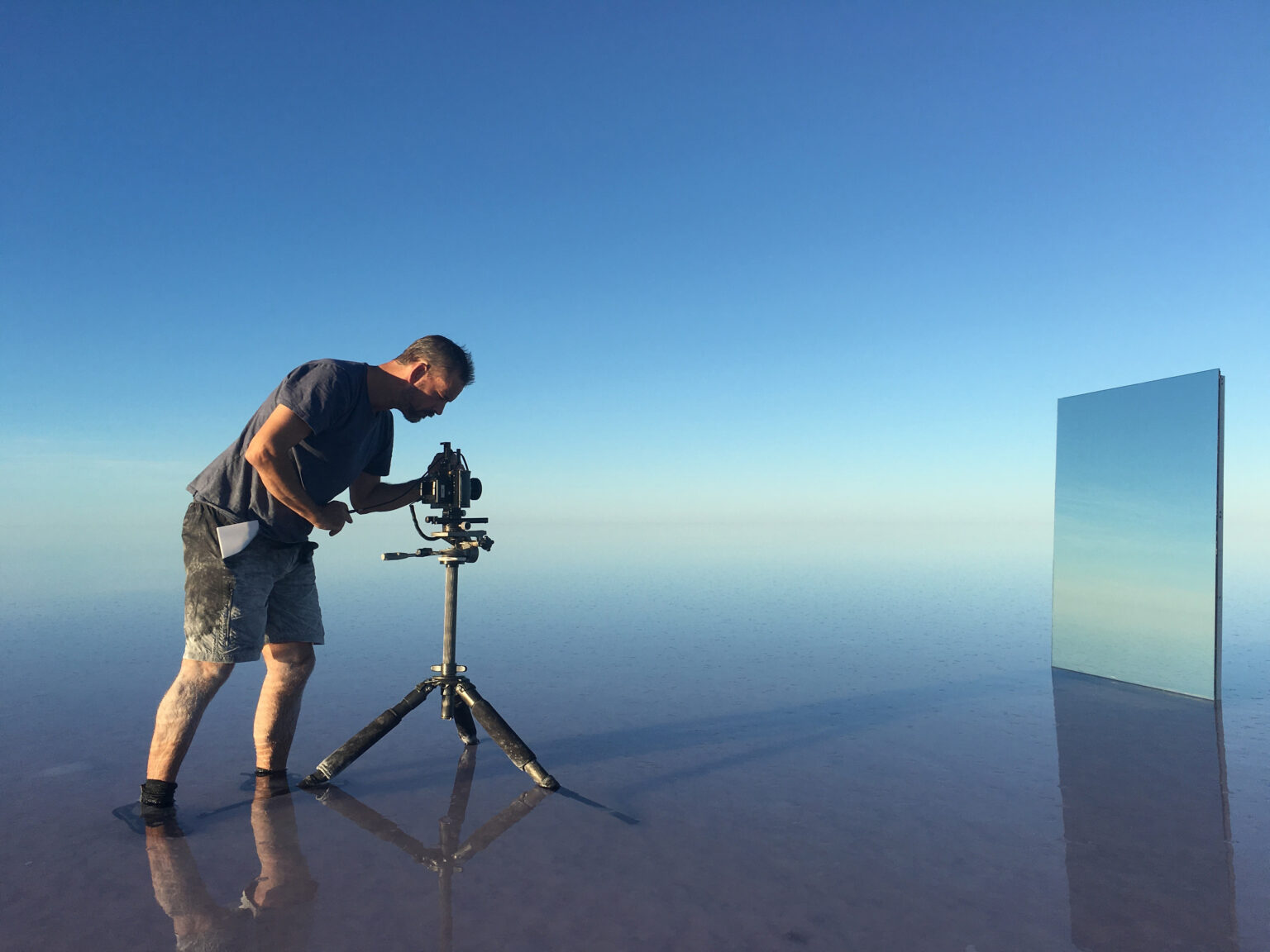
Across a career spanning close to three decades, Fredericks has honed a singular photographic language shaped by prolonged immersion in environments at the far edges of elemental extremes. Grounded in reduction, seriality and sustained attention, Fredericks distils light, horizon and elemental interventions into images that move beyond landscape as scenery and towards a timeless essence.
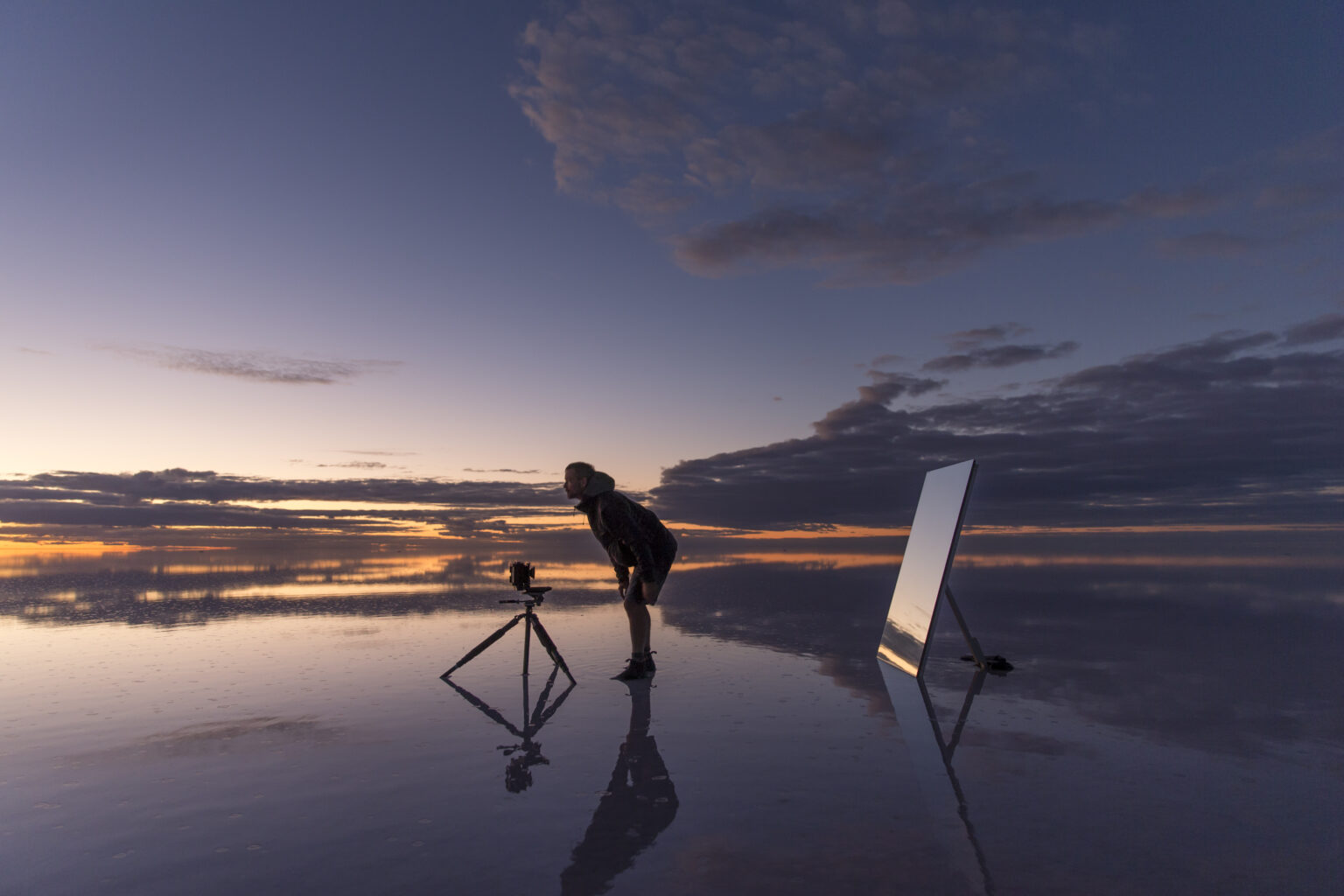
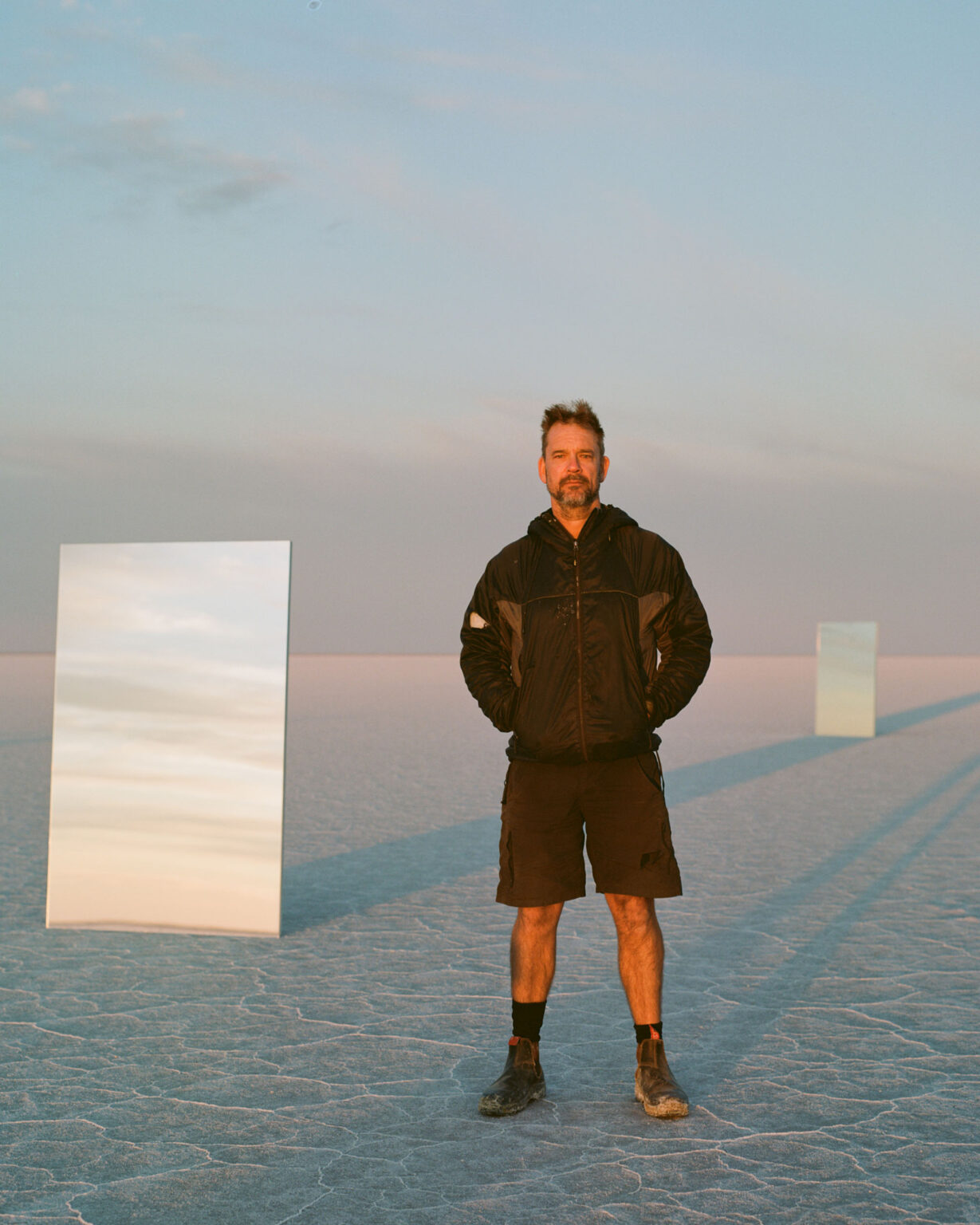
“Working on salt lakes allowed the landscape to be reduced to an almost blank field and the work moved away from topography toward perception itself,” says Fredericks, who has returned to Kati Thanda–Lake Eyre more than 30 times since 2003. “Light, tonality and scale became the primary elements. Landscape was no longer a subject to depict, but a space through which to explore duration, emptiness and the psychological states that emerge through immersion.”
For previews, please email hughholm@michaelreid.com.au