
Light Years

Posted by

Light Years

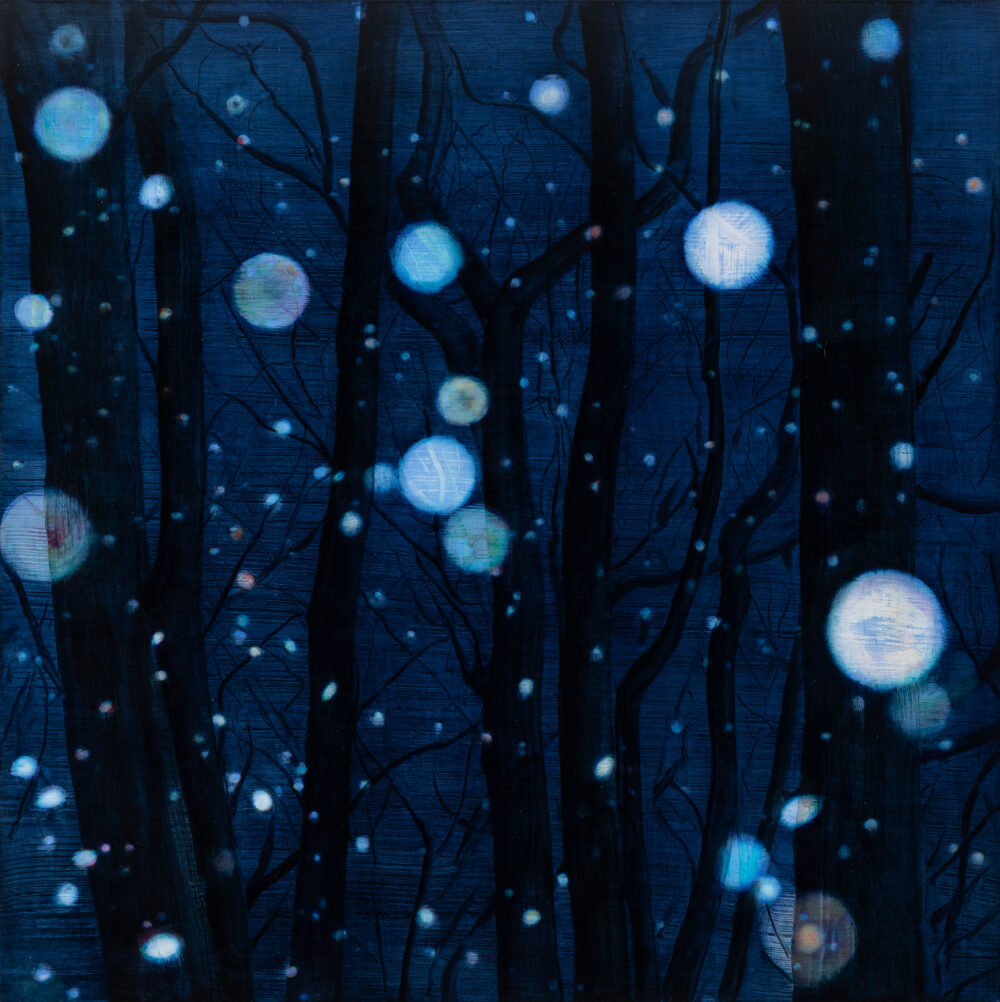
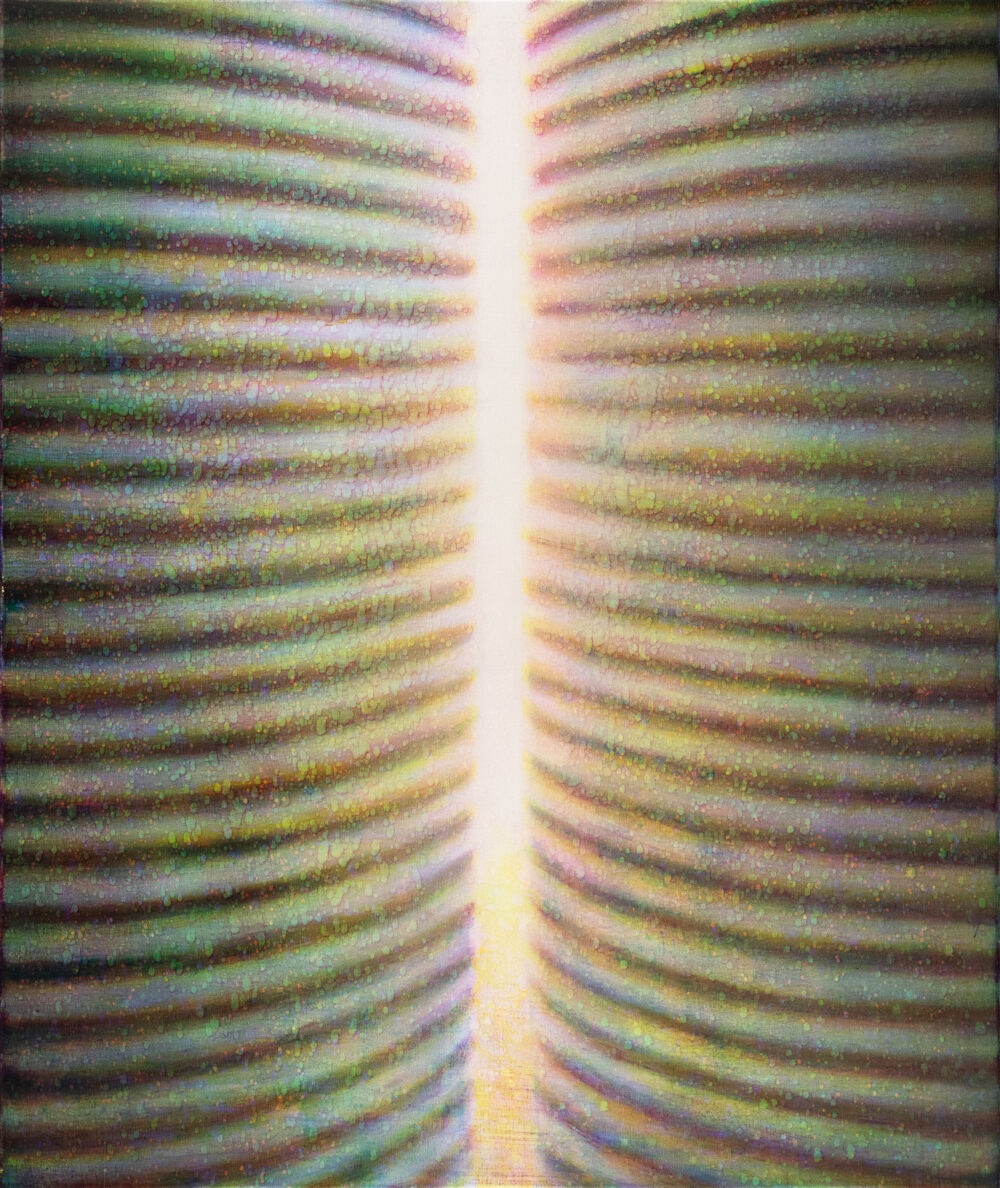
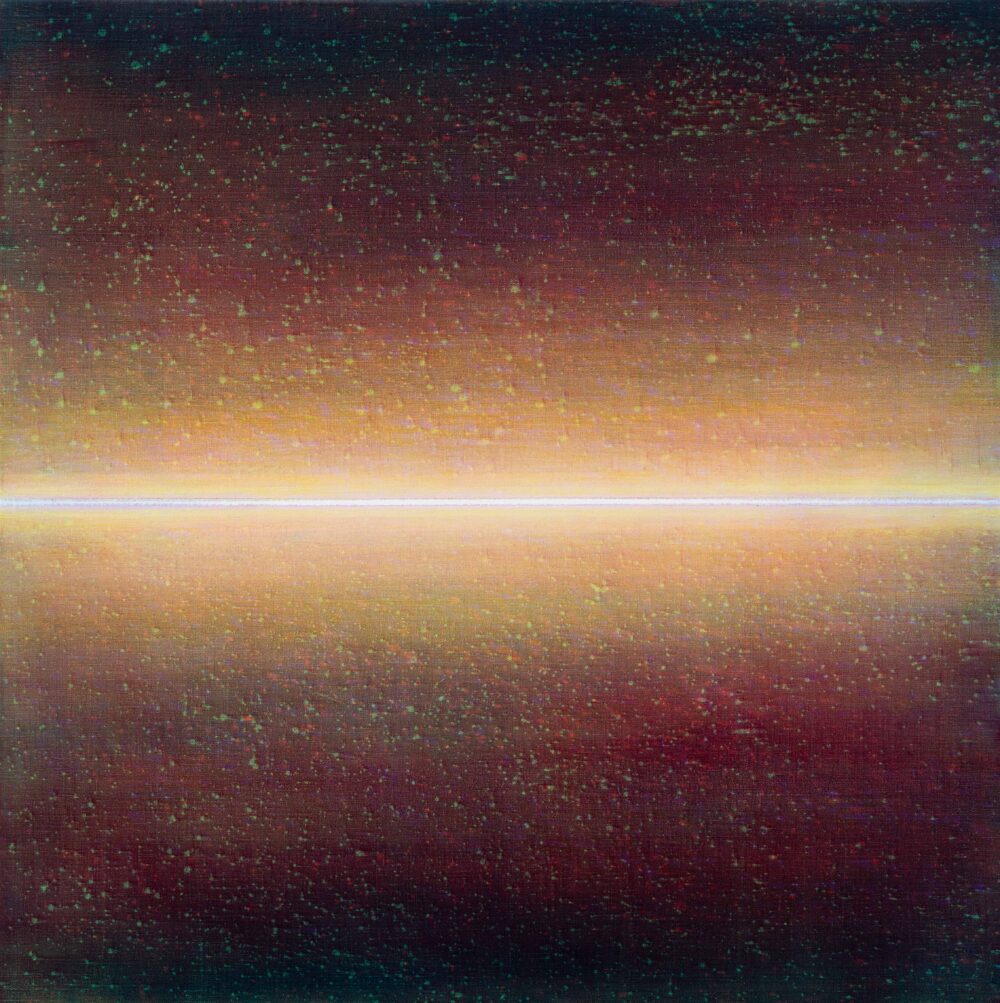
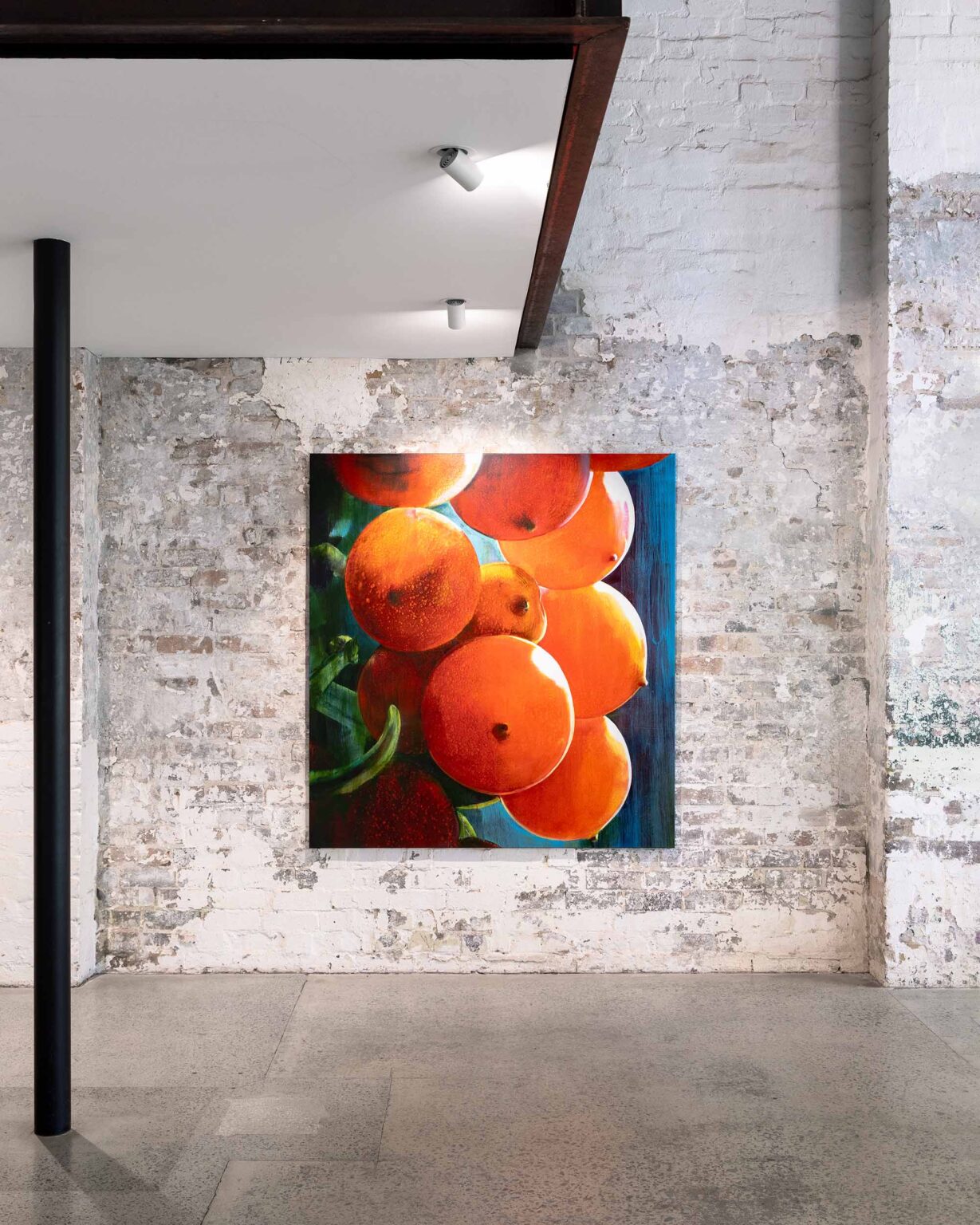
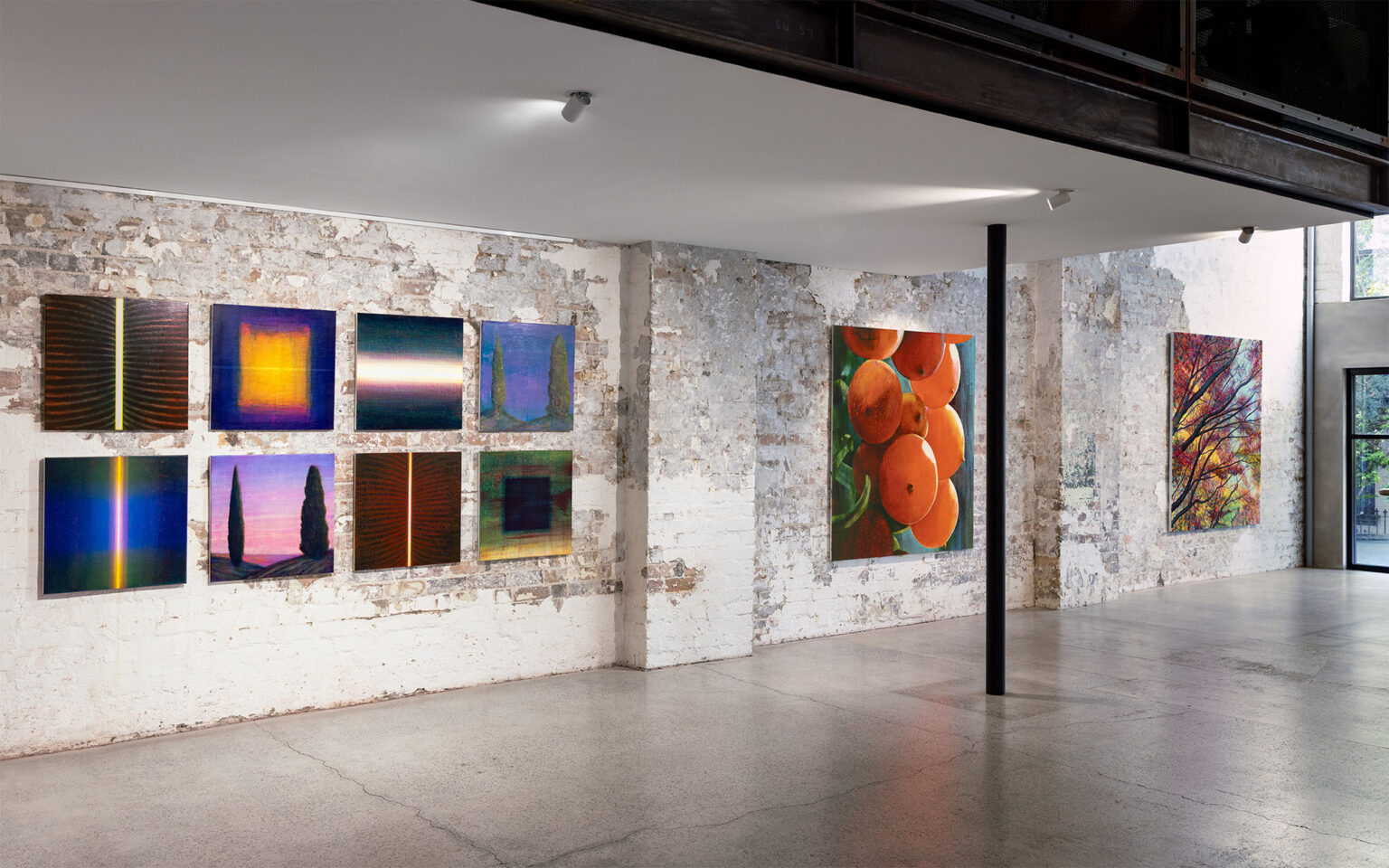
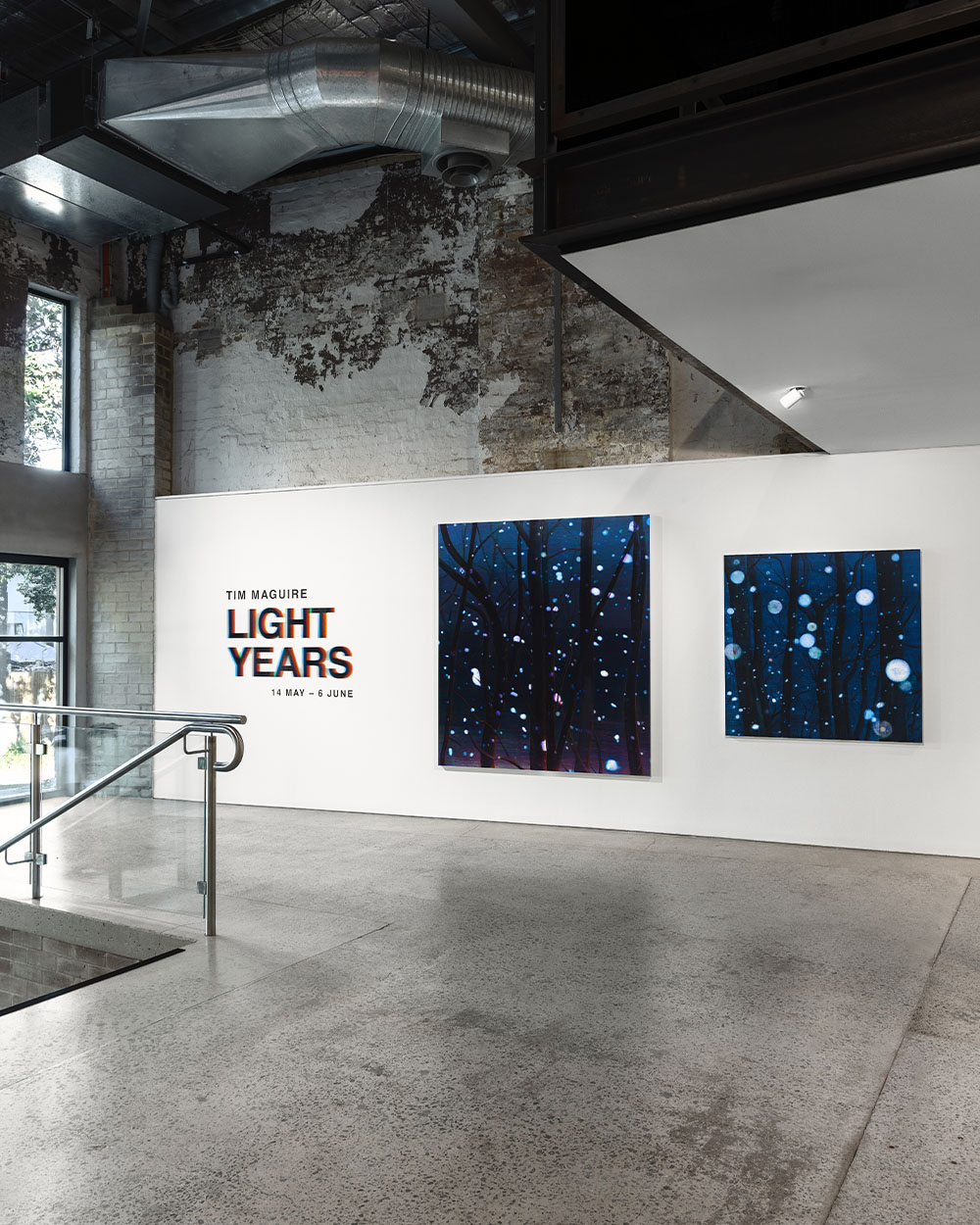
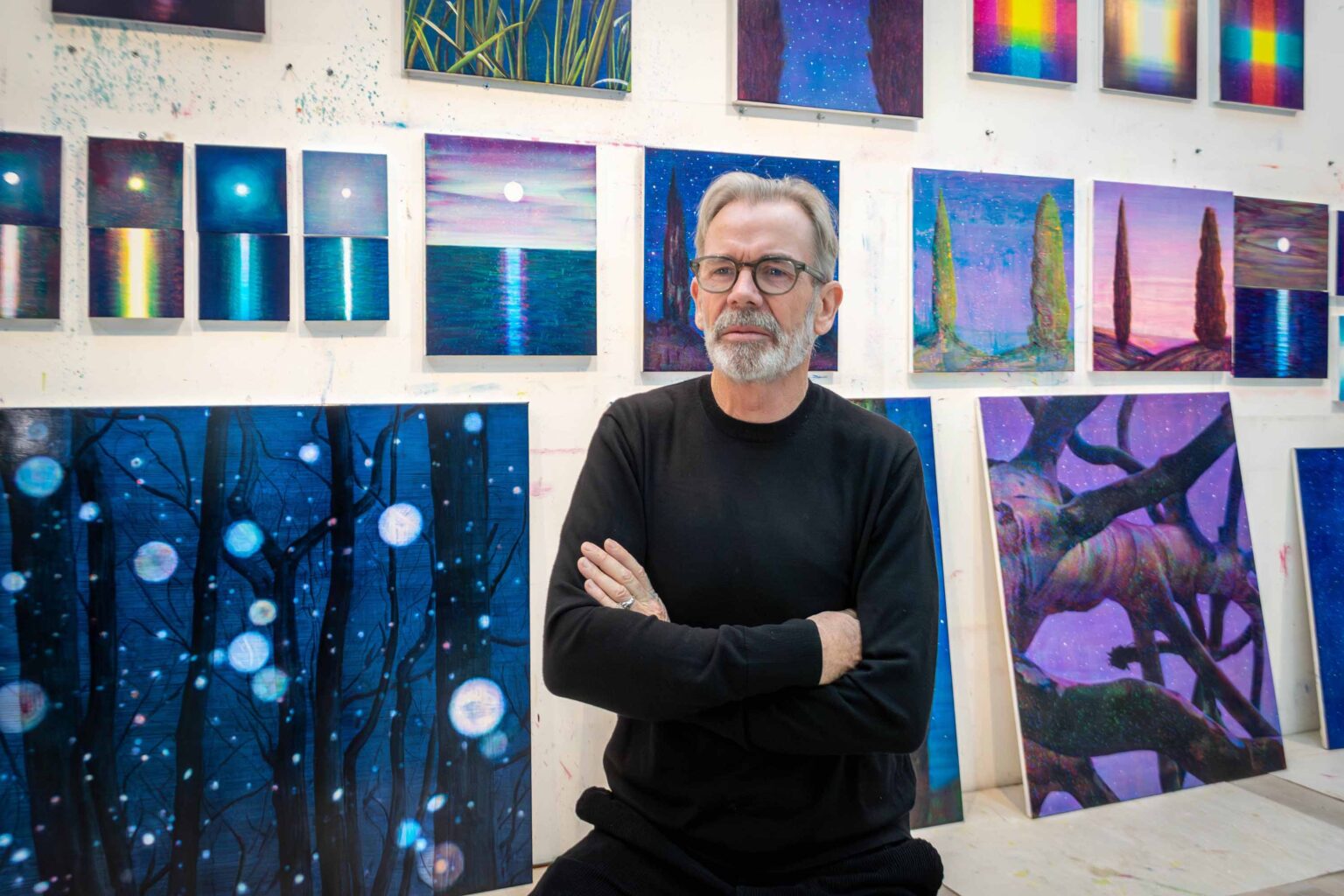
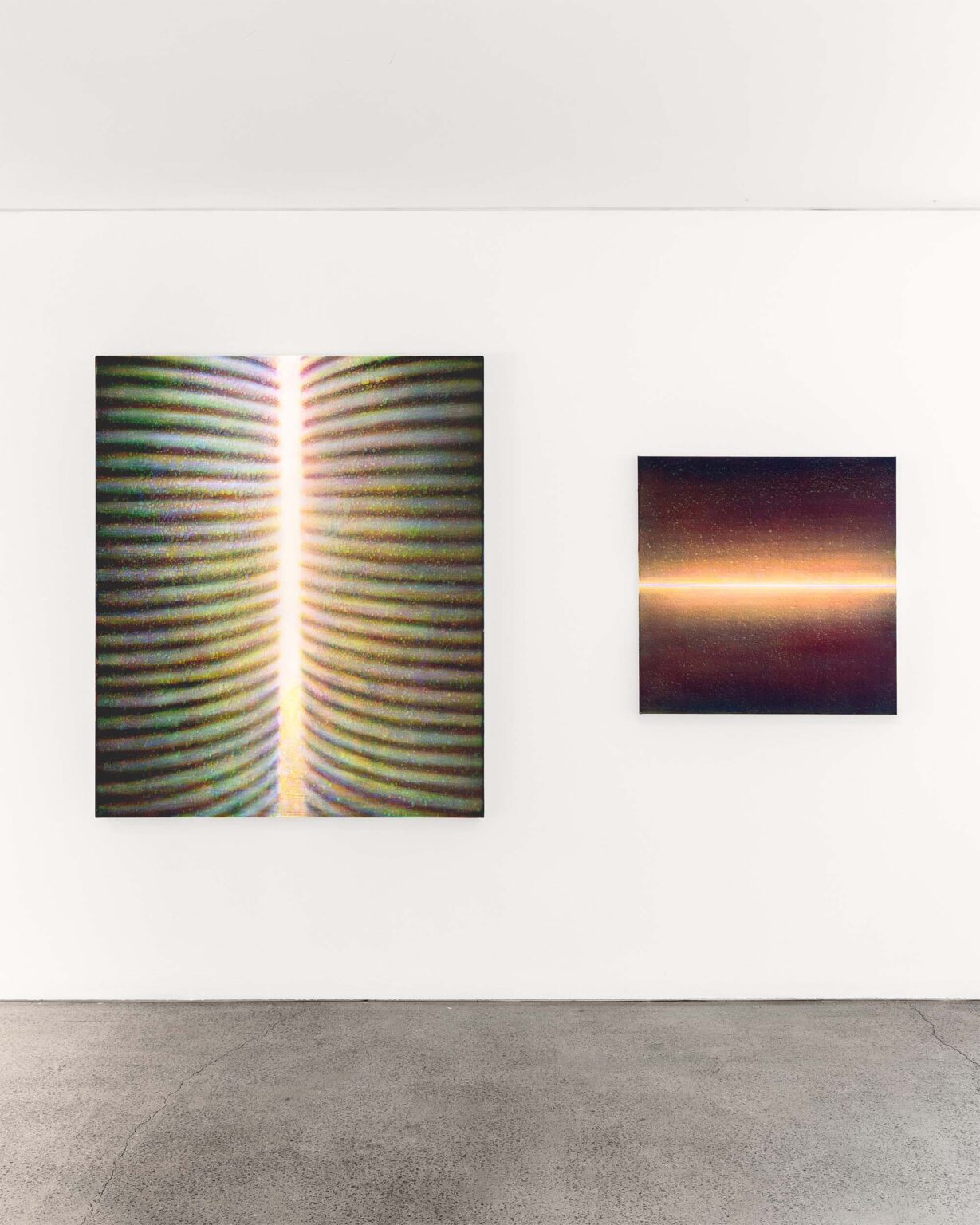
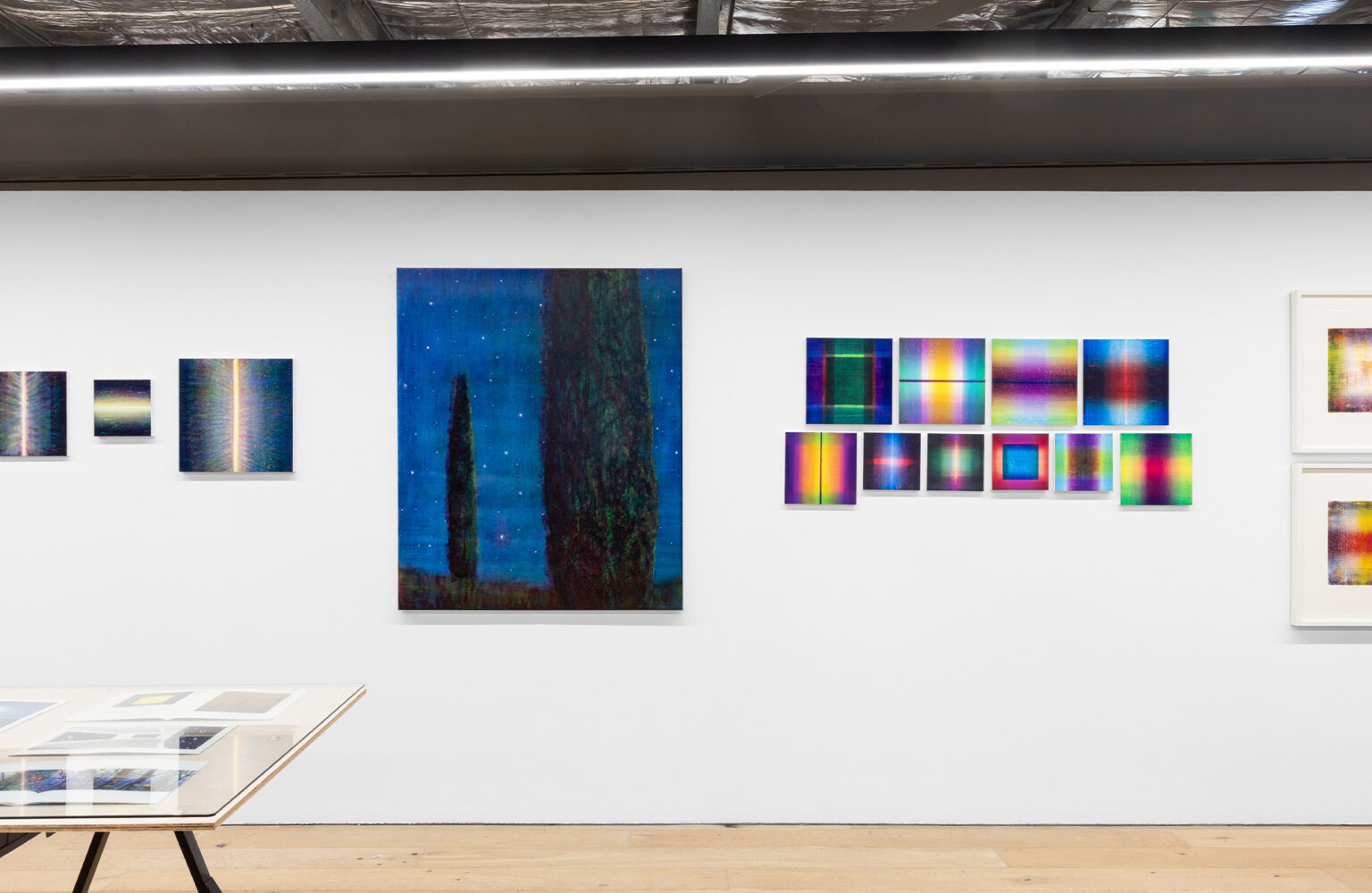
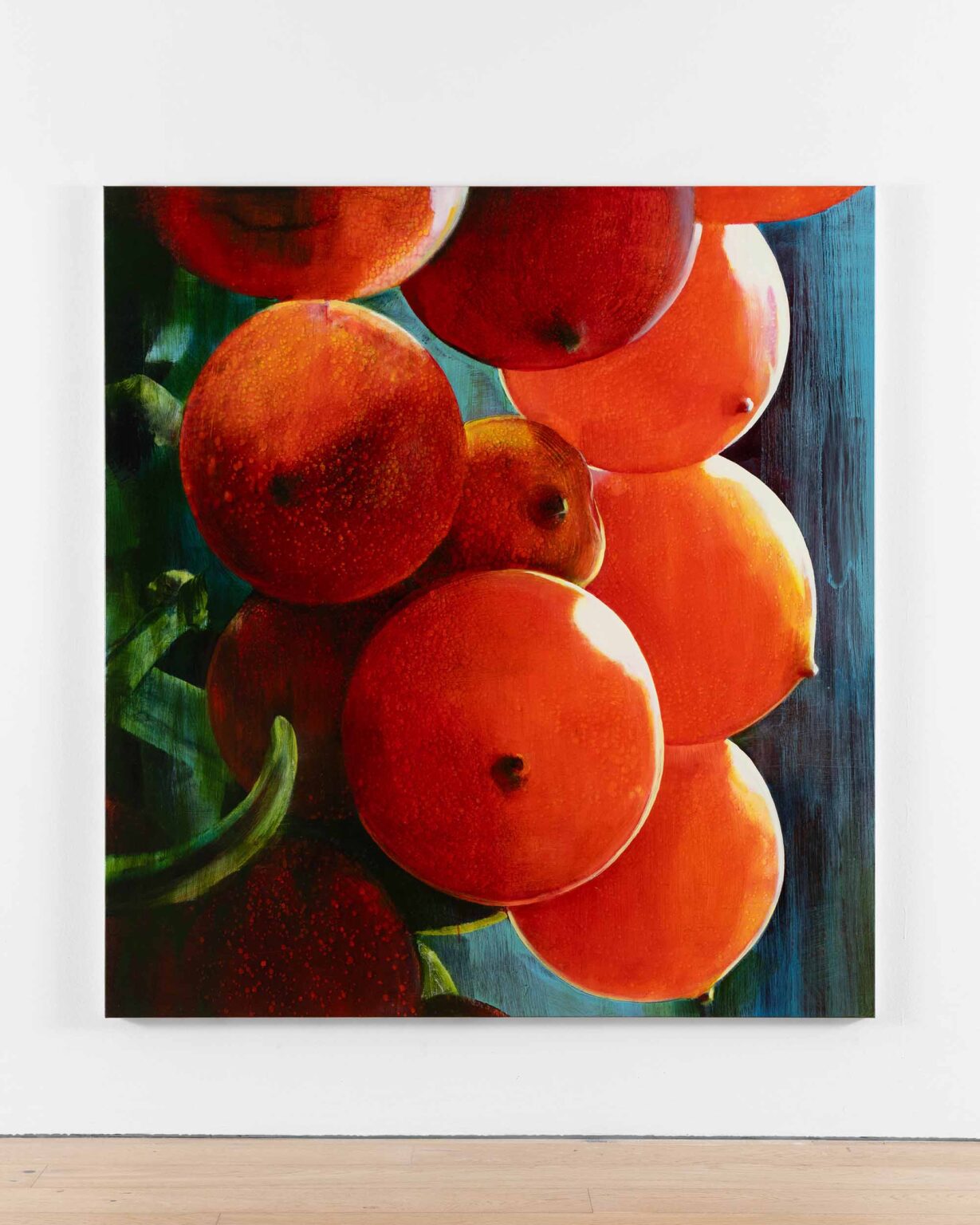
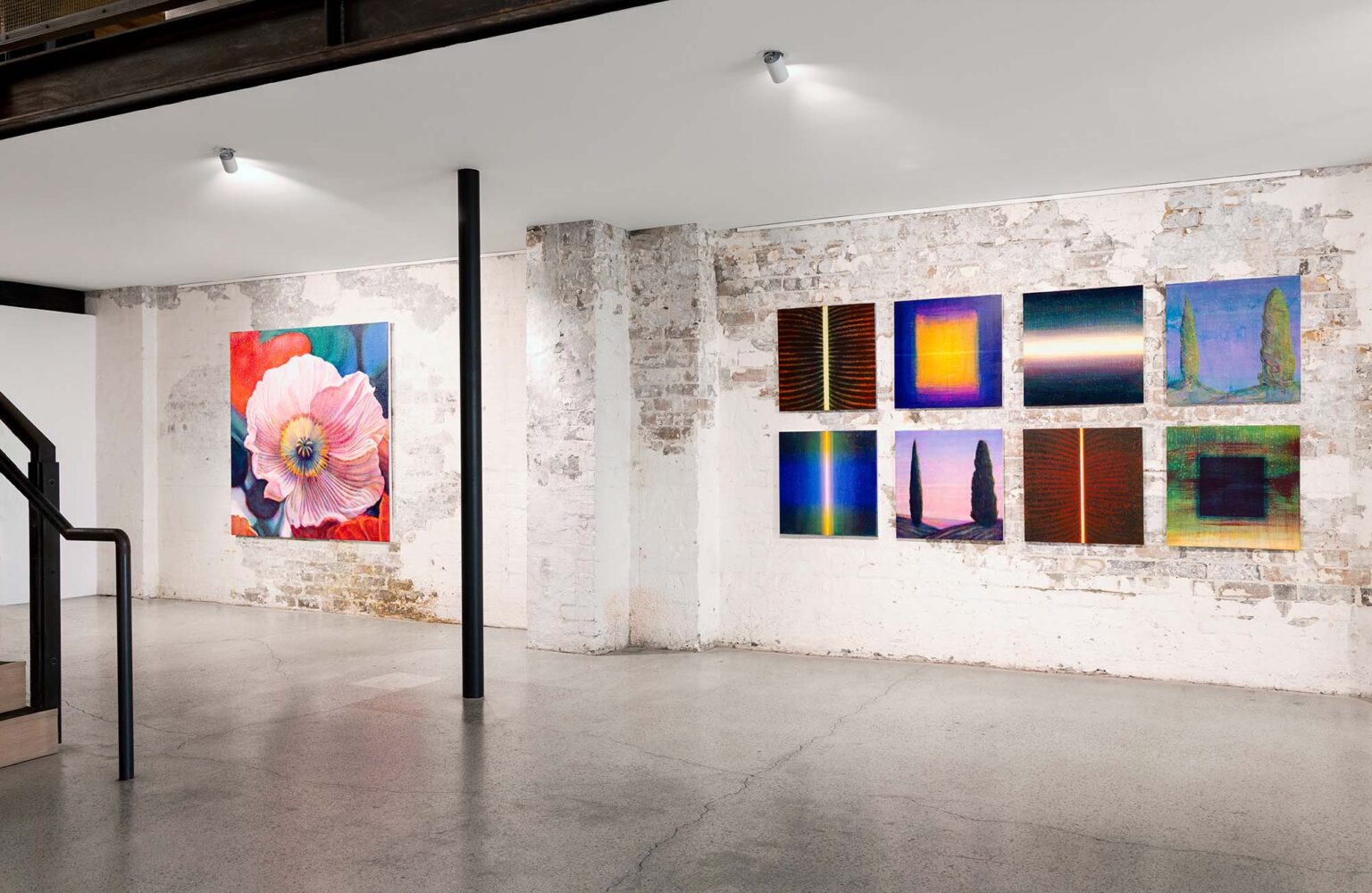
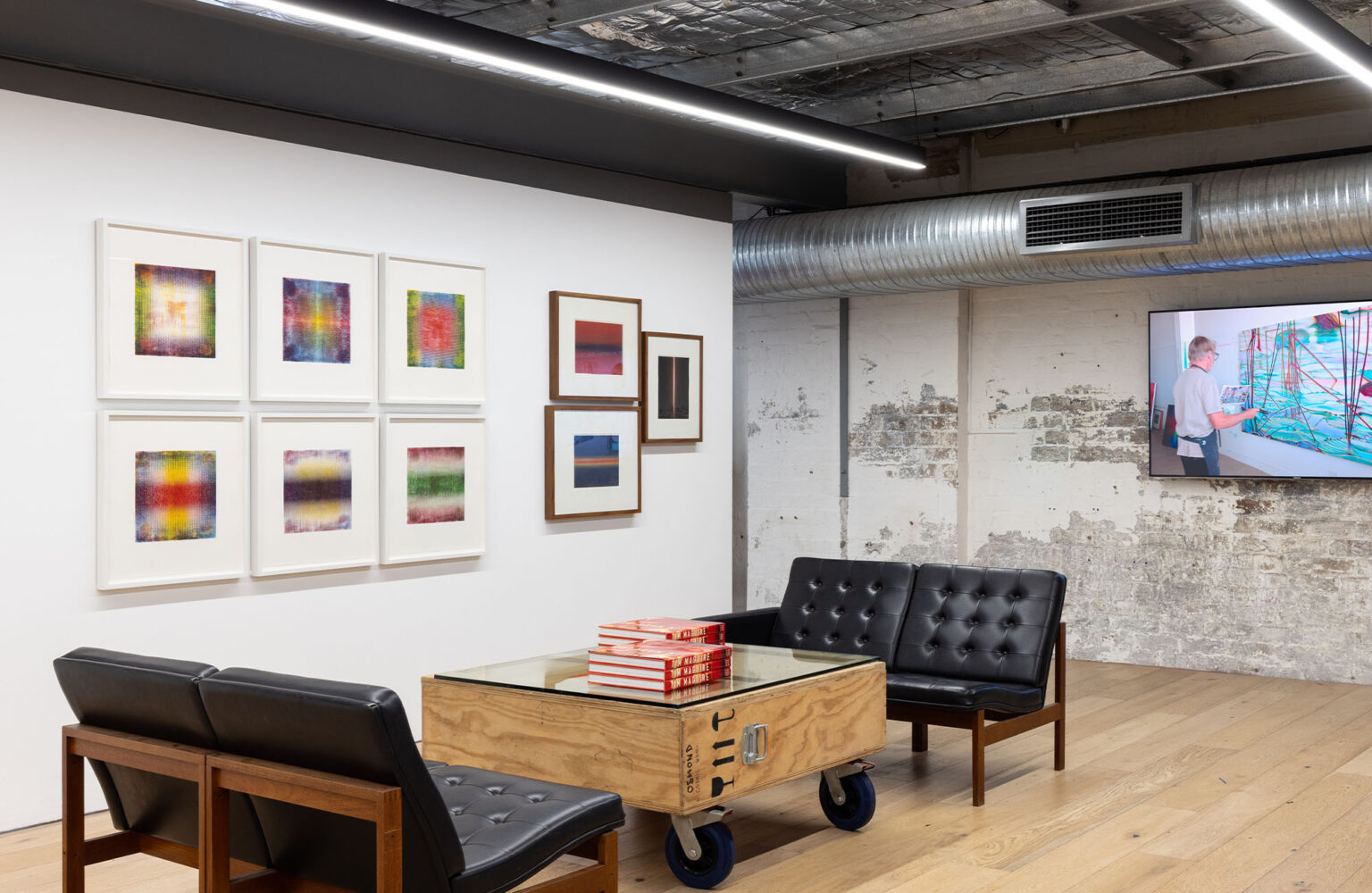
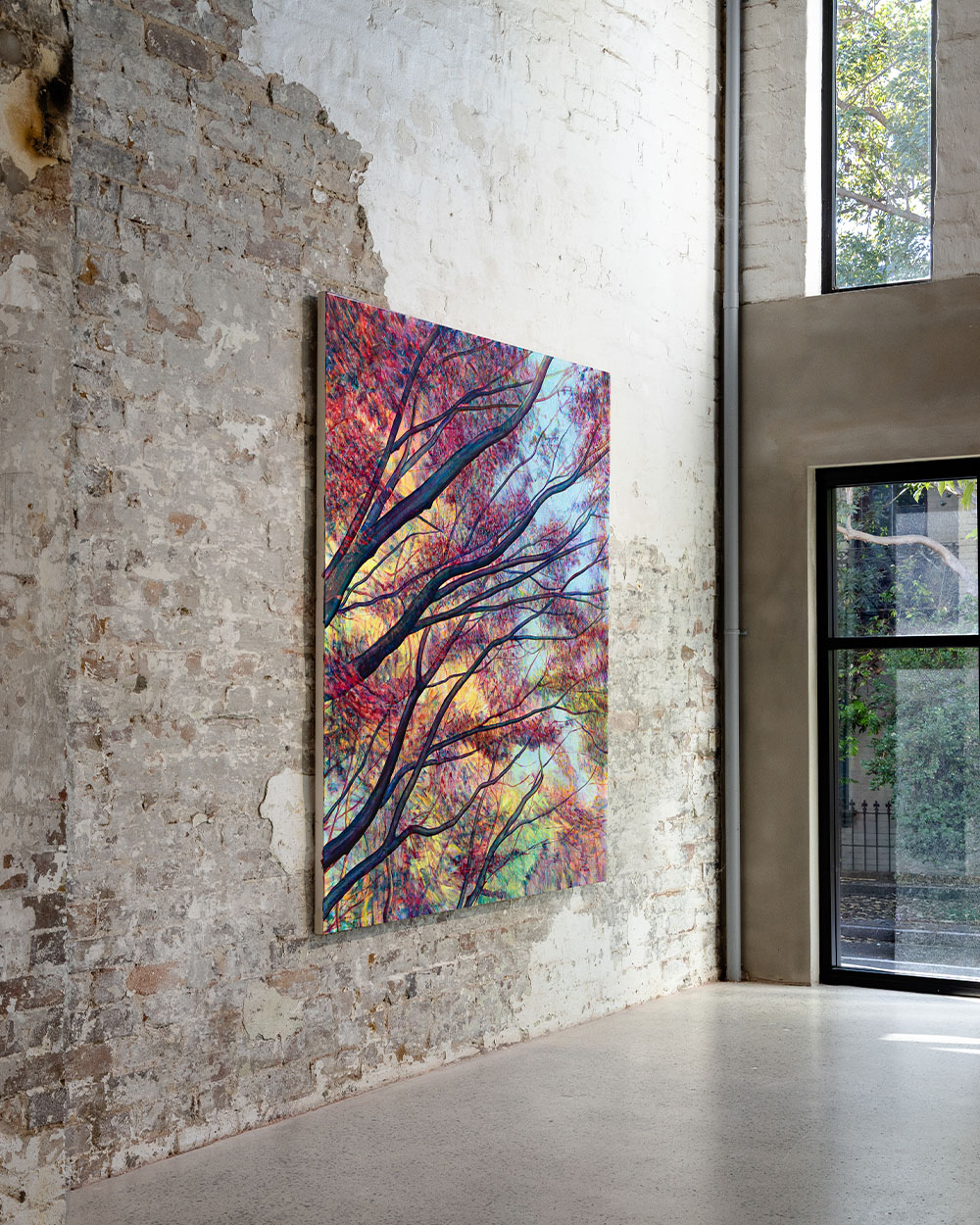
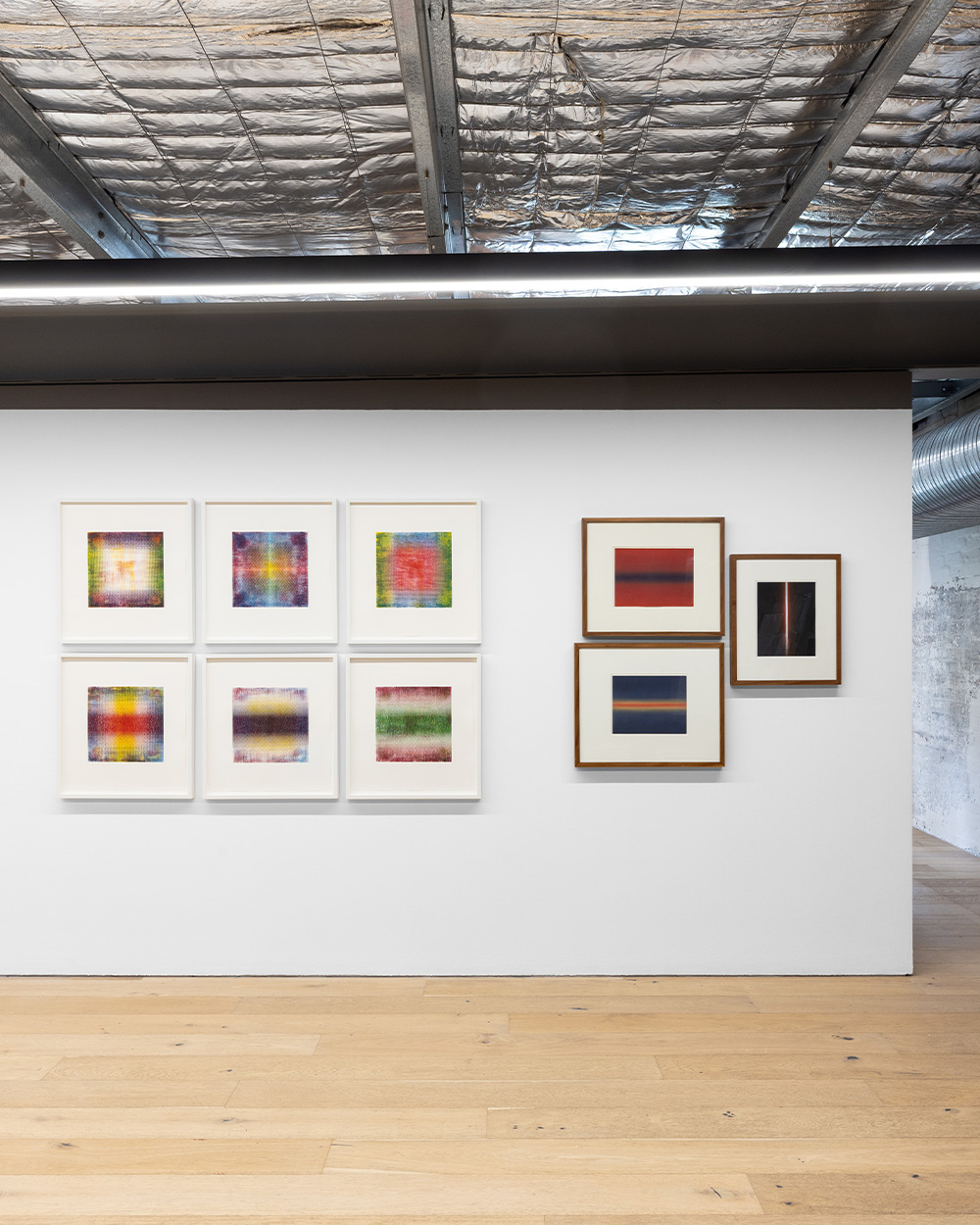
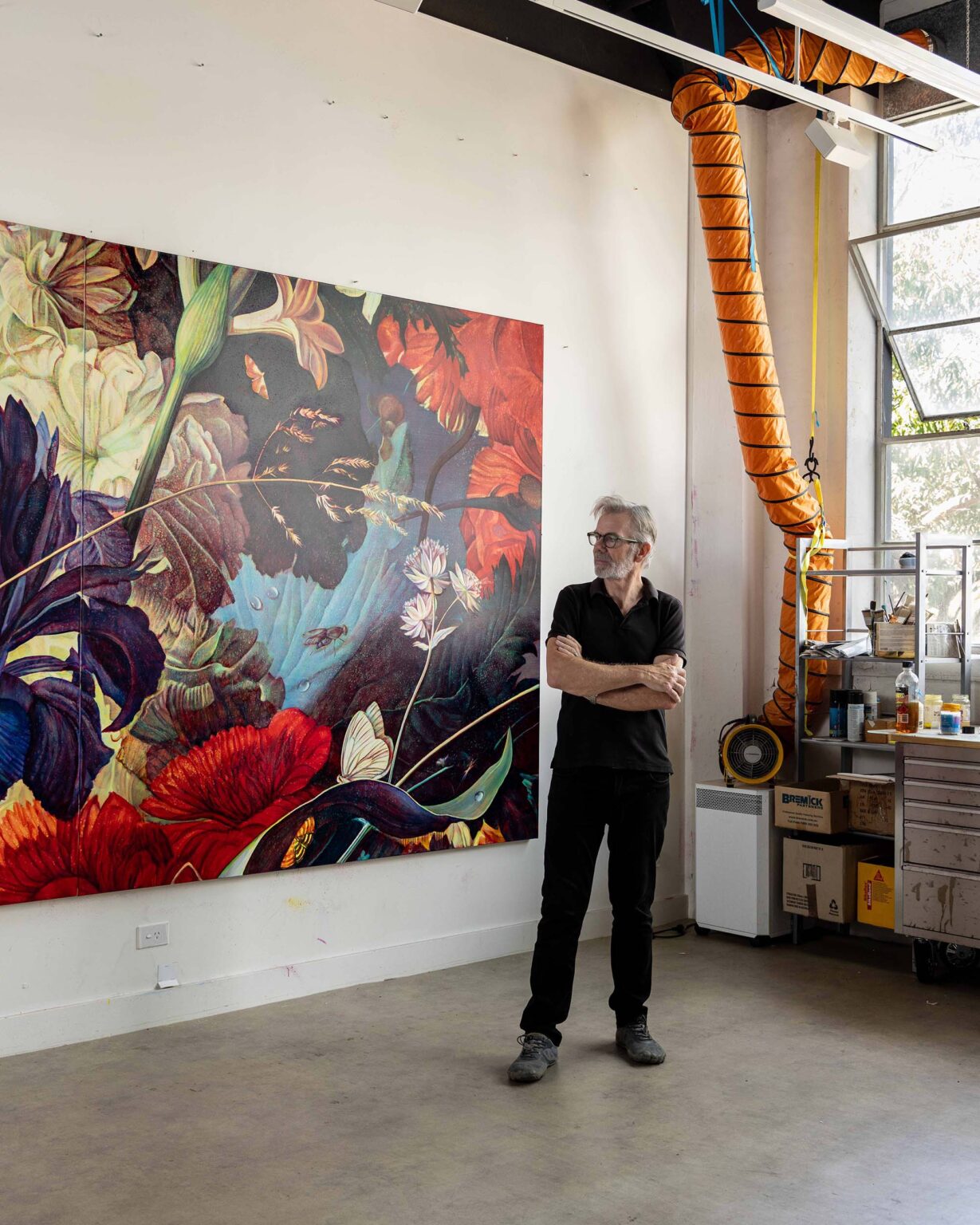
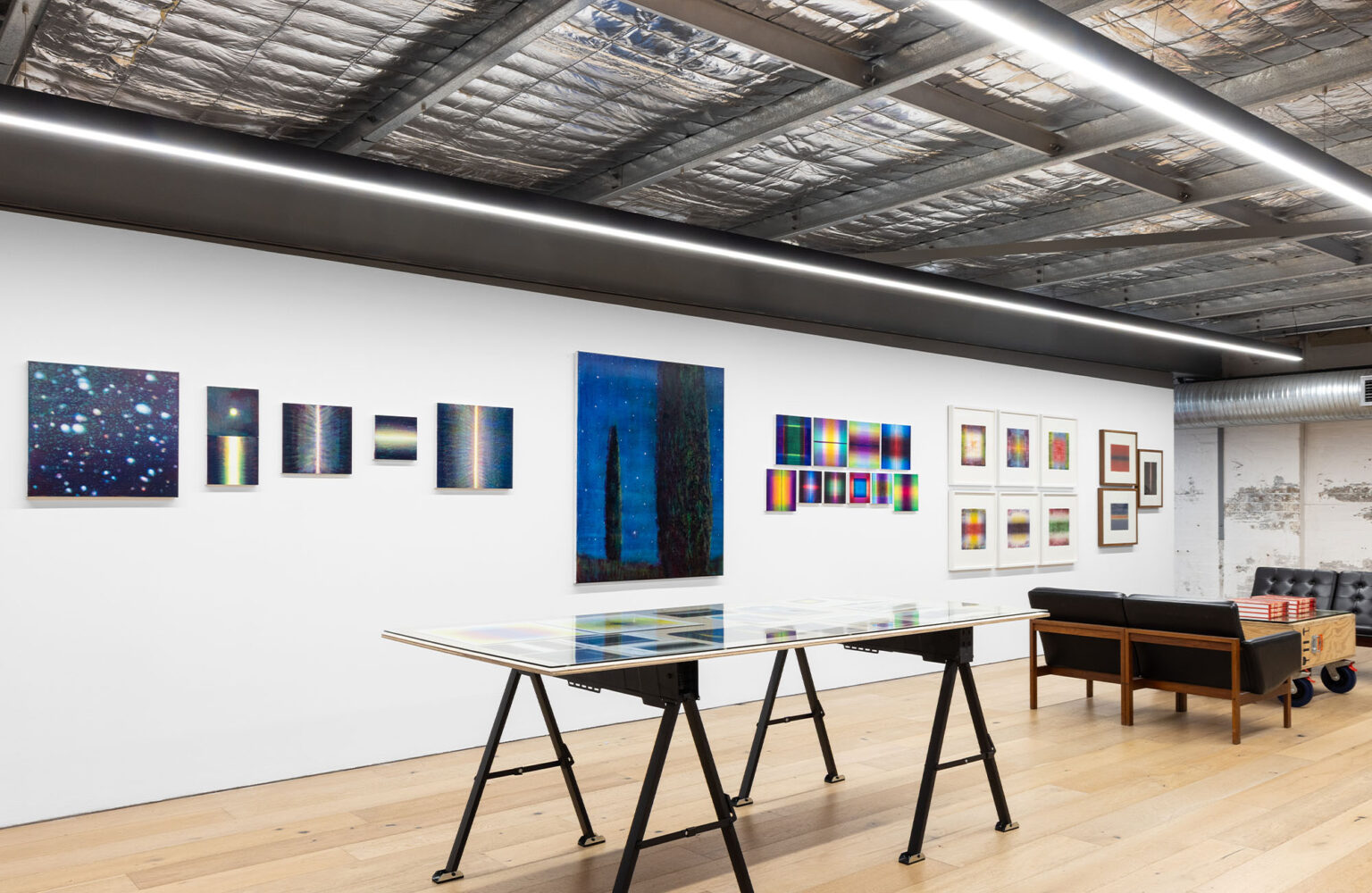
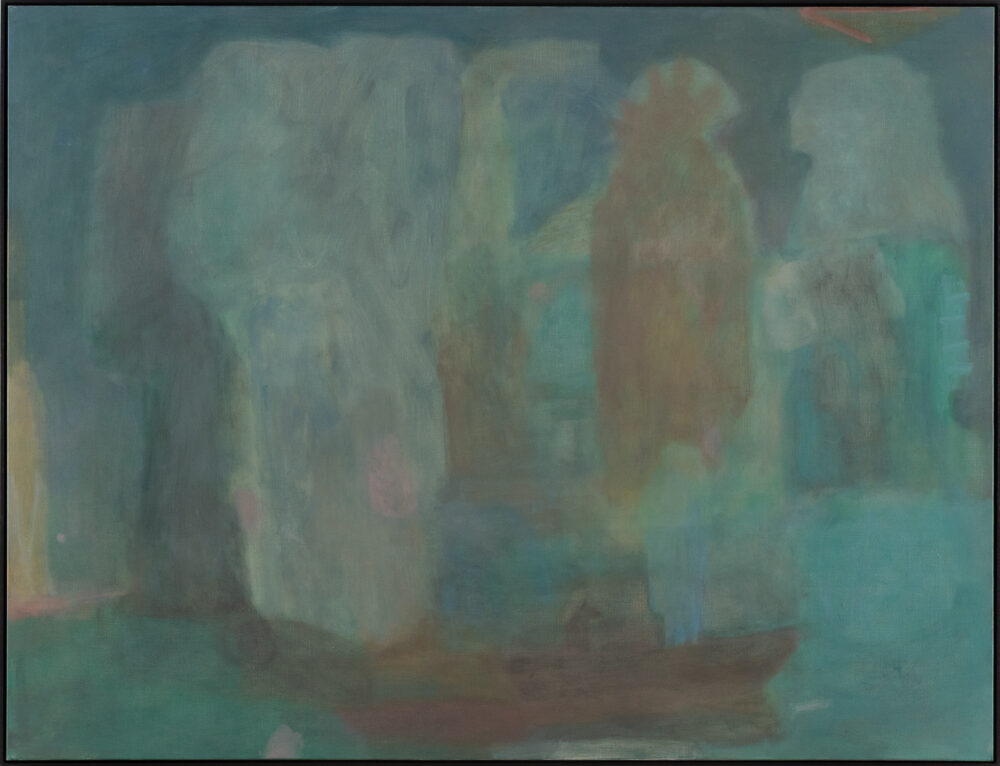
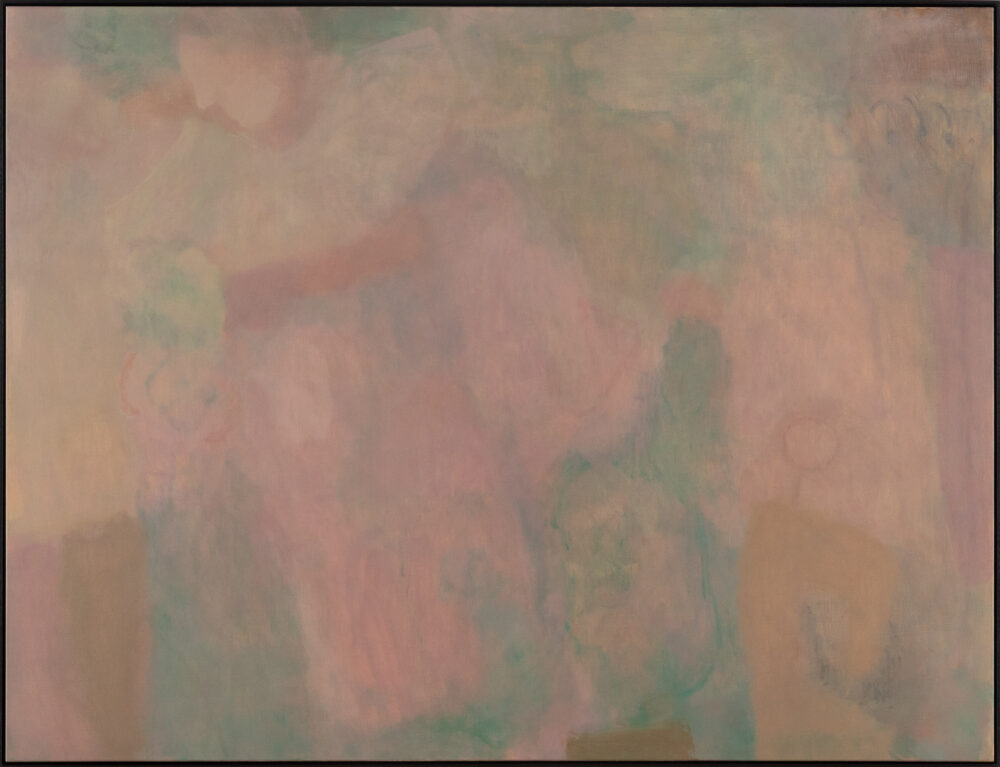
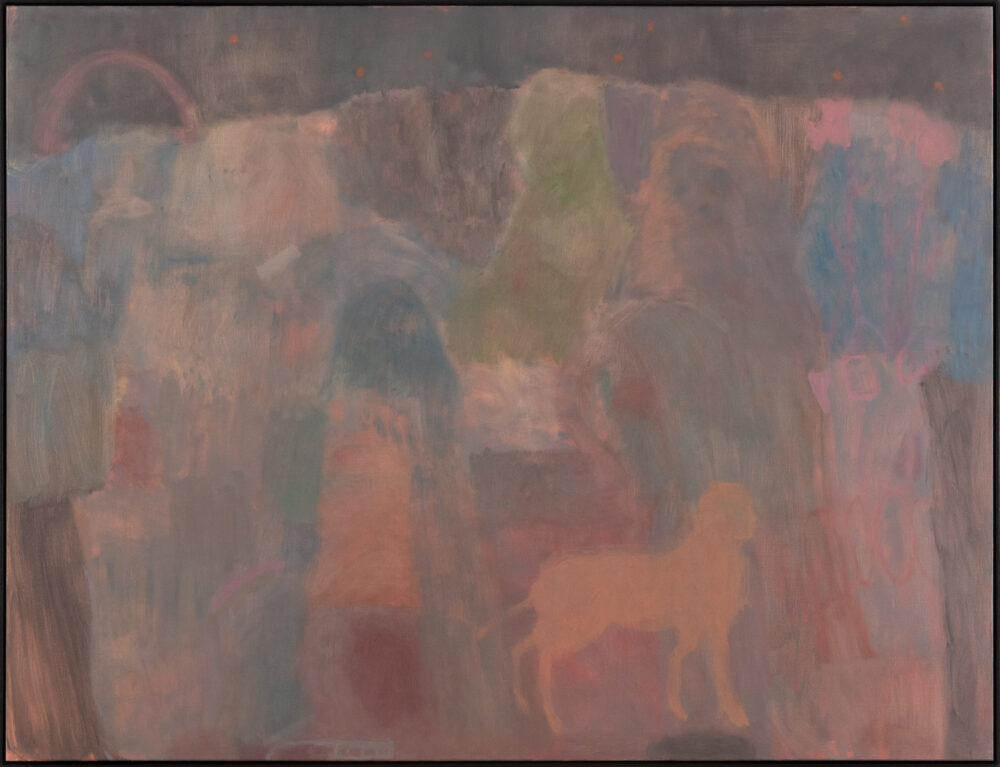
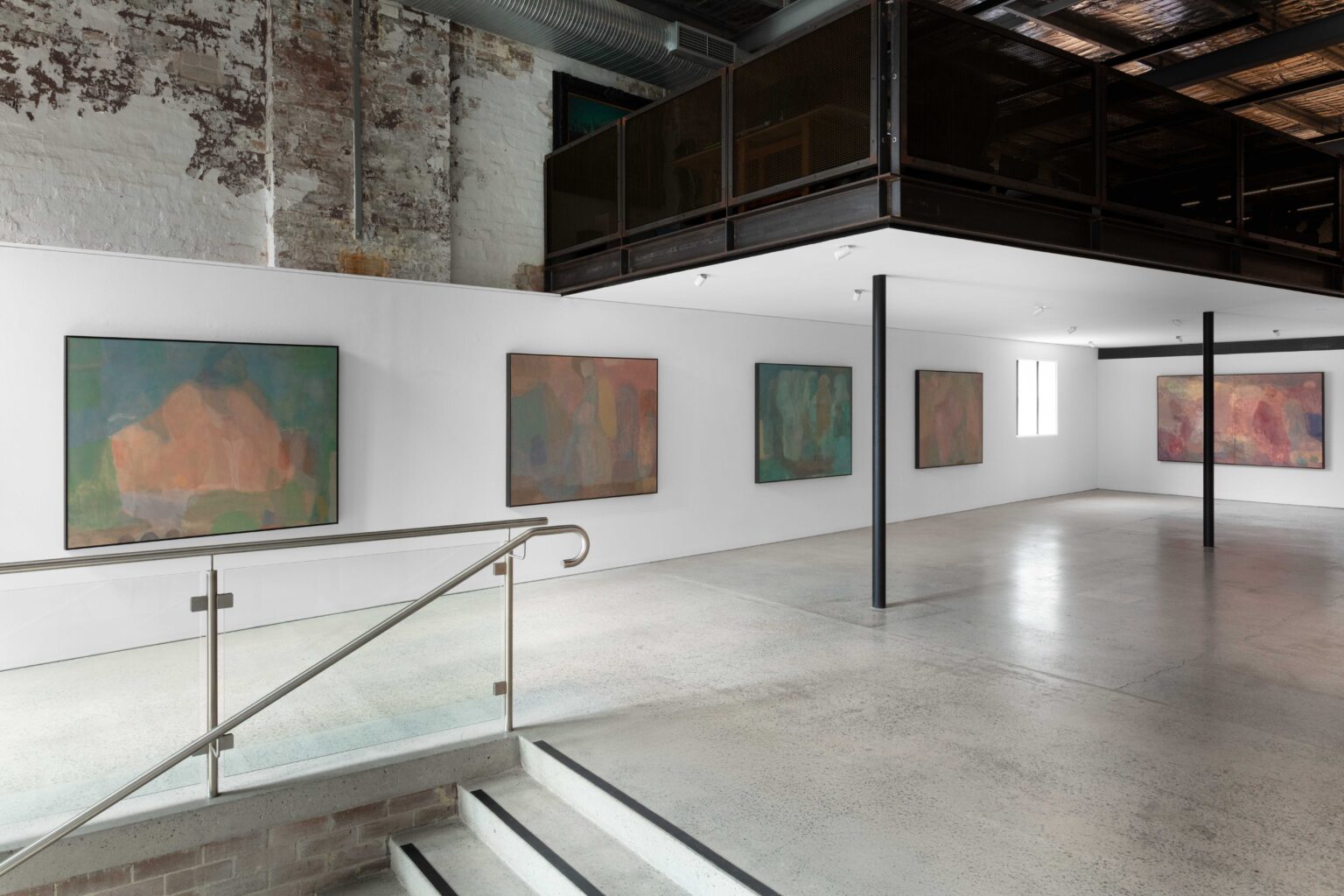
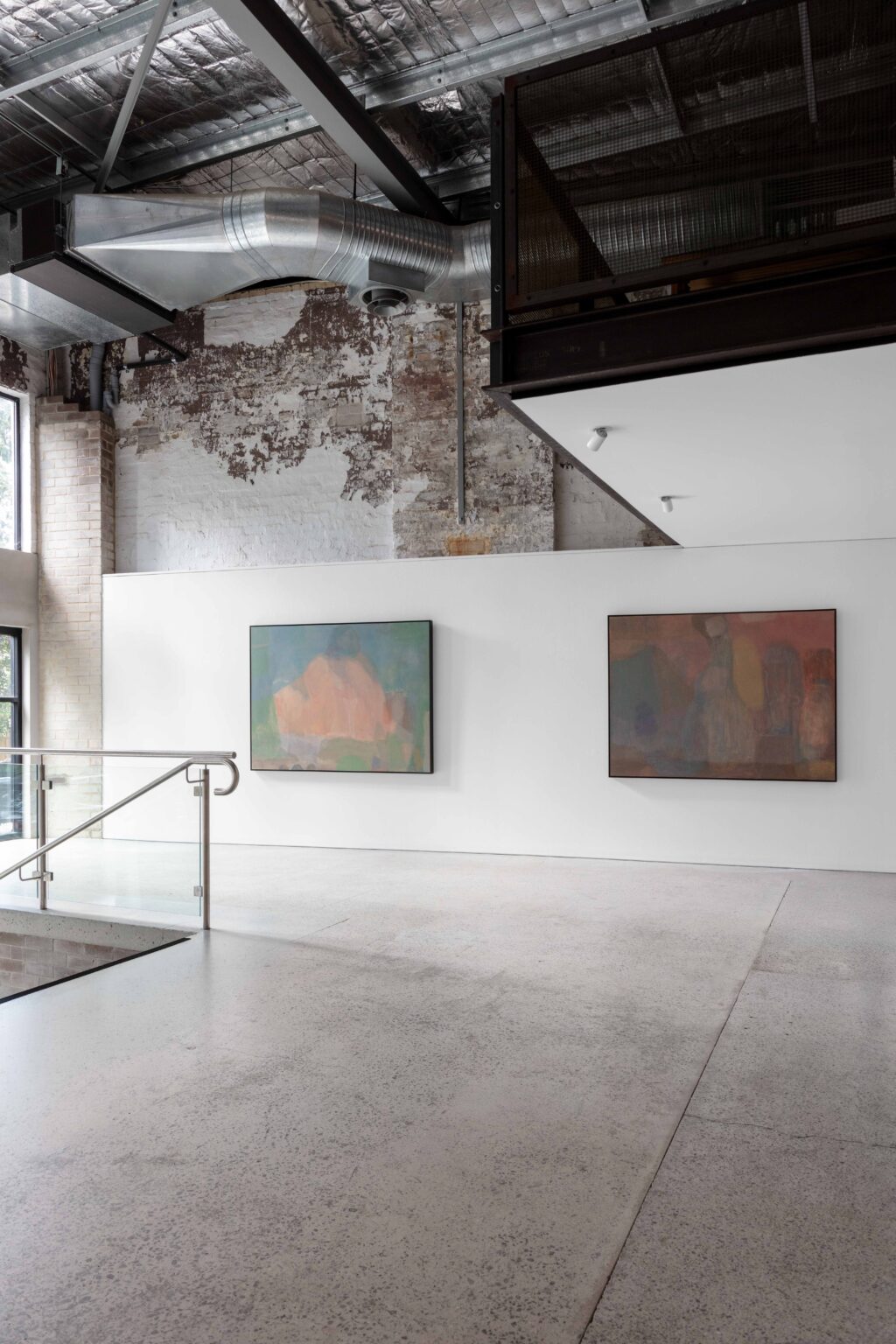
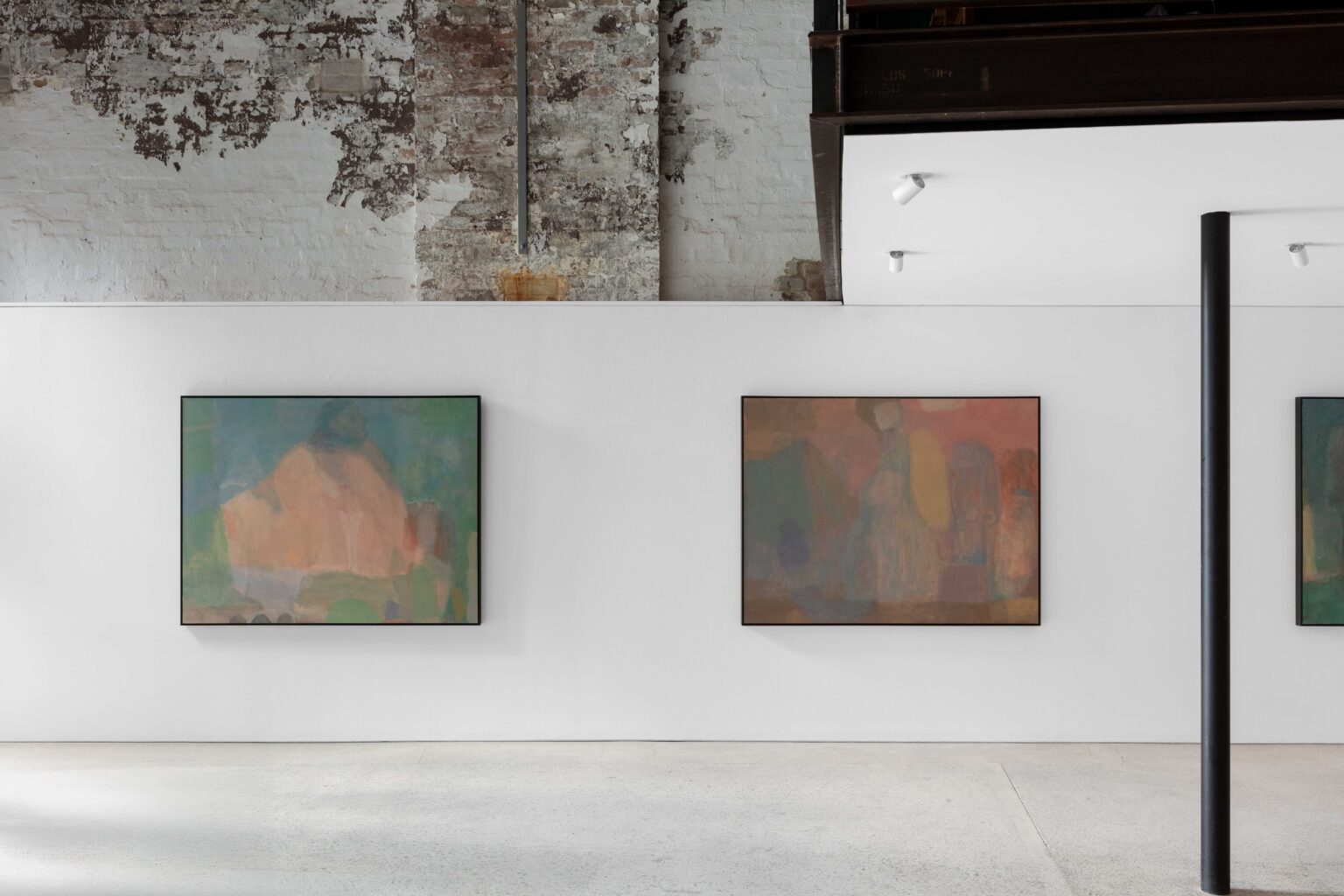
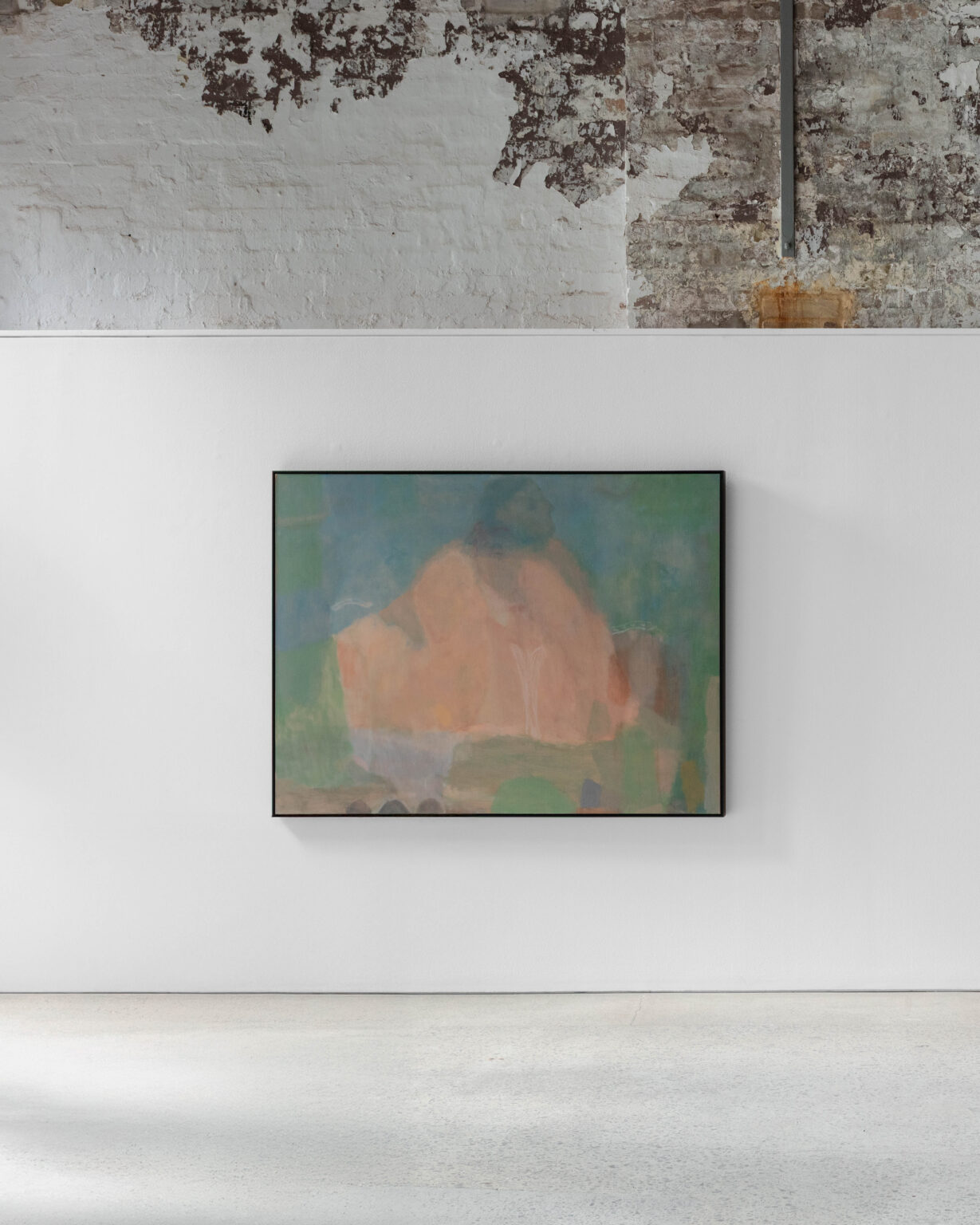
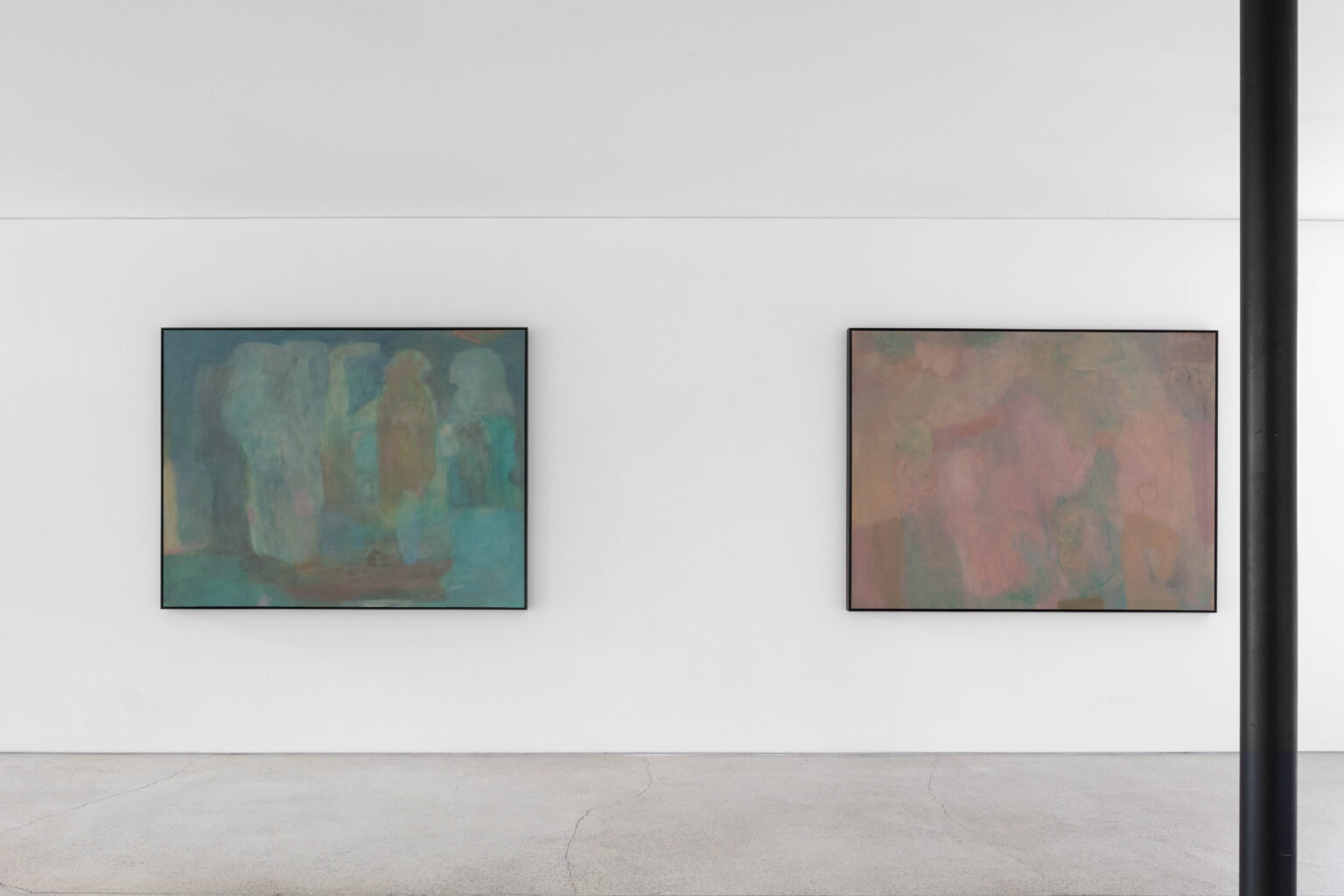
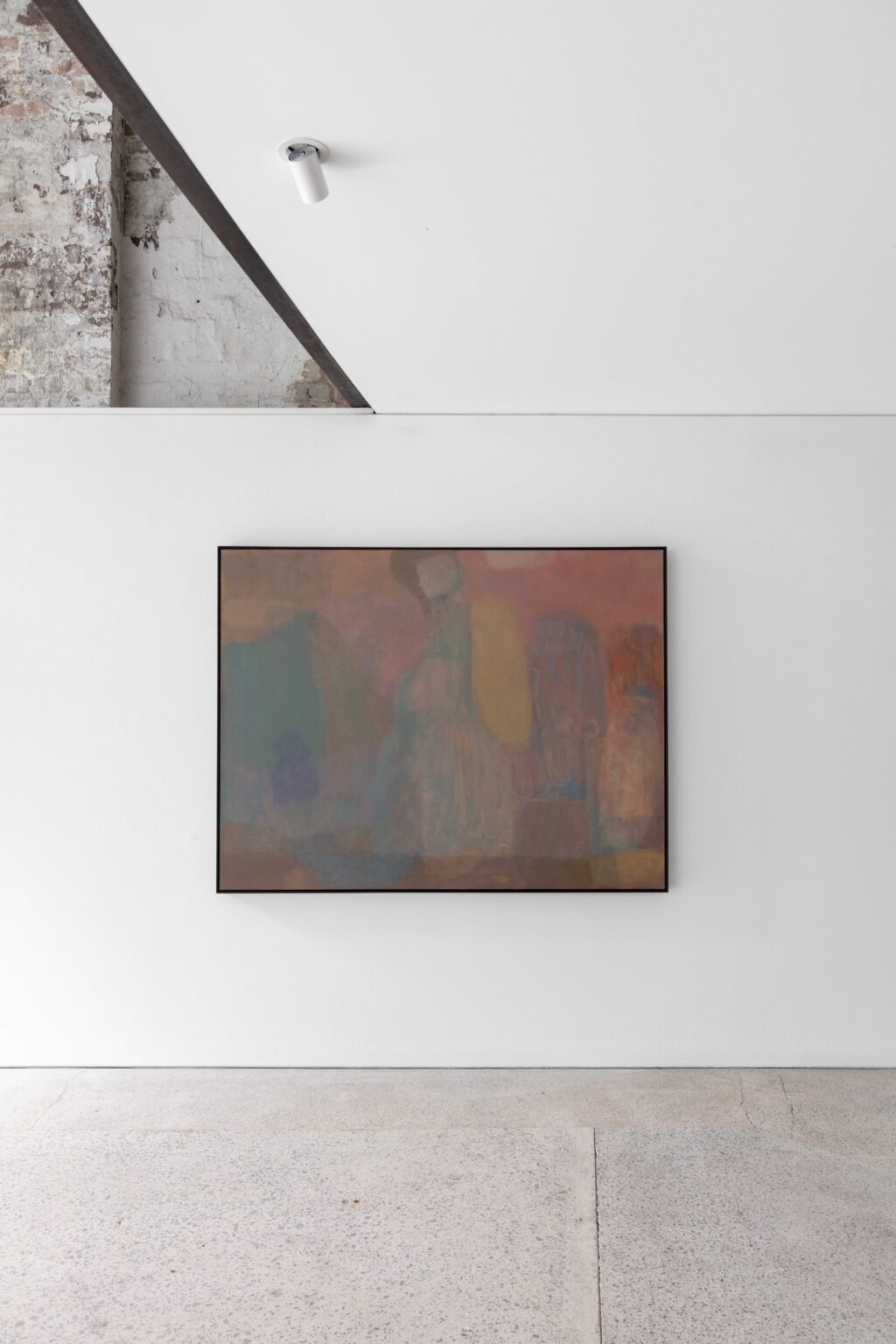
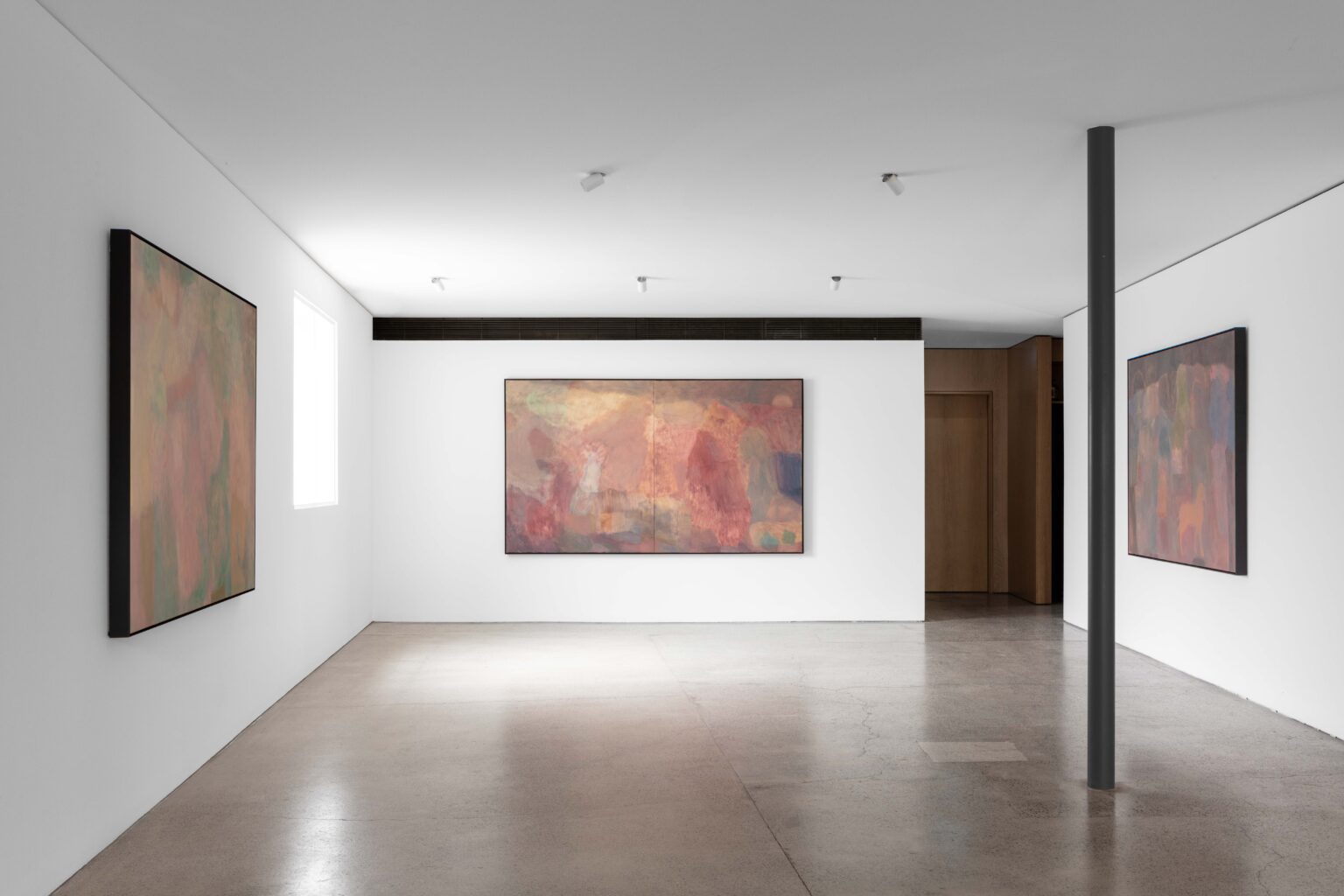
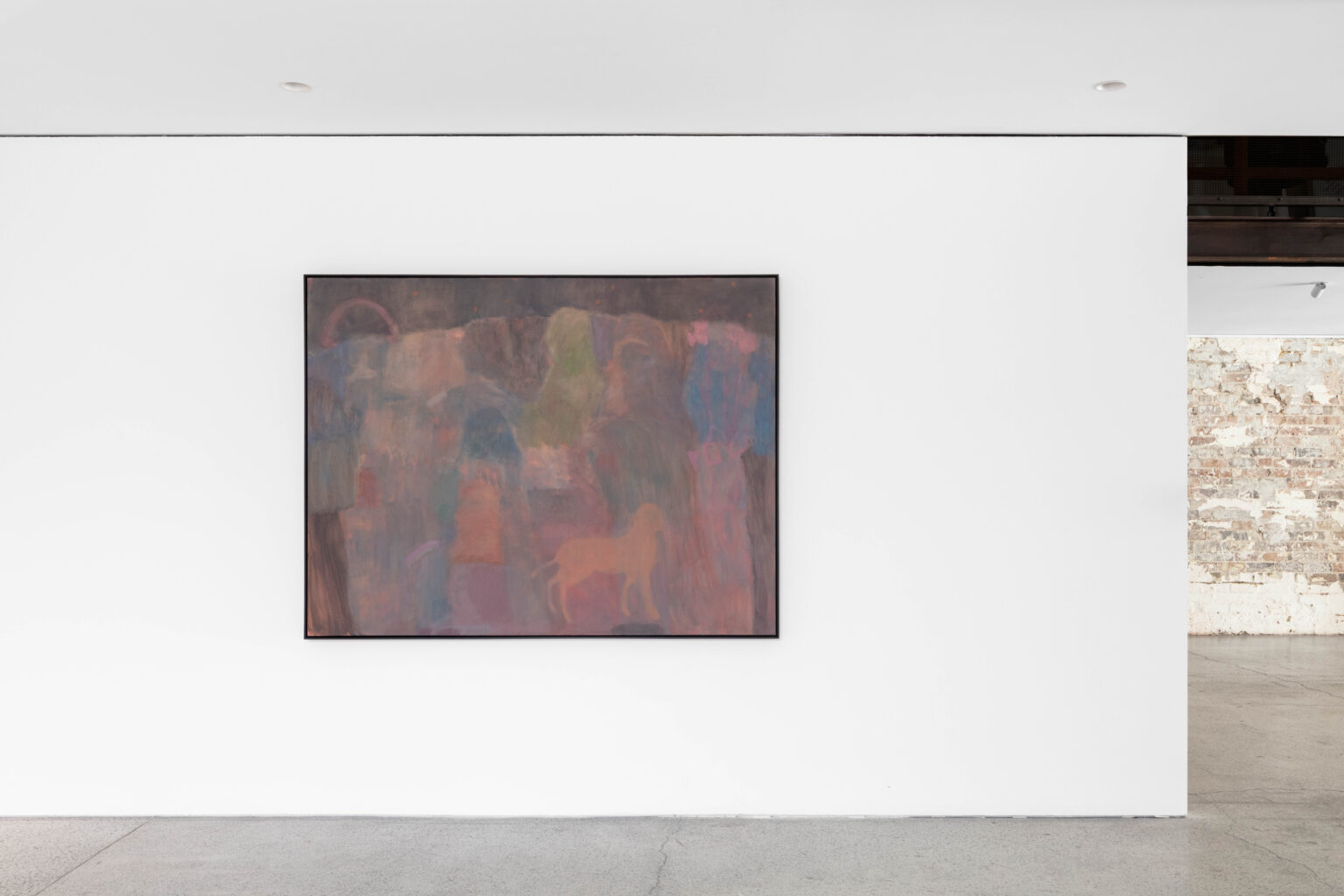
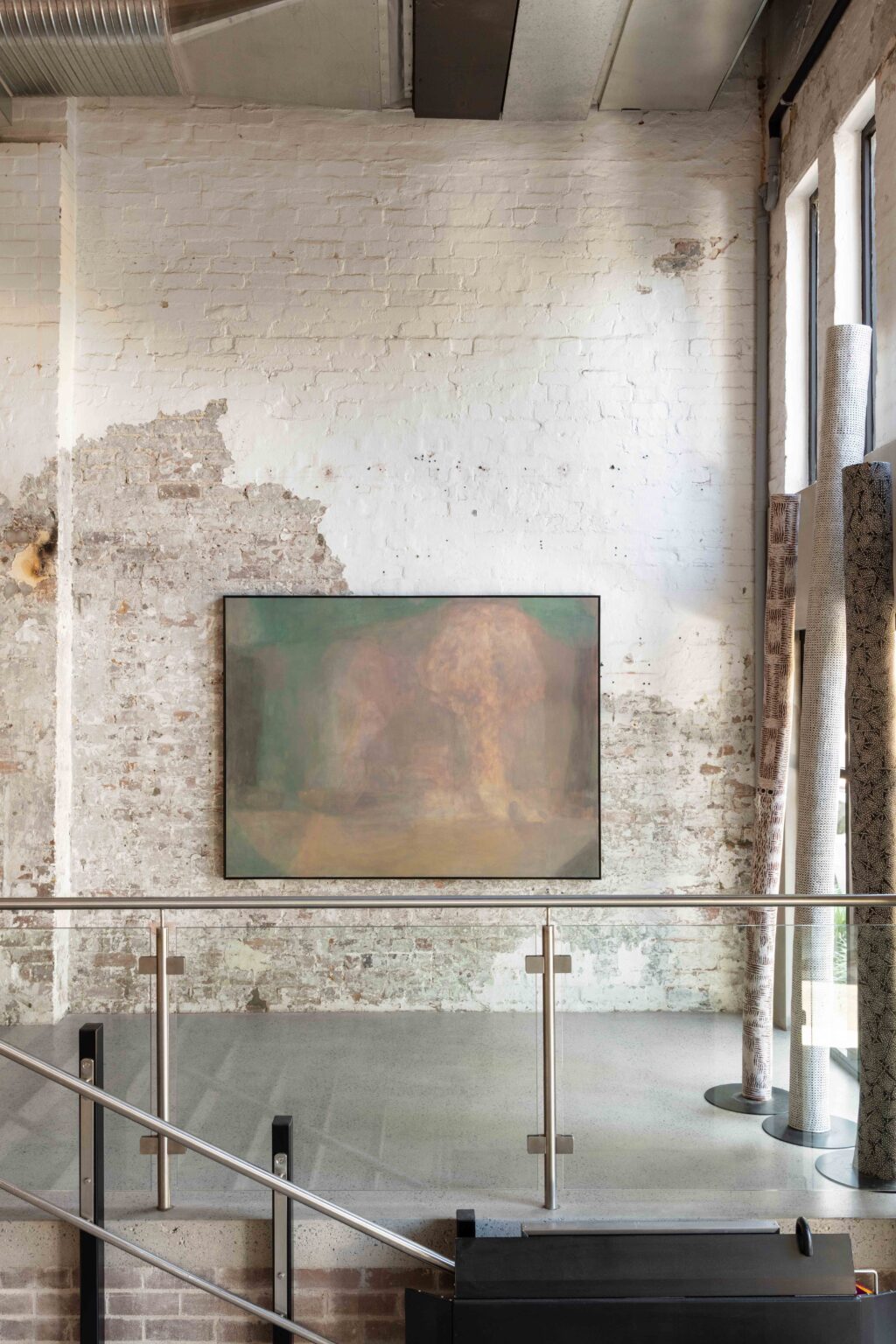
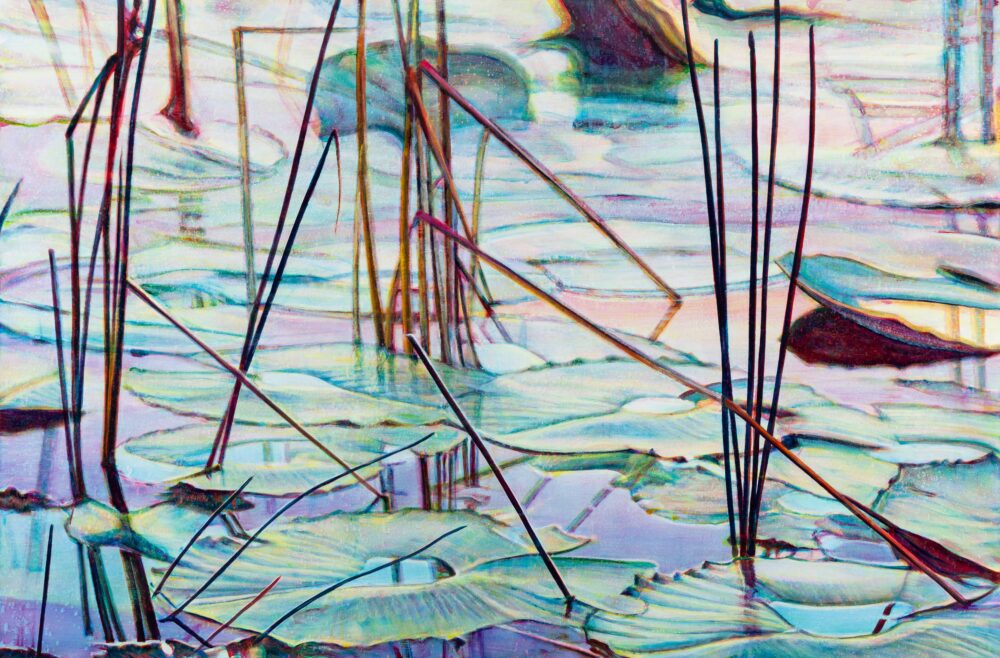
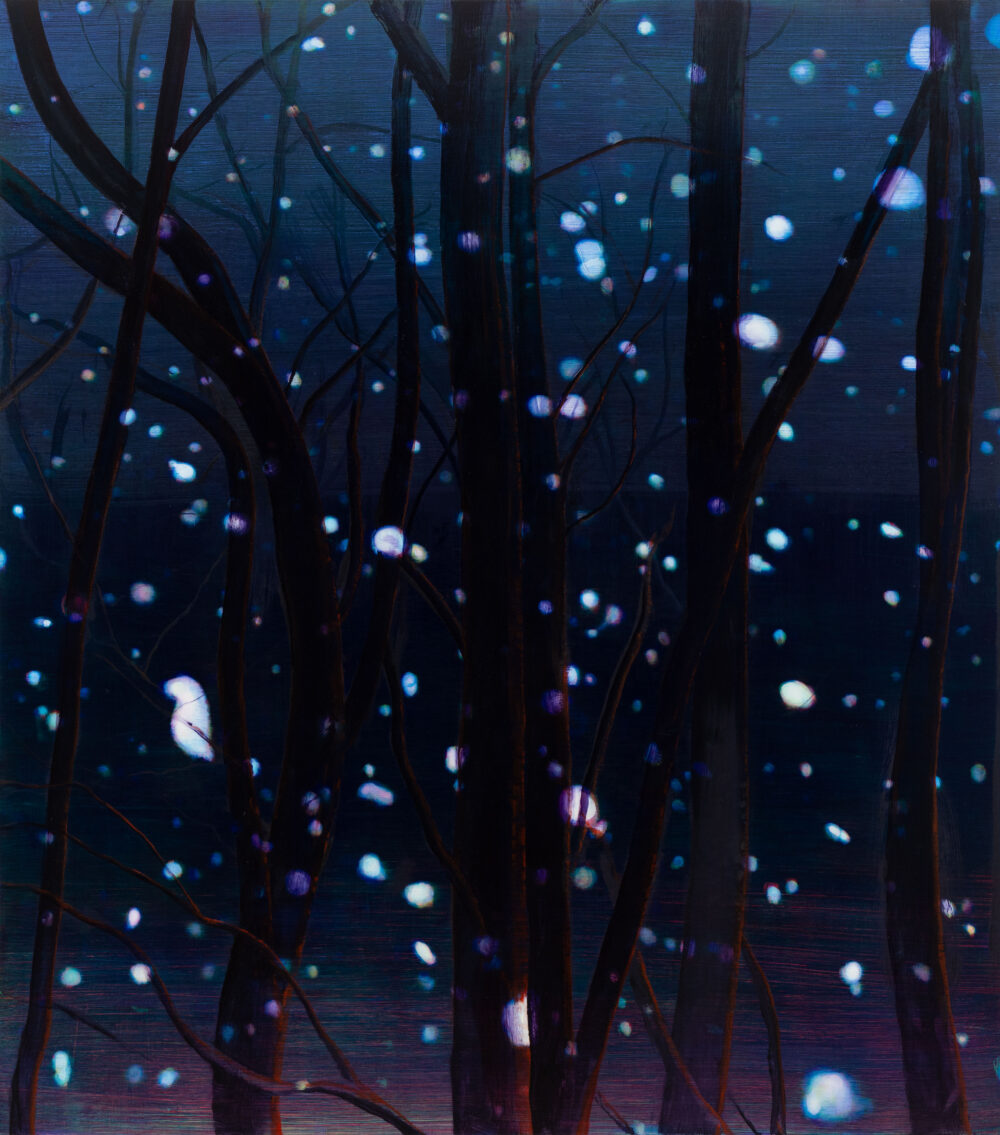
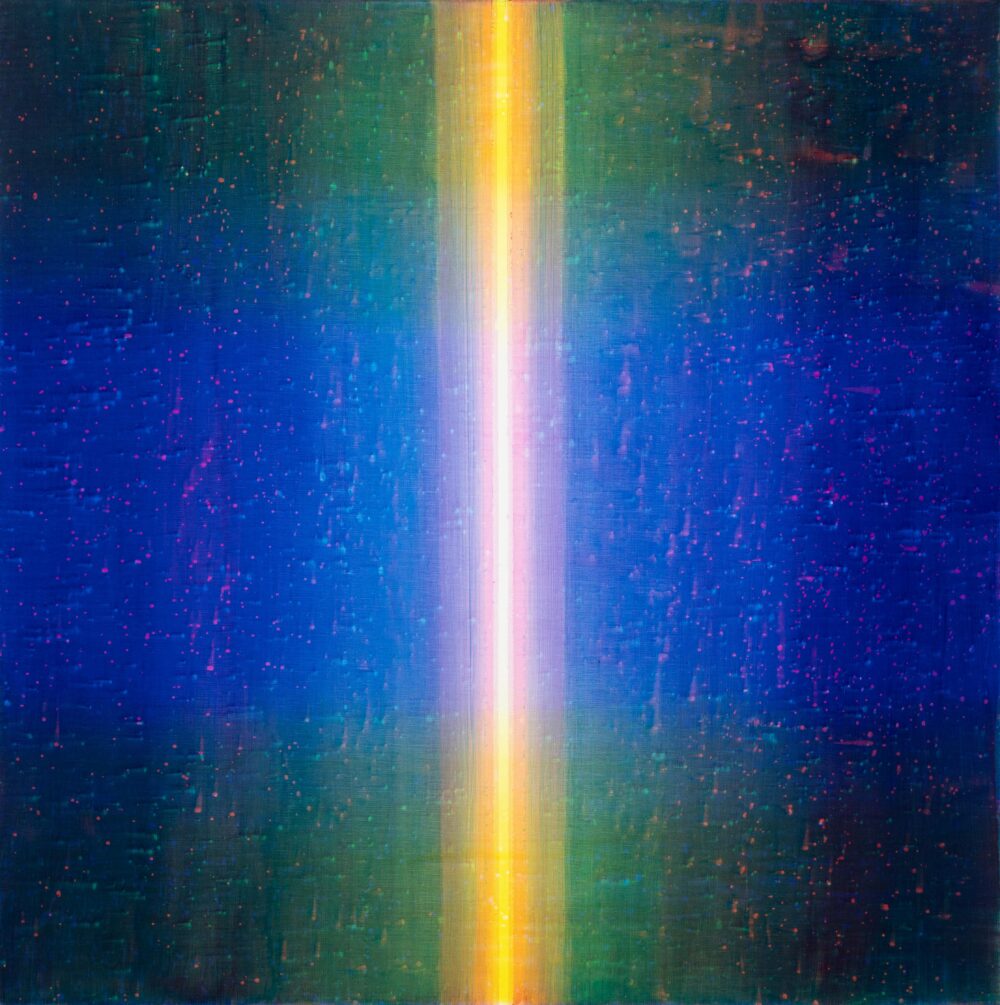
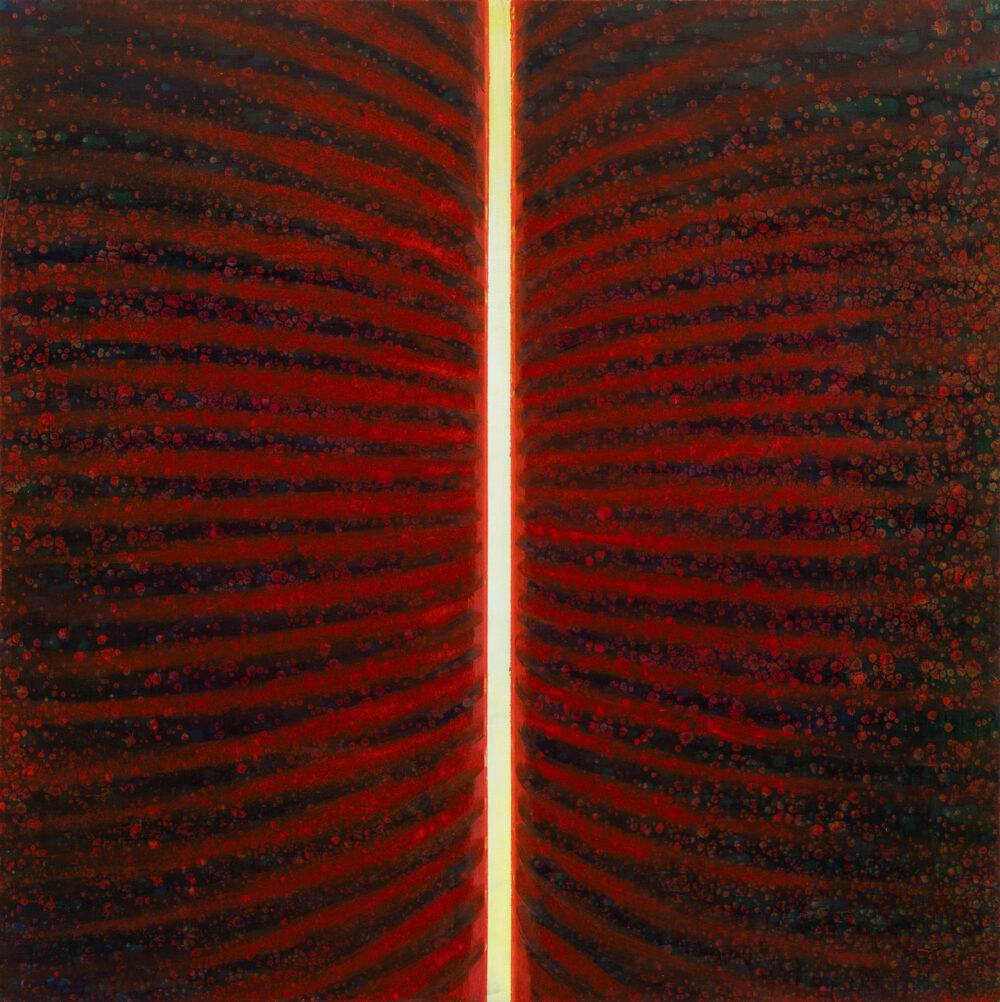
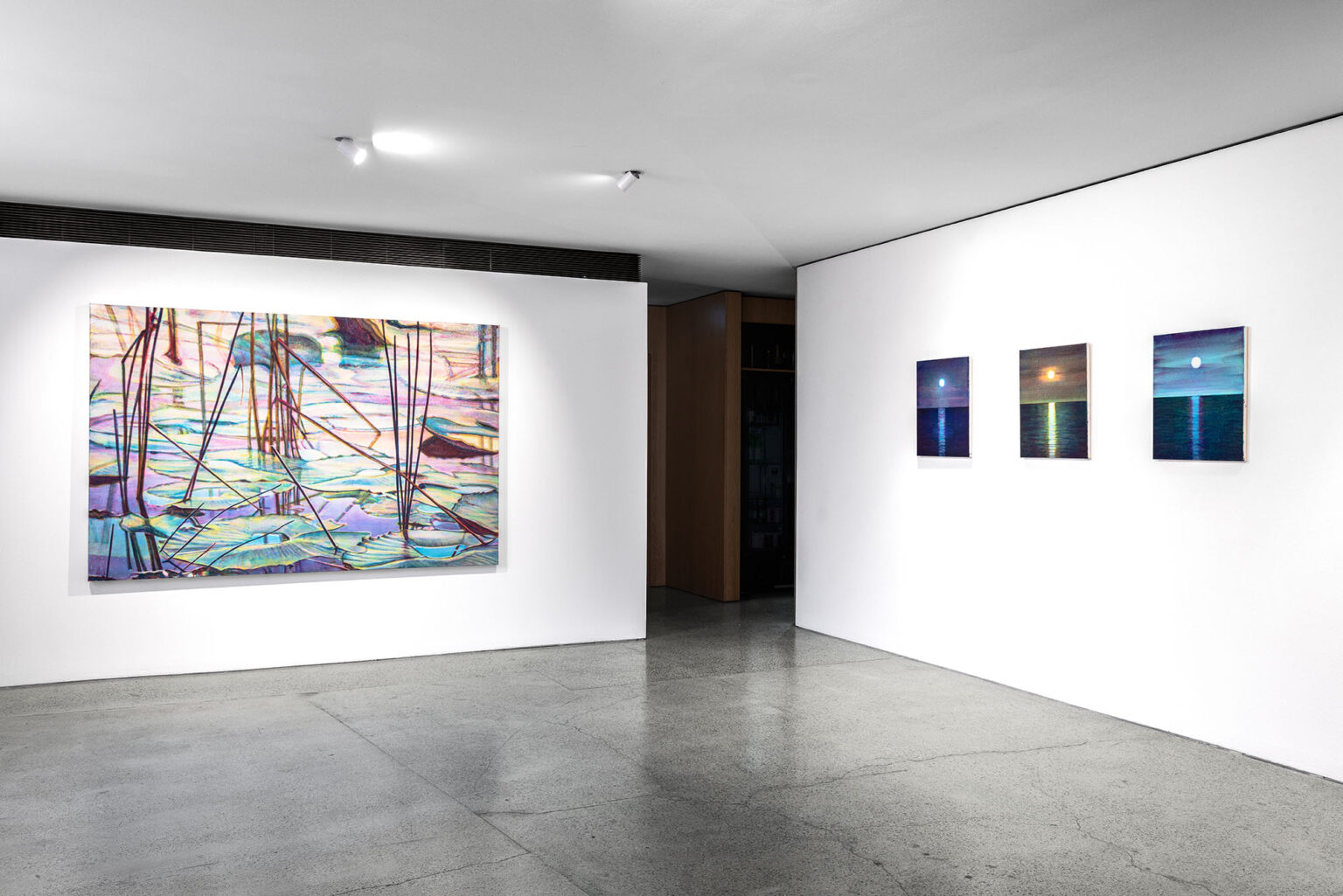
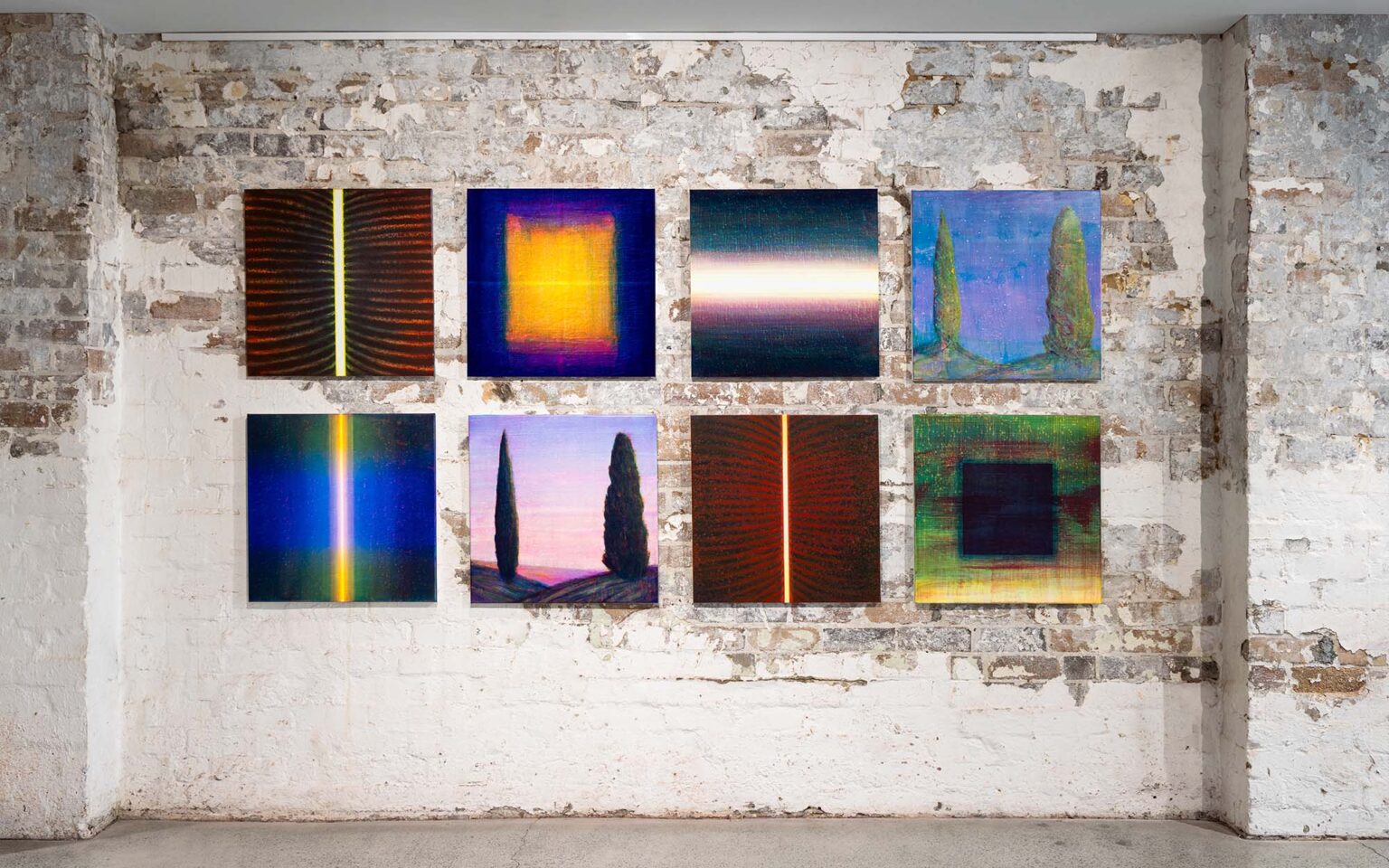
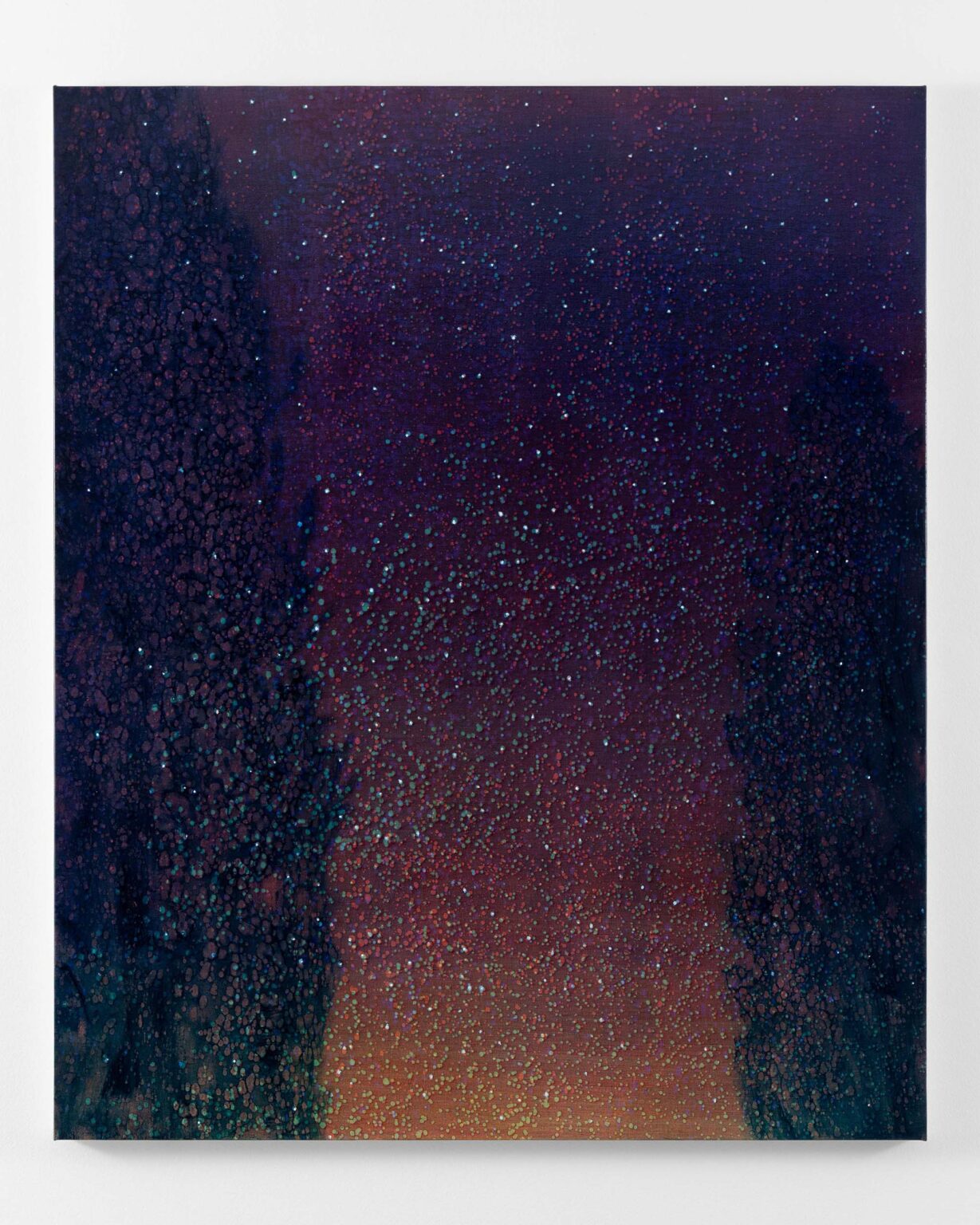
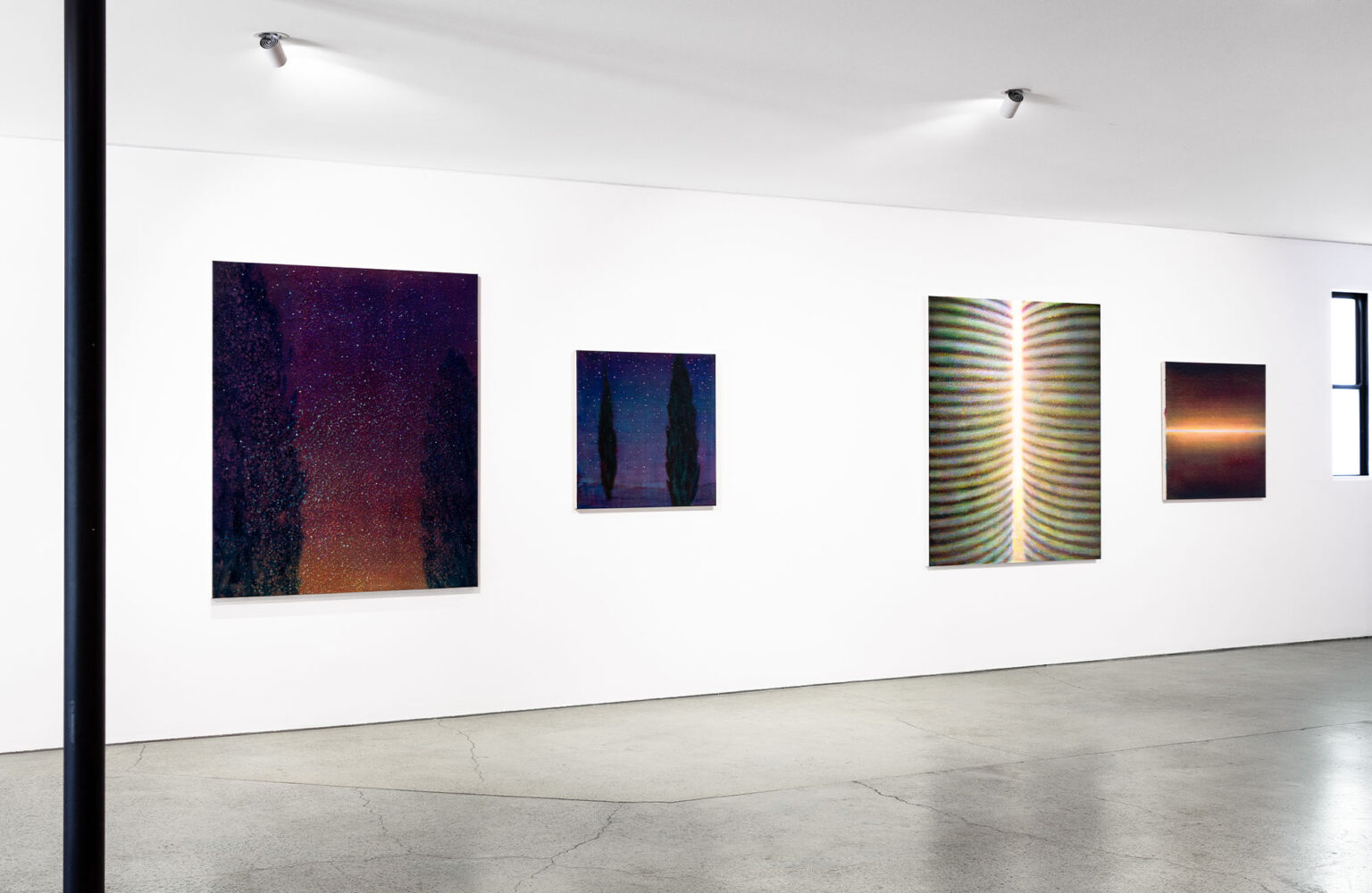
Michael Reid Sydney is delighted to present Light Years – the first solo exhibition by Tim Maguire since the announcement of his representation by the gallery, and a landmark entry in the decades-spanning career of one of the most important and original voices in Australian contemporary art. Across an expansive constellation of new paintings, subjects that have loomed large in Maguire’s visual universe are revisited, reimagined and realised anew by an artist at the height of his powers. Light Years draws together the strands that have defined his multifaceted practice to date and positions light itself as the central, animating force in his ongoing exploration of the shifting tensions between surface and depth, abstraction and illusion.

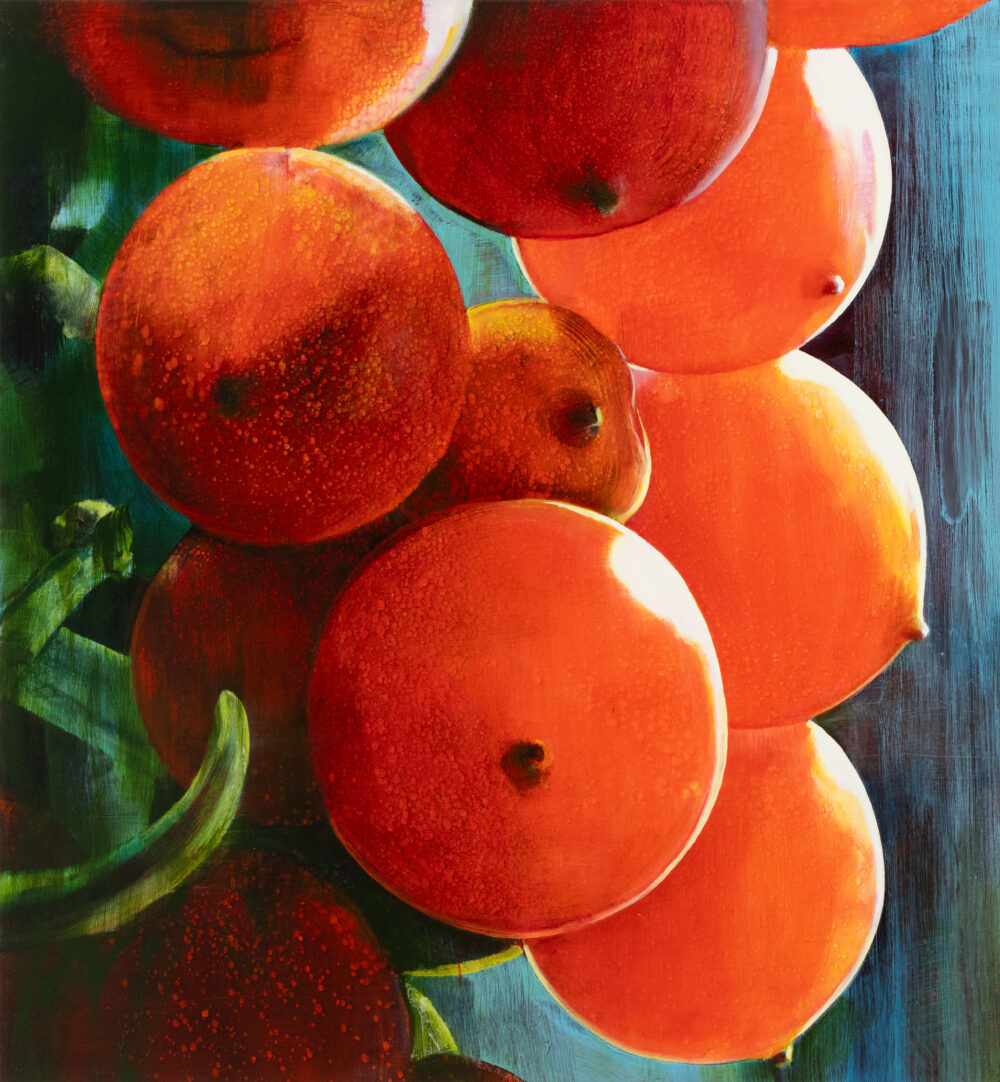
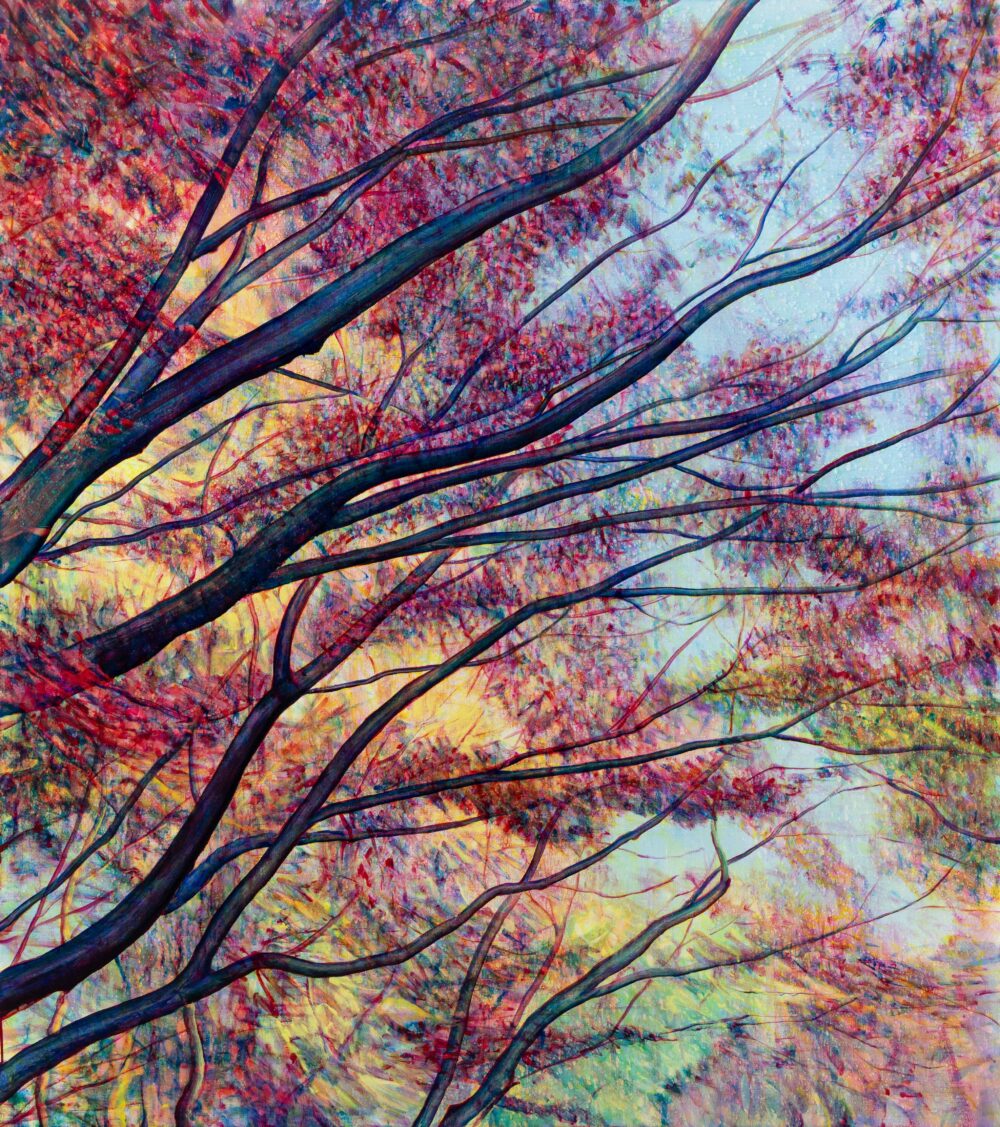
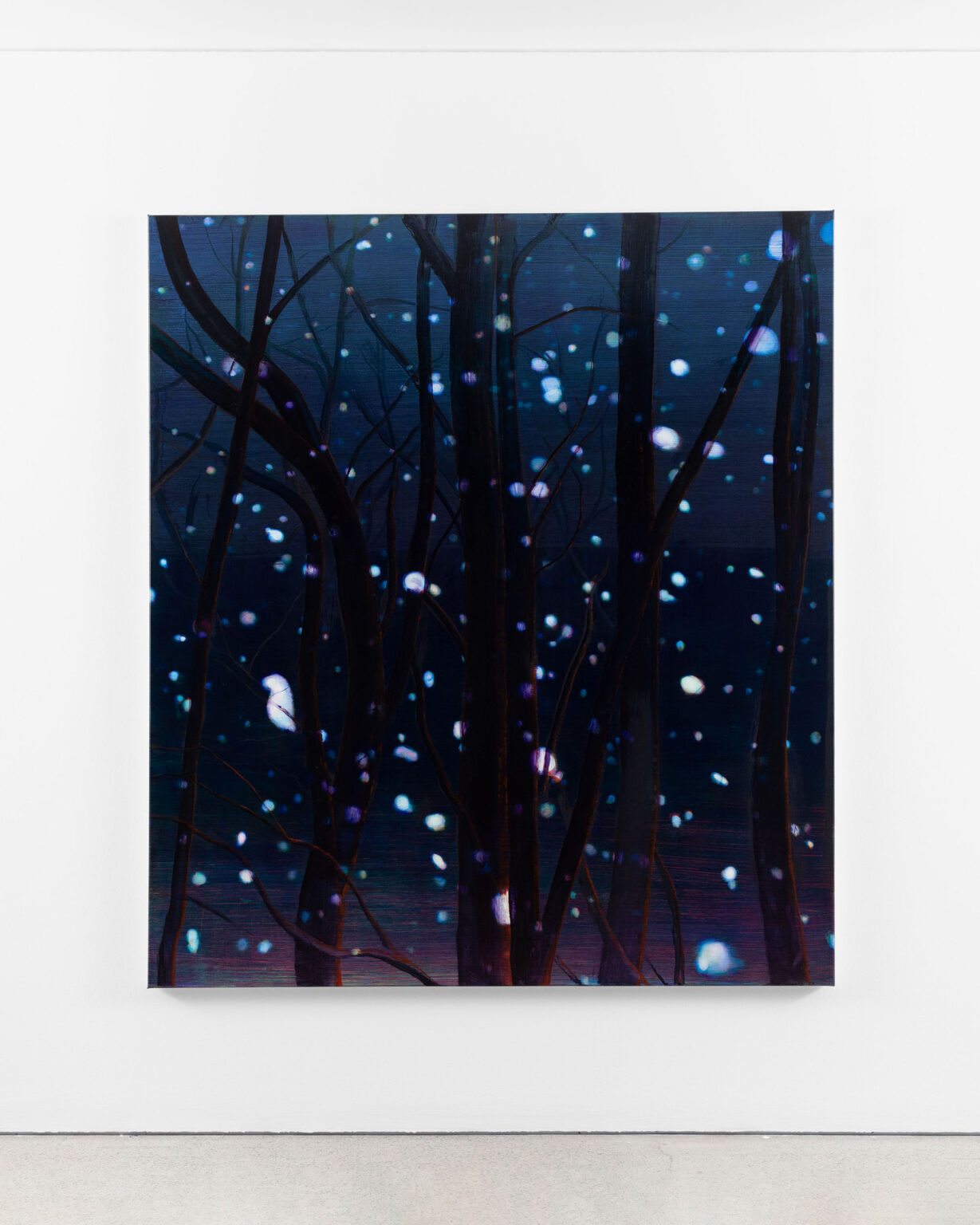
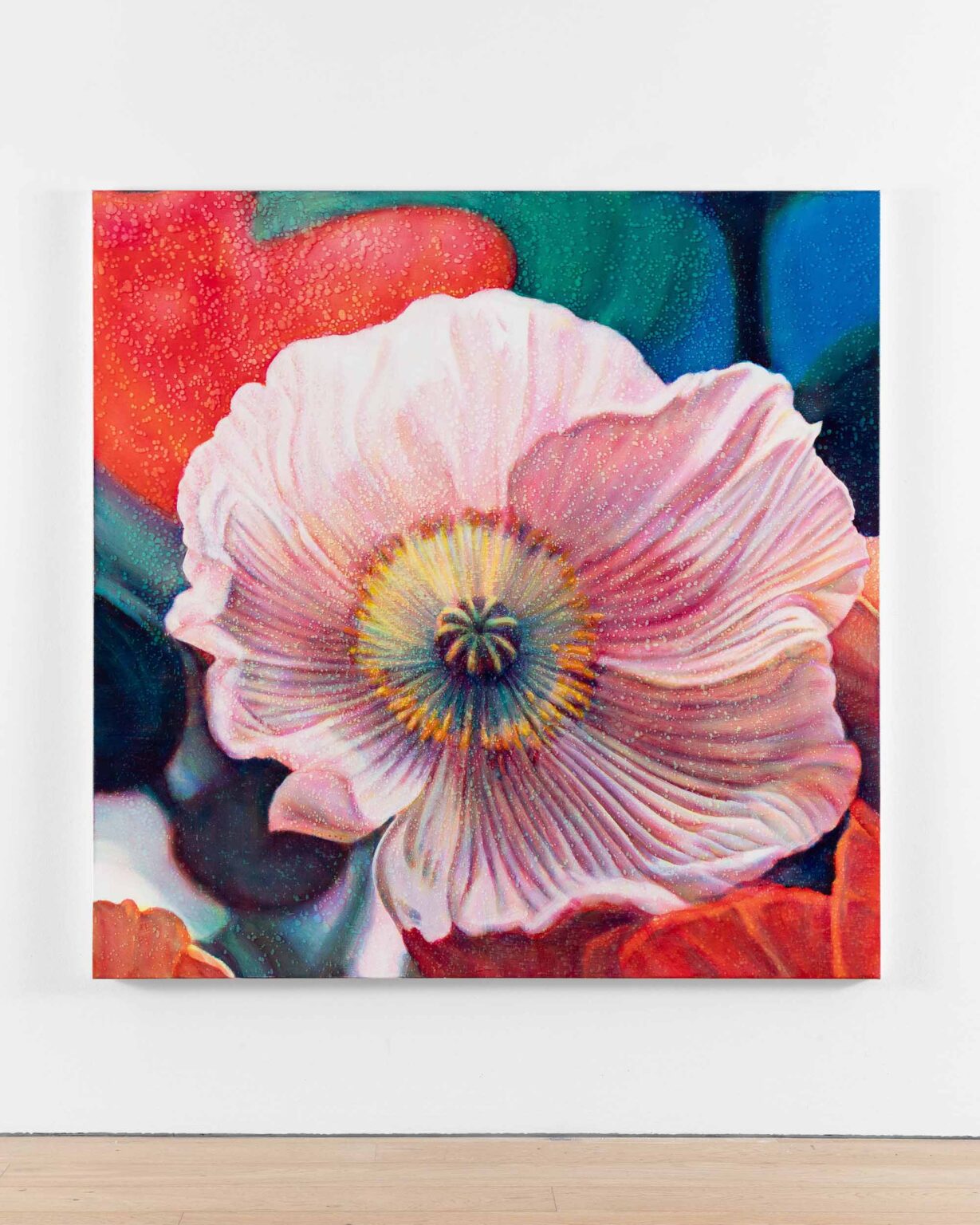
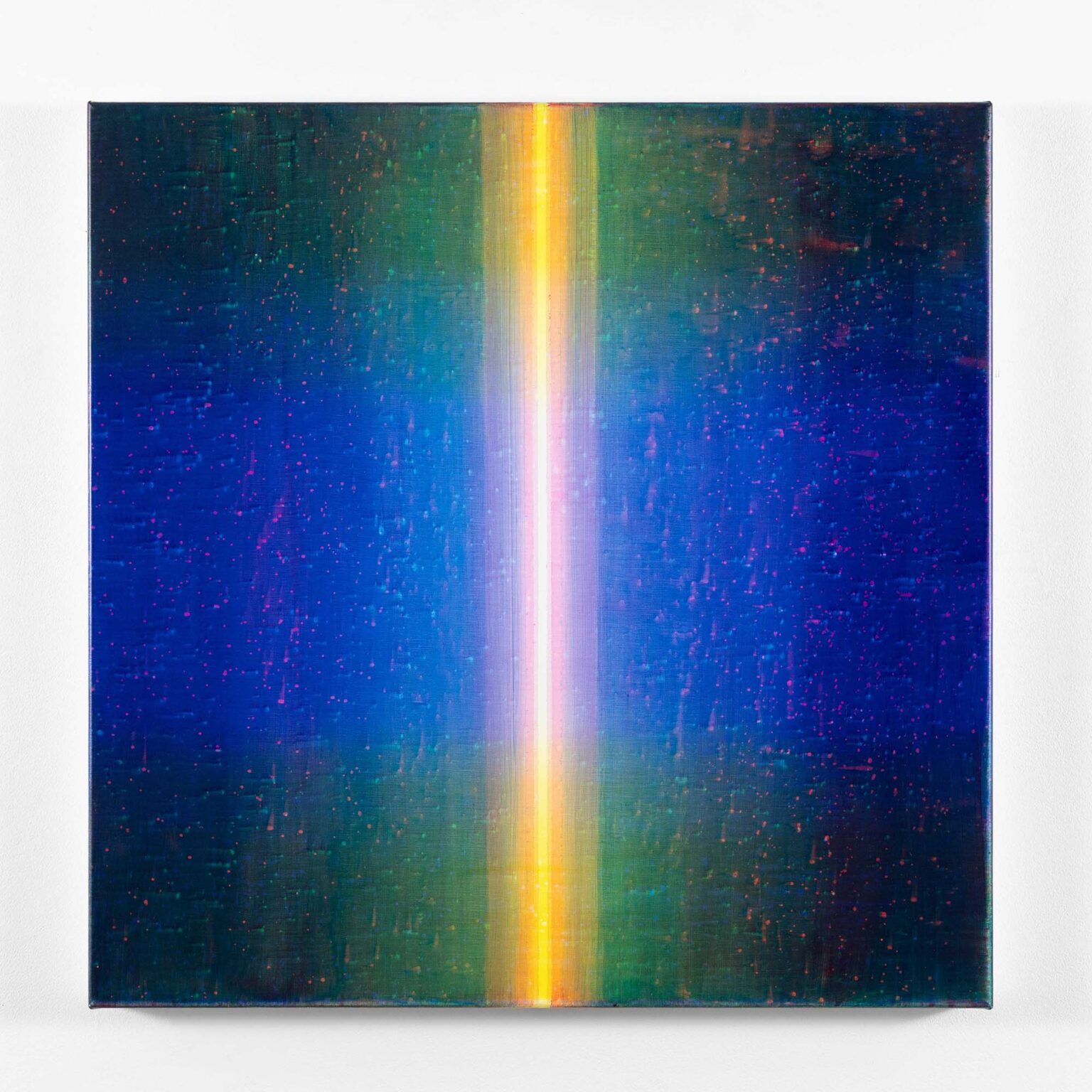
Working between Sydney and Mondenard in southern France, Maguire is globally celebrated for his cinematic, large-scale paintings that pull the viewer into a heightened field of looking. Through a singular approach that applies the tricolour separation of printmaking to the lush materiality of oil on linen, the artist constructs his images from discrete, translucent, solvent-splashed layers that allow the whiteness of the ground to illuminate the surface from within, offering a painterly approximation of an ambient screen image – at once starkly contemporary in its glitchy distortions and steeped in sensual classicism.

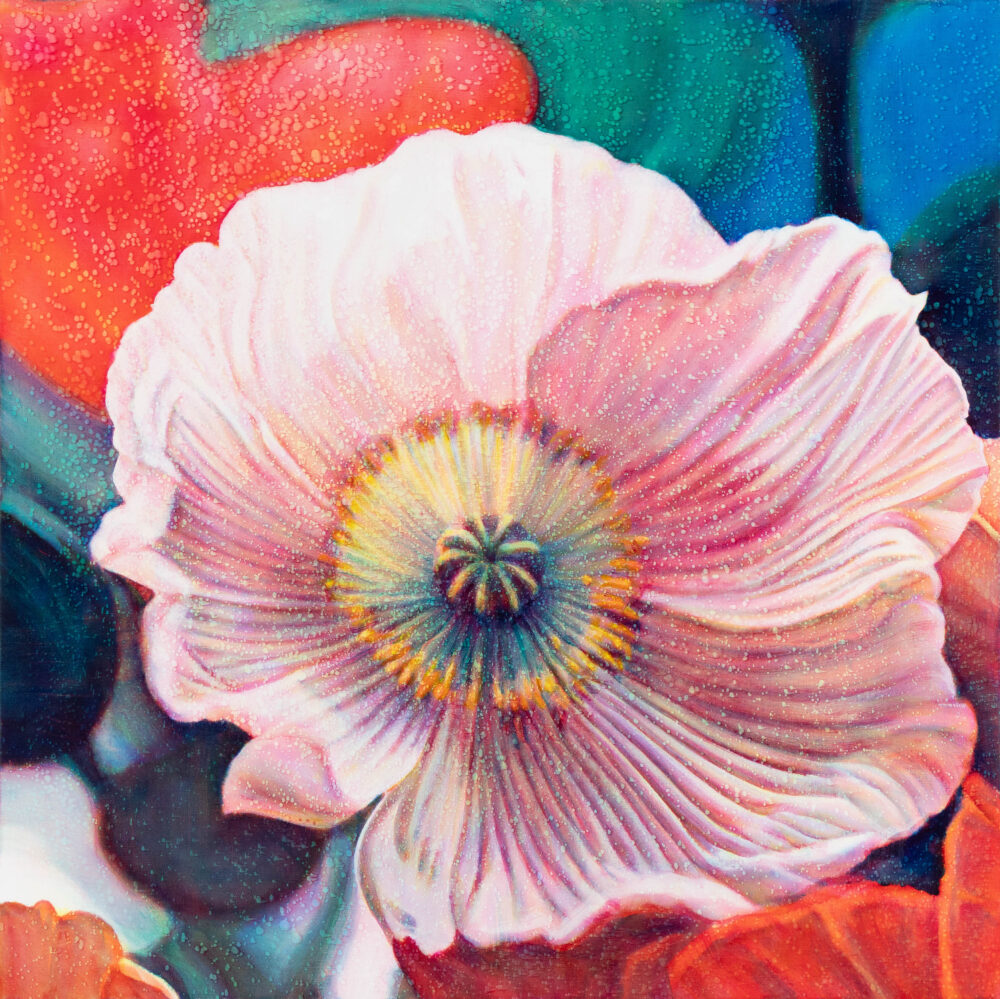
This effulgence of colour might dissipate at close range into pure sensation, optically charged abstraction or flickers of celestial matter, only to resolve at a distance into impossible landscapes or hyper-floral tableaux. Beauty, though often the work’s most immediately arresting quality, is less an end than a means – holding the gaze long enough for the image to do its work of unmaking and remaking itself. “There’s a play between the illusion of the image and the physicality of the paint,” says Maguire. “The ideal painting for me is one where, up close, you see nothing but paint and process and layers, and then, from far enough away, the whole thing resolves into a convincing illusion.”

Drawing on found and fragmented source material – from distorted digital photographs and blown-up details of Old Master paintings to hybrid or half-remembered landscapes that hover between real and abstract – Maguire’s subjects serve as shifting proxies for his interest in process, its porousness to chance and the illusory alchemy through which images resolve and paint becomes a conduit for luminosity. In Light Years, motifs that have surfaced at distant moments across a roving creative life are reimagined through the colour-separation techniques that have defined his mature practice.

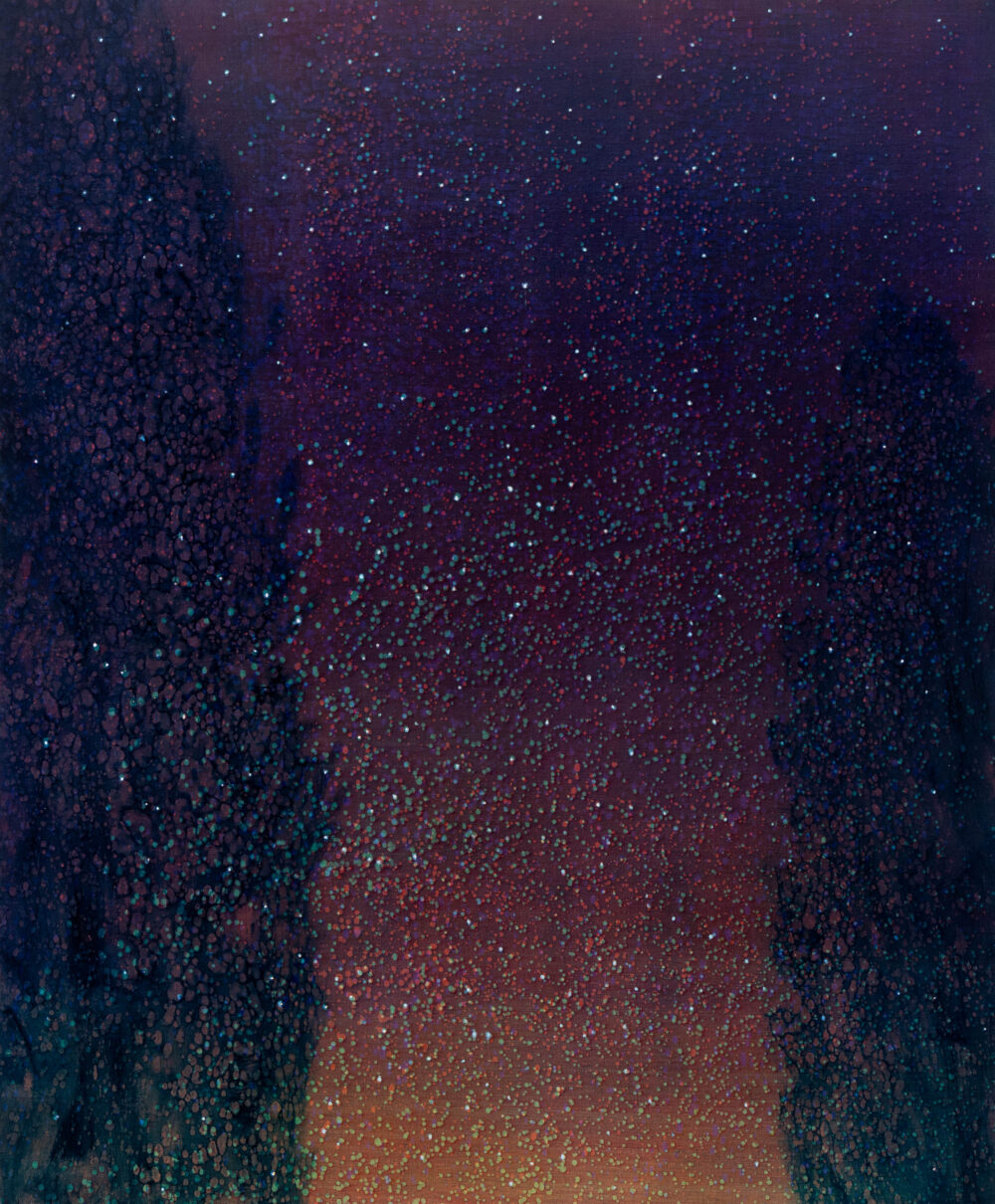
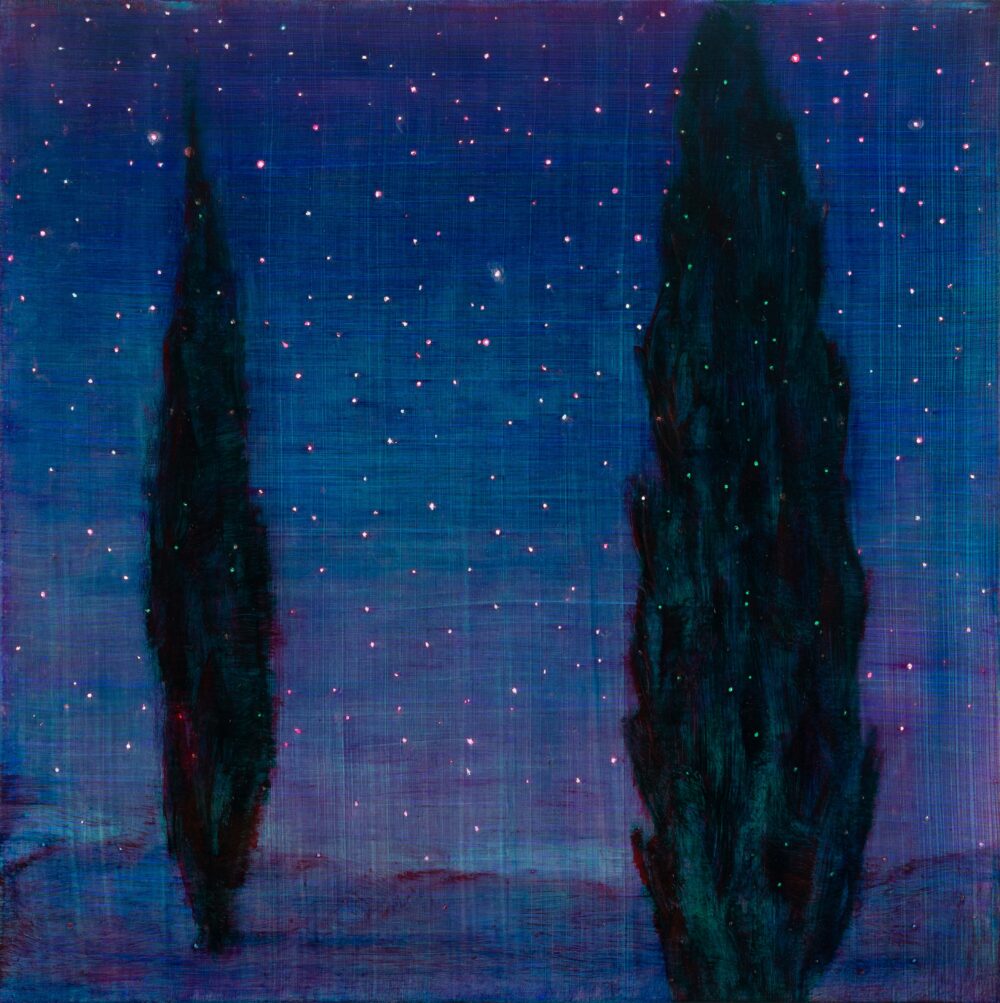
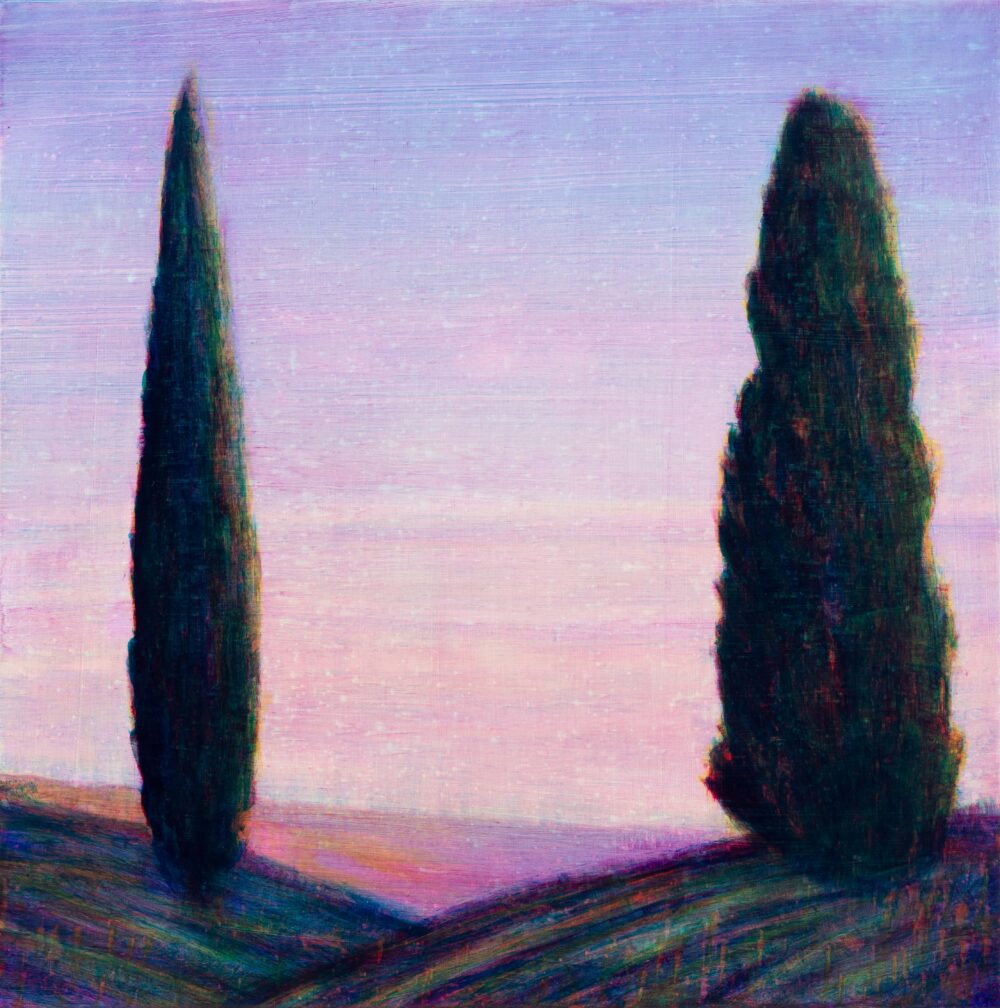
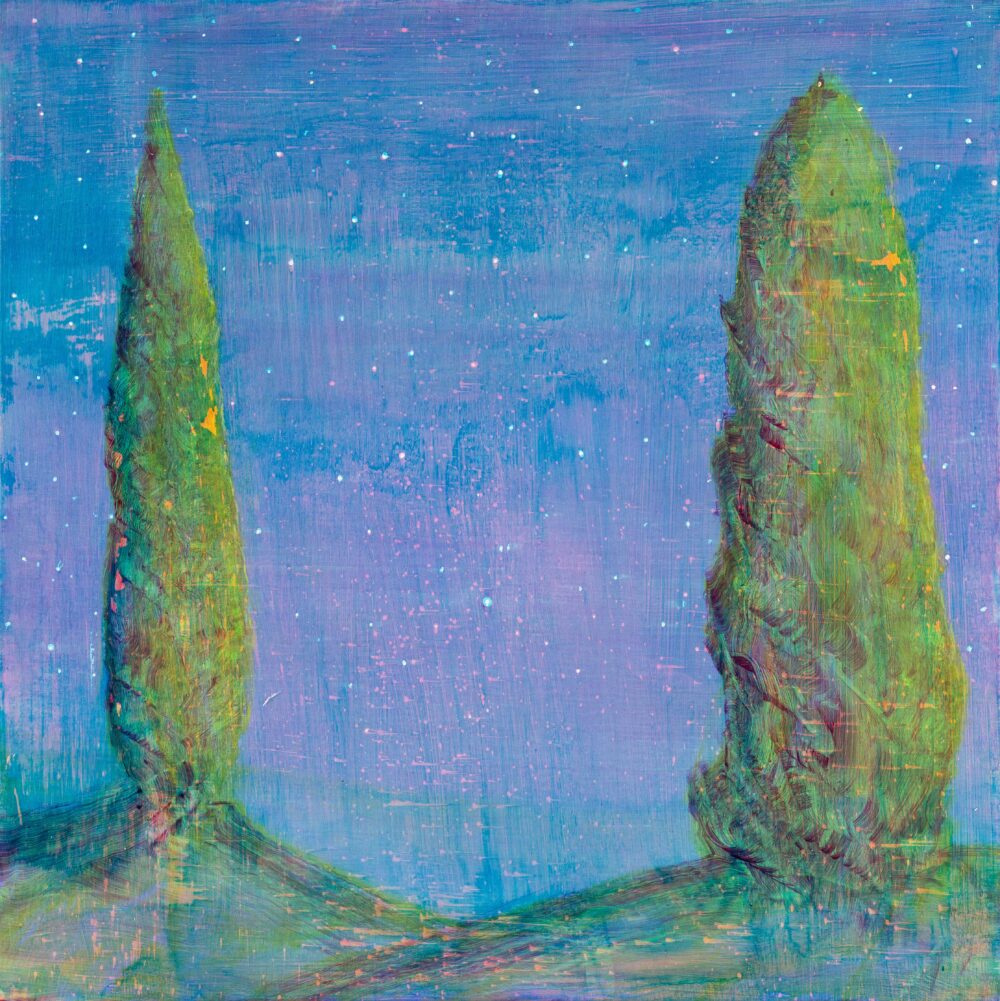
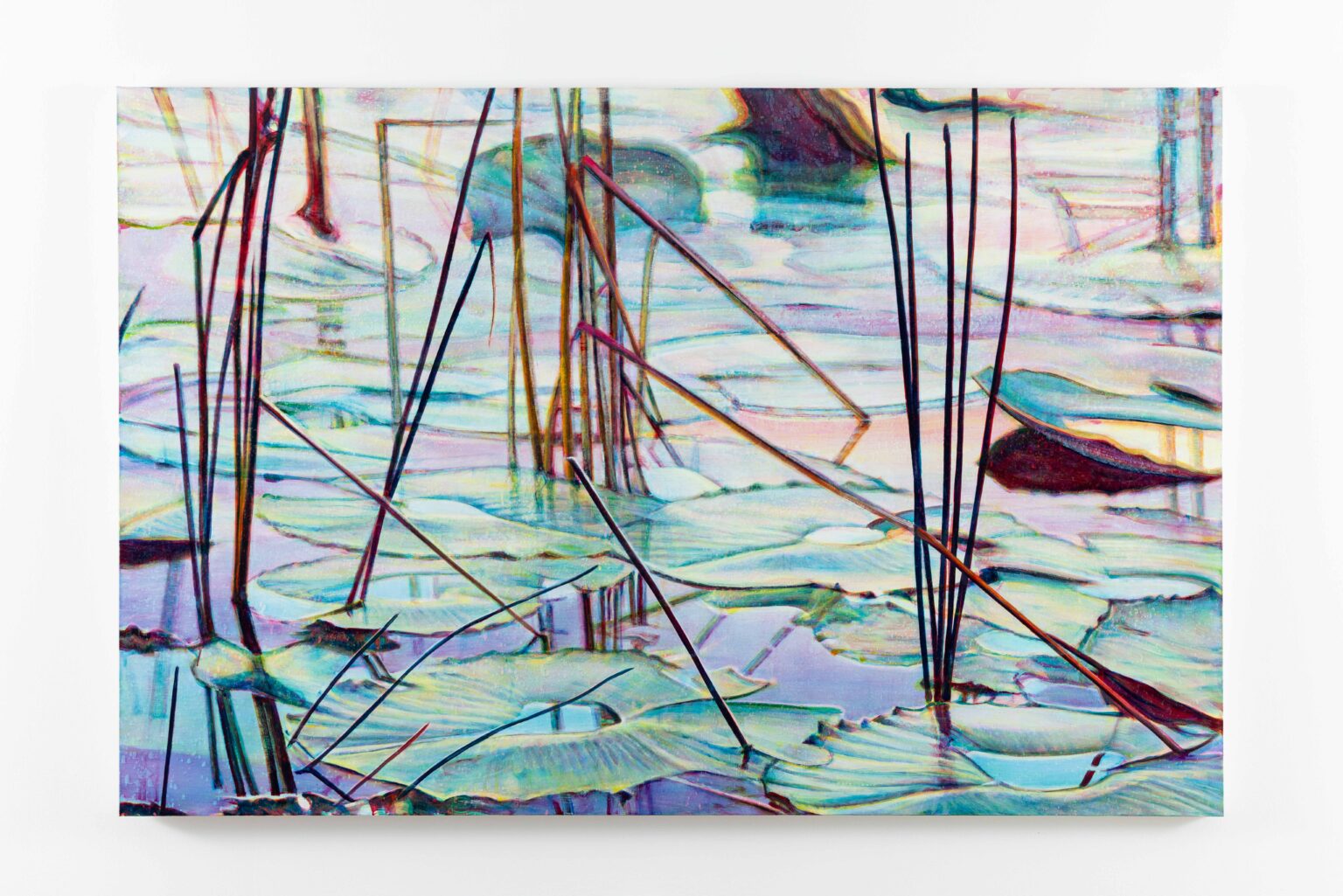
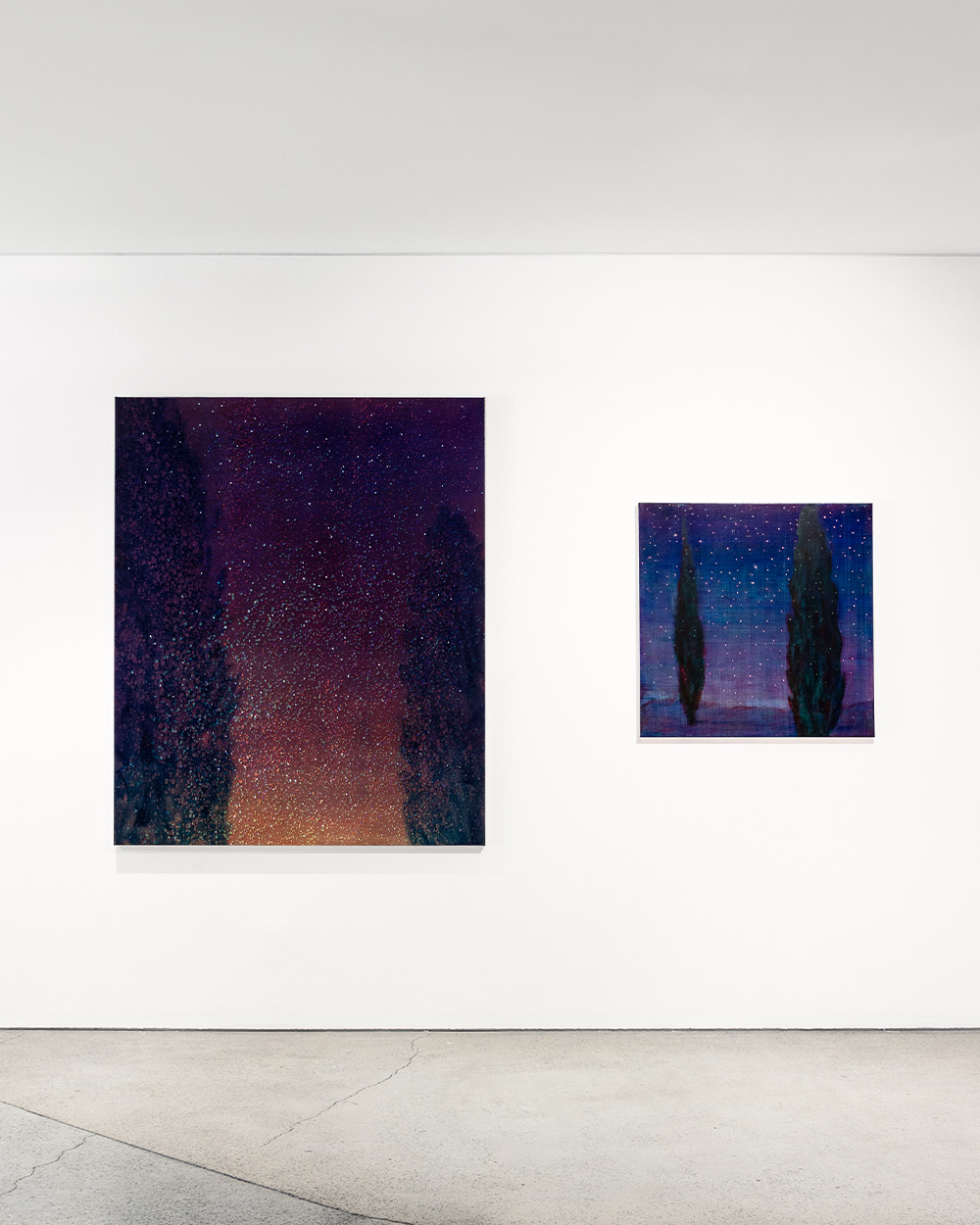
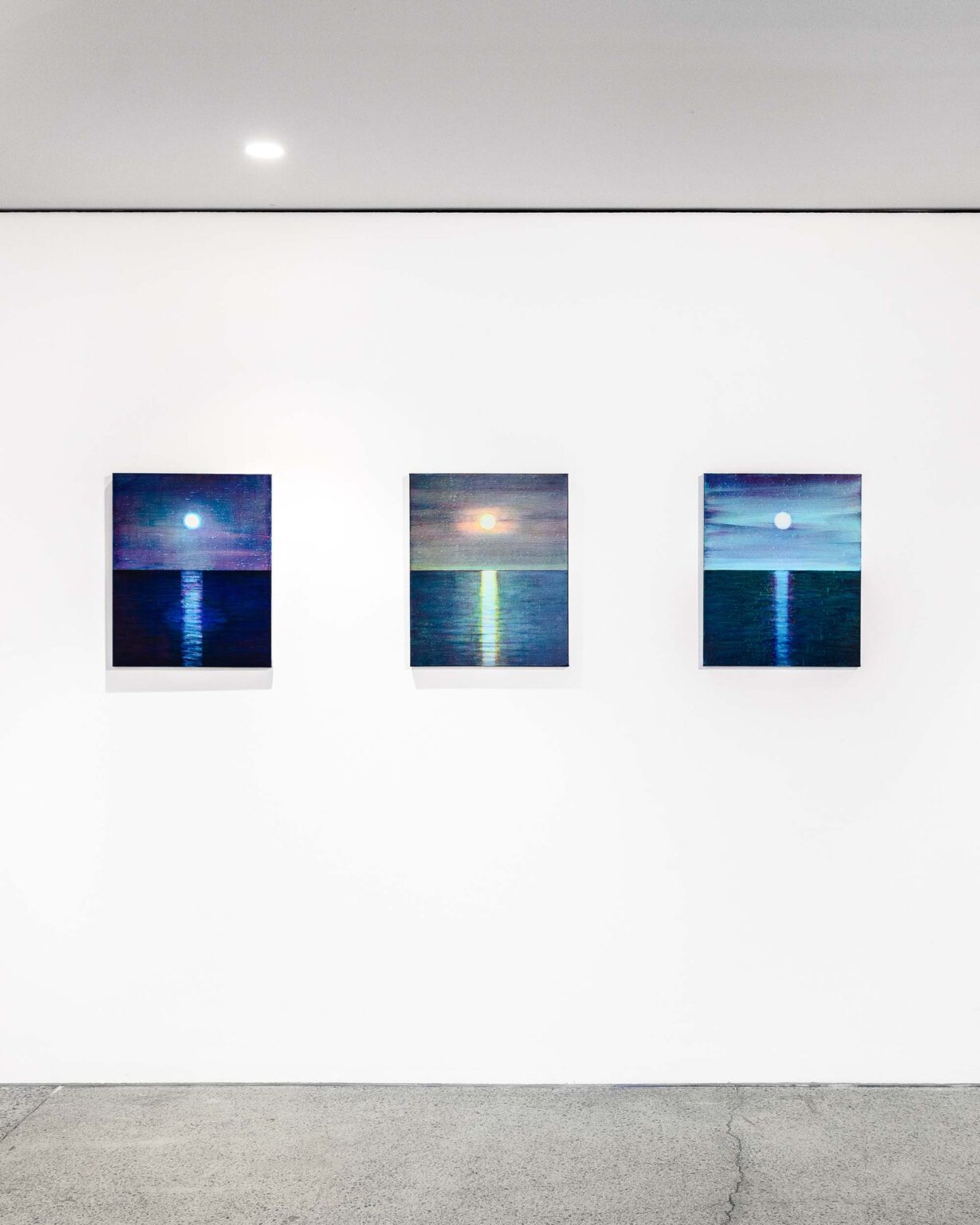
“The notion behind the show was to gather the threads that led to the recent works and to look back at their antecedents,” says Maguire, whose exhibition reveals affinities and unexpected recurrences across temporal distance. Here, water lilies dissolve into pixelated planes, paired cypress pines graze star-dusted skies, and prismatic snowflakes cascade against wintry, indigo trees. Maguire’s twinned water tanks with slivers of light between them – a piece of personal iconography harking back to the 1980s, when he first sought out landscapes that could double as reductionist, hard-edge abstractions – find curious echoes in the columns of reflected luminosity that slice through his more recent moon over water works, as well as paintings developed from his Dice Abstracts print series, in which compositions were determined by a game of chance.

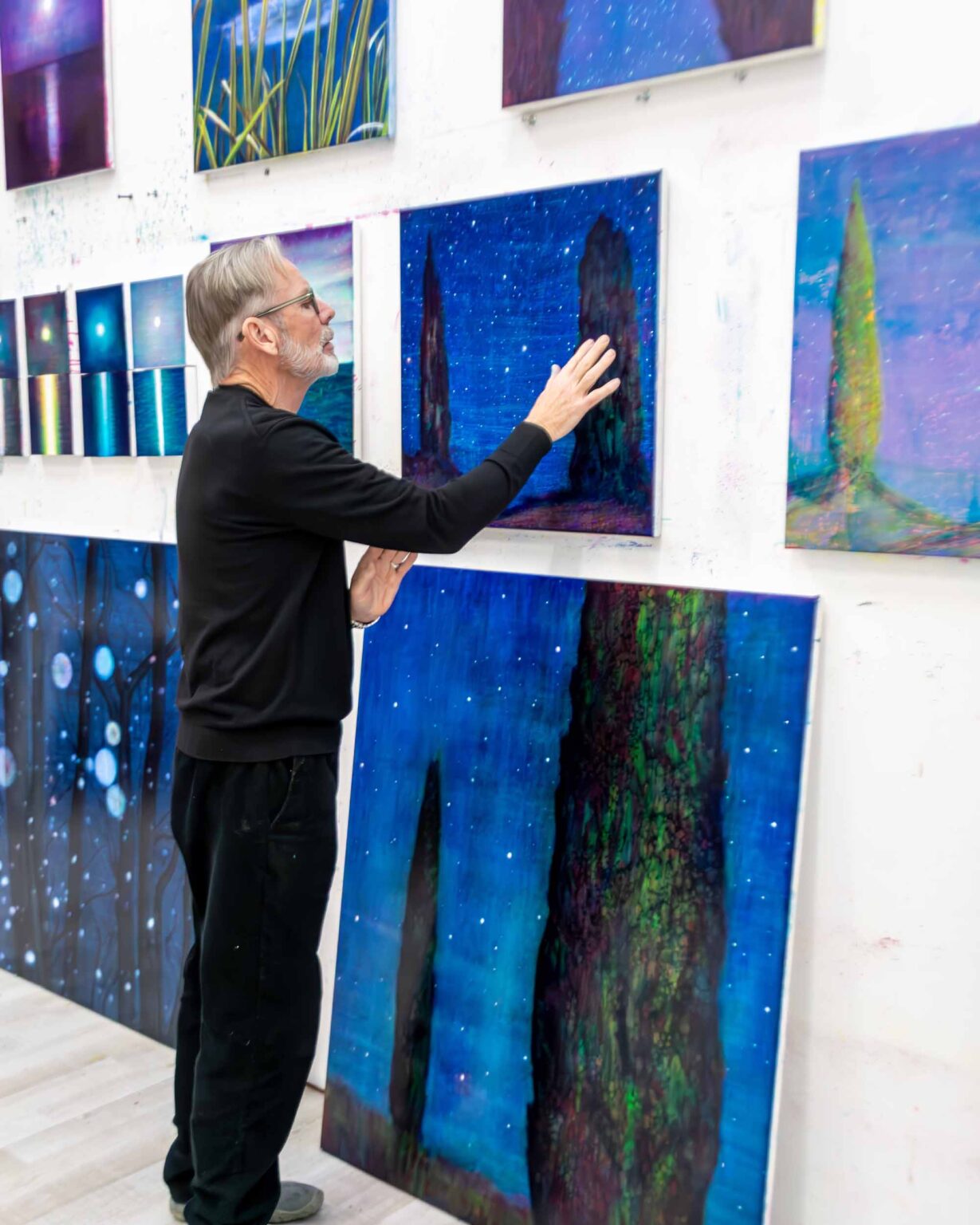
“Often an exciting new idea turns out to be a cul de sac. Conversely, a simple idea that seems to lead nowhere can keep popping up,” says Maguire. “Case in point: I’ve been making paintings of two cypress trees at the bottom of our garden in France – a young skinny one and an older, thicker one. We bought the property 15 years ago and over the last few years I’ve been photographing the trees, with a vague idea that they could be the basis of a painting. It was only when I started some small acrylic works last year that I was reminded of a print I’d made, entirely from my imagination, of two very similar trees – in 1987.”

While reaching back to Maguire’s personal iconography, Light Years eschews the logic of a retrospective – its imposition of a linear progression from one discrete period to the next – in favour of something more fluid, recursive, cumulative and alive: a collapsing of time that hews closer to the plurality, simultaneity and multidirectional flow of ideas at play in the studio, where an artist’s roving curiosity and restless, rigorous experimentation see subjects surface, recede, overlap and reconfigure. “If there’s a common quality beyond this notion of flatness versus depth, abstraction versus illusion, then it’s a preoccupation with light,” says Maguire. “Hence the show title.”

For enquiries, please phone (02) 8353 3500 or email danielsoma@michaelreid.com.au or hughholm@michaelreid.com.au
Tali Ngura Wiru – Beautiful Sandhill Country

Posted by

Tali Ngura Wiru – Beautiful Sandhill Country

  • Artist
    Priscilla Singer and Trisha Singer
  • Dates
    5—21 Feb 2026
  • Gallery Location
    Eora / Sydney

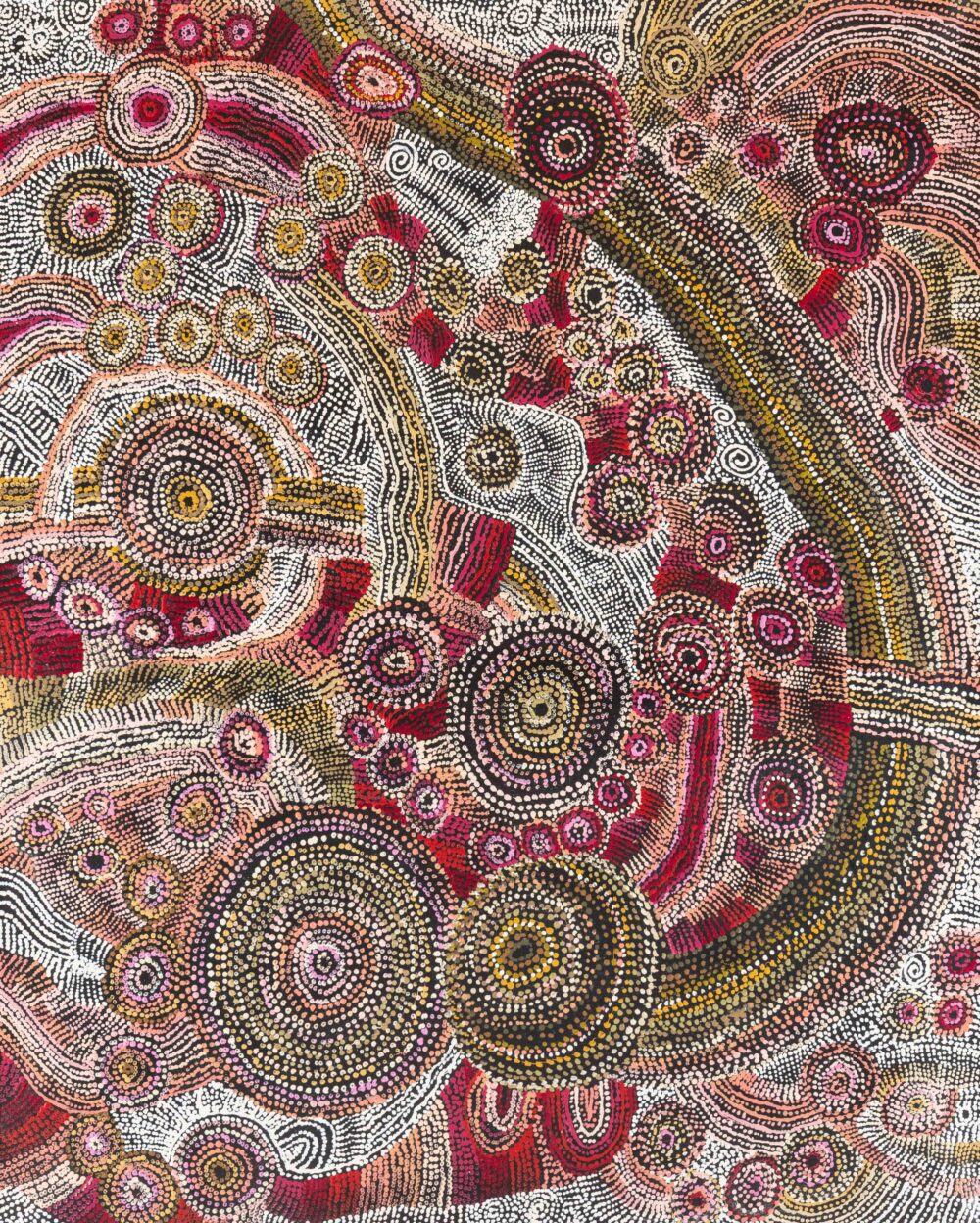
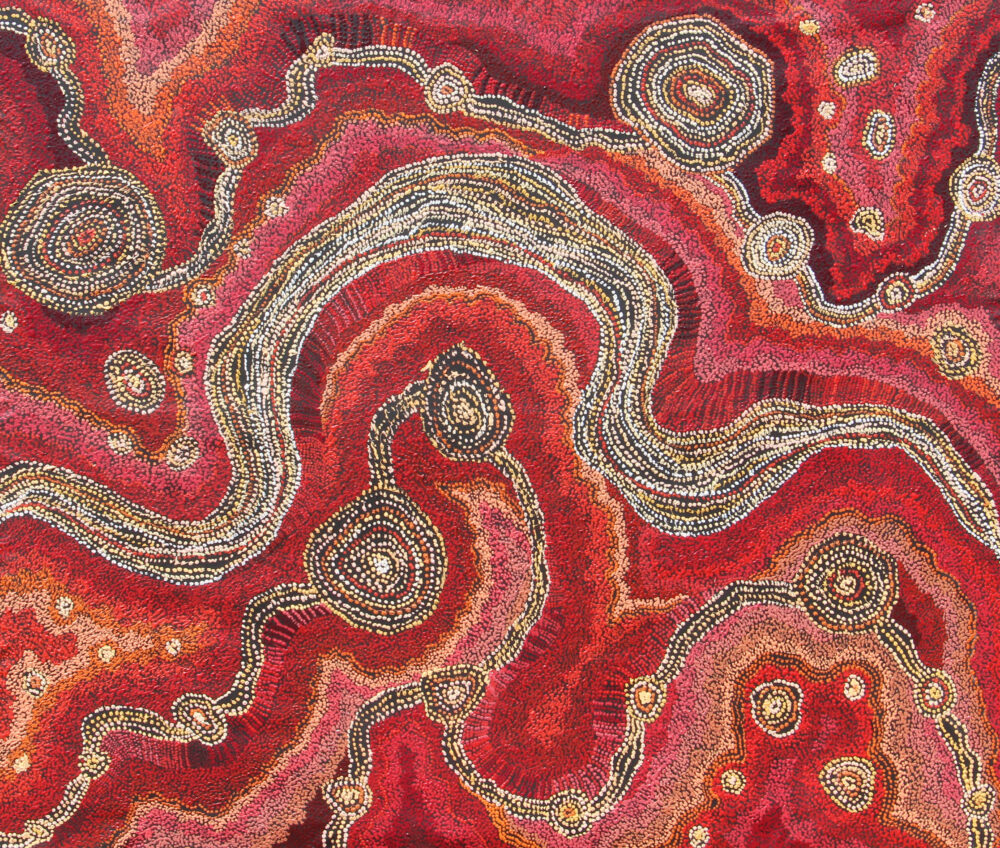
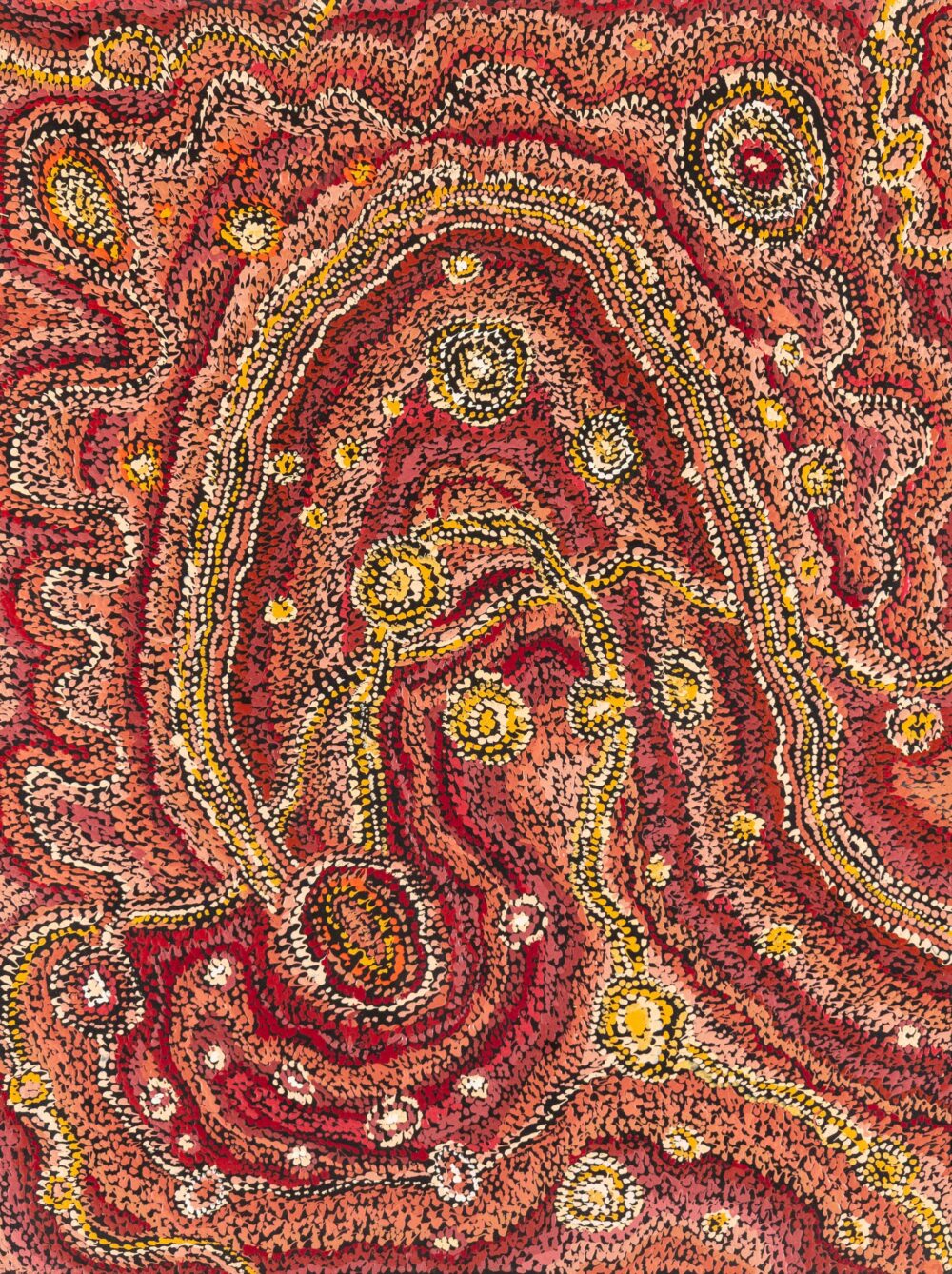
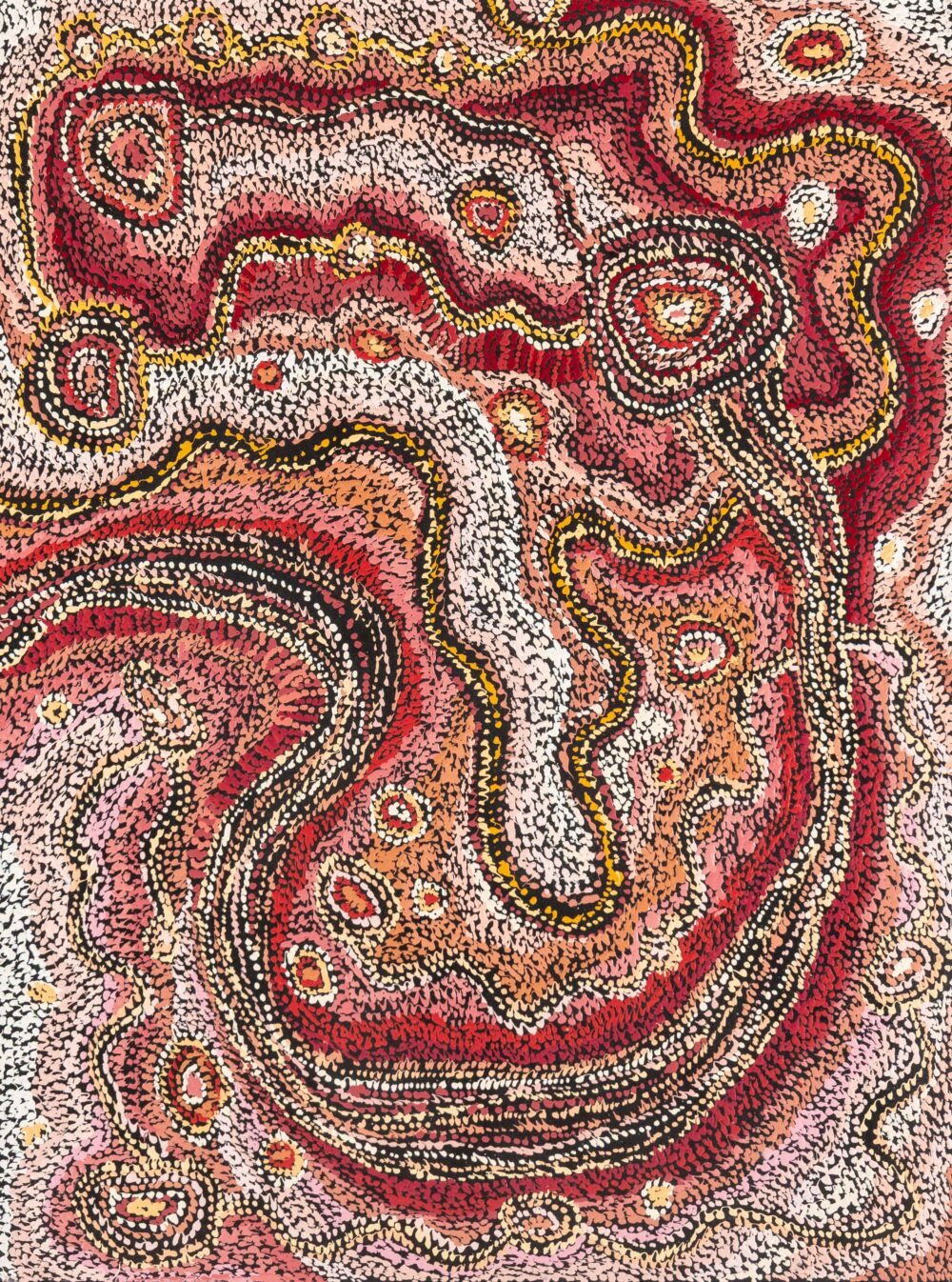
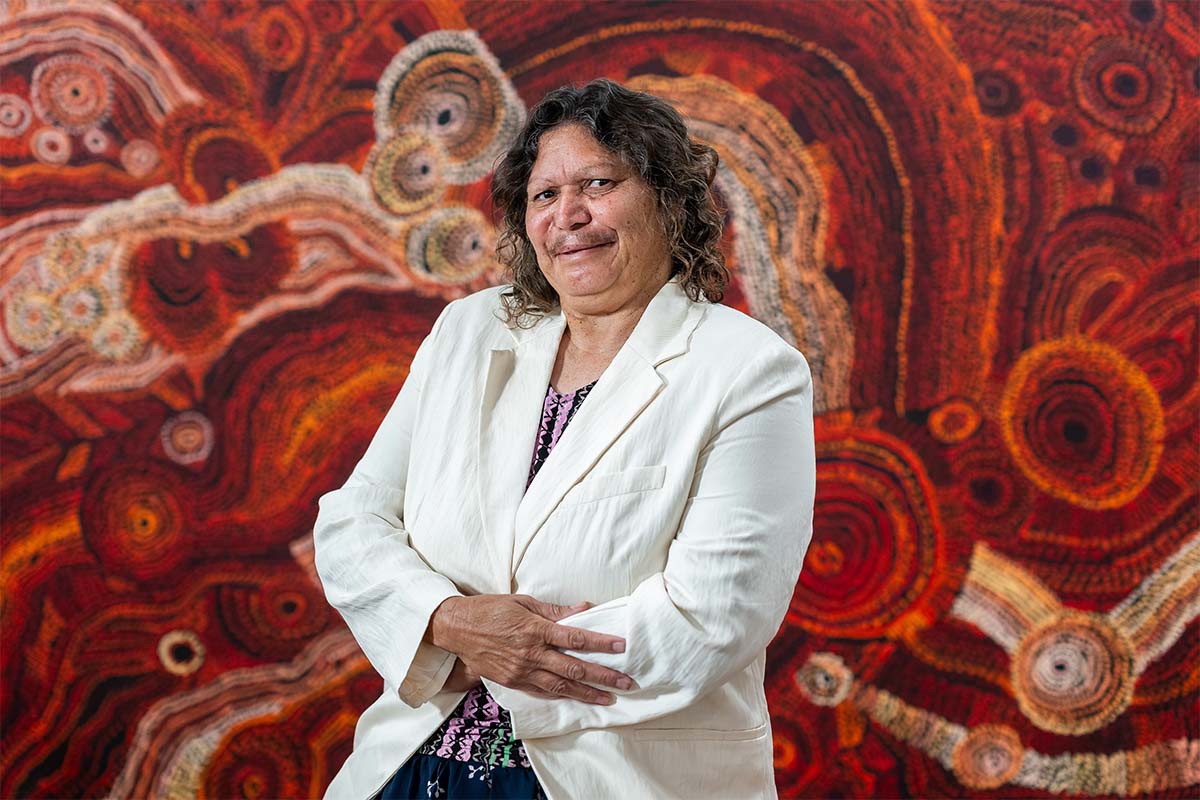
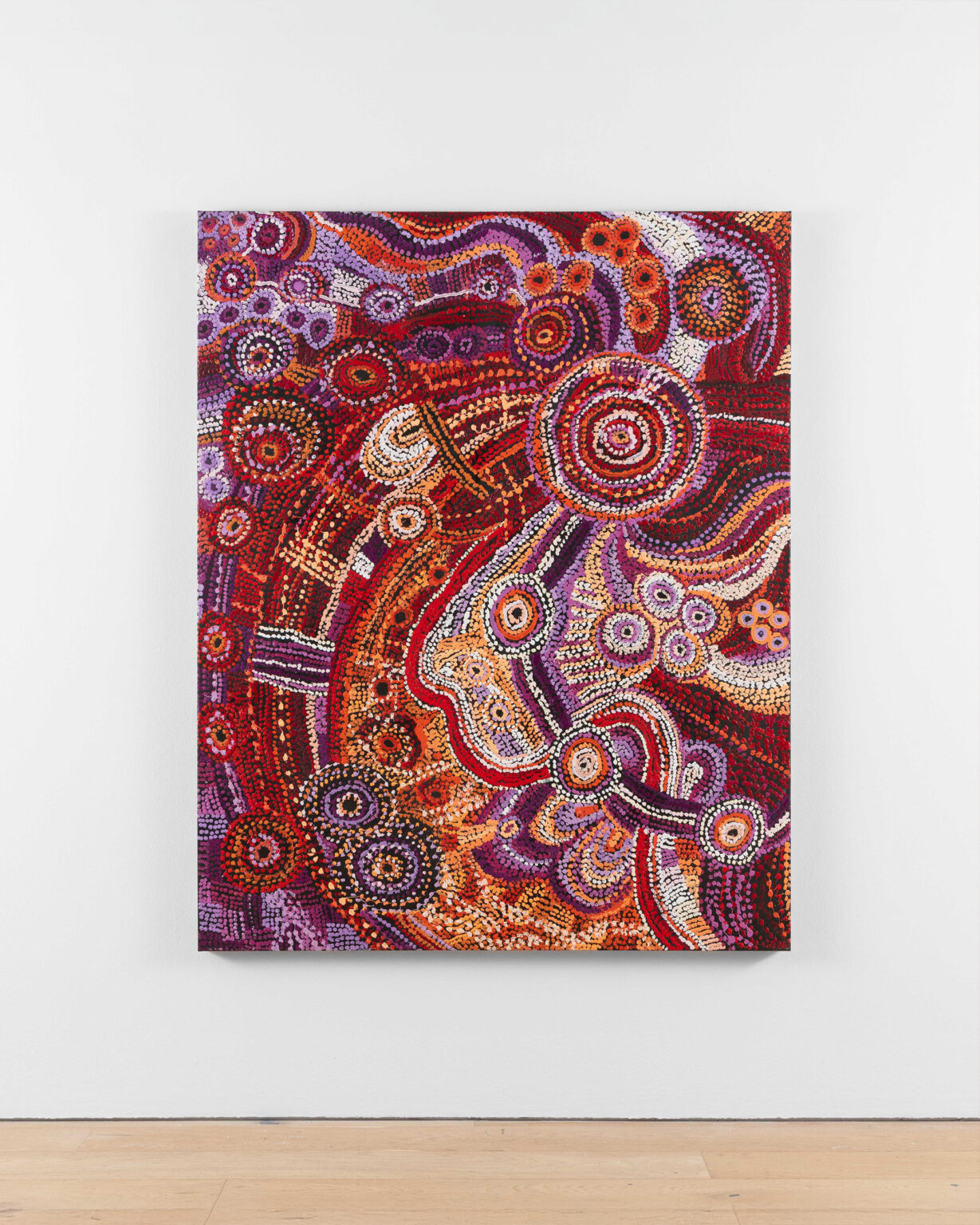
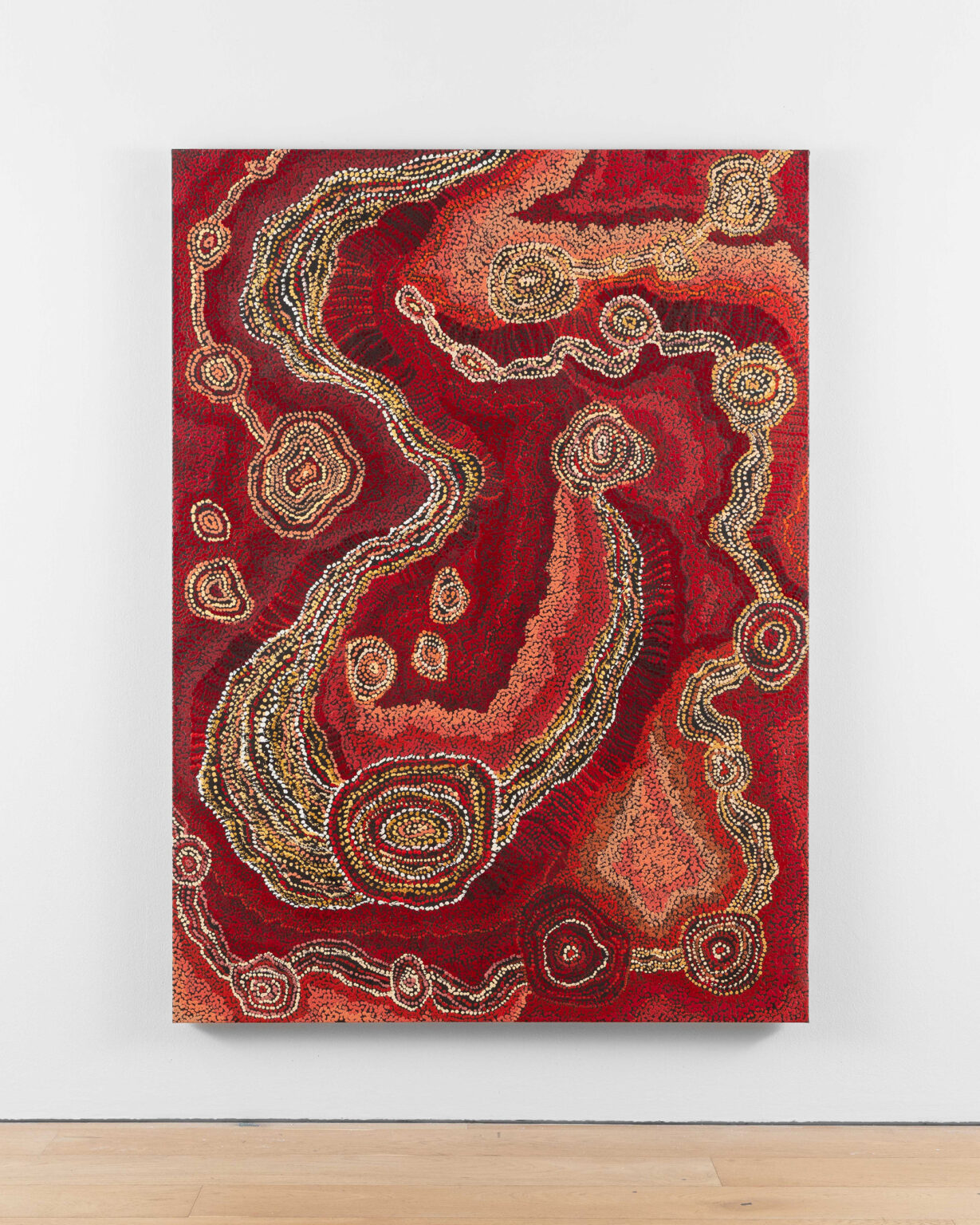
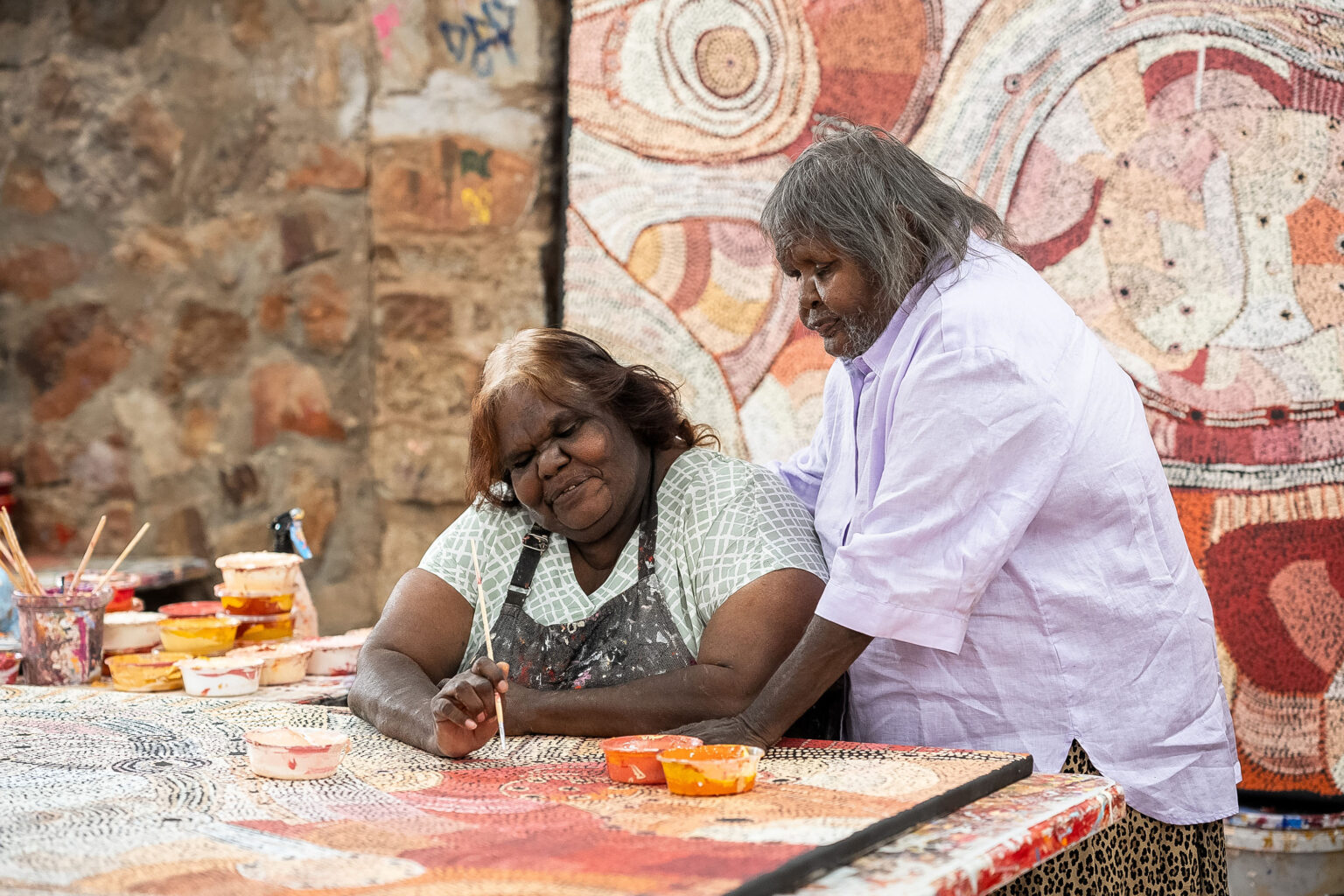
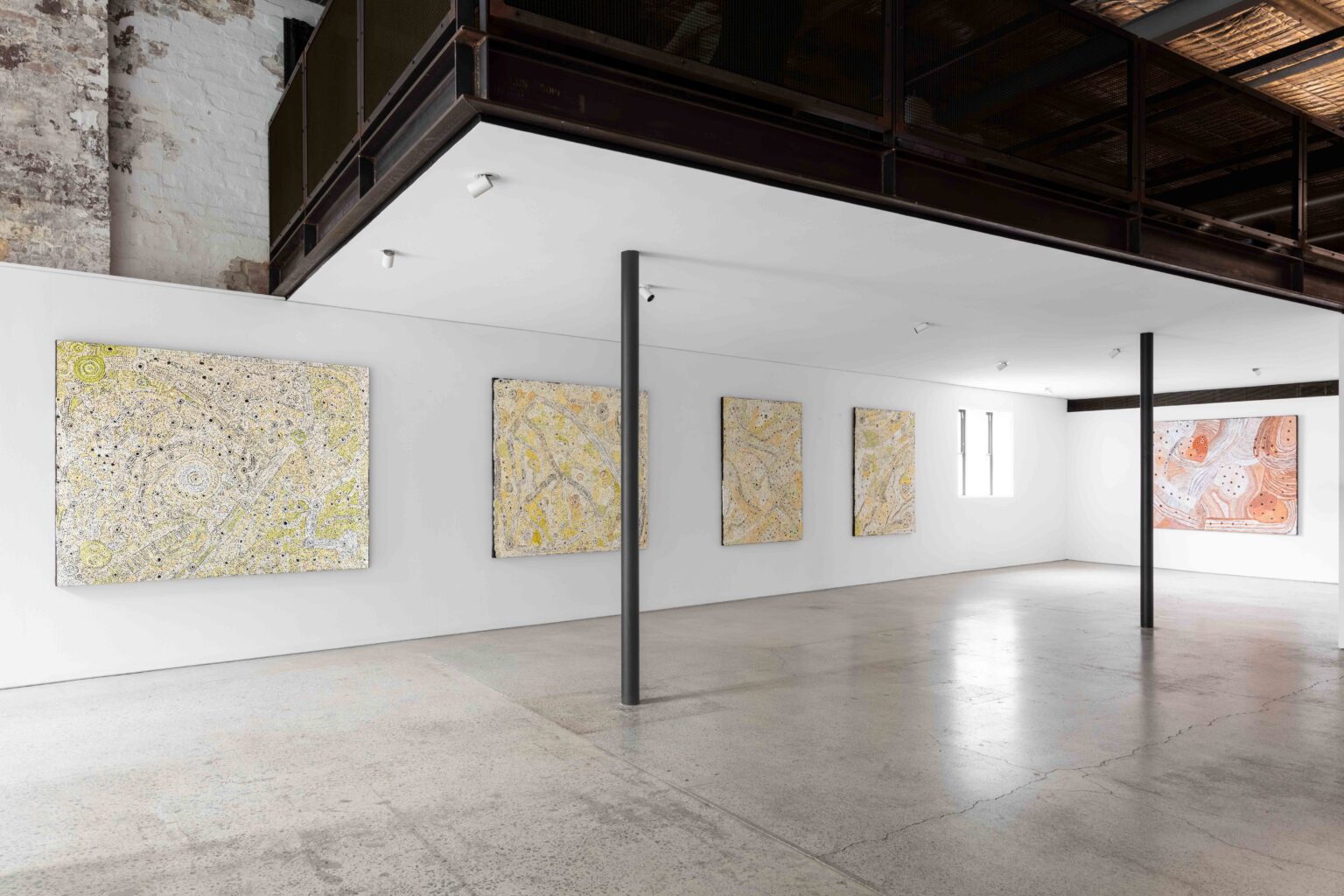
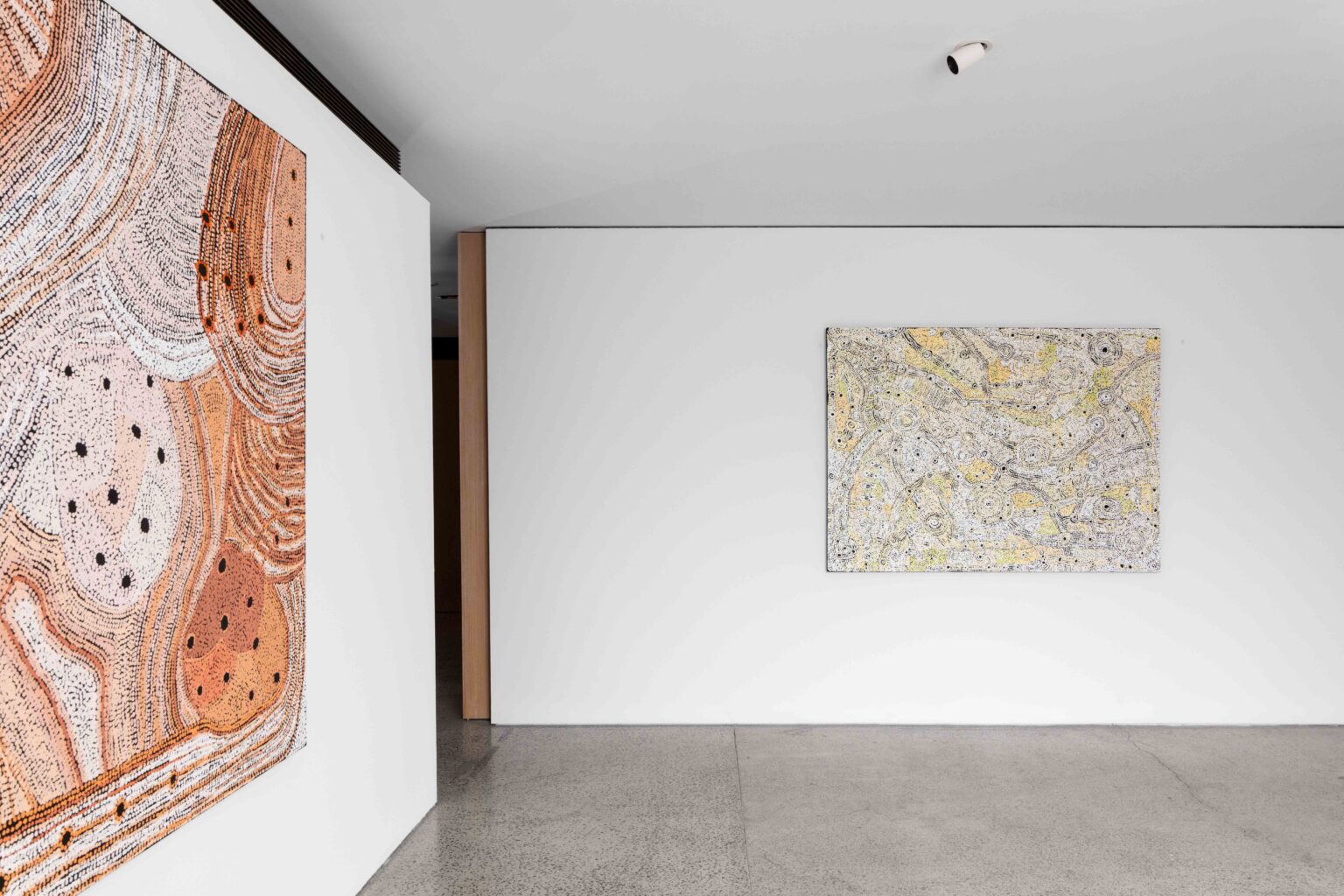
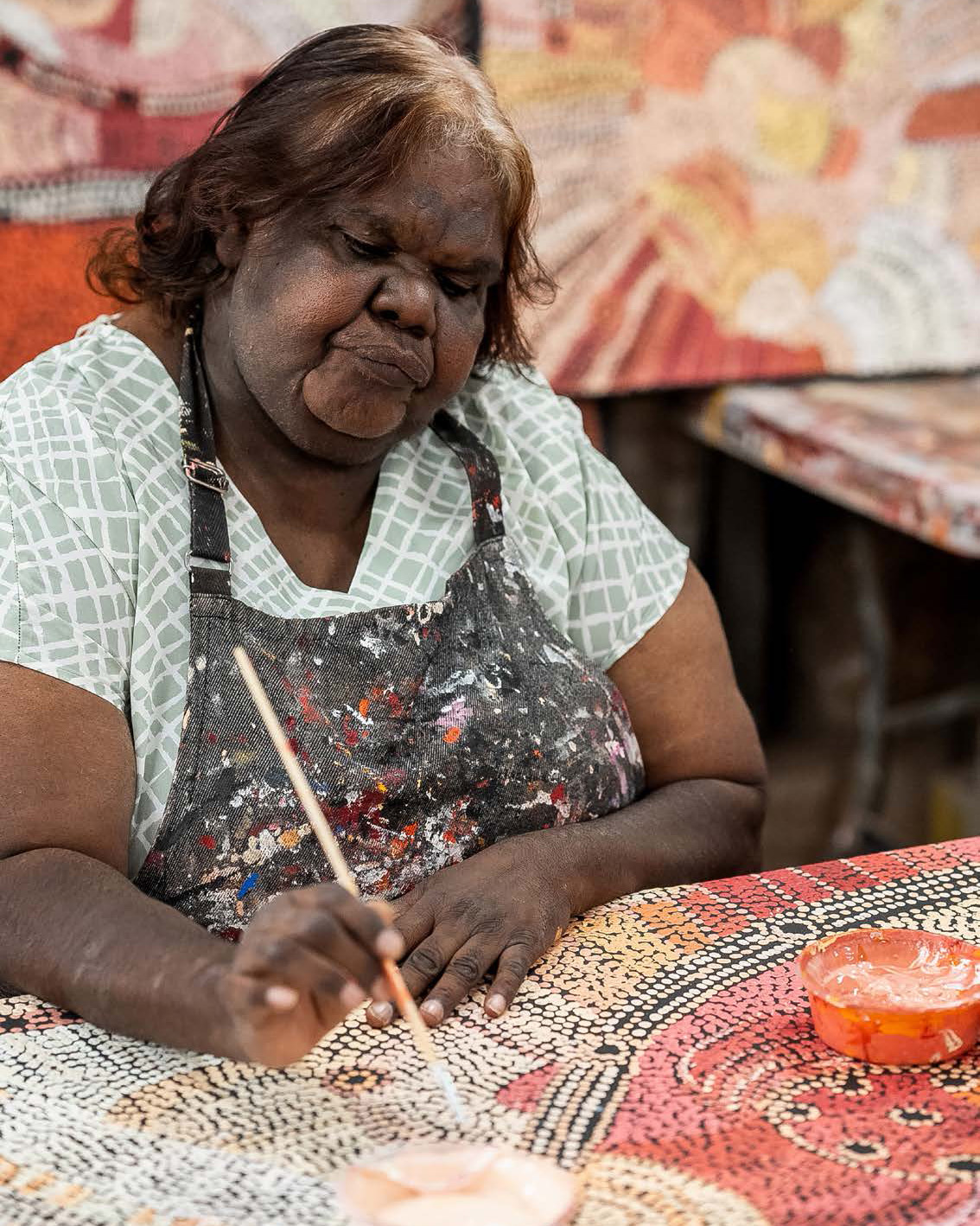
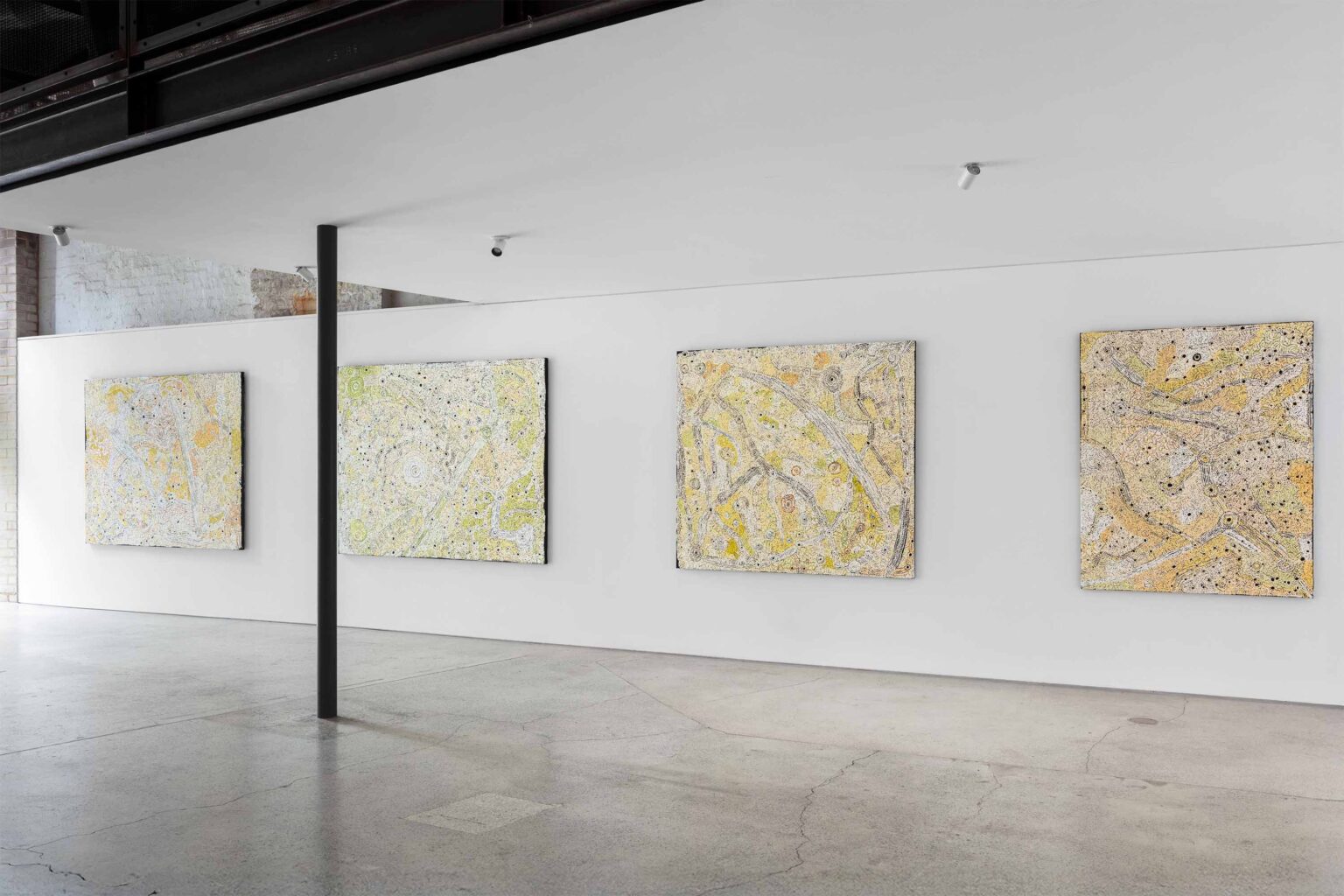
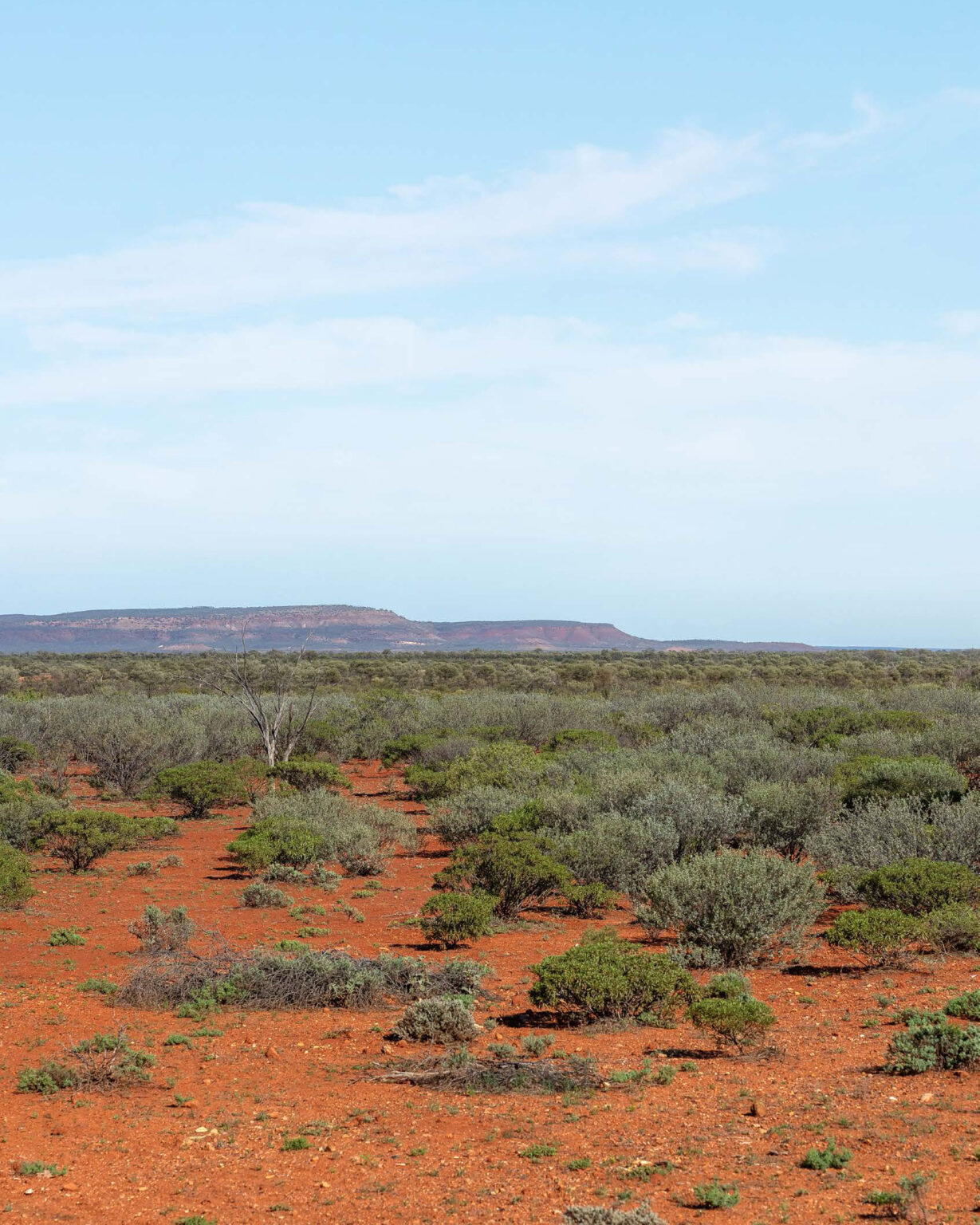
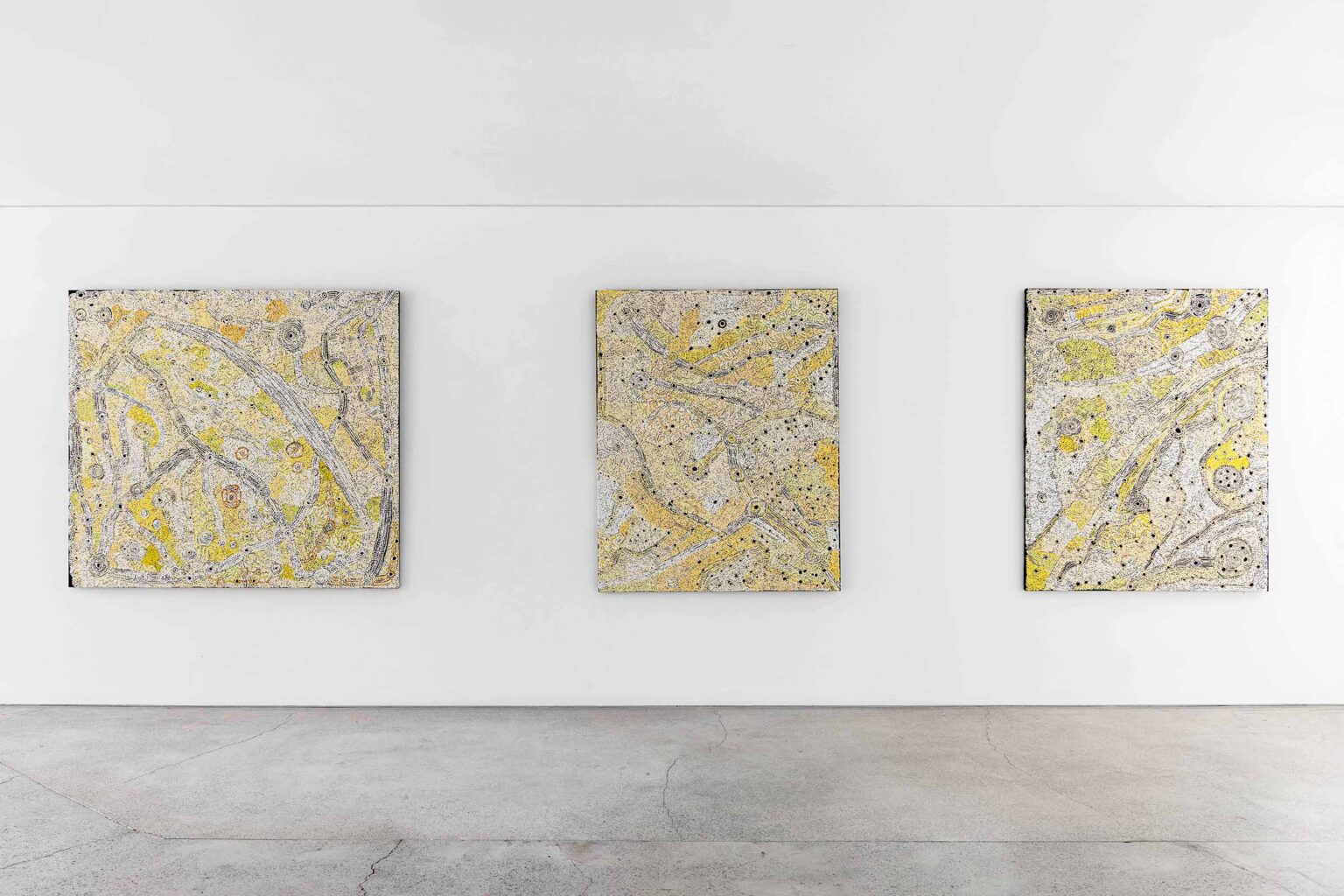
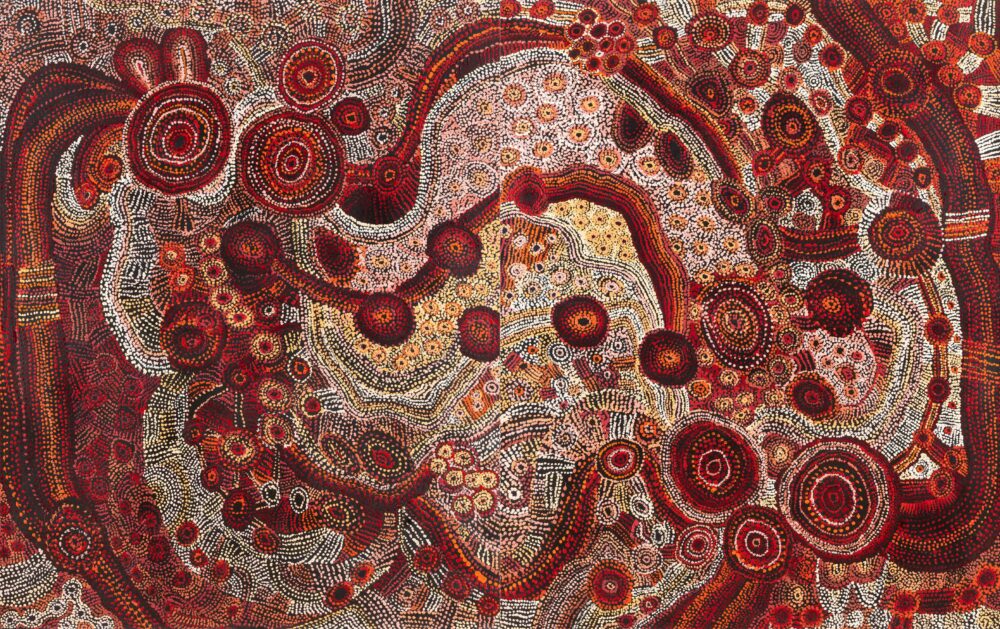
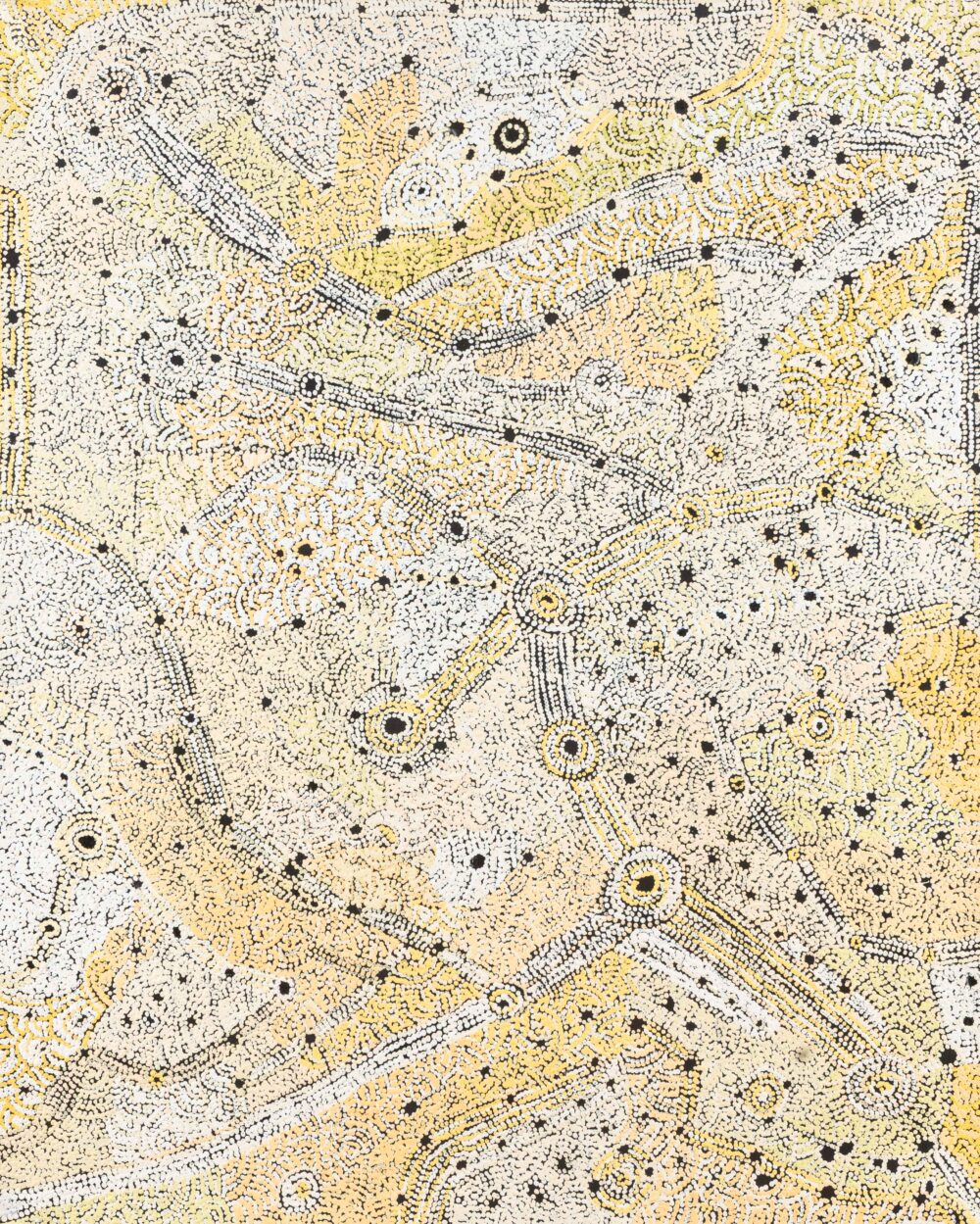
Michael Reid Sydney is delighted to present a joint exhibition from sisters Priscilla Singer and Trisha Singer – two bright stars within the celebrated school of First Nations painters at Iwantja Arts in the rocky desert country of Indulkana on the Aṉangu Pitjantjatjara Yankunytjatjara Lands.

Since its founding in the early 1980s, Iwantja Arts has played a vital role in championing Aṉangu self-determination and cultural expression – a legacy inseparable from the work of Priscilla and Trisha’s mother, the late artist Kunmanara (Sadie) Singer, who co-founded Iwantja Arts alongside Alec Baker. A revered artist, cultural leader and advocate, Sadie Singer’s influence continues to resonate through the practices of her daughters.

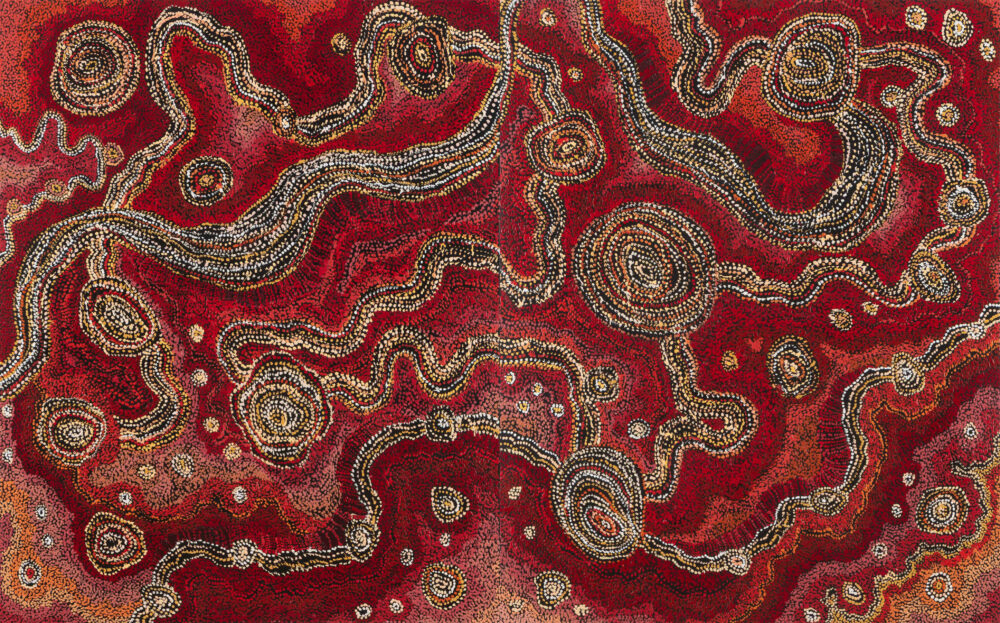
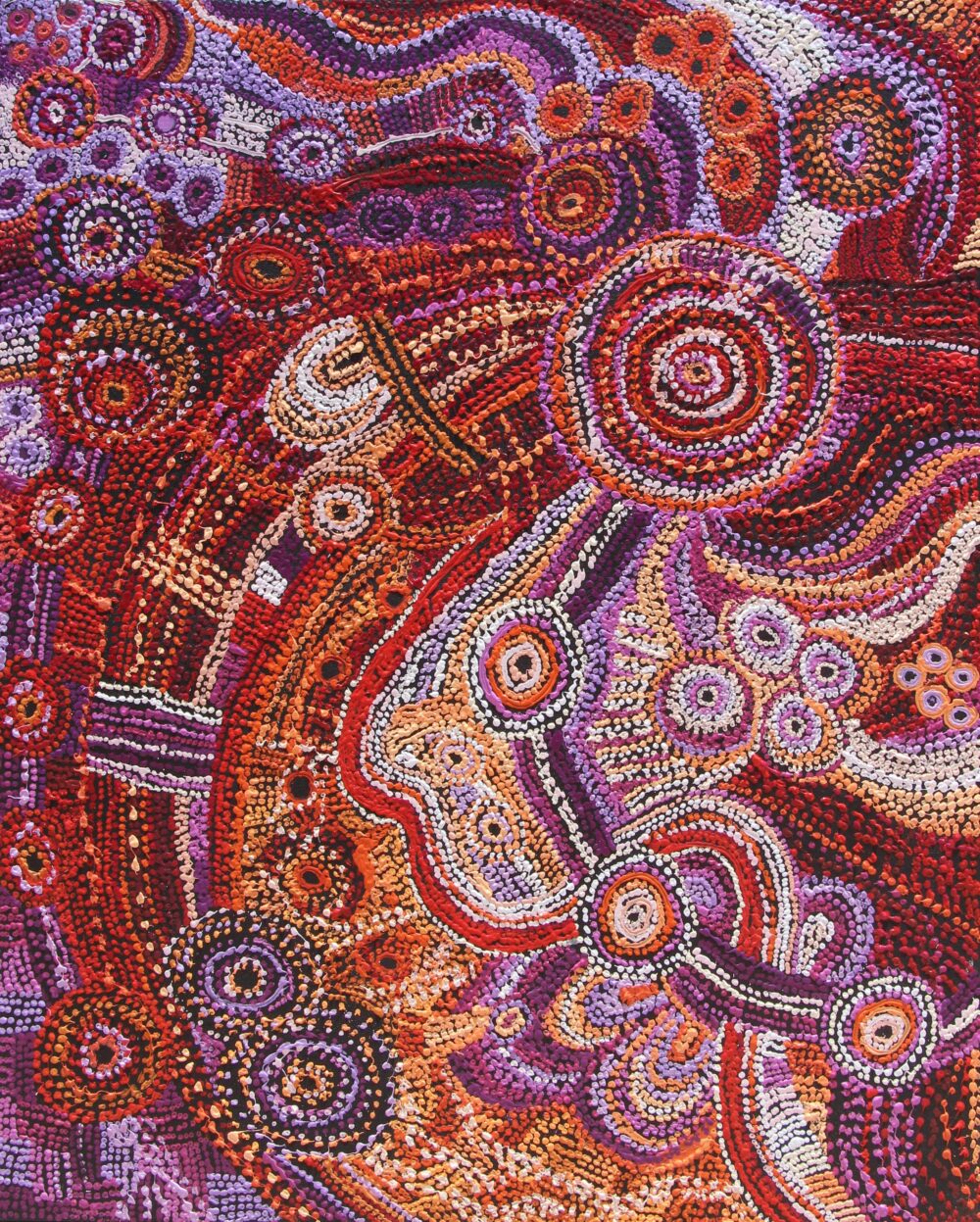
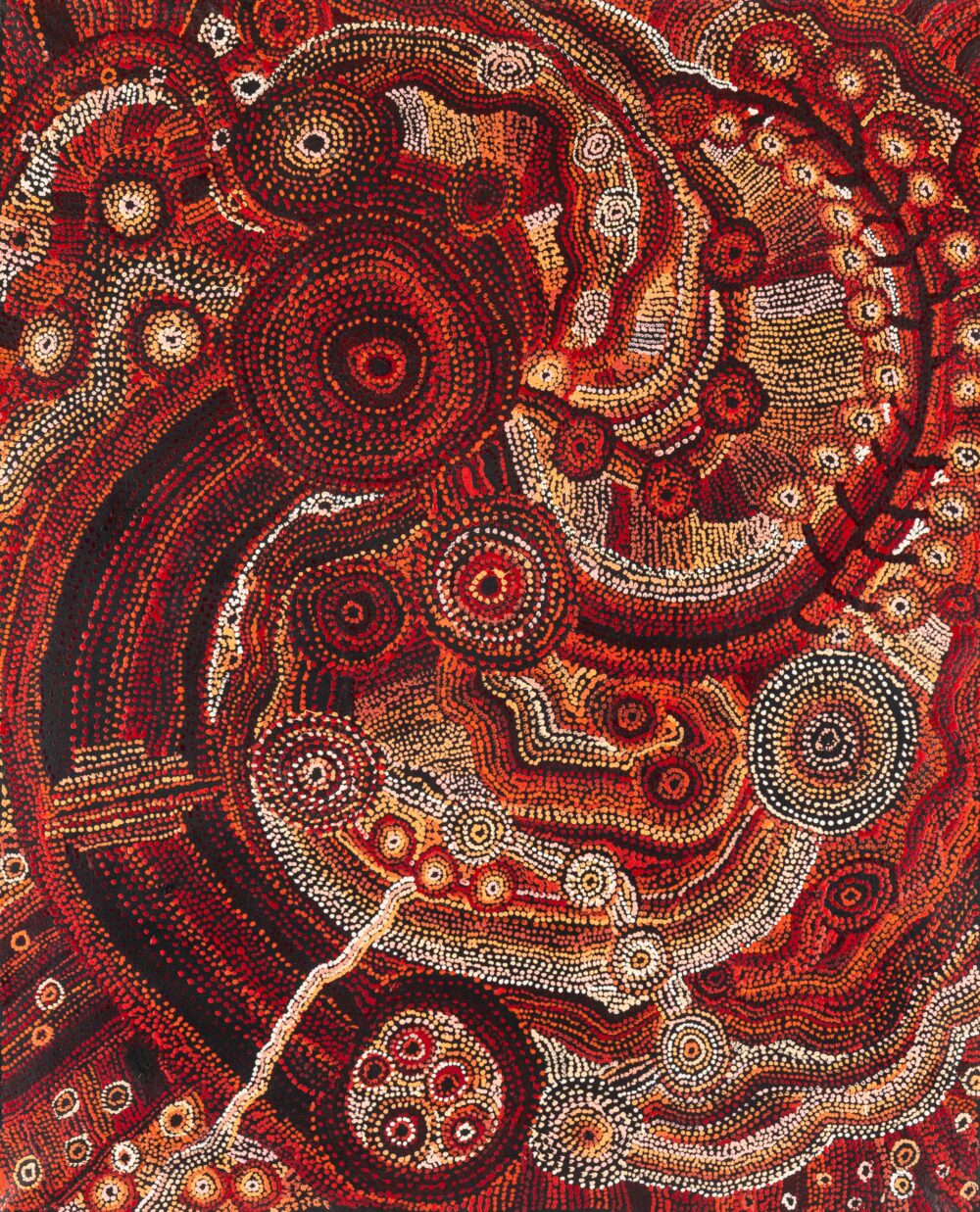
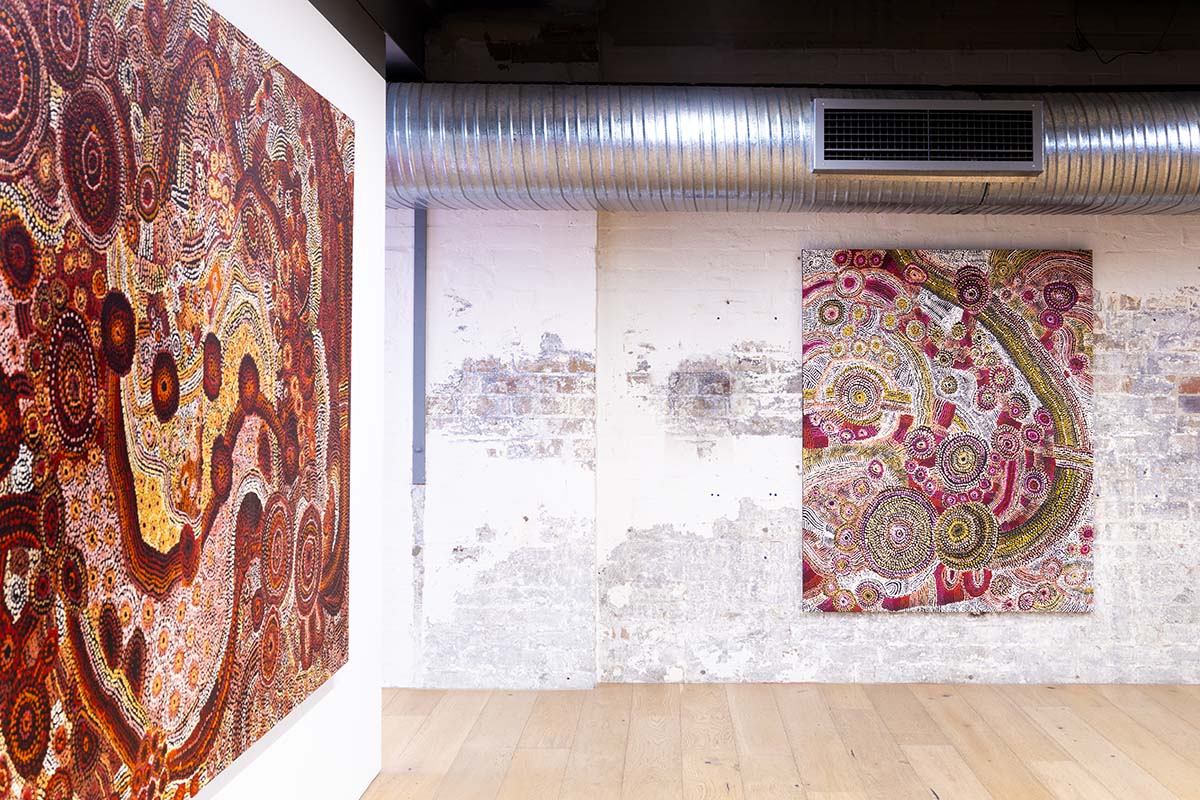
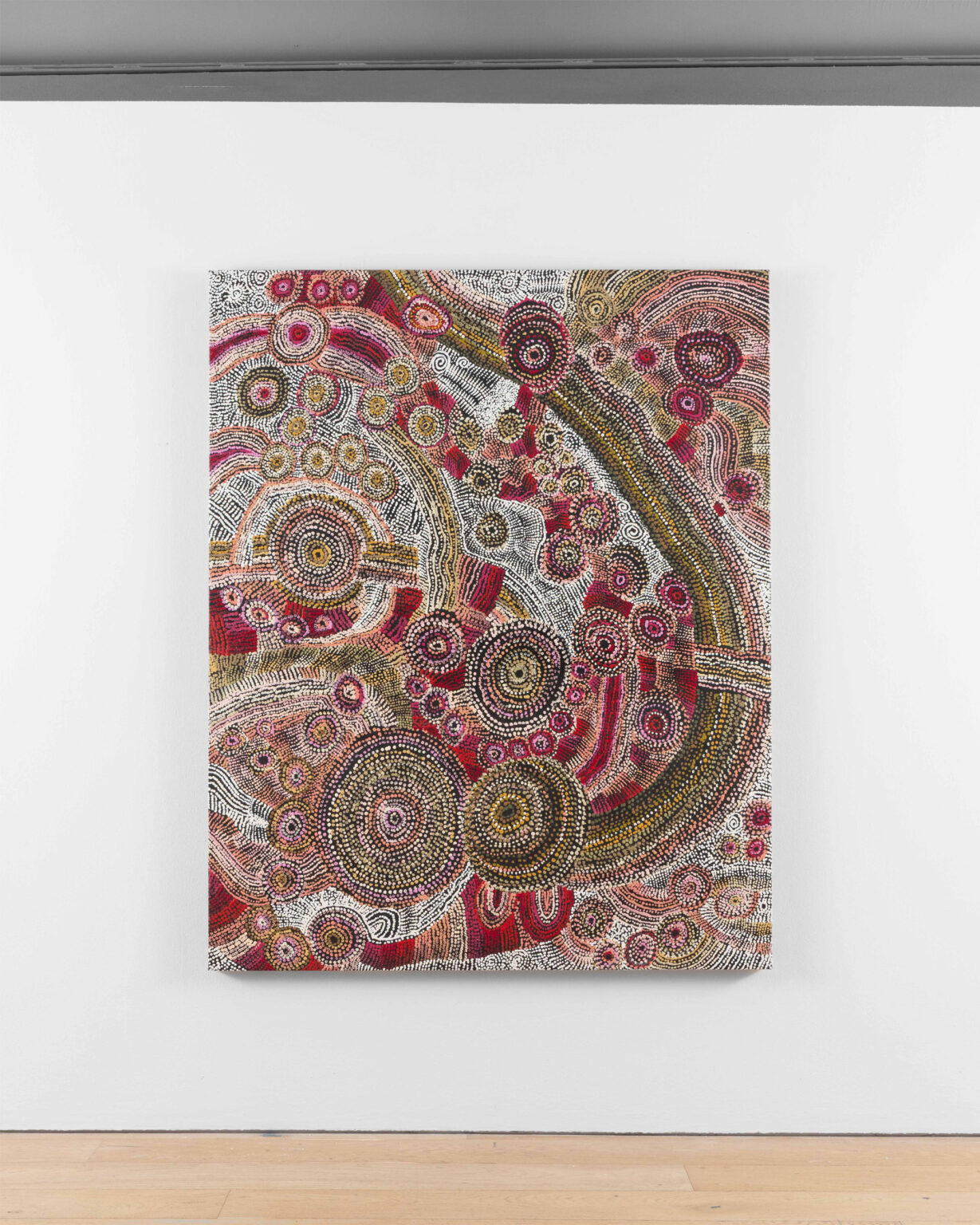
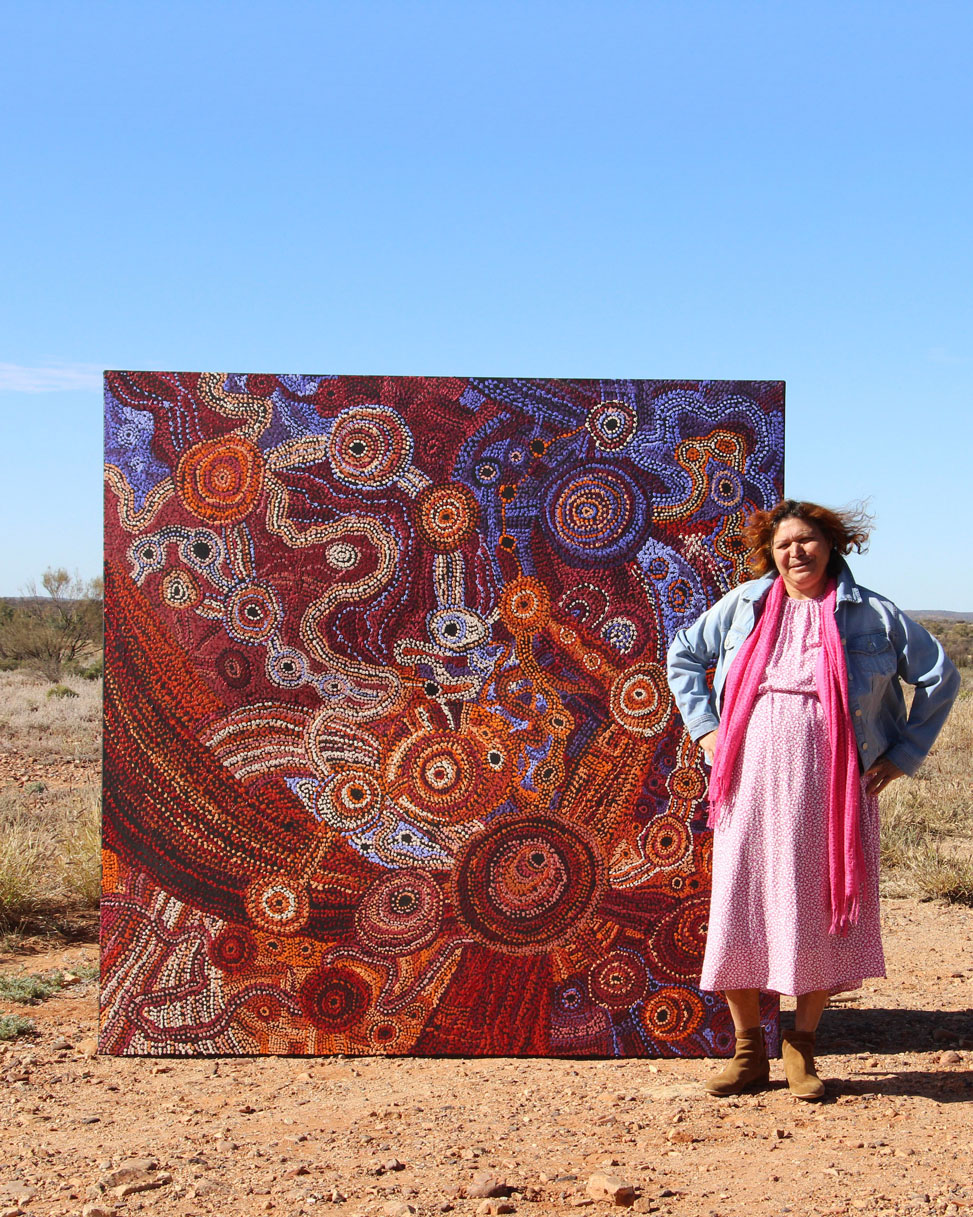
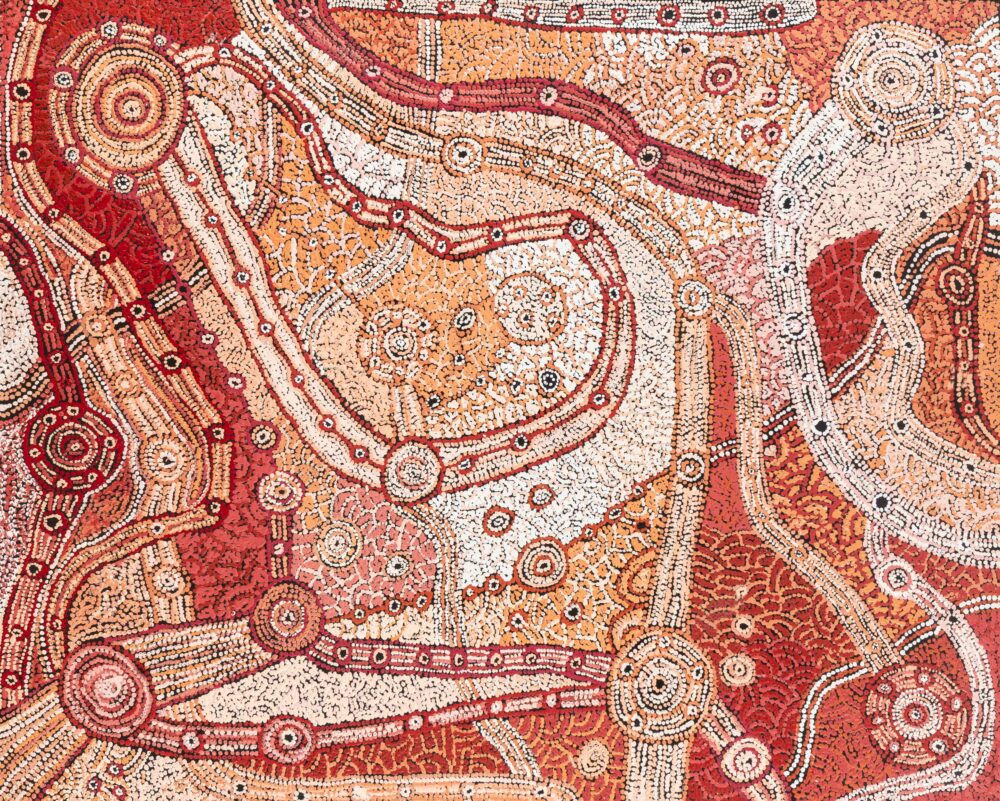
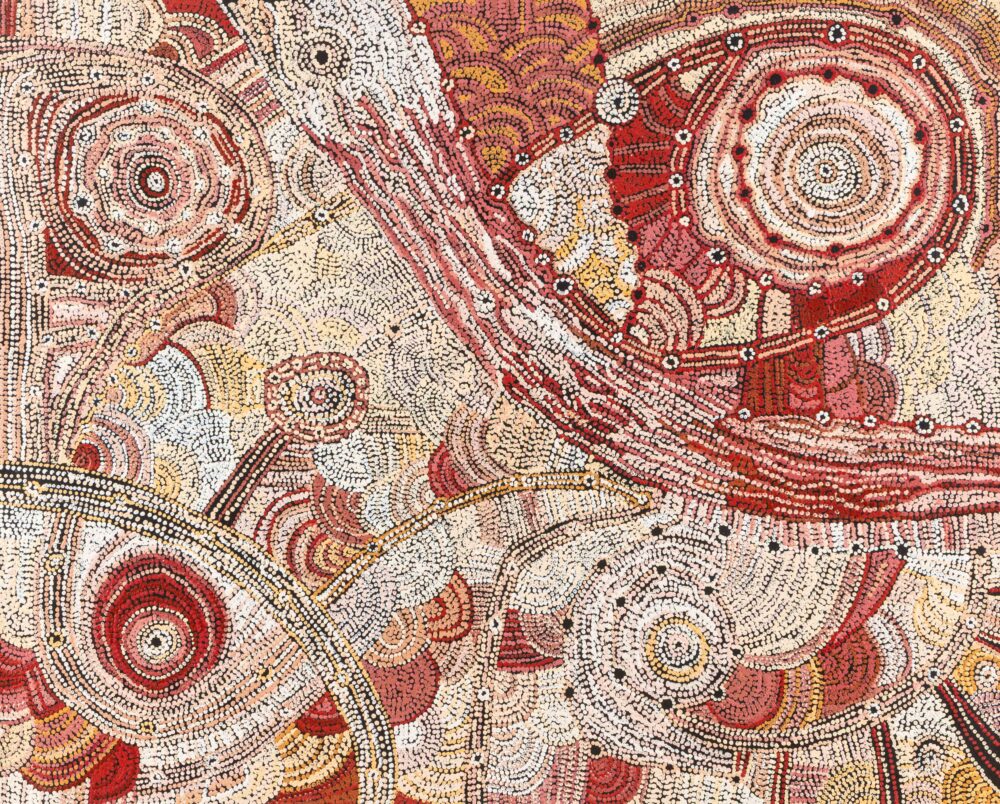
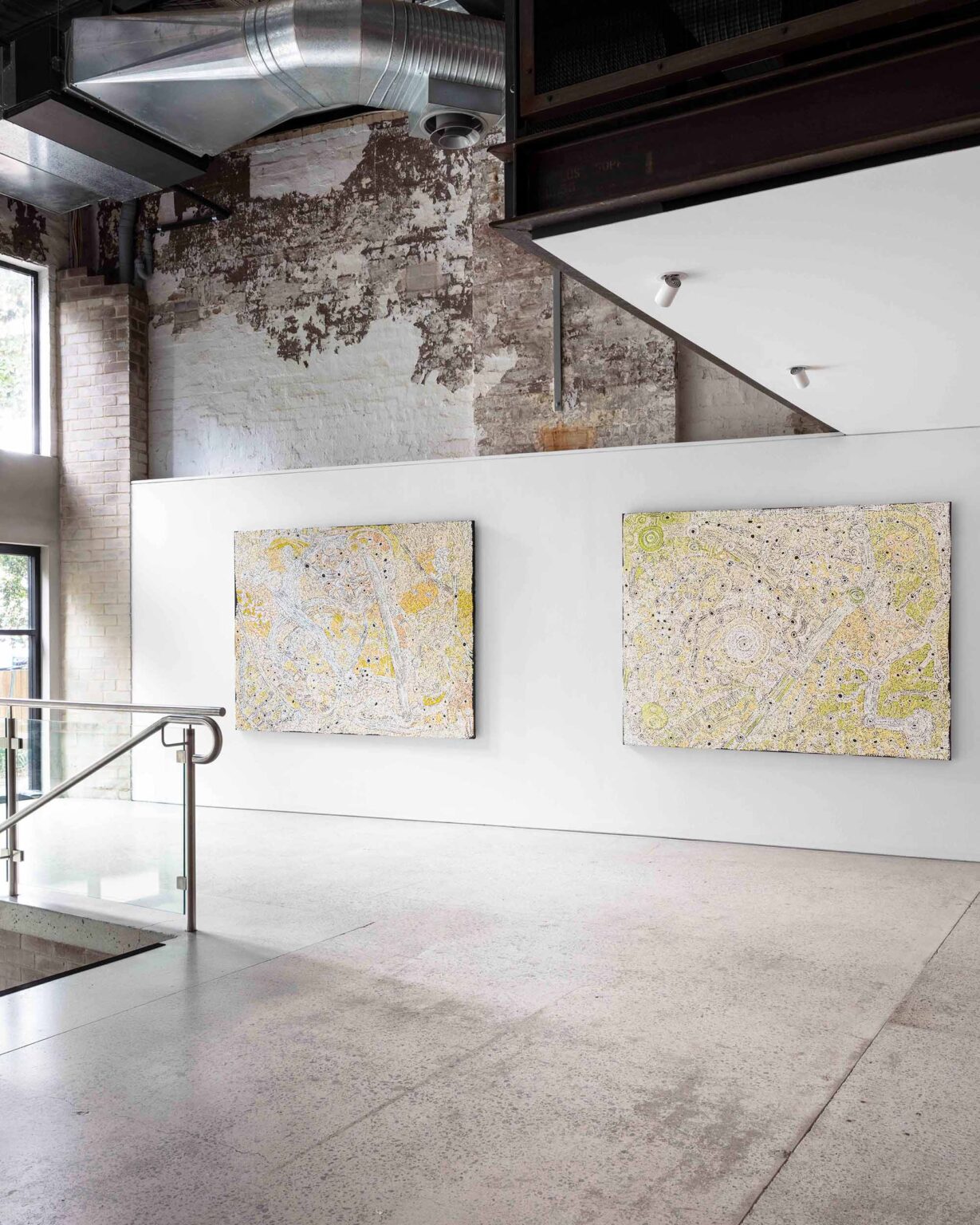
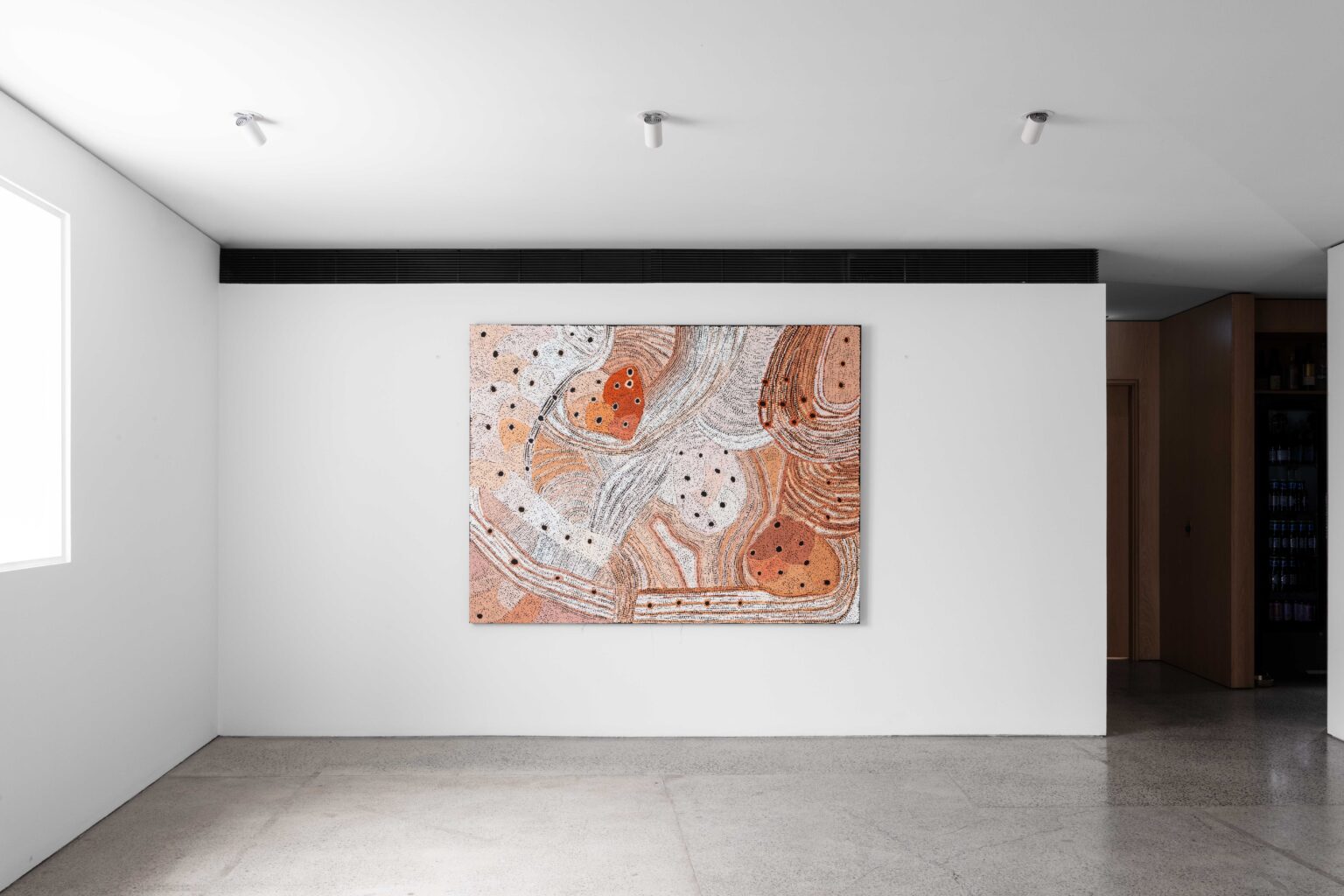
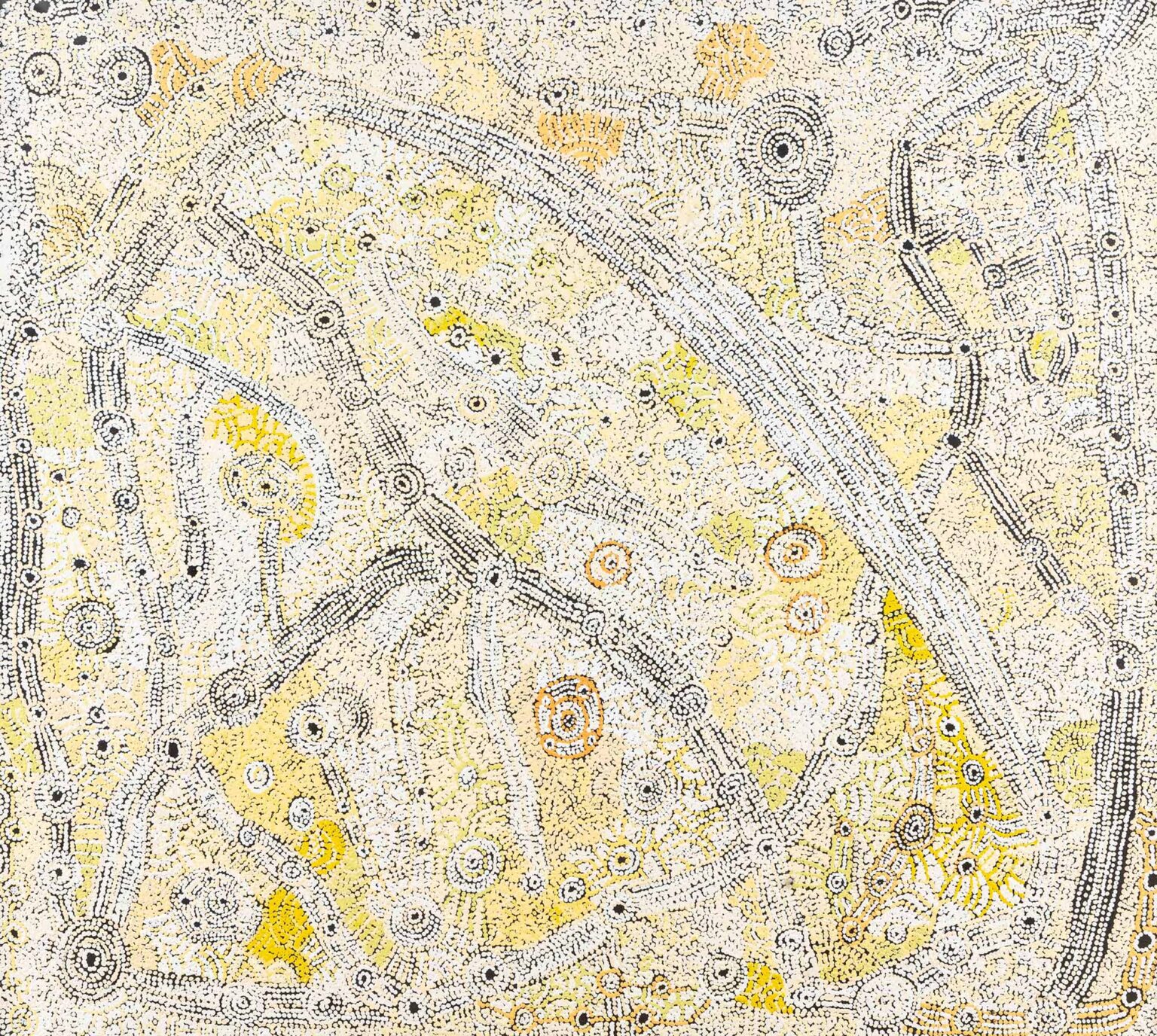
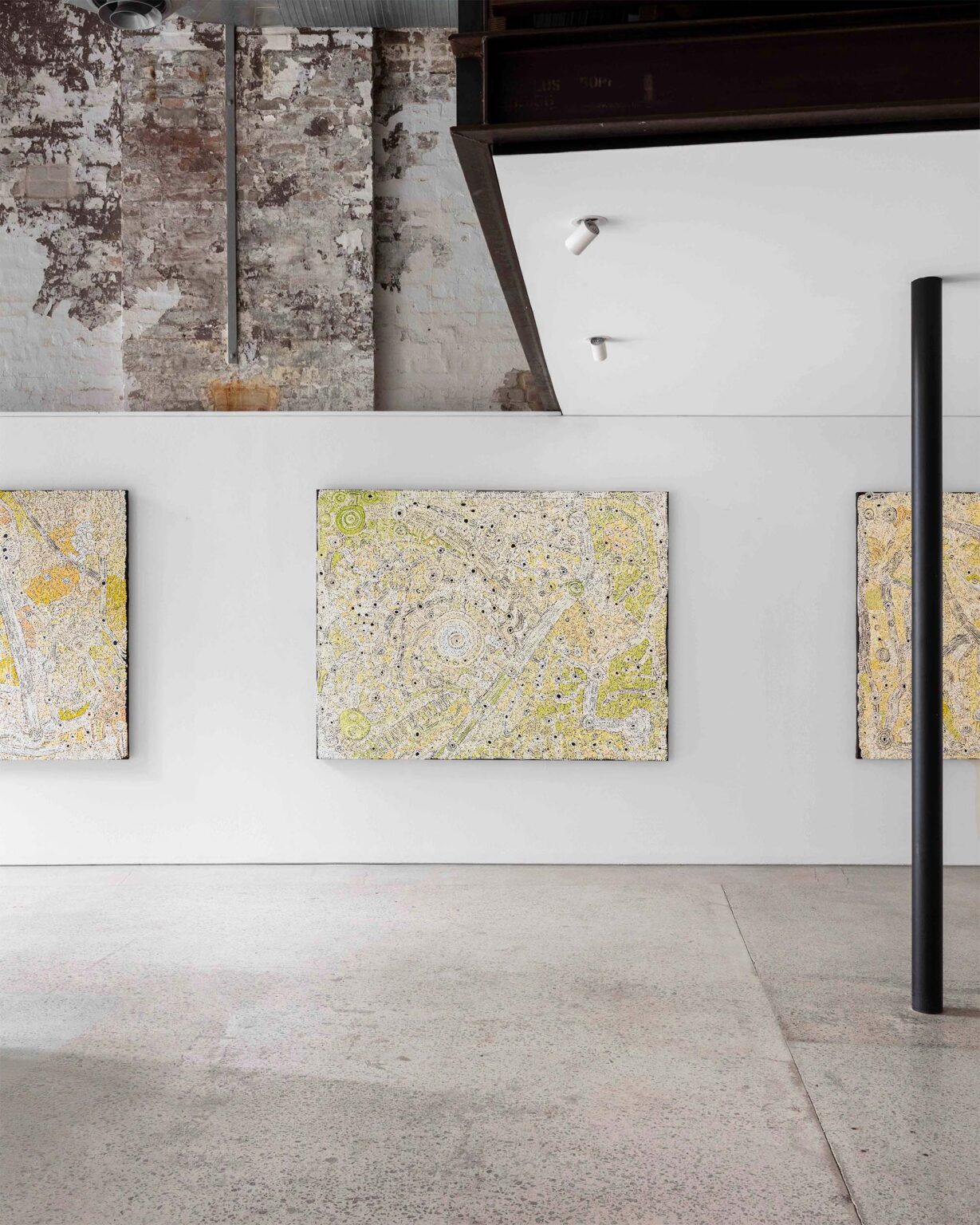
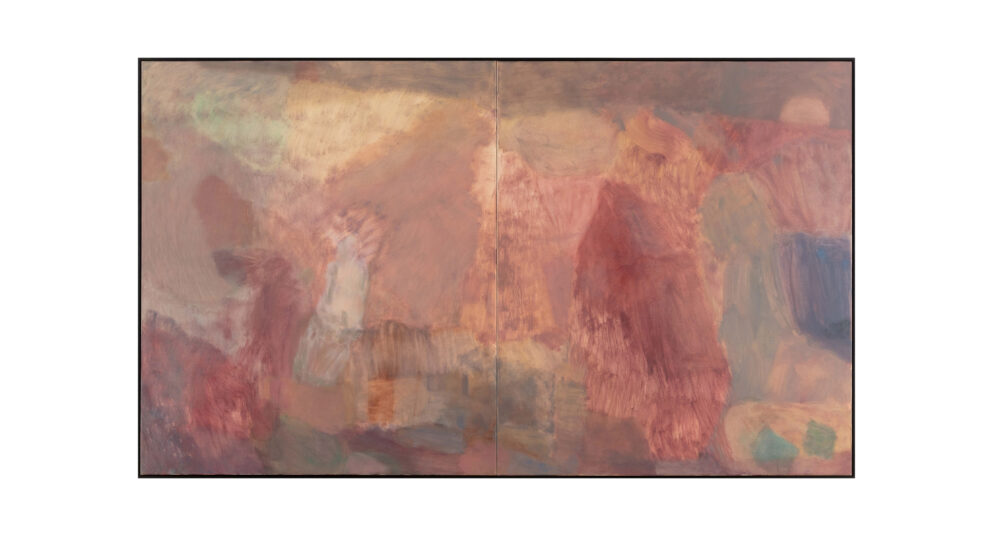
Anchoring the two sisters’ joint exhibition, Tali Ngura Wiru – Beautiful Sandhill Country, are two newly completed, large-scale diptychs – one by each artist – conceived as twin pillars around which a constellation of vibrant canvases now circulate. Together, these works trace a shared geography while allowing space for individual cadence, colour and mark-making to emerge.

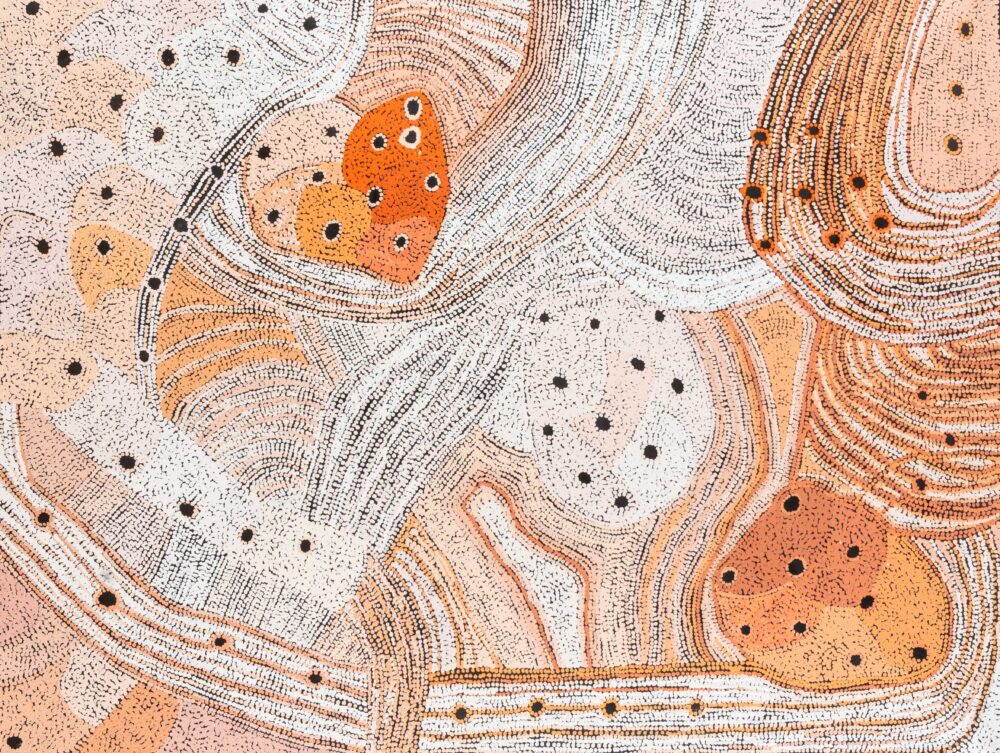
“I’ve been making art since I was a young girl,” says Trisha Singer, who paints Tali Ngura – sandhill Country – on Yankunytjatjara land. “You can see sandhills in the colours I use, desert colours, with dusty reds and oranges. I paint the important places that I know well, that my mother shared with me. There’s a lot of my mum in my work – what she liked and what she taught me. I like looking at different flowers, and going on Country and getting the knowledge of the land, and the story, passed on from grandparents … When you travel, you see the changes in the land. It comes alive.”

For Priscilla Singer, a senior Pitjantjatjara woman and long-time leader within the Iwantja community, painting is an act of remembrance, transmission and care. “When I’m painting, I always think about my grandfather’s Country and my mother’s painting. I try to paint the places they travelled around,” she says. “I look to my mum’s painting and show some of that same story in my work. I paint the red sand. The red sand never changes; it is always here. When the sun sets, you can see the glow of the earth. I paint this country so people can see my land, they can appreciate its beauty and understand its power.”

Family, language and collective strength sit at the heart of both artists’ practices. “Family and community are so important to Aṉangu culture,” says Priscilla Singer, who previously exhibited her work to great acclaim in the 2025 Michael Reid Southern Highlands group show Ngura Pilunpa – Peaceful Country. “Our connection to each other and to our Country informs everything we do, especially making art and passing on culture to our younger generations. Being together makes us strong.”

For enquiries, please email hughholm@michaelreid.com.au
John Honeywill

Posted by

John Honeywill

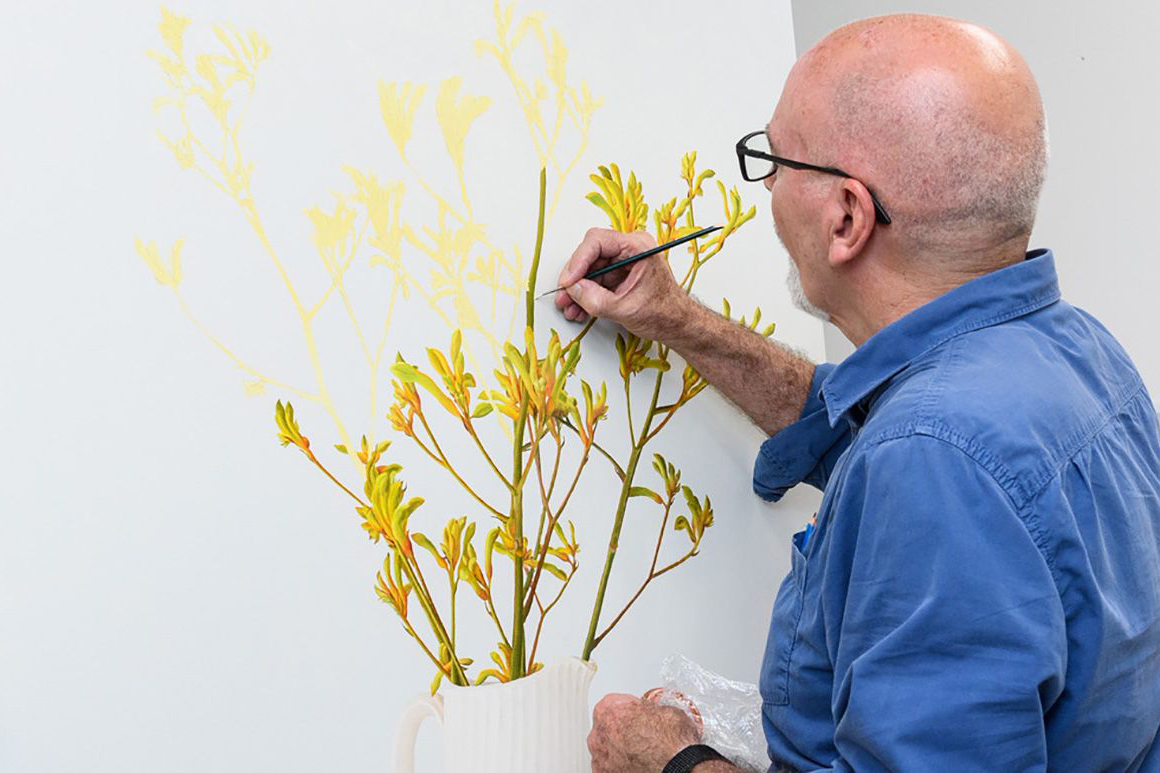
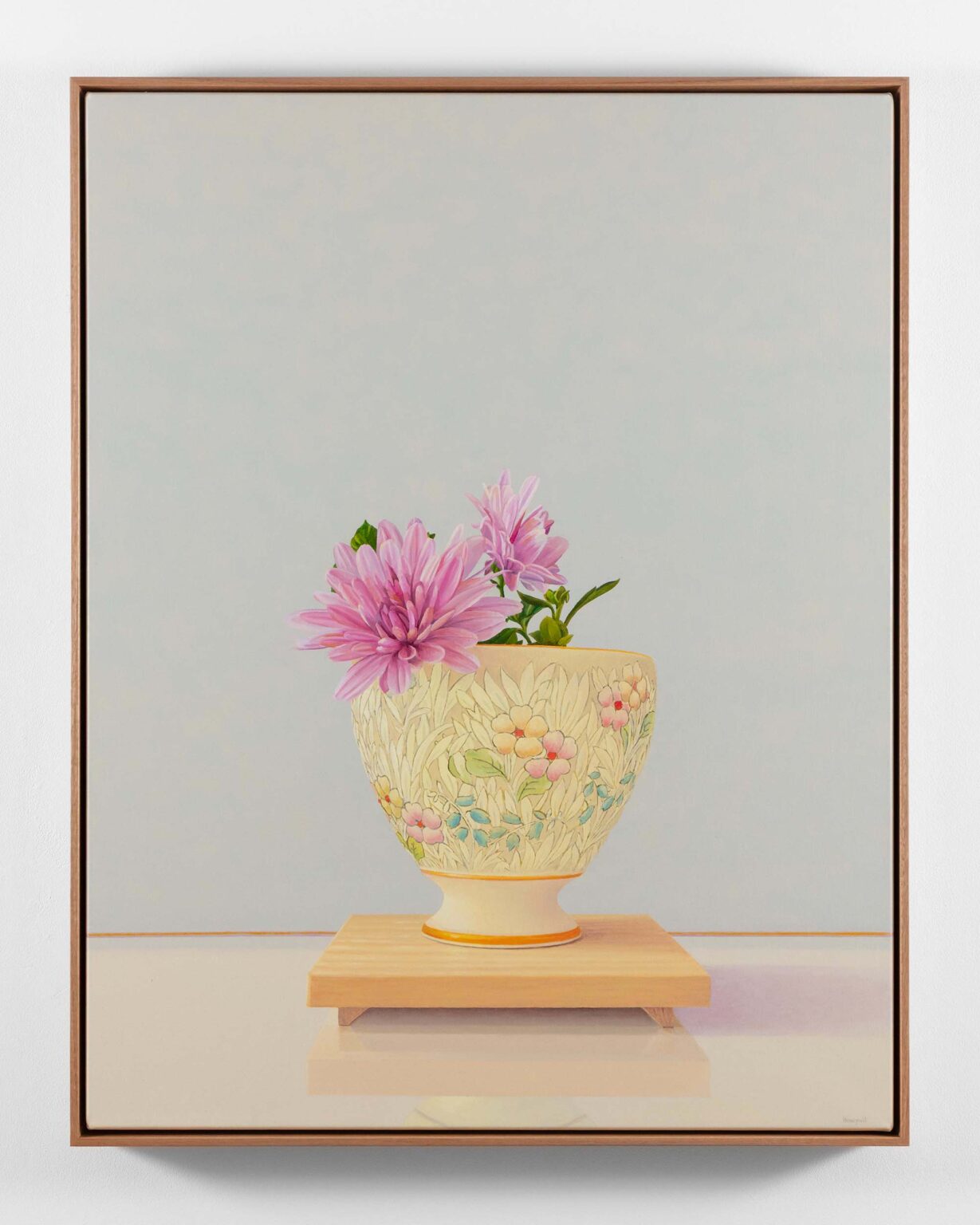
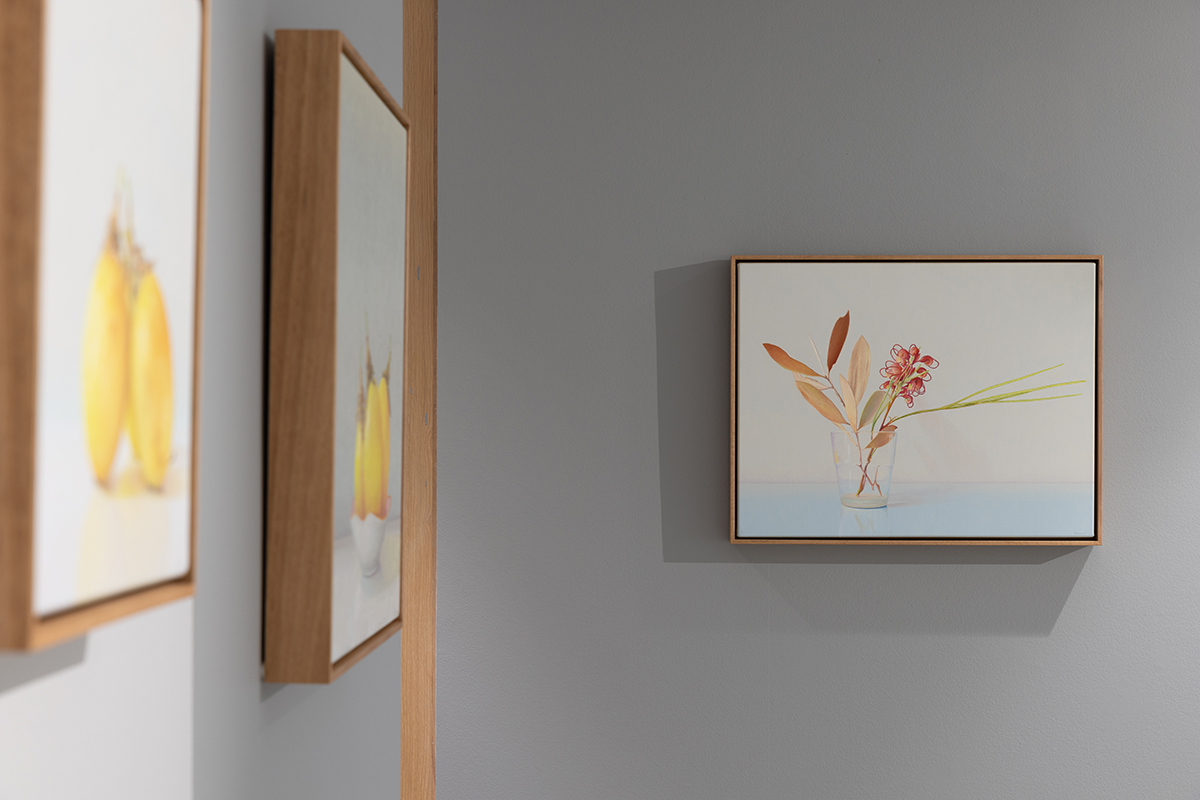
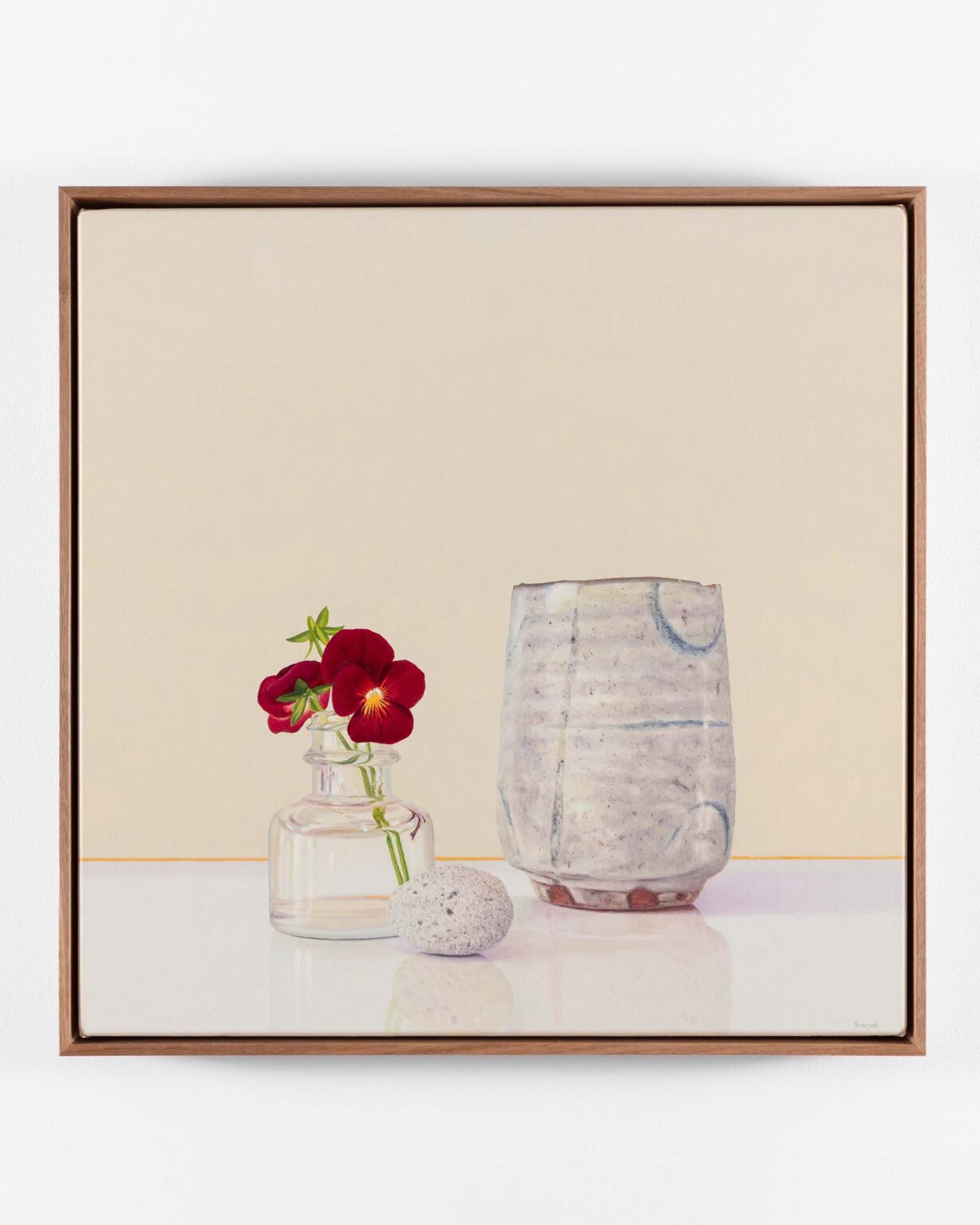
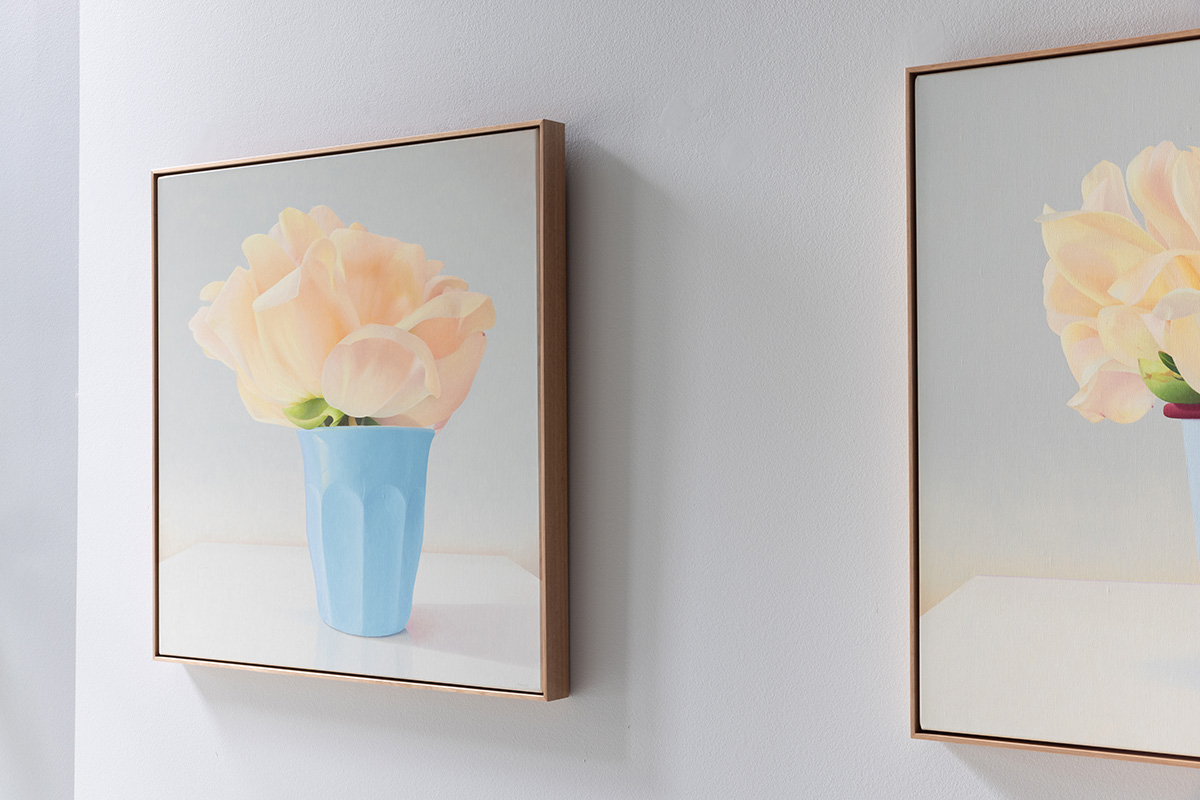
Celebrated Meanjin/Brisbane-based contemporary painter and master of the still life John Honeywill returns to Michael Reid Sydney in August for his first solo exhibition in more than two years. Brought to life with meticulous precision and masterly control of light and mood, Honeywill’s paintings set everyday objects within deceptively simple compositions that appear quietly radiant and seemingly lit from within.

His acclaimed practice is propelled by a curious, almost ineffable affinity for the objects of his gaze – unsentimental yet emotionally resonant subjects that draw the eye with the quiet authority of their presence. From sugary sweets to elegant vessels enclosing fruit or delicately unfolding flowers, these still-life elements exude a serene stillness and subtle alchemy as they coalesce and converse in graceful, mesmerising arrangements.

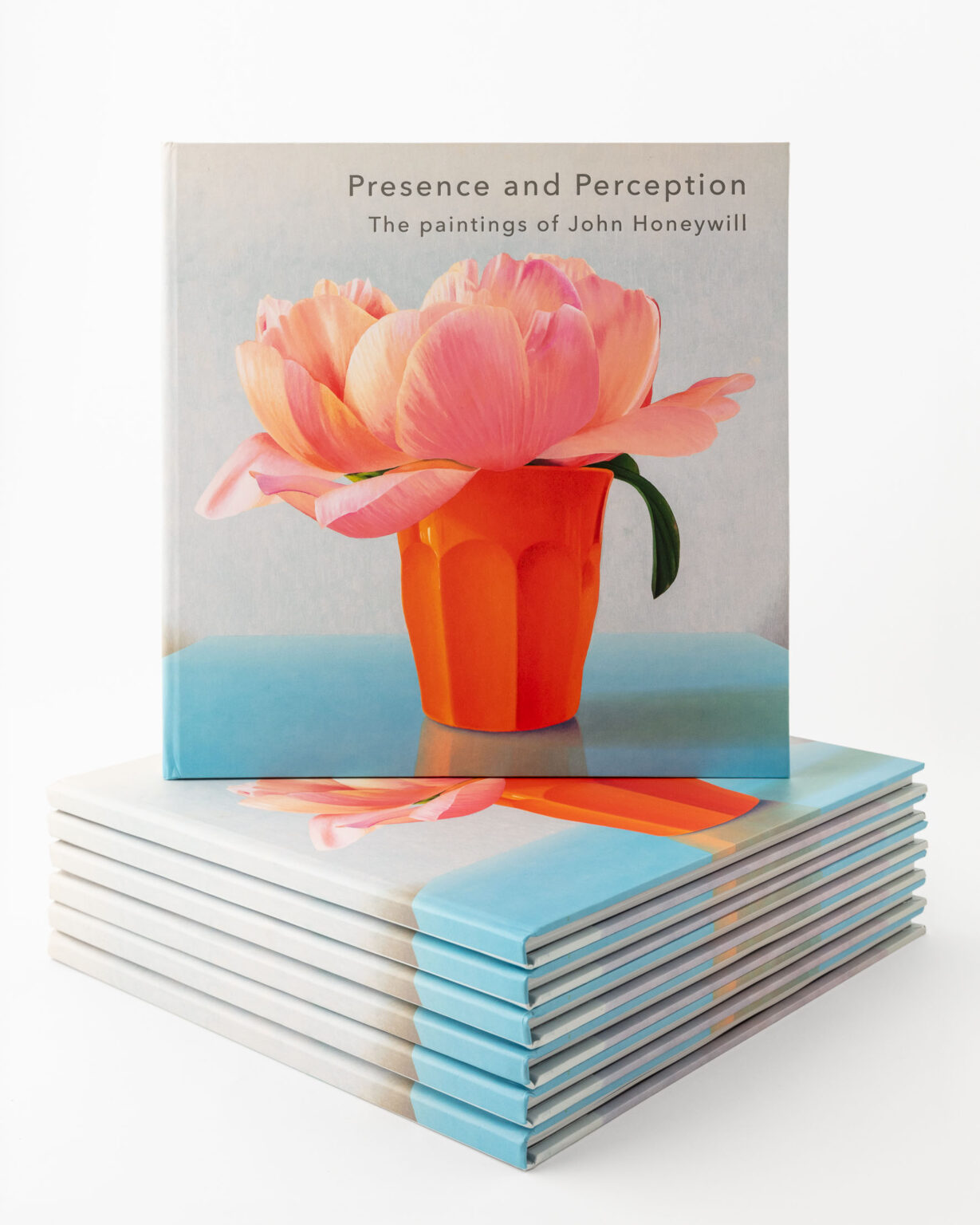
By suspending these objects against ambiguous, softly luminescent planes – at times subtly reflective, at others gauze-like and atmospheric – and rendering them with astonishing, ultra-precise detail, Honeywill heightens their sense of poise and intimacy. His paintings stand as a paean to the interplay between an object’s presence and the artist’s perception – the organising idea behind his 2023 monograph, Presence and Perception.

To sign up for first access to the artist’s forthcoming series, please email dean@michaelreid.com.au

Small Fires Everywhere, All The Time

Posted by

Small Fires Everywhere, All The Time

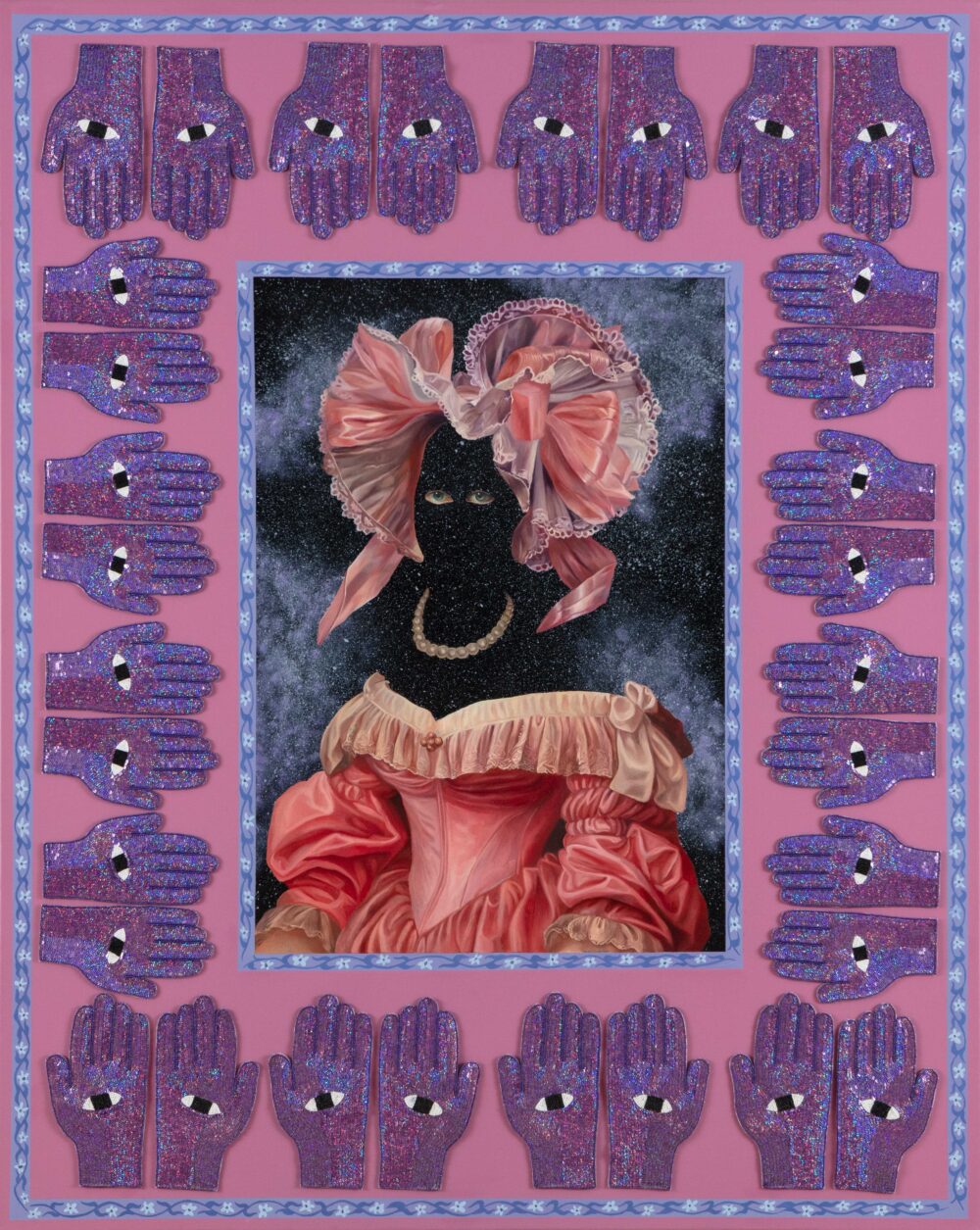
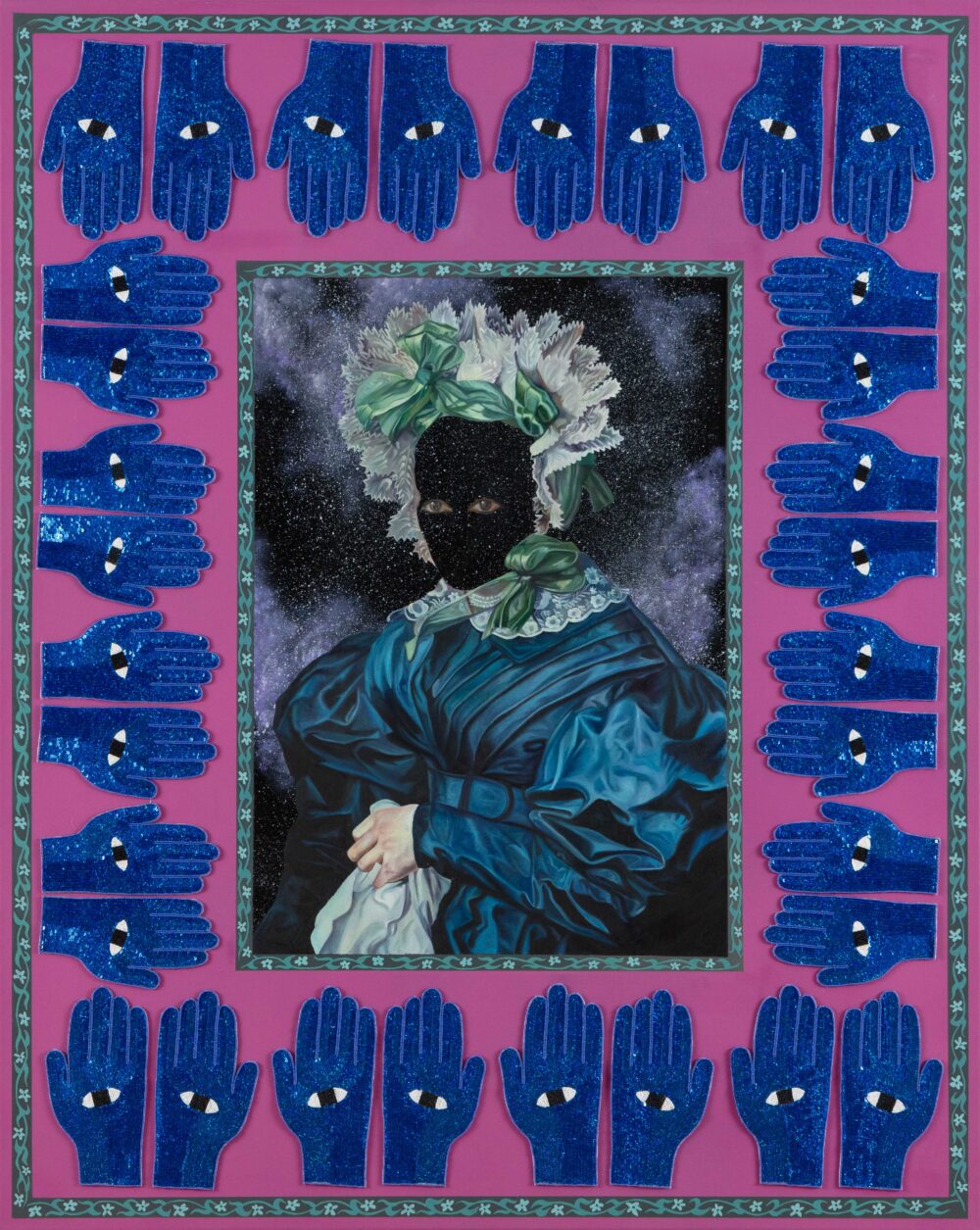
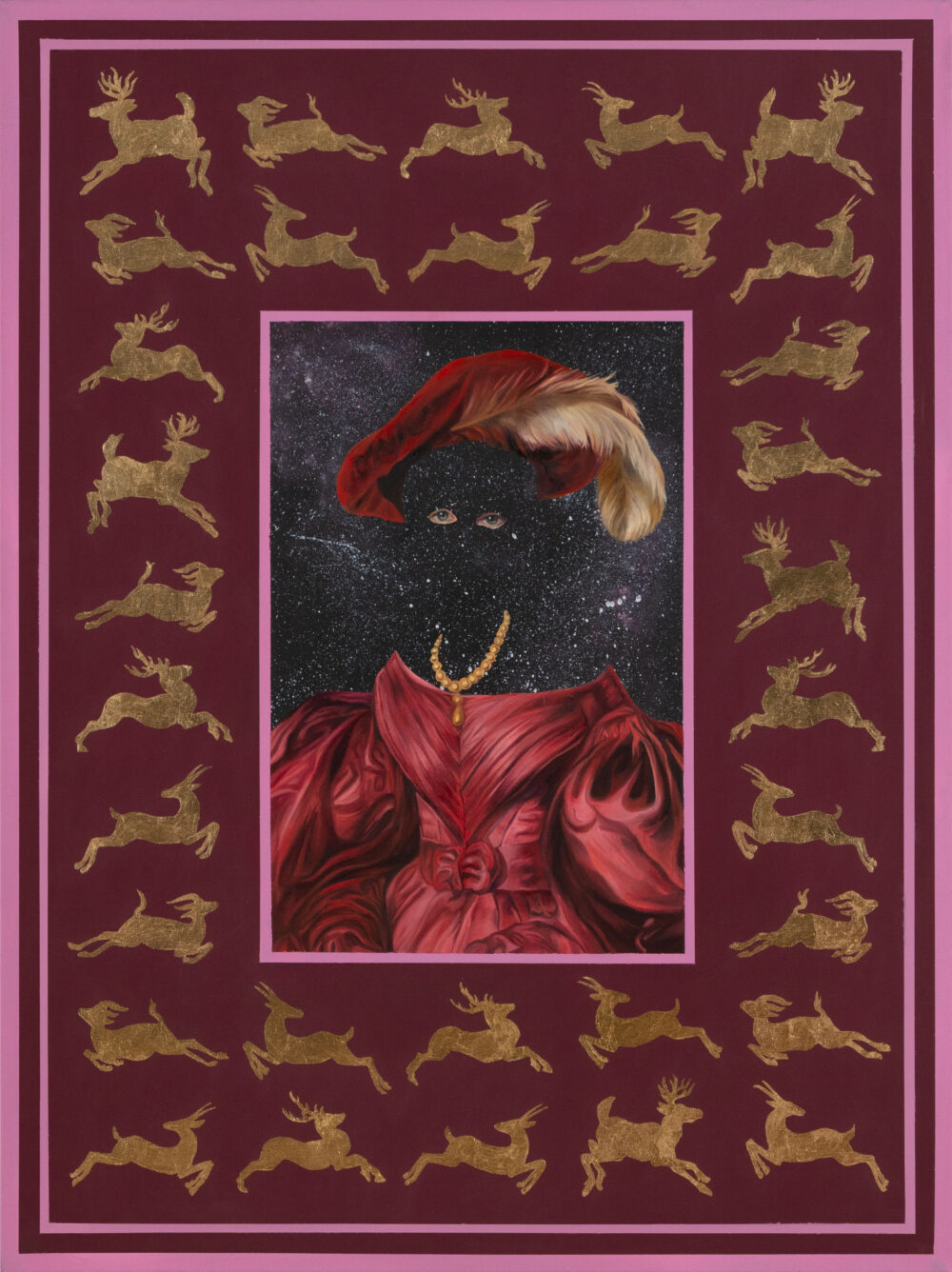
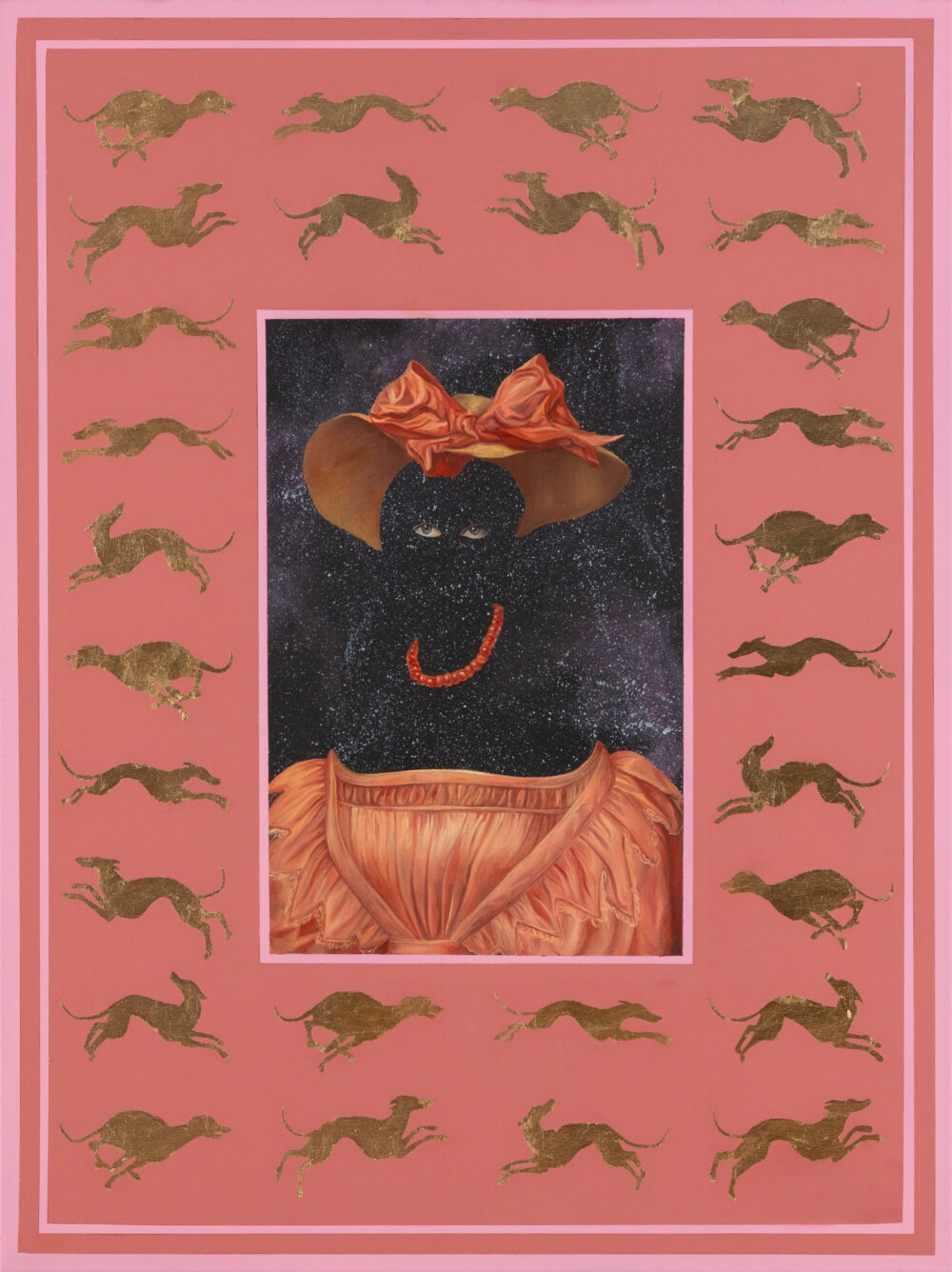
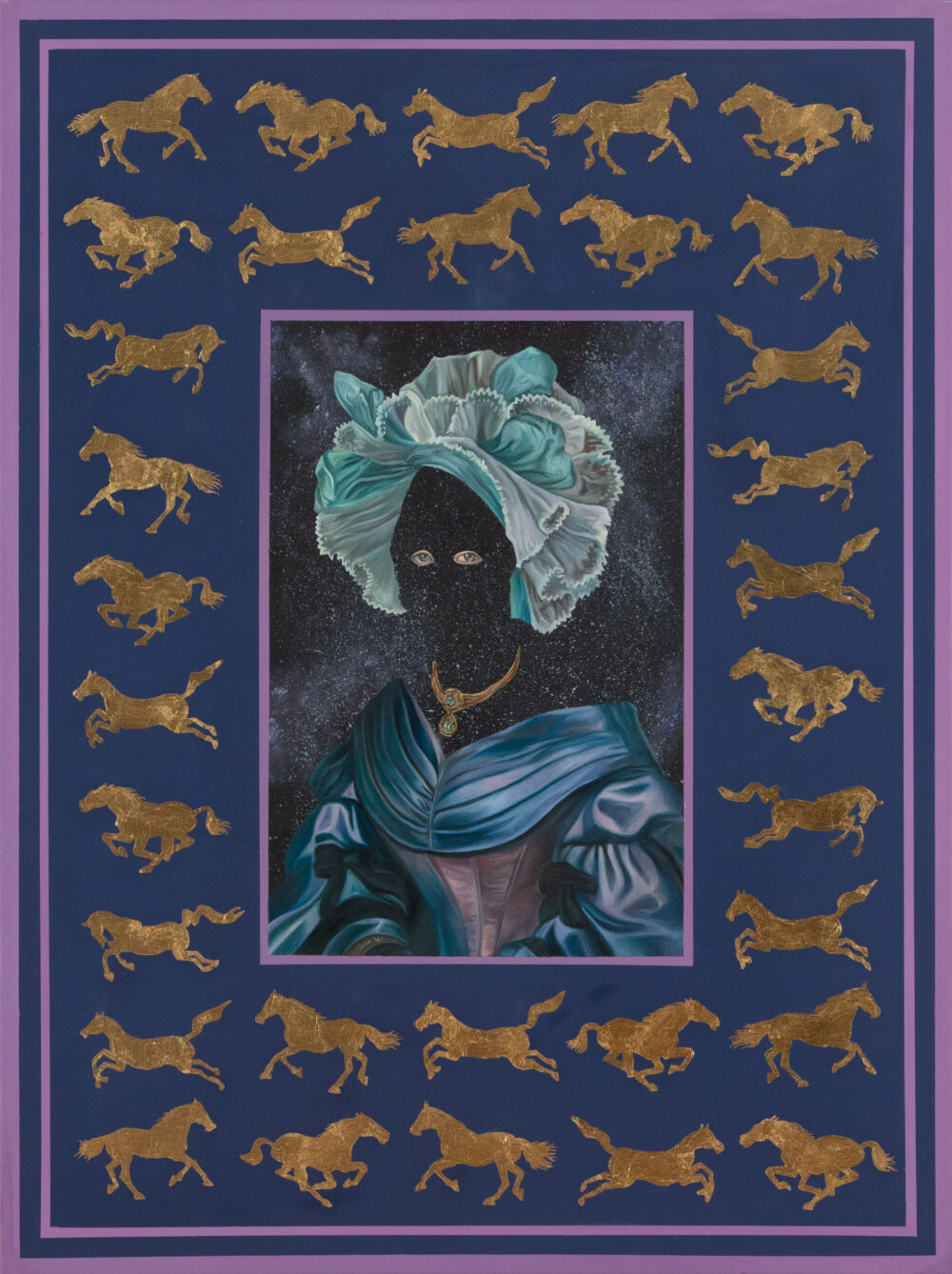
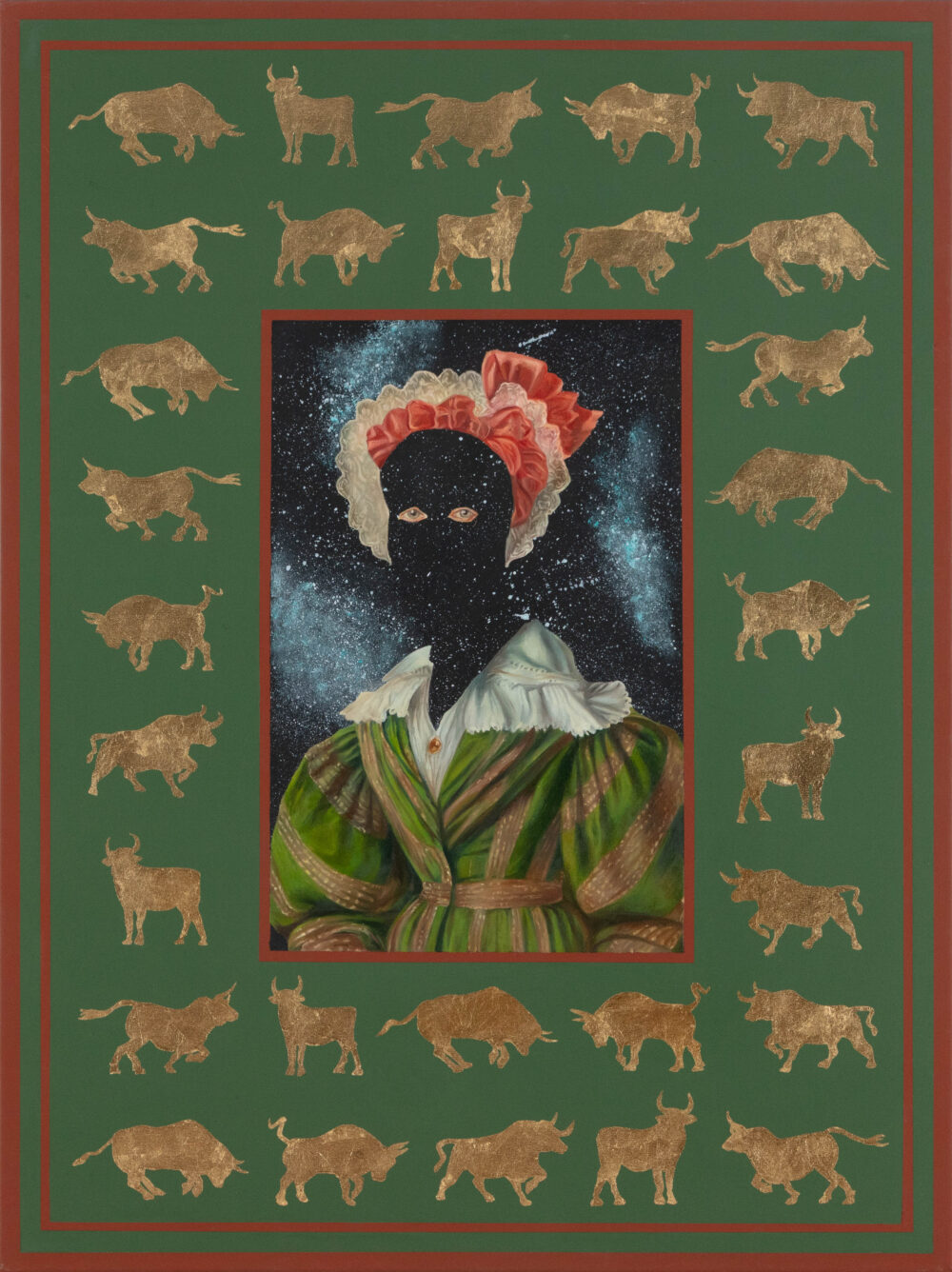
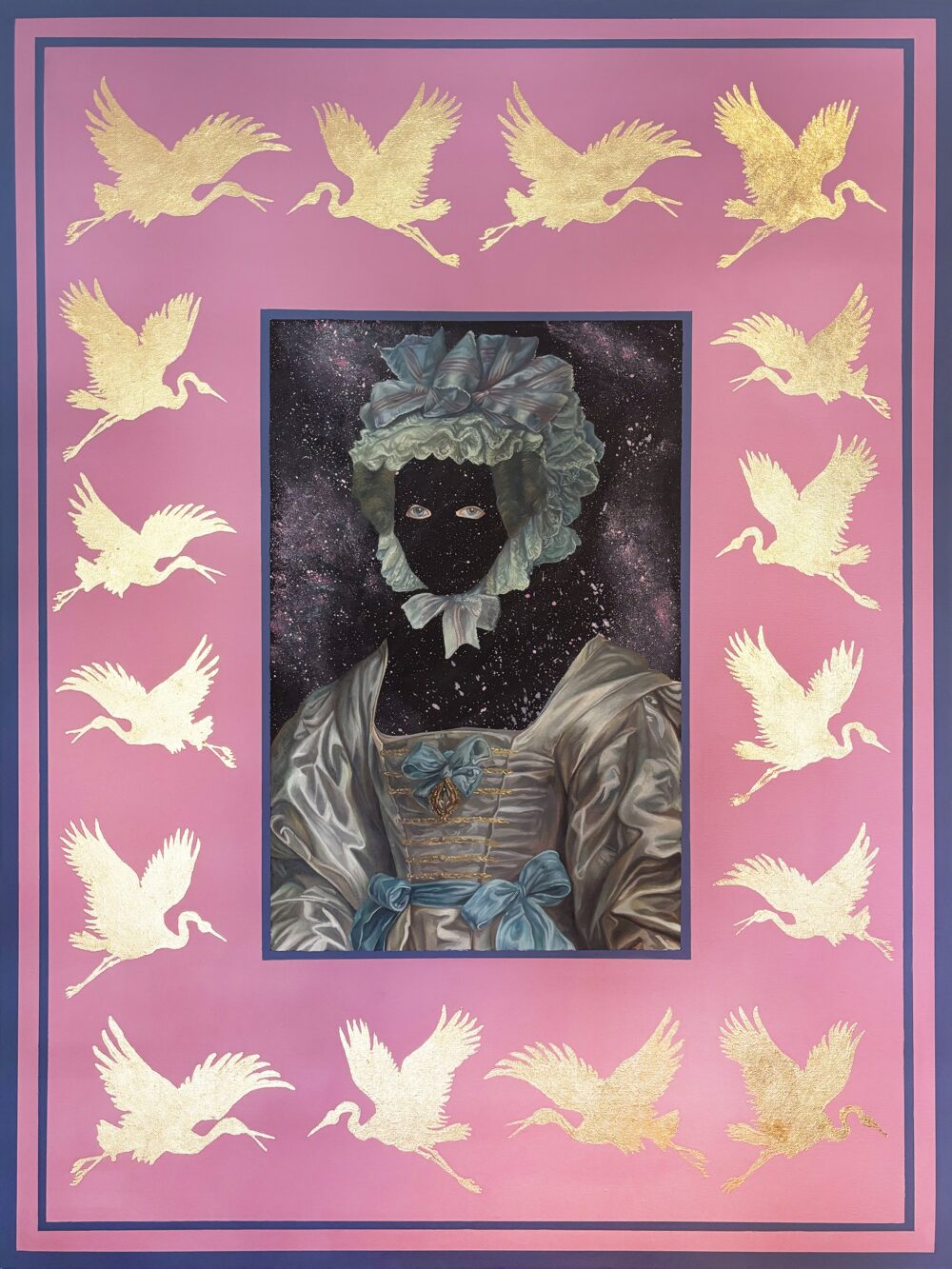
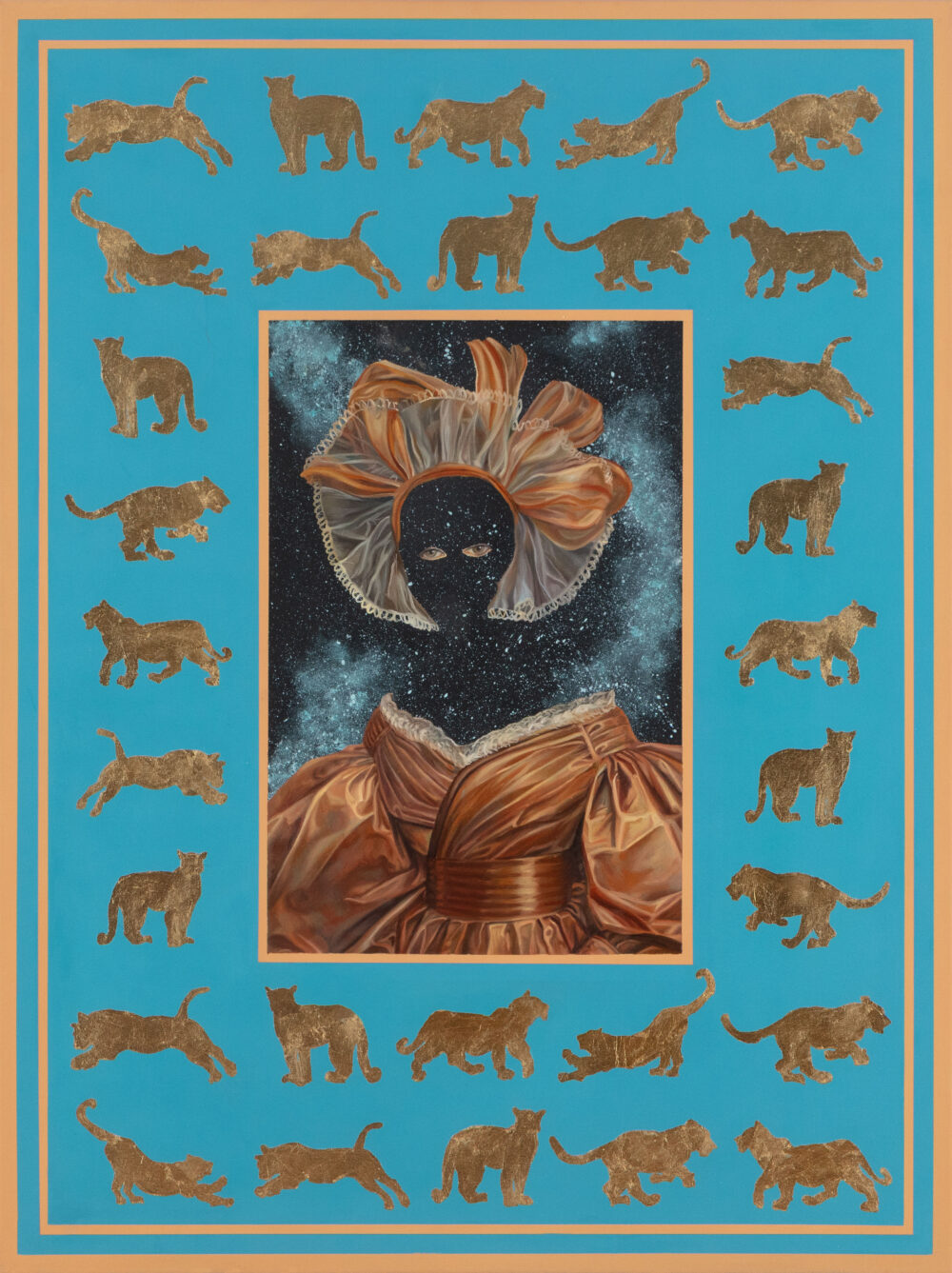
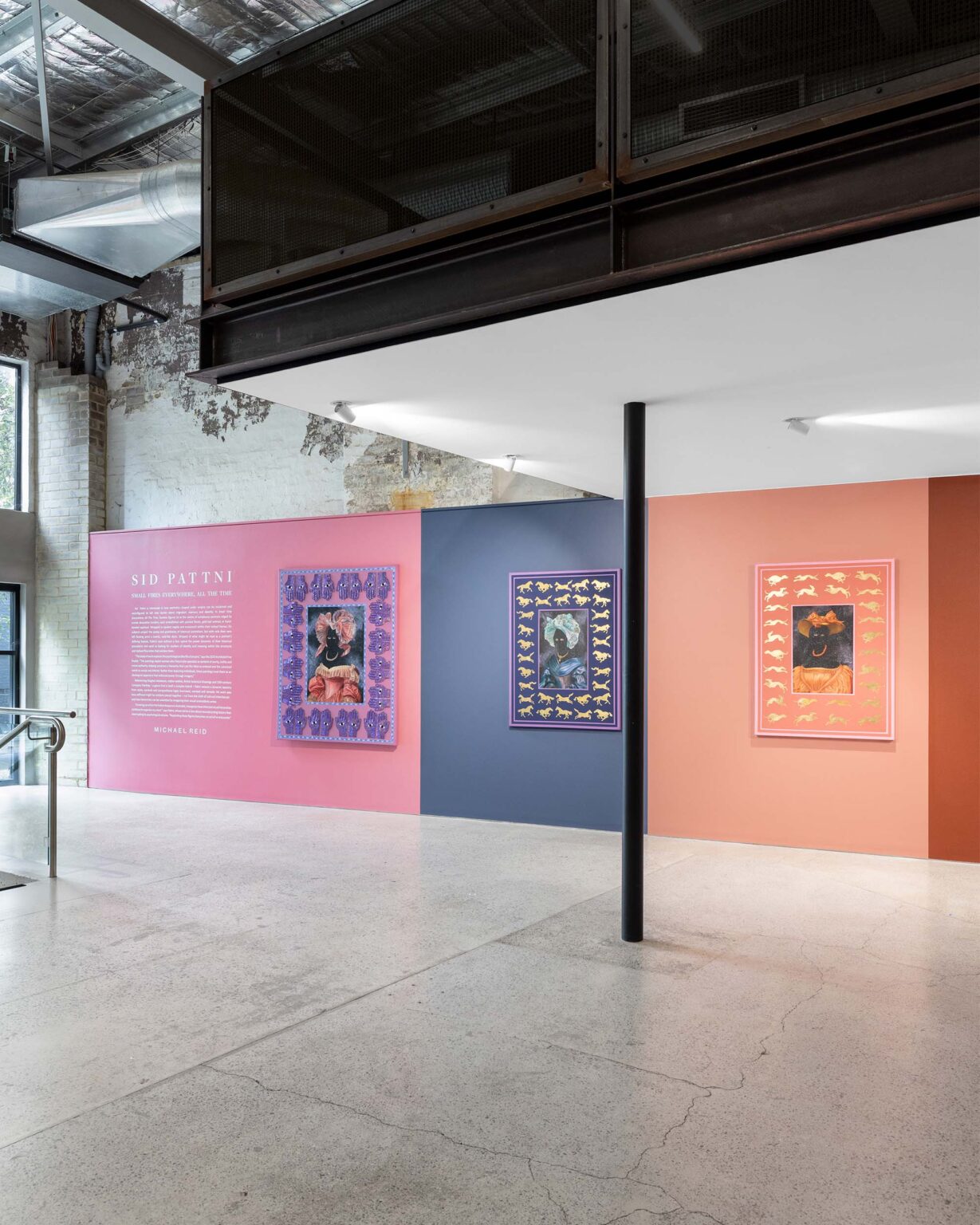
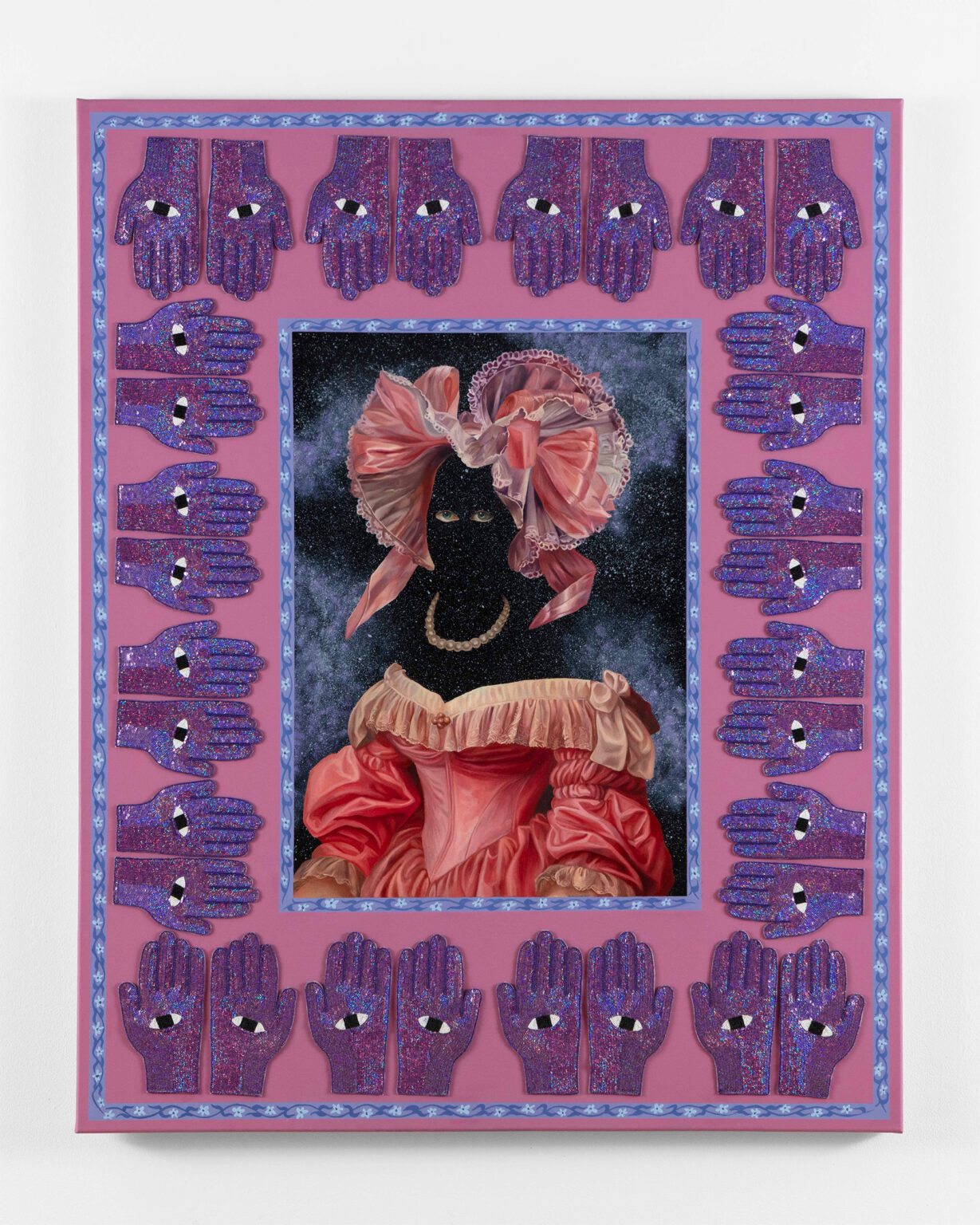
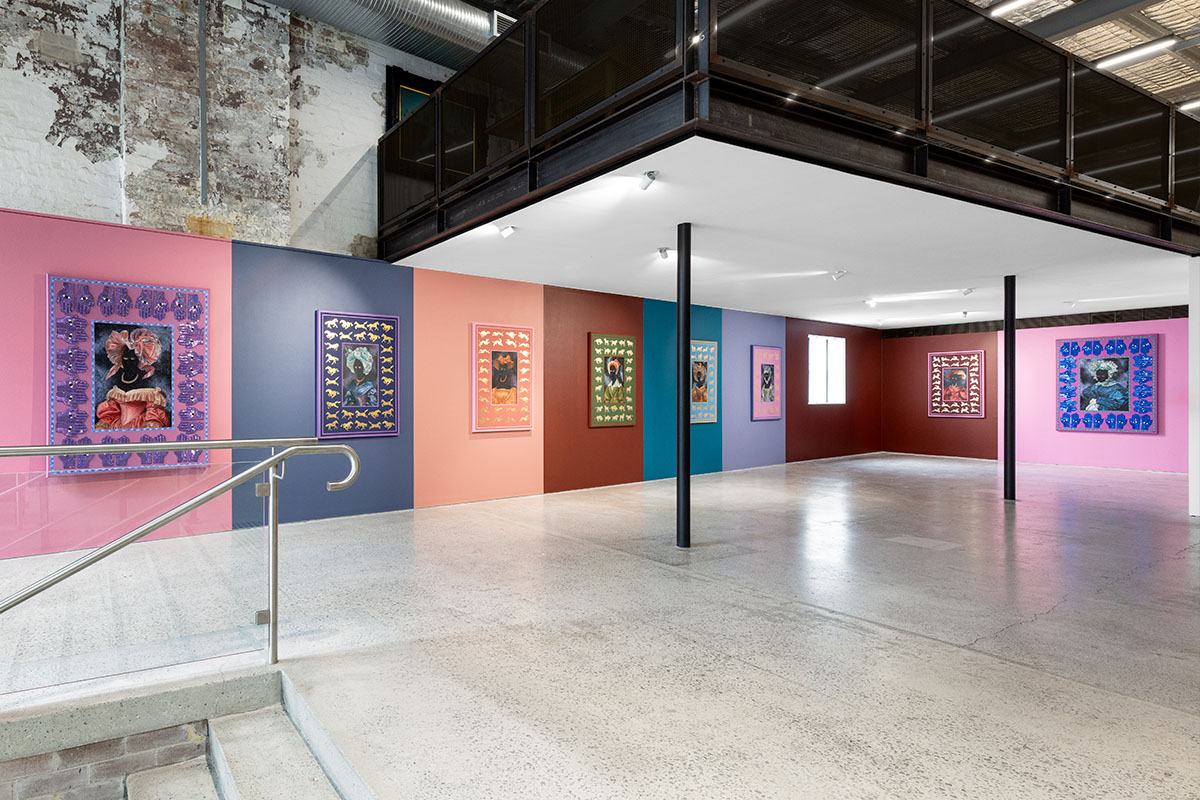
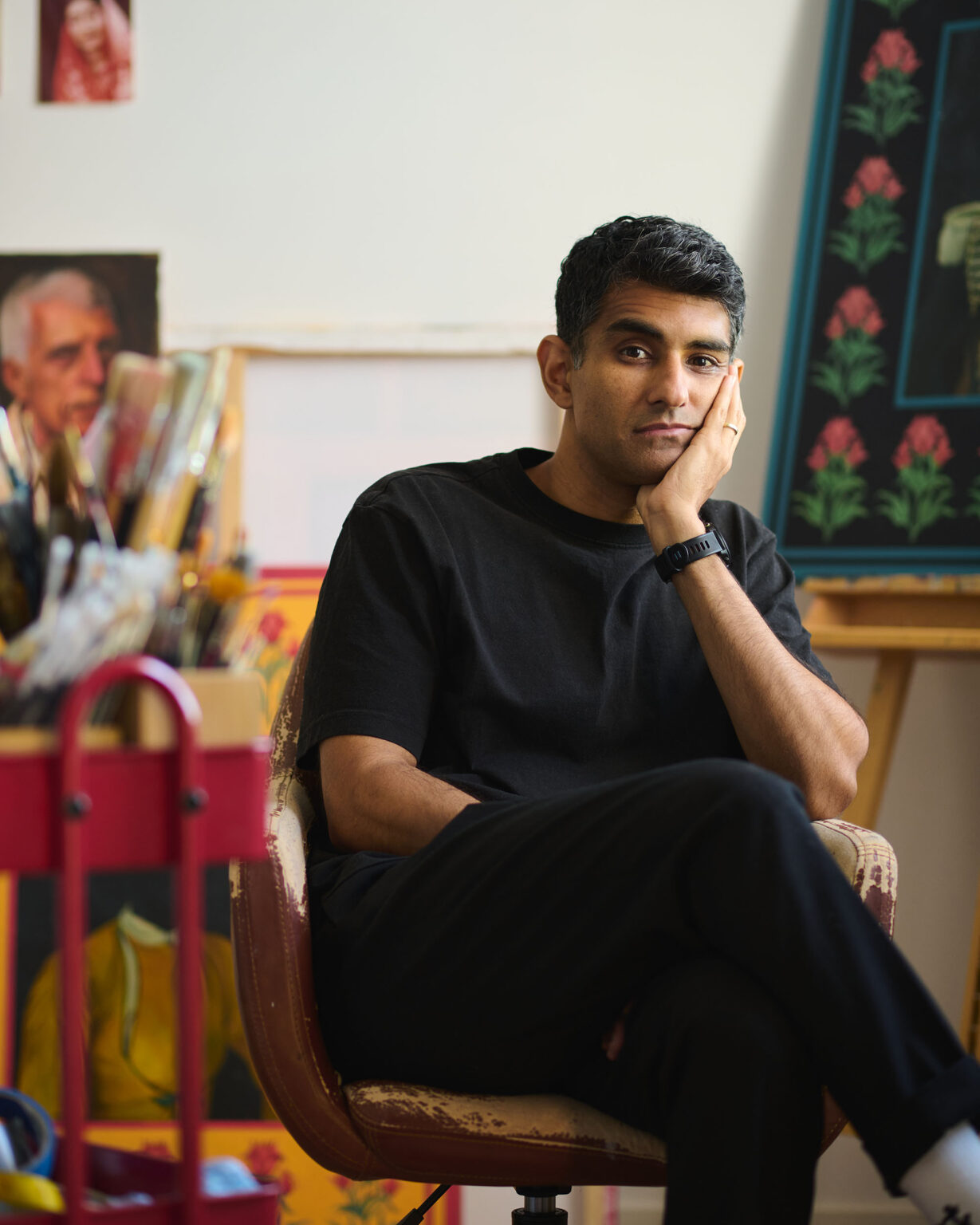
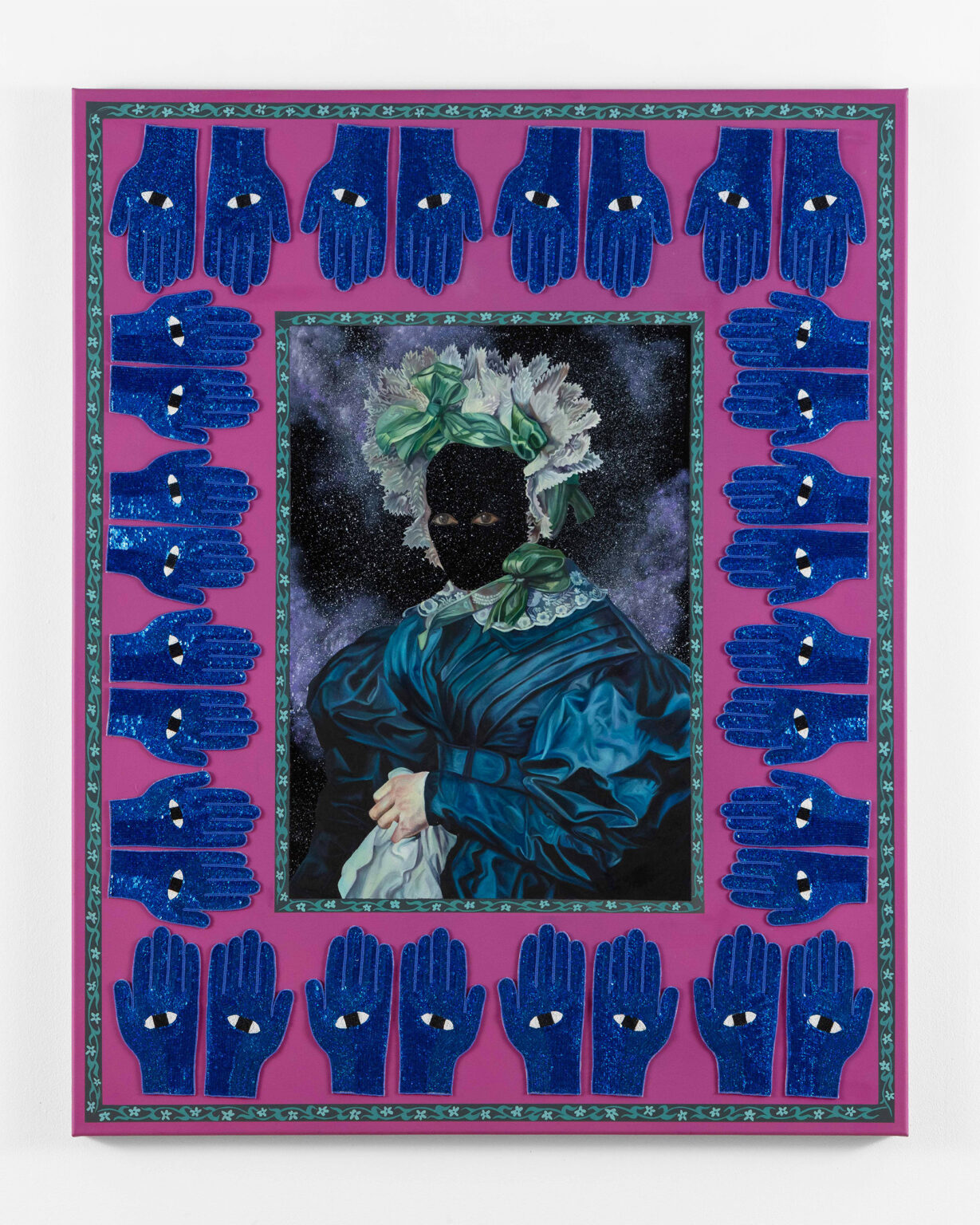
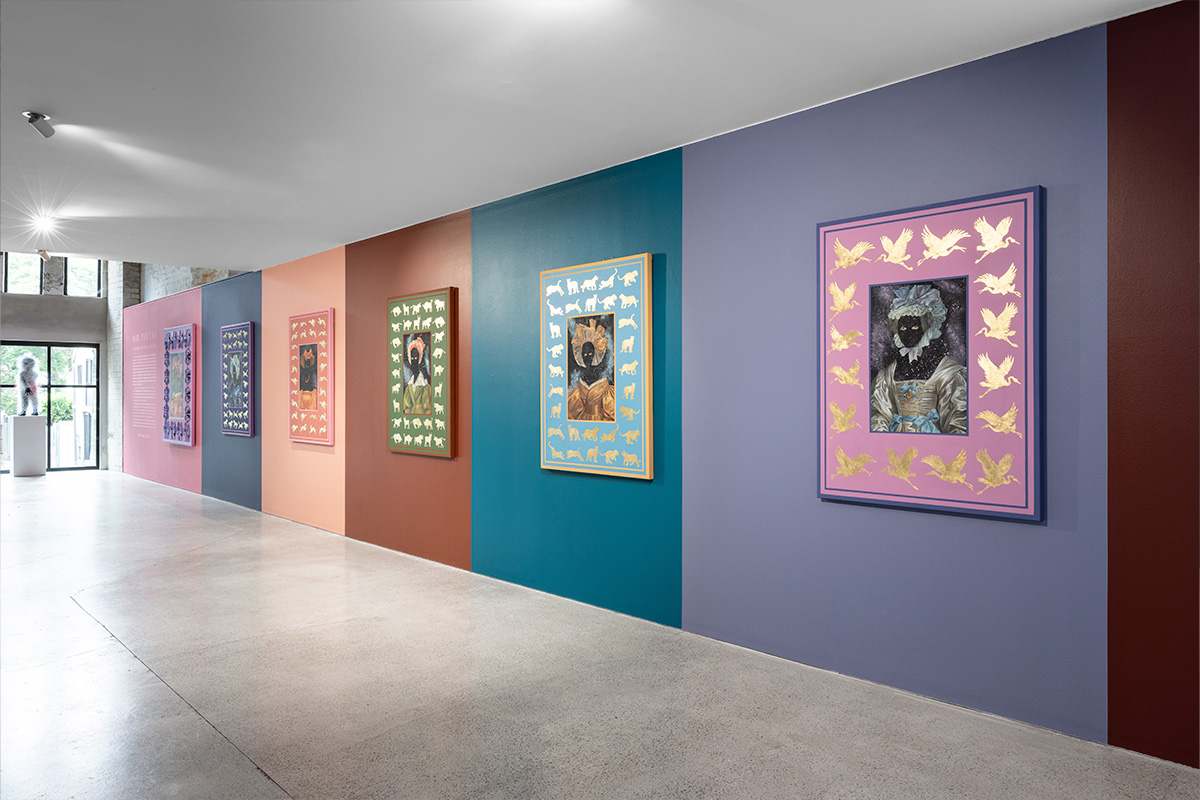
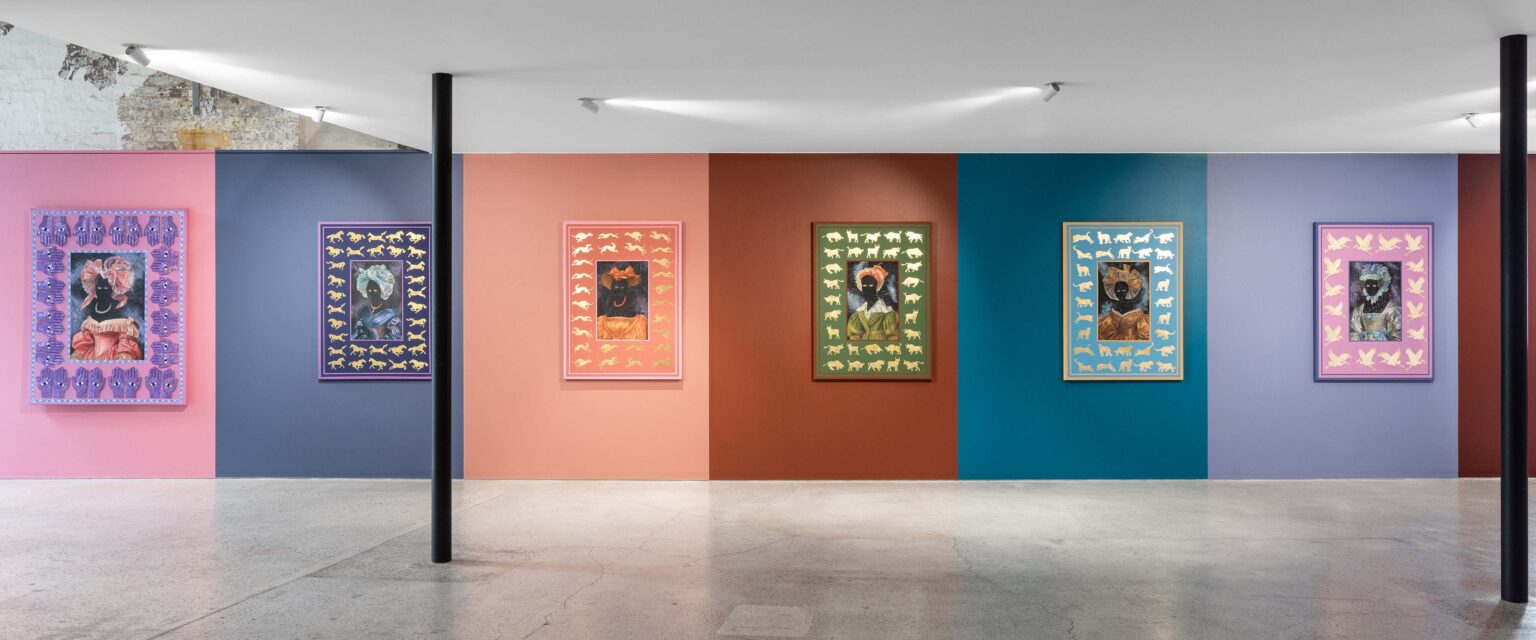
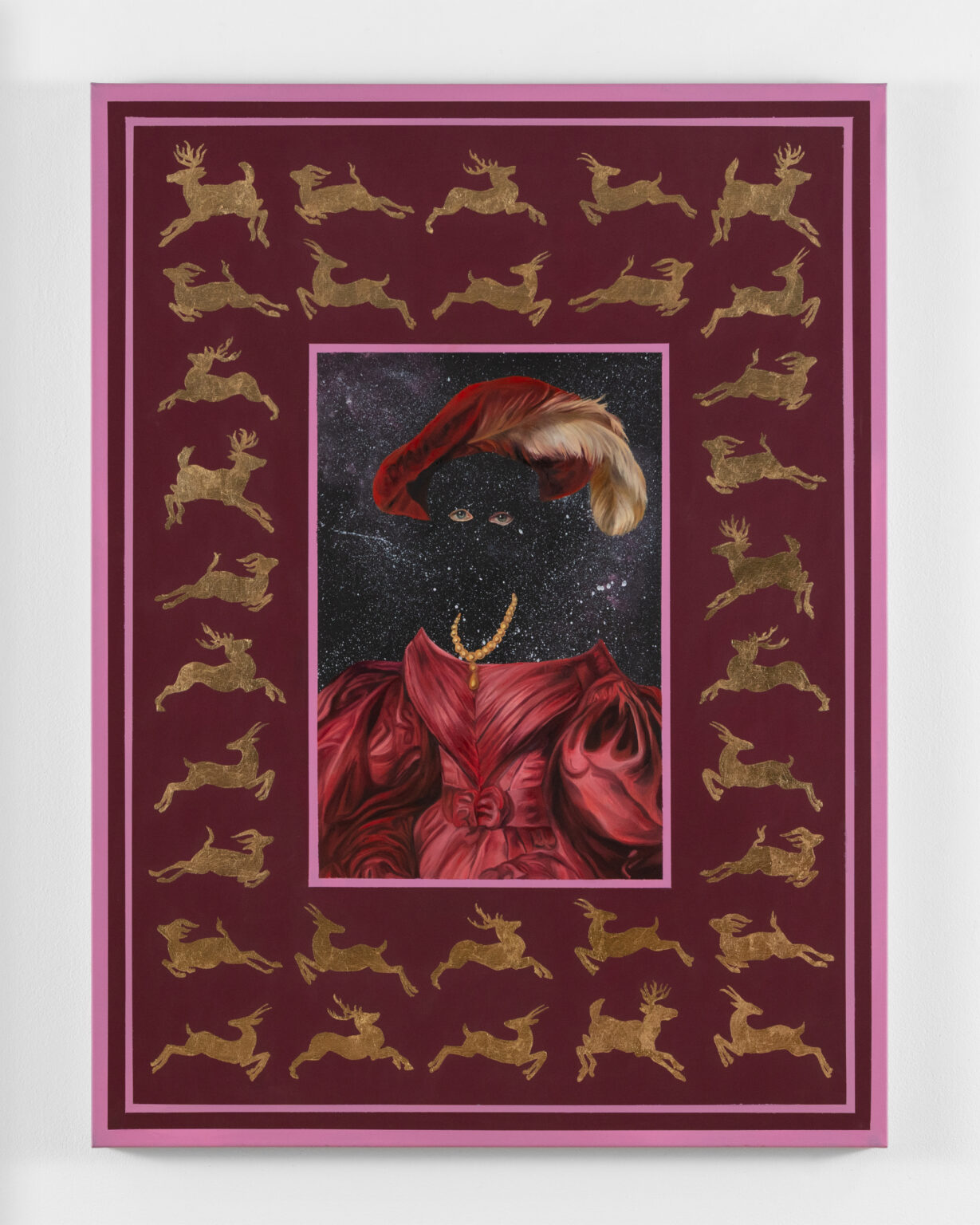
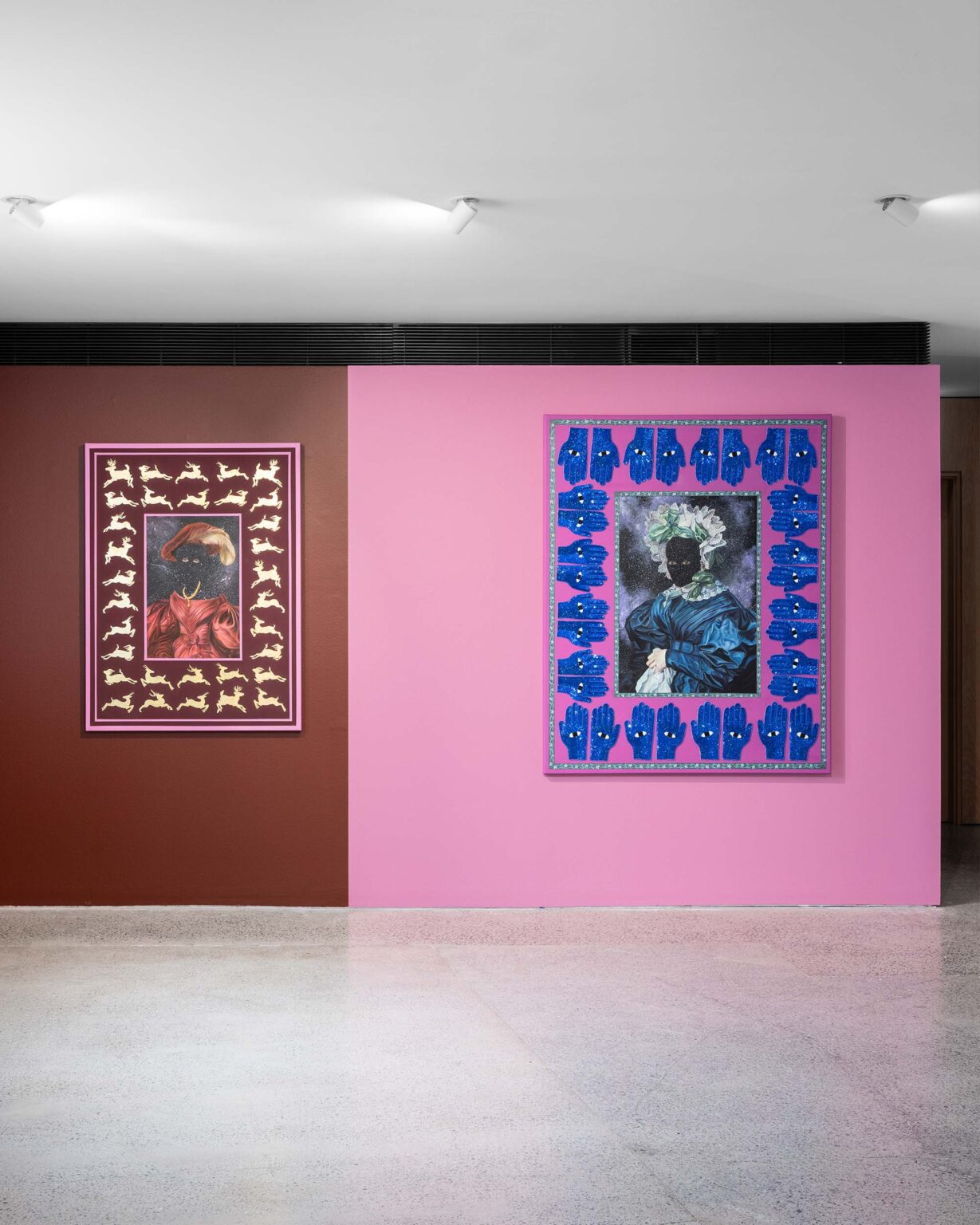
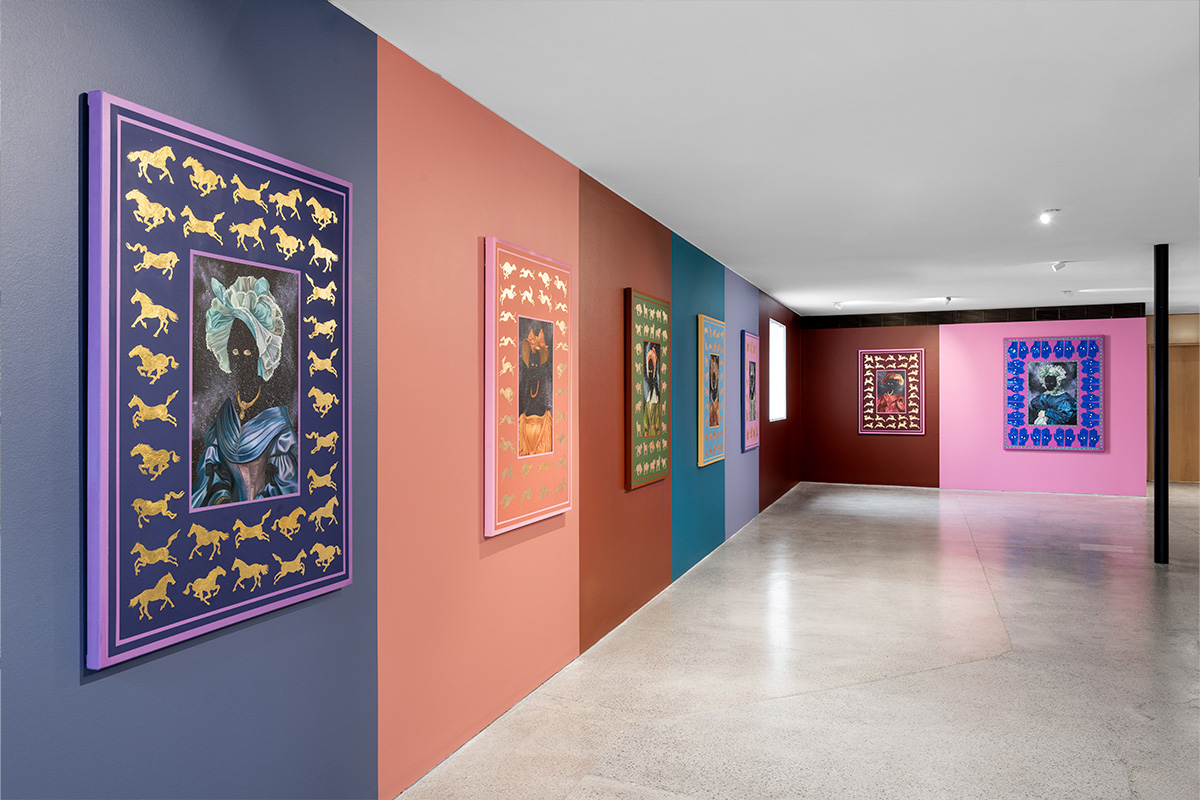
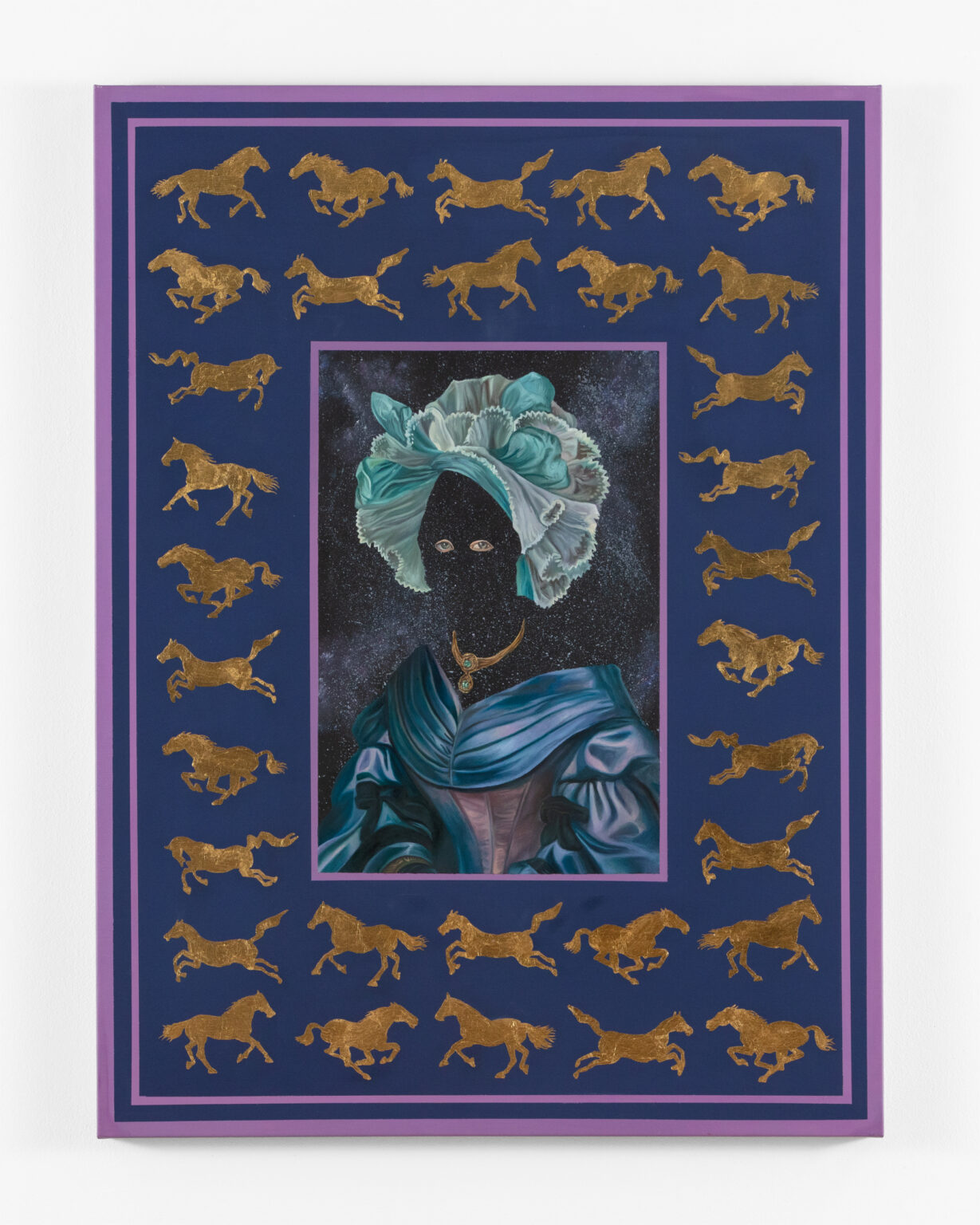
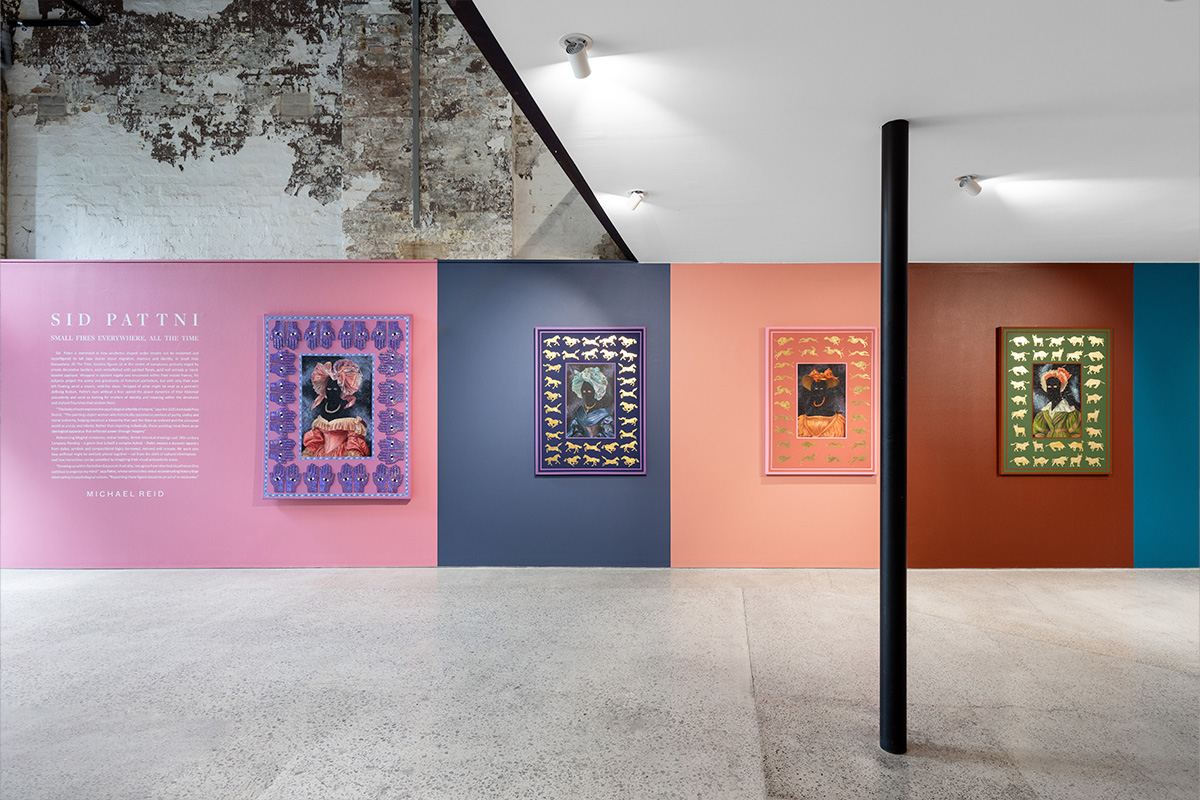
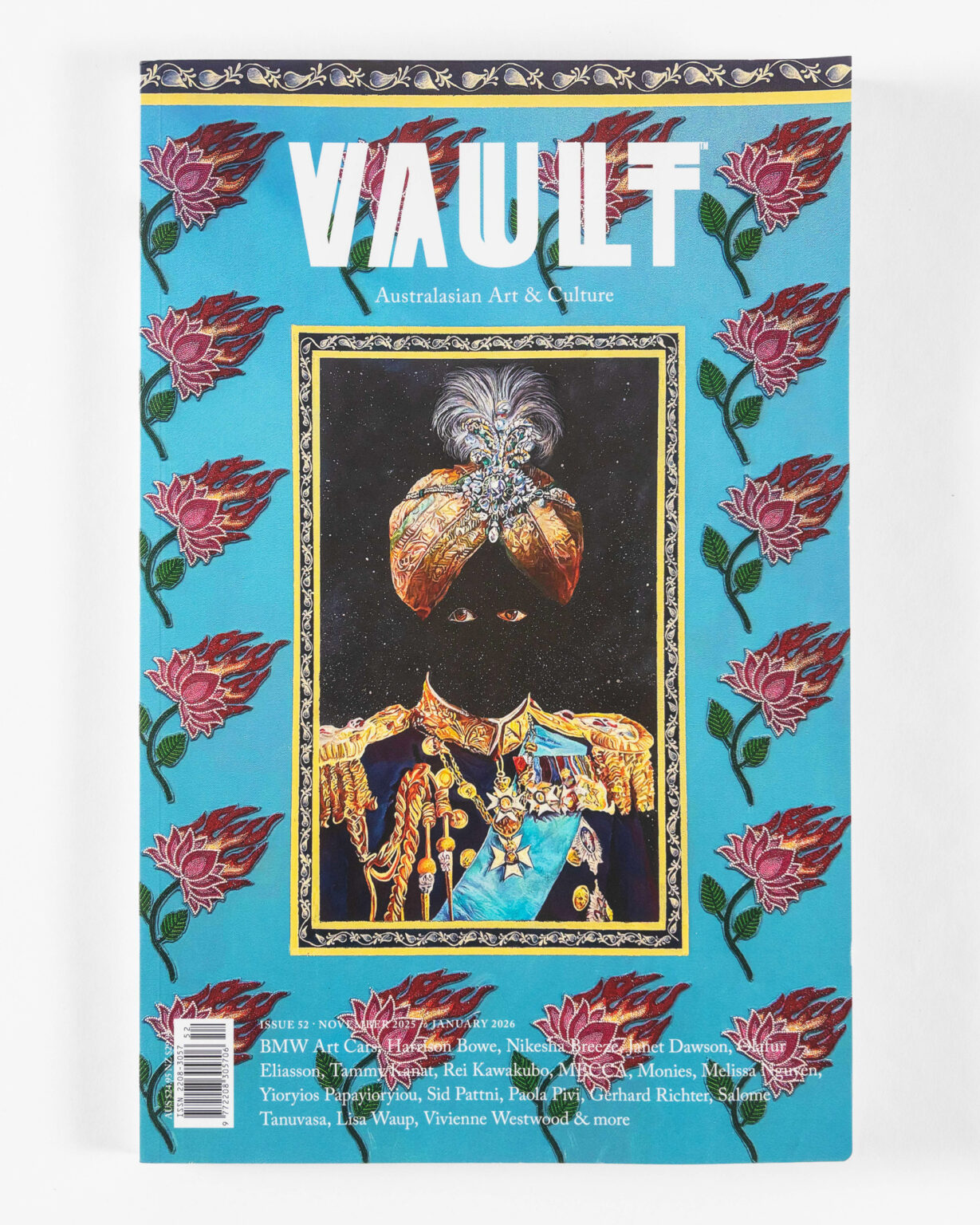
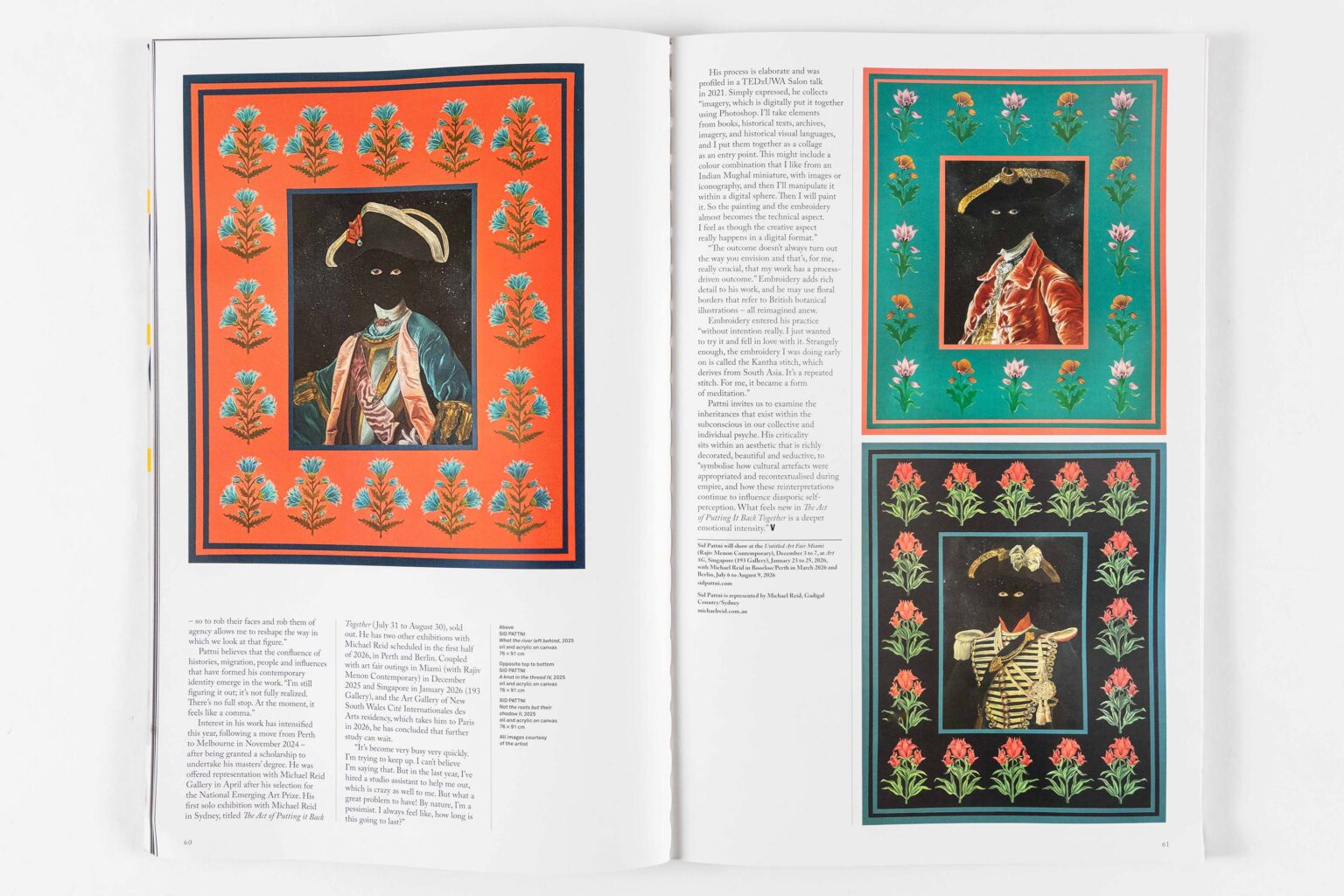
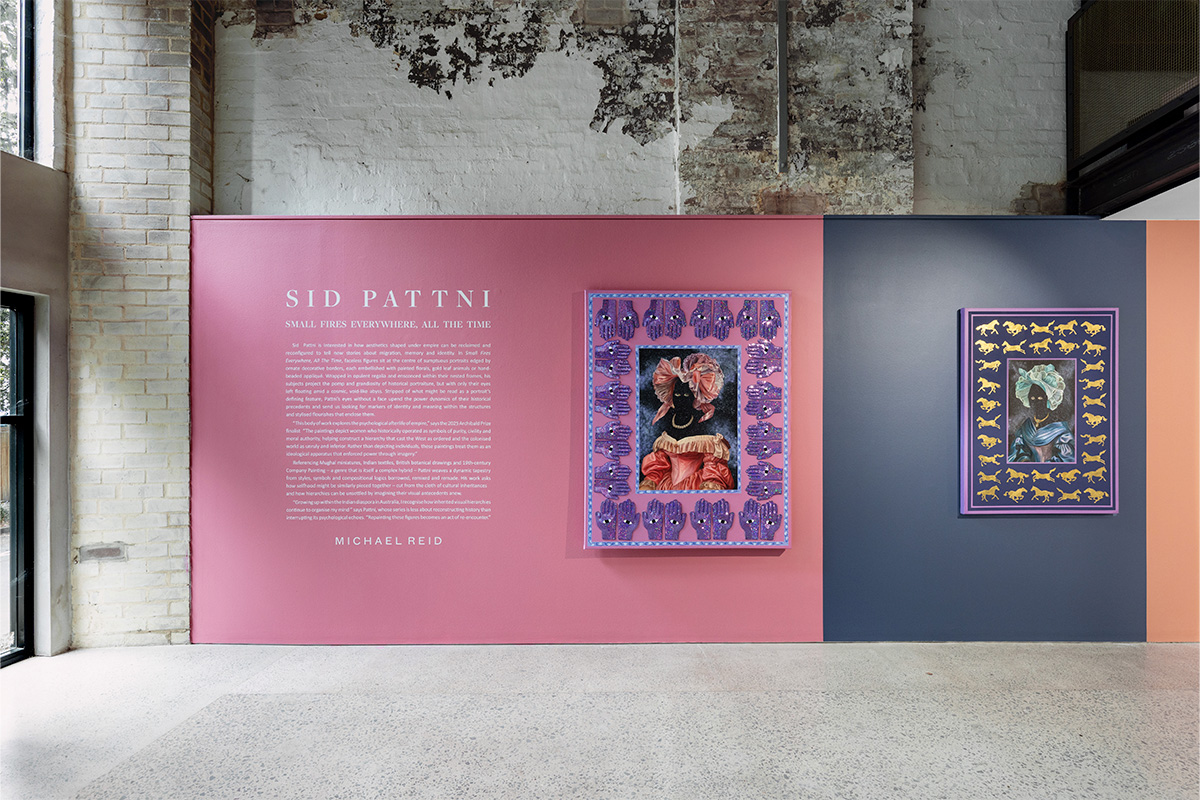
Sid Pattni’s practice is concerned with how aesthetics shaped under empire can be reclaimed and reconfigured to tell new stories about migration, memory and identity. In Small Fires Everywhere, All The Time, faceless figures sit at the centre of sumptuously embellished portraits edged by ornate decorative borders, each adorned with painted floral patterns, gold-leaf animal motifs and hand-beaded appliqué. Wrapped in opulent regalia and pictorially ensconced within their nested frames, Pattni’s subjects project the pomp and grandiosity of historical portraiture, but with only their eyes left floating amid a cosmic, void-like abyss. Stripped of what is conventionally read as a portrait’s defining feature, these eyes without a face upend the power dynamics of their historical precedents and send us looking for markers of identity and meaning within the structures and stylised flourishes that enclose them.

“This body of work explores the psychological afterlife of empire,” says the Naarm/Melbourne-based artist and 2025 Archibald Prize finalist. “The paintings depict women who historically operated as symbols of purity, civility and moral authority, helping construct a hierarchy that cast the West as ordered and the colonised world as unruly and inferior. Rather than depicting individuals, these paintings treat them as an ideological apparatus that enforced power through imagery.”

Referencing Mughal miniatures, Indian textiles, British botanical illustration and 19th-century Company Painting – a genre that is itself a complex hybrid, melding Rajput and Mughal traditions with Western conventions and shaped by fraught politics of patronage and spectacle – Pattni weaves a dynamic tapestry from styles, symbols and compositional logics remixed and remade. The resulting works ask how selfhood might be similarly pieced together – cut from the cloth of cultural inheritances and external projections – and how internalised hierarchies might be unsettled by imagining their visual antecedents anew.

“Growing up within the Indian diaspora in Australia, I recognise how inherited visual hierarchies continue to organise my own mind,” says Pattni, who was born in London and spent his early years in Kenya before moving to Melbourne via Boorloo/Perth. He describes his latest series as less concerned with historical reconstruction than with interrupting history’s lingering psychological echoes. “Repainting these figures becomes an act of re-encounter.”

In these acts of re-encounter, the flattened pictorial space and nested framing of Mughal miniatures become forms of containment; their embellishments a site of critique. “The animals surrounding the figures function simultaneously as record and metaphor,” he says. “They reference the impulse of classification and documentation imposed by the British while resisting containment through constant movement, reflecting an identity that is negotiated rather than fixed.”

Small Fires Everywhere, All The Time arrives after a banner year for the artist, who was shortlisted for the 2025 Archibald Prize and Lester Prize and presented his first solo exhibition with Michael Reid Sydney after joining the gallery’s stable in May. The exhibition is Pattni’s most ambitious solo presentation to date and commences a series of major projects, culminating in the prestigious Cité Internationale des Arts residency in Paris – awarded by the Art Gallery of New South Wales and accompanied by Pattni’s first solo exhibition at Michael Reid Berlin.

“Pattni invites us to examine the inheritances that exist within the subconscious of our collective and individual psyche,” writes Louise Martin-Chew in an eight-page Vault magazine cover story. “His criticality sits within an aesthetic that is richly decorated, beautiful and seductive.”

For enquiries, please email danielsoma@michaelreid.com.au

Raylene Walatinna

Posted by

Raylene Walatinna

  • Artist
    Raylene Walatinna
  • Dates
    5—21 Feb 2026
  • Gallery Location
    Eora / Sydney
  • Catalogue
    Download now

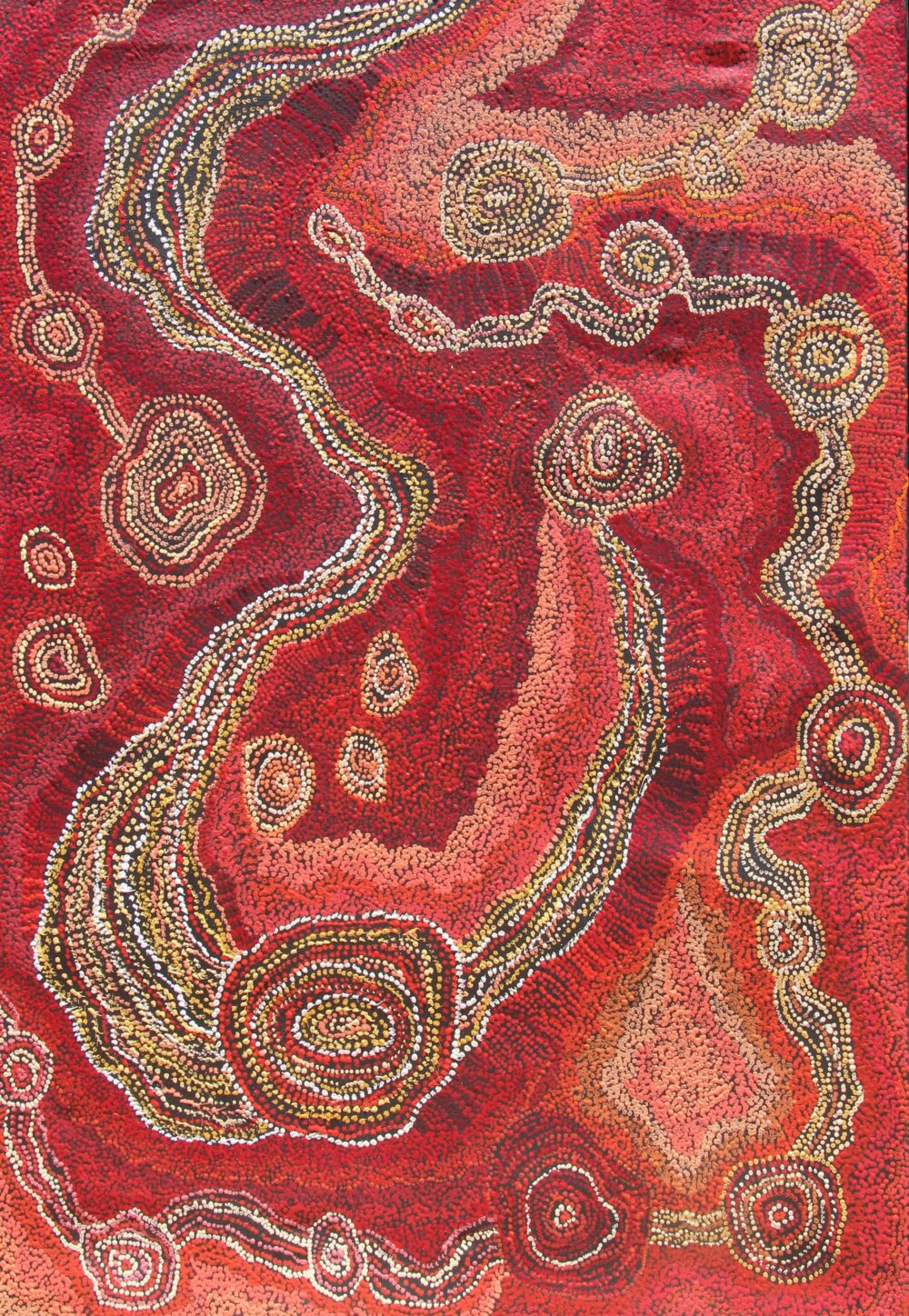
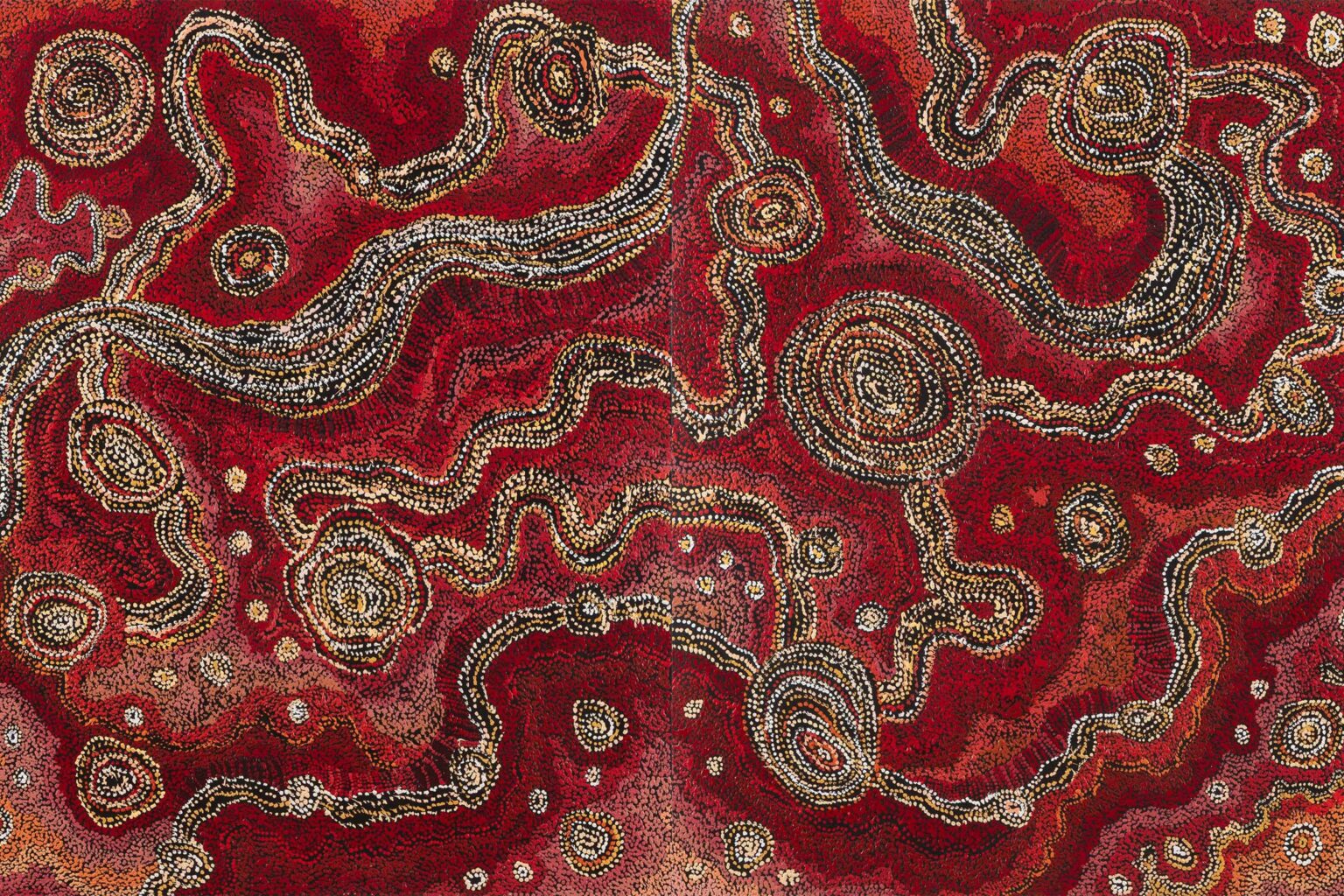
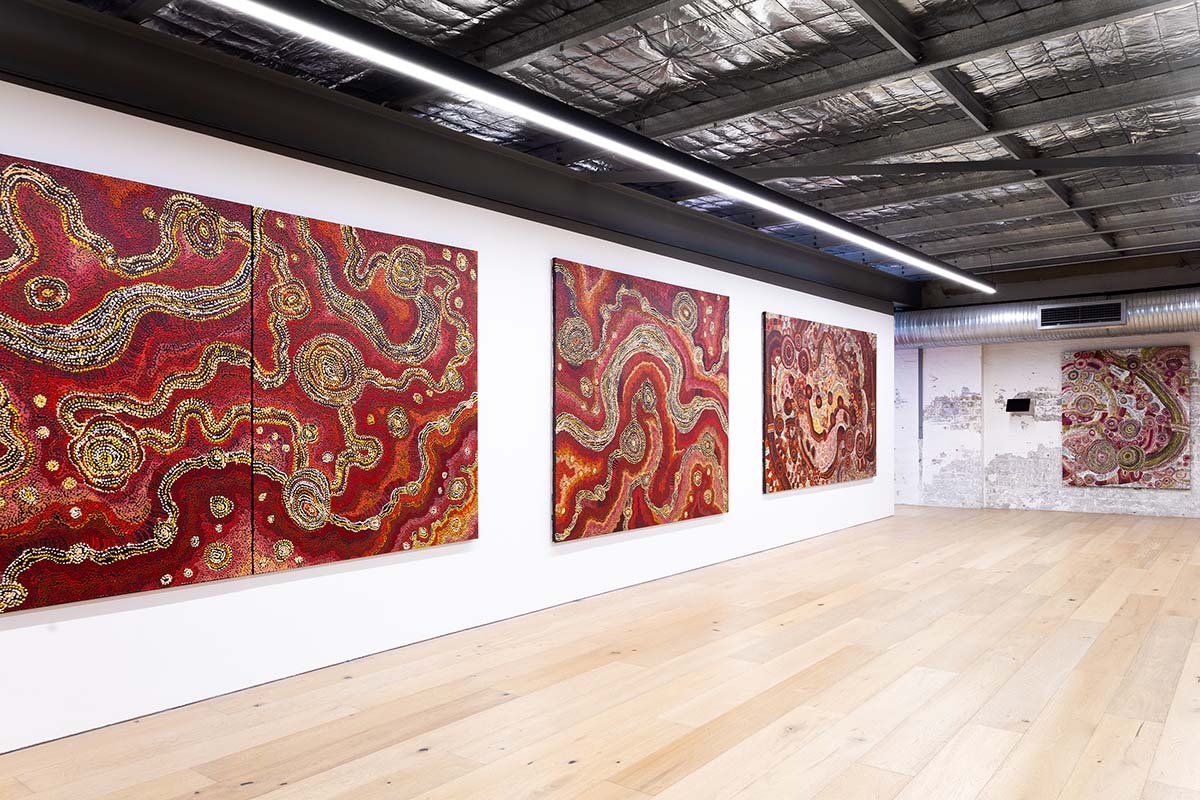
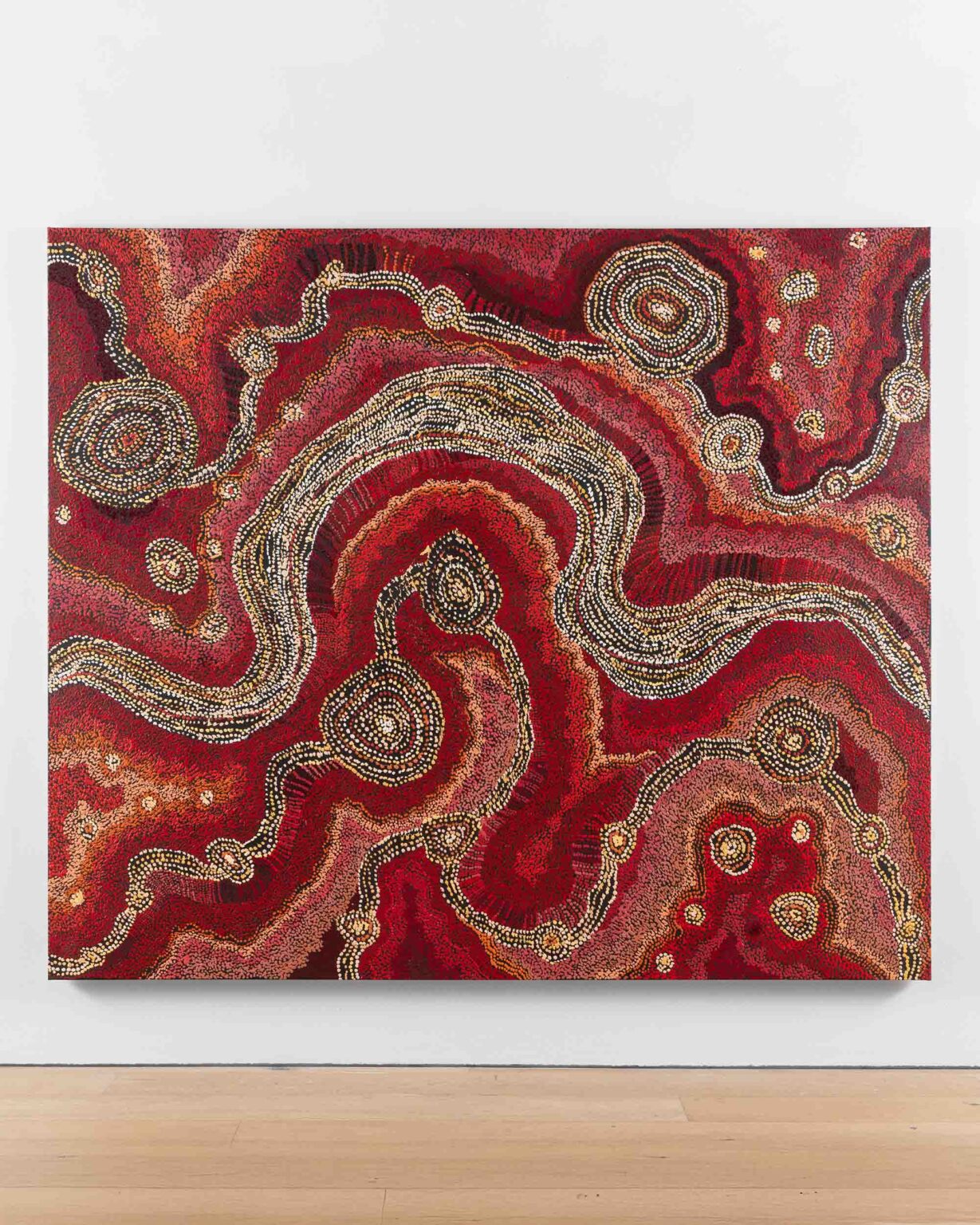
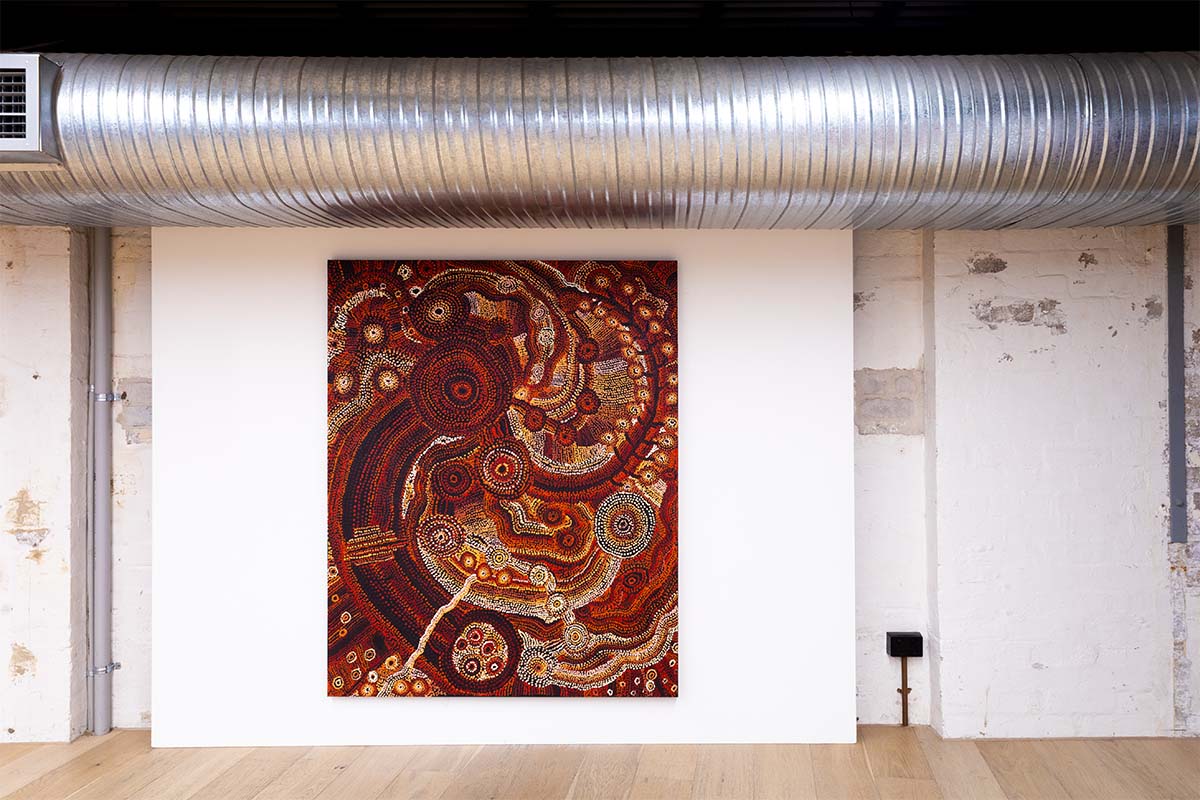
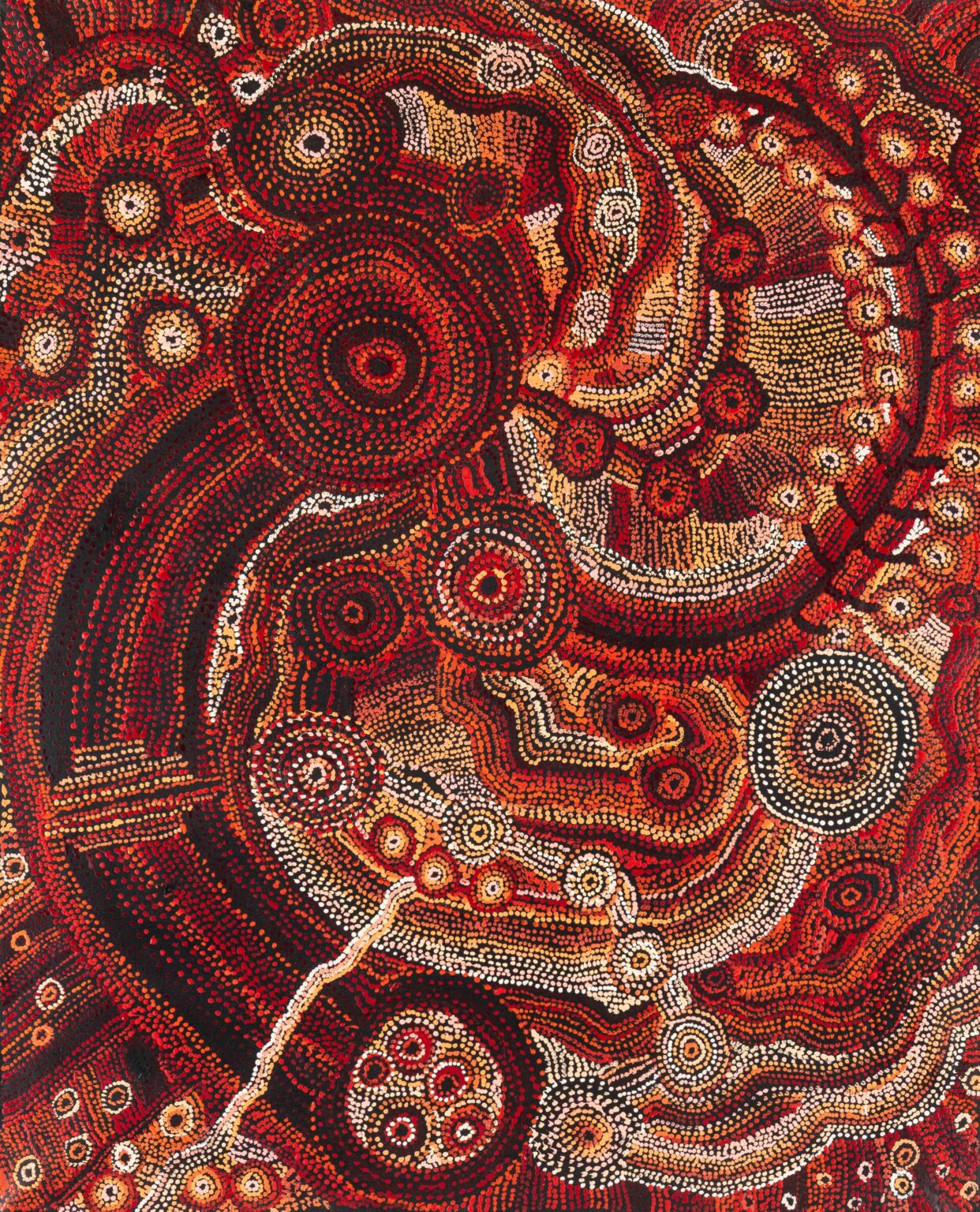
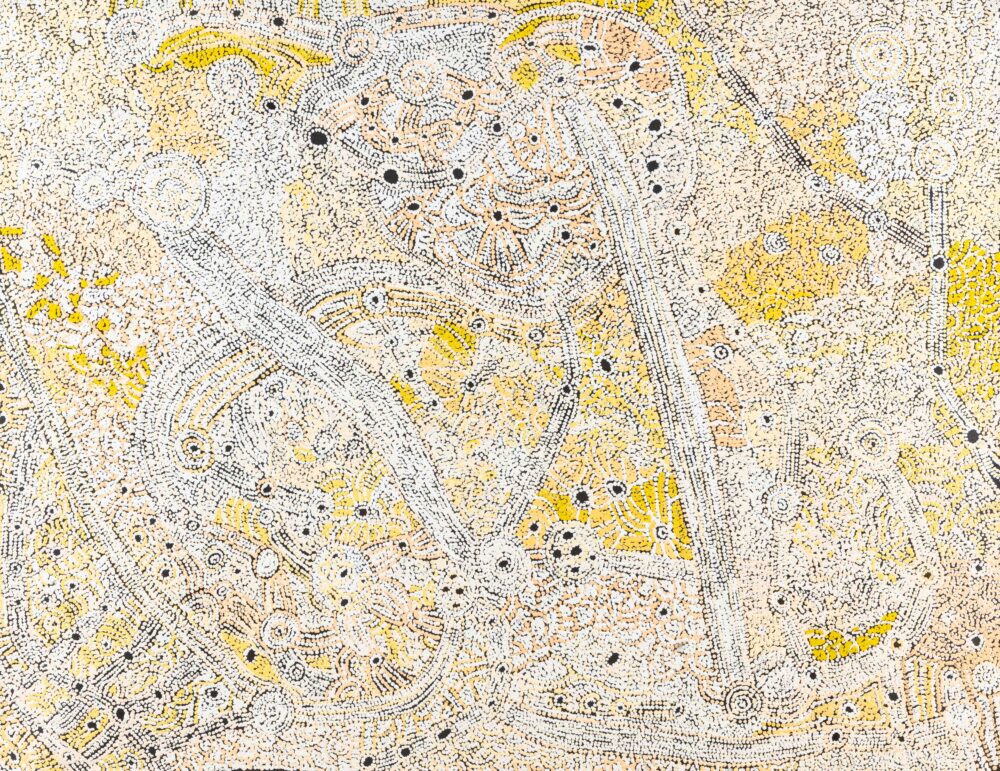
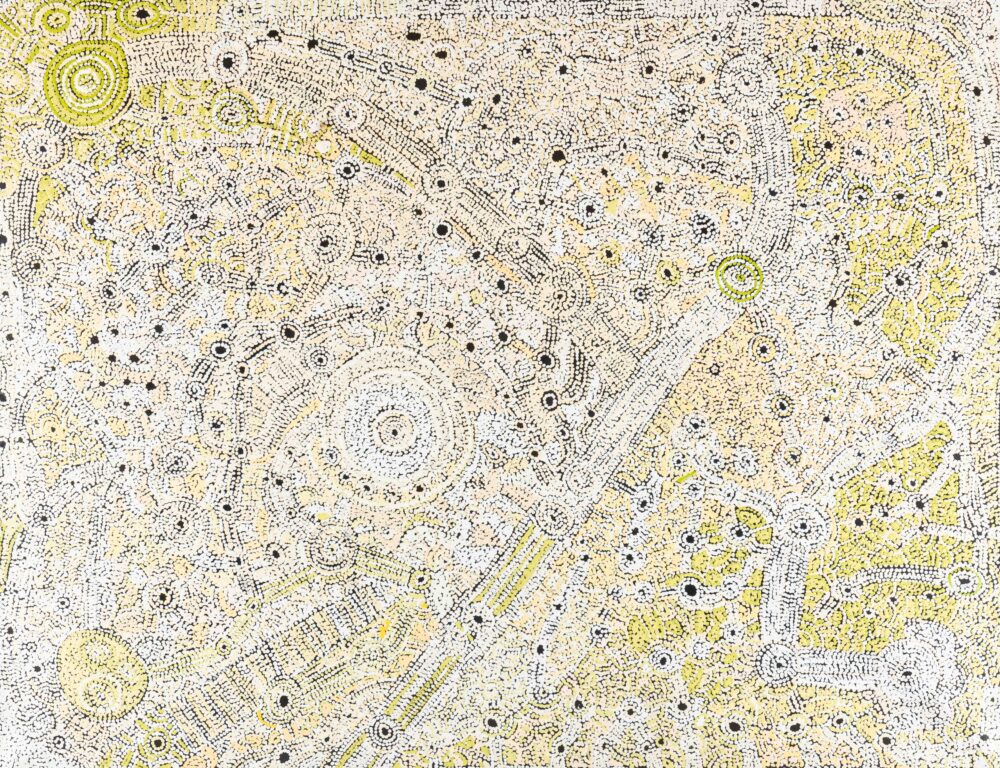
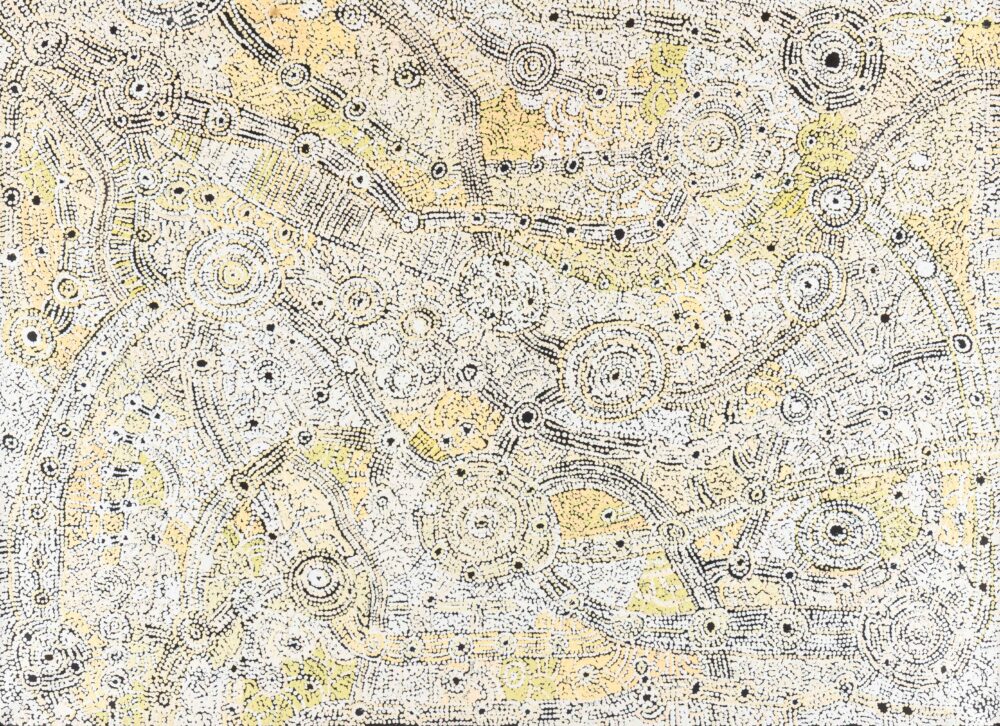
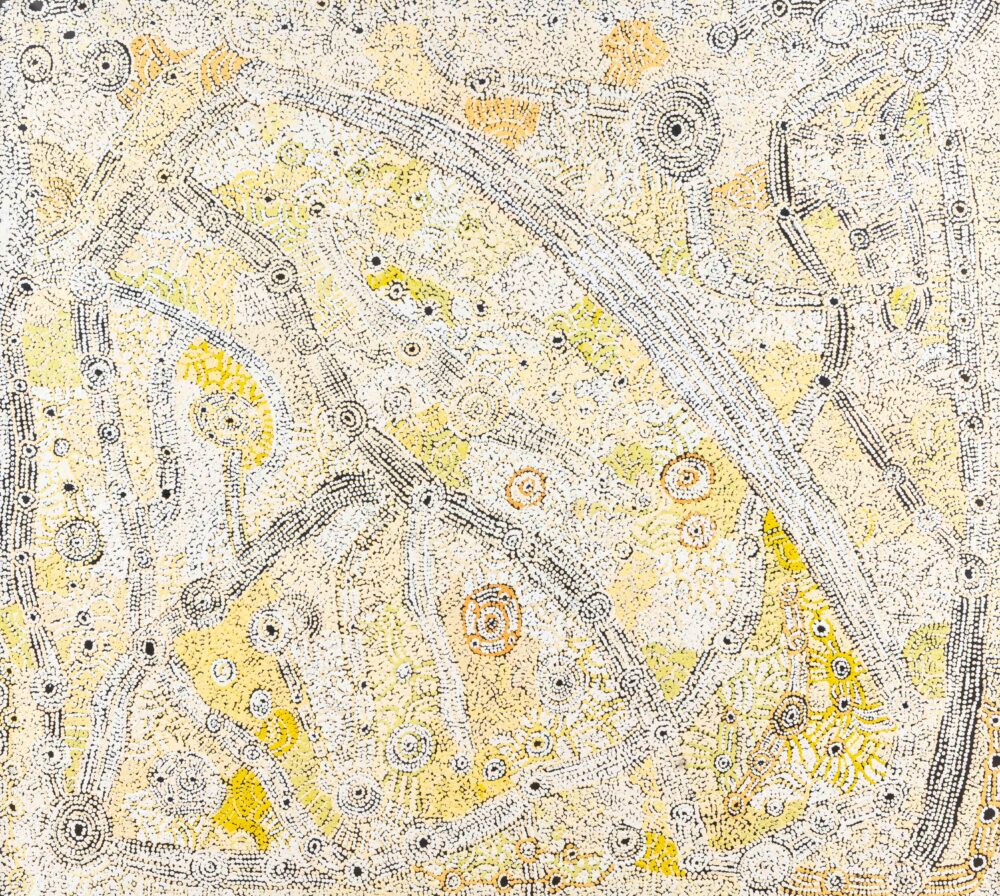
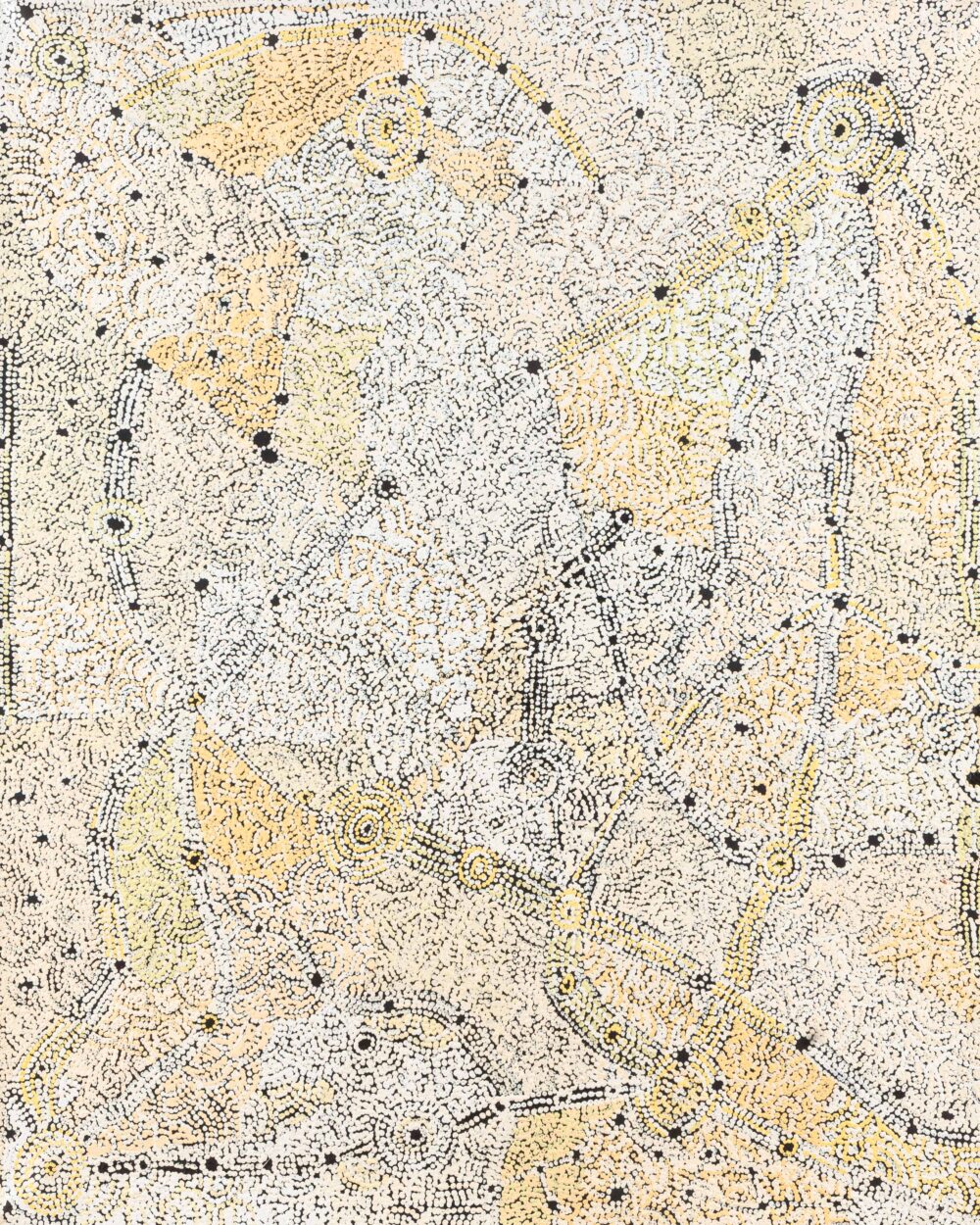
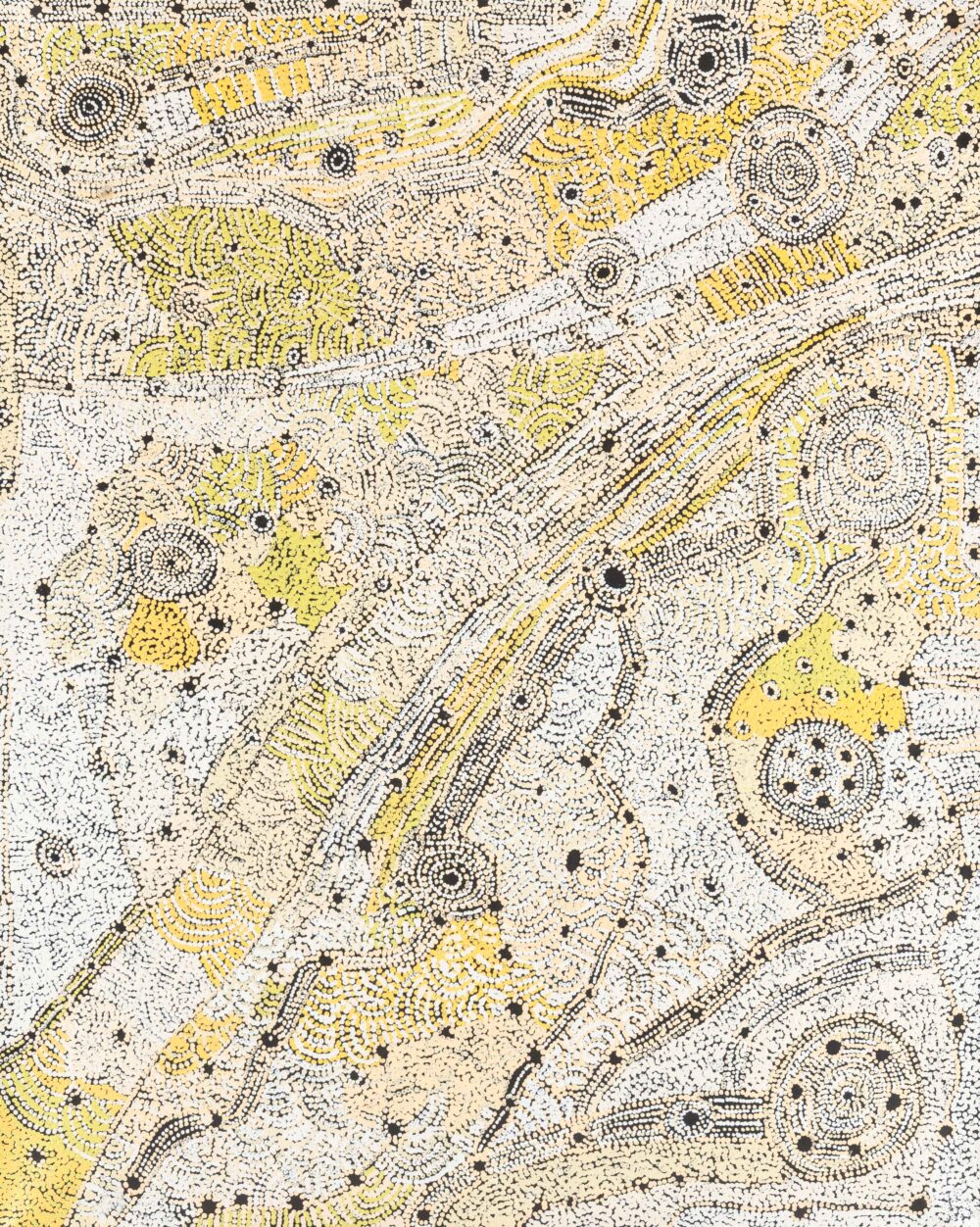
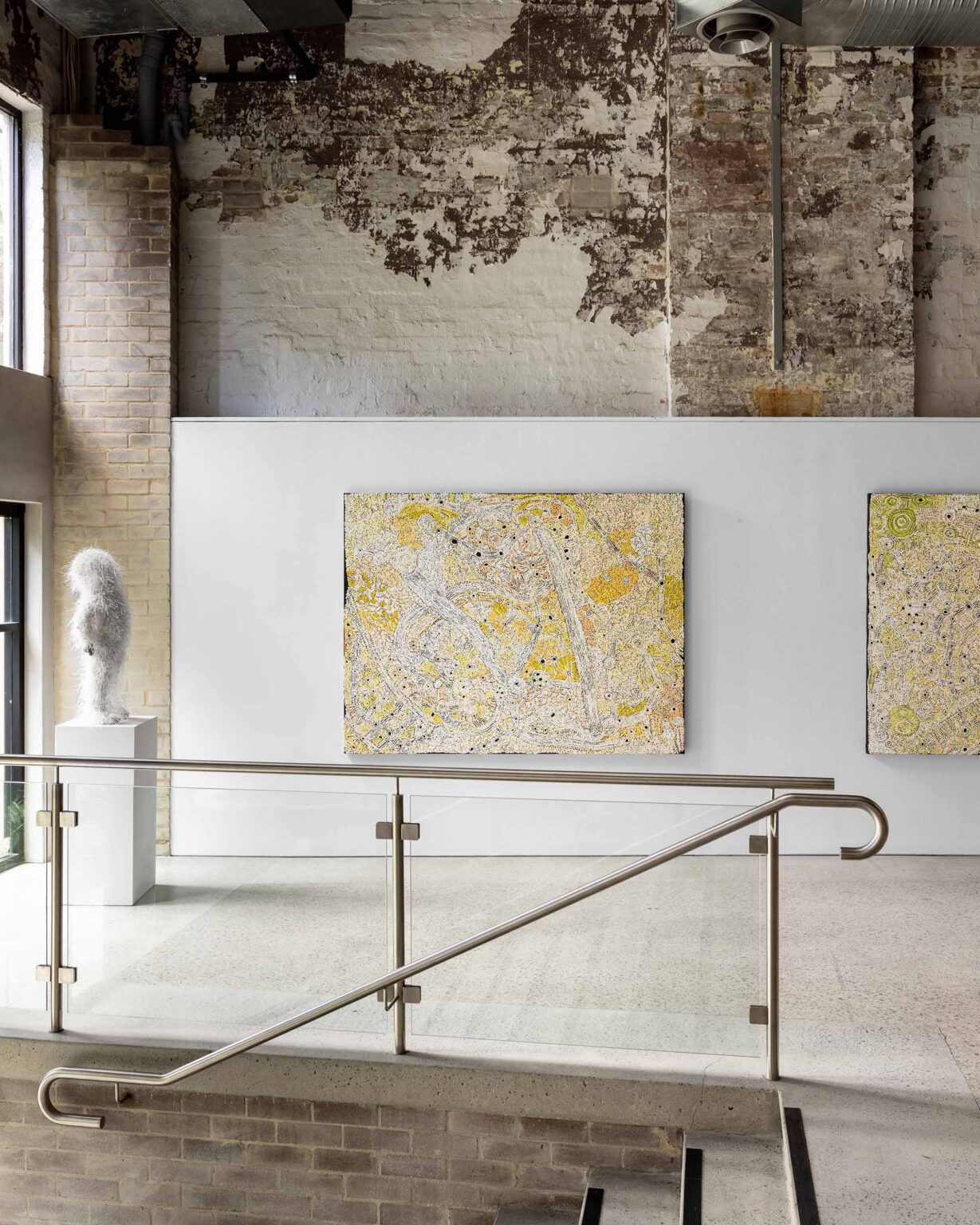
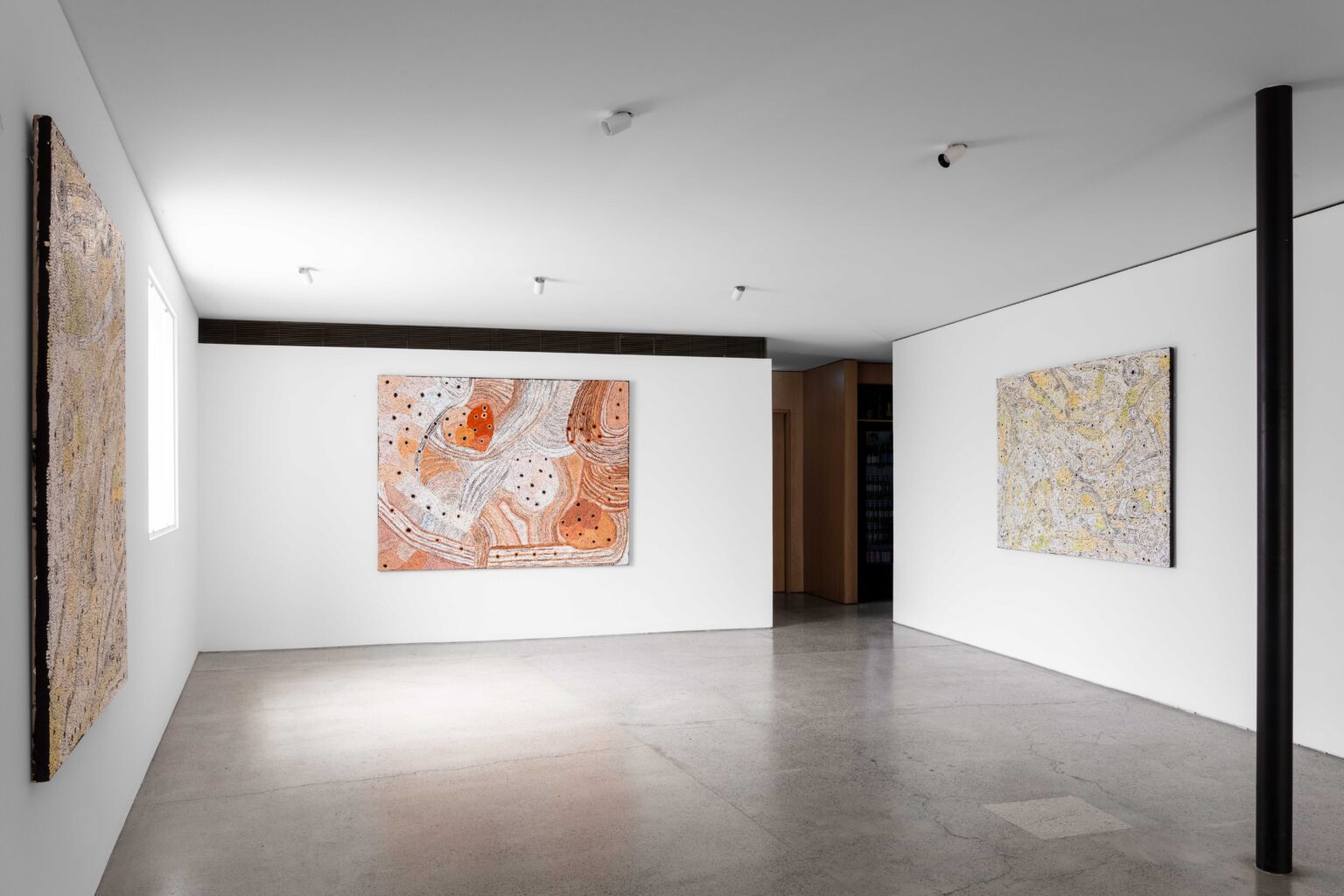
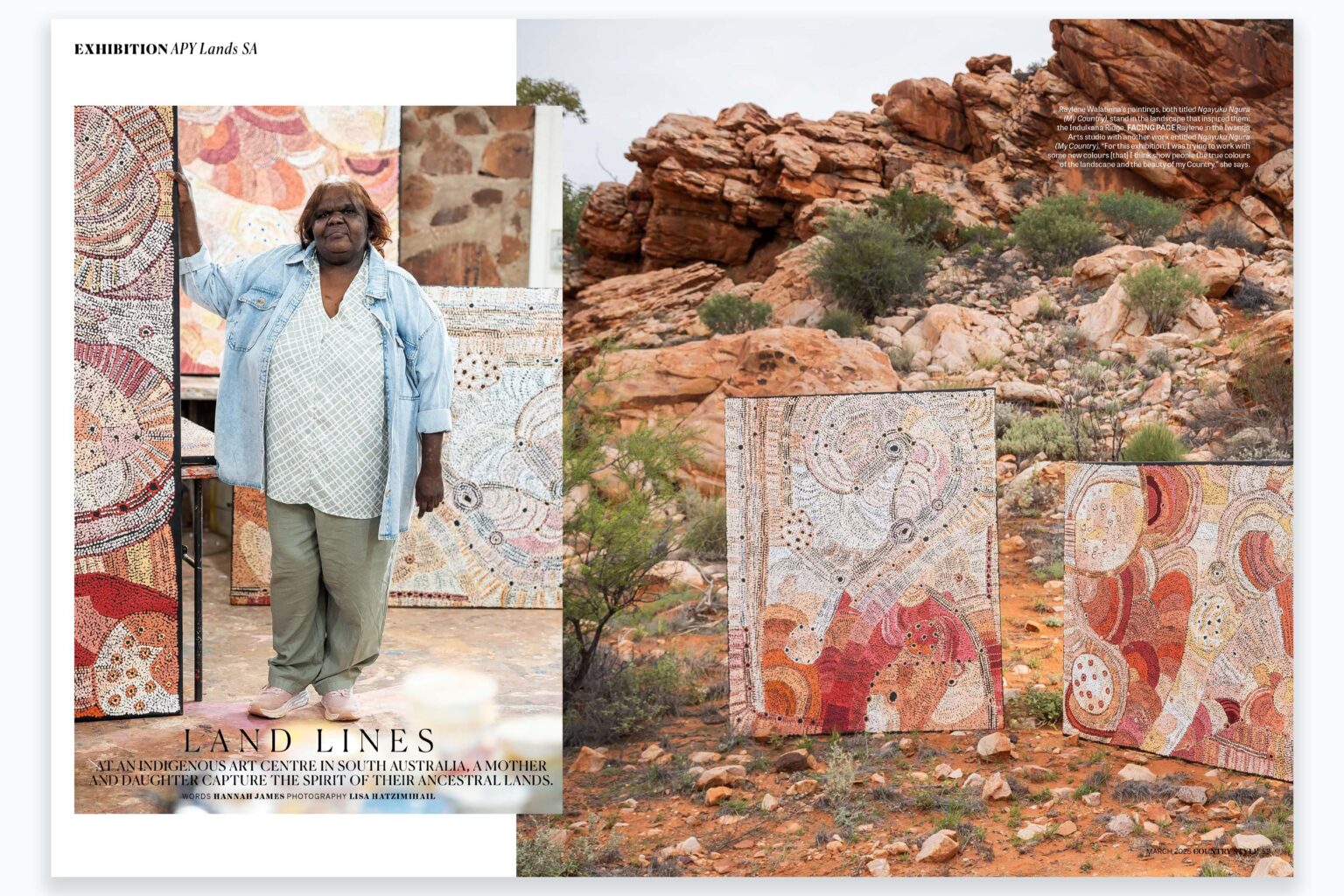
Michael Reid Sydney + Berlin is delighted to welcome a new offering of large-scale paintings by Raylene Walatinna. The Yankunytjatjara artist’s most expansive collection of works to date is showing throughout February across two distinct sites – both within the ground-floor exhibition space at our flagship Eora/Sydney gallery and as a highlight of our next major foray into the United States.

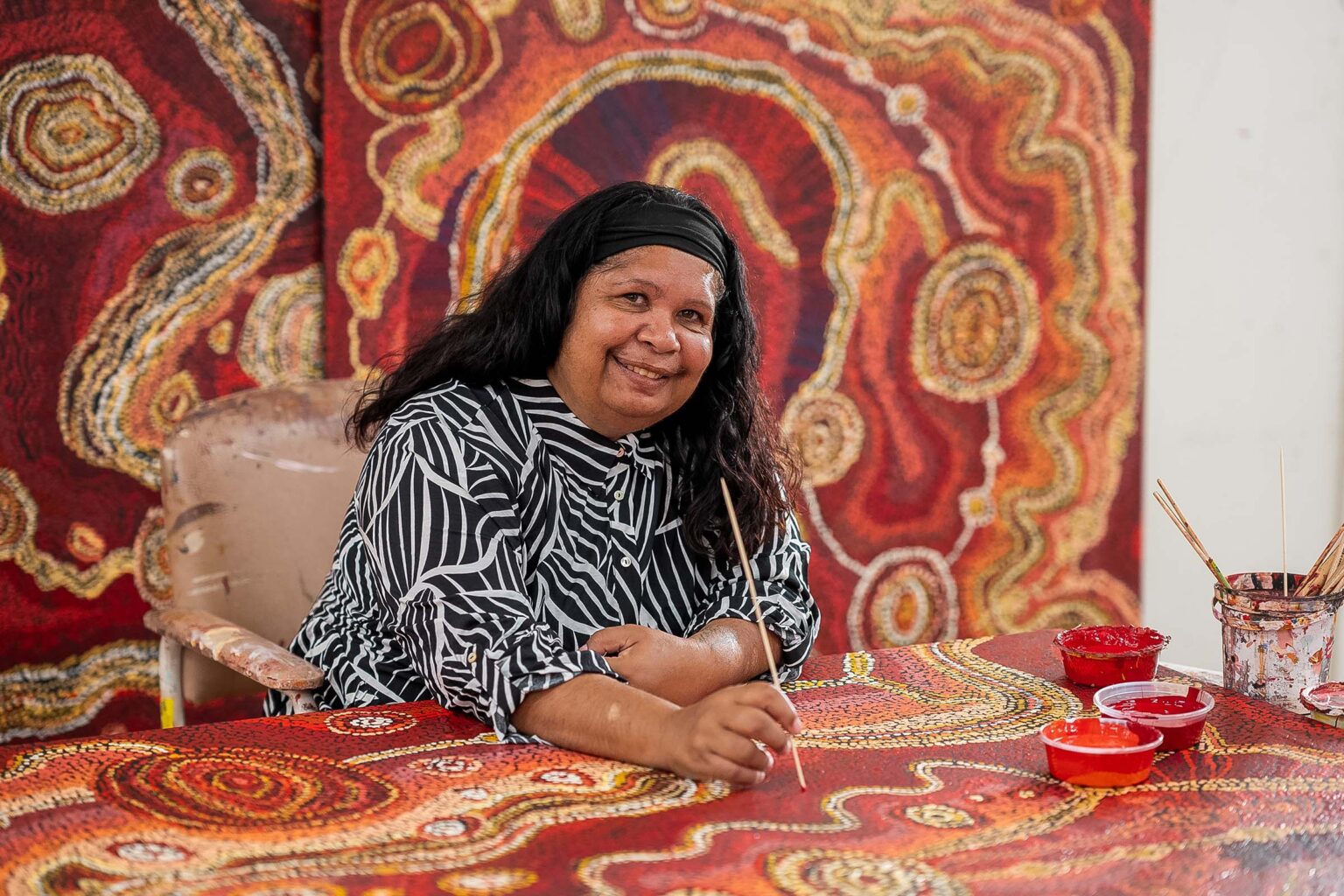
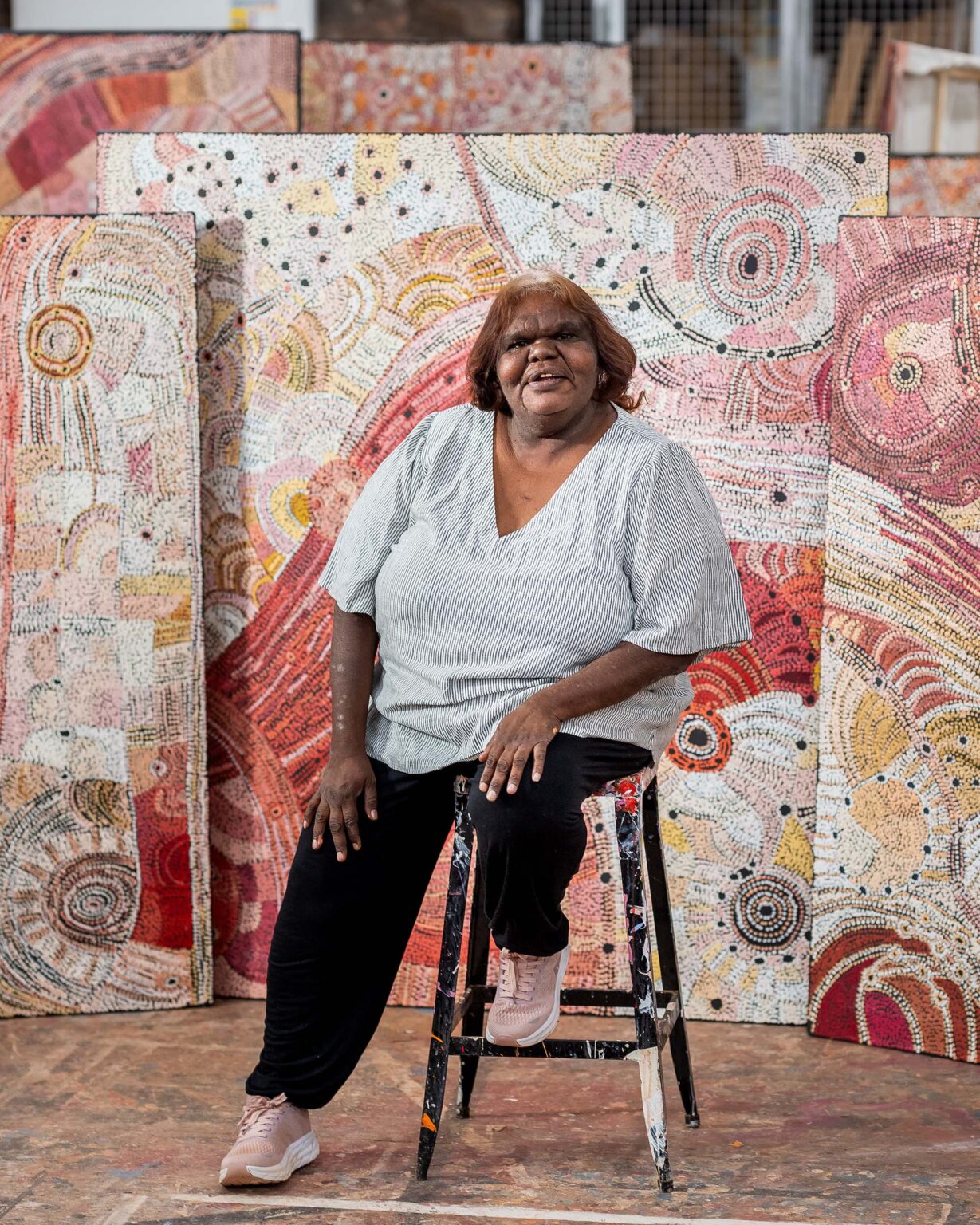
A senior Yankunytjatjara woman and established painter at Iwantja Arts – the Indigenous-owned and -governed art centre in the rocky desert country of Indulkana on the Aṉangu Pitjantjatjara Yankunytjatjara Lands – Walatinna is the daughter and frequent collaborator of globally acclaimed artist, Iwantja Arts director and three-time Wynne Prize finalist Betty Chimney, as well as an exceptional talent in her own right.

Walatinna often works collaboratively with her mother, continuing the custom of older women passing on knowledge of Tjukurpa (Aṉangu cultural stories) and Ngura (Country) to younger generations. Revealing the influence of her trailblazing mother, Walatinna’s work channels the tones and elemental rhythms of the desert in a celebration of her enduring connection to Country and Yankunytjatjara culture.

As a solo artist, Walatinna produces a limited volume of work, making each new offering a keenly anticipated occasion. Having now completed her most ambitiously scaled body of work yet, she makes her Michael Reid Sydney debut, after previously headlining our Murrurundi gallery’s collaborative exhibition with Country Style magazine, Heirloom, and showing alongside several Iwantja Arts peers in the group exhibition Ngura pilunpa – Peaceful Country at Michael Reid Southern Highlands.

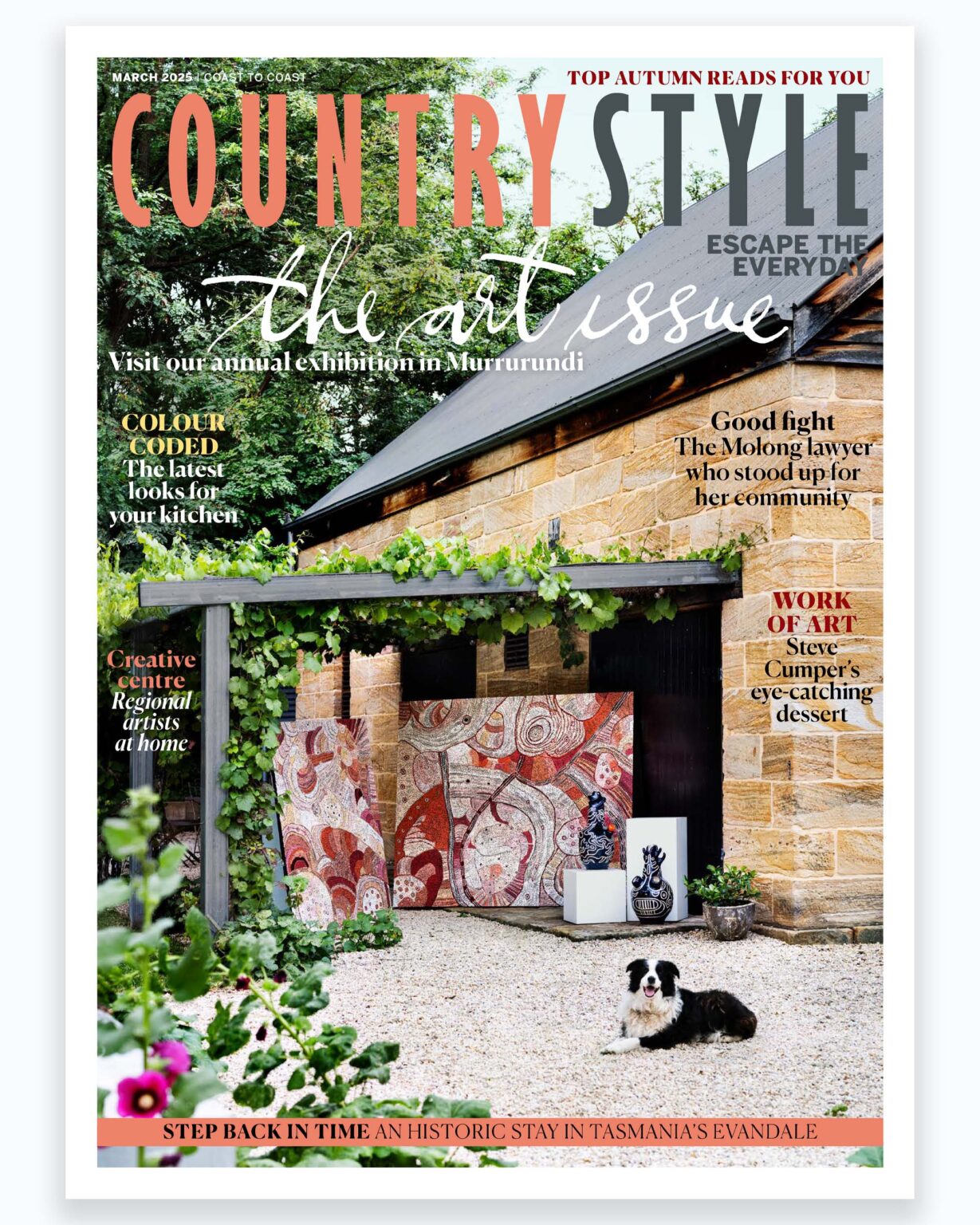
“My mum has always been my closest friend. I learnt how to paint from her – she is a very good teacher. Over time, I’ve developed my own way of working too,” says Walatinna in a profile published in Country Style’s 2025 Art Issue, which coincided with the opening of Heirloom and featured Walatinna’s work on its cover. “My paintings are different to my mum’s – even though we are often painting the same Country. Our shapes usually connect in different ways, and we have different ideas on how to use colour.”

A selection of Walatinna’s newly completed paintings will travel to the United States for the gallery’s forthcoming collaboration with leading Californian contemporary art space LA Loma. Marking the second instalment of Michael Reid Sydney + Berlin’s stateside survey The Stars Before Us All: Australian First Nations Art following its widely celebrated Washington, D.C. run, our Los Angeles exhibition at LA Loma will see Walatinna exhibit alongside her mother and several other luminaries of contemporary First Nations painting.

For enquiries, please email hughholm@michaelreid.com.au
Odyssey

Posted by

Odyssey

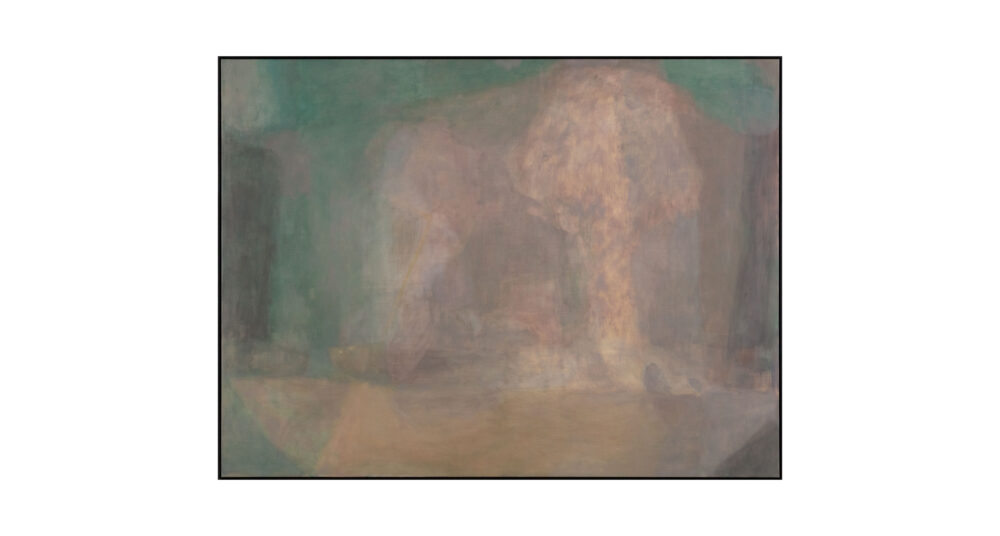
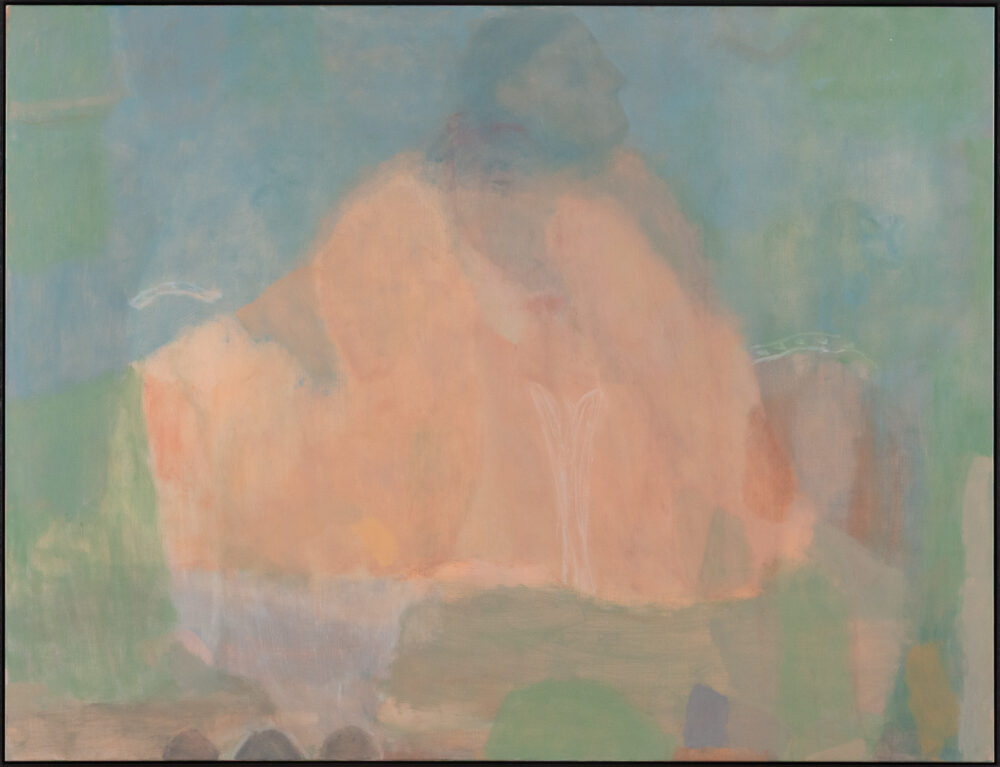
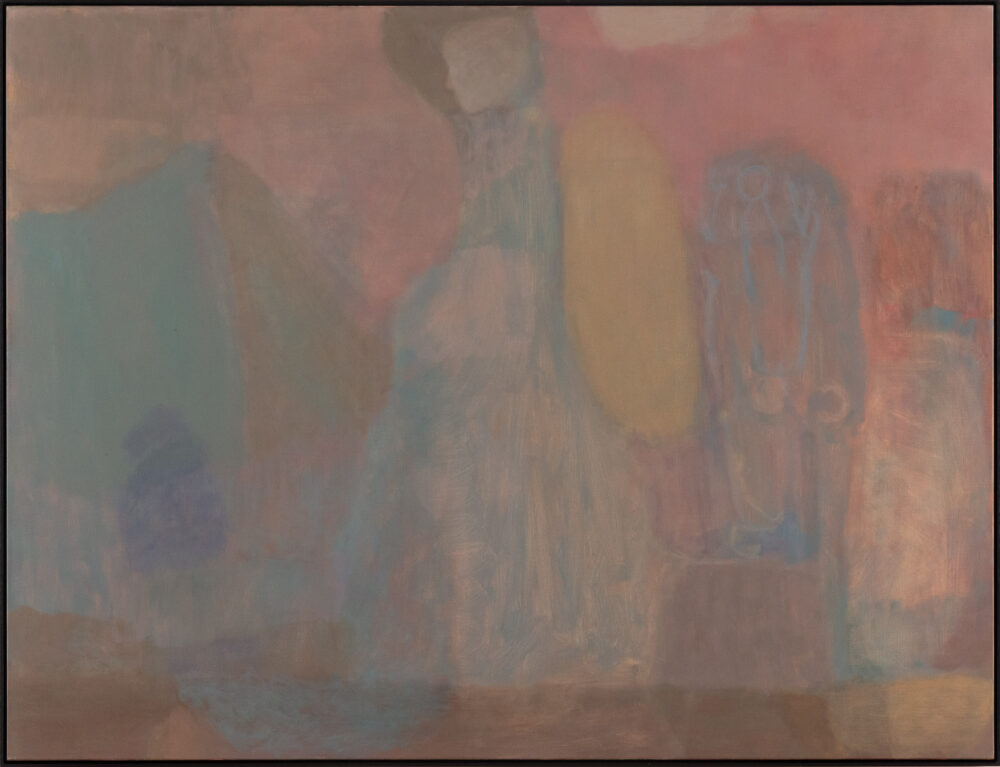
Michael Reid Sydney will commence our 2026 exhibitions program with the most ambitious project to date from Eora/Sydney-based contemporary painter Kathy Liu. Now available to preview digitally and in person by request, Liu’s new series takes the title Odyssey both as a nod to the Classical Greco-Roman inflections of the curious, inchoate forms that play out within her abstract compositions – figures that slowly cohere through gossamer clouds of colour, lending her large-scale paintings the feeling of a faded fresco or timeworn tapestry – and to the open-ended process that produced them. For Liu, this approach is another odyssey of sorts, embracing the serendipitous digressions and chance encounters that emerge through her painterly wanderings.

“None were preplanned,” says the artist, whose forthcoming solo exhibition will be her first to unfold across our entire flagship ground-floor space. “Instead of letting the idea lead to action, I reversed this, beginning with action, letting myself embark on a personal odyssey, a wander towards the notion of an idea. It’s almost like a jack-in-the-box, full of surprises, and I enjoy surprising myself.” Awash with an almost celestial luminosity, Odyssey represents a confident and sophisticated honing of Liu’s singular vision and technique, even while her methods remain open to the unexpected, ethereal and ineffable possibilities of an intuitive abstract practice – a process likened to “a game of chance” in a 2024 Belle magazine profile.

“What might begin as an exercise in loose, tonal abstraction can take a delightfully unexpected turn as amorphous pools begin to coalesce and playfully enigmatic, inchoate figures emerge through diaphanous wafts of colour,” noted the Belle story. “Redolent of hazy memories, nocturnal musings or half-remembered dreams, the resulting compositions feel alive with emotion, poeticism, a sense of magic and effervescent movement.”

Discussing her Odyssey series, Liu says she imagines her paintings as a visual analogue to stream-of-consciousness writing – bringing another literary dimension to a series that feels imbued, albeit with delightful ambiguities, with gestures to classical tales, epic narratives and oral histories held in the mind’s eye. “Just as our thought processes are very rarely linear and defined, my works, an introspective reflection of the subconscious mind, don’t present clearly bound storylines,” says the artist. “Instead, I would like to invite my audience to wander through the paintings, to explore the potential narratives within them.”

To sign up for early previews and first access to works from Odyssey by Kathy Liu – or book a private viewing before the 2025 Christmas holidays – please email dean@michaelreid.com.au
Japarra (The Moonman)

Posted by

Japarra (The Moonman)

  • Artist
    Columbiere Tipungwuti
  • Dates
    26 Feb—21 Mar 2026
  • Gallery Location
    Eora / Sydney

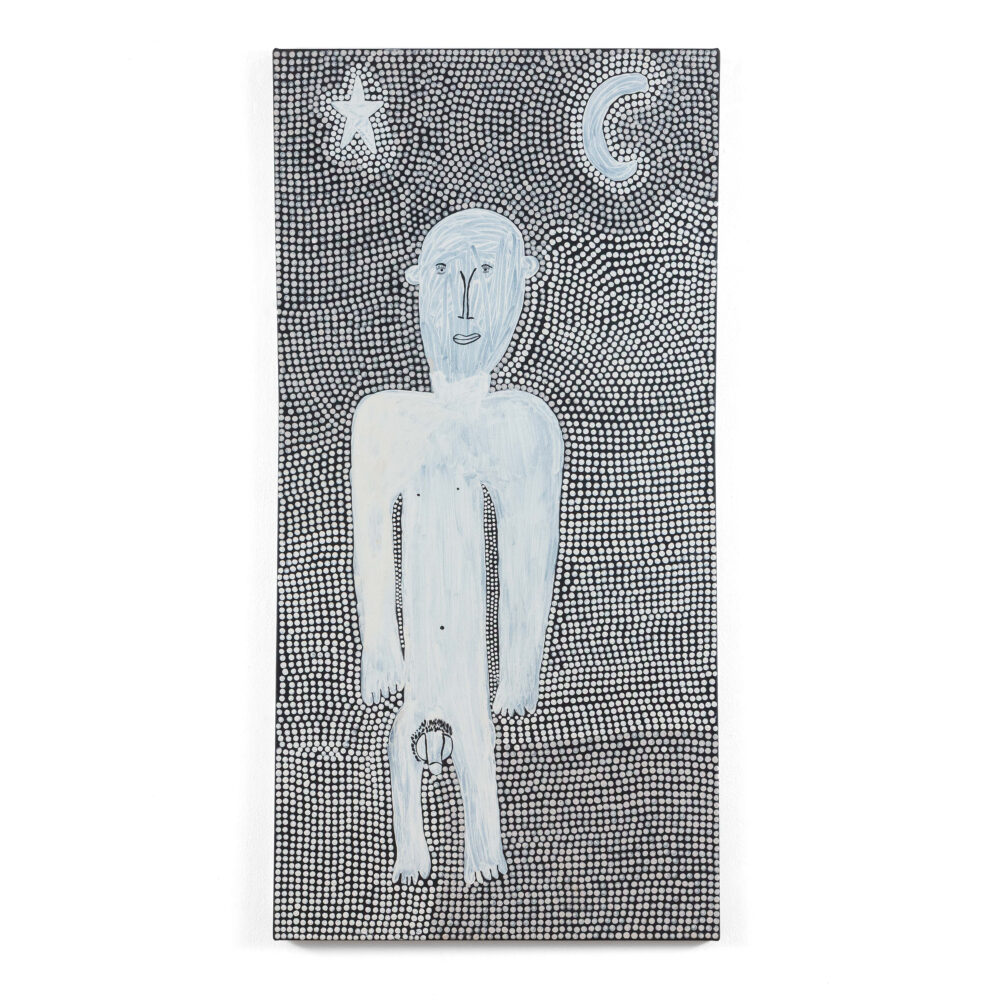
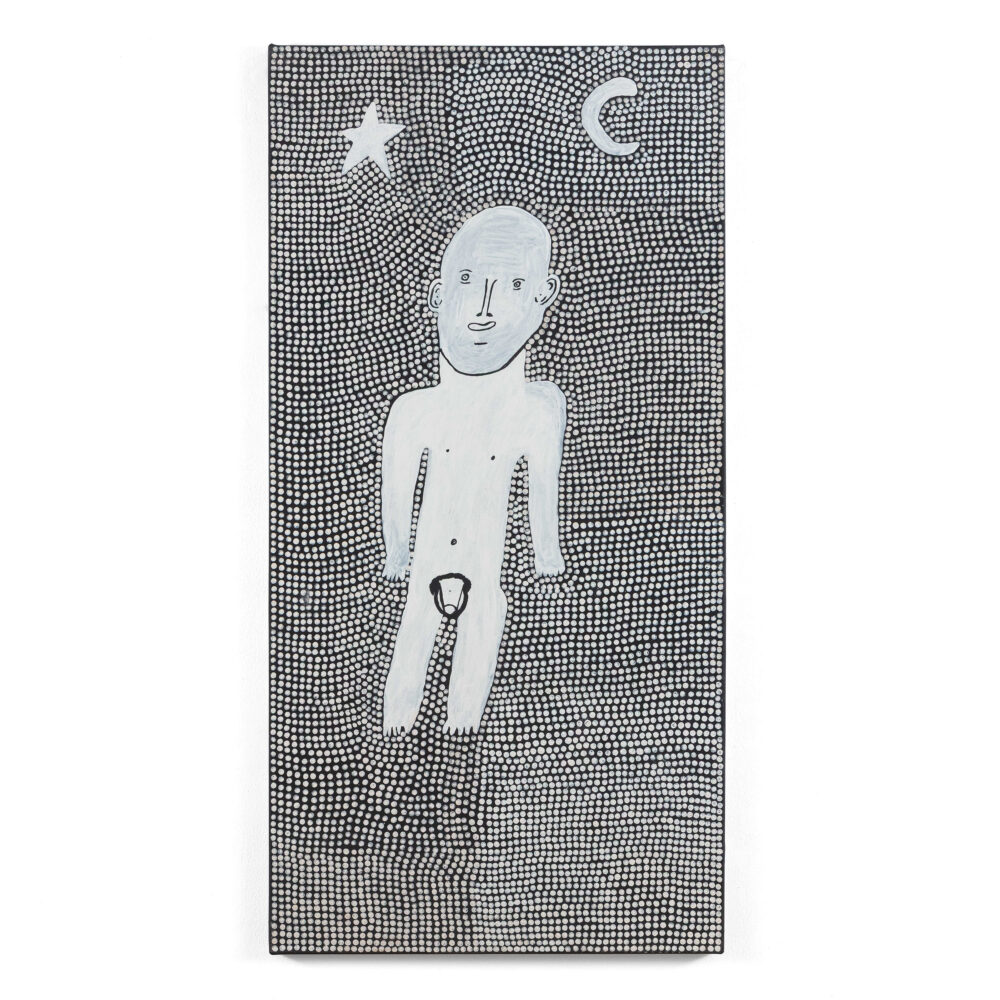
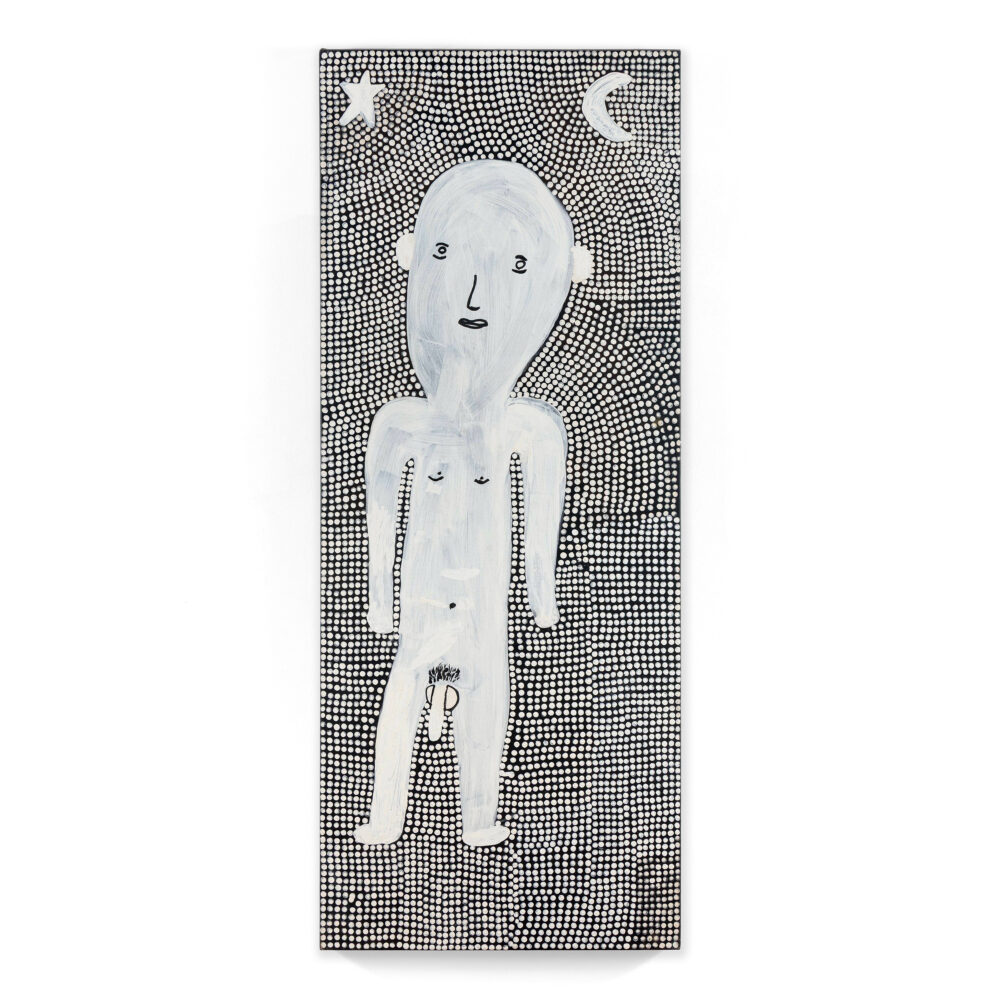
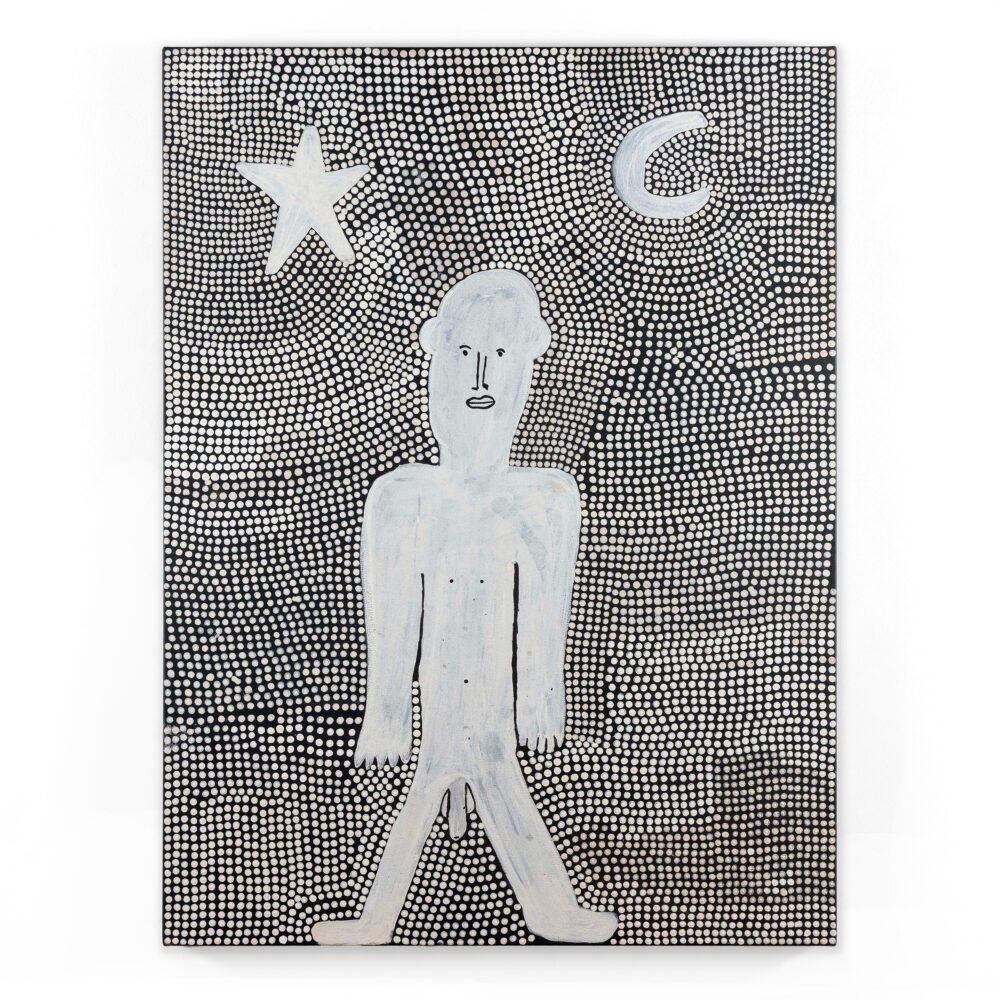
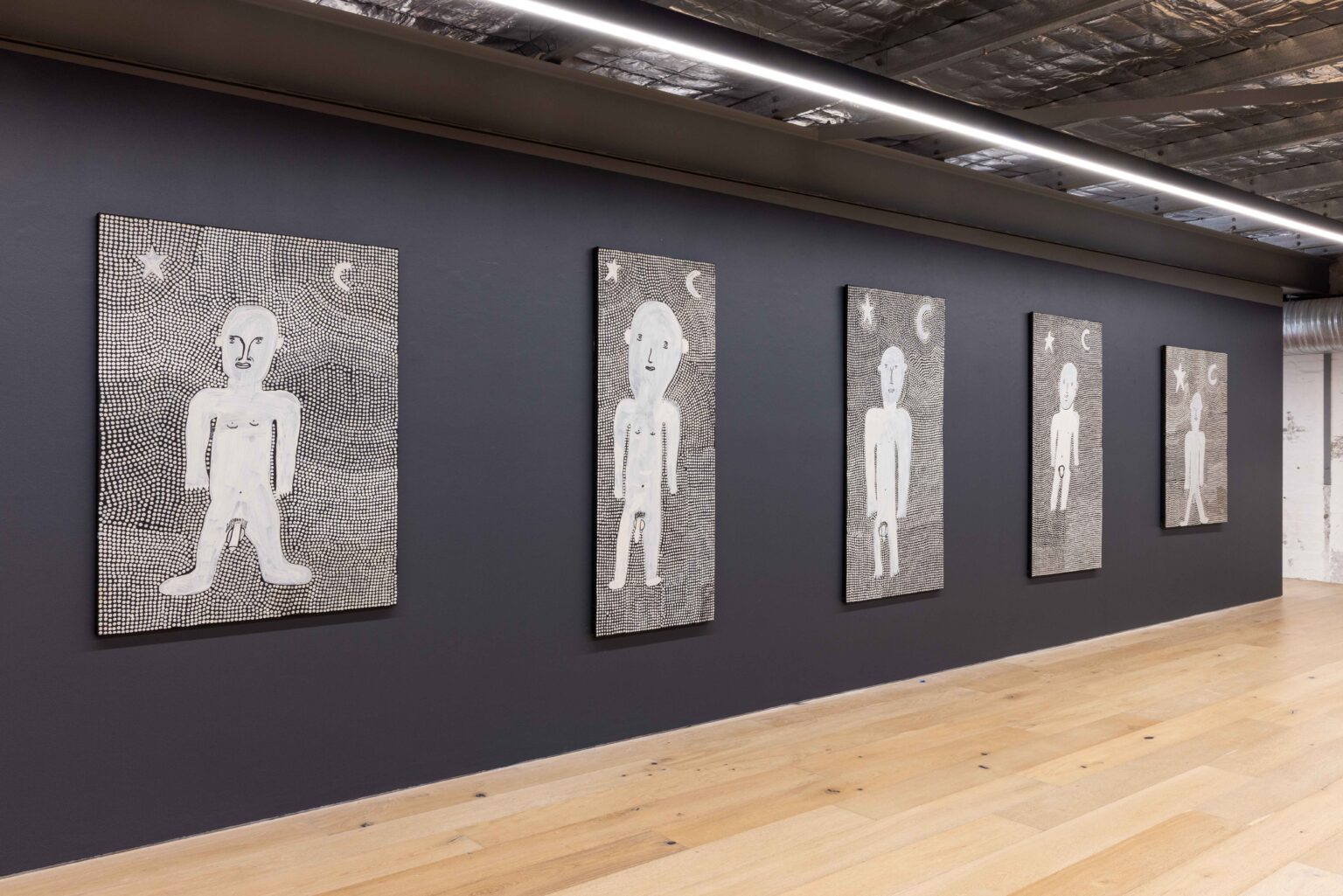
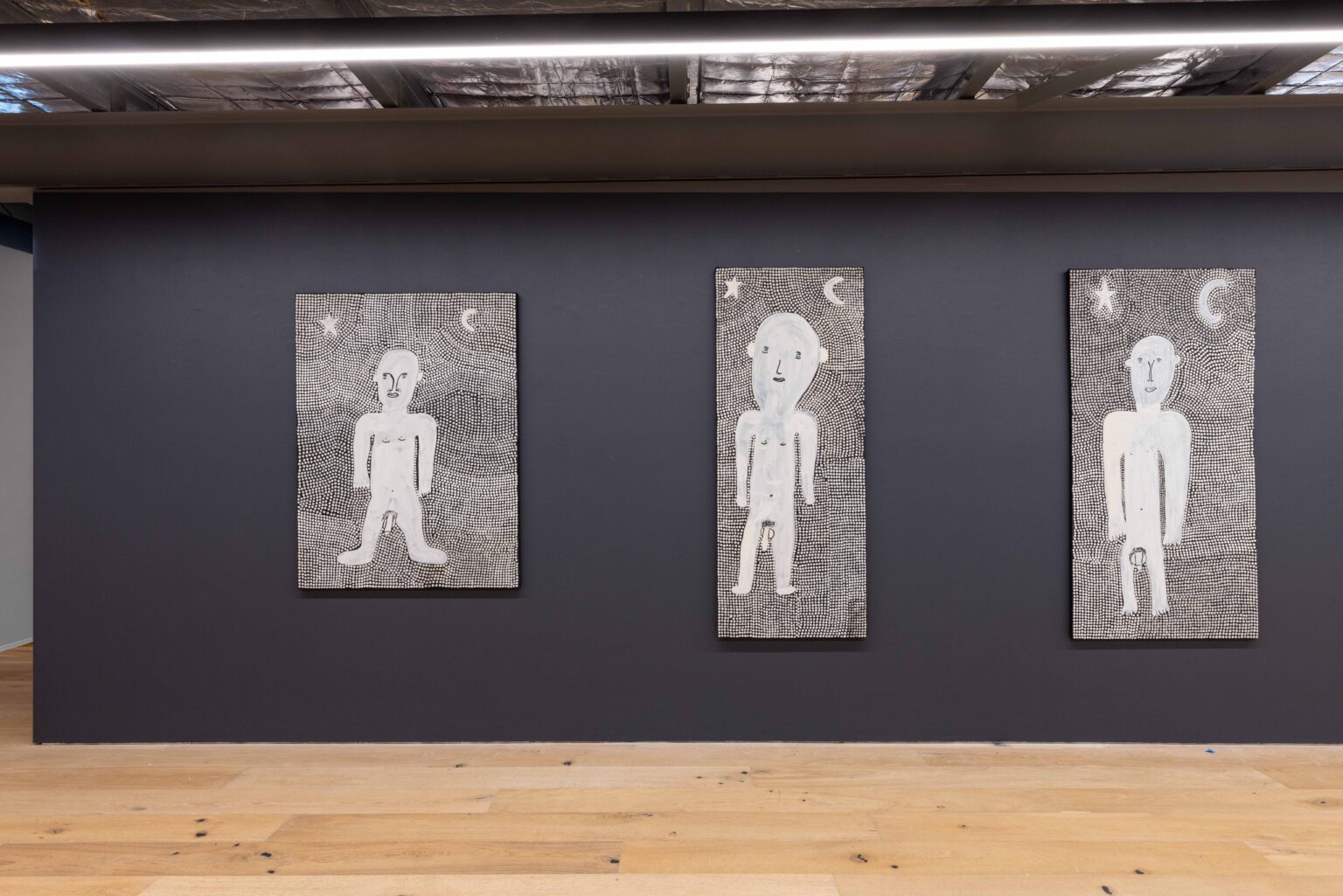
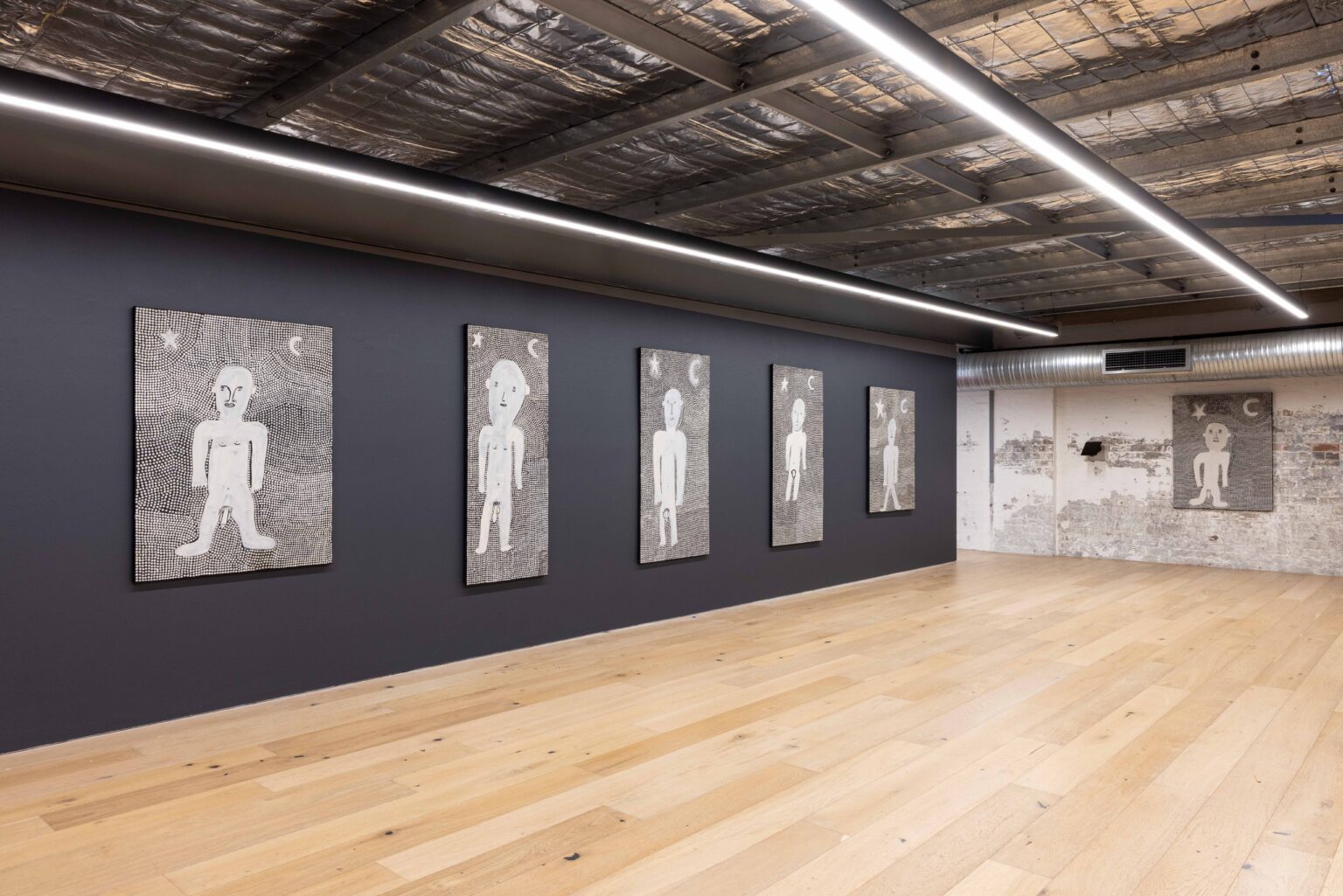
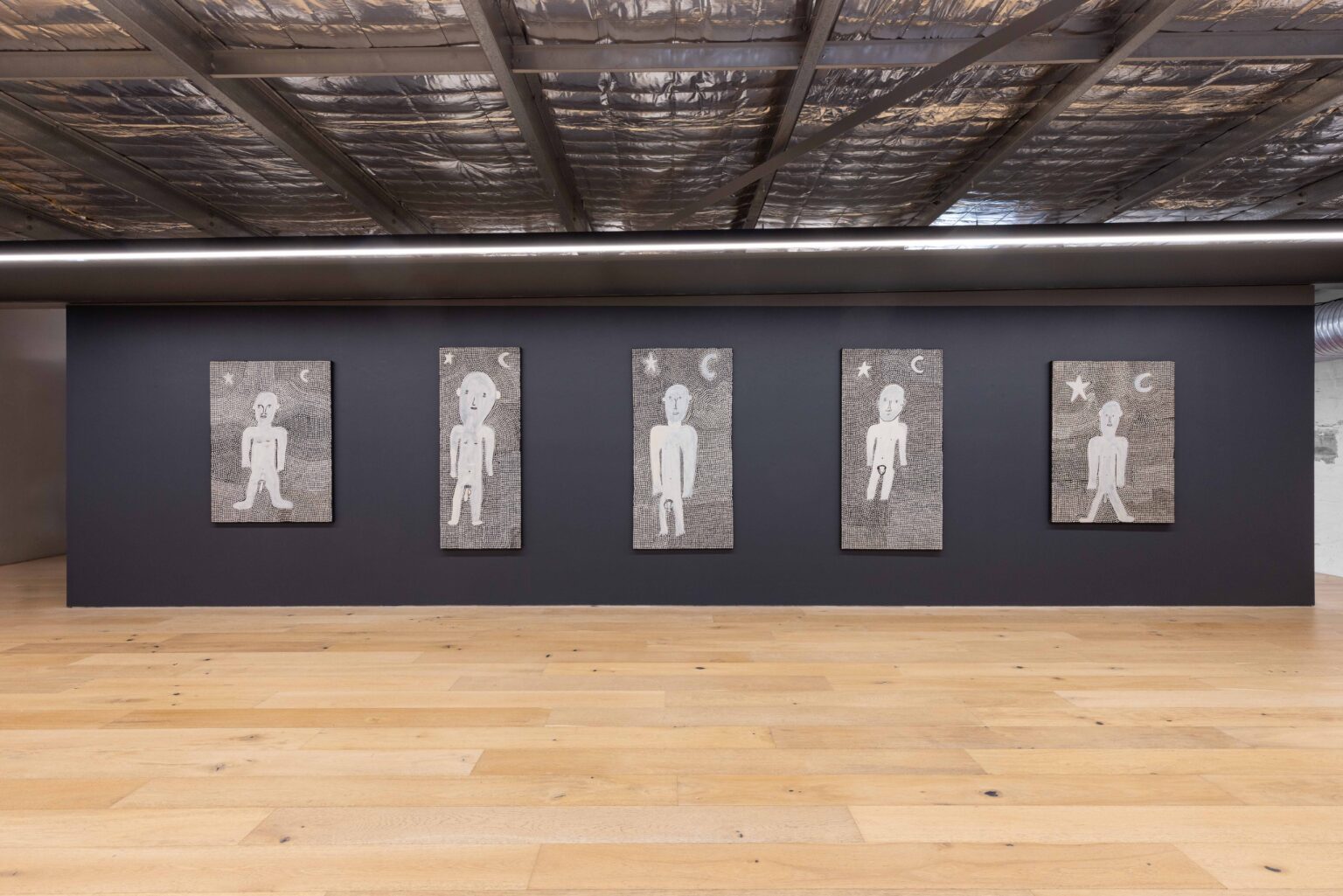
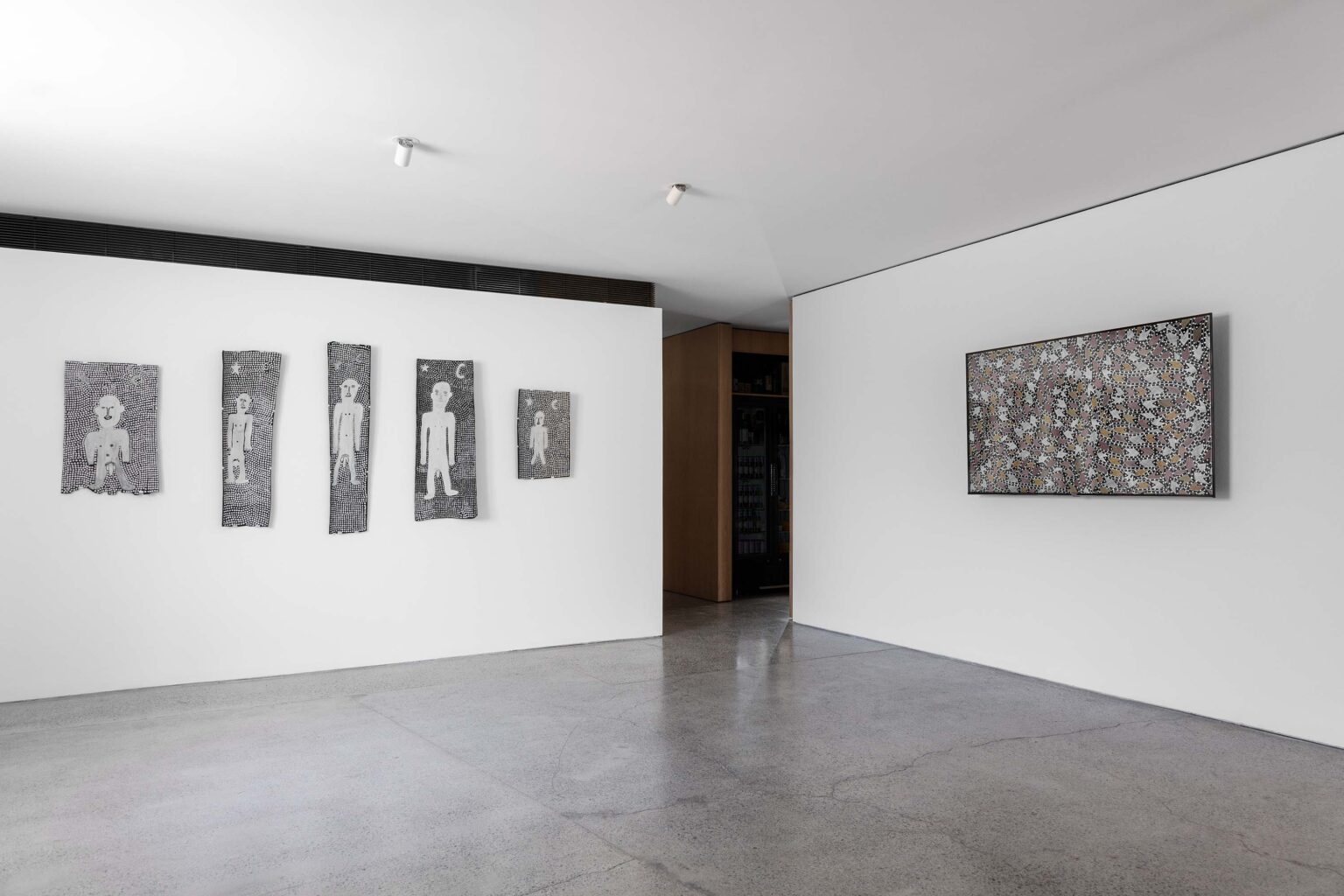
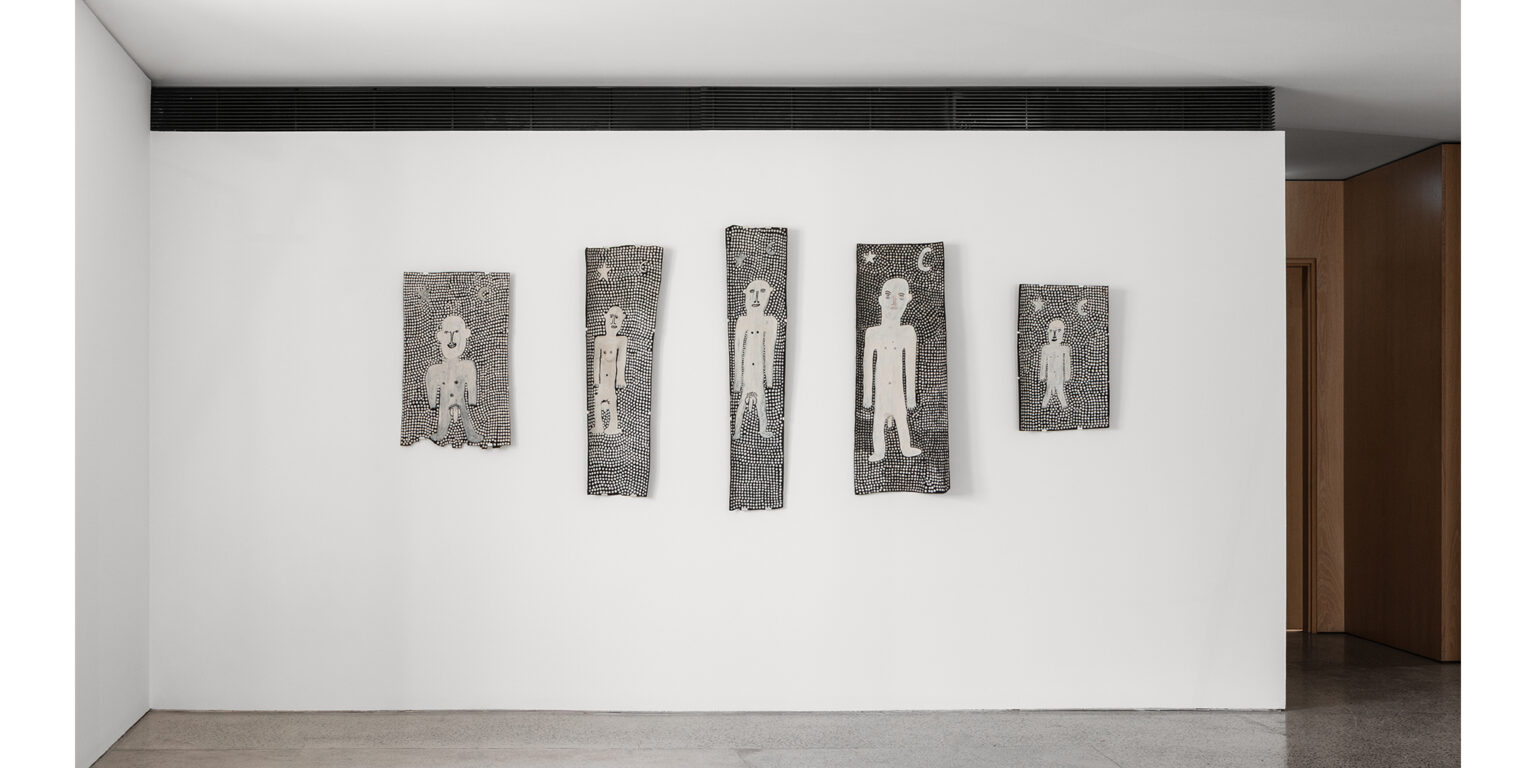
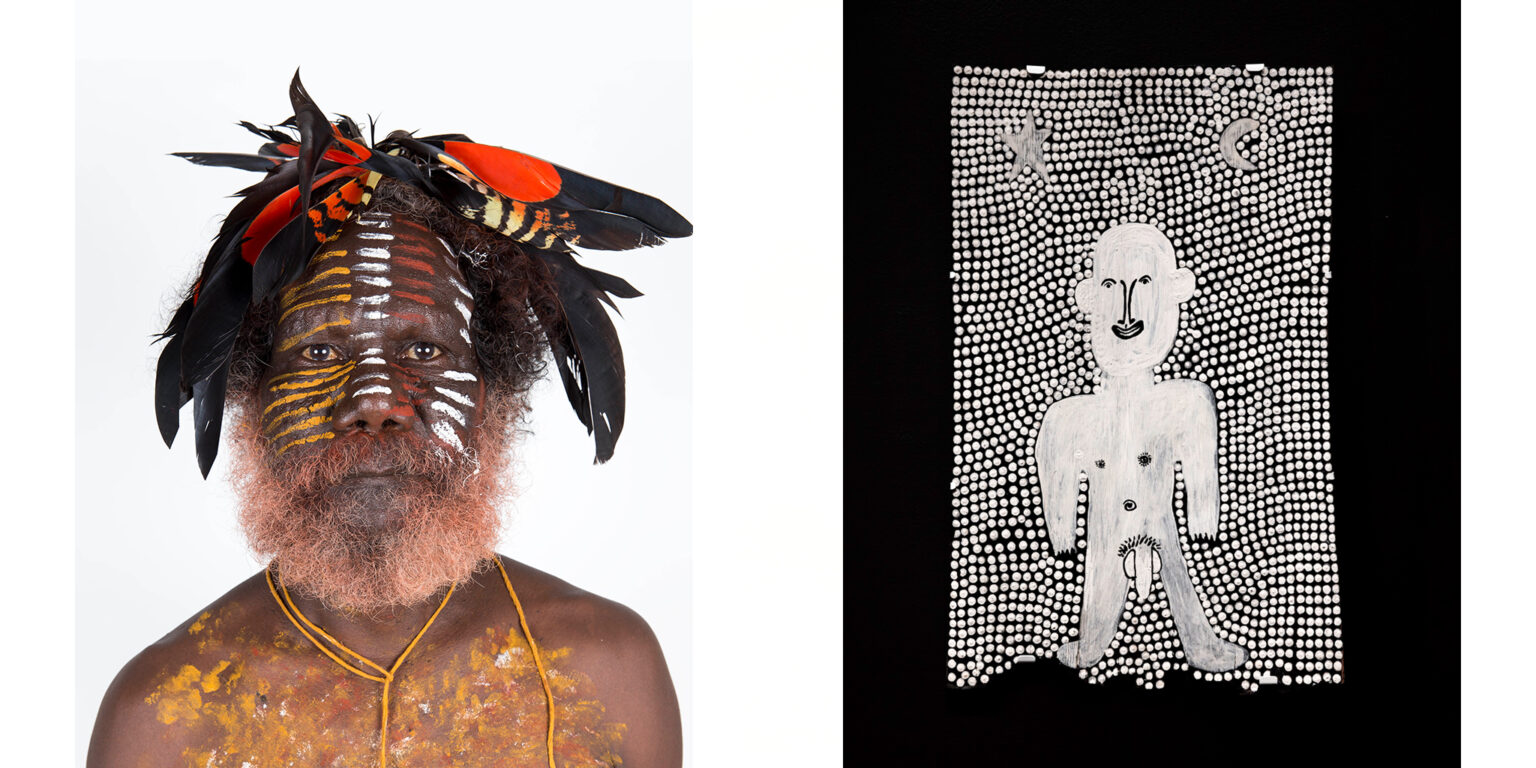
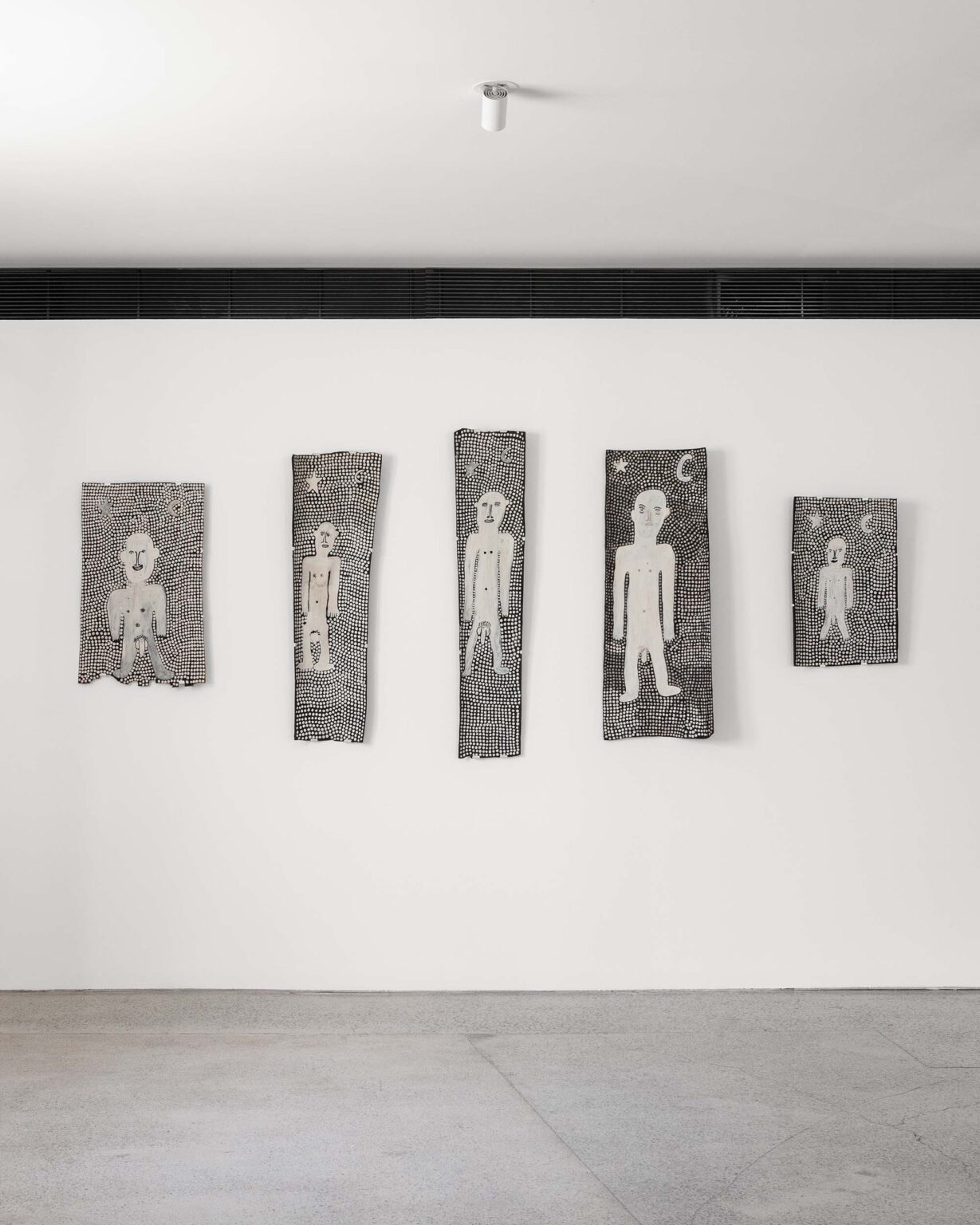
A major highlight of the official artistic program at the 2026 Sydney Gay & Lesbian Mardi Gras festival, Japarra (The Moonman) by Columbiere Tipungwuti opens in February at Michael Reid Sydney and marks the Tiwi Islands artist and dancer’s first large-scale solo exhibition since his star turn in our annual survey Painting Now.

Set to walk alongside the Sistagirls in the 2026 Mardi Gras Parade, Tipungwuti is a significant presence within the Tiwi Islands community and an artist whose highly distinctive painting practice continues to draw strong institutional and collector interest across Australia and abroad.

Tipungwuti’s Murrakupupuni (Country) is Wurankuwu, a homeland inherited through his father’s family, while his tribe, Wulinjuwula (Mosquito), comes from his matrilineal line. Having performed ballet in Eora/Sydney in the 1980s, he is also an accomplished dancer. “My father danced Jarranga (buffalo) and my mother danced Ampiji (rainbow),” says Tipungwuti, who continues to perform at ceremony and events where there is yoyi (dance). “My totem is buffalo, but when some of those women who are related through my mother’s side dance Ampiji, I join in, too.”

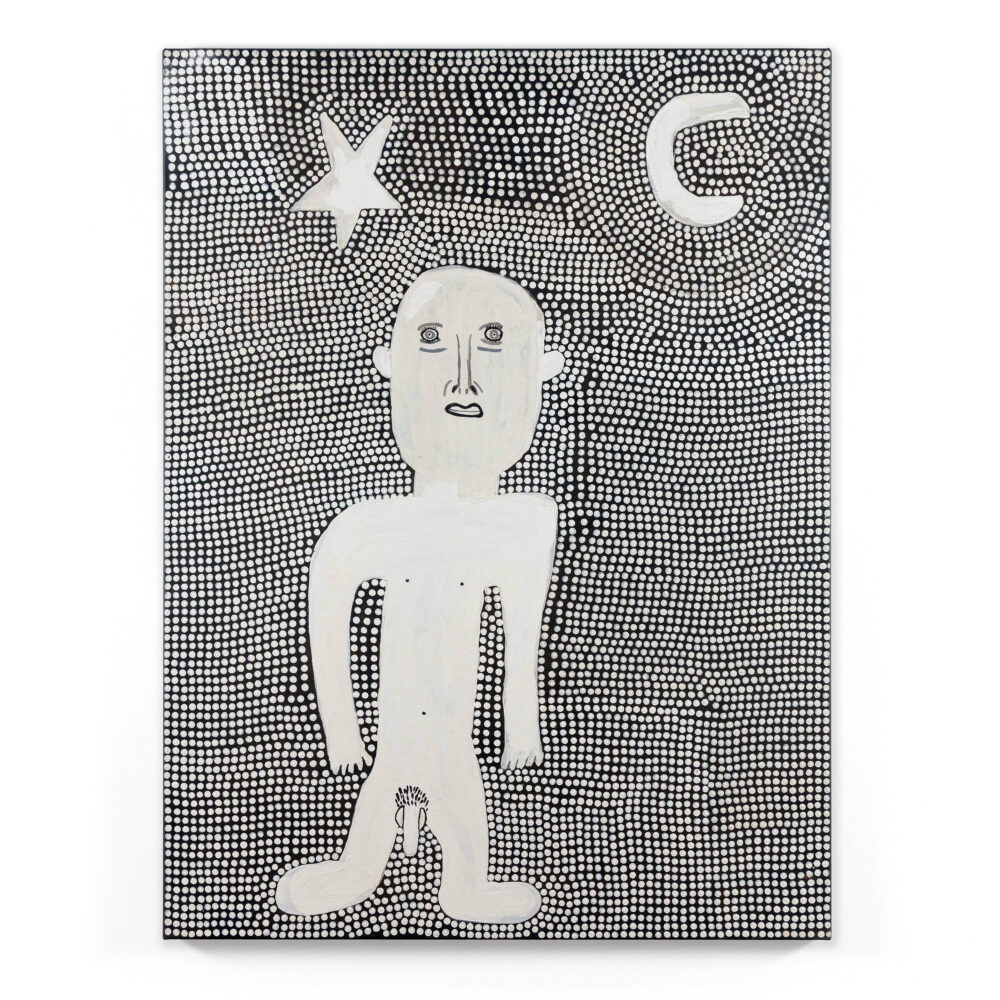
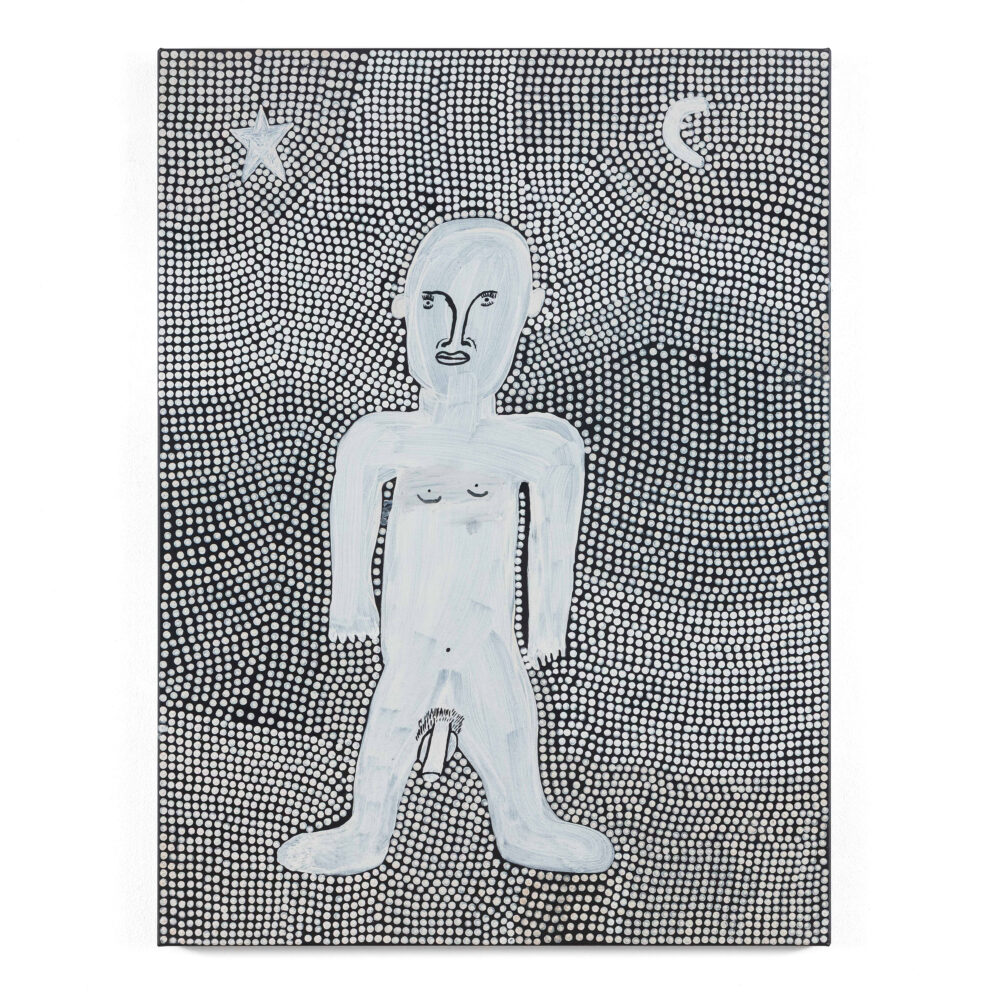
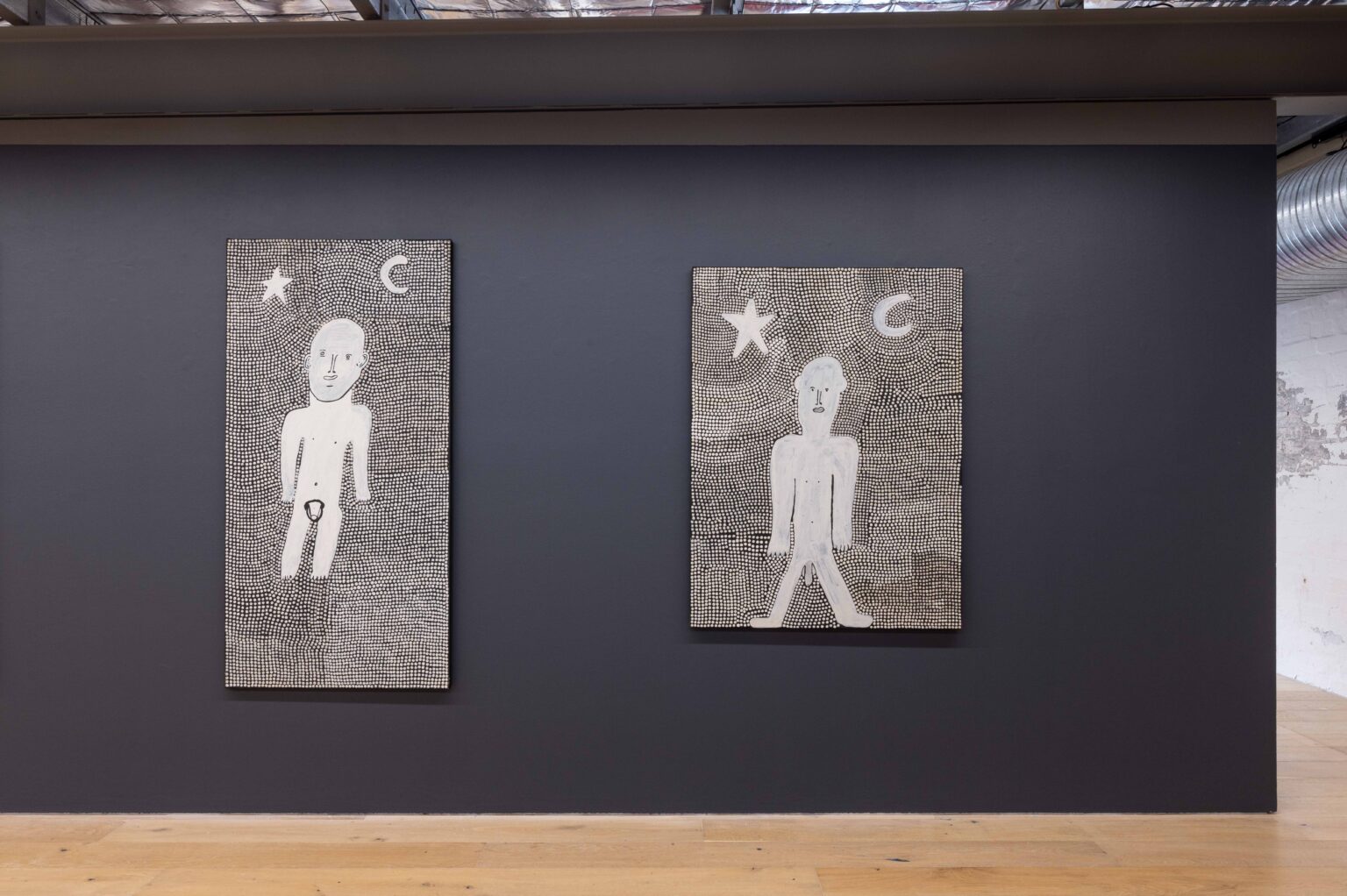
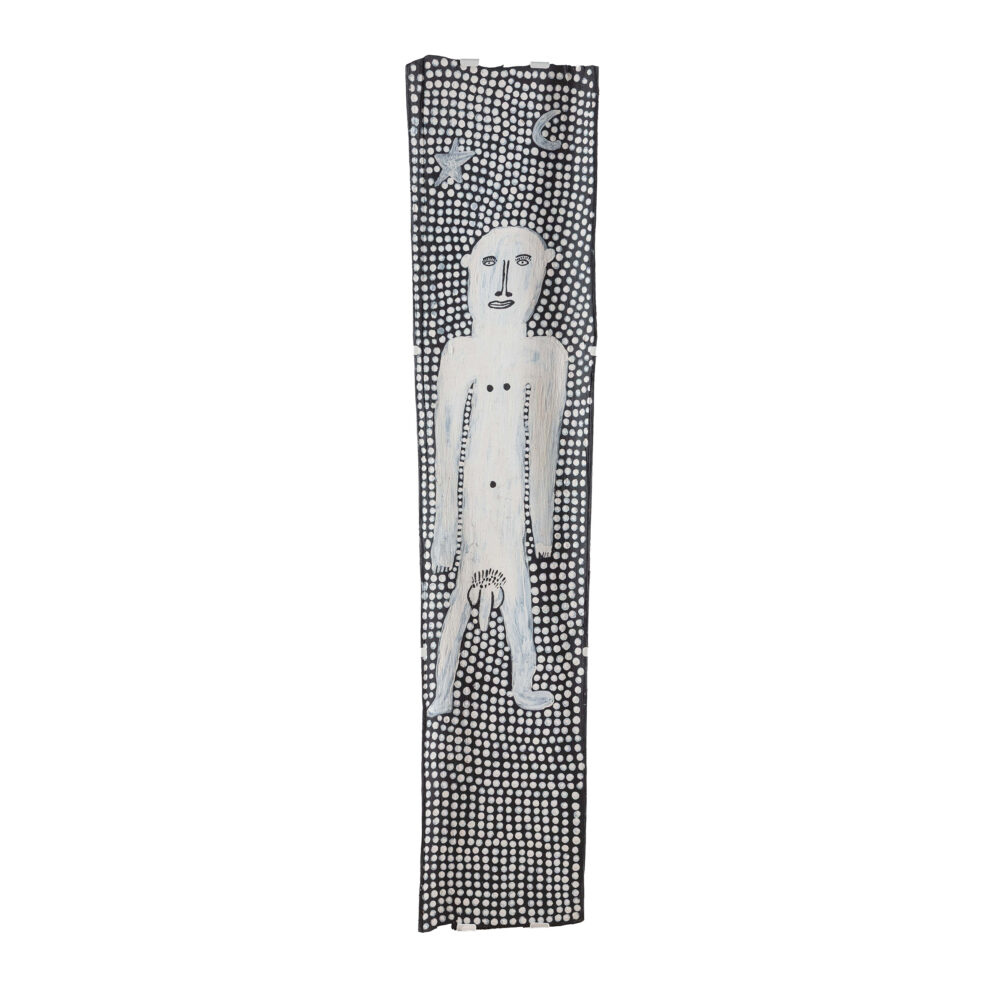
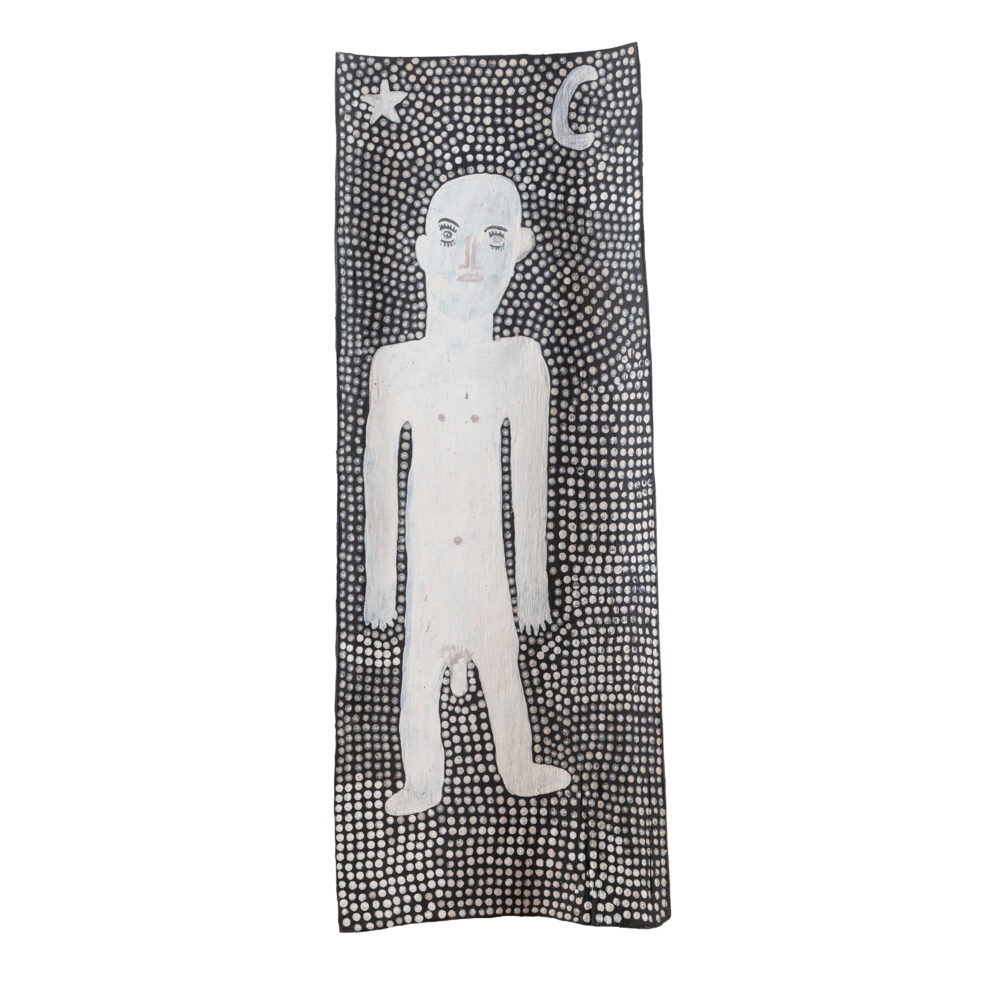
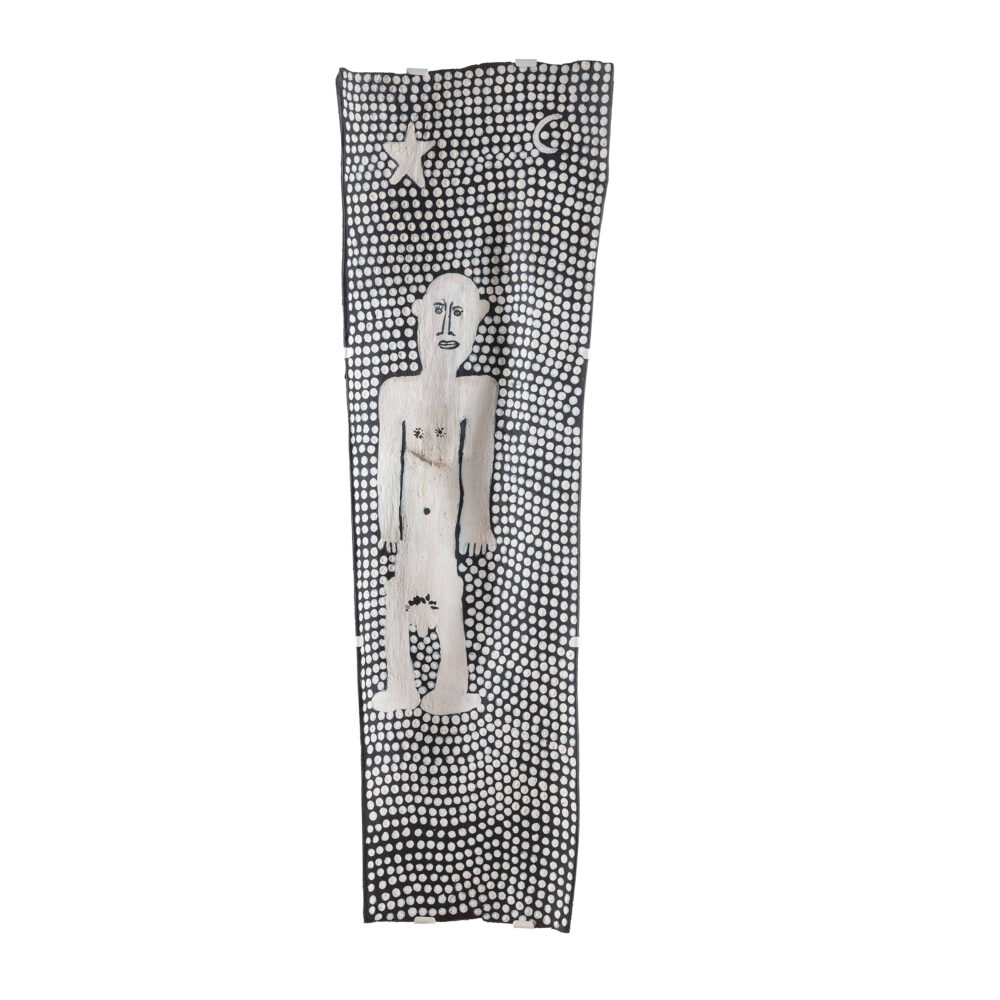
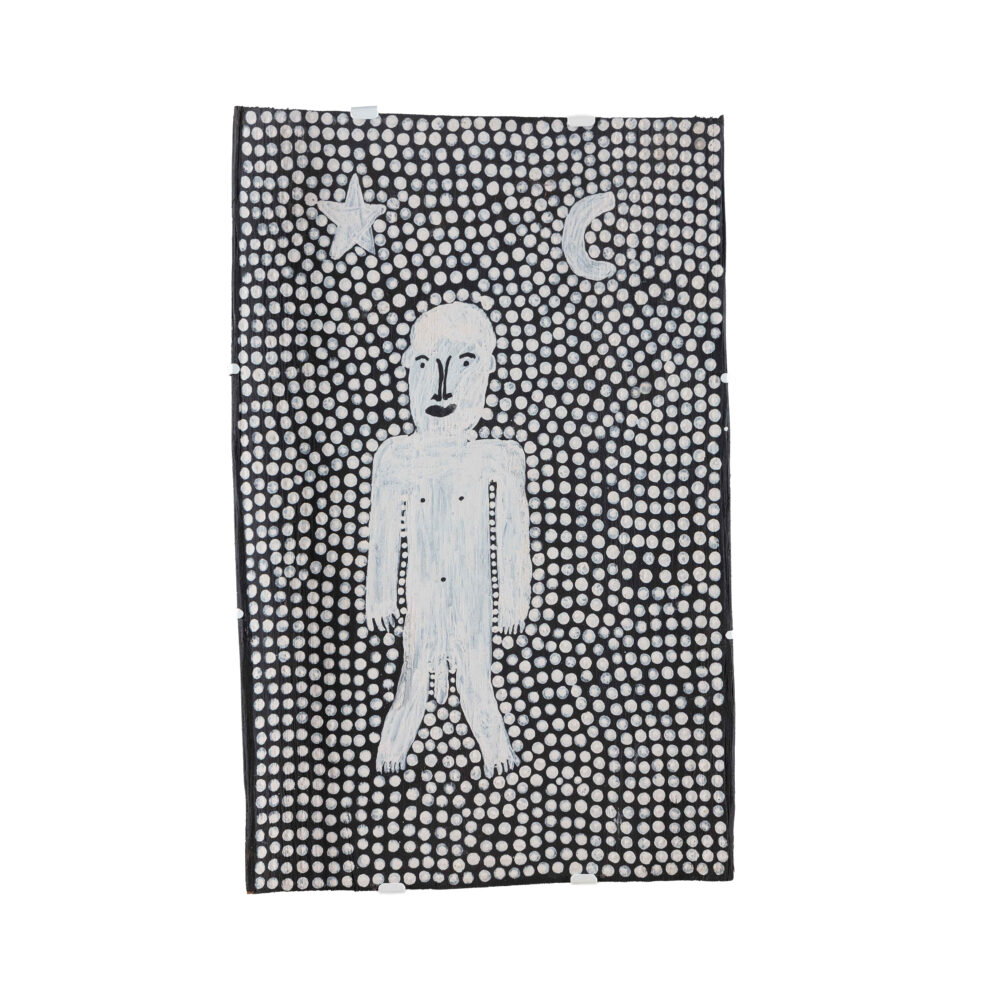
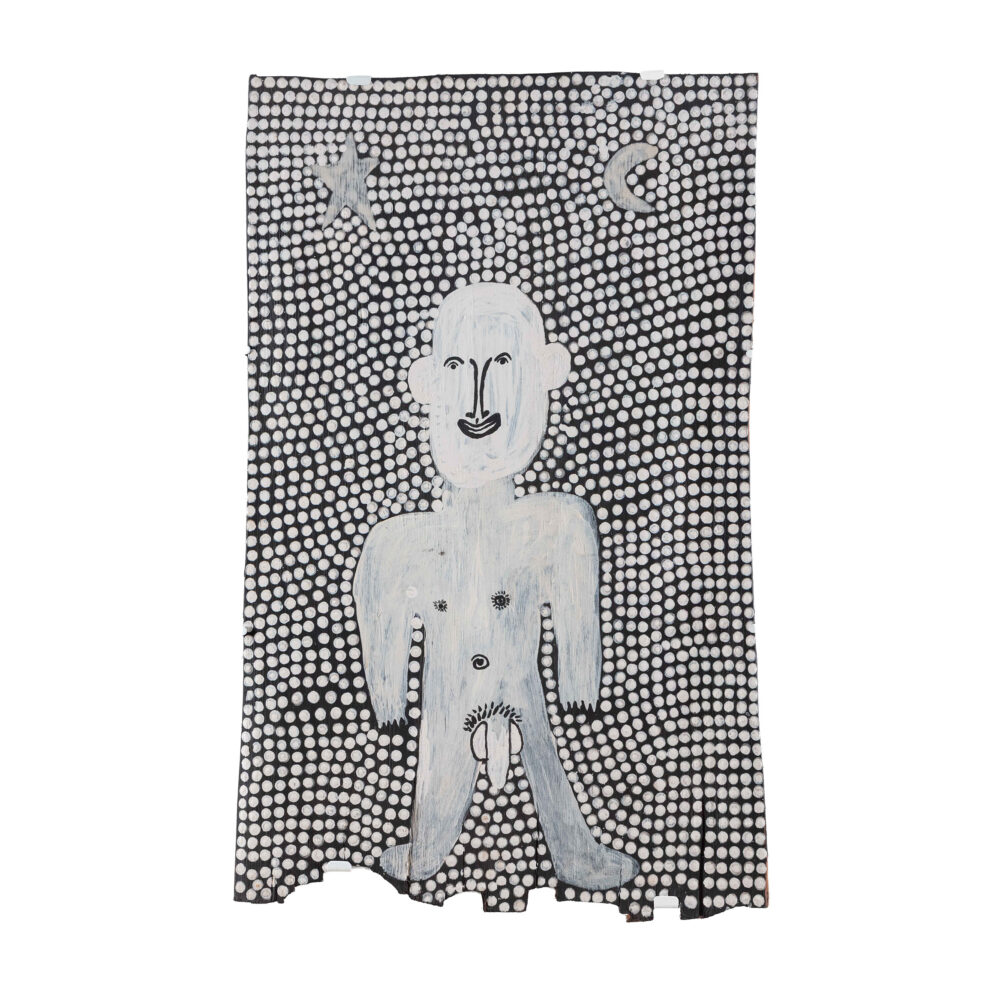
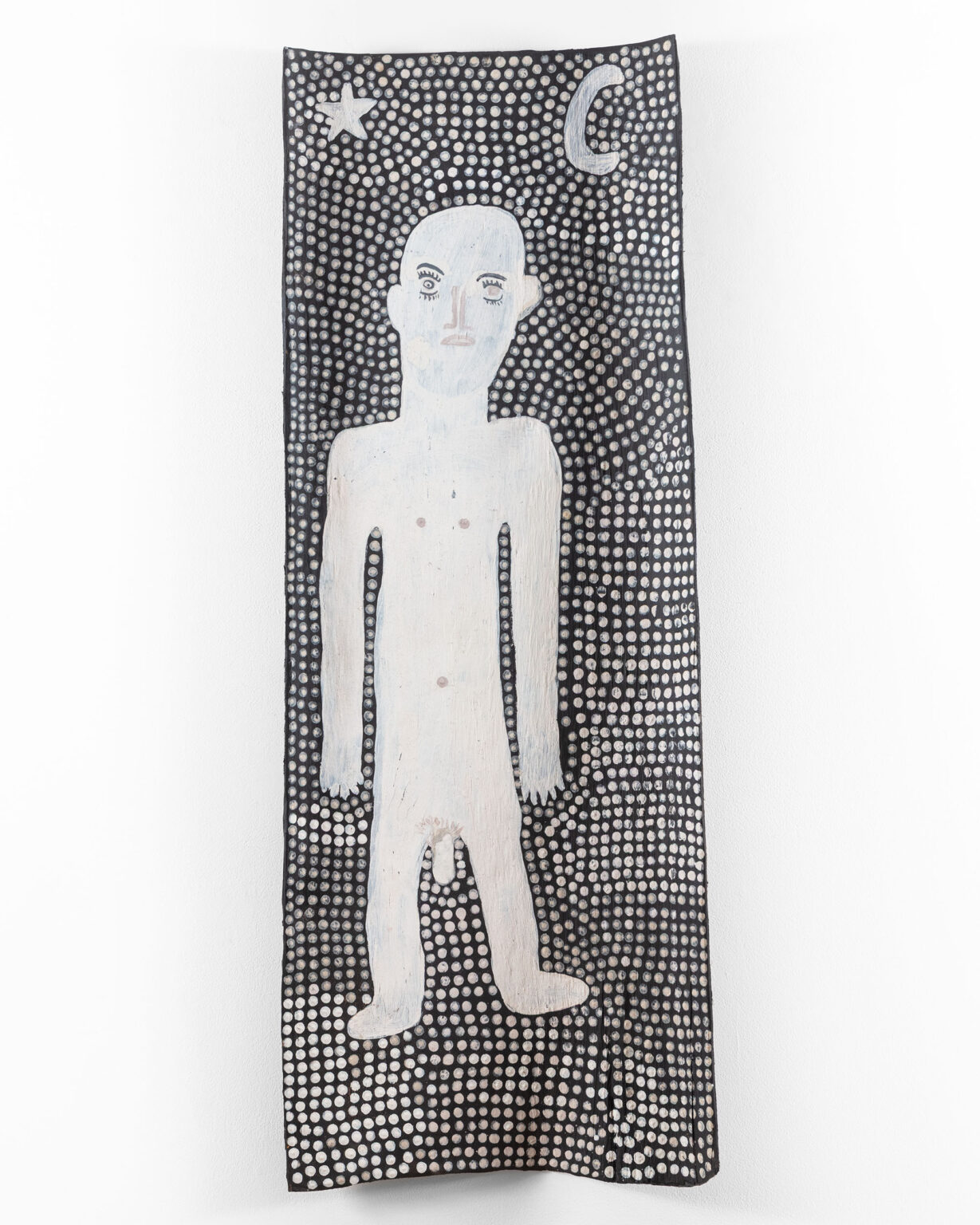
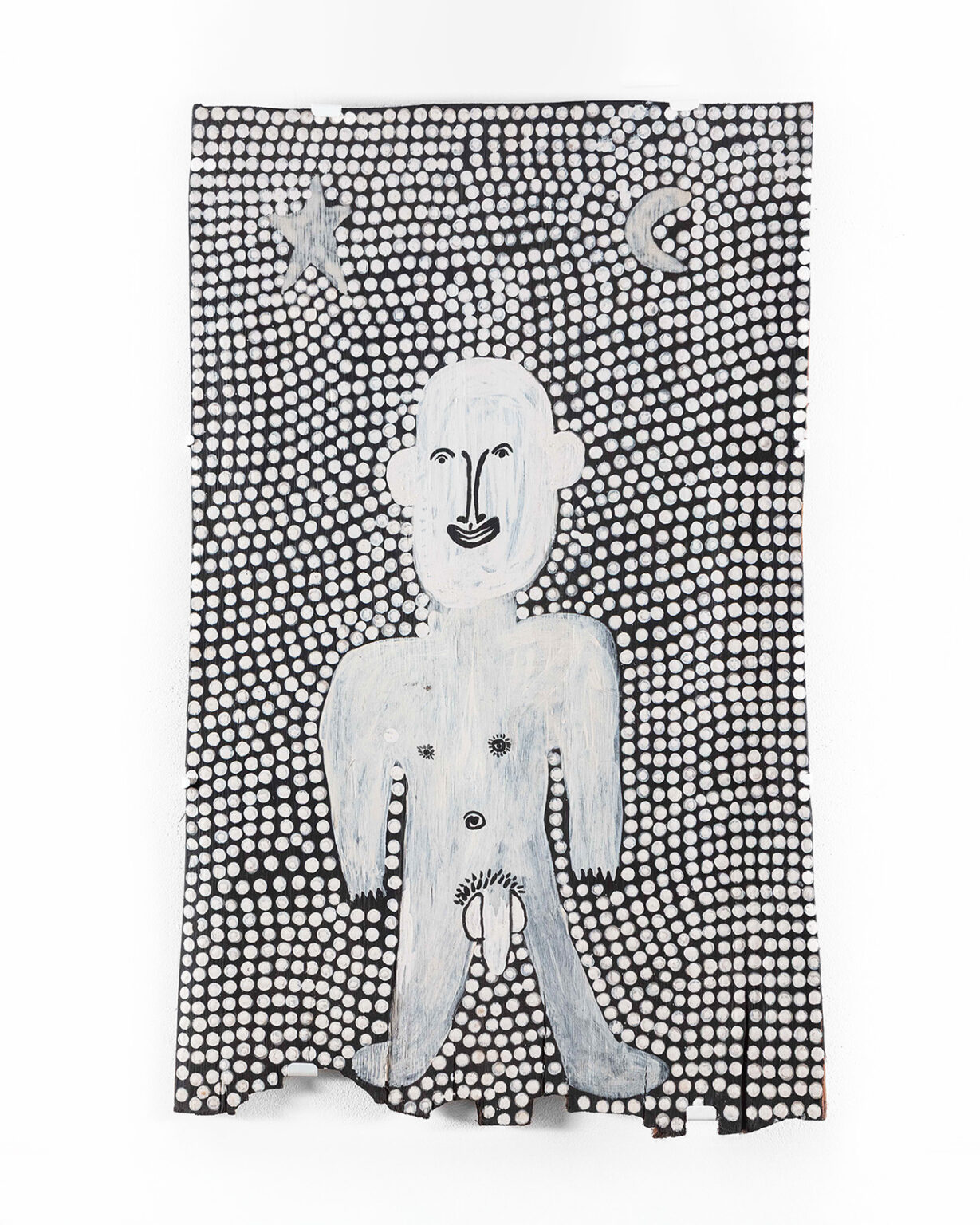
Across his striking monochrome works on bark and canvas, Tipungwuti depicts the celestial figures at the heart of Tiwi ceremonial culture: Japarra, the moon-man who brought mortality into the world, and japalinga, the stars whose ochred forms adorn dancers during ceremony and yoyi. “I paint Japarra because I want to tell that story from long ago – what he did on earth and keep that story going,” says the artist. The story recounts Japarra’s encounter with Purukuparli and Wai-ai, the death of their child, and his ascent to the sky, where his white light reminds the Tiwi people of the cycle of life and death.

“In parlingarri – old time – Japarra saw the family out bush; the baby died from the sun, and Japarra wanted to take him up for three days and bring him back alive. But the father said, ‘Karlu’ – ‘no’. After fighting, Japarra flew up and stayed in the sky to become the moon and look down on the whole world. Now everyone around the world can’t come back; they must follow that father and his son and die when it is their time.”

Rendered in stark black and white, the ancestral moon-man appears, by turns, solemn, playful and elemental; his face endlessly compelling. “Japarra is white – the moon-man has a white body. All the stars are white and the moon is white too,” Tipungwuti explains of his palette, made from white ochre collected on Country at Wurankuwu. “I want to share my story and the story of my painting with people from all over the world.”

A finalist in the 2024 National Emerging Art Prize, Tipungwuti’s work was shown to great acclaim in 2025 at UNSW Galleries in Parlingarri Amintiya Ningani Awungarra: Old and New, curated by José Da Silva with Jilamara Arts.

“In years gone by, there was a strong Tiwi tradition of producing nude figurative ironwood carvings that tell [Japarra’s] story,” writes cultural critic and researcher Tristen Harwood. “Tipungwuti’s paintings draw on these important cultural influences to create innovative works grounded in his knowledge of the old stories and connection to longstanding practices of storytelling.”

Works from Japarra (The Moonman) by Columbiere Tipungwuti will be available to preview and acquire in the lead-up to the show’s opening in February as part of the Sydney Gay & Lesbian Mardi Gras festival. For enquiries, please email dean@michaelreid.com.au
PAINTING NOW | Heath Nock

Posted by

PAINTING NOW | Heath Nock

  • Artist
    Heath Nock
  • Dates
    4—28 Dec 2025
  • Gallery Location
    Eora / Sydney
  • Catalogue
    Download now

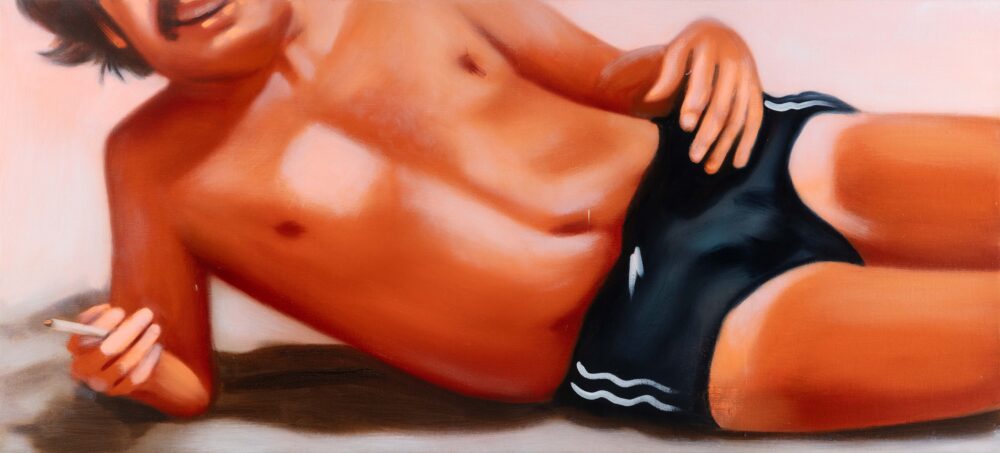
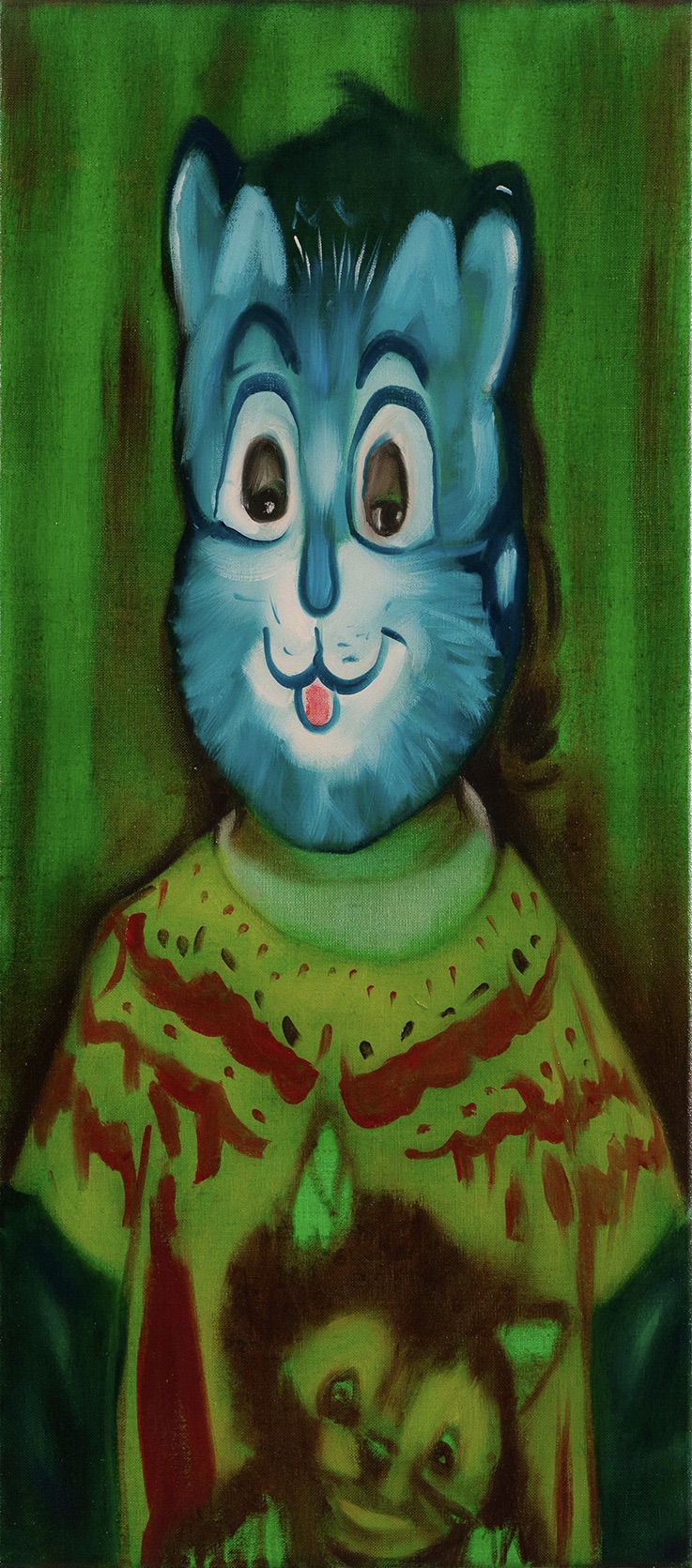
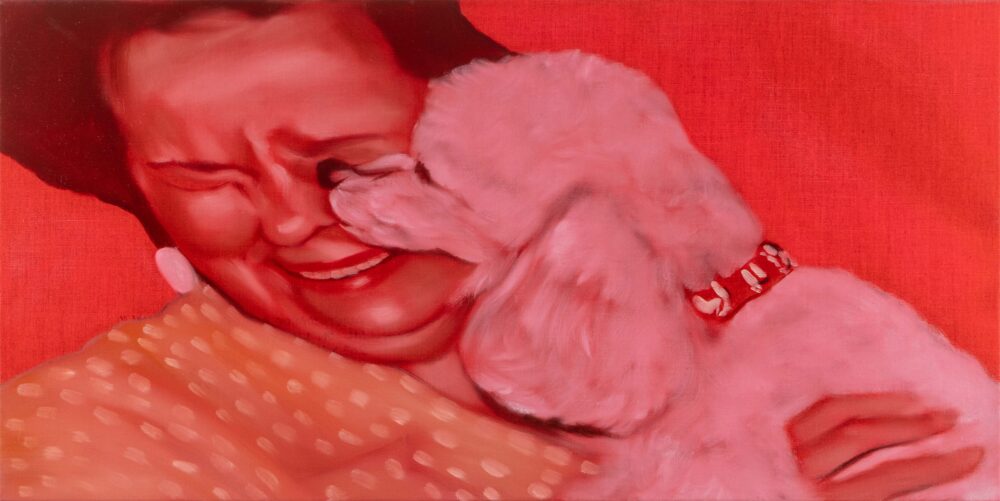
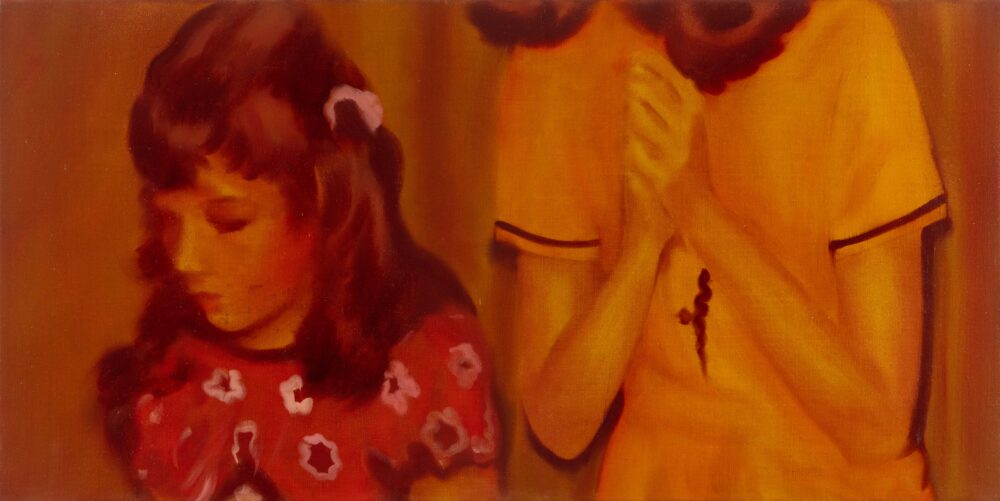
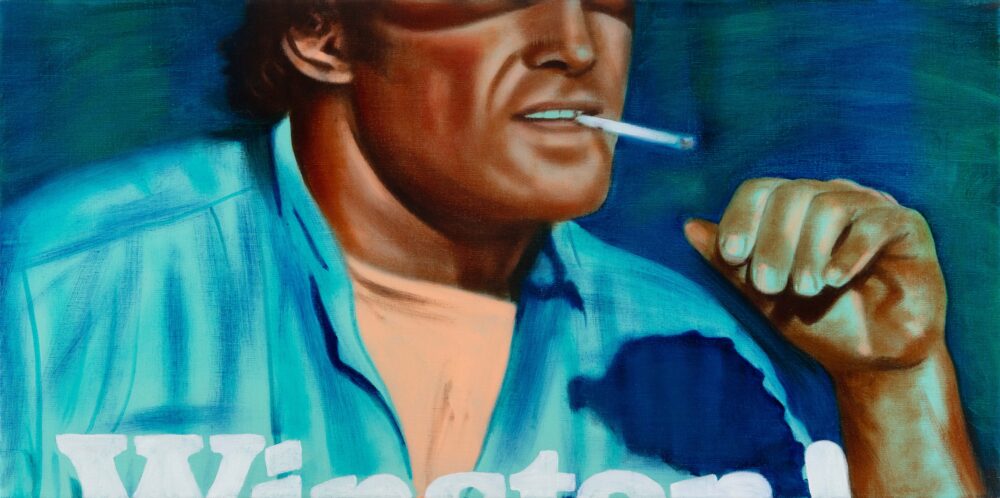
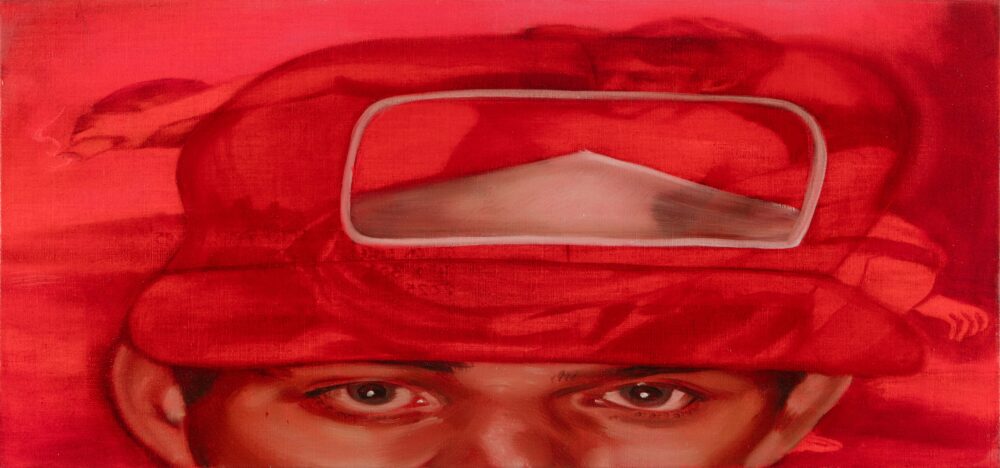
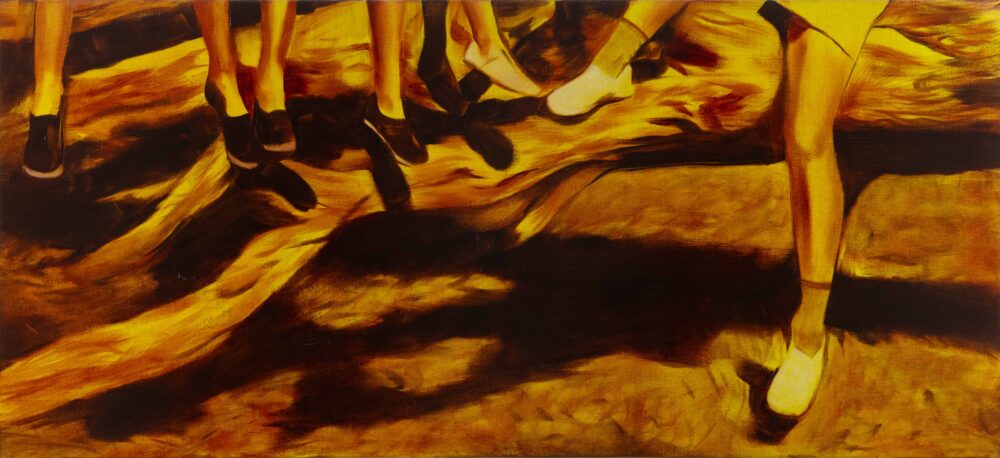
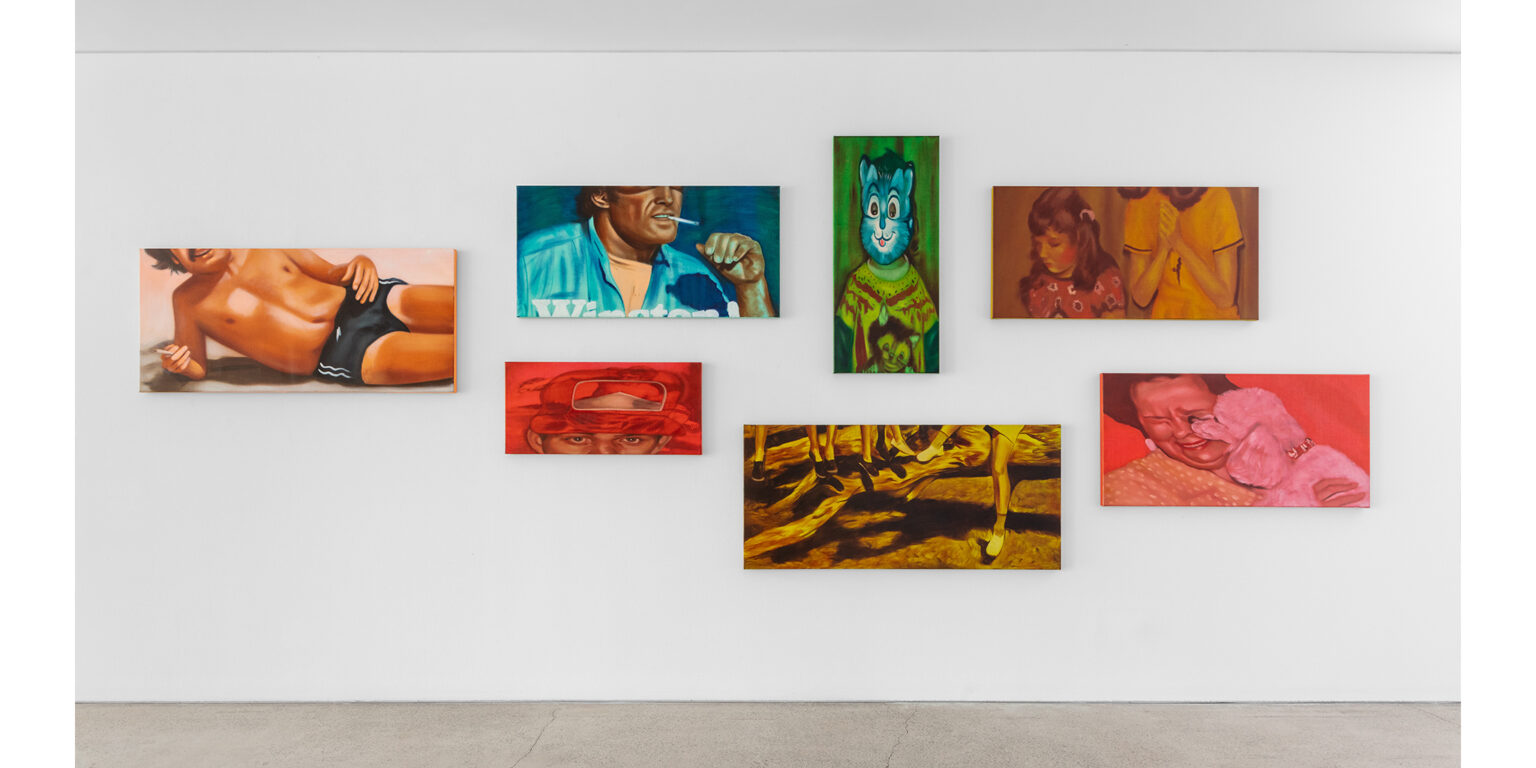
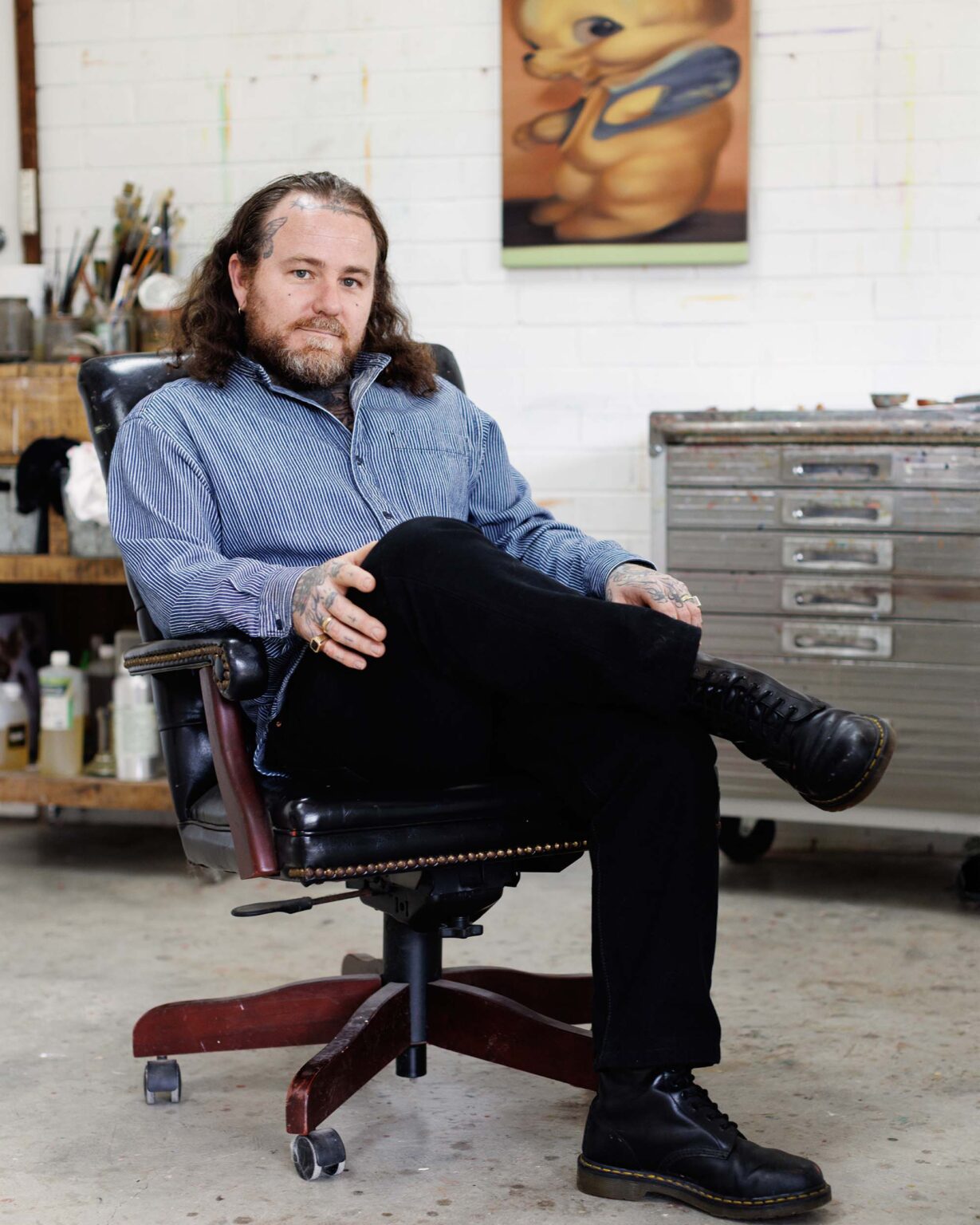
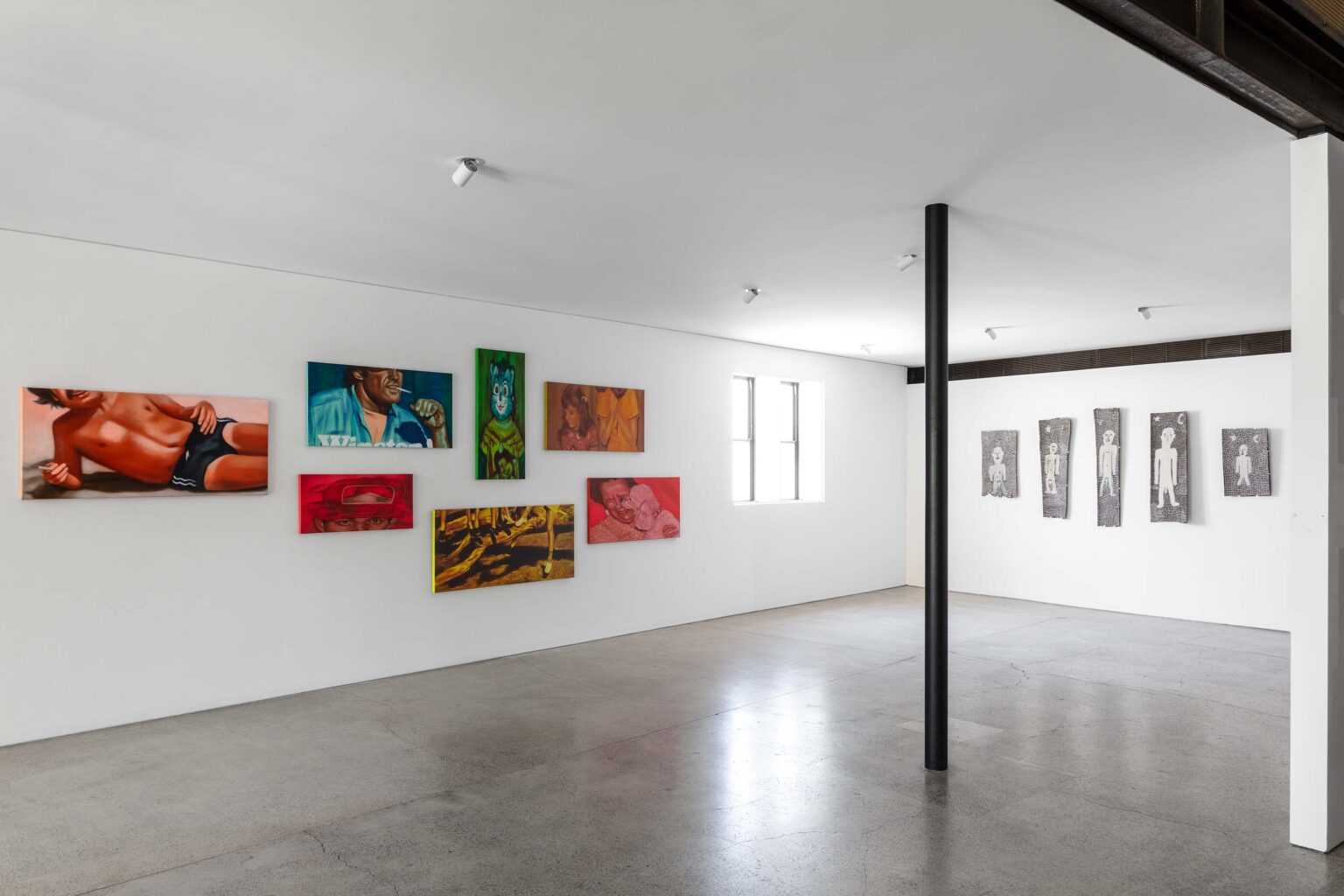
Having trained in the classical tenets of still-life oil painting, Mulubinba/Newcastle-based painter Heath Nock now takes an iconoclast’s approach to the genre, expanding its field of vision to encompass found images from the cultural past and treating this eclectic source material as objects to be observed, dissected and remade with a still-life painter’s eye.

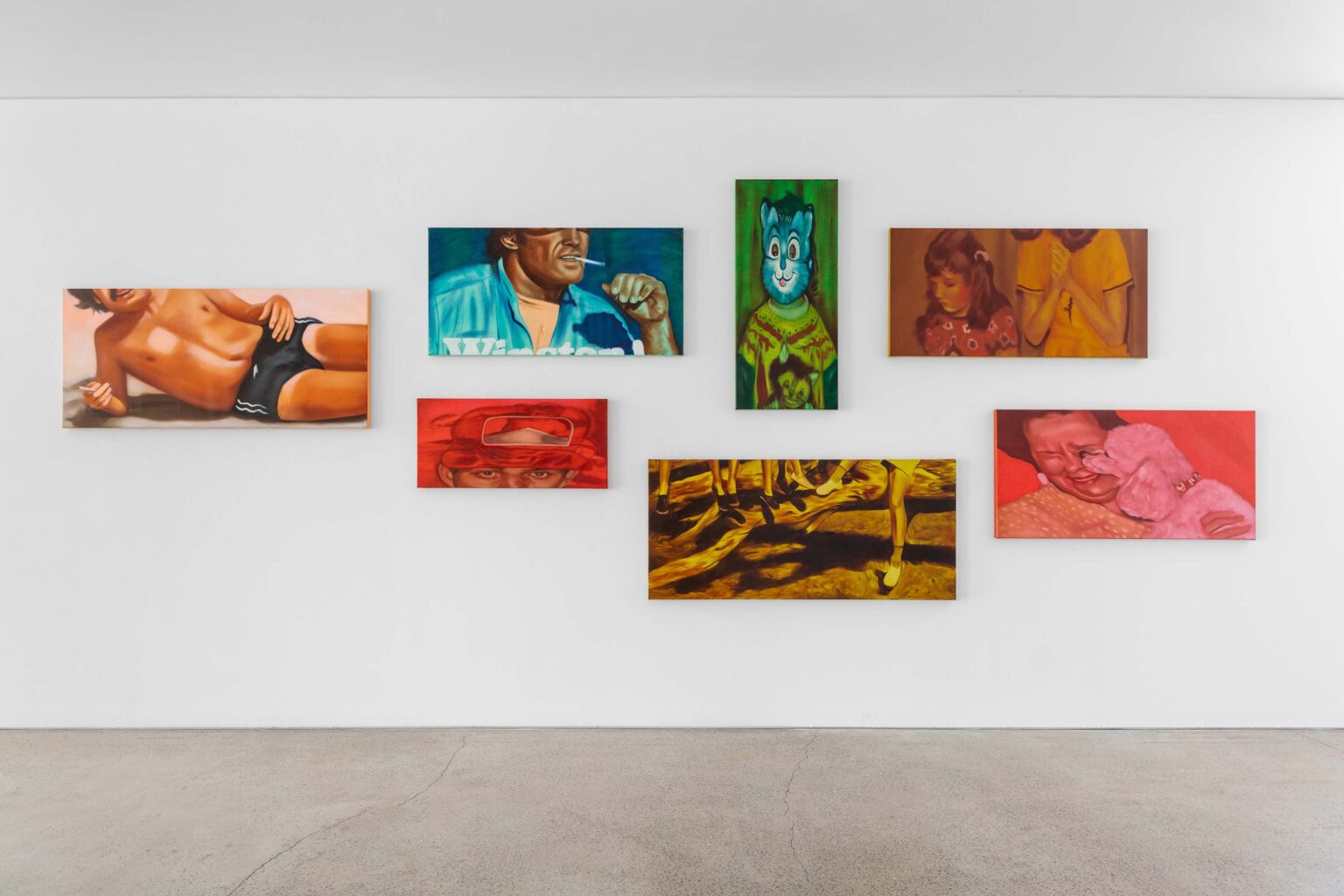
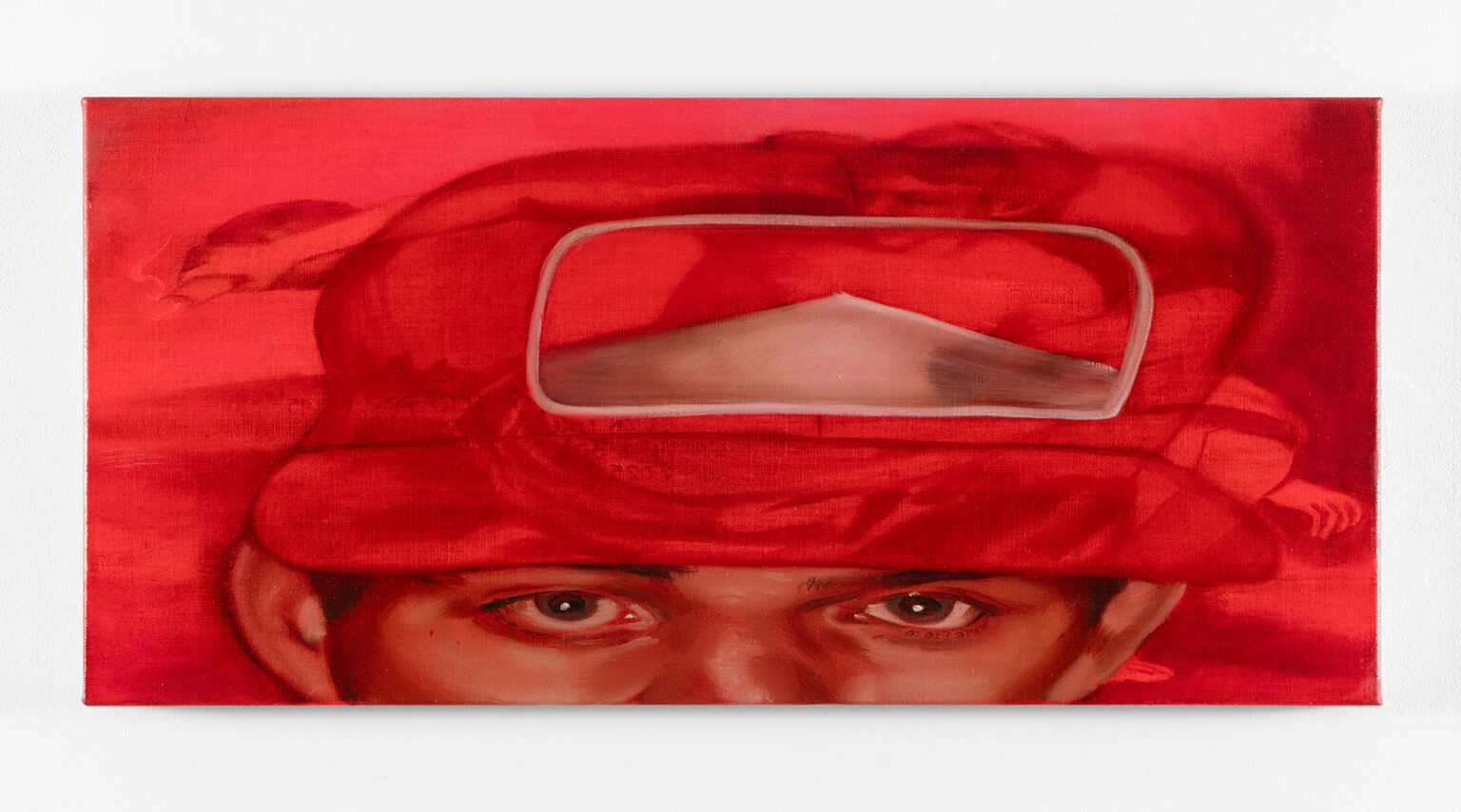
Nock applies the techniques of the Dutch masters to fragments of vintage advertising, old photographs and print ephemera – giving painterly weight to images once fleetingly consumed. “Using photos and advertising, cropping to create a new story with a sense of ambiguity,” he explains, “I want the viewer to question the work and be lost in the moment.”

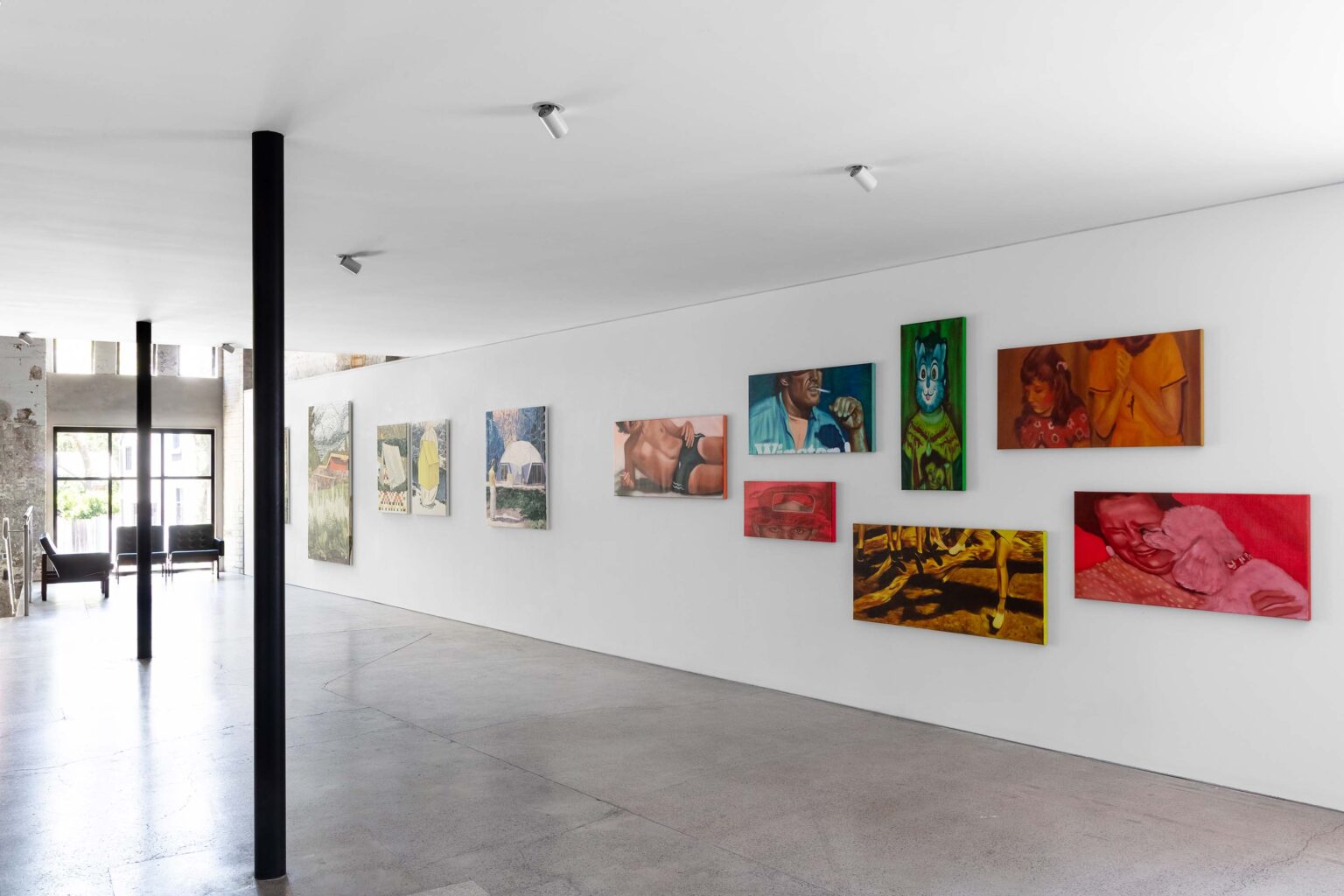
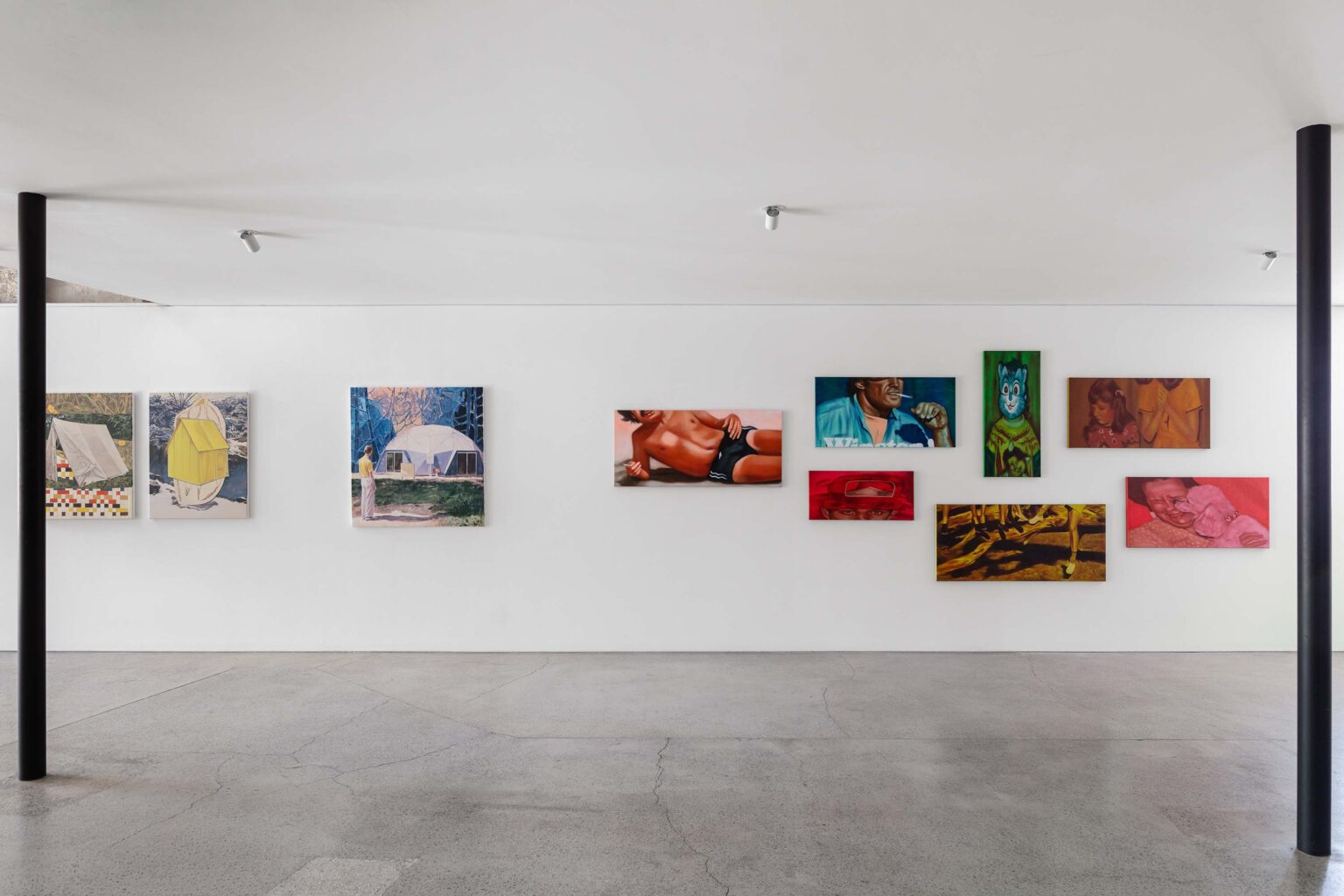
Across his Painting Now series, these reframed relics become the “stuff of life” – playful, nostalgic and laced with irreverence. Nock’s intriguingly cropped, close-up compositions flirt with the language of mid-century magazines and 1970s leisure culture: suntanned bodies hog the frame, childhood snapshots are steeped in a halcyon glow, cigarette models offer a wink of louche, macho laconicism from a time when vice was aspirational. In the artist’s hands, this imagery is both homage and subtle critique – a witty meditation on how masculinity, desire and memory are staged and sold.

Following a landmark year that included a residency in Germany’s prestigious Young Artist Residency Weidingen and an acclaimed exhibition at UTS Gallery, Nock’s first showing with Michael Reid Sydney displays a thrilling expansion of his painterly vocabulary. What begins as an act of appropriation arrives as something more intimate and evocative – a portrait not of the figures he paints, but of the images themselves, newly luminous, transportive and alive.

For enquiries, please email dean@michaelreid.com.au
Explore more from Painting Now HERE.

What were some of your earlier artistic influences?
Skateboard graphics, showground rides, video games, Dutch 17th-century still life paintings and Jackson Pollock. The list continues to grow, but I always refer back to these beginning influences.

What initially drew you to painting and how has your approach developed over time?
I spent a long time as a child in the back of trucks filling in colour-in books. Drawing and painting started as a way to entertain myself and later, a way to explain myself. My love for oil paints began with painting still lifes, and I adopted a lot of techniques that early still life painters used. Over the years, I have developed my own approach to painting with oils, but I’ve always kept the core techniques that the Dutch still life painters used.

What have been some of your favourite career experiences?
This year has been an incredible year for me. It started with Billy Bane including me in the “You’re Welcome” show at UTS, which had a stellar line-up of artists. I had a one-month residency in Germany this June at the Young Artist Residency Weidingen, where the Max Hetzler Foundation and Friedrichs Foundation have some of their brilliant collections and gallery spaces. Ending the year showing at Michael Reid Sydney is a huge honour and caps off a busy and beautiful year.

Could you tell us about the body of work you have created for Painting Now?
Using photos and advertising, cropping to create a new story with a sense of ambiguity. Images that resemble the past with a feeling of nostalgia. Colours that are reminiscent of 35mm film photos and vintage slides.

Is there a narrative or throughline in your Painting Now series?
There is not a direct narrative, but they do have a socially political undertone. I don’t force this, but it subconsciously appears in the work. I want the viewer to question the work and be lost in the ambiguity of the moment.

Could you describe the series in a few words?
A life lived.

PAINTING NOW | Dhukumul Wanambi

Posted by

PAINTING NOW | Dhukumul Wanambi

  • Artist
    Dhukumul Wanambi
  • Dates
    4—28 Dec 2025
  • Gallery Location
    Eora / Sydney
  • Catalogue
    Download now

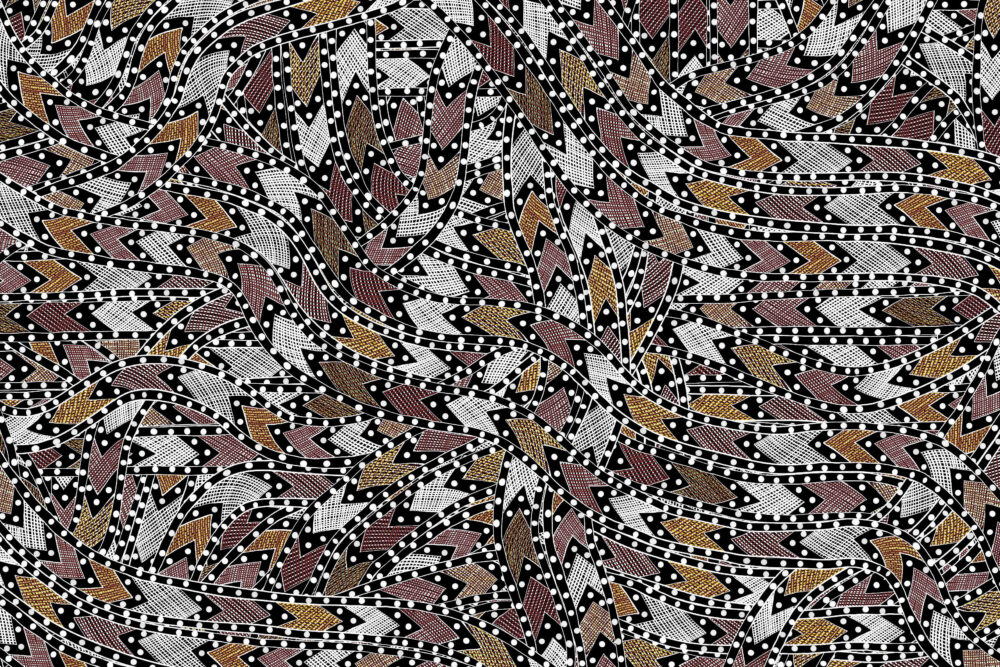
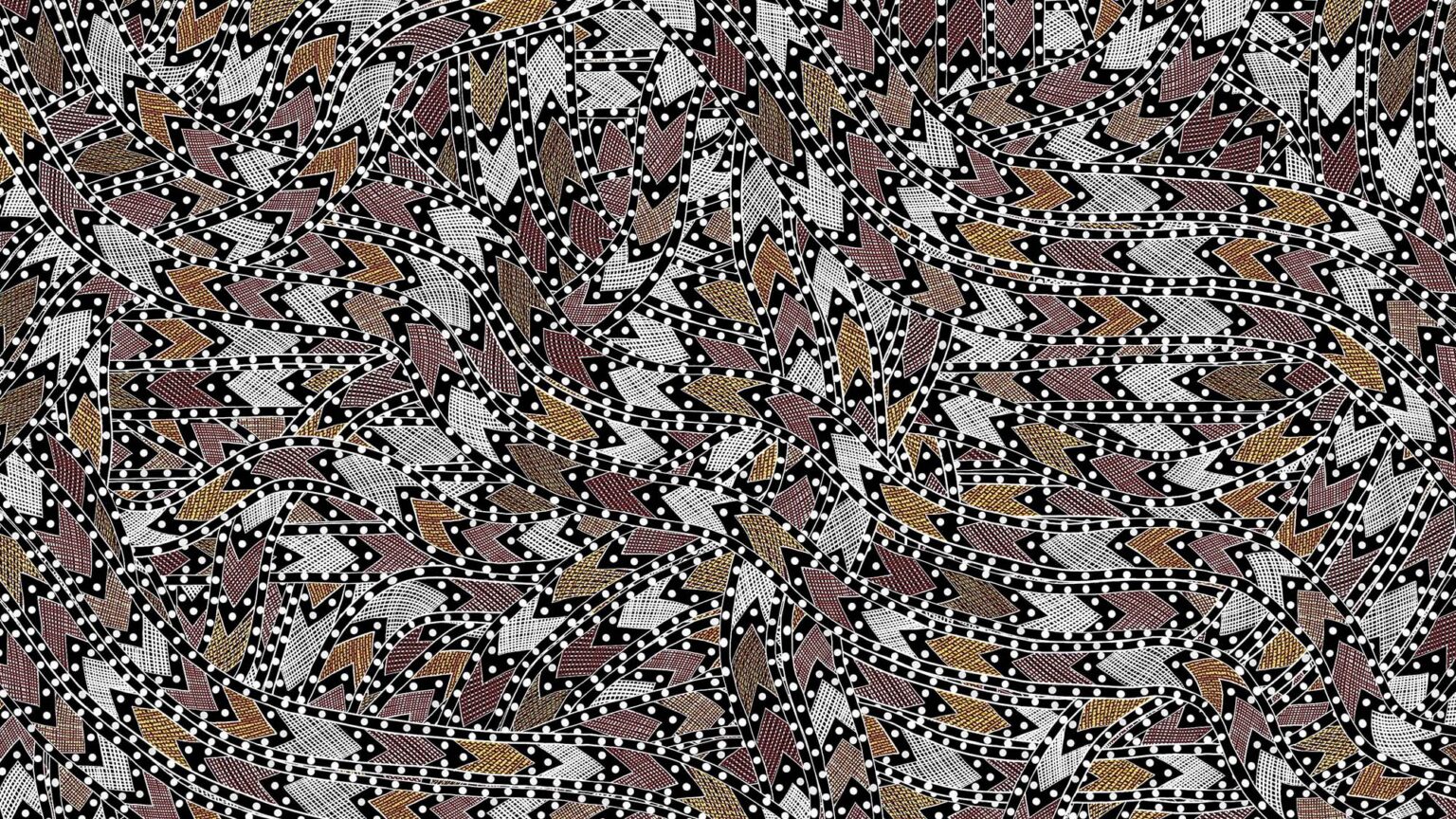
Yirrkala-based artist Dhukumul Waṉambi brings ancestral songlines into motion with Marrakulu Monuk – an animated digital painting that translates her clan’s sacred saltwater miny’tji into luminous, swirling form. “Instead of painting Marrakulu Monuk onto bark with ochres, I wanted to make it digital while staying true to our traditions,” says the artist, who works as a filmmaker and digital artist with The Mulka Project.

Using a self-made digital brush that mimics the fine marwat of Yolŋu bark painting, Waṉambi animates the infinite movement of her Marrakulu homeland’s waters at Gurka’wuy. “My father inspired me to make paintings like this,” she notes of the late artist and cultural leader Mr Waṉambi. “He was the first to take miny’tji that are normally painted onto bark and burial poles, and make them move.”

By transposing cultural knowledge and a time-honoured visual language into the digital realm, Waṉambi continues her father’s legacy of artistic innovation – a mantle shared by her sister, award-winning contemporary artist Gaypalani Waṉambi – and embodies the experimental spirit of Painting Now.

For enquiries, please email dean@michaelreid.com.au
Explore more from Painting Now HERE.

What were some of your earlier artistic influences?
My whole family are artists. My mother’s father, and her aunties and grandfather, were all artists. My father and his father, and all my aunties on my dad’s side, were artists too. For myself, I took on my father’s side of the moiety, so that means that I am only to paint what my Marrakulu clan’s designs are. I represent my minytji (clan designs) differently, and show to other Yolŋu artists so that they can see what you can do with minytji designs – not just using paint and bark.

What initially drew you to painting/digital art and how has your approach developed over time?
My father, Mr Wukun Waṉambi, inspired me to make art. I saw how he used digital technology to animate his minytji of the wakun (mullet fish). Animation gave life to the minytji. The themes and style of my artwork are based on my clan’s minytji that my Marrakulu clan have always painted onto bark with ochres. I use these designs as a foundation for my ideas. If I feel tired of my minytji, I start fresh, painting with a digital brush on a tablet in Photoshop – the same design, but different style and colours.

What have been some of your favourite career experiences?
The artwork that I loved creating was Gurka’wuy, which represented the sacred rock in Gurka’wuy Bay, surrounded by the saltwater. It got an honourable mention at the NATSIAA 2024. It felt good creating that artwork.

Could you tell us about the artwork Marrakulu Monuk that will be exhibited at Painting Now 2025?

Marrakulu Monuk represents the saltwater at my homeland of Gurka’wuy. This saltwater belongs to my Marrakulu clan. Instead of painting Marrakulu Monuk onto barks with ochres, I wanted to make it digital while staying true to our traditions. Using Photoshop and a tablet, I painted this minytji using the ochre colours of my father’s bark paintings, and I made a digital brush to be like marwat, the handmade, thin-hair brush Yolŋu artists use. I then animated our minytji using many techniques to show the infinite swirling motion that occurs in our clan’s saltwater at Gurka’wuy.

Where did you begin with these paintings, and what were some of the ideas and experiences that shaped them?
My father inspired me to make paintings like this. He was the first to take minytji that are normally painted onto barks and burial poles and make them move. So he gave me the idea, by looking at his artwork. His vision motivated me to use digital technology with our Marrakulu minytji.

The name of Marrakulu Monuk is Gudultja. There is a story about Gudultja and Wulamba, who is the mari’mi gapu (grandmother saltwater). The story is that these two saltwaters sit together and is a metaphor for the grandchild and grandparent relationship – how they care for each other and are always there for one another.

I enjoy and feel comfortable using digital technology to create my artwork. In the future I will keep creating artwork this way and show the world what Yolŋu art looks like animated.

How do you hope viewers will engage with Marrakulu Monuk?
Some people will understand, or maybe not, how important it is to Yolŋu that every clan has their own sacred designs. We only paint our clan’s minytji. From our great-great grandparents to the younger generations, the knowledge is passed on to the young from the past. I would like to continue doing artwork like this in the future, to show and teach other Yolŋu artists – inspire them to learn and bring their clan’s minytji to life.

PAINTING NOW | Columbiere Tipungwuti

Posted by

PAINTING NOW | Columbiere Tipungwuti

  • Artist
    Columbiere Tipungwuti
  • Dates
    4—28 Dec 2025
  • Gallery Location
    Eora / Sydney
  • Catalogue
    Download now

Columbiere Tipungwuti paints the celestial figures of Tiwi ceremonial culture – Japarra, the moon-man who brought mortality to the world, and japalinga, the stars whose ochred forms adorn dancers’ bodies in ceremony and yoyi. “I paint Japarra because I want to tell that story from long ago – what he did on earth and keep that story going,” says the artist. The story tells of Japarra’s fateful encounter with Purukuparli and Wai-ai, which led to the death of their child and Japarra’s ascent to the sky, where his white light reminds the Tiwi people of the cycles of life and death.

“In parlingarri – old time – Japarra saw the family out bush; the baby died from the sun, and Japarra wanted to take him up for three days and bring him back alive. But the father said, ‘Karlu’ – ‘no’. After fighting, Japarra flew up and stayed in the sky to become the moon and look down on the whole world. Now everyone around the world can’t come back; they must follow that father and his son and die when it is their time.”

On bark and canvas, Tipungwuti renders the ancestral moon-man in stark black and white, his face striking, solemn and compelling. “Japarra is white – the moon-man has a white body. All the stars are white and the moon is white too,” he explains of his elemental palette, made from white ochre gathered on Country at Wurankuwu.

“I want to share my story and the story of my painting with people from all over the world,” says Tipungwuti, who also has a background in dance – performing ballet in Sydney in the 1980s and yoyi on the Tiwi Islands.

A finalist in the 2024 National Emerging Art Prize, Tipungwuti showed his paintings to great acclaim this year at UNSW Galleries in Parlingarri Amintiya Ningani Awungarra: Old and New, a widely celebrated exhibition curated by José Da Silva with Jilamara Arts. In Painting Now, Tipungwuti continues this lineage, transforming Tiwi creation stories into powerful, luminous images that bridge earth, sky and spirit.

“In years gone by, there was a strong Tiwi tradition of producing nude figurative ironwood carvings that tell [Japarra’s] story,” writes cultural critic and researcher Tristen Harwood. “Tipungwuti’s paintings draw on these important cultural influences to create innovative works grounded in his knowledge of the old stories and connection to longstanding practices of storytelling.”

For enquiries, please email dean@michaelreid.com.au
Explore more from Painting Now HERE.

What were some of your earlier artistic influences?
My close family did not paint, but when I grew up I was thinking about that story Purukuparli, Wai-ai and Jinani (Tiwi Creation Story) when they were out bush. When Jilamara opened in 1989 I started painting here. I have lived at Pirlangimpi and painted at Munupi Arts in between, but still going here at Jilamara.

What initially drew you to painting and how has your approach developed over time?
When both Tiwi people and murrintawi (non-Tiwi people) ask me why you doing this Japarra (moonman) painting I tell them that this is my story. Japarra offered to bring that baby back to life after three days, but because the father (Purukuparli) of the son (Jinani) said “no”, we all have to follow that baby and die when it is our time.
What have been some of your favourite career experiences?
When I decide to stop in Milikapiti and work at Jilamara full-time and not move around so much between the communities on the islands – Garden Point (Pirlangimpi) and Nguiu (Wurrumiyanga). Then I started making Japarra paintings and it has gone on from there. Last month I did my first Jilamara trip to Sydney and danced at the opening at UNSW.

Could you tell us about the body of work you have created for Painting Now?
I’ve been working on my painting for a long time, but the Japarra (moonman) painting I make now is from the last couple of years. I now only use white ochre because Japarra – the moonman – is white and the stars are white too.

Is there a narrative or throughline in your Painting Now series?
The story of the painting is from parlingarri (old time) when there were no cars or houses on the land. The story is of Japarra when he saw the family Purukuparli, Wai-ai and Jinani when he was out bush. Then he went away with that woman and her son Jinani died from the sun. He then fought with the father one. Japarra, he wanted to bring the baby back to life, take him up for three days and bring him back alive, but the father said “Karlu” – “no”. After a while they were fighting and Japarra flew up and stayed up in the sky to become the moon and look down on the whole world. So now everyone all around the world can’t come back, they have to follow that father and his son and die when it is their time.

How do you hope viewers will engage with your work in Painting Now?
I want murrintawi (non-Tiwi people) to look at that painting and learn about the story about long time ago on the Tiwi Islands. I want to share that story with the world.

I want to share my story and the story of my painting with people from all over the world. I haven’t always been a painter. I’ve also been a dancer. Ballet dancer in Sydney in the 1980s and also a dancer here on the Tiwis – my totem is Jarranga (buffalo) and I dance this at ceremonies. Now I am a painter and can share my story through my Japarra (moonman) paintings.

Join our mailing list
Interests(Required)
REGISTER YOUR INTEREST:
This field is hidden when viewing the form
Artist
This field is hidden when viewing the form
Centres
This field is hidden when viewing the form
Interests