



MICHAEL REID BEYOND
Stephanie Tabram
ARTIST PROFILE
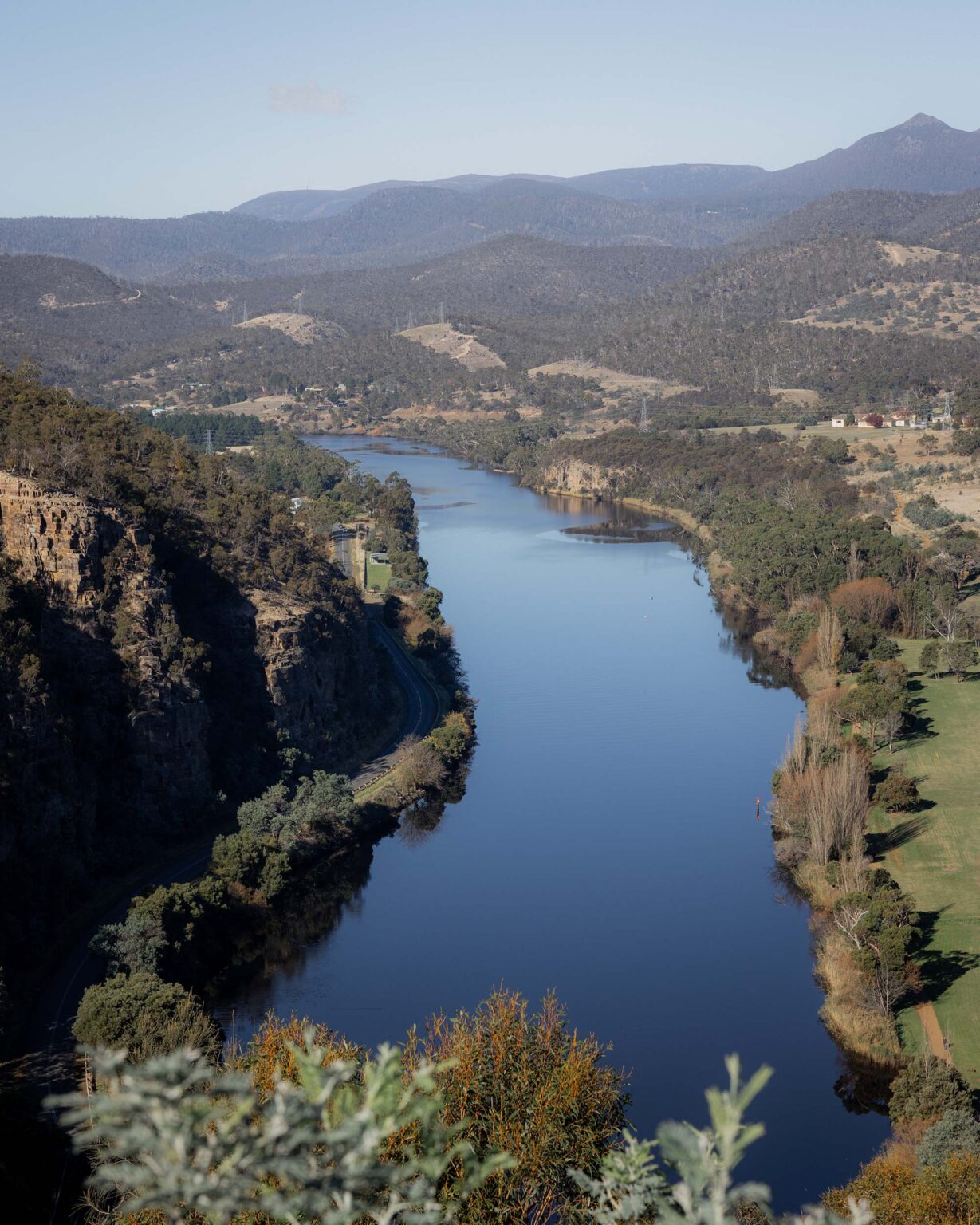
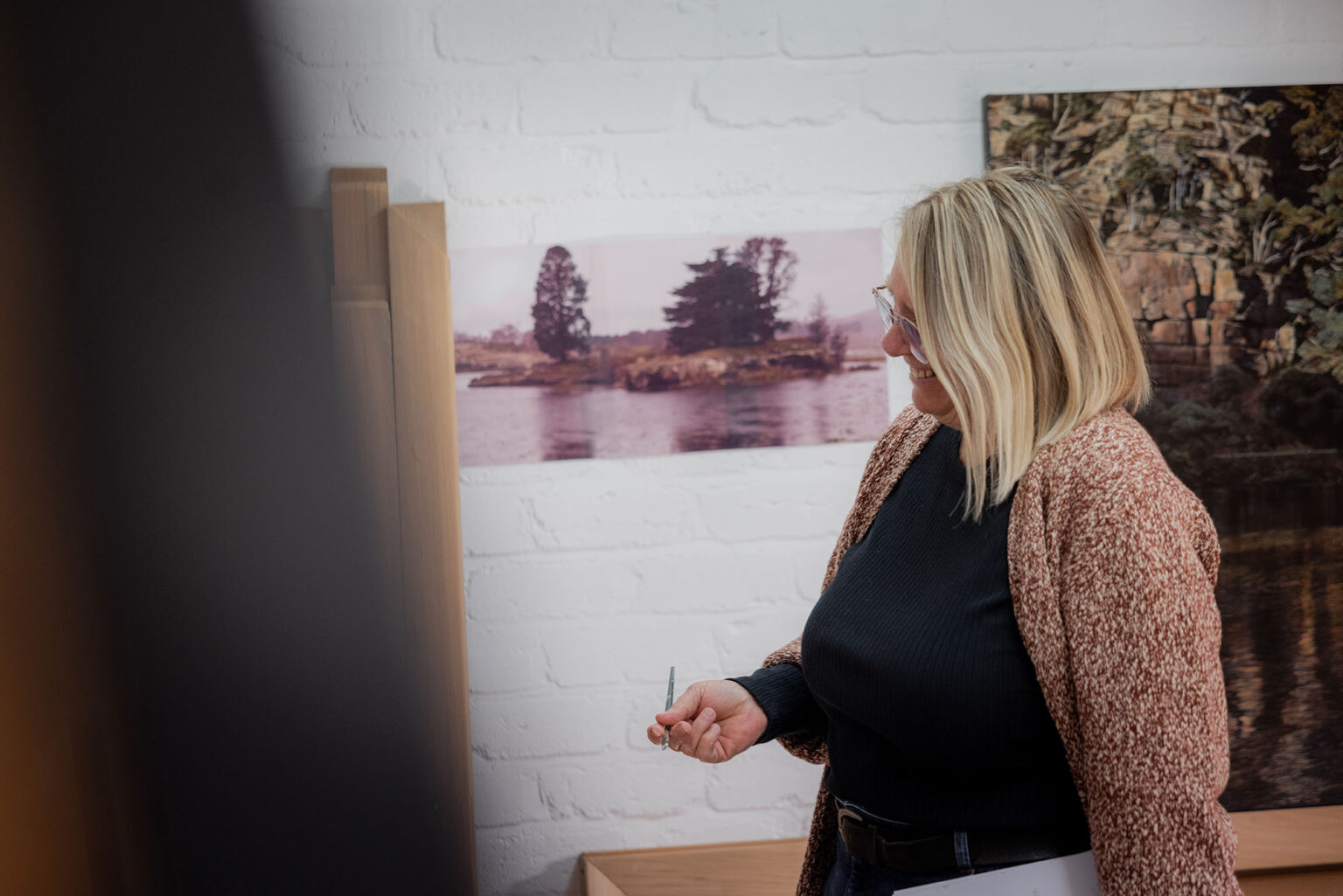
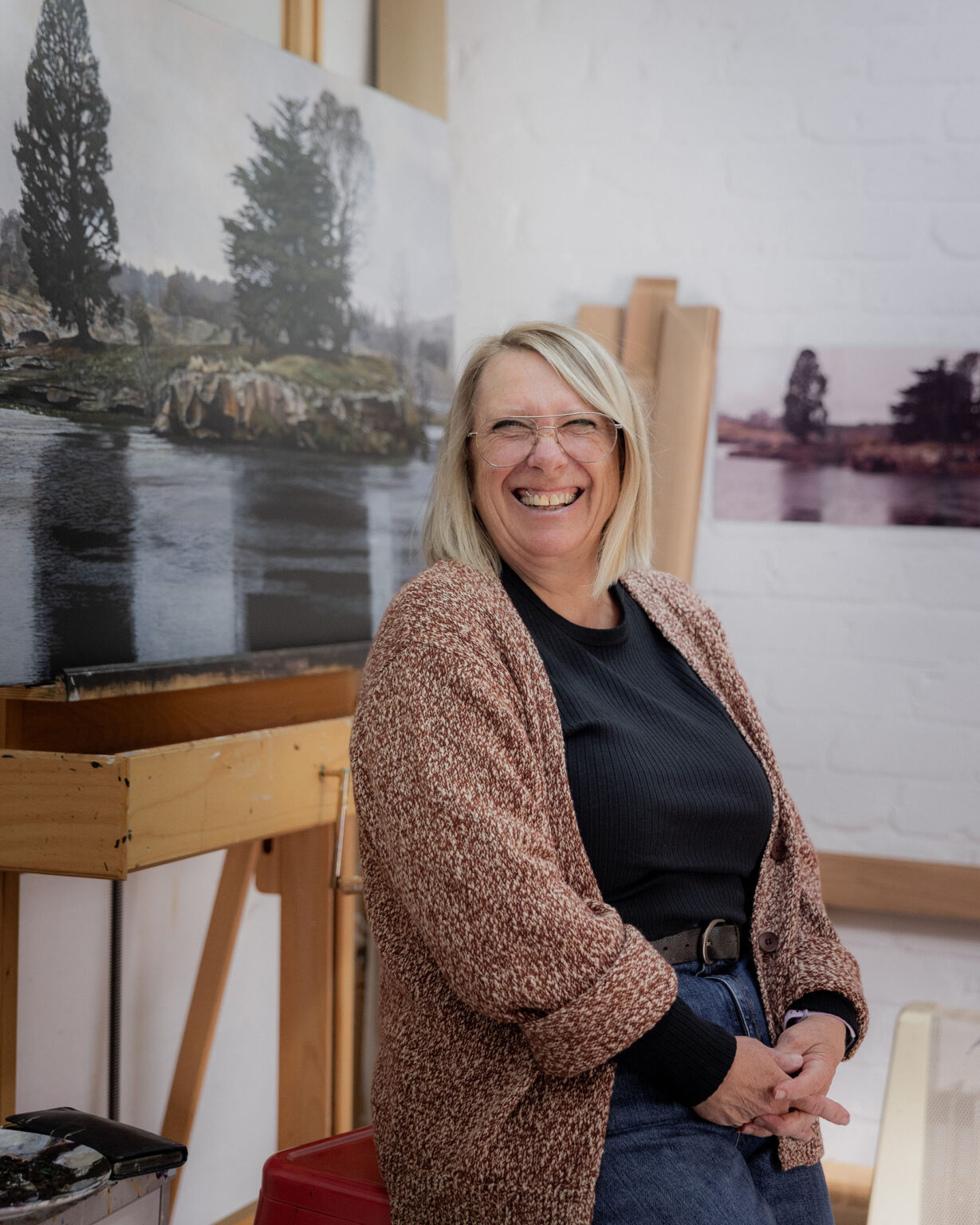
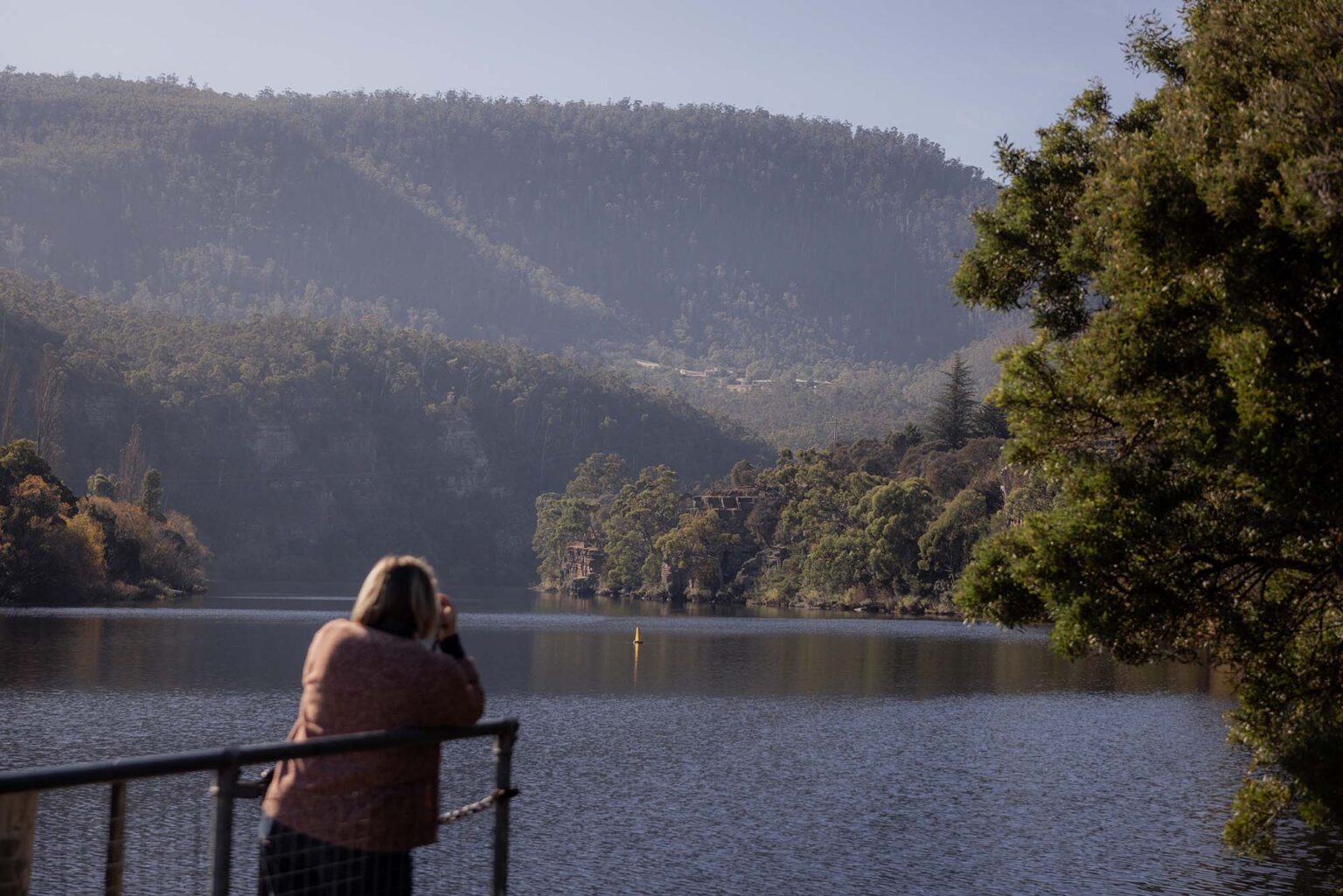
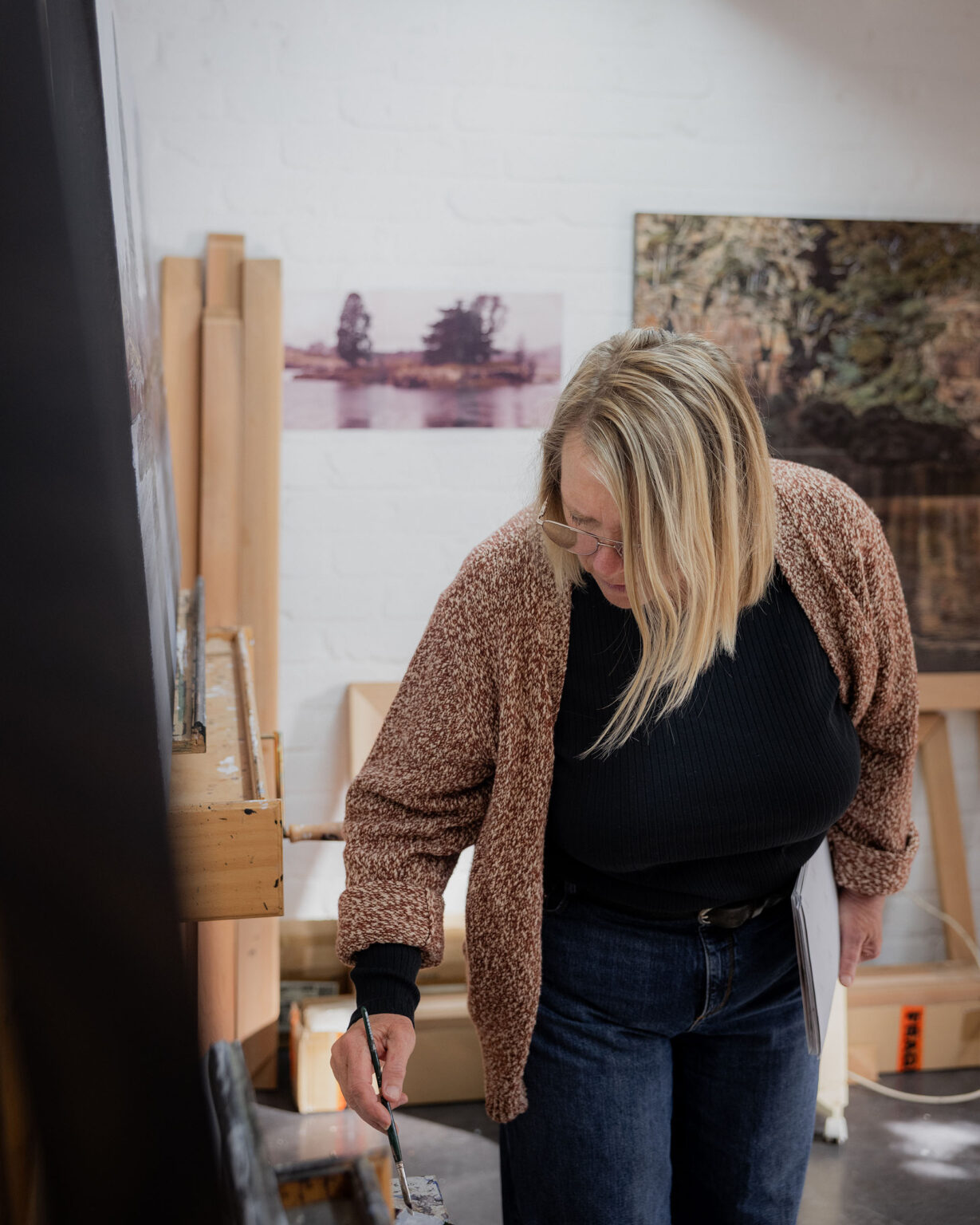
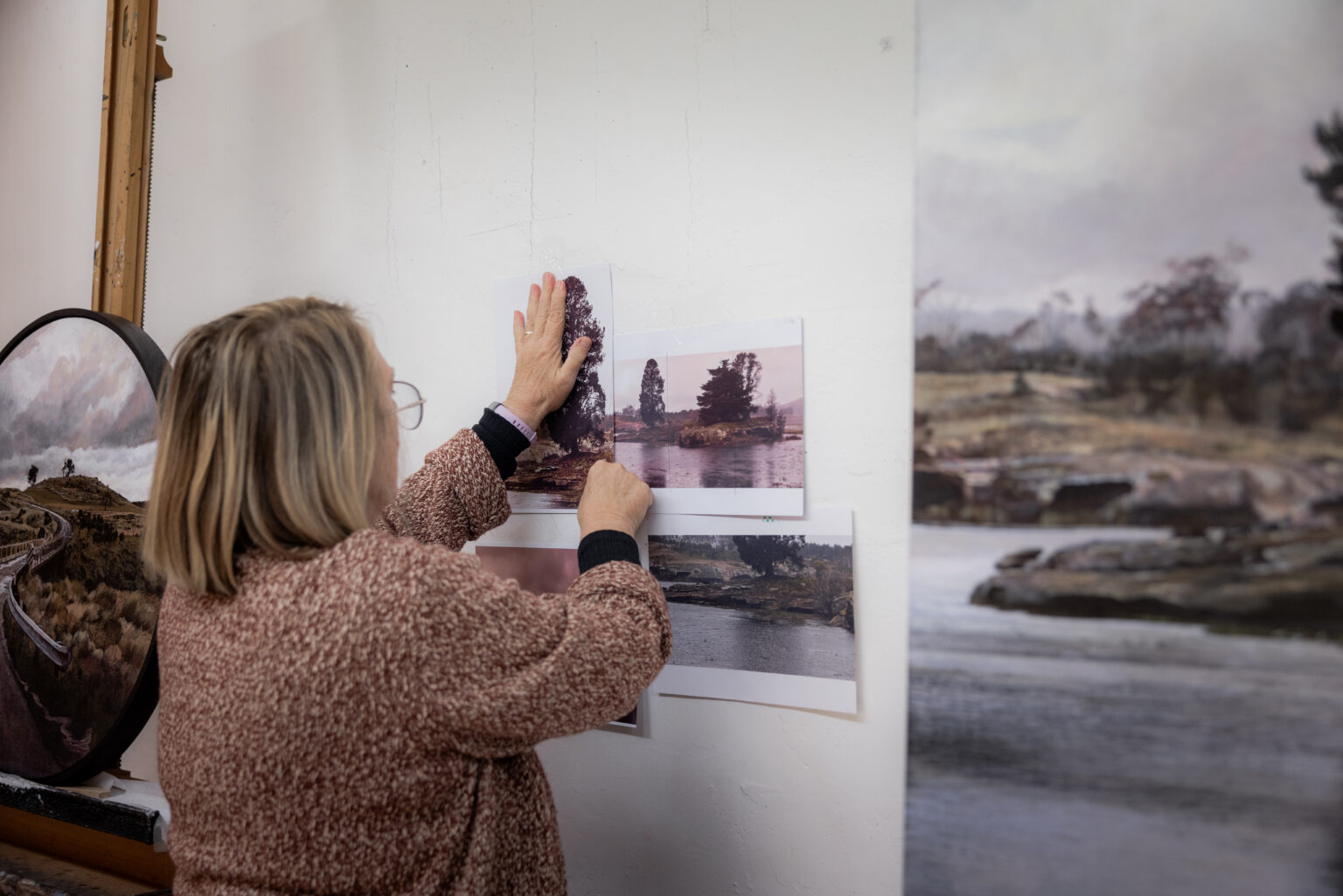
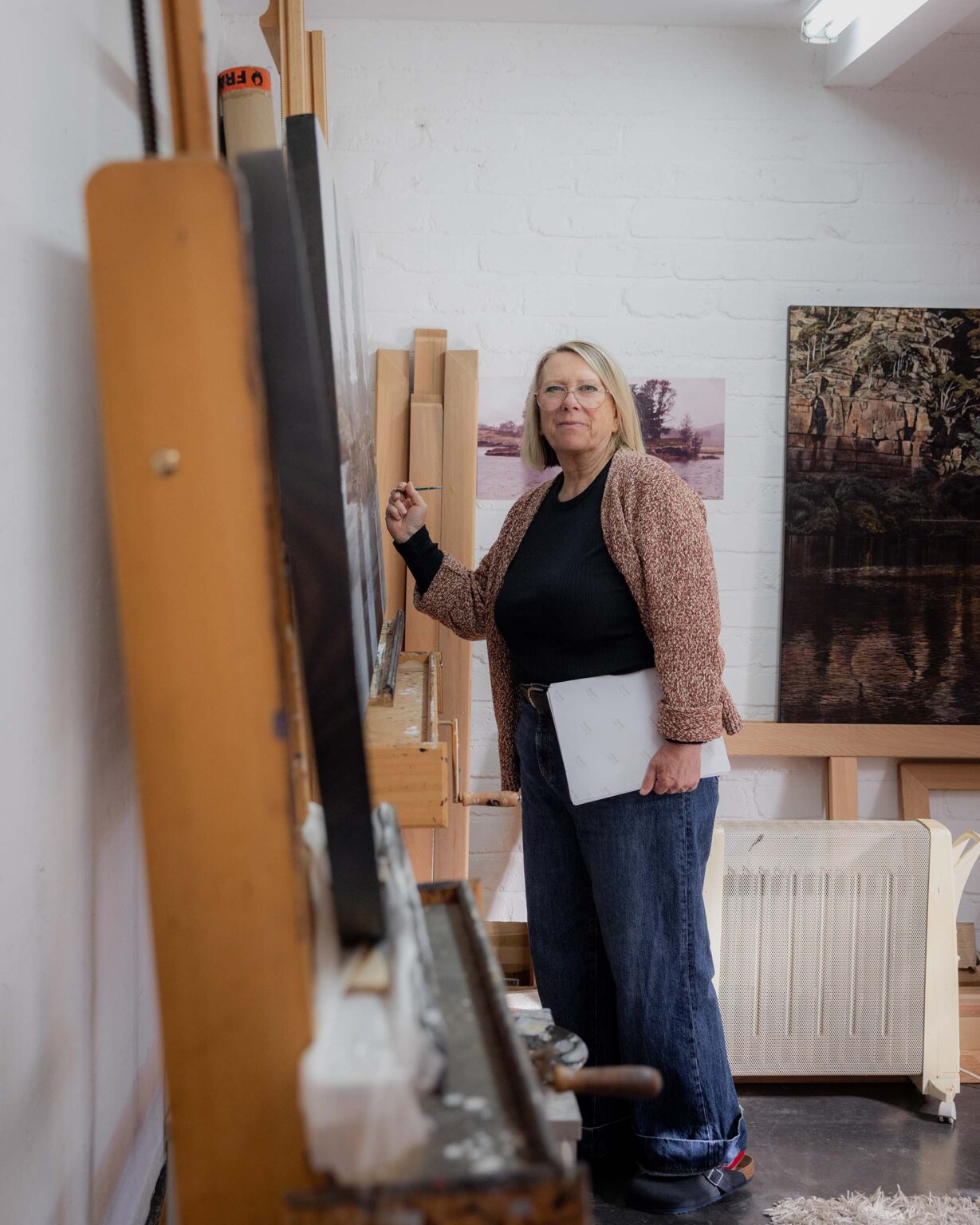
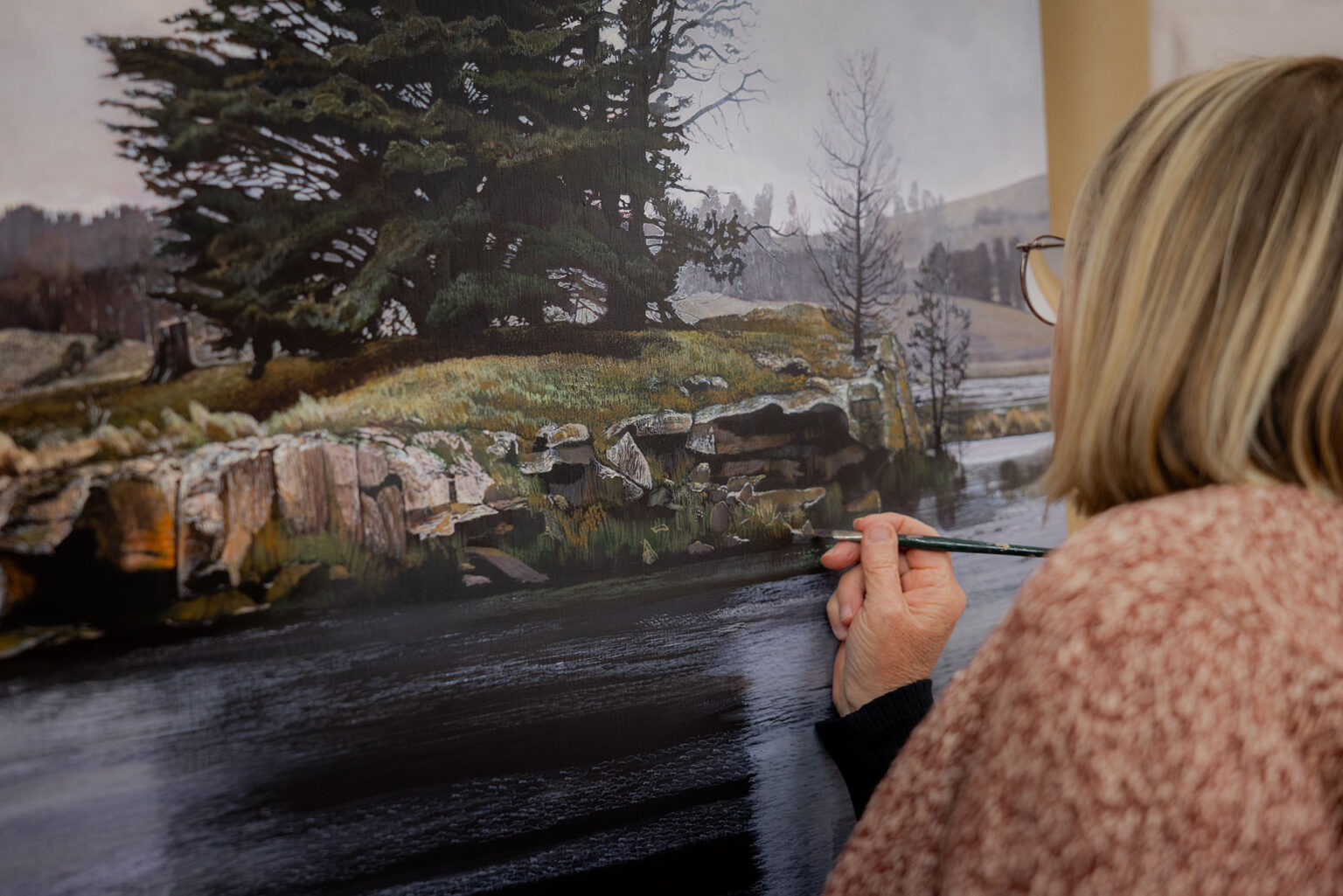
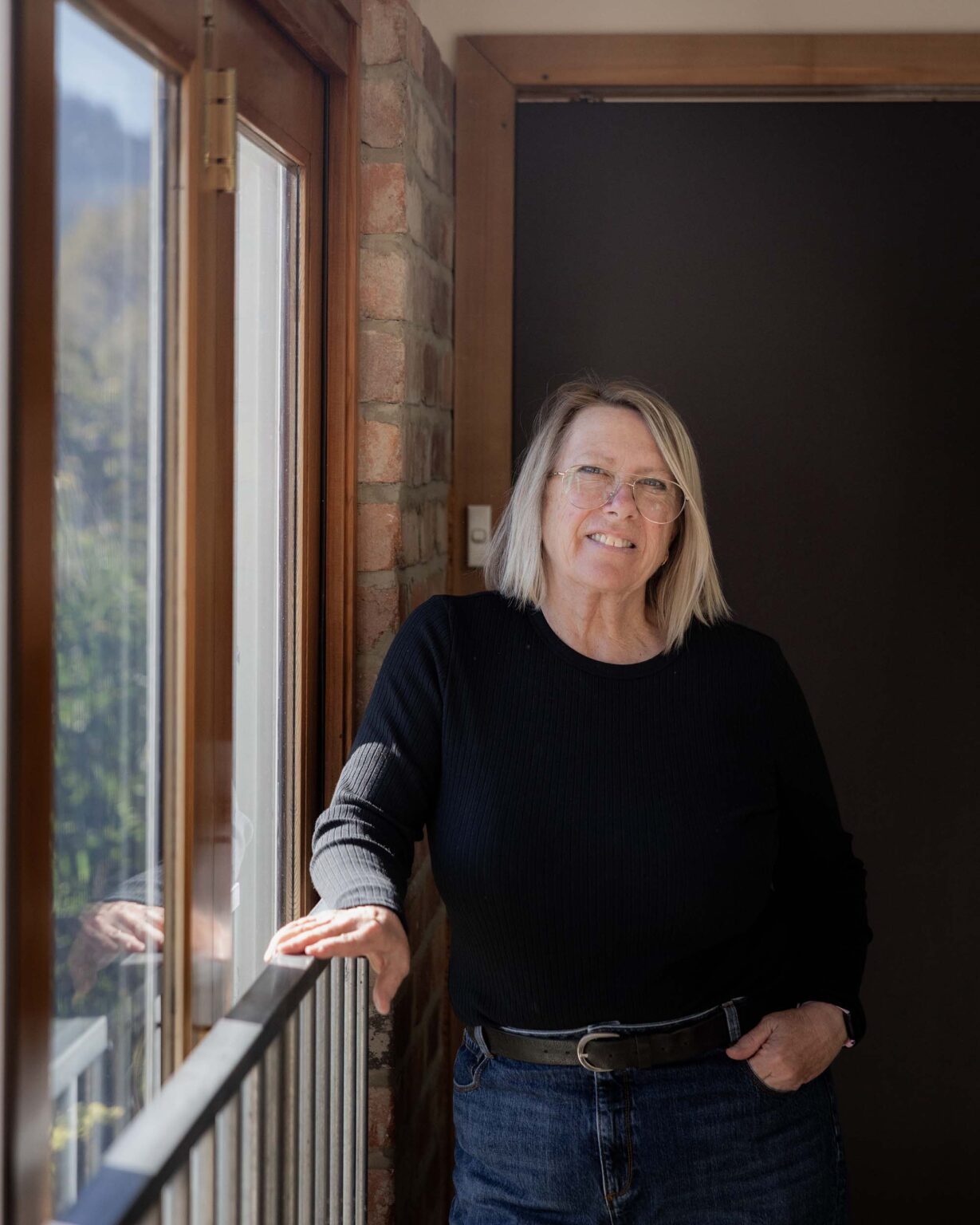
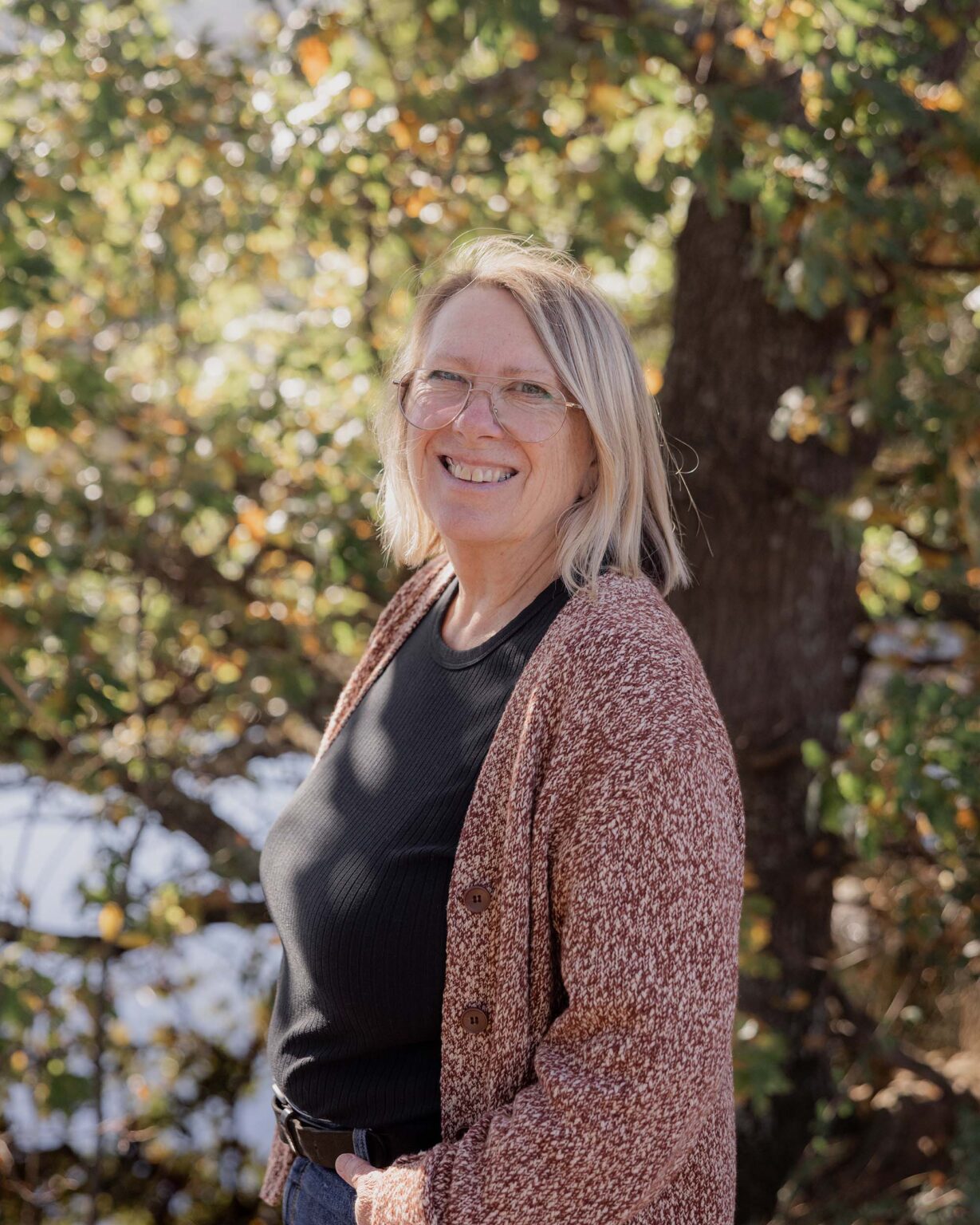
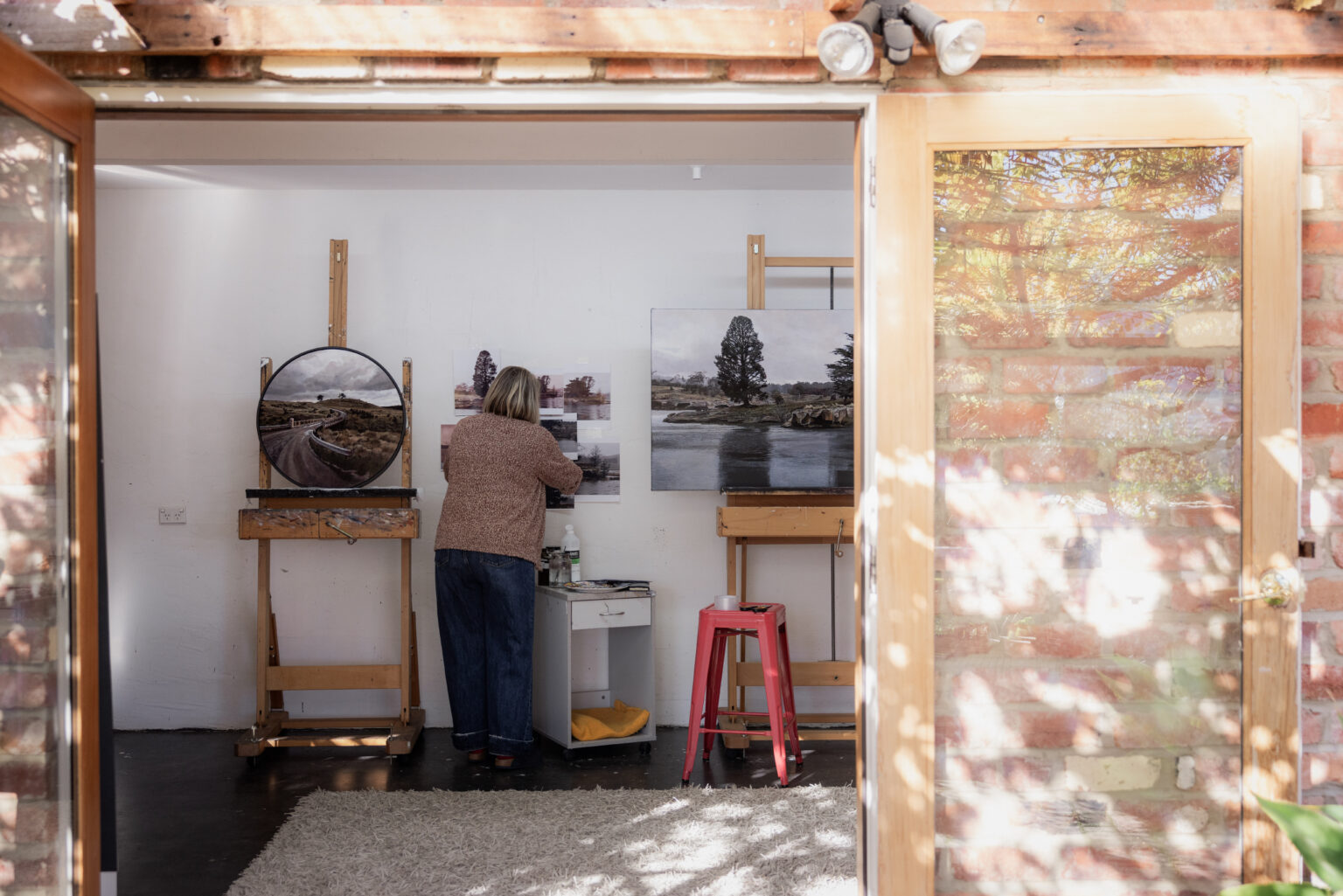
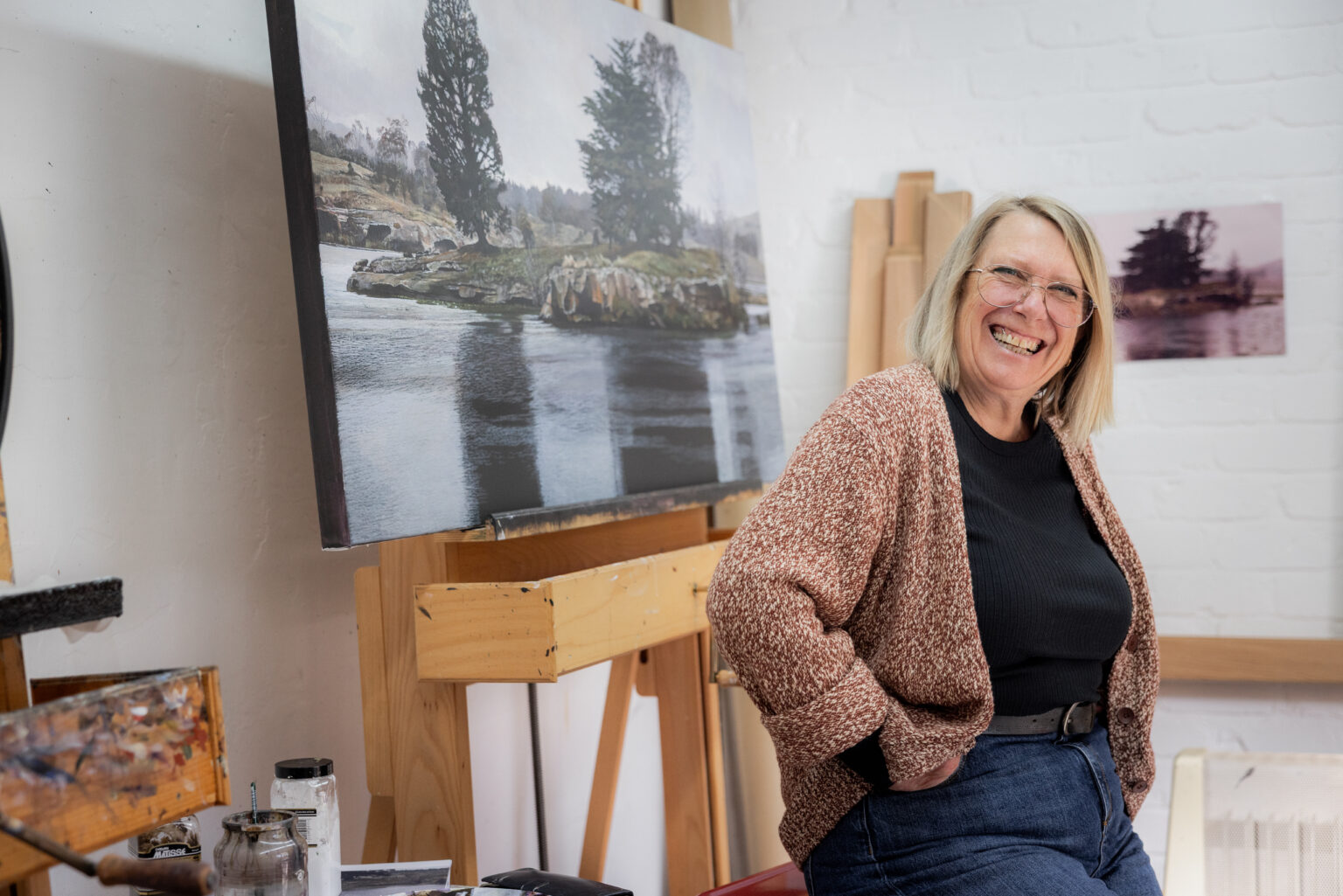
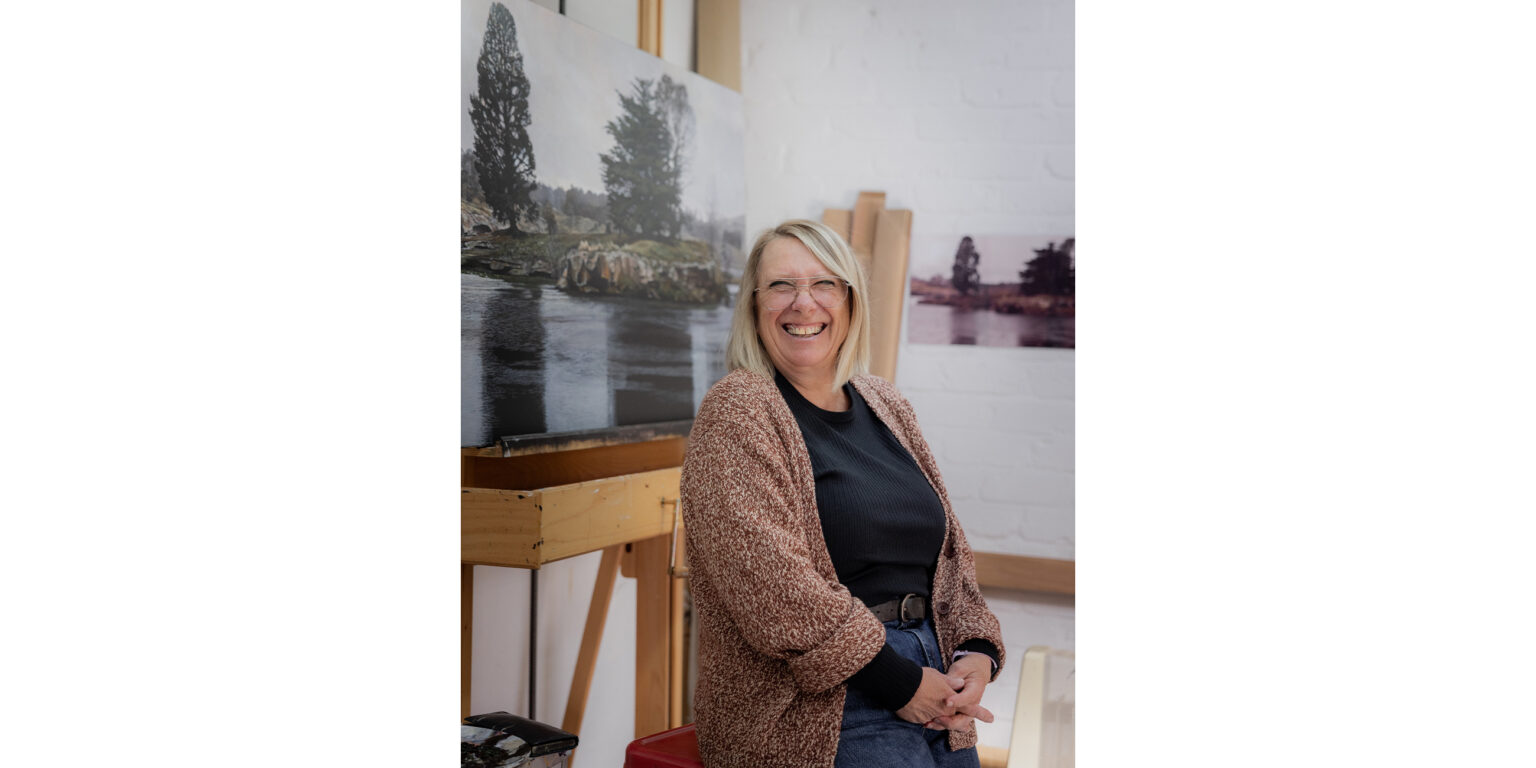
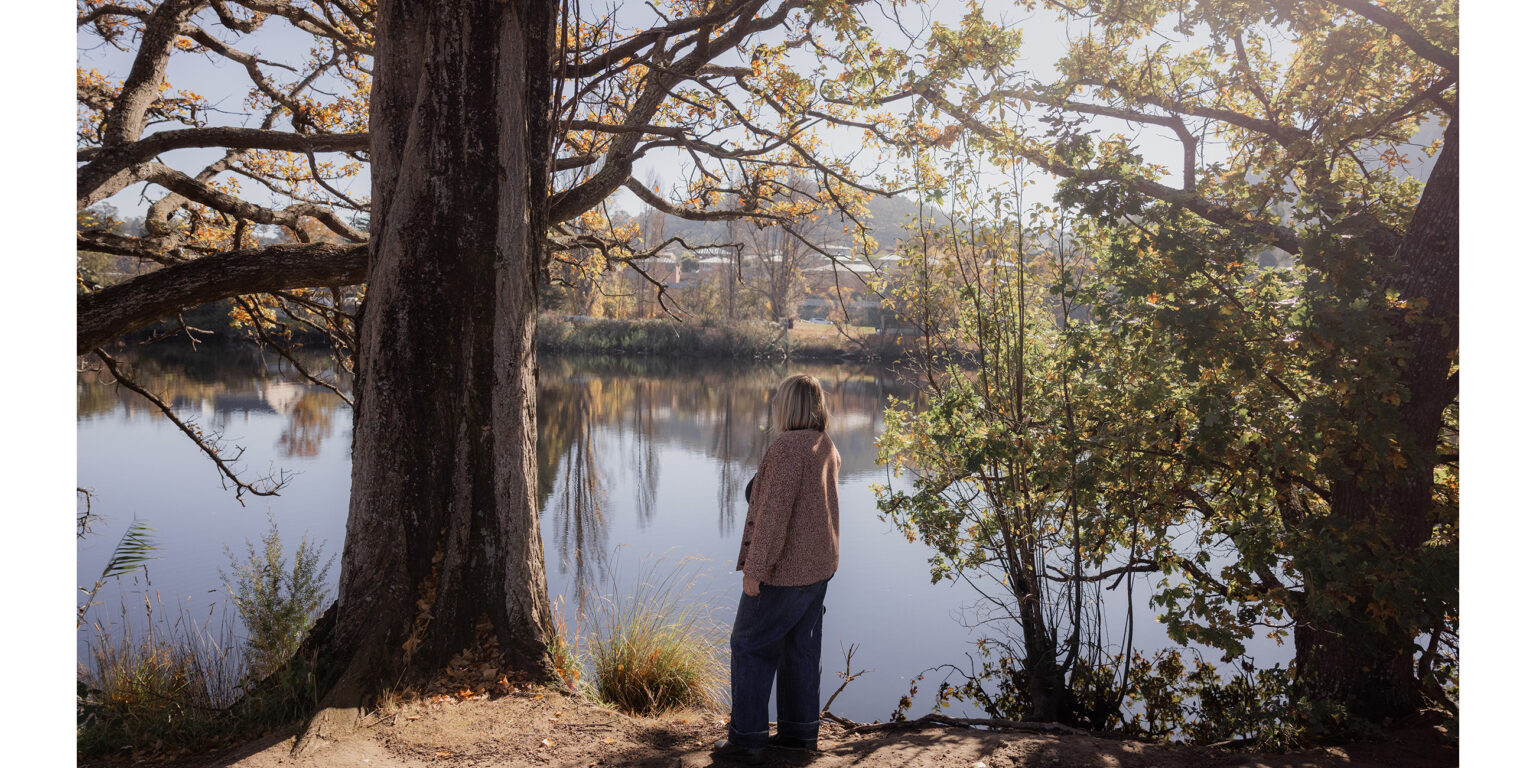
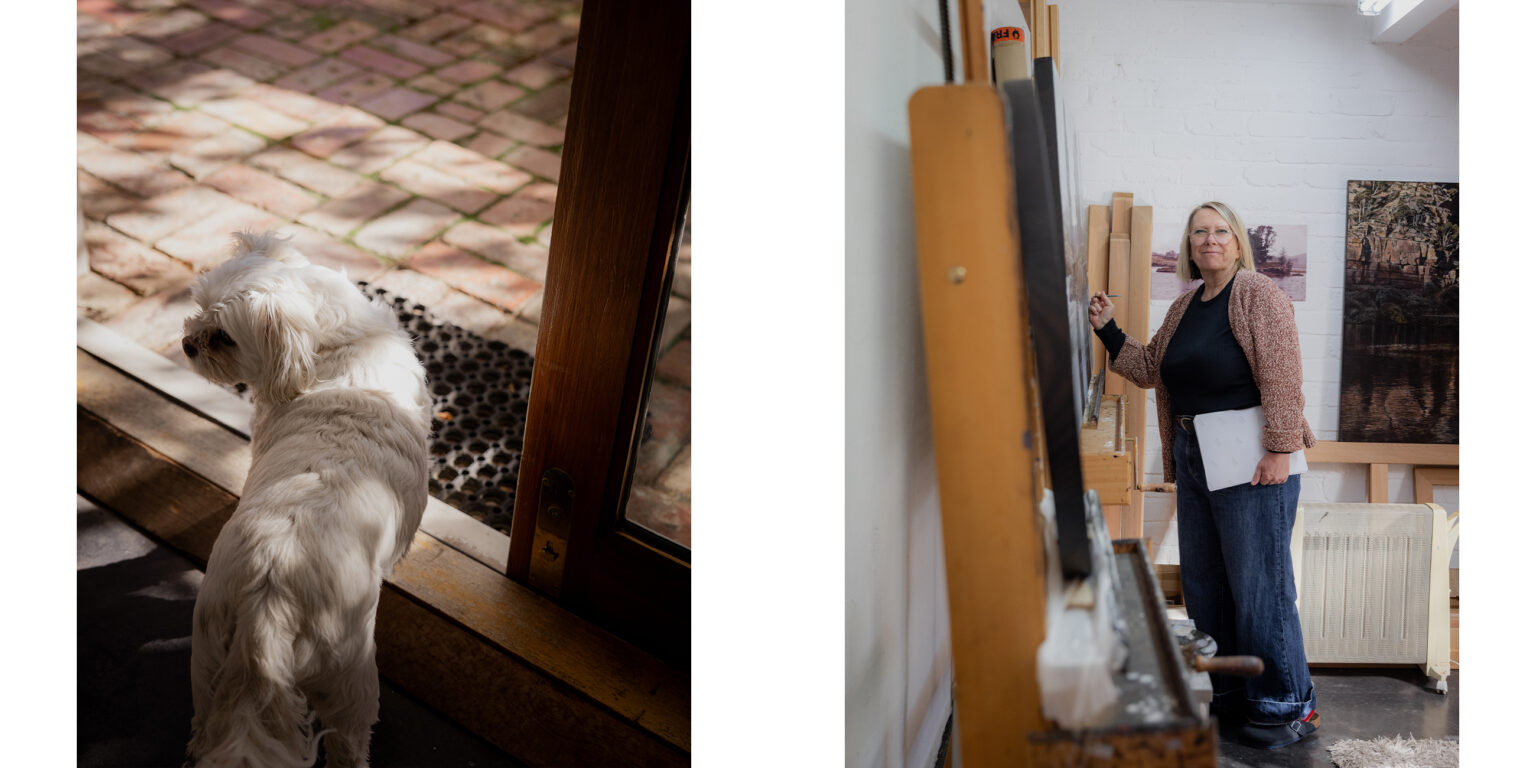
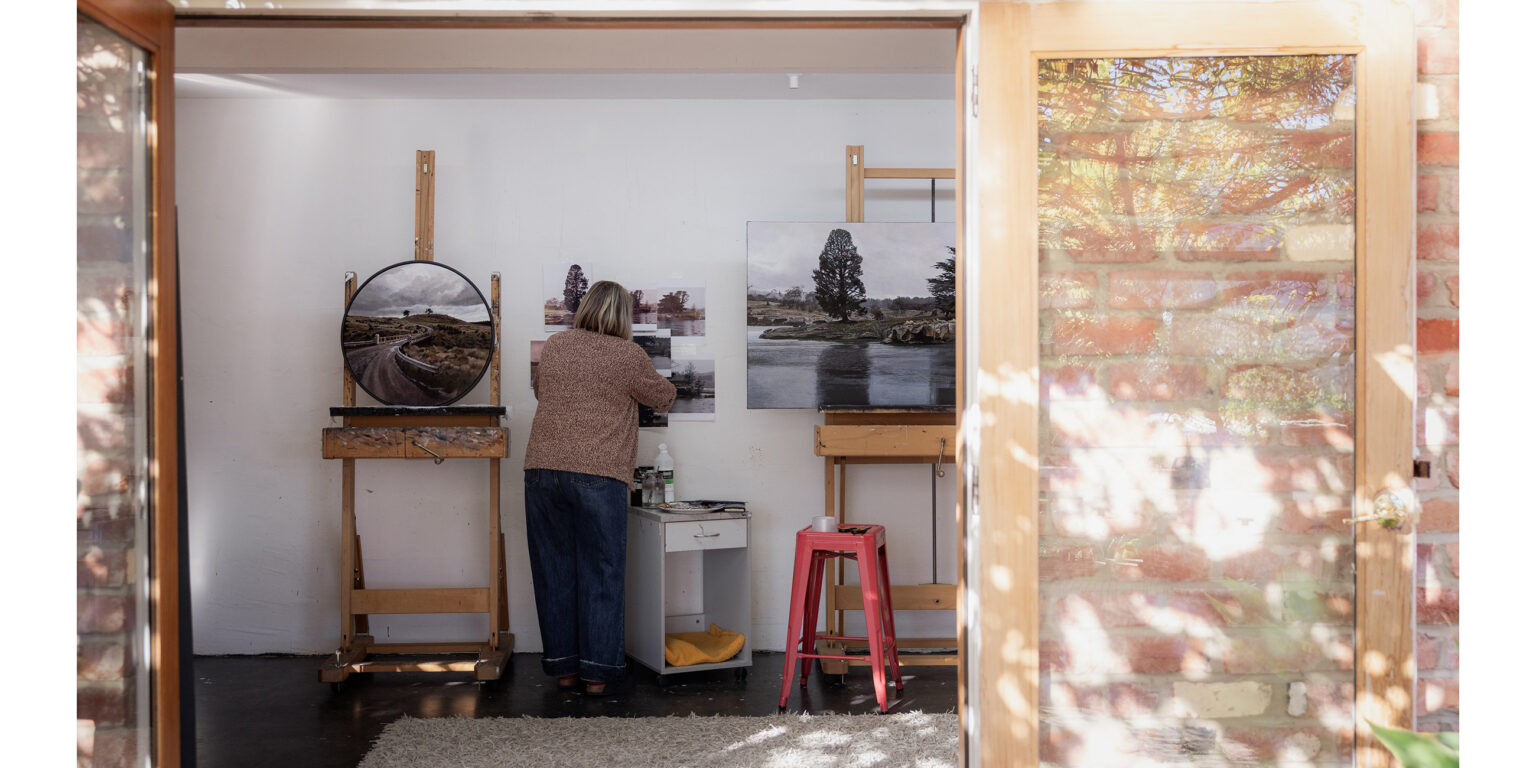
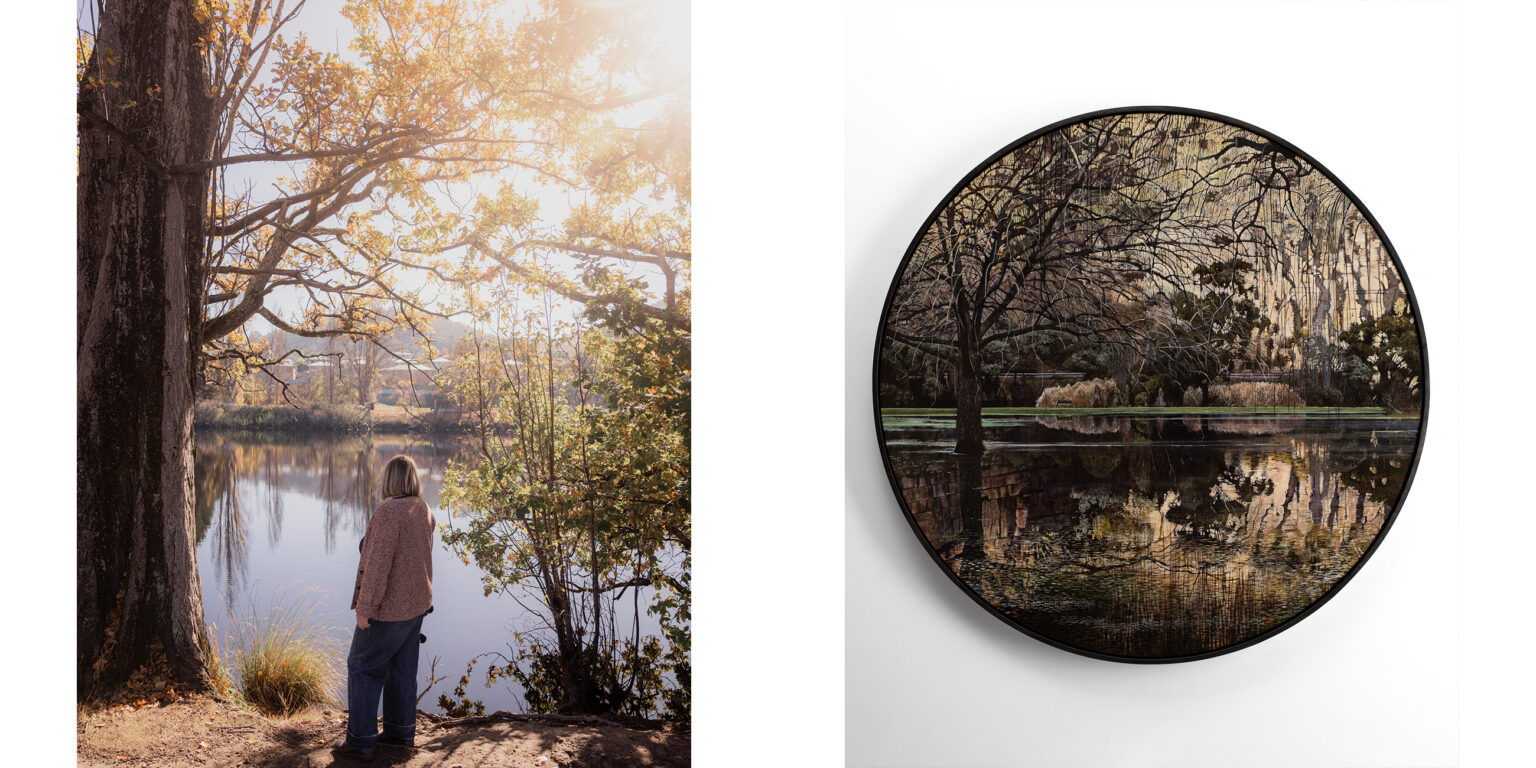
In the lead-up to the announcement of Stephanie Tabram’s representation by Michael Reid Sydney + Berlin, the gallery team visited the artist at her studio in New Norfolk, on the banks of the River Derwent in southeast Tasmania, where each working day begins with a walk along the water before she returns to the studio to translate her encounters with the landscape into paint.
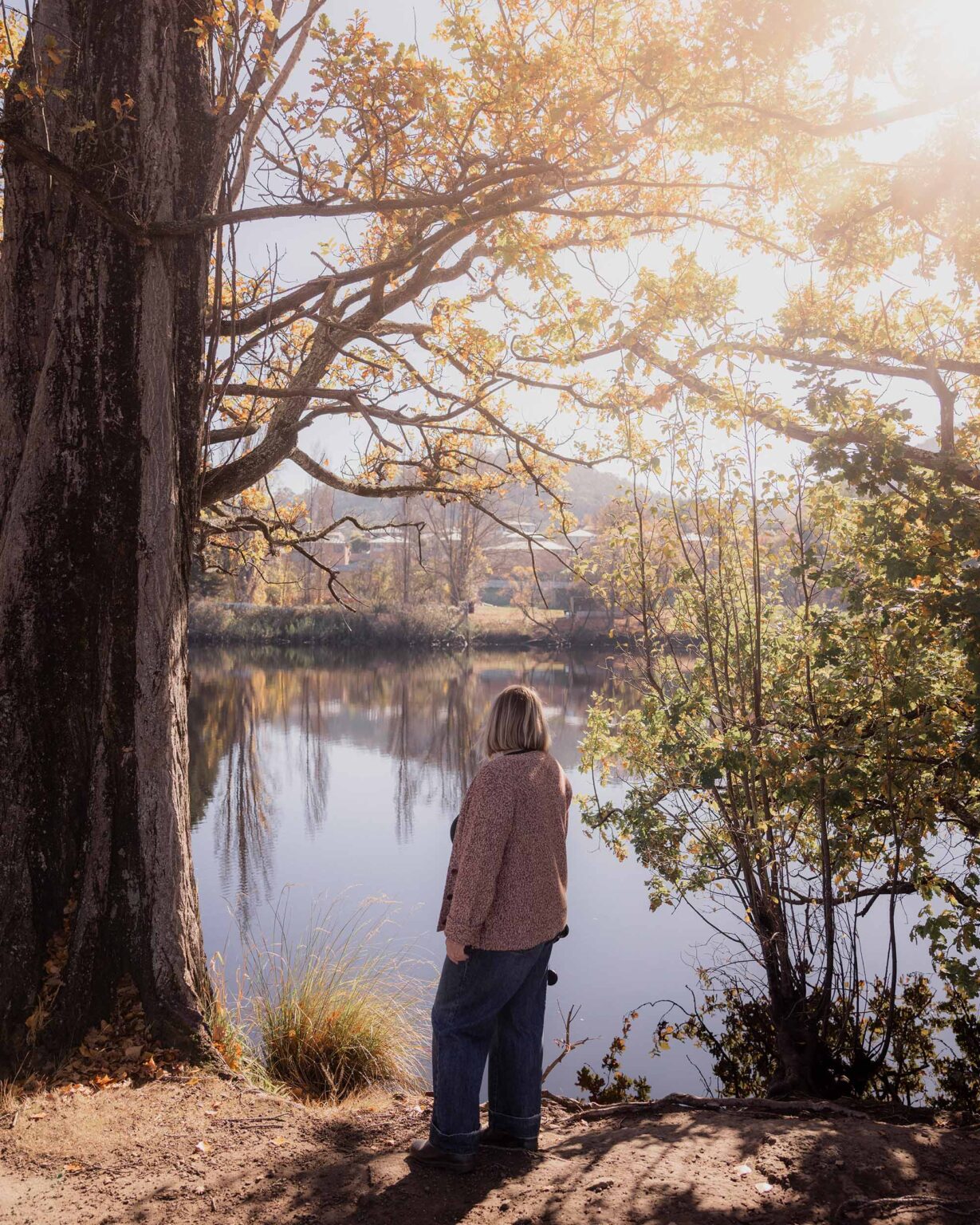
“It has become a daily meditation: observing the minutiae, the subtle changes, the passing seasons and the life and flow of the river itself,” says Tabram in our conversation, which explores the ideas, processes and enduring engagements with landscape that have shaped her celebrated practice across four decades. “After this time of reflection, I clock on – time in my studio is another day spent exploring what paint can do.”
Read our interview with Stephanie Tabram below. To sign up for early previews, exclusive news and priority access to forthcoming releases by the artist – including her first solo exhibition at Michael Reid Sydney – please email hughholm@michaelreid.com.au
Could you tell us about some of your early creative influences?
I was fortunate to attend art school in my mid-twenties. It took considerable effort to get there, and I was determined to gain as much from the experience as I could. I have loved art since childhood. Experiencing and viewing art brought me joy, and making art became one of my primary forms of expression.
My degree was in Visual Arts Education at the College of Fine Arts in Sydney. Studio practice was strongly encouraged, and I took full advantage of that opportunity, majoring in life painting during my early studies.
In my final years at art school, while living on the Hawkesbury River, I developed a deep connection to landscape painting. Around that time, Australian landscape artist Ian Grant became Head of Painting. Ian’s work sat firmly within the realist tradition, a genre I had always been drawn to. I was particularly intrigued by the work of William Delafield Cook and artists ranging from the Hudson River School to Jeffrey Smart. A lifelong fascination with landscape painting began to take shape. Within realism, I sensed ideas that extended far beyond the simple image.
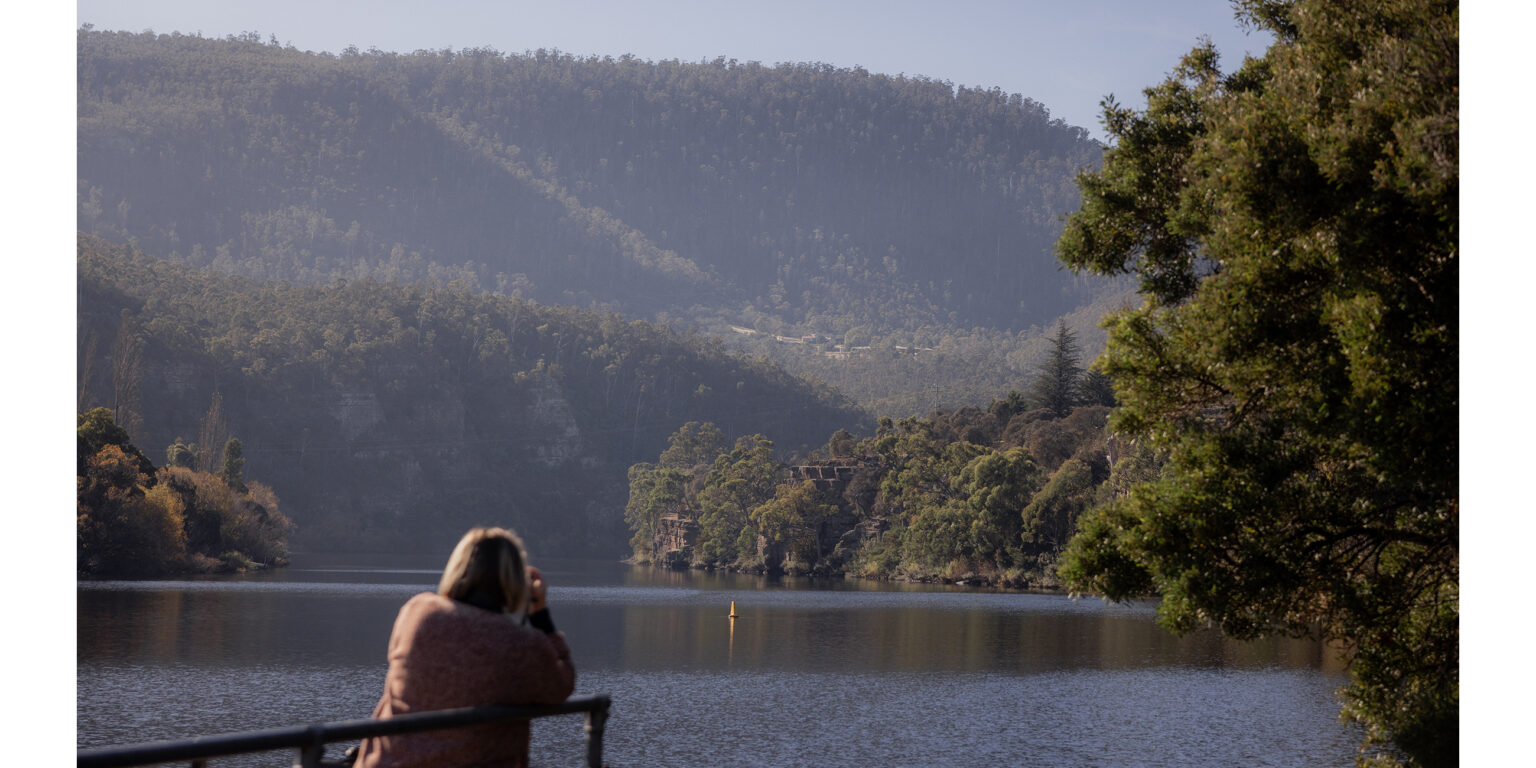
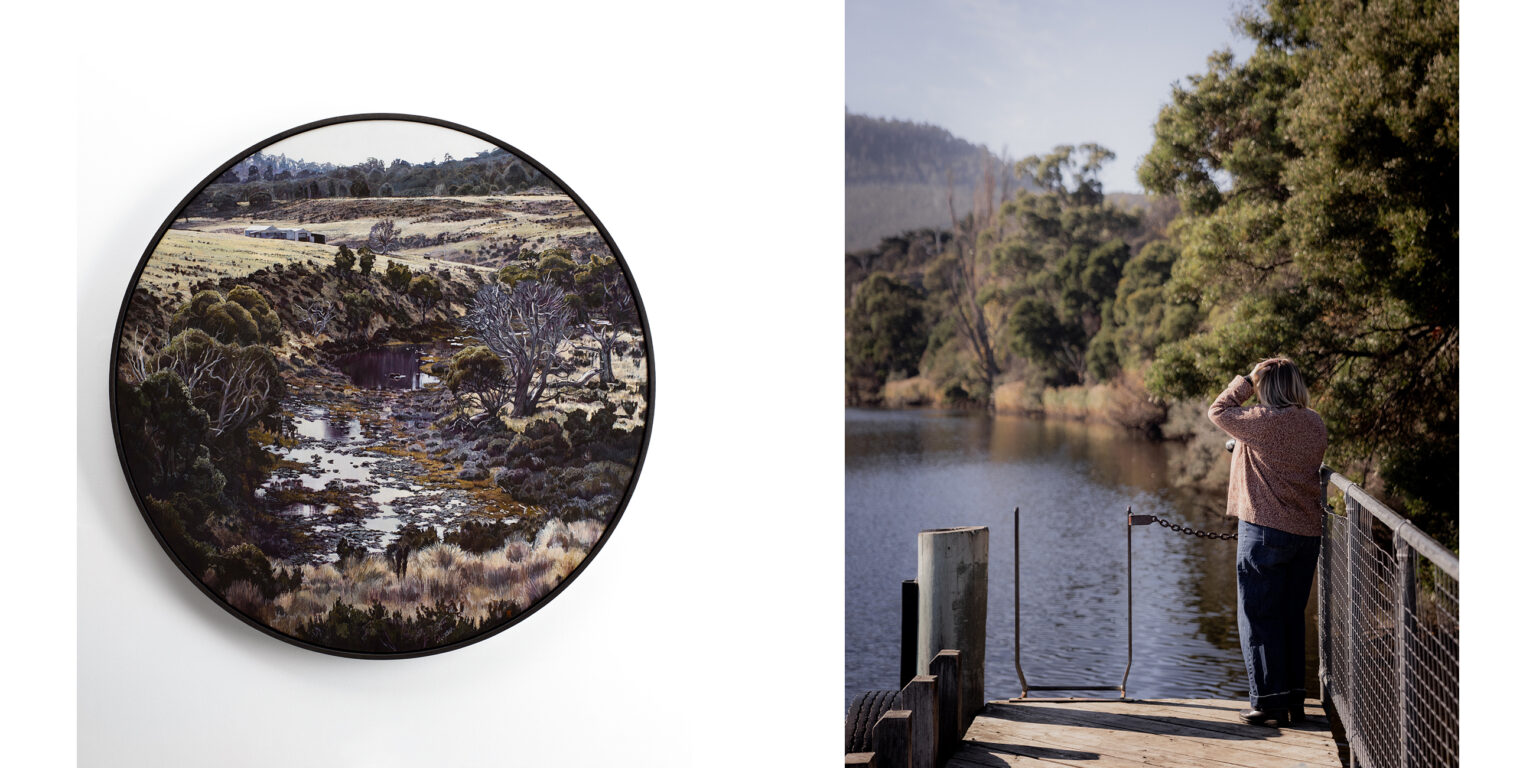
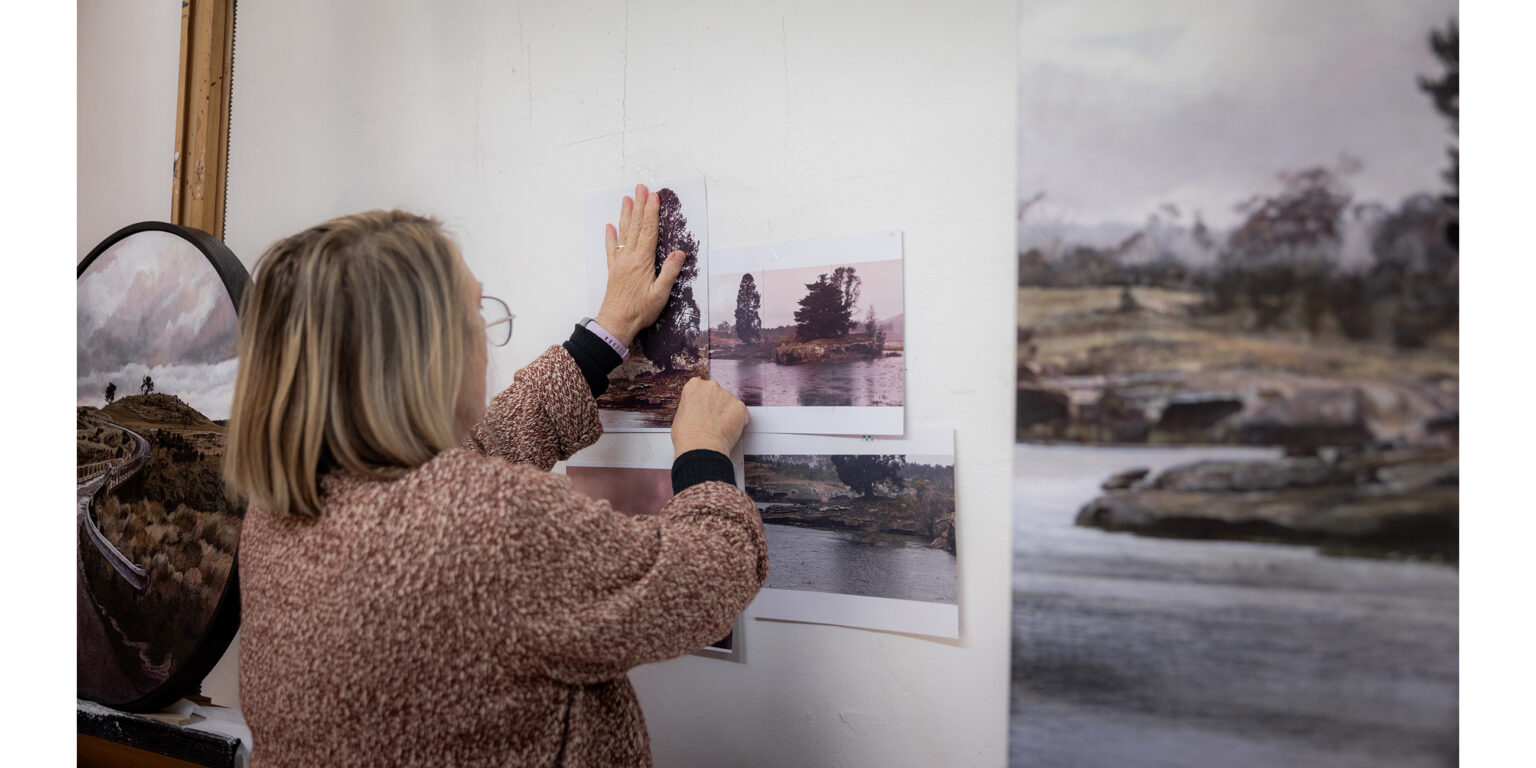
“Before beginning work each day, I spend an hour or two walking along the riverbank. It has become a daily meditation: observing the minutiae, the subtle changes, the passing seasons, and the life and flow of the river itself. After this time of reflection, I clock on – time in my studio is another day spent exploring what paint can do.”
STEPHANIE TABRAM
___
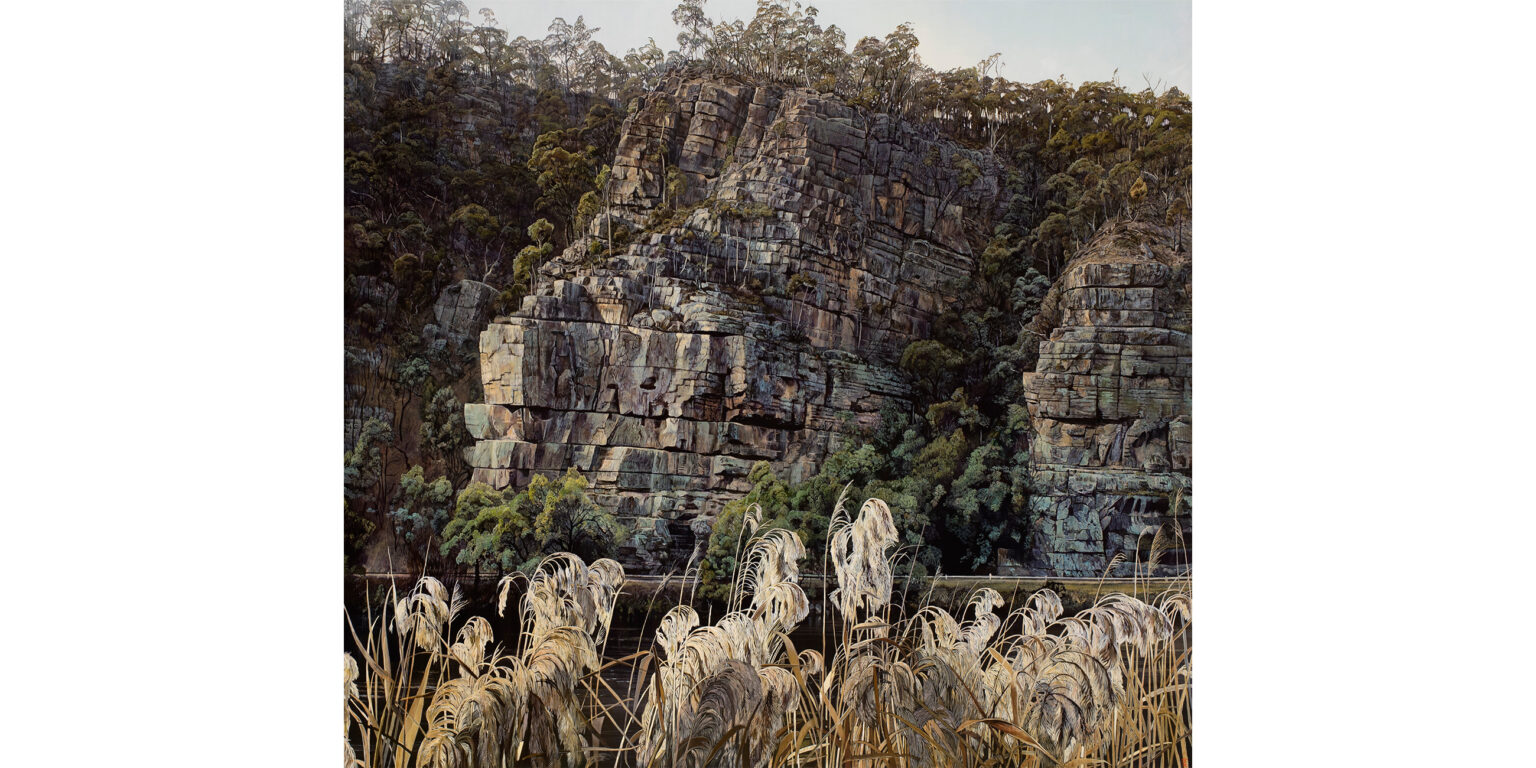
How did you develop your approach to painting, and how would you describe your process today?
During this period I also encountered acrylic paint. Initially, it seemed limited and flat – too difficult to manipulate compared to the generous consistency of oils. Nevertheless, I persisted, moving between both mediums until I spent a year living in Strahan on Tasmania’s damp West Coast, where drying times became a constant challenge and acrylics proved the obvious choice.
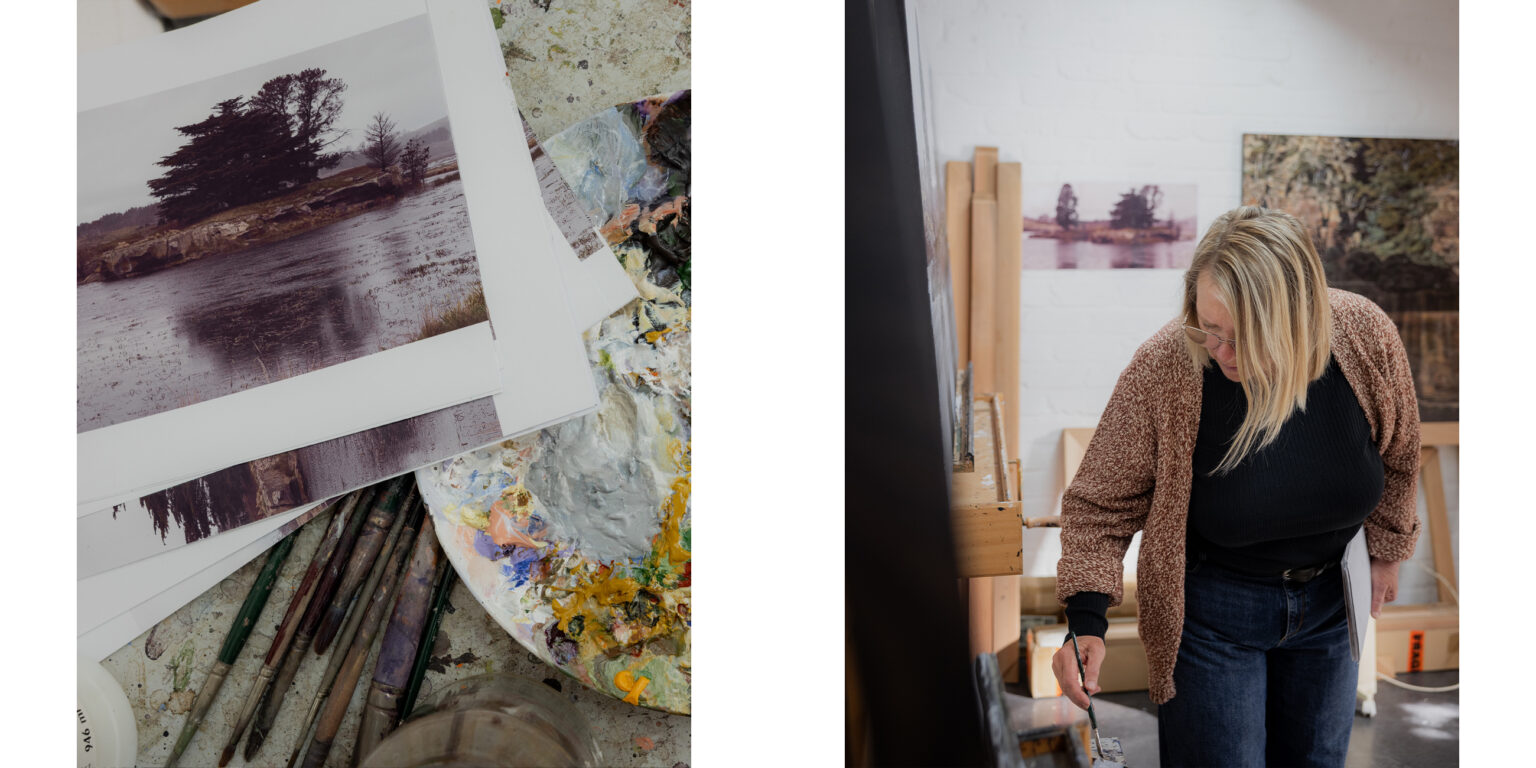
Since the early 2000s, I have worked exclusively in acrylics, gradually developing them into a far more malleable medium. To what extent the medium has influenced my work is difficult to gauge; its particular qualities have come to suit my style, or perhaps vice versa.
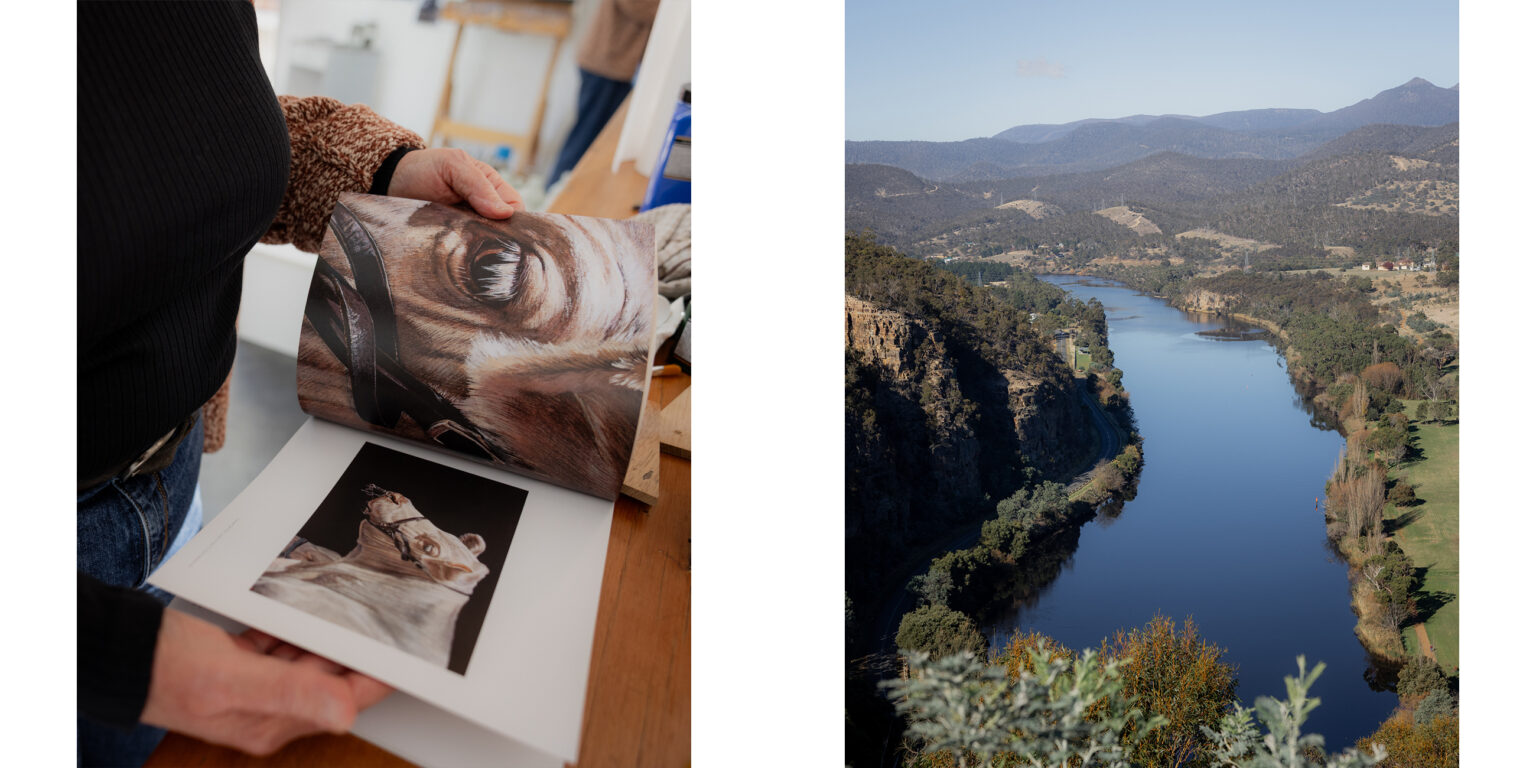
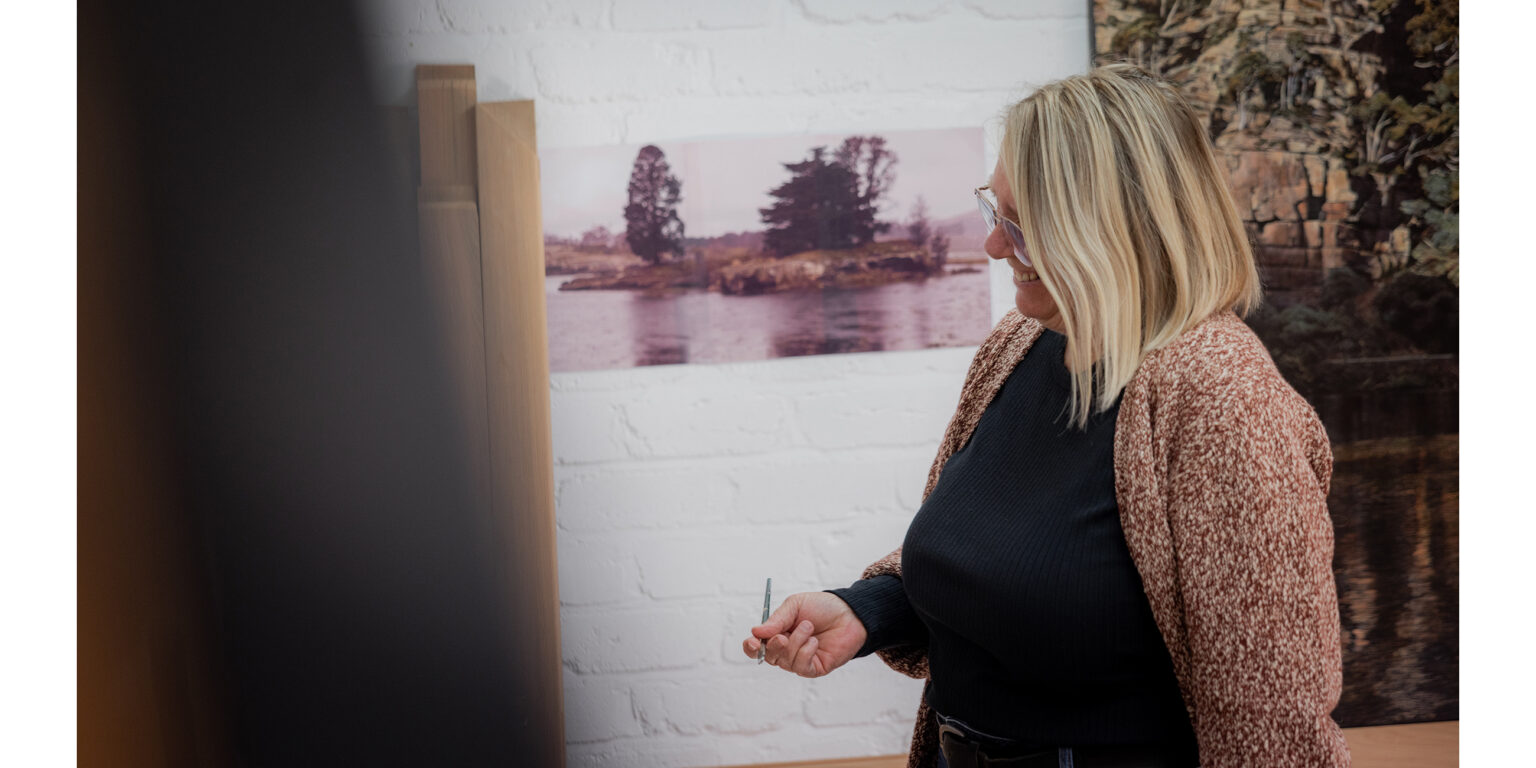
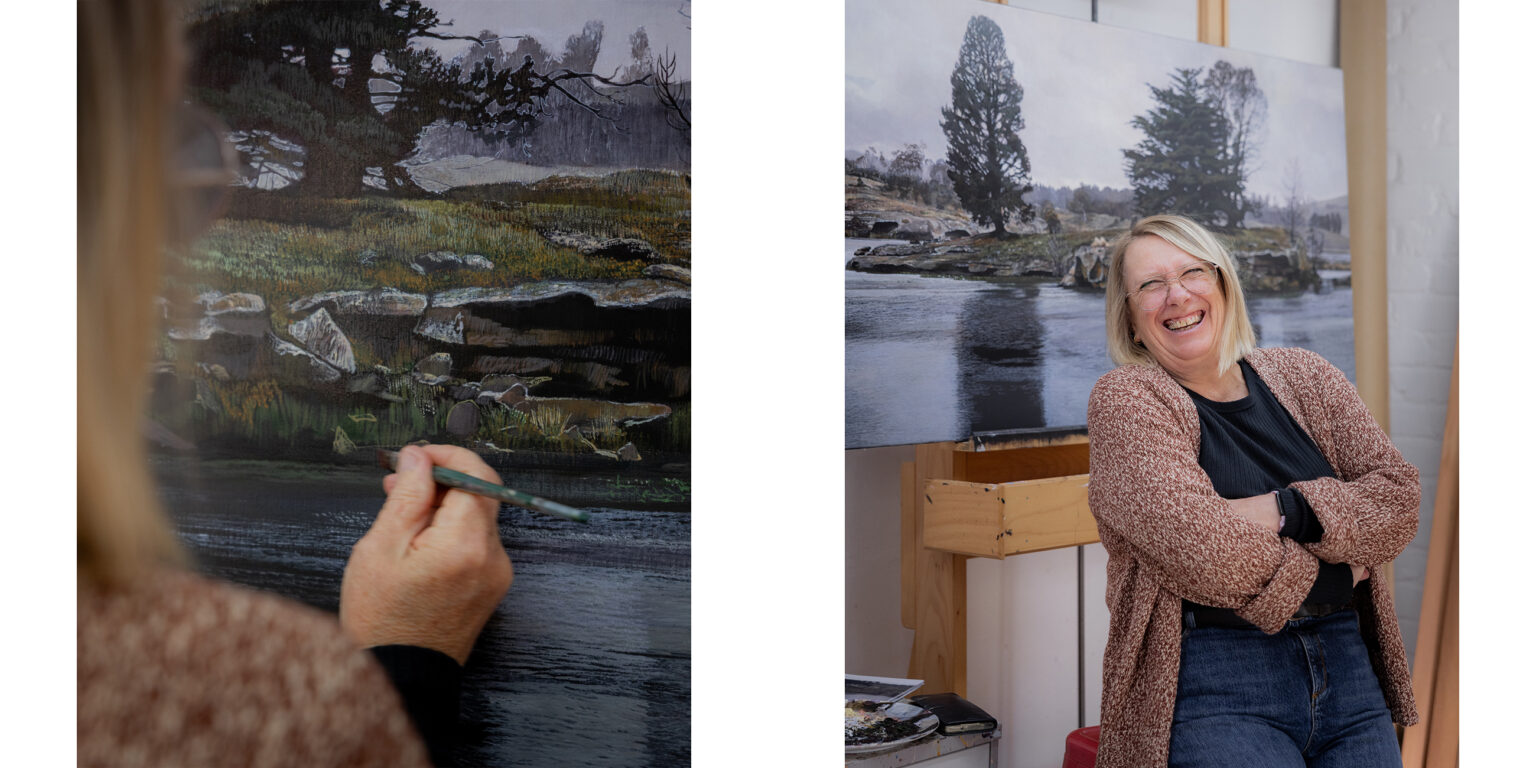
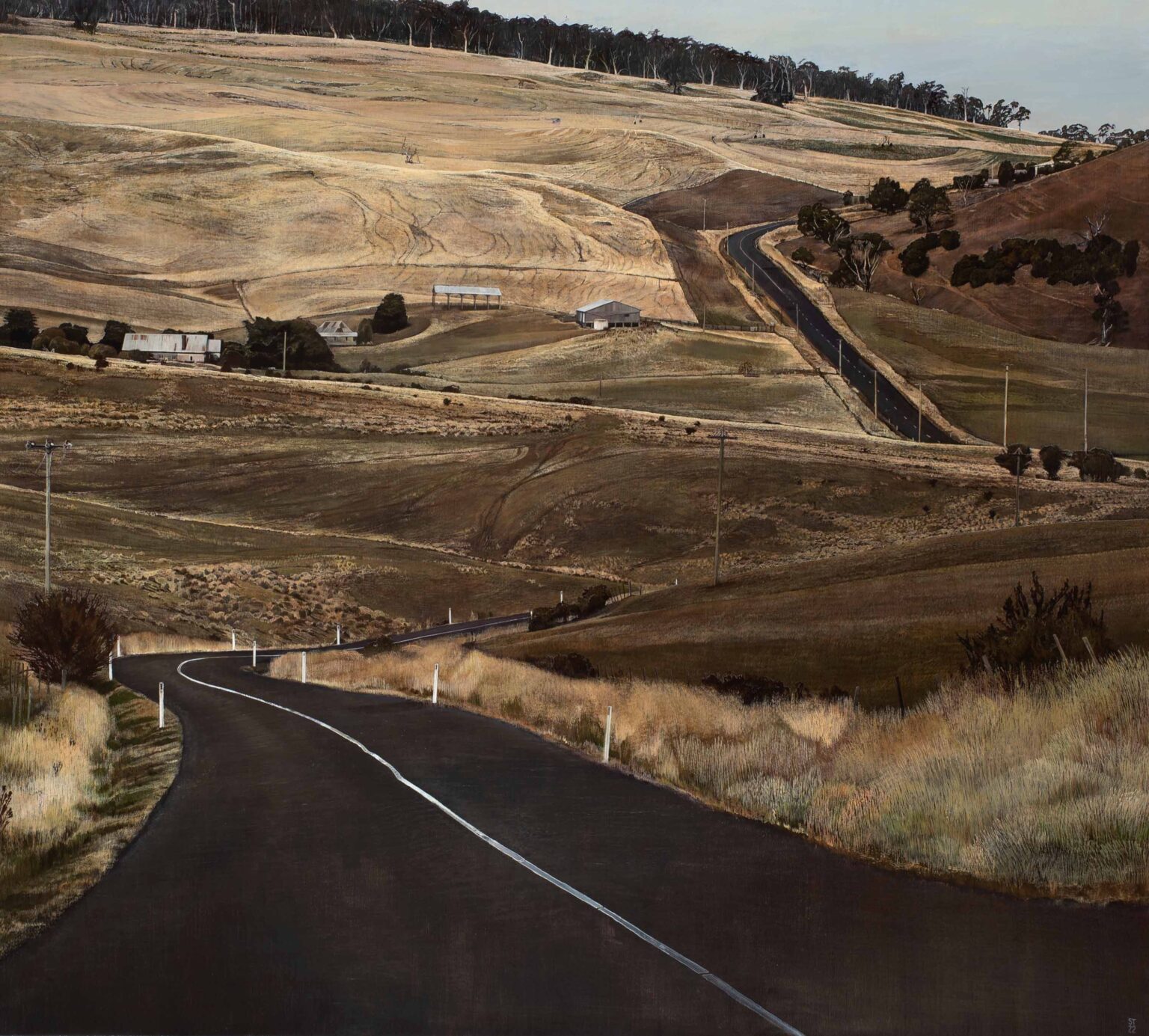
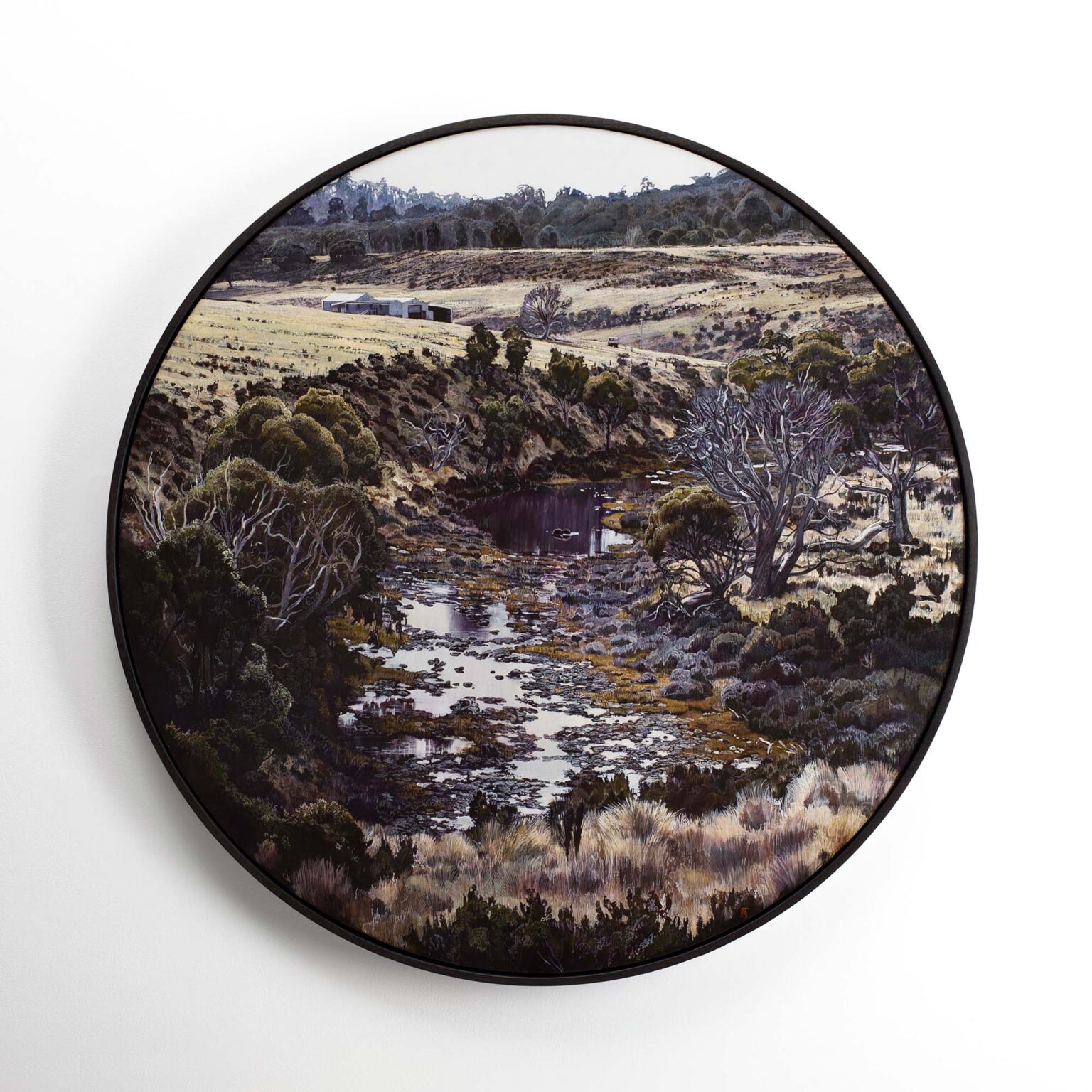
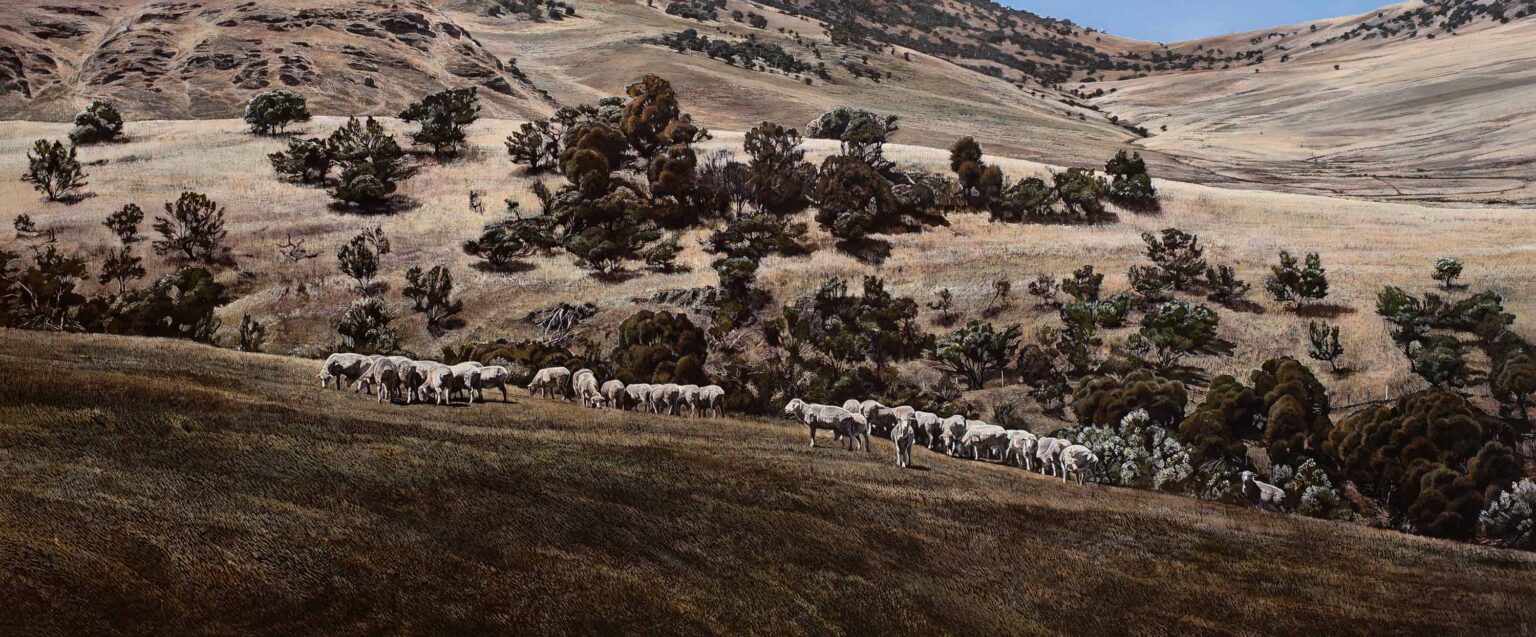
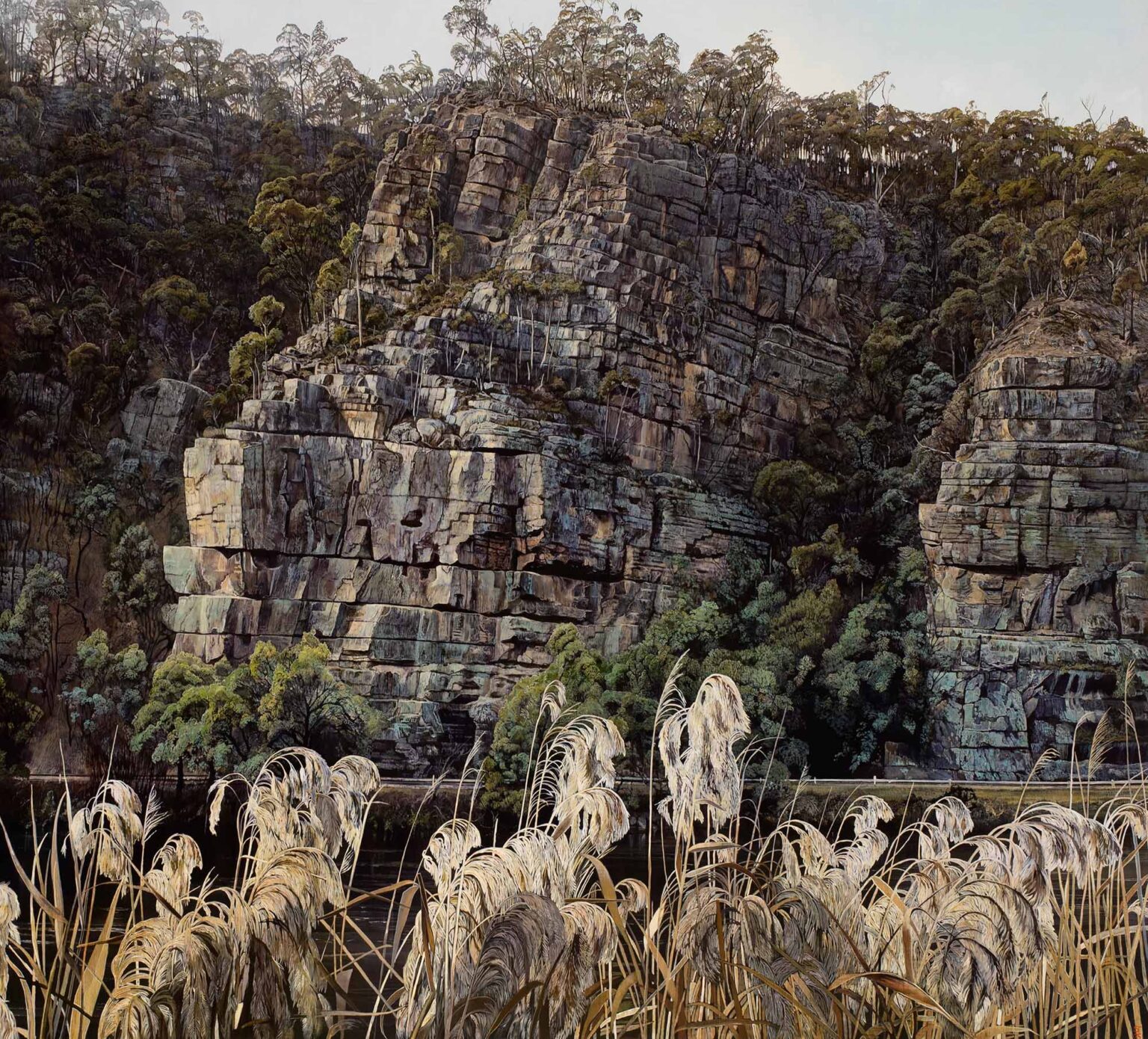
Over the past two decades, my paintings have primarily depicted the pastoral life of the Upper Derwent Valley, the Southern Highlands and the Southern Midlands. I feel at home in this country. It is deeply familiar to me and carries many of the hallmarks of my childhood spent in rural New South Wales.
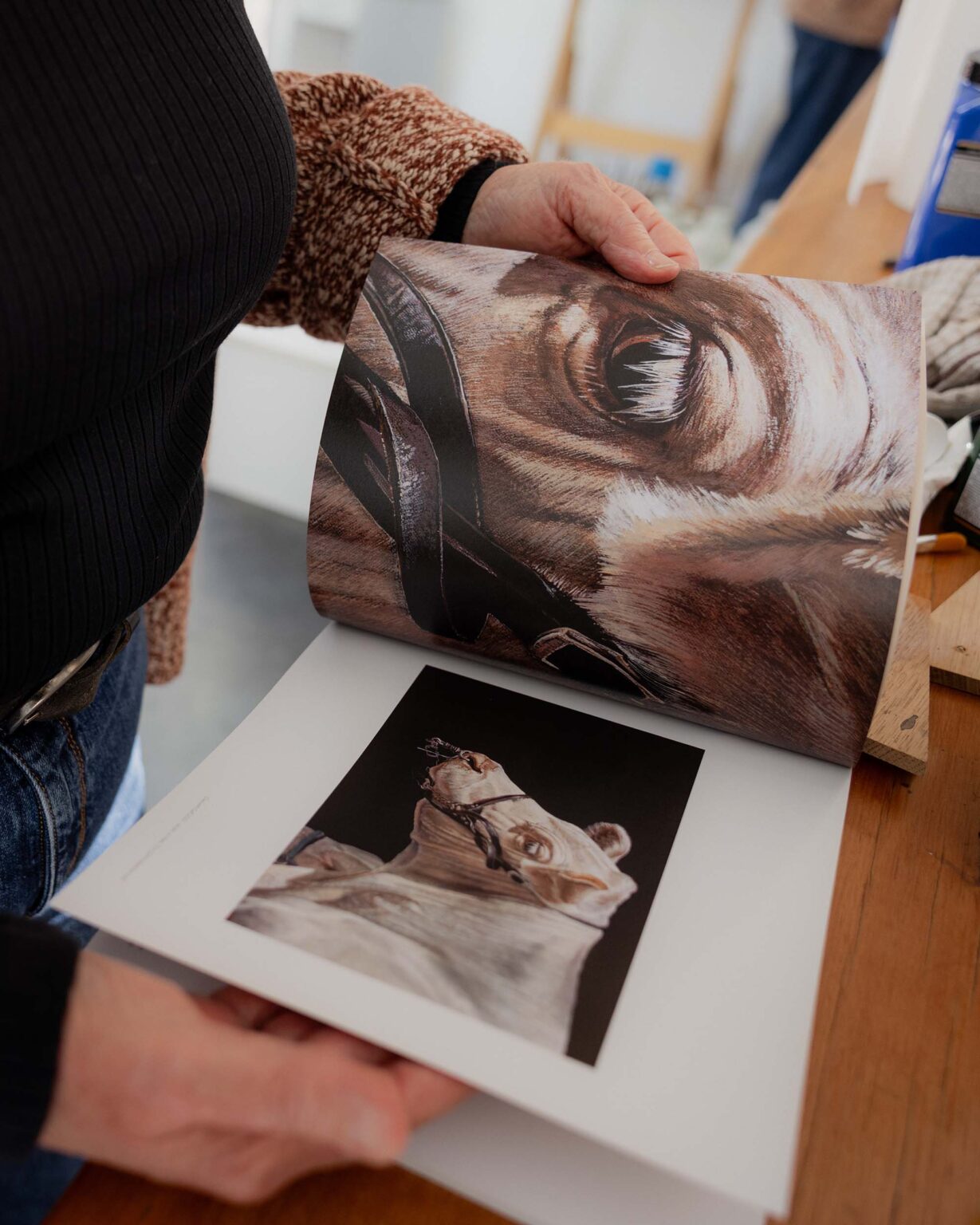
Still life also regularly appears within my exhibitions. I move comfortably between both genres; the still life works reflect lives being lived within the landscape. They are not separate from place, but of place – small stories existing within the larger whole.
Could you tell us about your relationship to the landscapes that have recurred in your work?
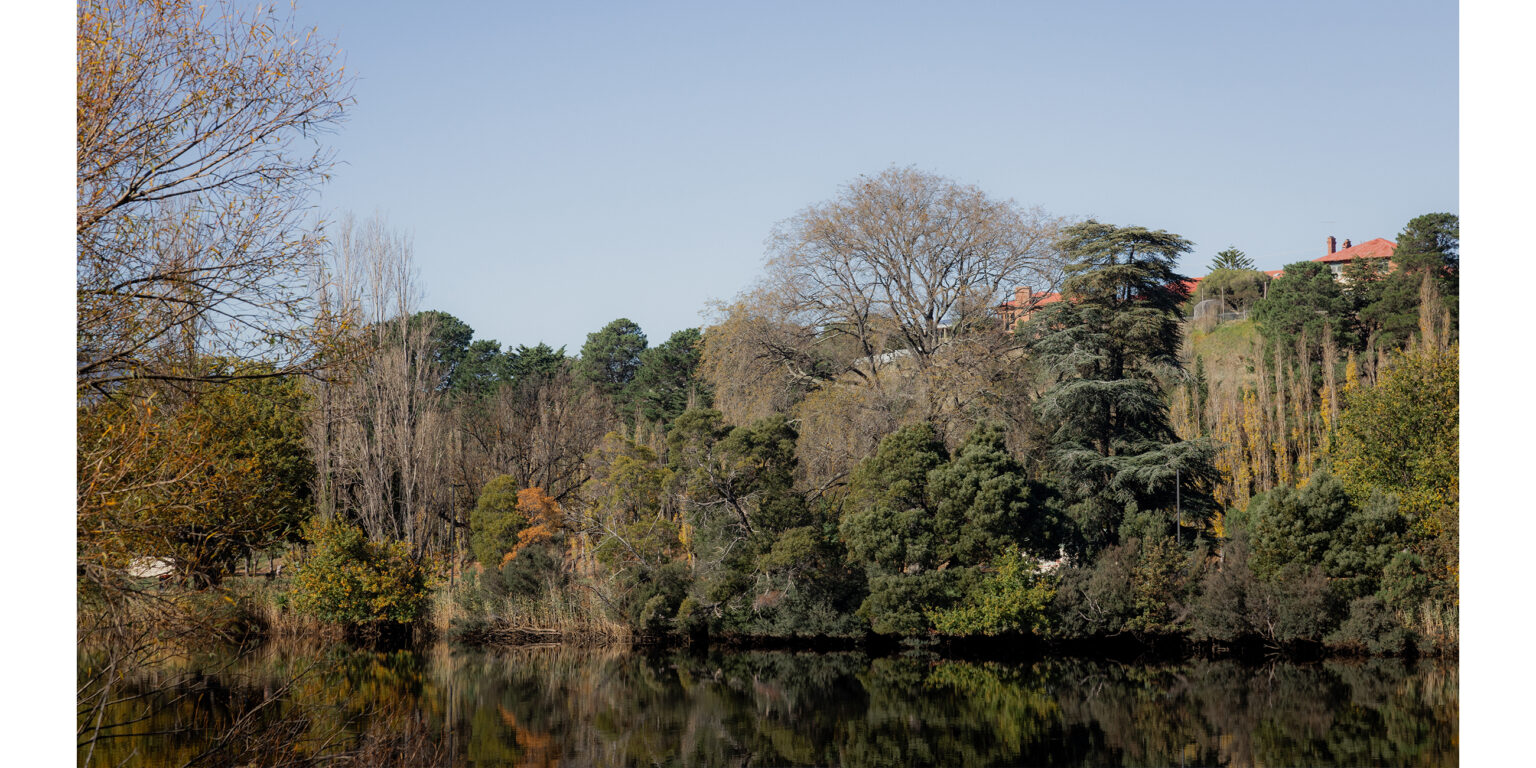
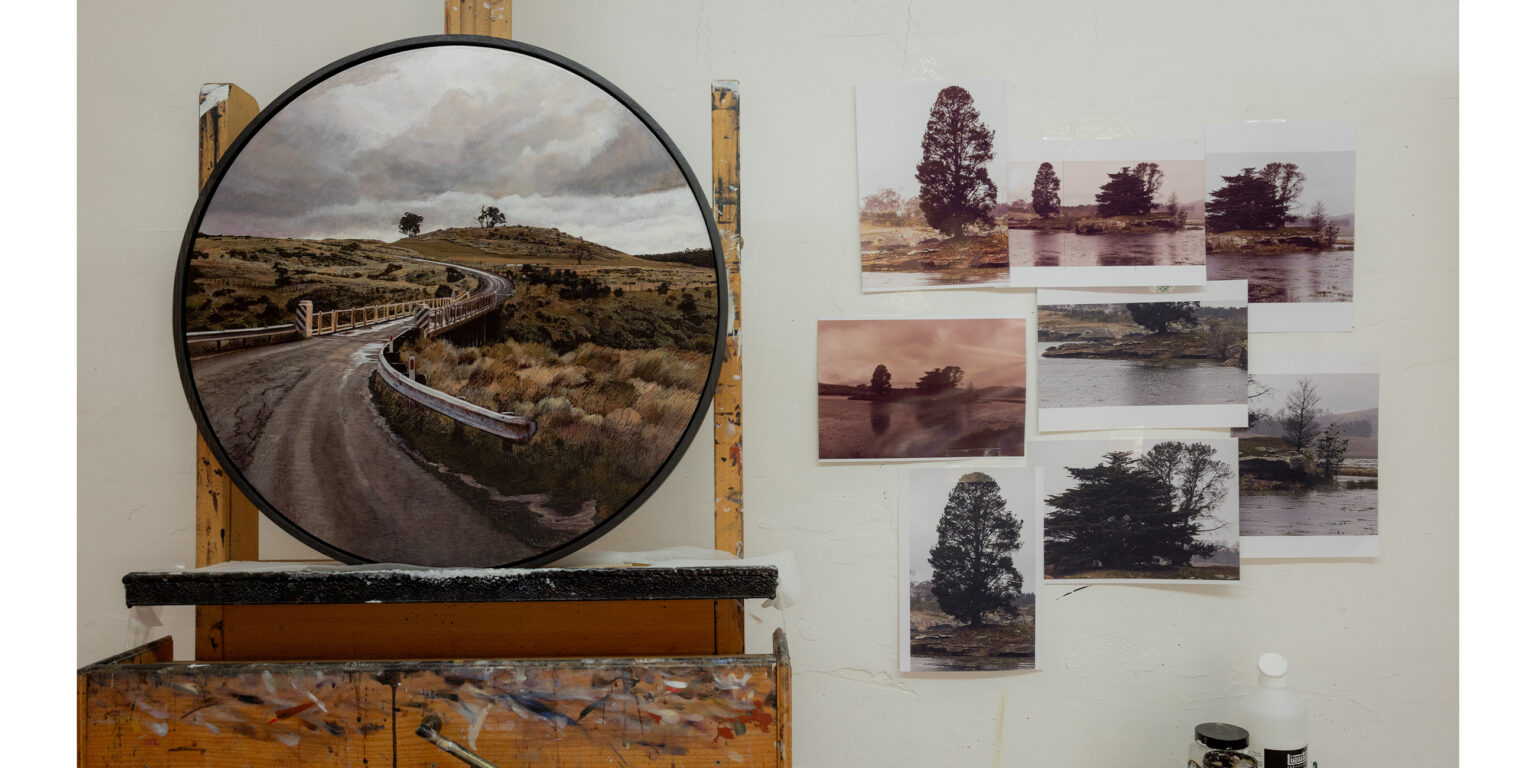
For the past fifteen years I have lived in the rural town of New Norfolk. Situated above the Derwent River, my studio looks beyond the town limits toward distant blue mountains. Before beginning work each day, I spend an hour or two walking along the riverbank.
It has become a daily meditation: observing the minutiae, the subtle changes, the passing seasons, and the life and flow of the river itself. After this time of reflection, I clock on – time in my studio is another day spent exploring what paint can do.
“The river carries this country’s DNA. Along with nutrient-rich sediment, it carries history – both ancient and recent. Like all rivers, its health reflects the health of the country surrounding it. Like all rivers, it tells a story.”
STEPHANIE TABRAM
___
What was the starting point for your most recent series, The River?
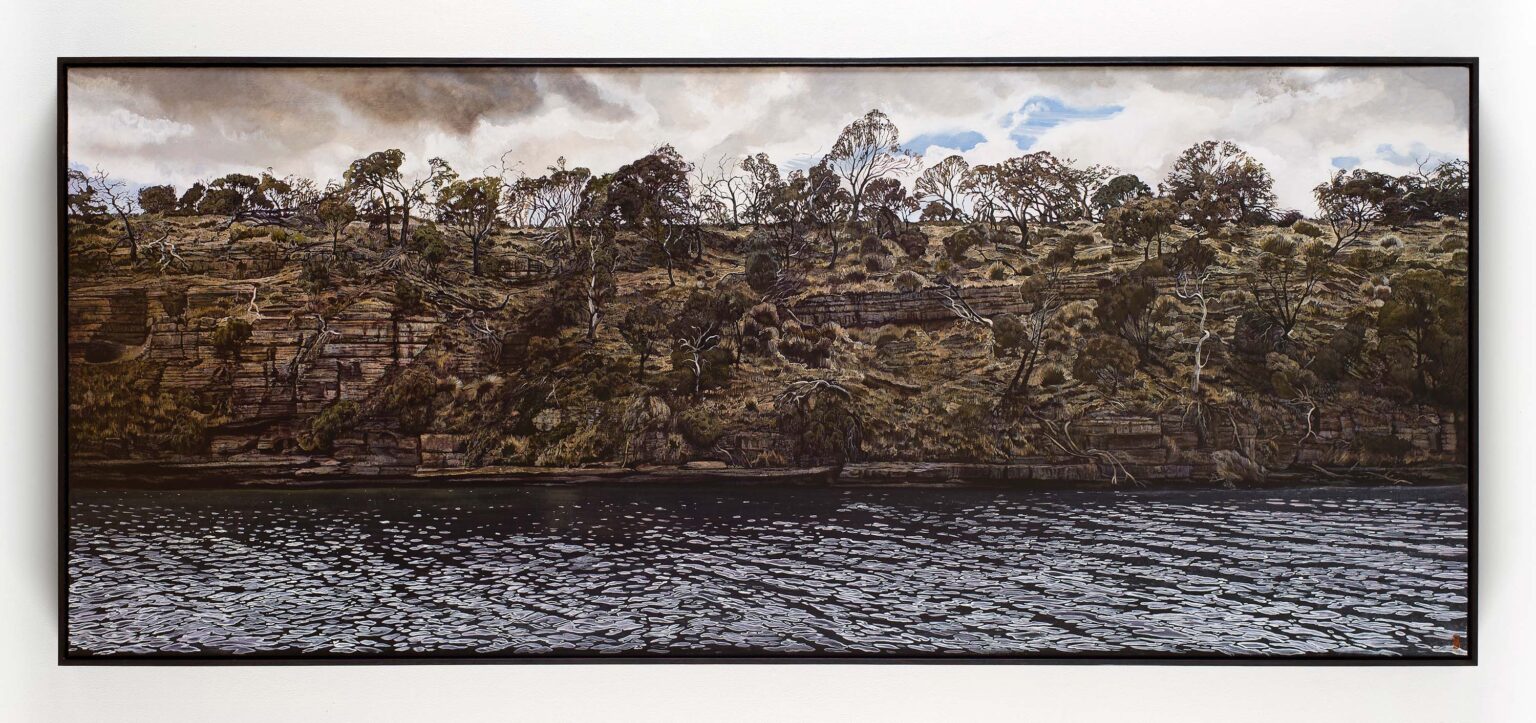
The River combined both the rural landscapes through which the River Derwent flows and the vast watershed from which this 240-kilometre watercourse emerges.
The river carries this country’s DNA. Along with nutrient-rich sediment, it carries history – both ancient and recent. Like all rivers, its health reflects the health of the country surrounding it. Like all rivers, it tells a story.
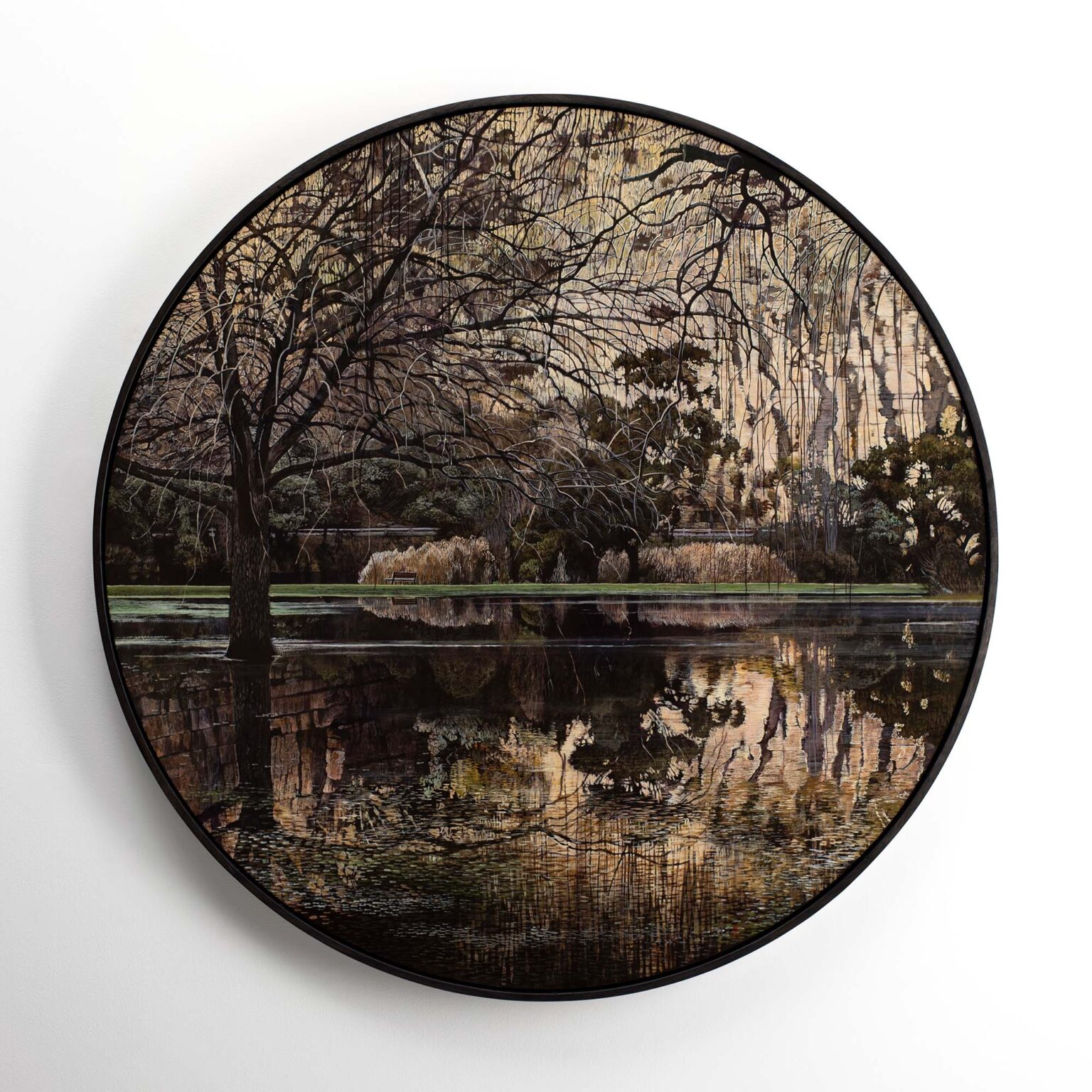
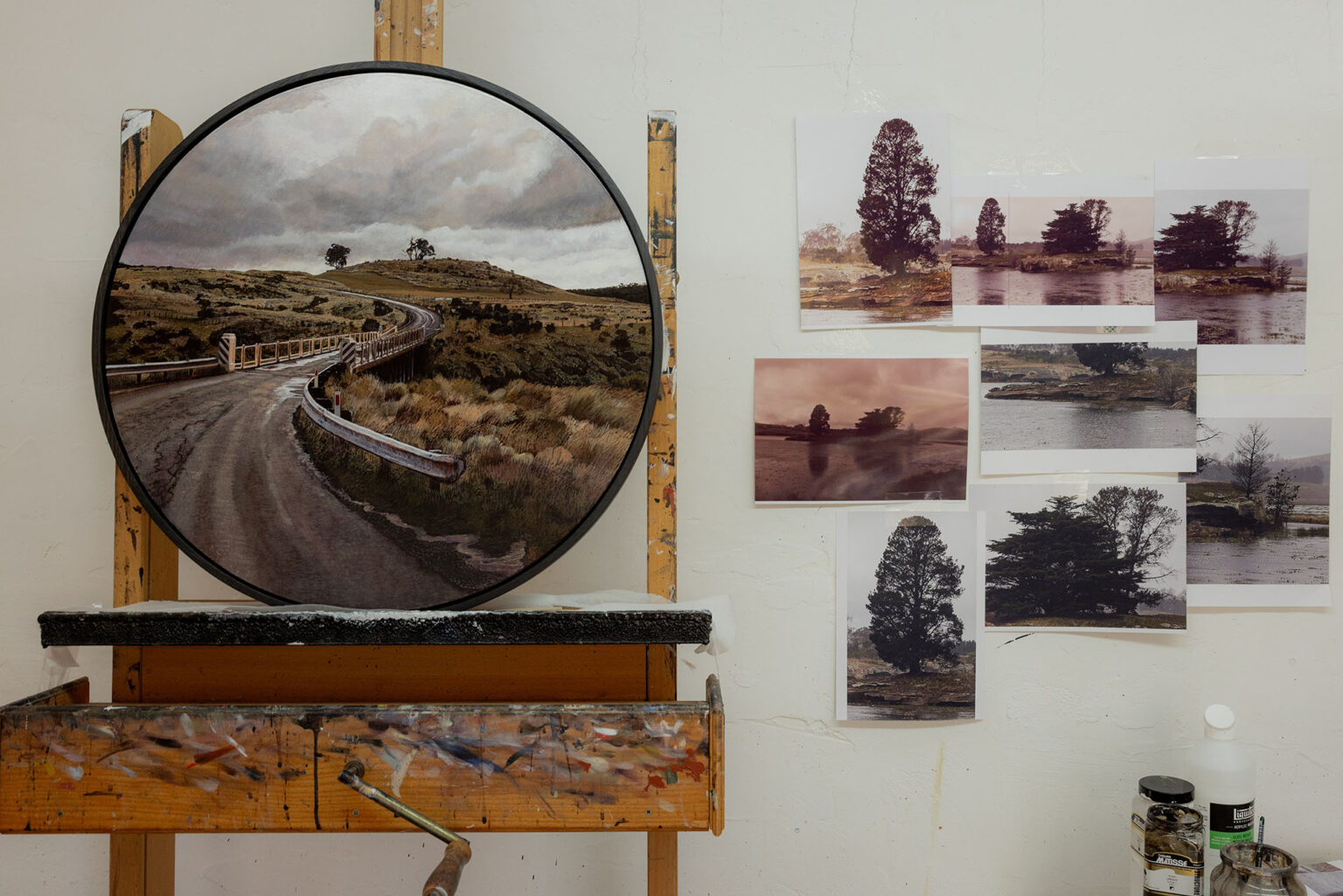
Comprising seventeen works, The River included eight tondos, a format I have explored in previous exhibitions. I find them deeply satisfying, particularly the challenge of resolving compositions within the circular form.
Could you tell us the story behind your 2024 Hadley’s Art Prize work, Afternoon Below Table Mountain?
I begin planning exhibitions eighteen months to two years in advance. I like to consider how each work contributes to the broader narrative. Depending on scale and composition, a single painting can take months to complete.
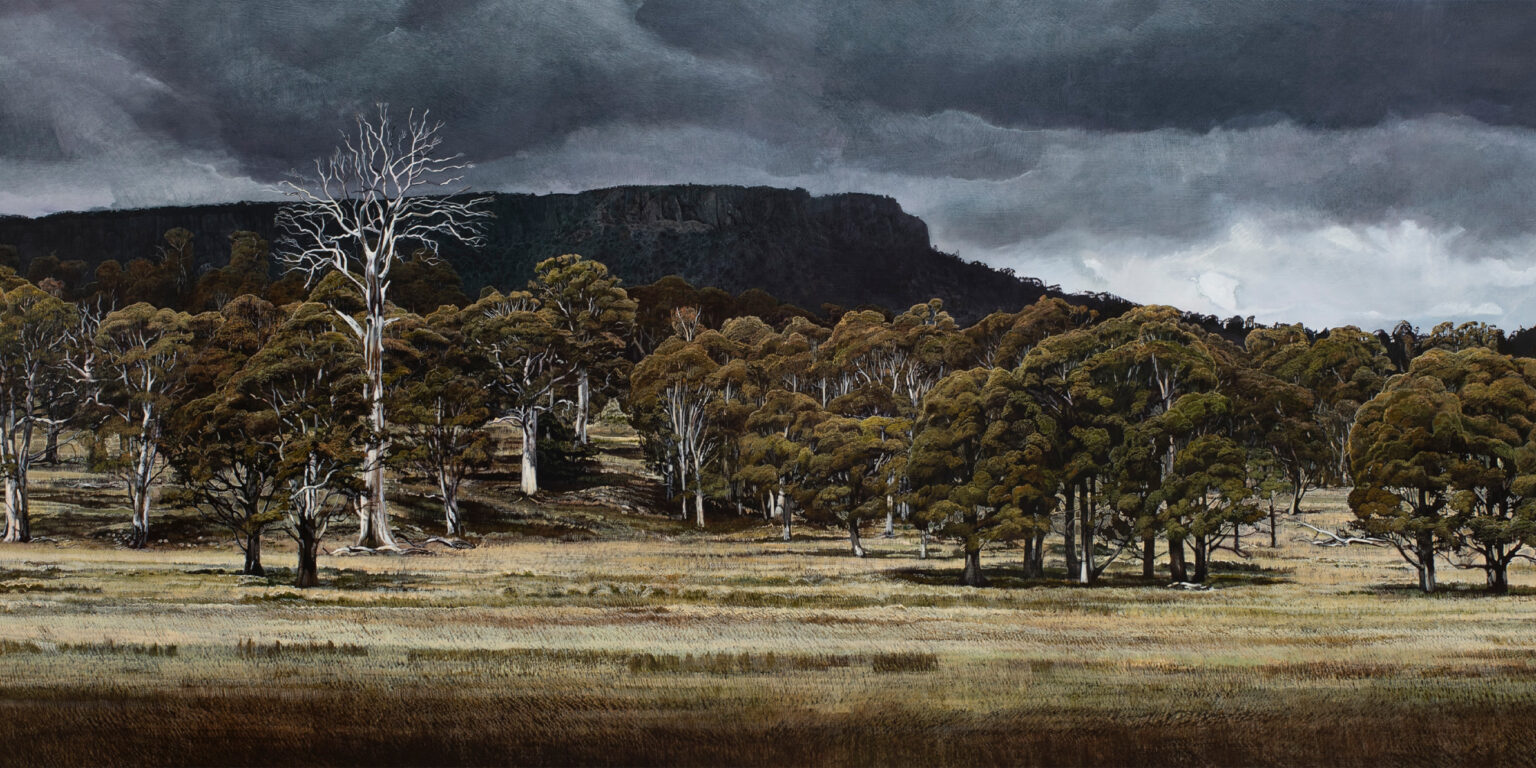
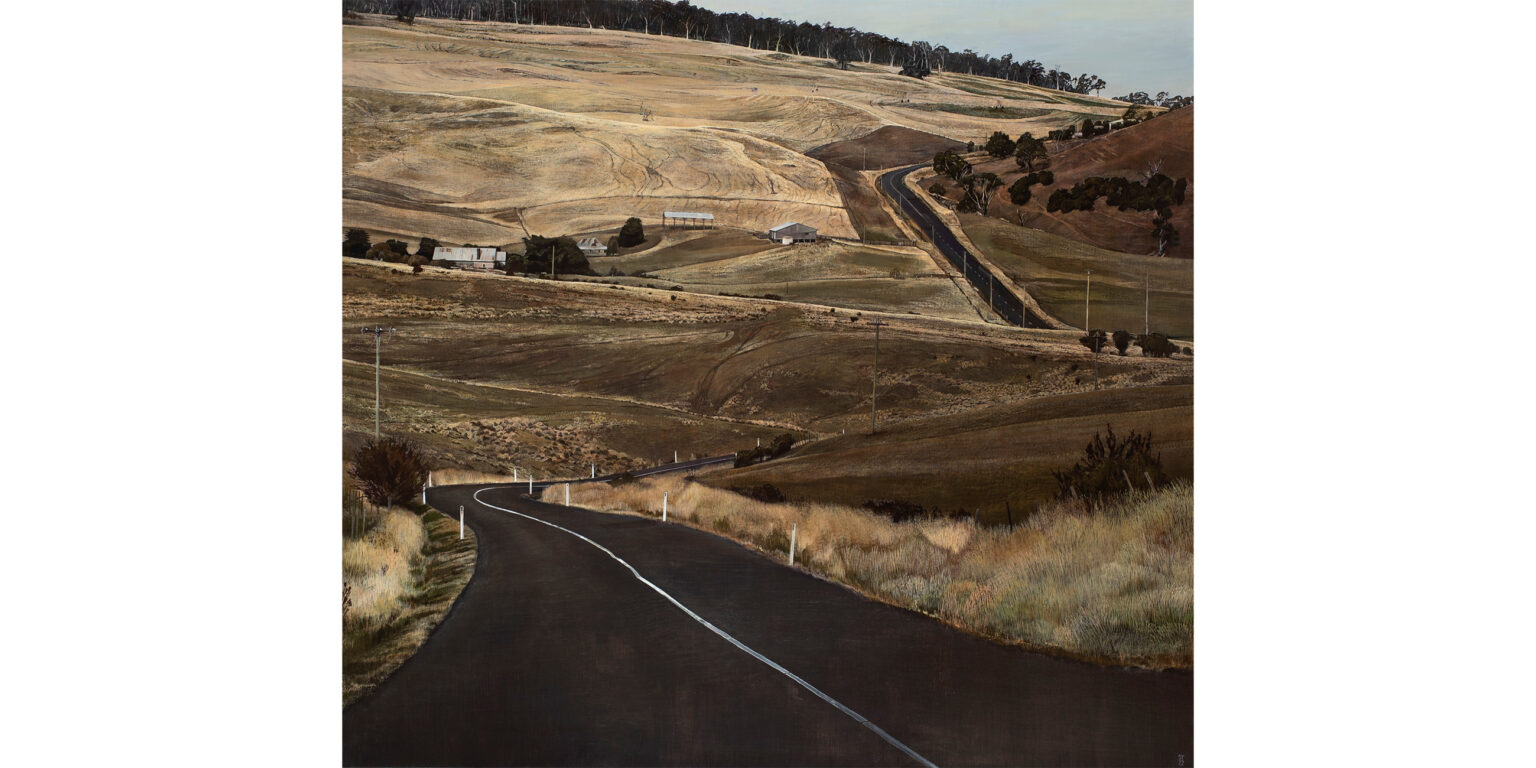
Because of exhibition commitments, finding the time required to enter art prizes and awards can be difficult. In 2024, I entered the Hadley’s Art Prize, was selected as a finalist and was honoured to receive the People’s Choice Award for Afternoon Below Table Mountain.
In many ways, that work marked the beginning of The River, which followed two years later. The lake depicted beneath Table Mountain – Lake Crescent – stores the waters of the River Clyde, which eventually feeds into the River Derwent. It is a long journey that ultimately arrives at New Norfolk, beside my daily walking path, before joining the saltwater and flowing out to sea.
What ideas and subjects feel most inspiring to you at the moment?
Nothing is unconnected. Every day in the studio I learn something new – stories continue to unfold. I’m looking forward to my next exhibition, in Sydney towards the end of 2027.