



Djirrirra Wunuŋmurra Yukuwa and Moyurrurra Wunuŋmurra
- Buku-Larrnggay Mulka Centre , Djirrirra Wunuŋmurra Yukuwa
- 11 Jun—4 Jul 2026
- Eora / Sydney
- Download now
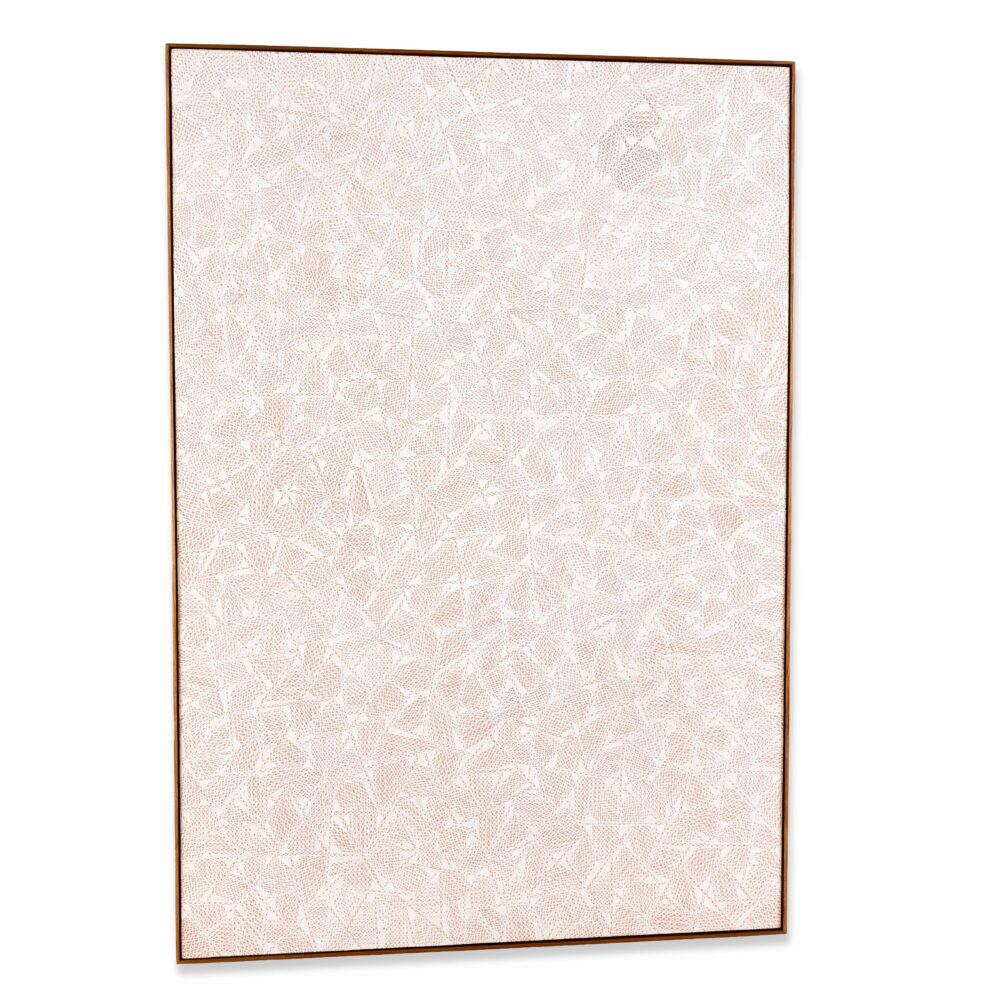
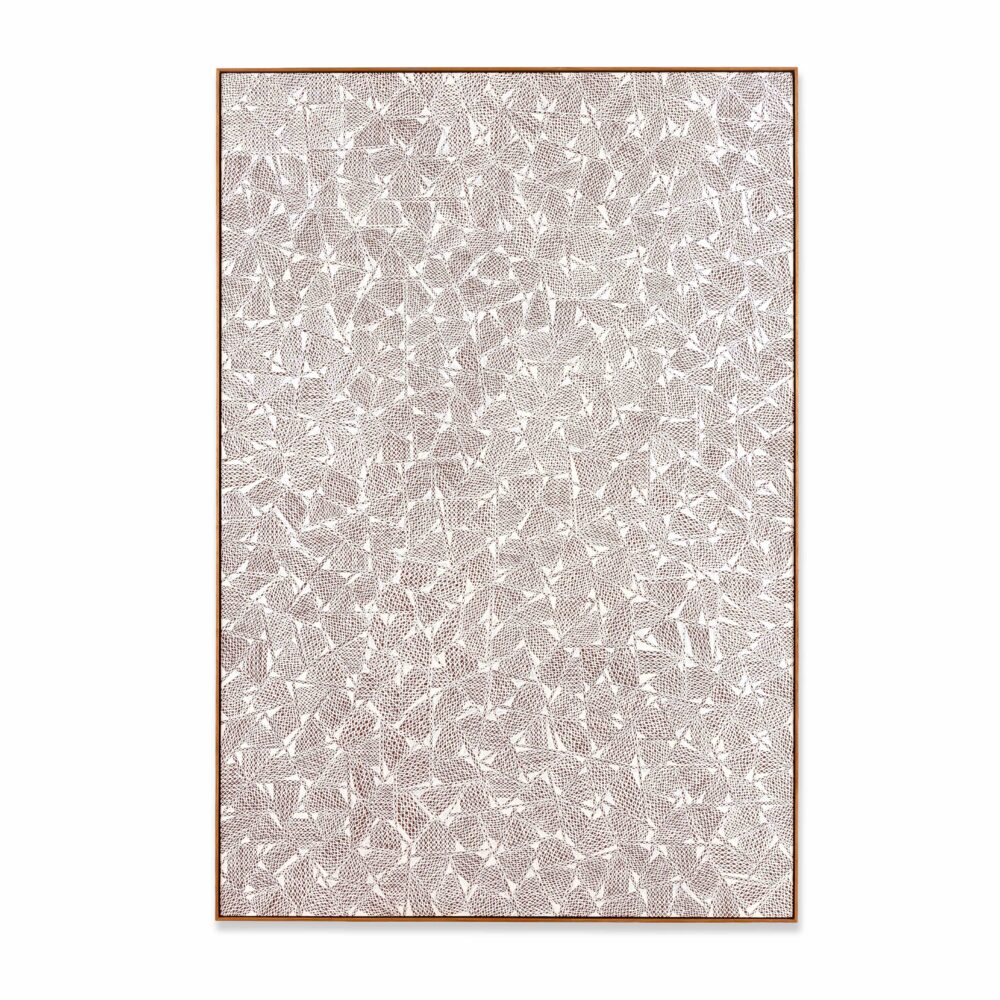
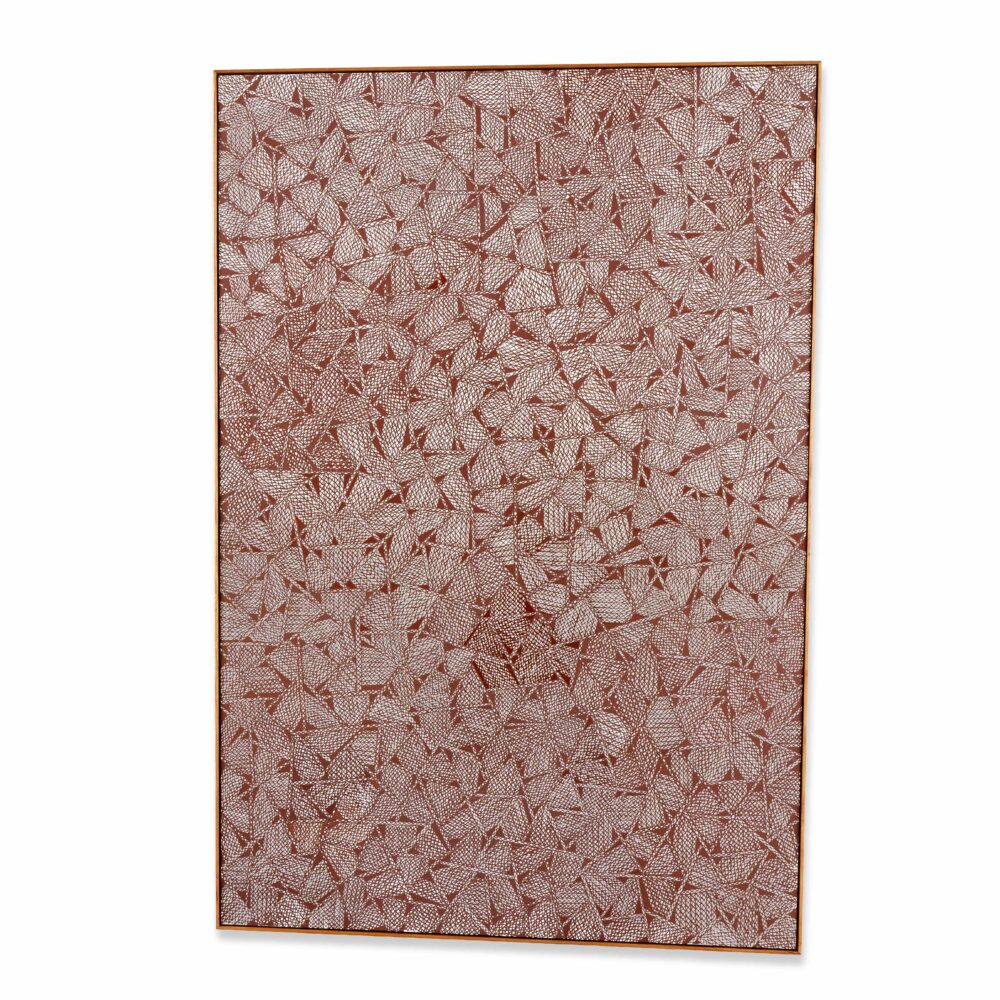
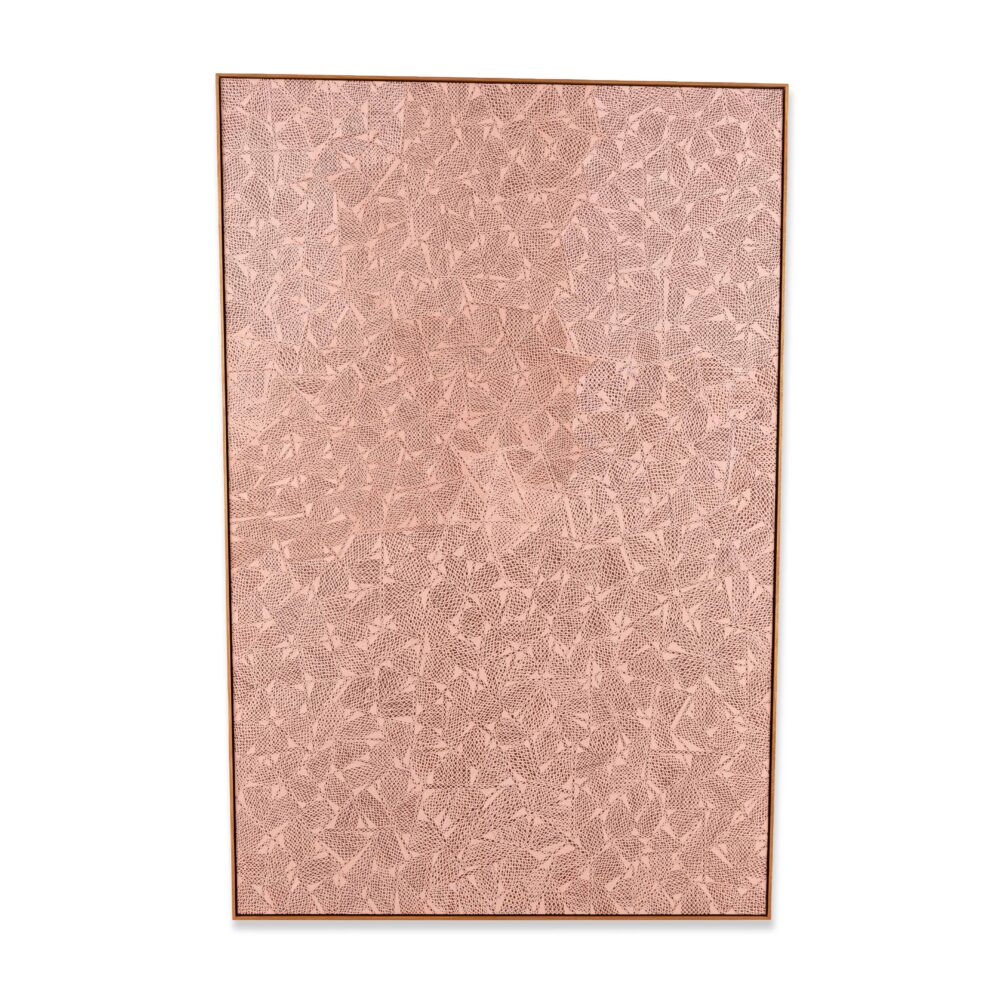
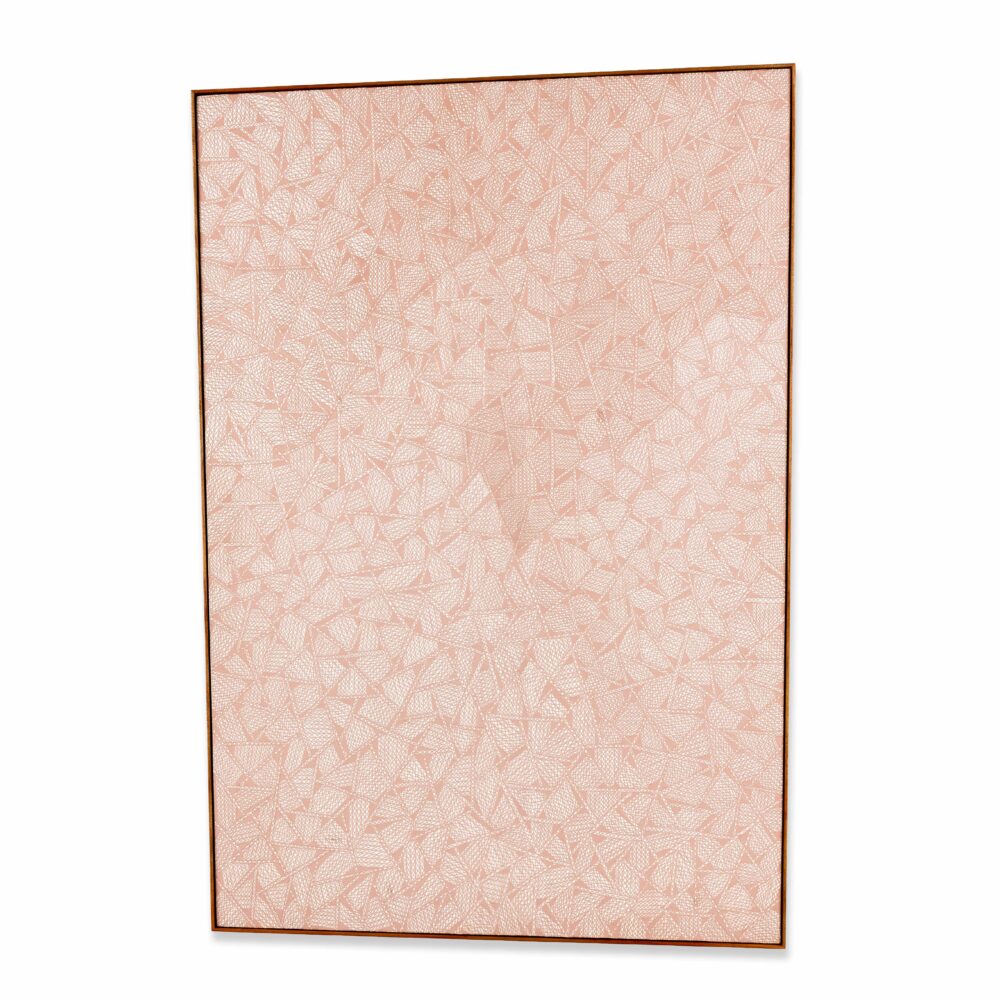
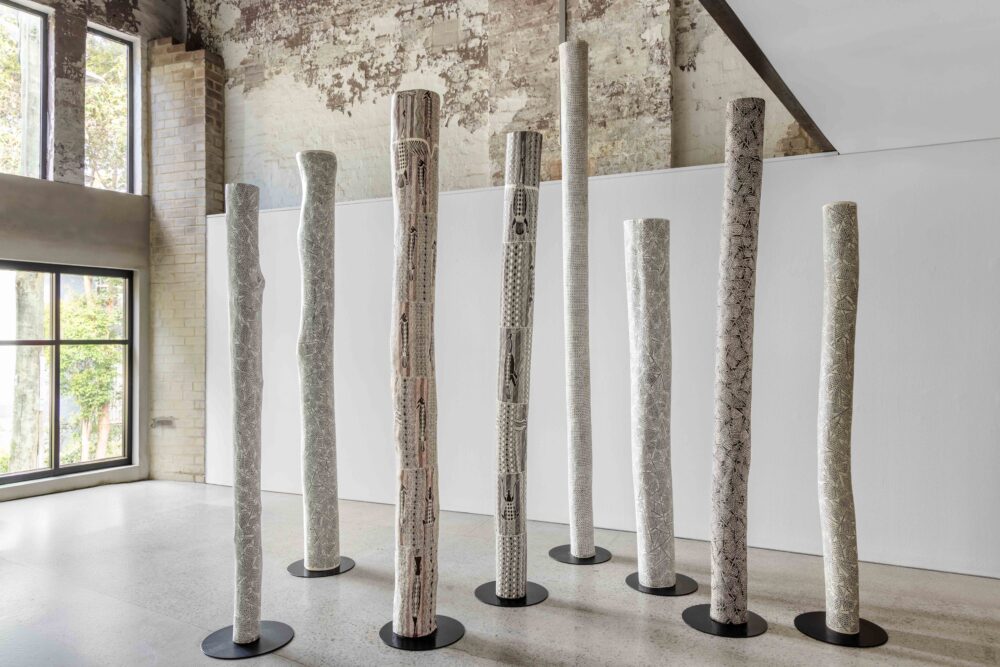
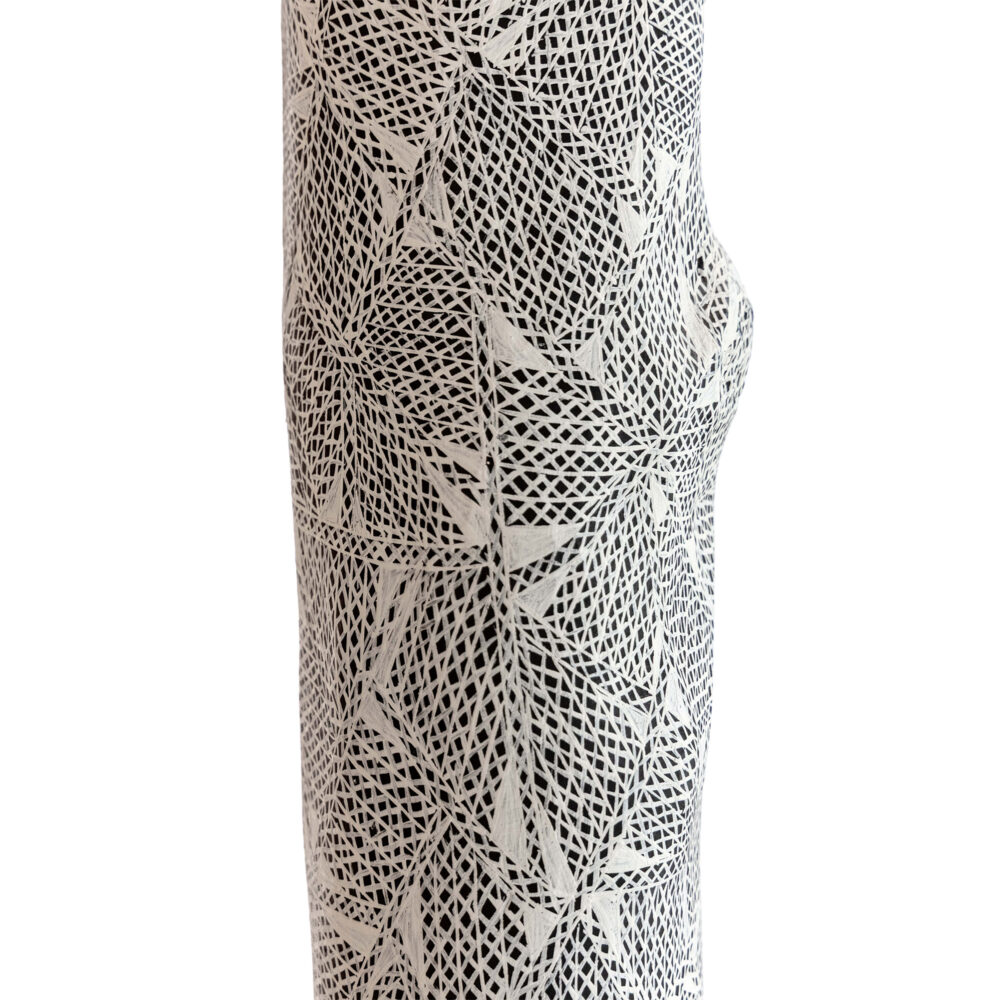
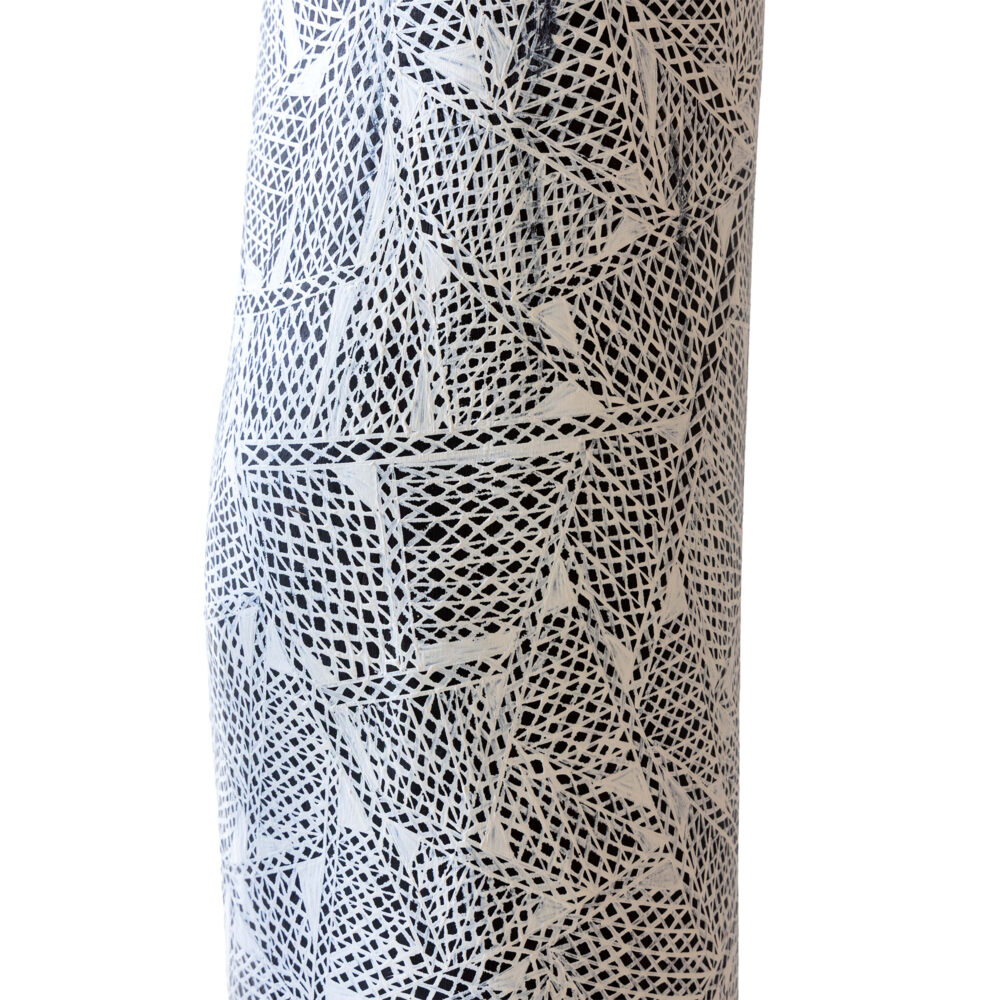
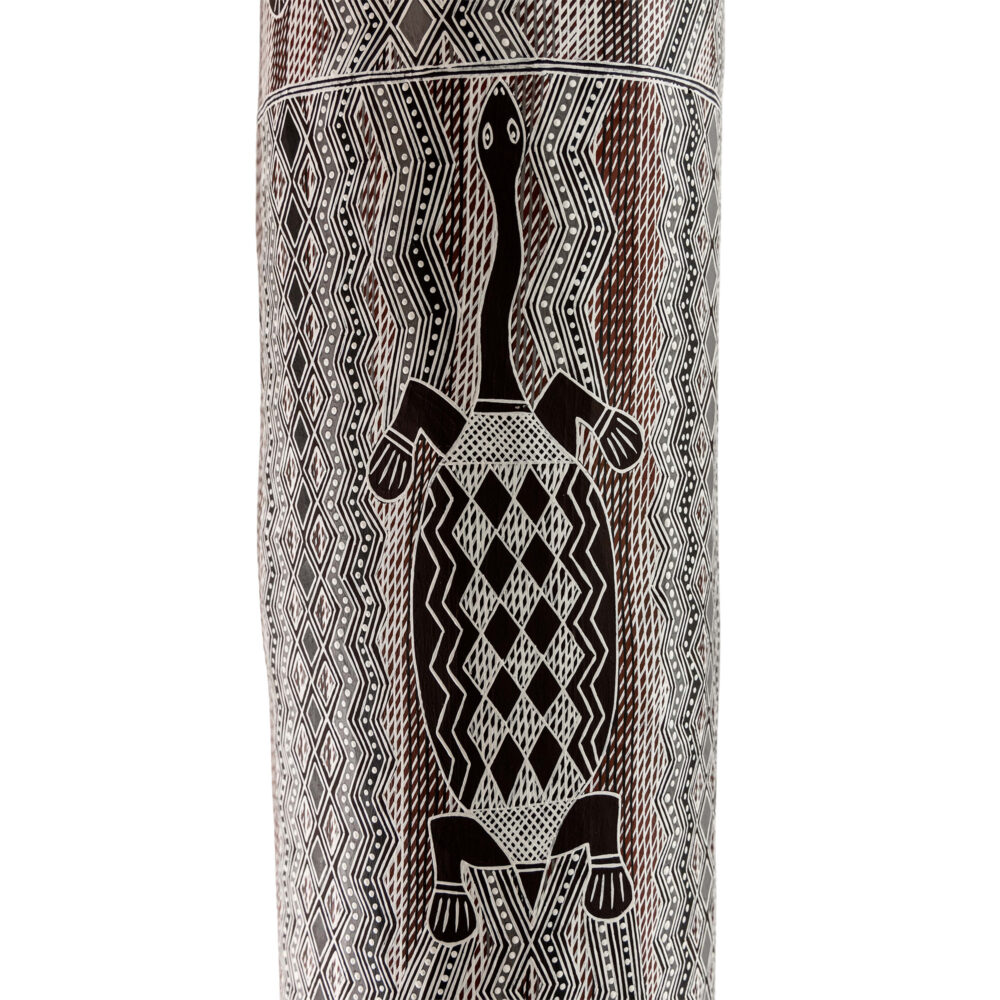
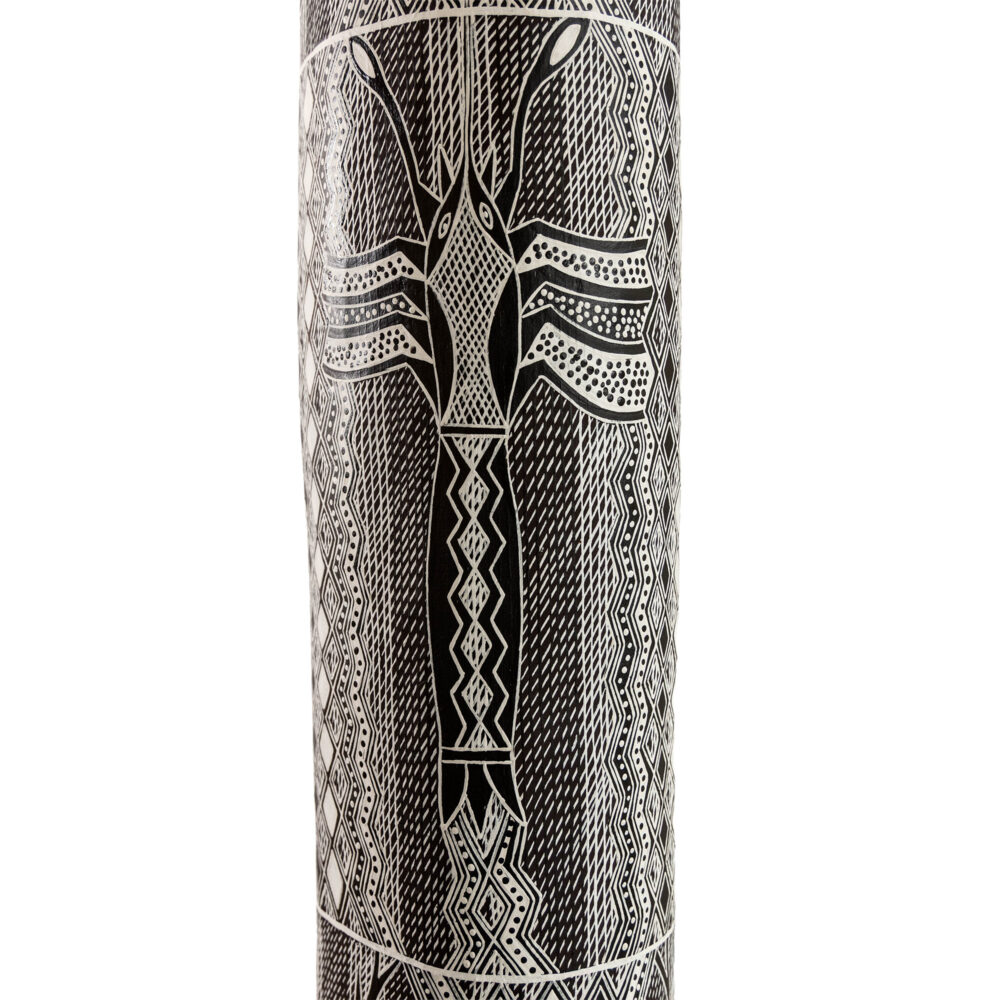
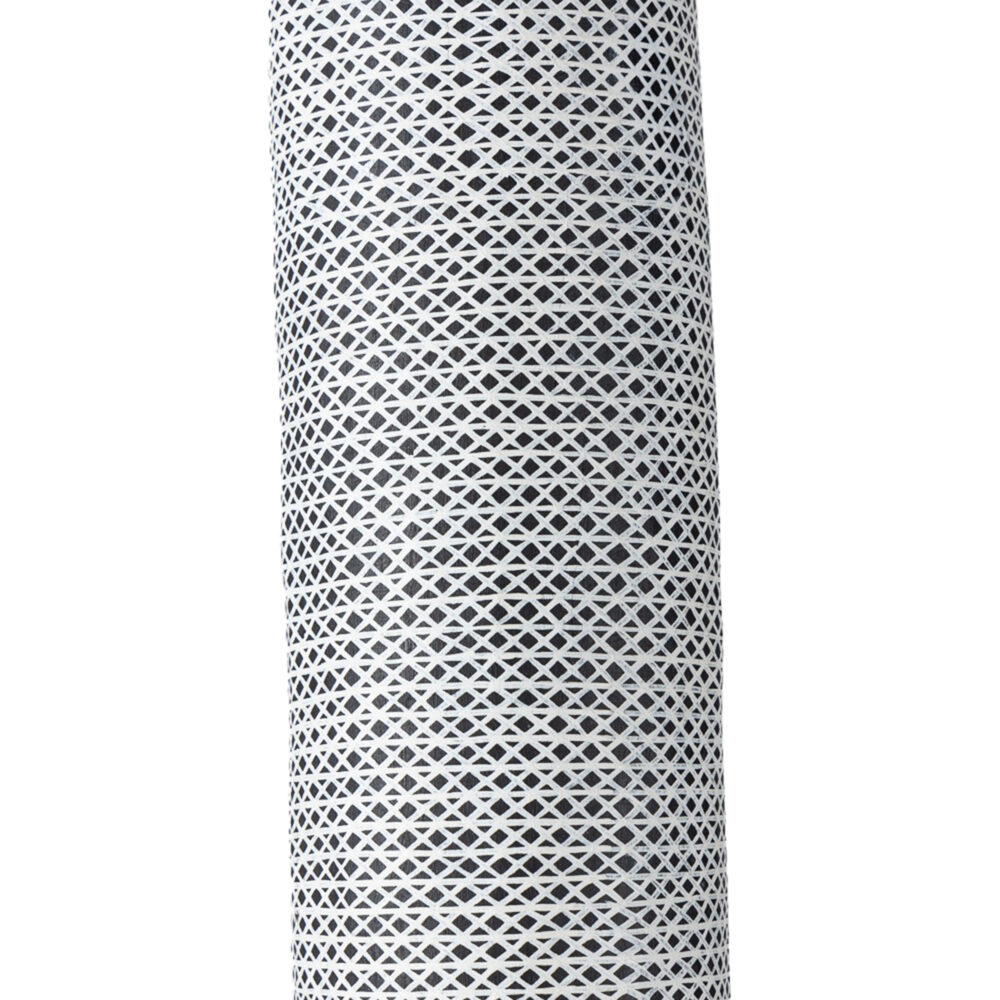
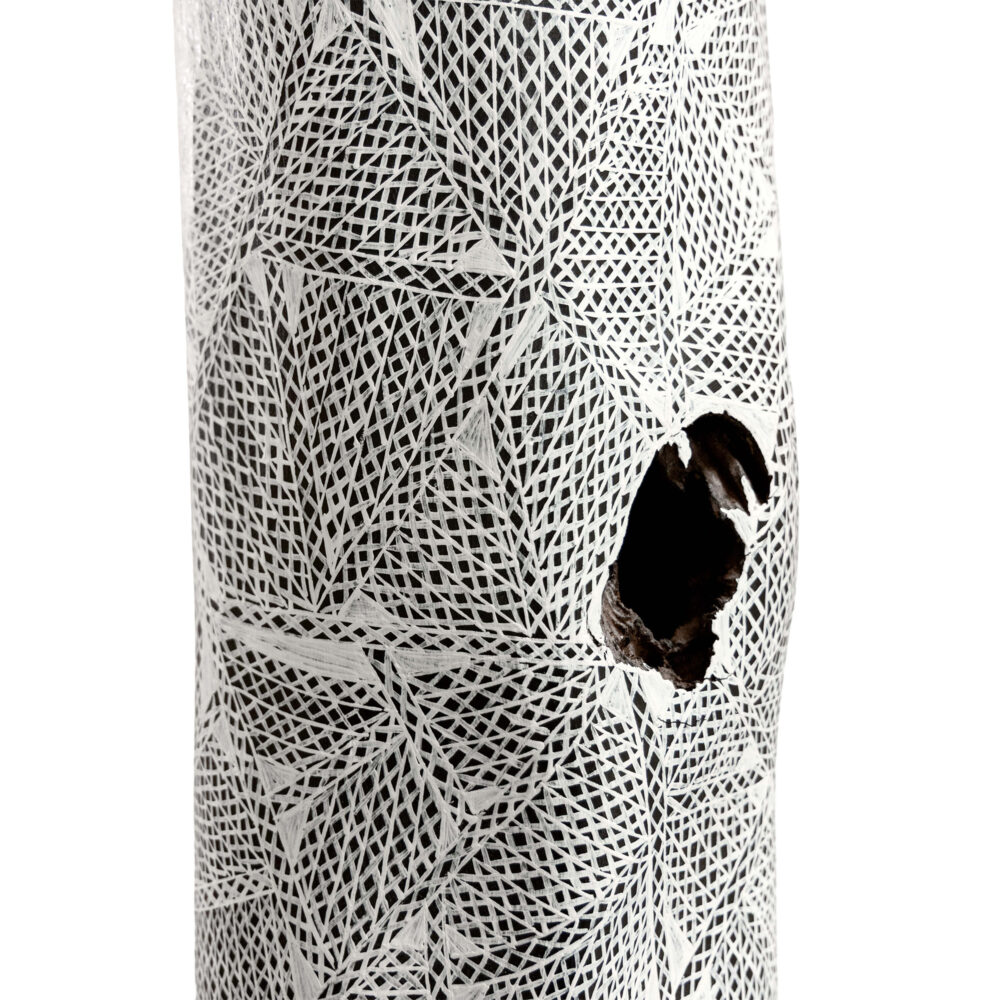
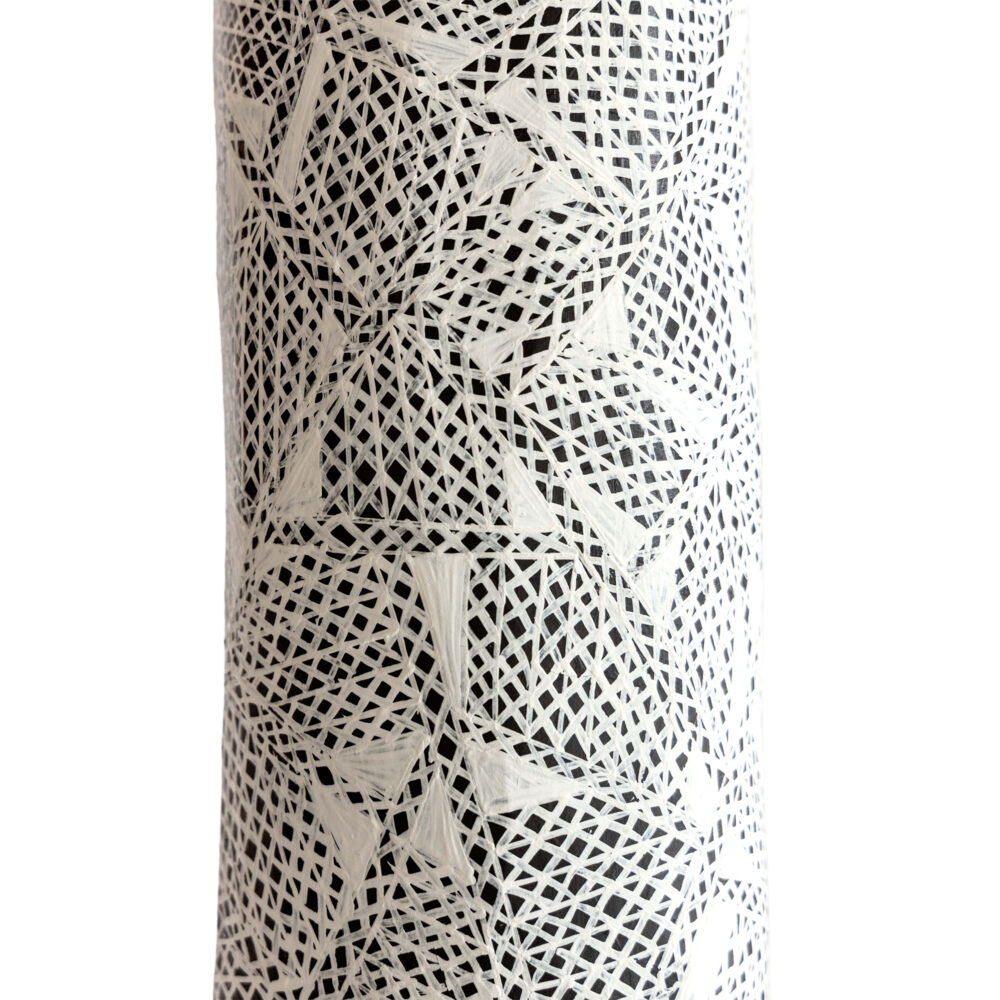
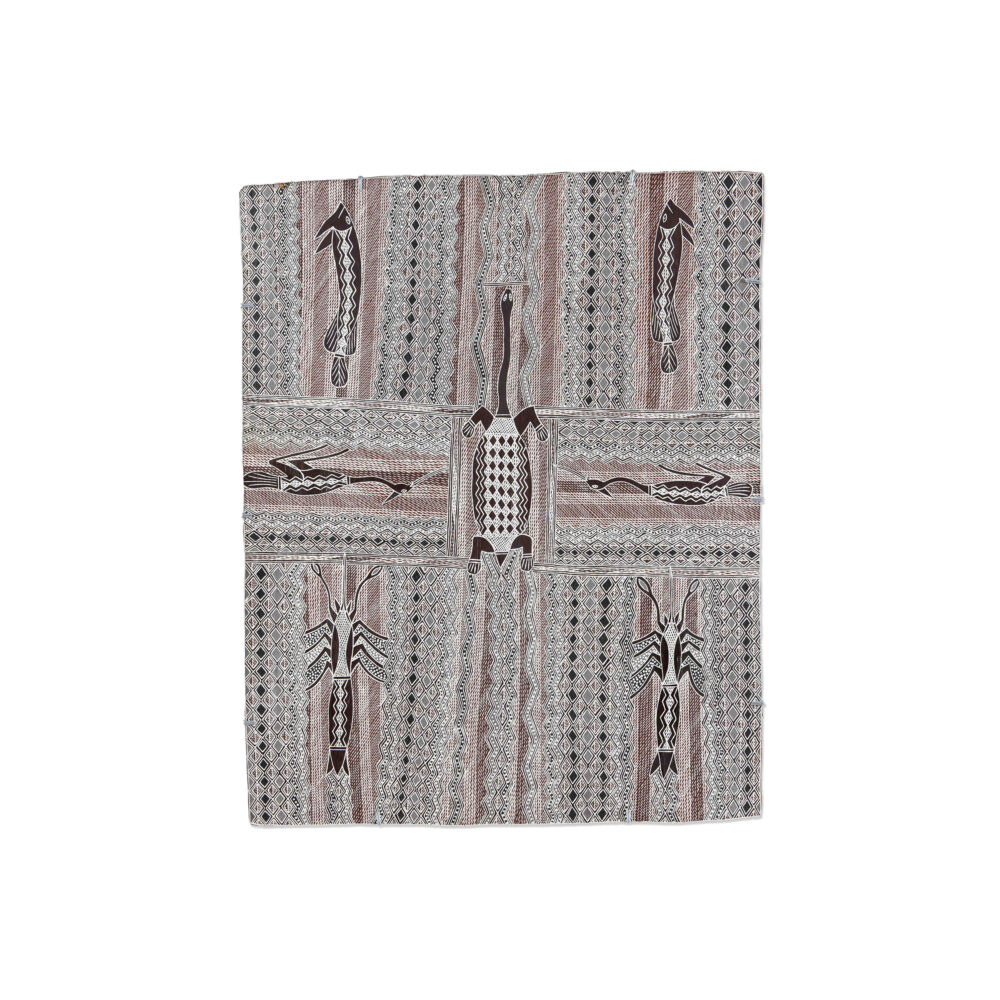
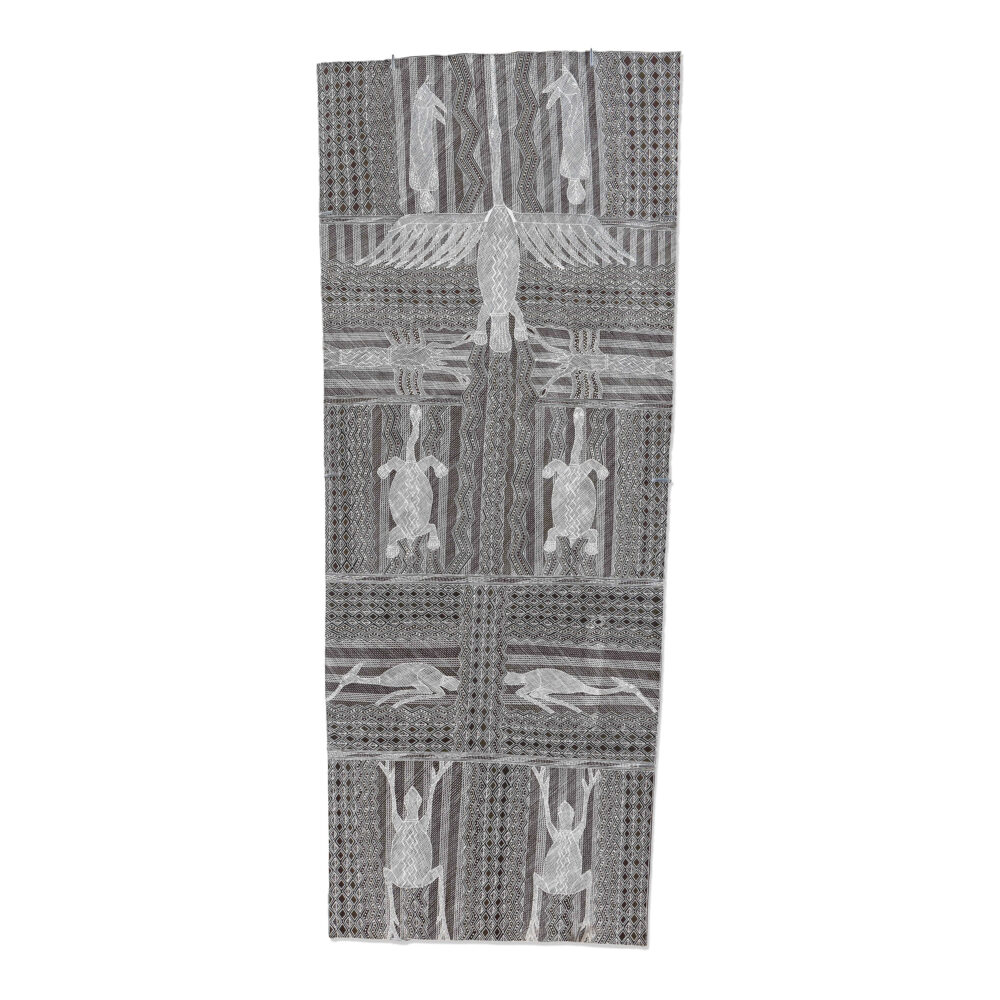
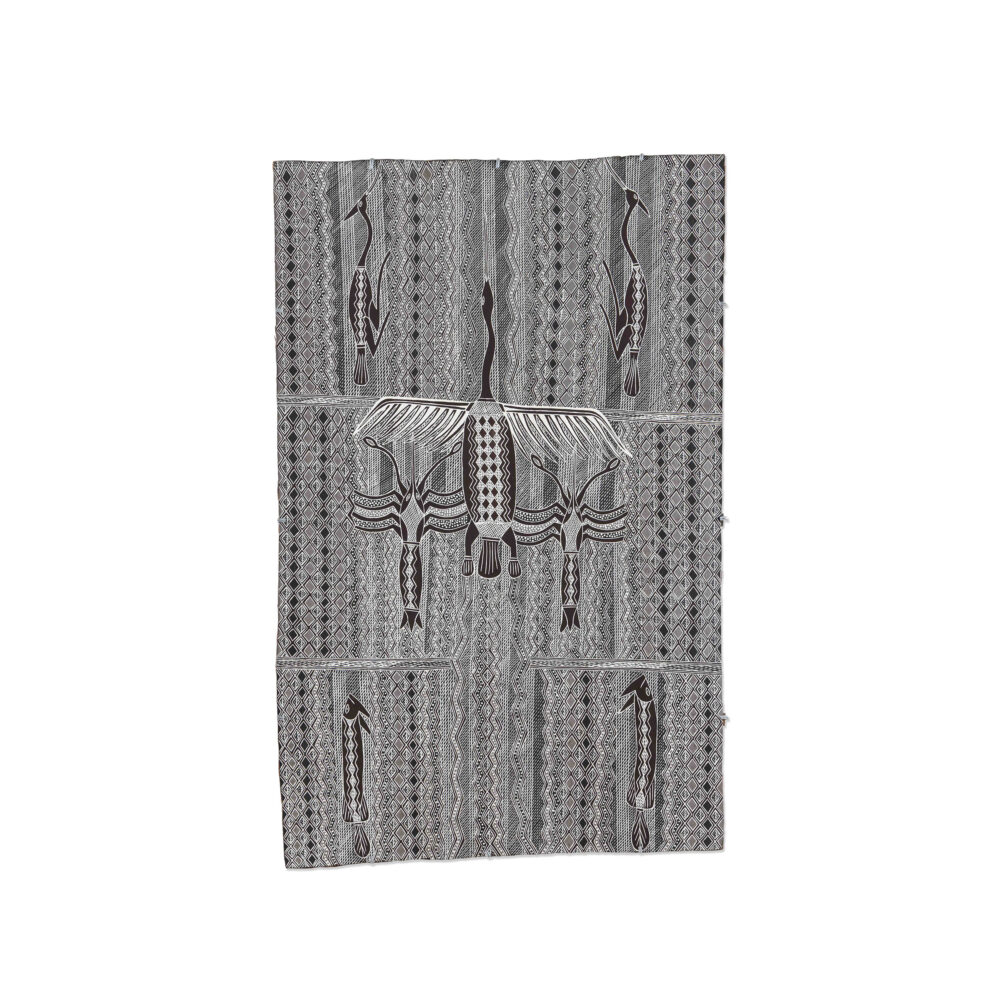
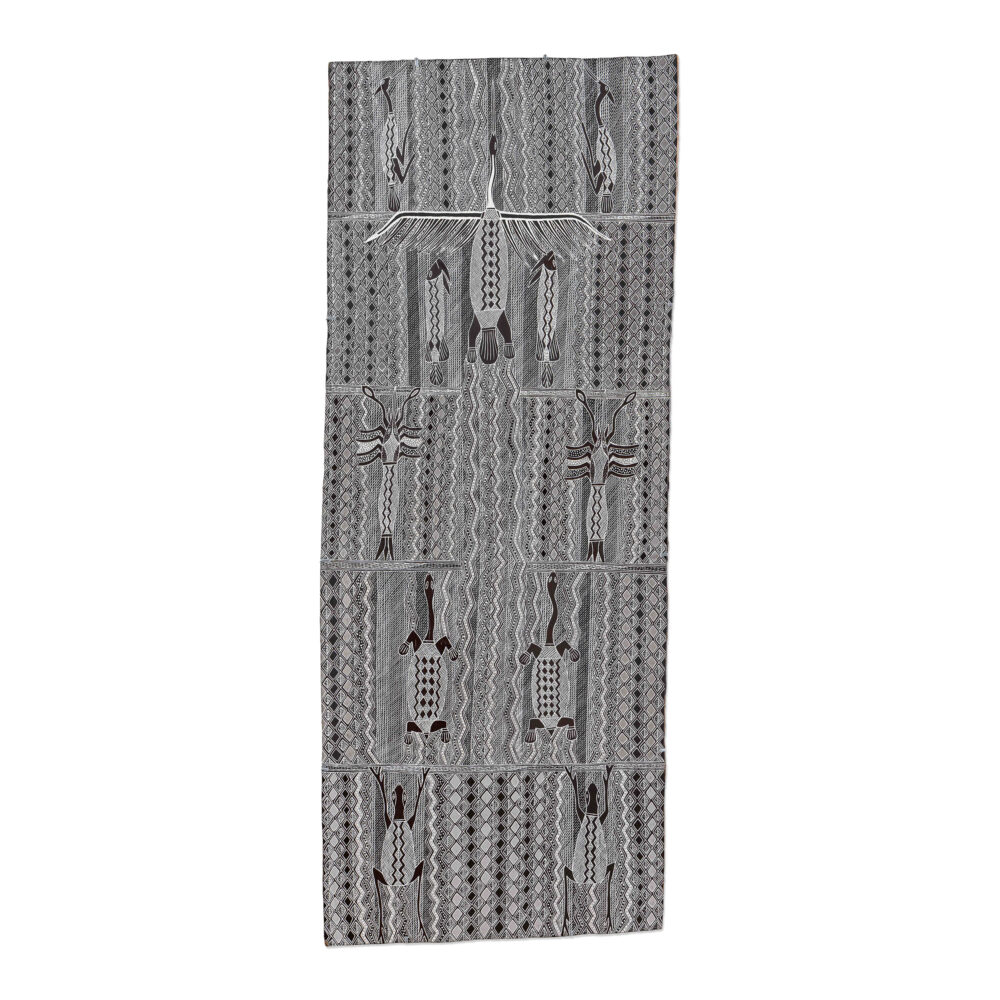
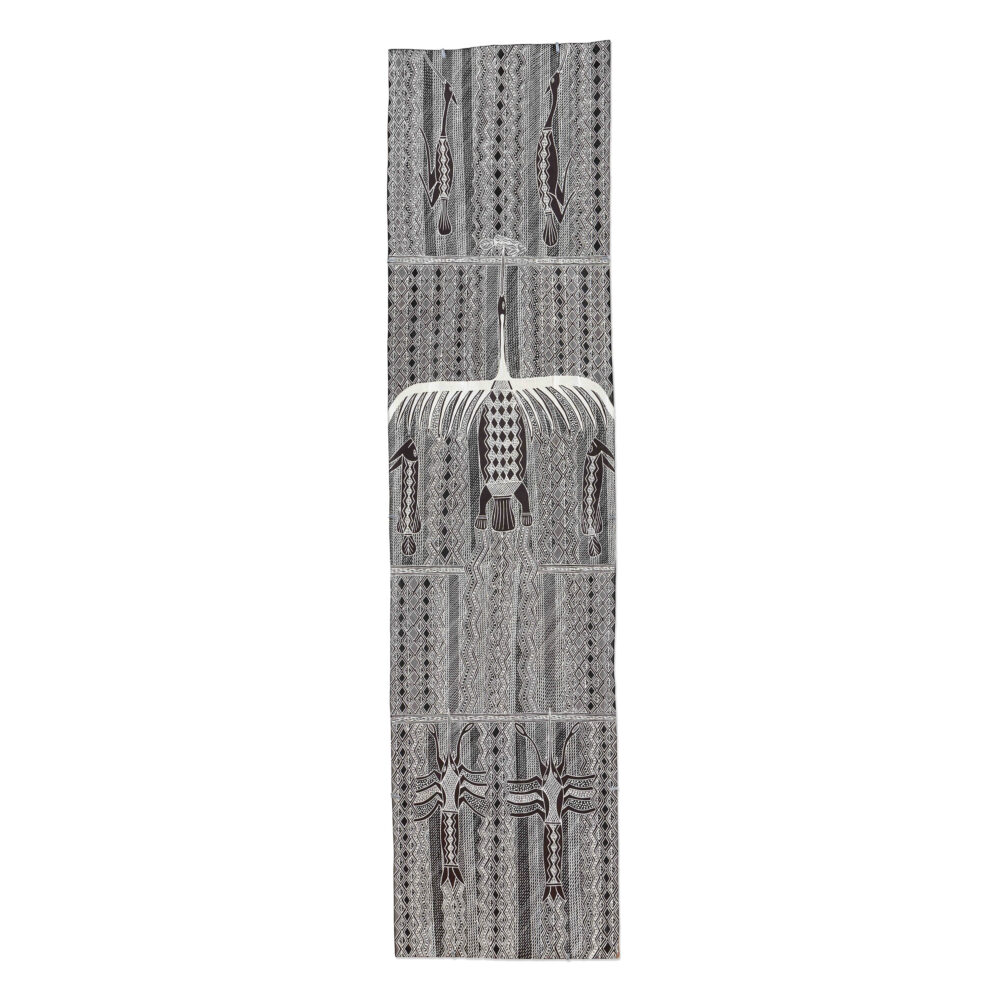
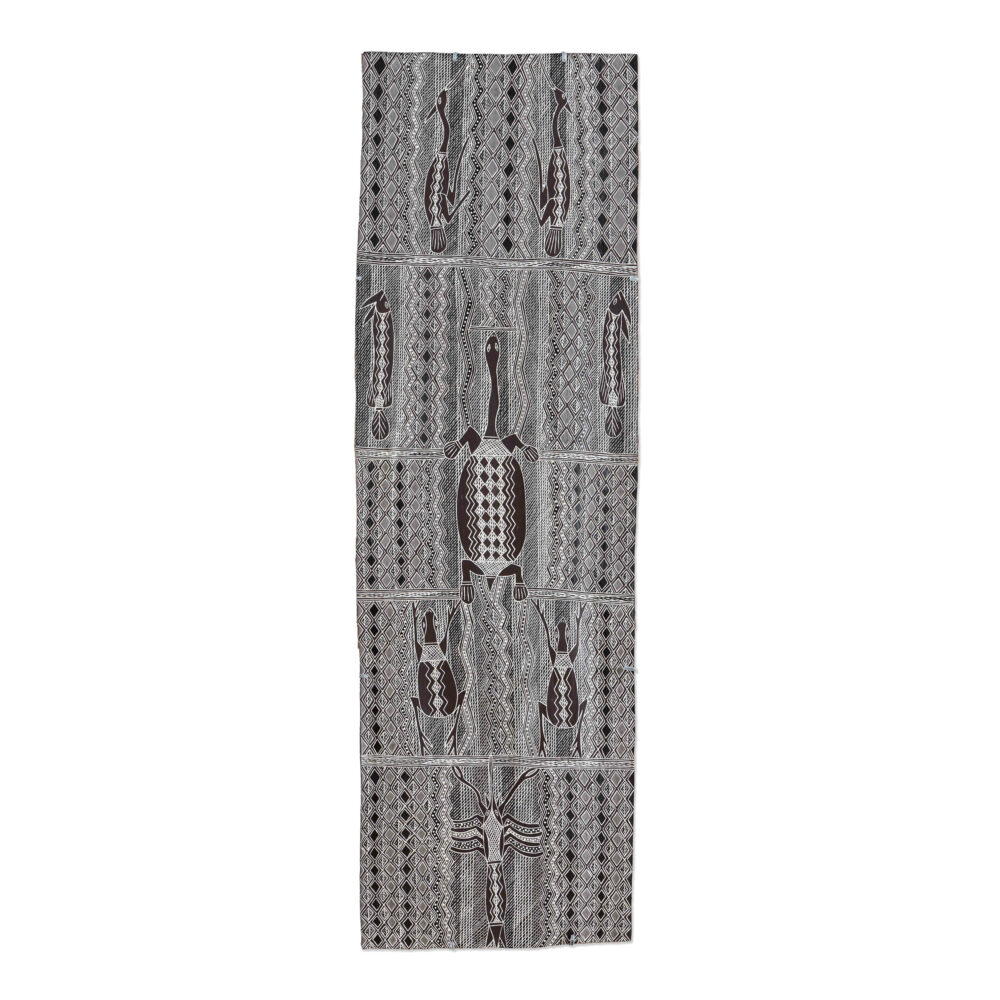
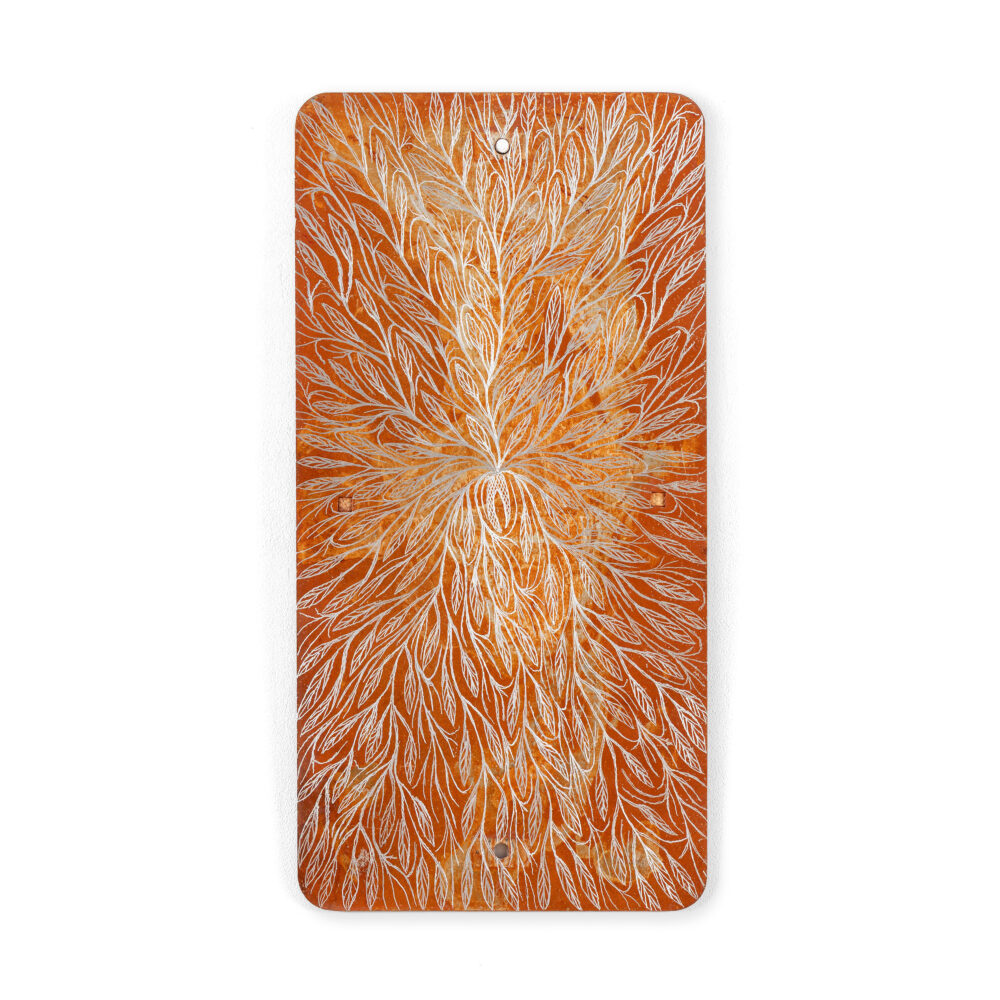
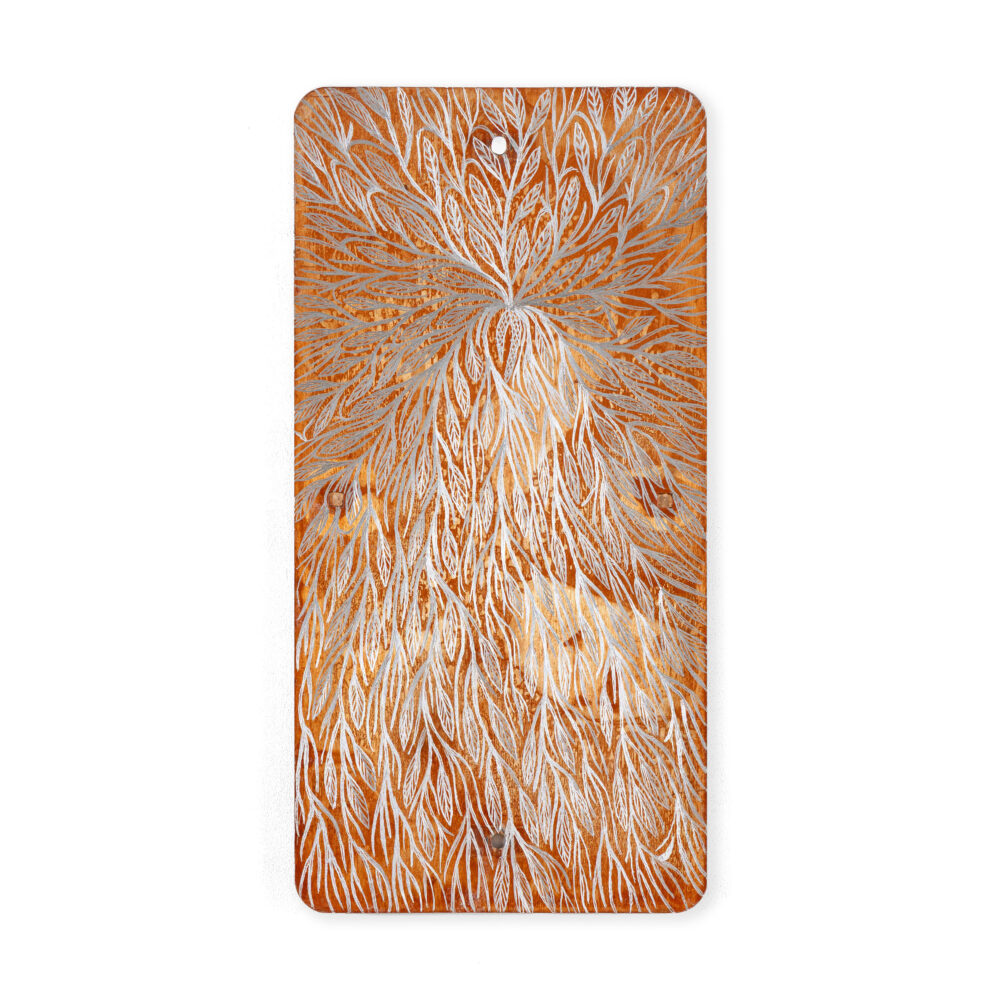
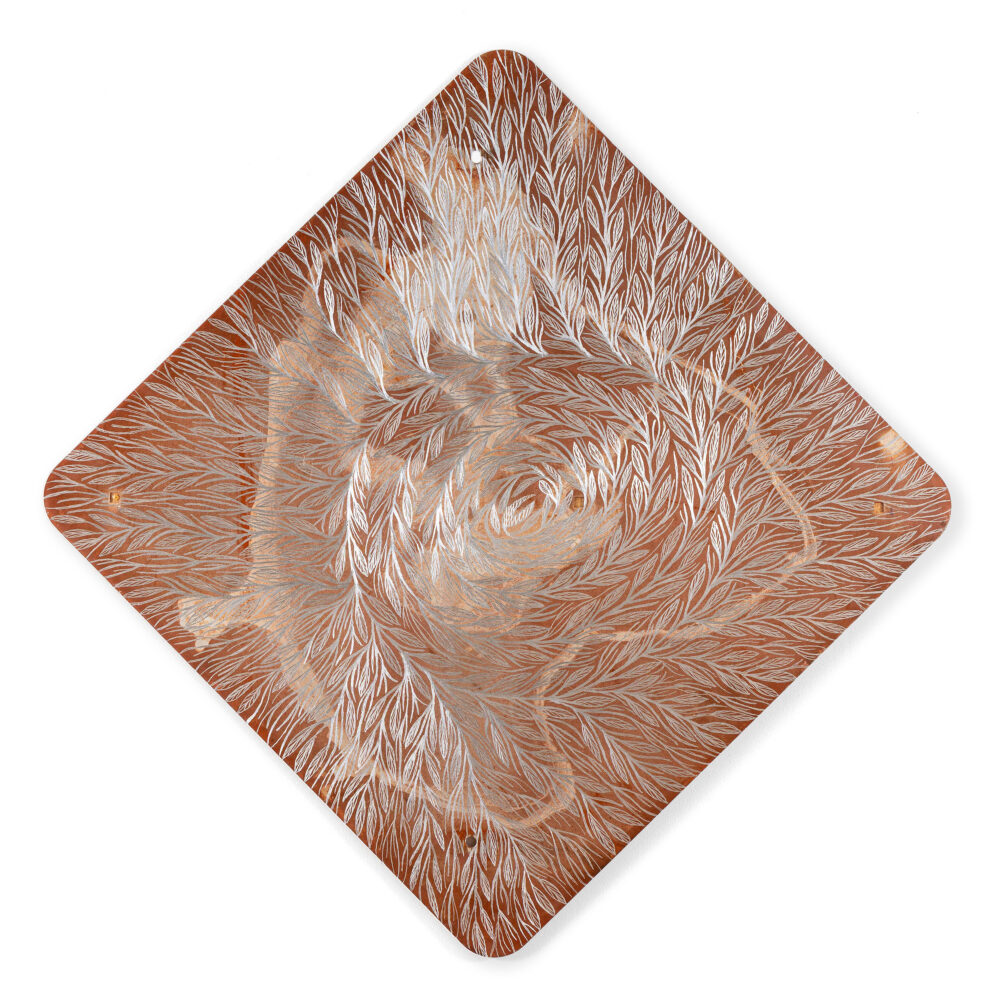
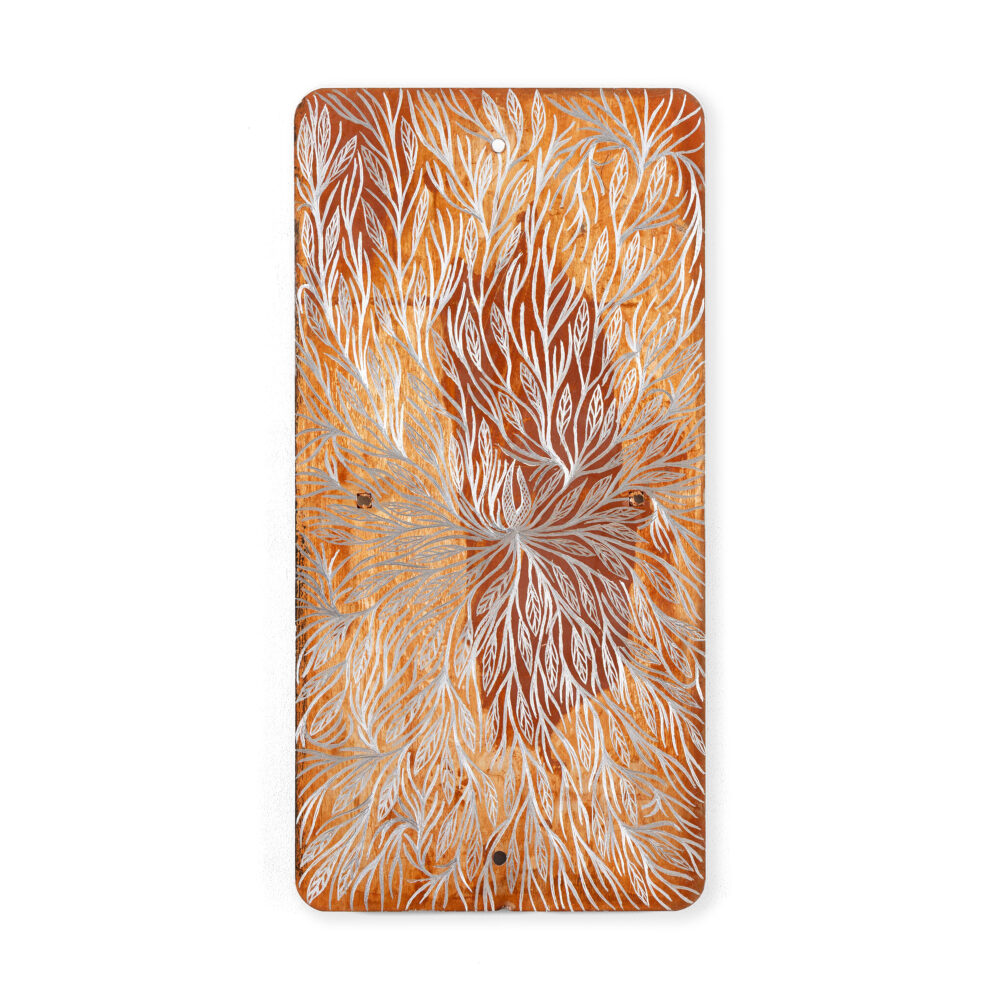
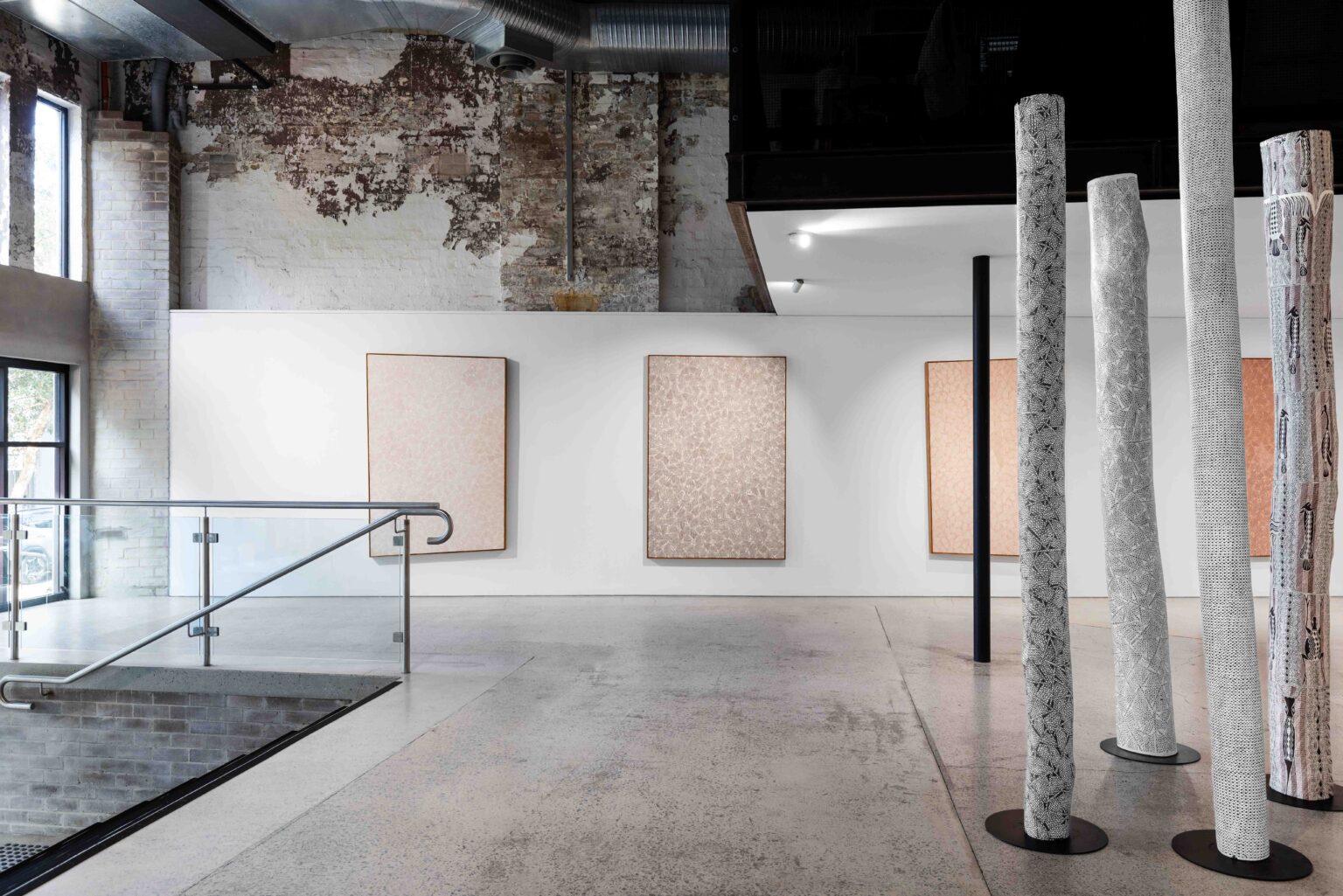
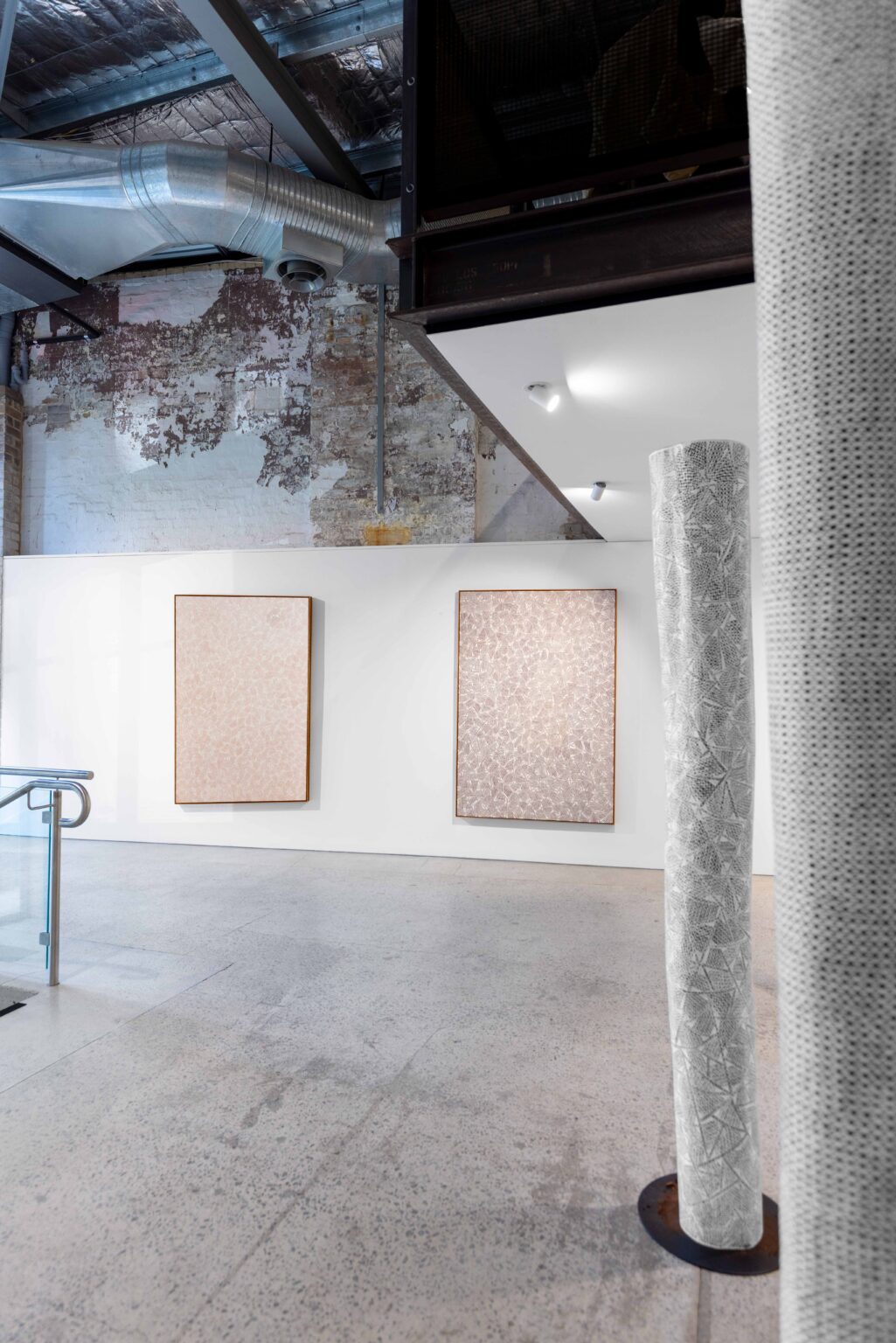
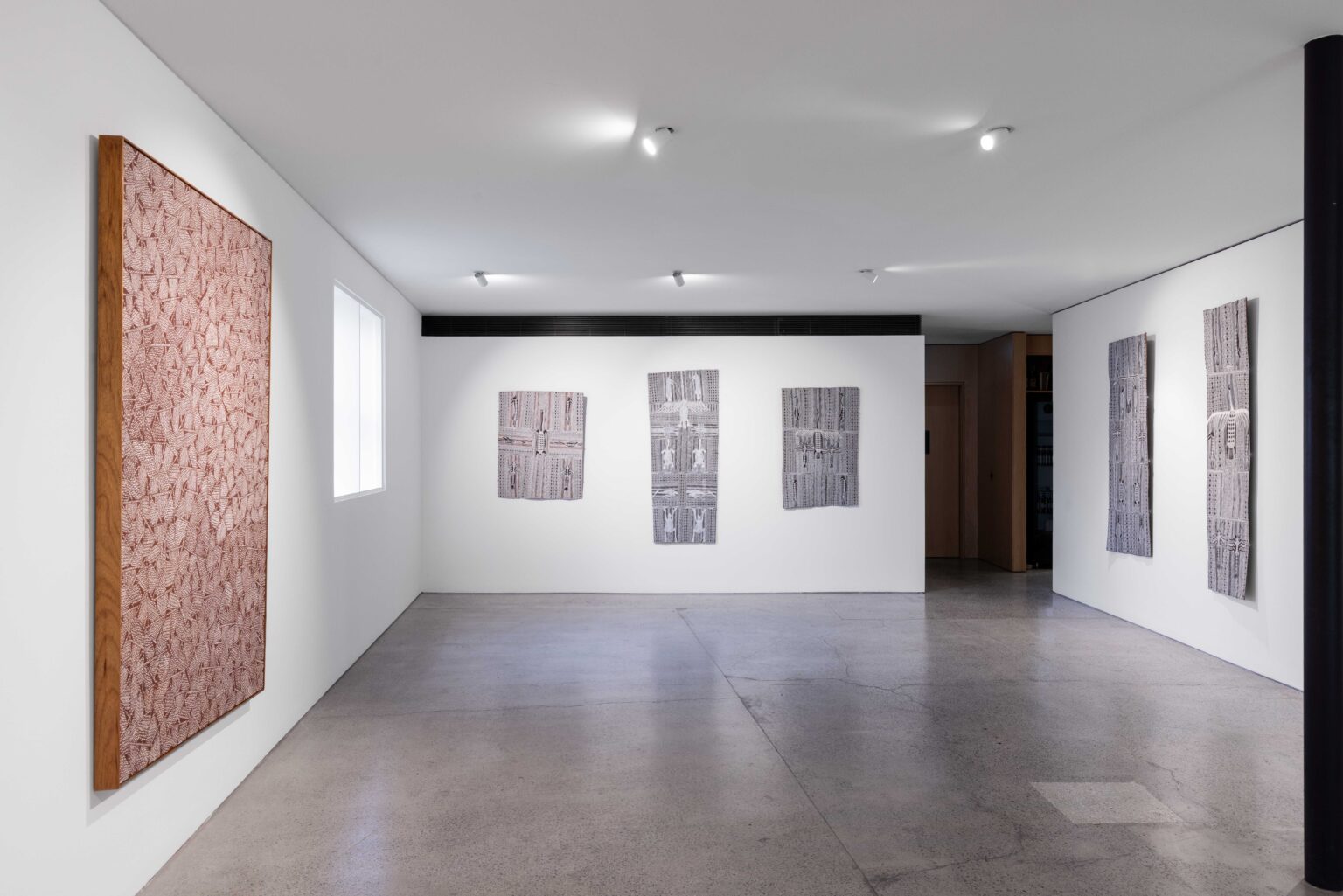
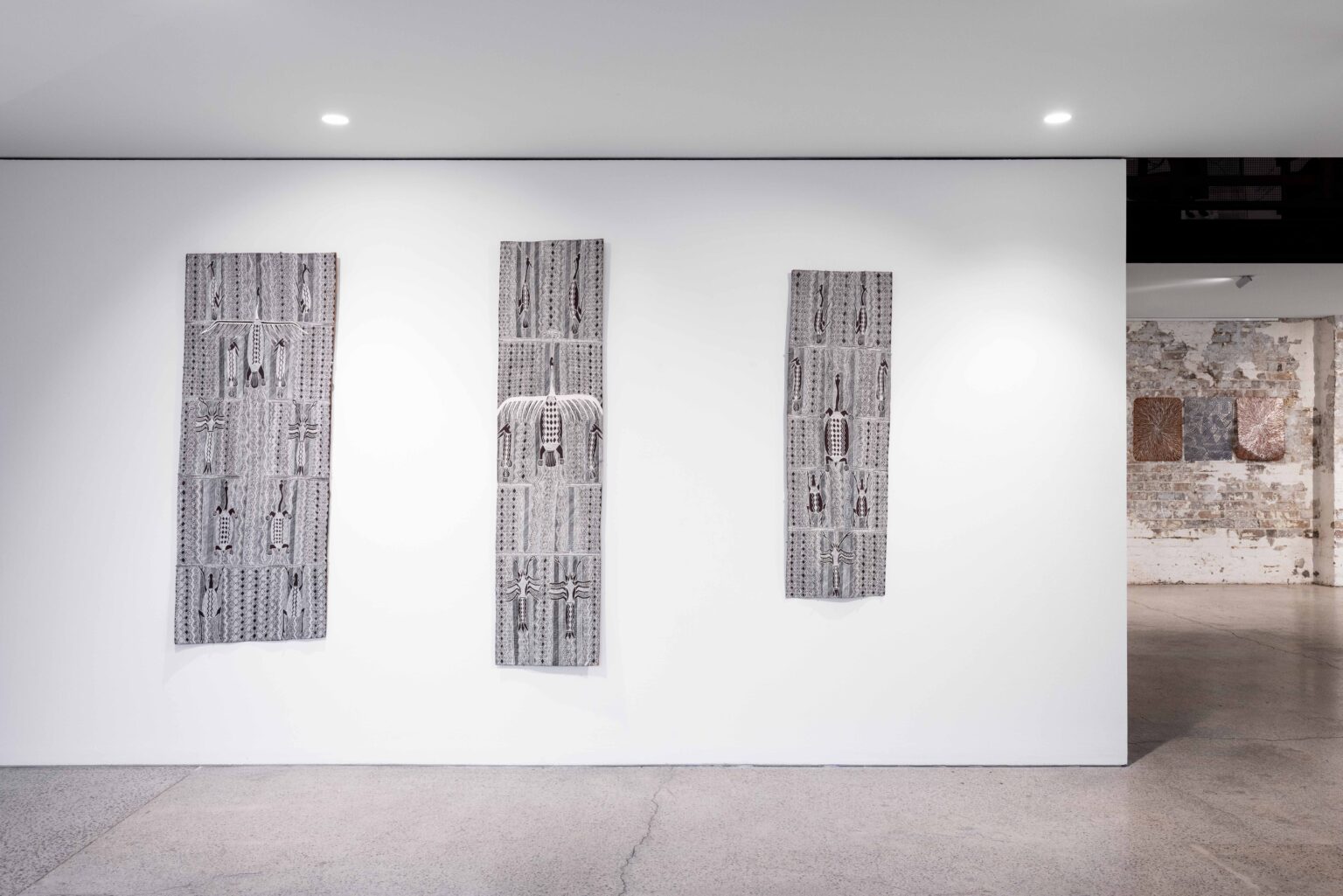
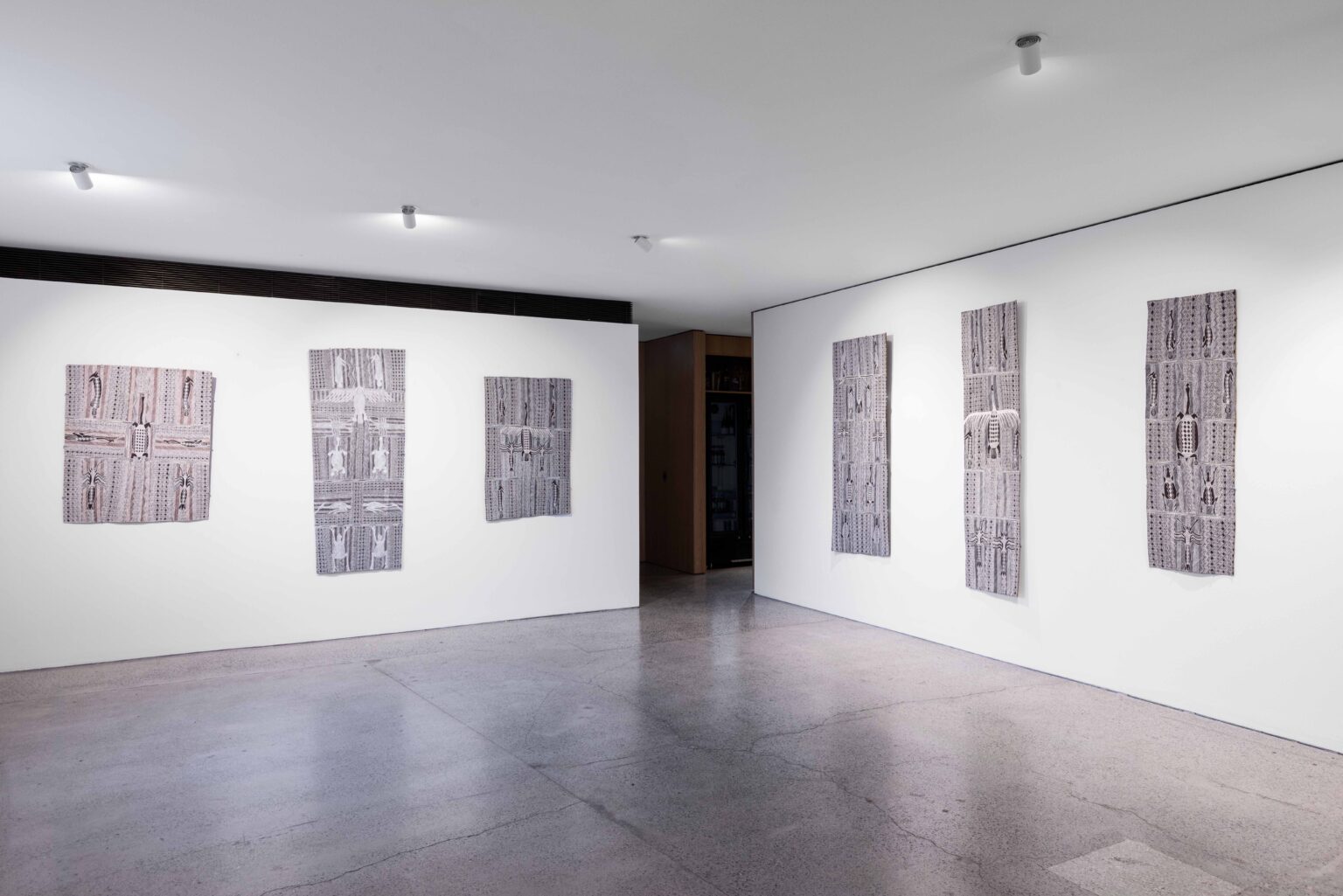
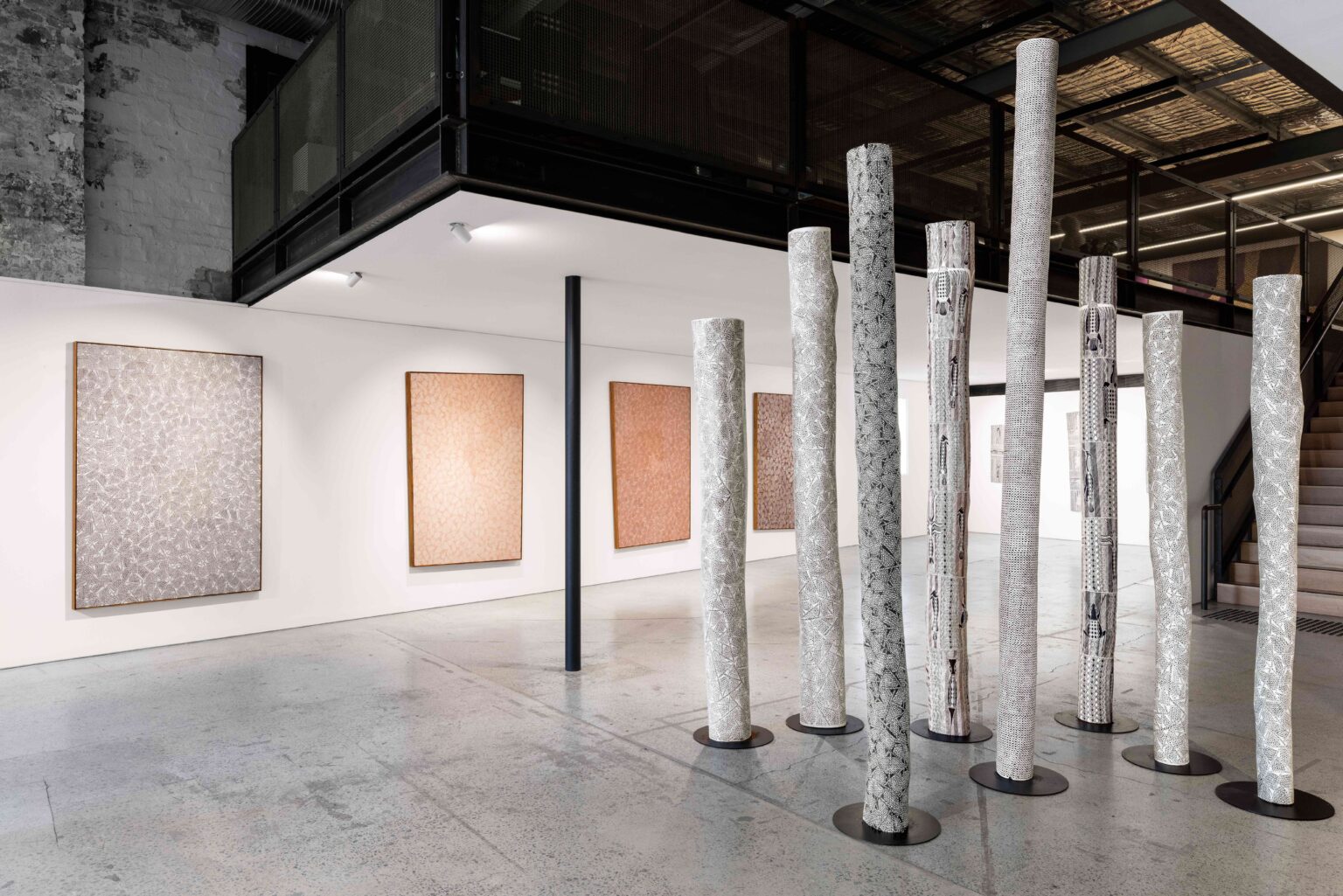
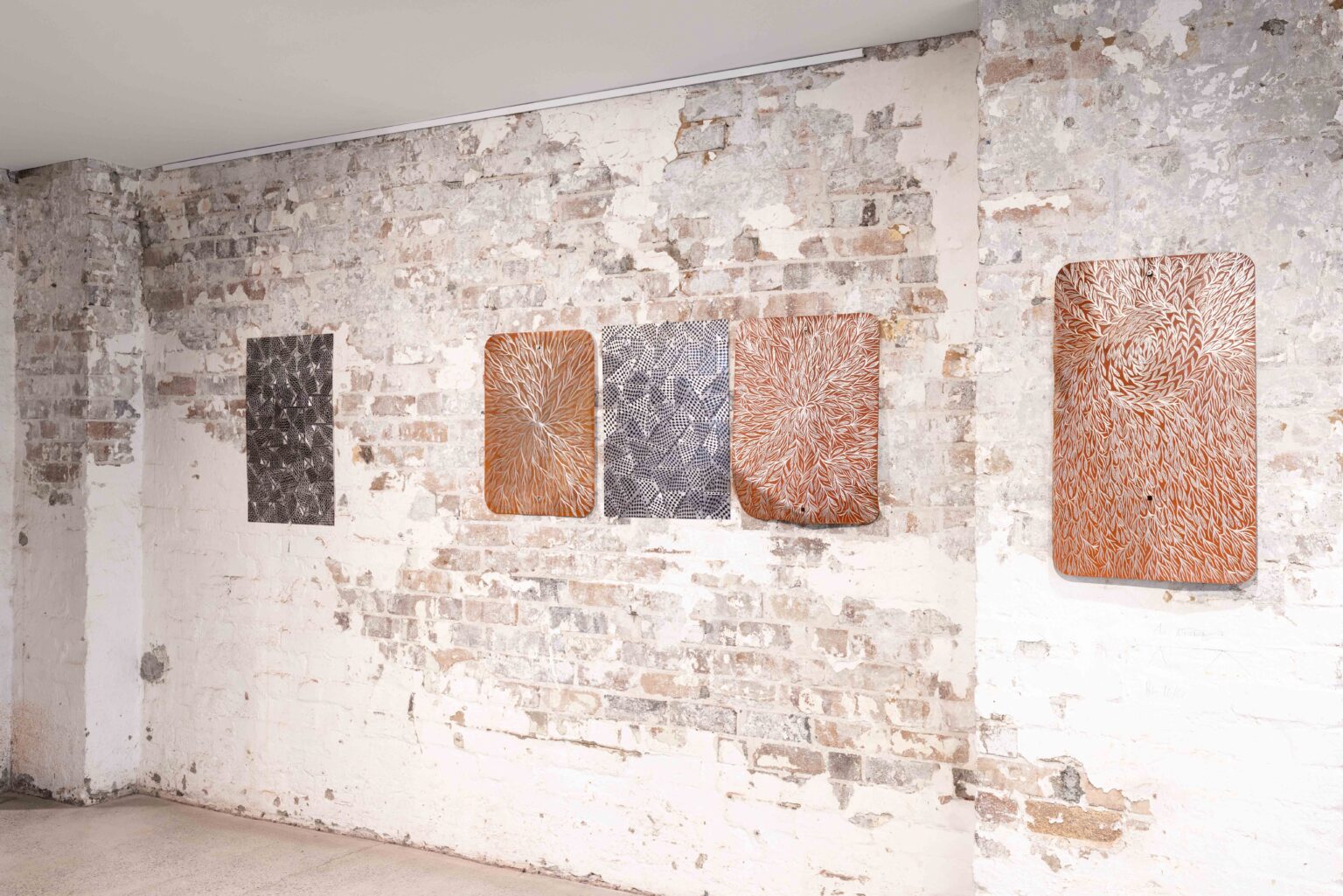
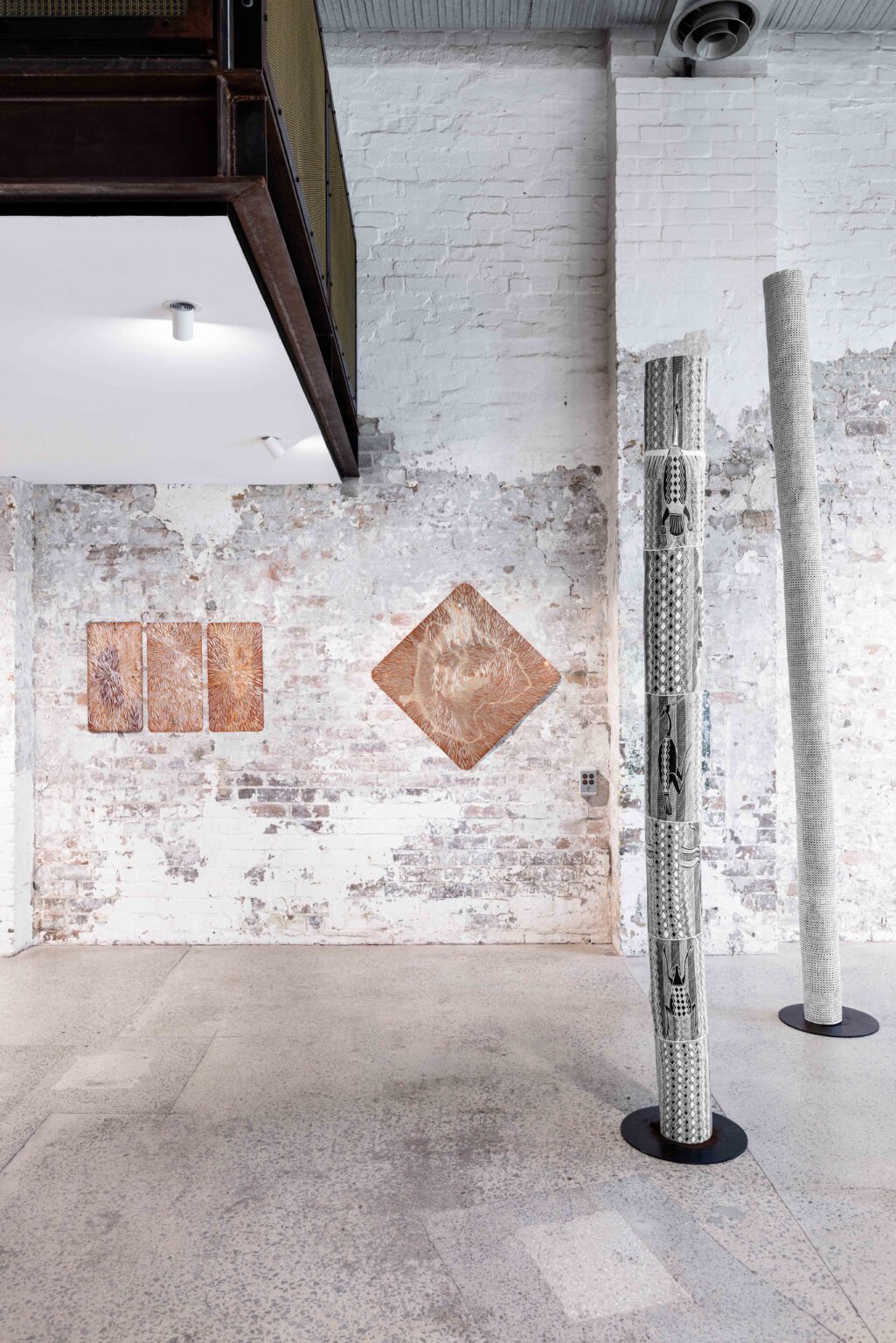
Michael Reid Sydney is delighted to present Classical by Yolŋu artists Djirrirra Wunuŋmurra Yukuwa and Moyurrurra Wunuŋmurra, sisters and leading creative forces at the Buku-Larrŋgay Mulka Centre at Yirrkala, Northeast Arnhem Land. Unfolding across our entire ground floor gallery, where works on bark, board and salvaged metal road sign circulate around a towering forest of intricately painted larrakitj, the sets the sisters’ distinct yet deeply connected practices in an illuminating conversation. While Djirrirra is globally lauded as one of the most accomplished Yolŋu artists working today, her return to our Eora/Sydney gallery marks the first significant showing for her sister, Moyurrurra, who has held to the formal Dhaḻwaŋu iconography entrusted to her by the sisters’ father. In tracing the two artists’ contrasting trajectories, their show reveals the continuum between Yolŋu art’s contemporary and classical modes.
It is almost twenty years since Djirrirra won her first major art prize, the 2008 Northern Territory Contemporary Art Award, and almost thirty years since the monumental bark painting she worked on – assisting her father, Yaŋgarriny Wunuŋmurra – won First Prize at the 1997 National Aboriginal and Torres Strait Islander Art Award. And it is exactly eighty years since that same father was photographed at a larrakitj ceremony at Yirrkala, interring the bones of a deceased clan member into the highly patterned hollow memorial pole that would hold them until decaying back to the earth.
This lineage is a vivid expression of the bifocal nature of Yolŋu art and culture. The same designs can represent cutting-edge contemporary practice and ancient spiritual observance in the same instant. Classical holds these threads together, with two sisters tracing contrasting trajectories that sketch out the realm between these classical and contemporary manifestations of Yolŋu art.
Djirrirra has a well-documented history of success in the art world both in Australia and abroad, travelling to countries such as France, Germany, Belgium and the United States, and presenting her work in more than 100 exhibitions, including nine solo shows. Across a career that has included her showing in the landmark Bundanon survey Miwatj Yolŋu – Sunrise People and her work’s accession to major collections such as the Kluge-Ruhe in the United States, her practice has been distinguished by an interplay of two distinct visual languages.
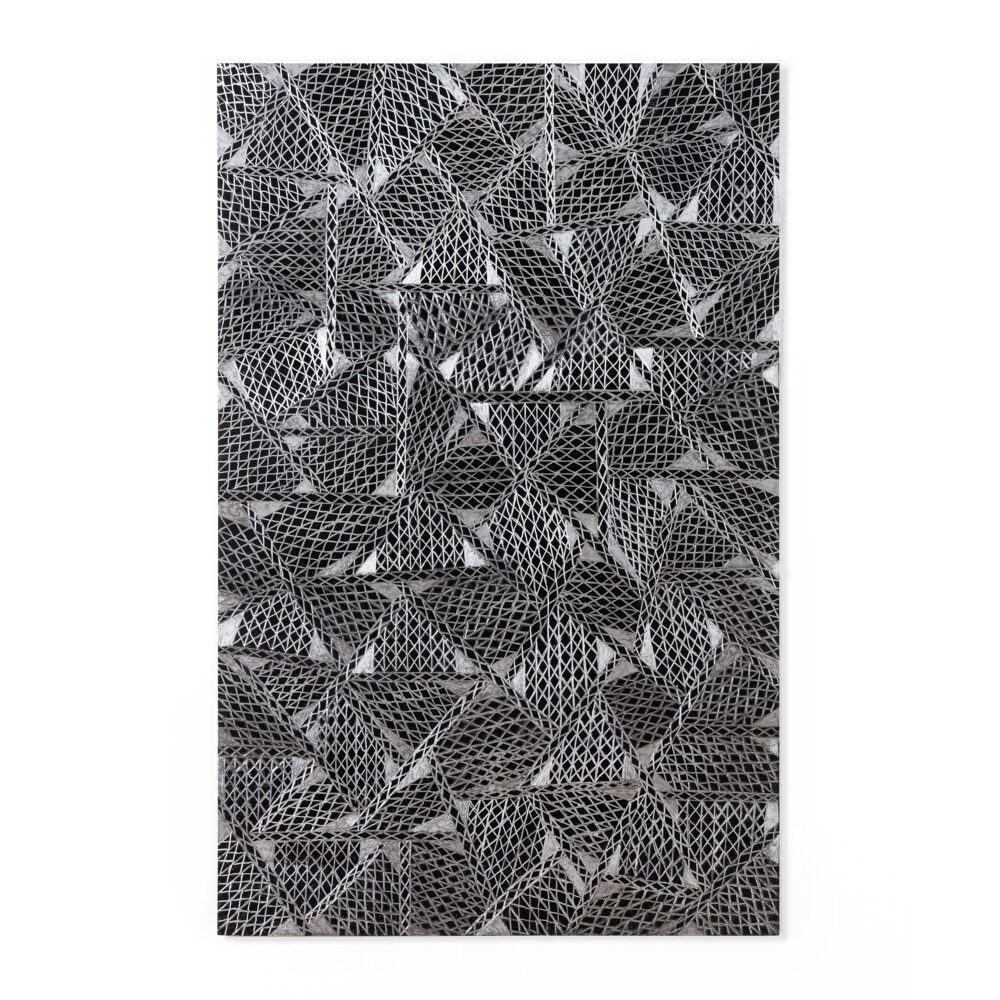
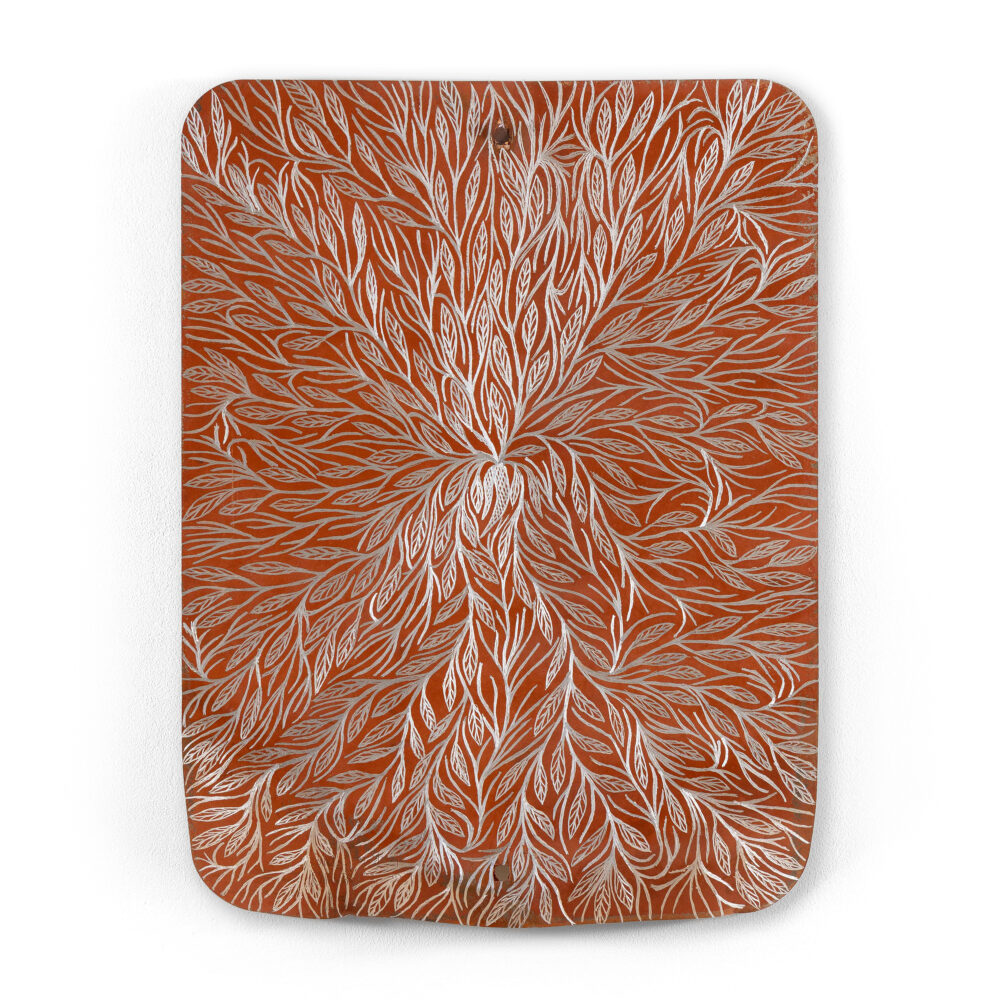
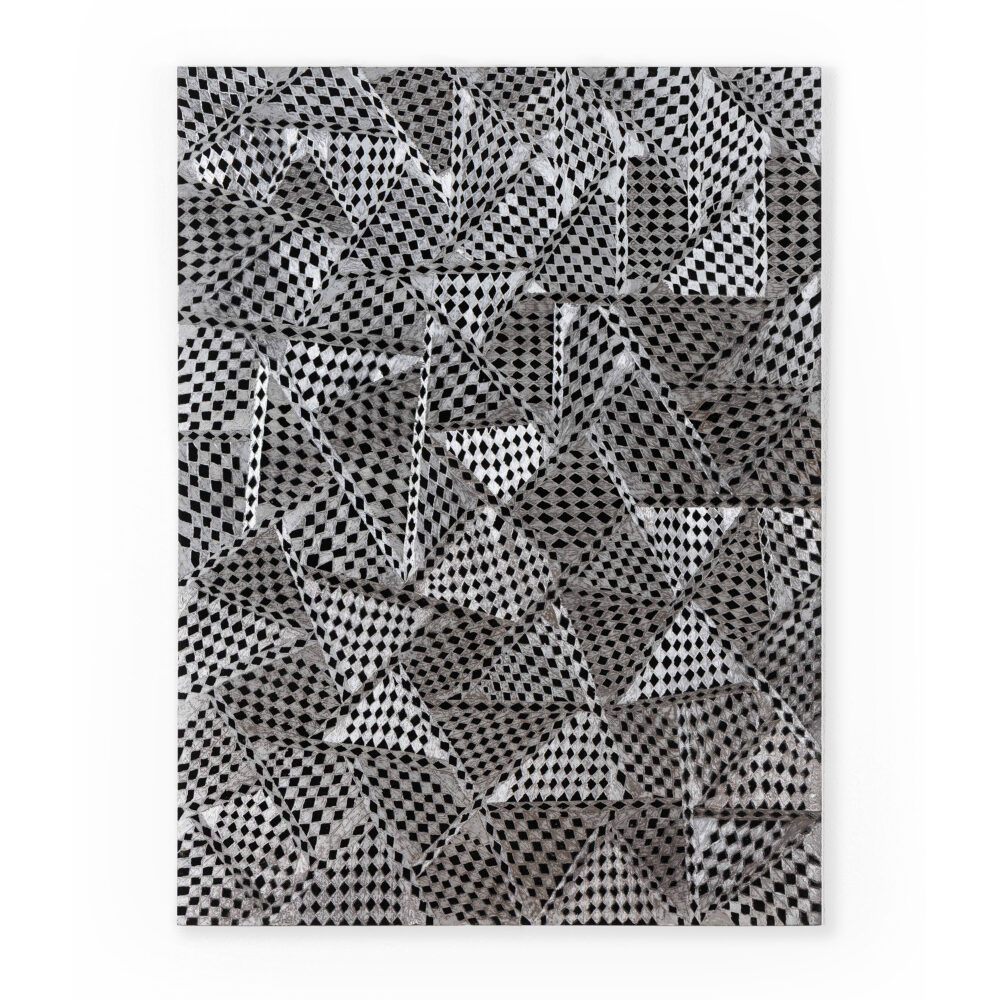
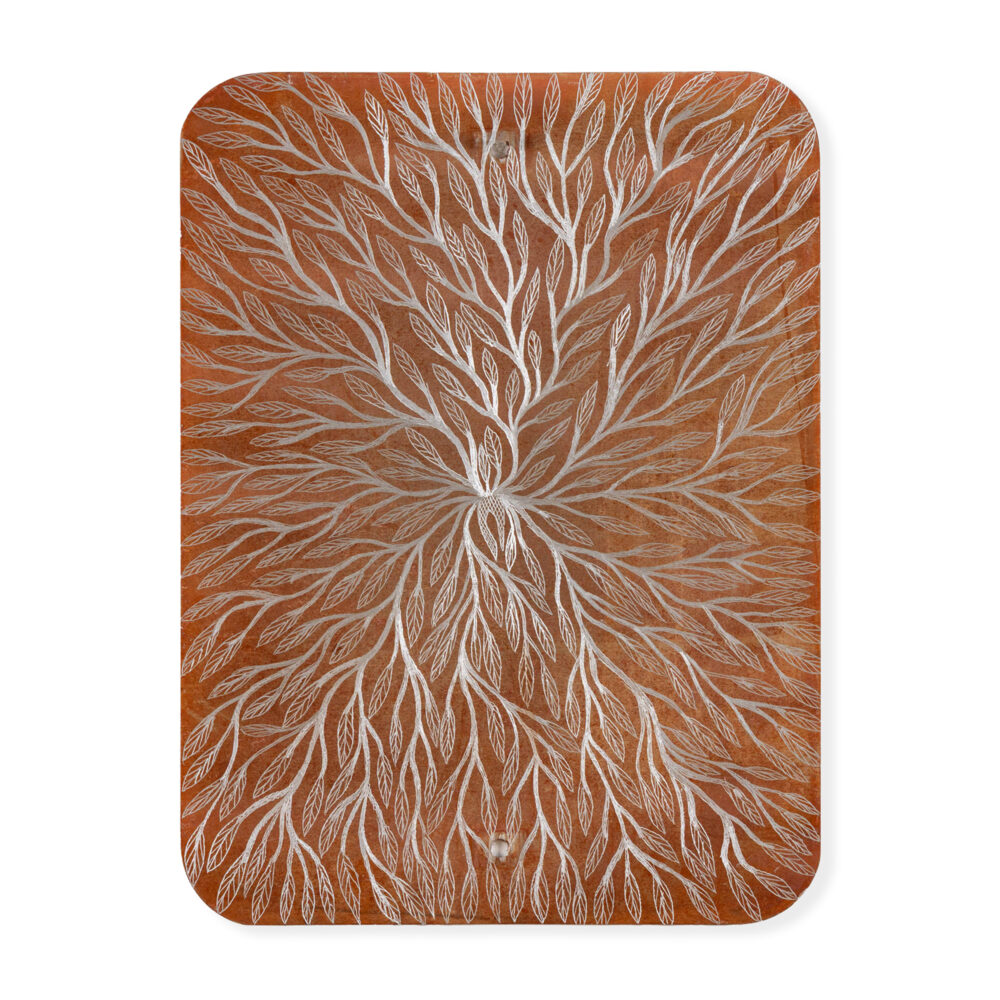
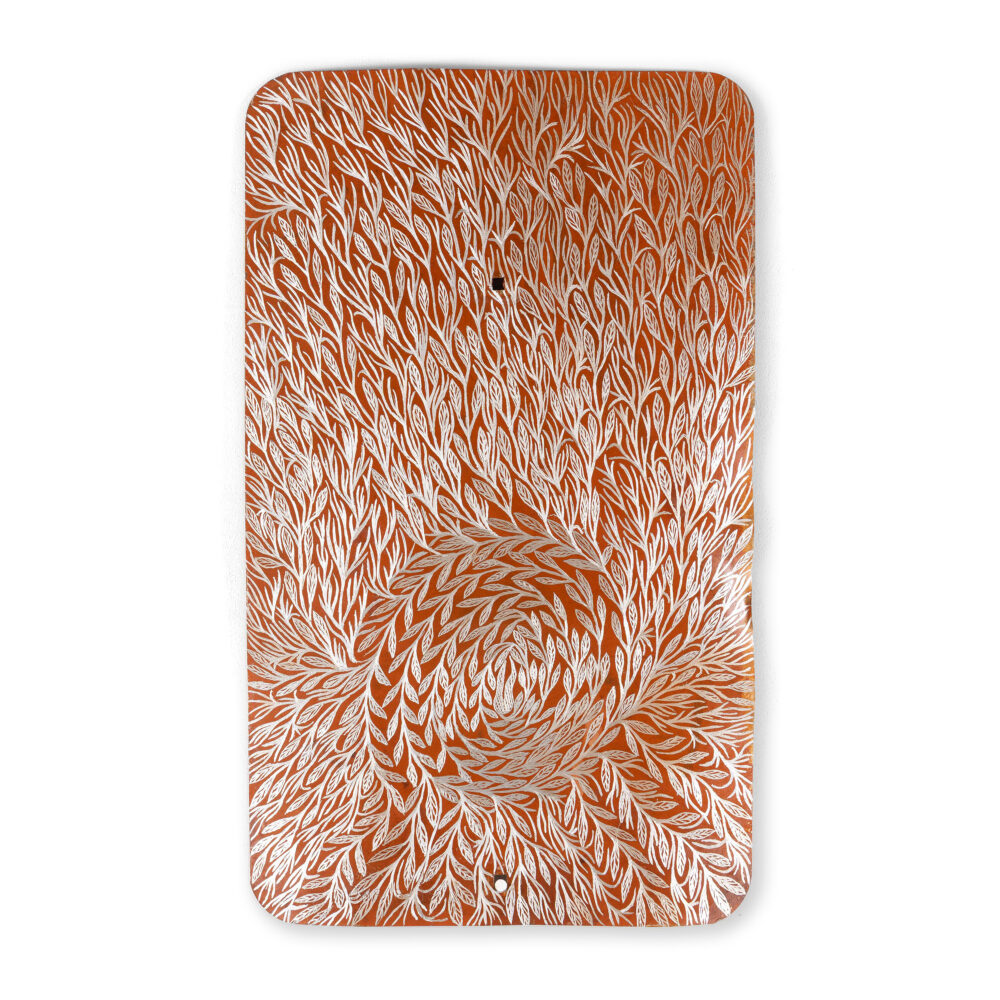
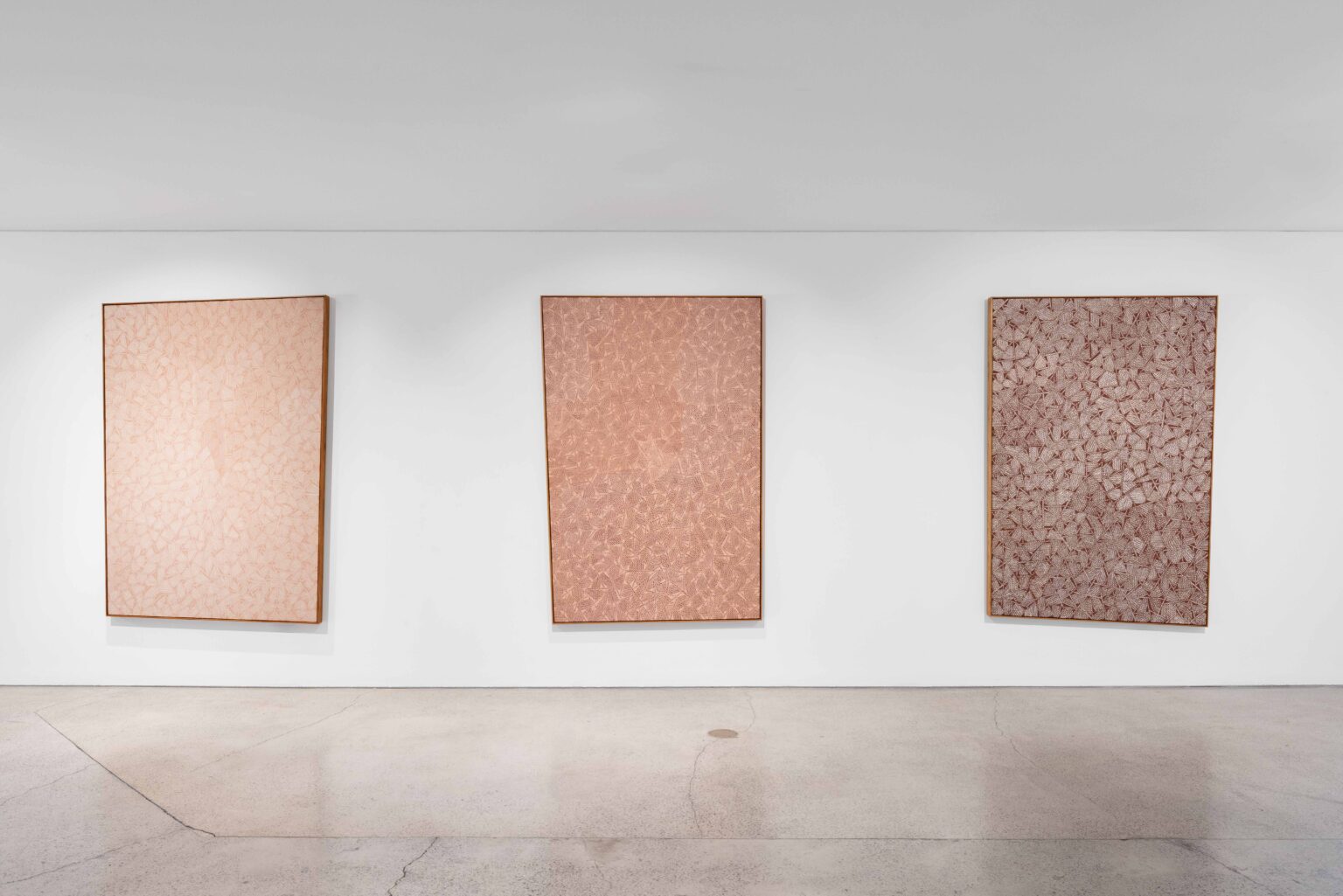
The diamond design that flourishes across the varied surfaces of her paintings depicts the waters surrounding her homeland and refers to freshwater fish traps, reflecting the ancestral cycles of fish trap ceremonies and their spiritual, social and educational importance. The Yakuwa motif speaks directly to the artist’s identity. Distinct from the angular precision of her diamond patterning, this sinuous, floral, fractal design refers to a yam flower unfurling on the vine – its annual reappearance echoing the cyclical rhythms of the land and its people.
Djirrirra’s latest body of work finds her experimenting for the first time with found metal road signs as a surface – and it proves a natural fit. The lightly weathered surfaces of the reclaimed signs echo the undulating rhythms of the artist’s flowering Yakuwa motif, while gleaming passages of exposed metal introduce rich amber tones that sit beautifully alongside the warm peach and ochre palette of her breathtaking diamond-patterned works on sprawling rhomboid boards.
While Djirrirra is rightly acclaimed at home and on the world stage, Classical will mark the first major presentation in her own right for her sister, Moyurrurra. The latter has remained at her homeland at Gängan, continuing to work within the formal Dhaḻwaŋu iconography their father entrusted to them. It might be tempting to interpret one sister’s work as innovative and the other’s as traditional. But that is not how Moyurrurra’s work feels. This is not rote repetition of well-trodden themes but classical art at a high point, rendered with extraordinary delicacy and intention. Her designs are best understood more expansively as classical rather than traditional – hence the title of the sisters’ joint show.
The throughline between their work is precision and skill – the kind of dedication demanded by a sacred vocation and contributing to its great aesthetic power. For enquiries, please email hughholm@michaelreid.com.au