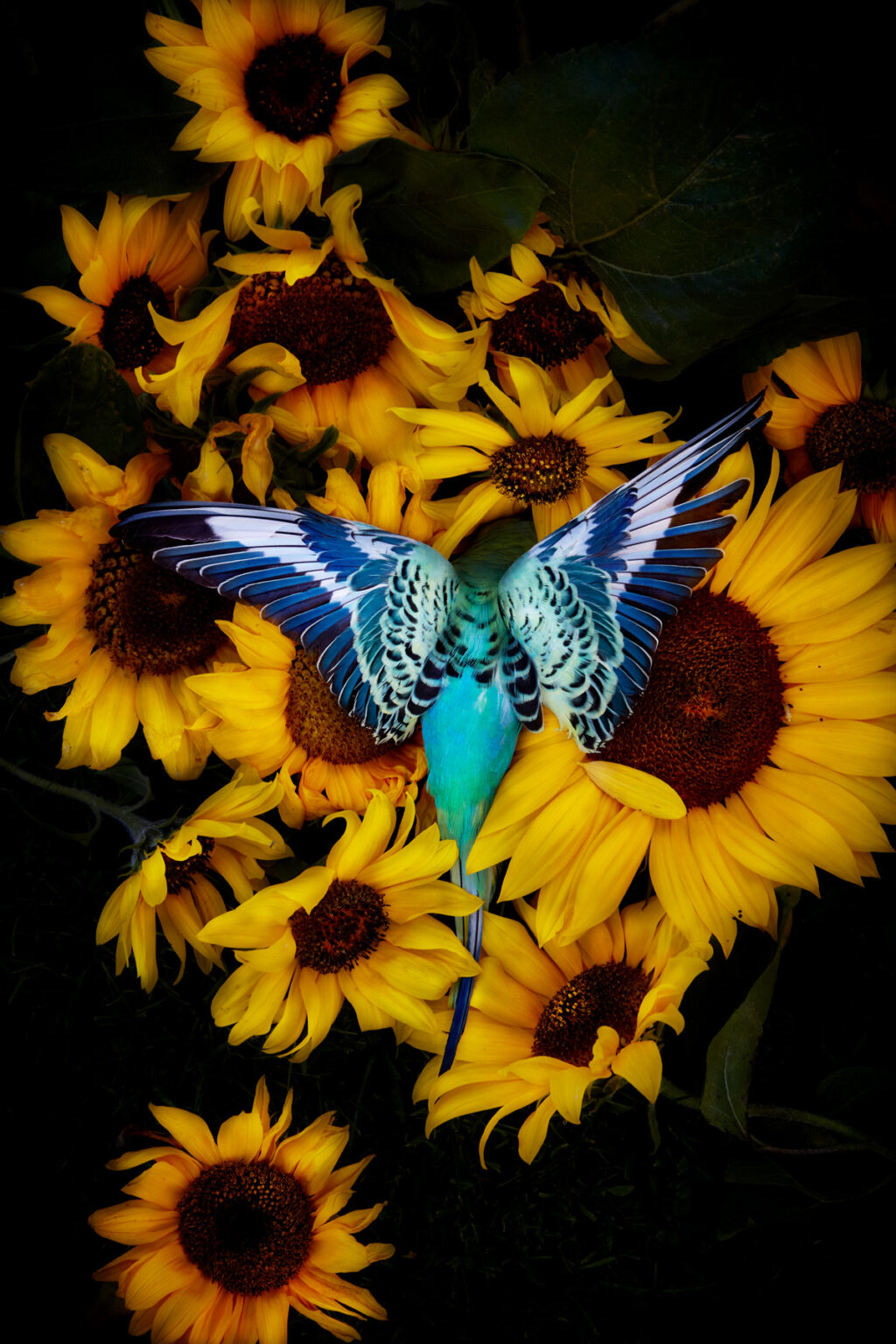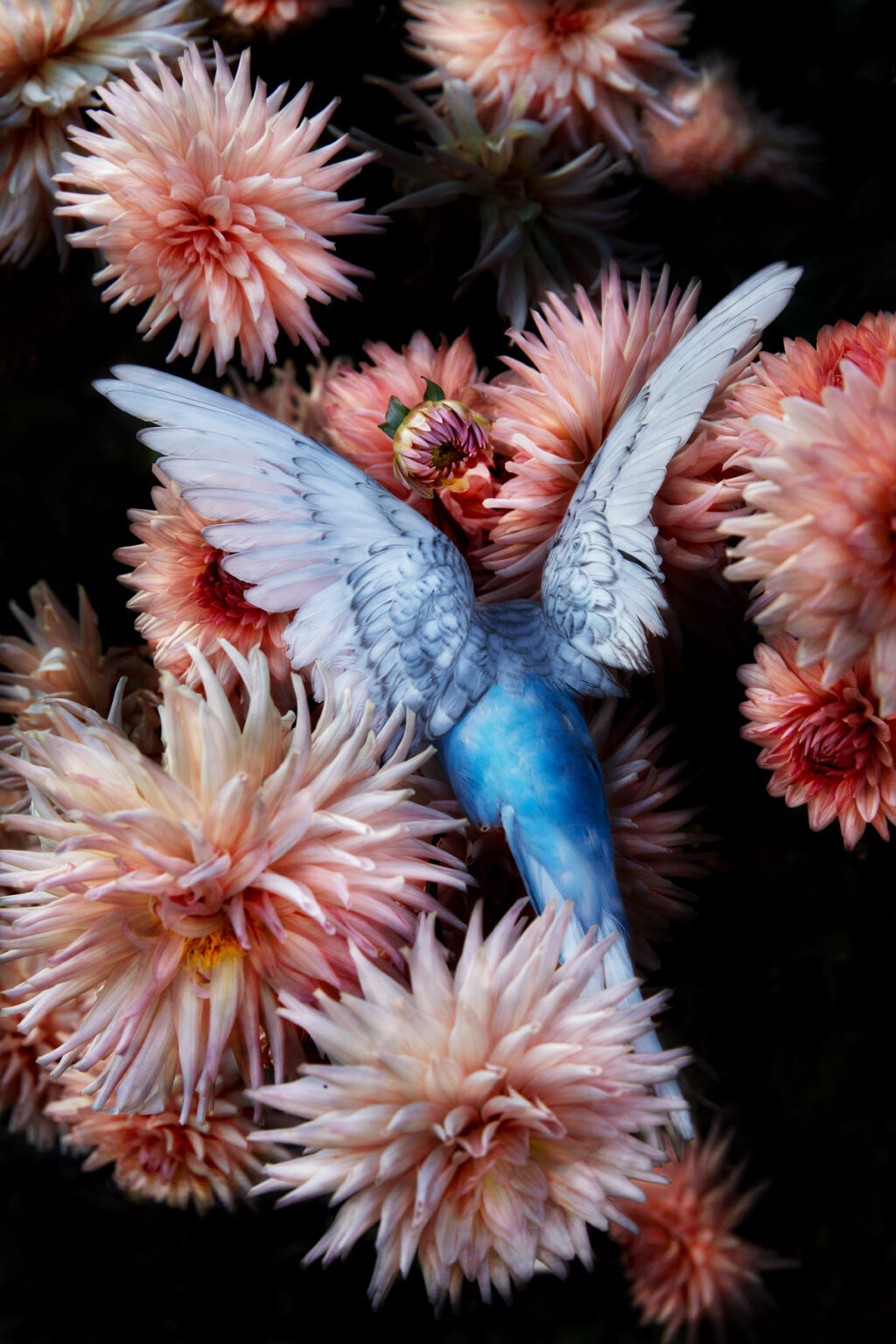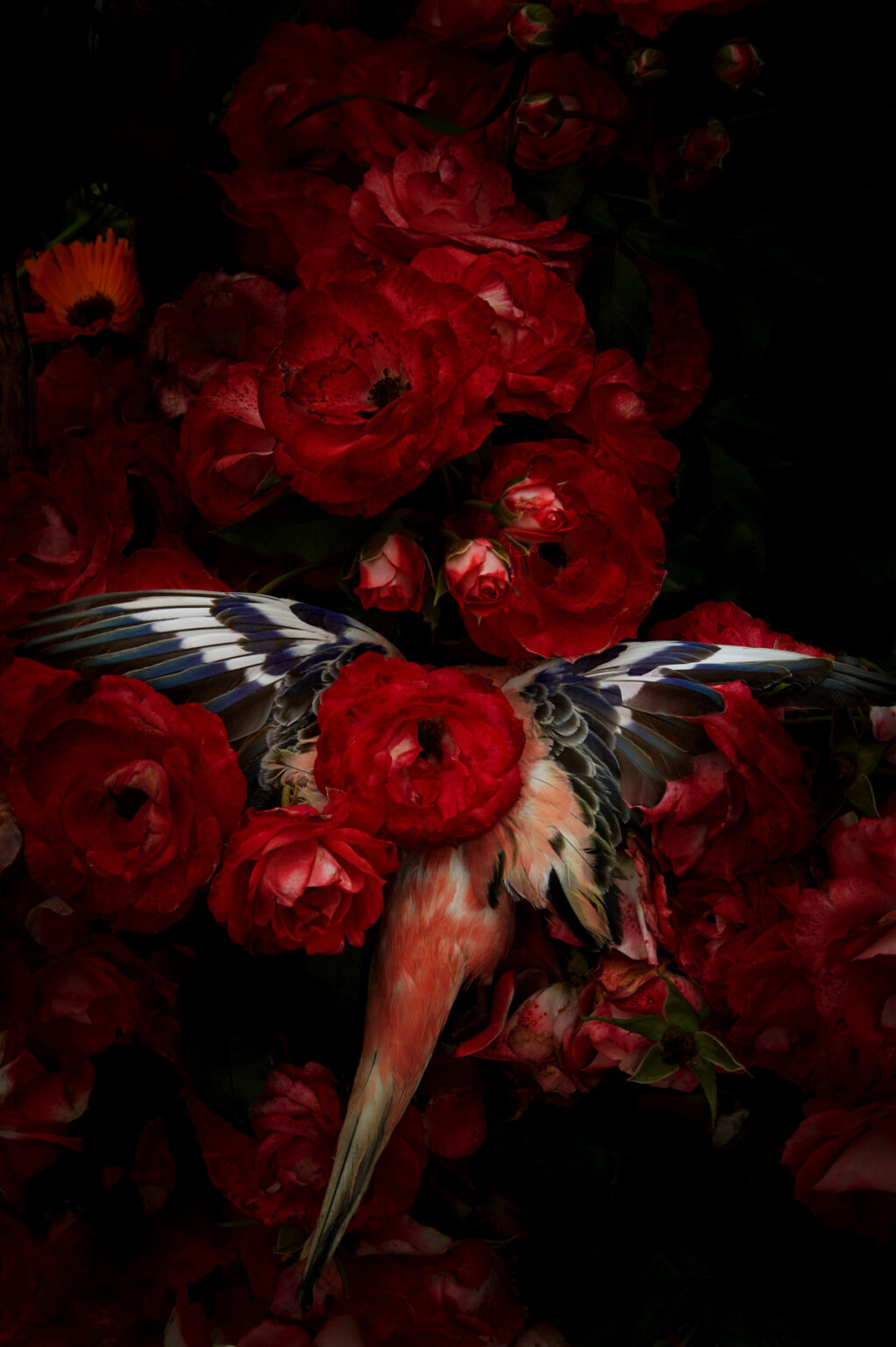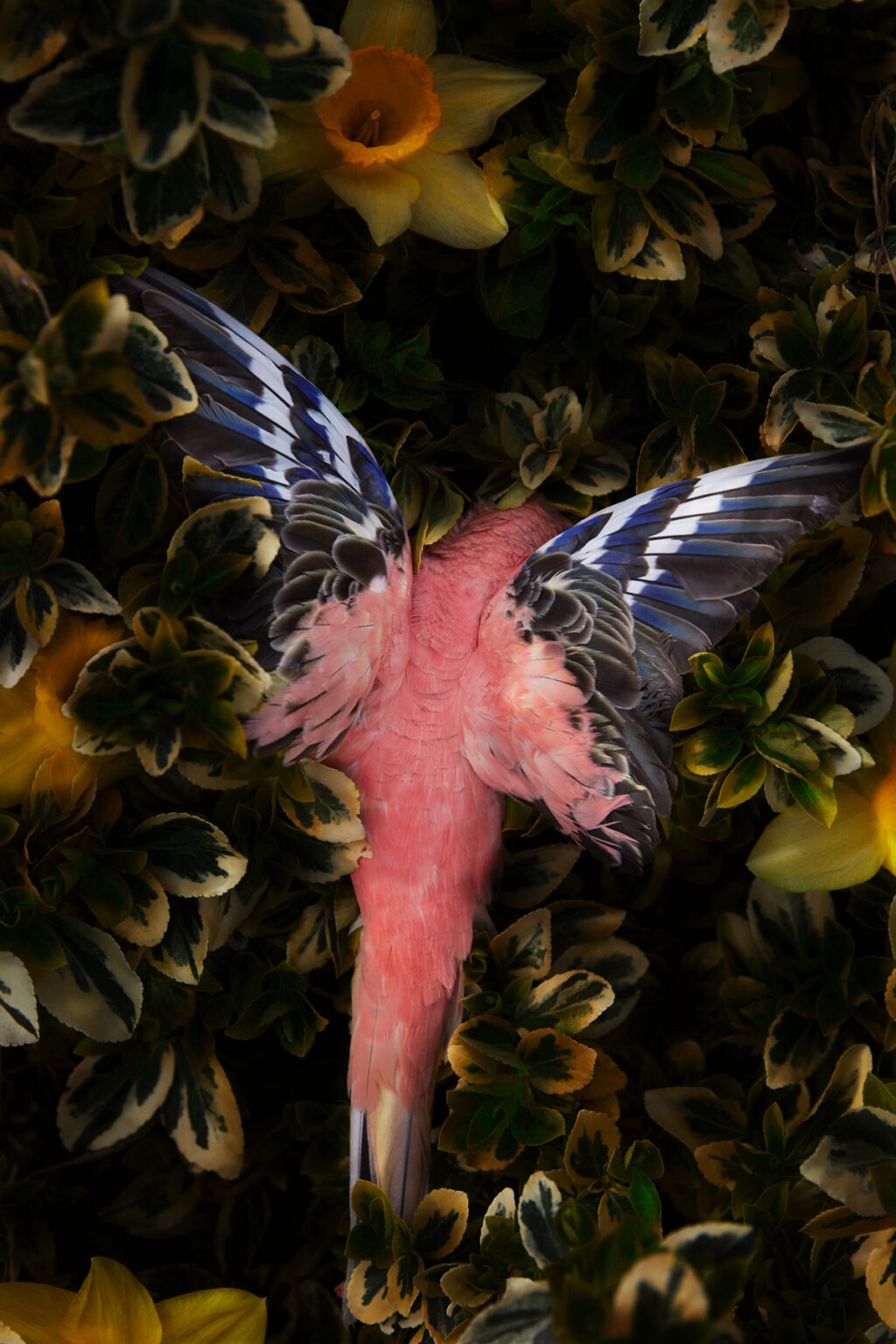

Kristin Schnell | Artist Profile

Posted by

Kristin Schnell | Artist Profile

  • Artist
    Kristin Schnell
  • Dates
    21 Jan—27 Feb 2026
  • Gallery Location
    Berlin

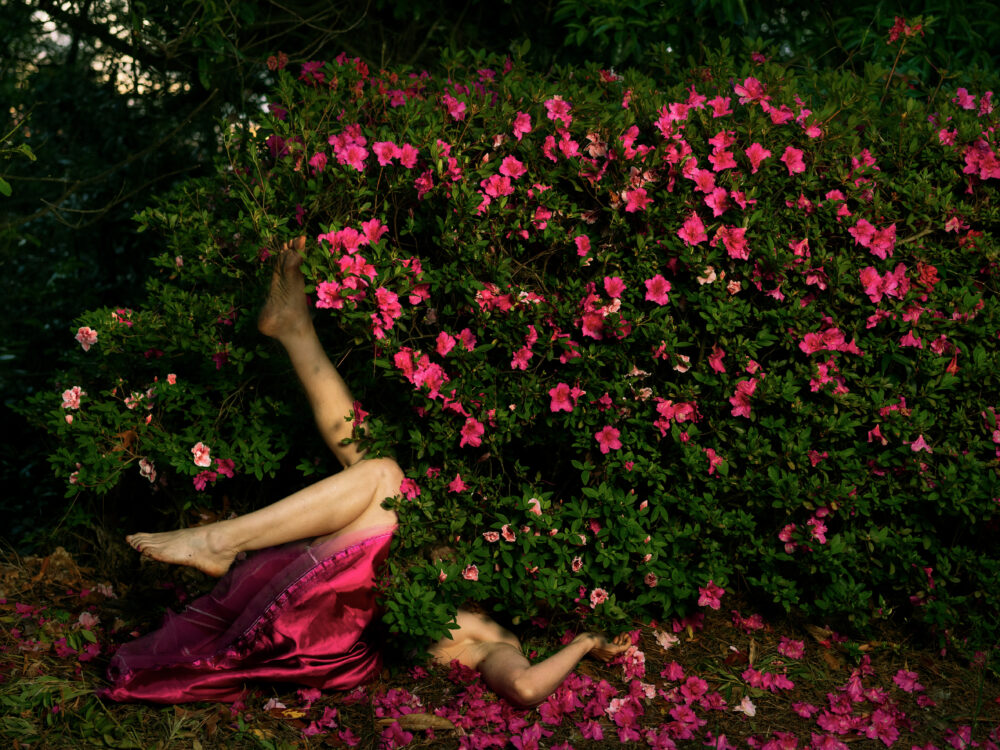
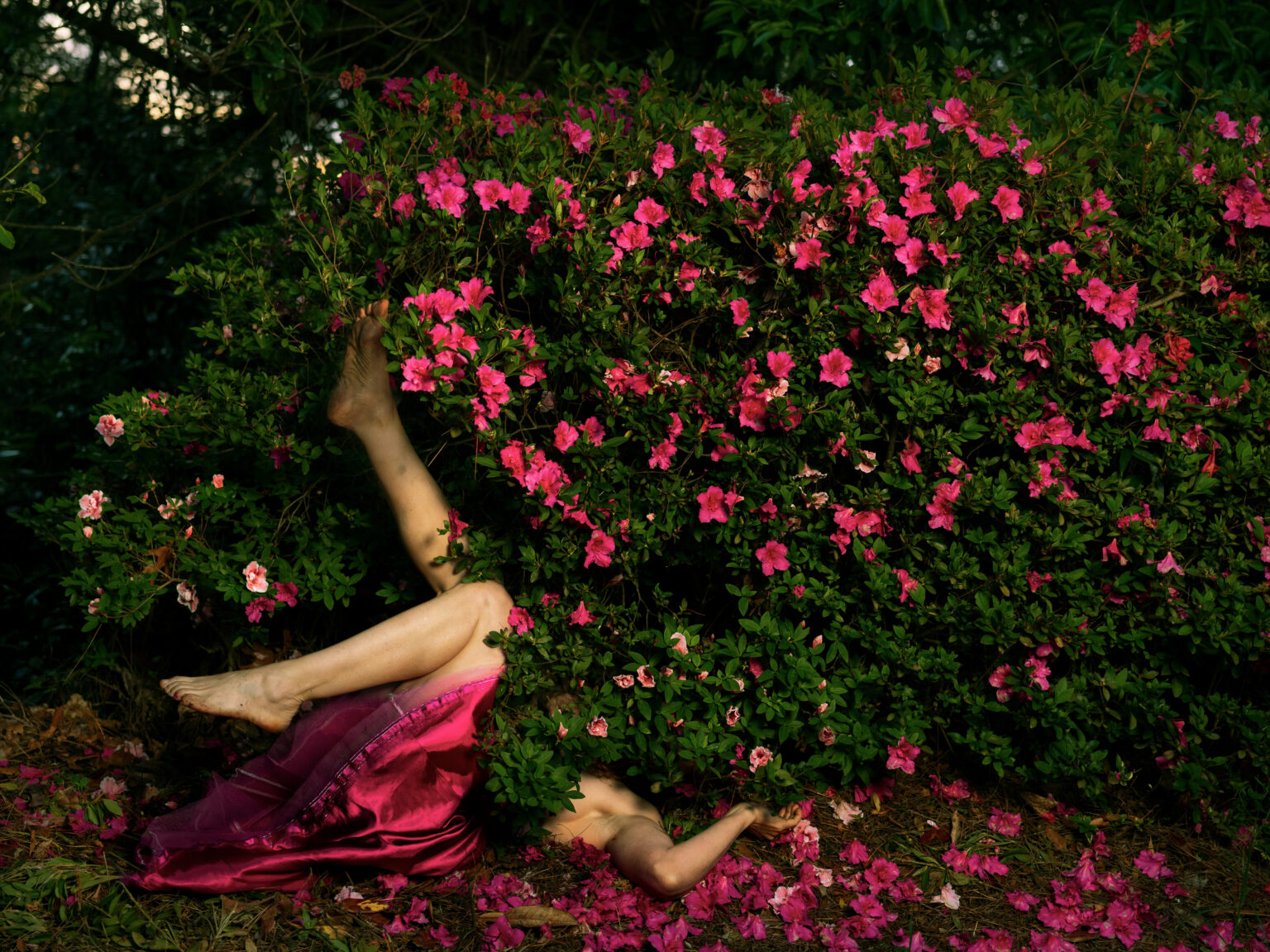
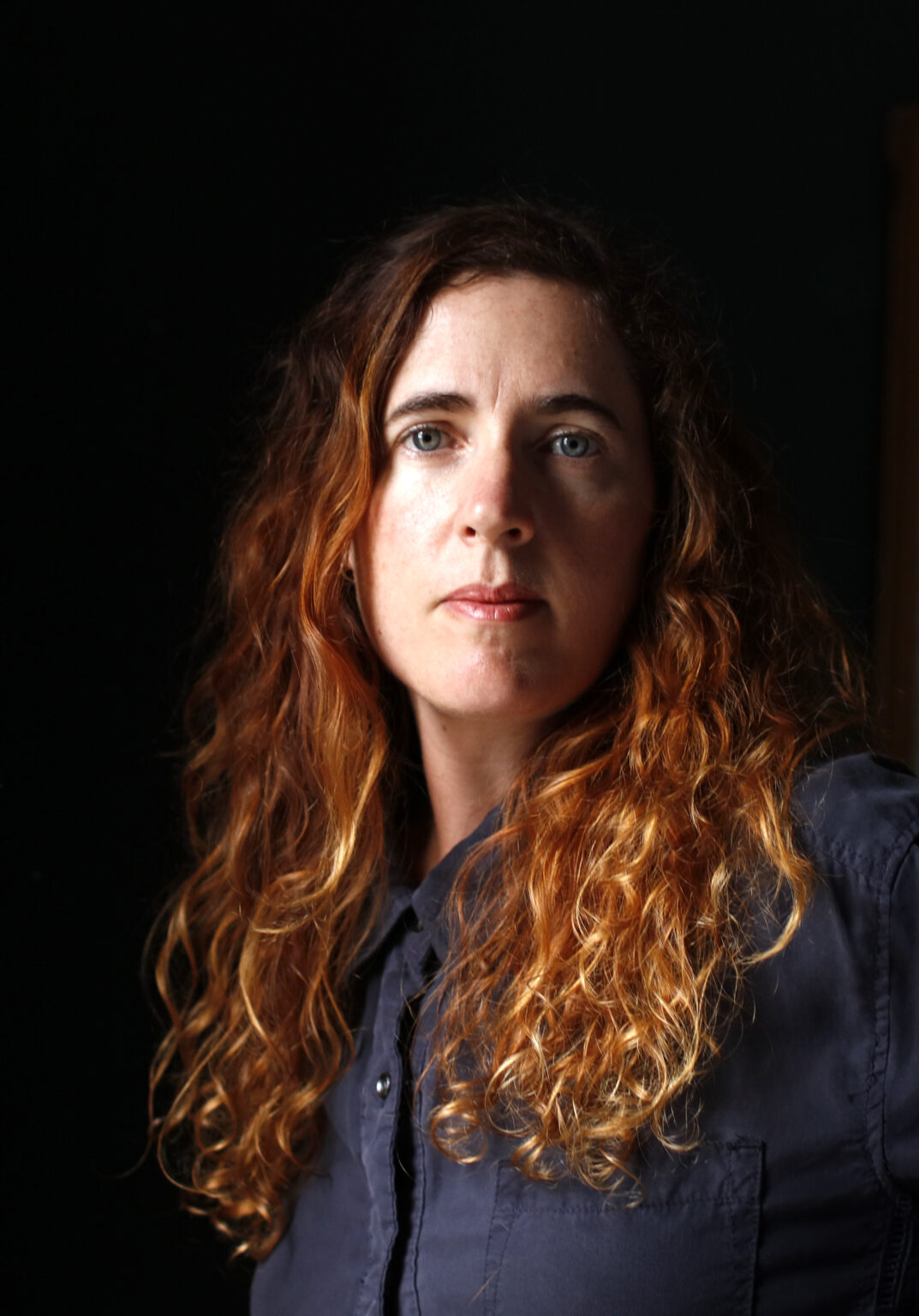
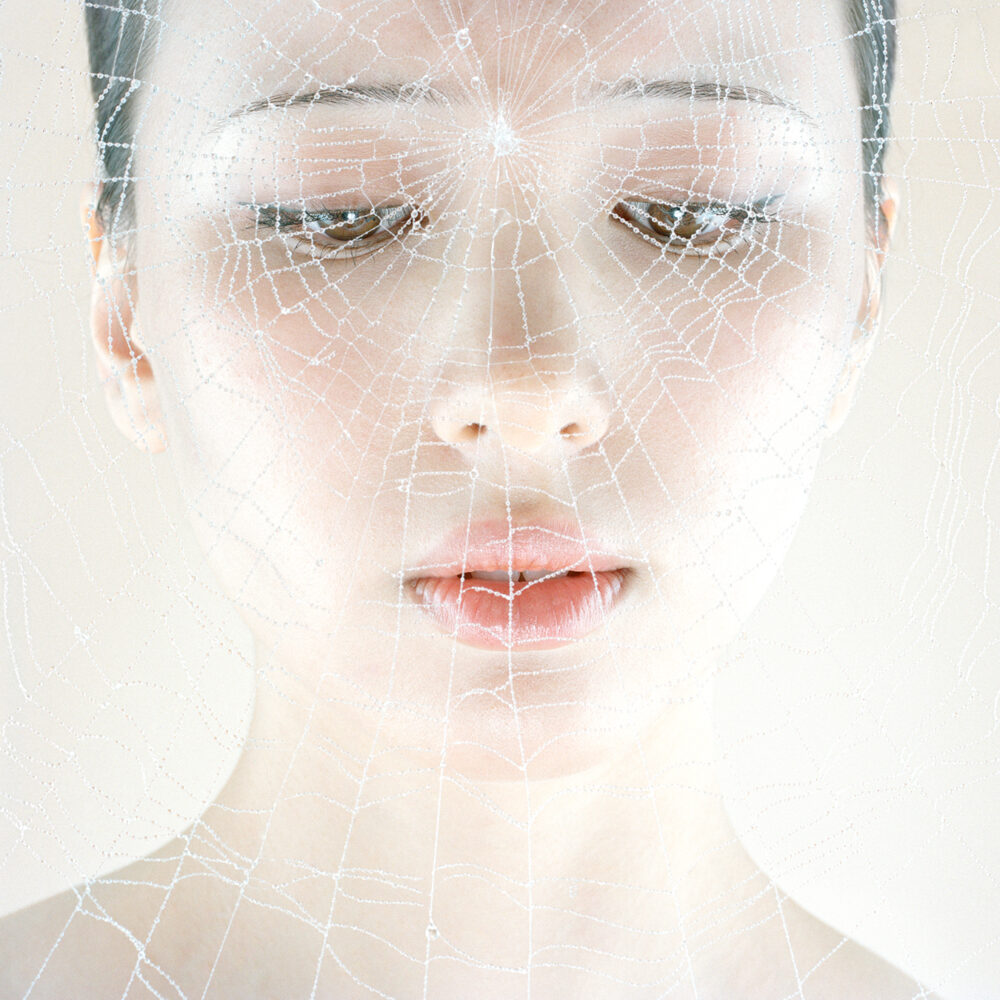
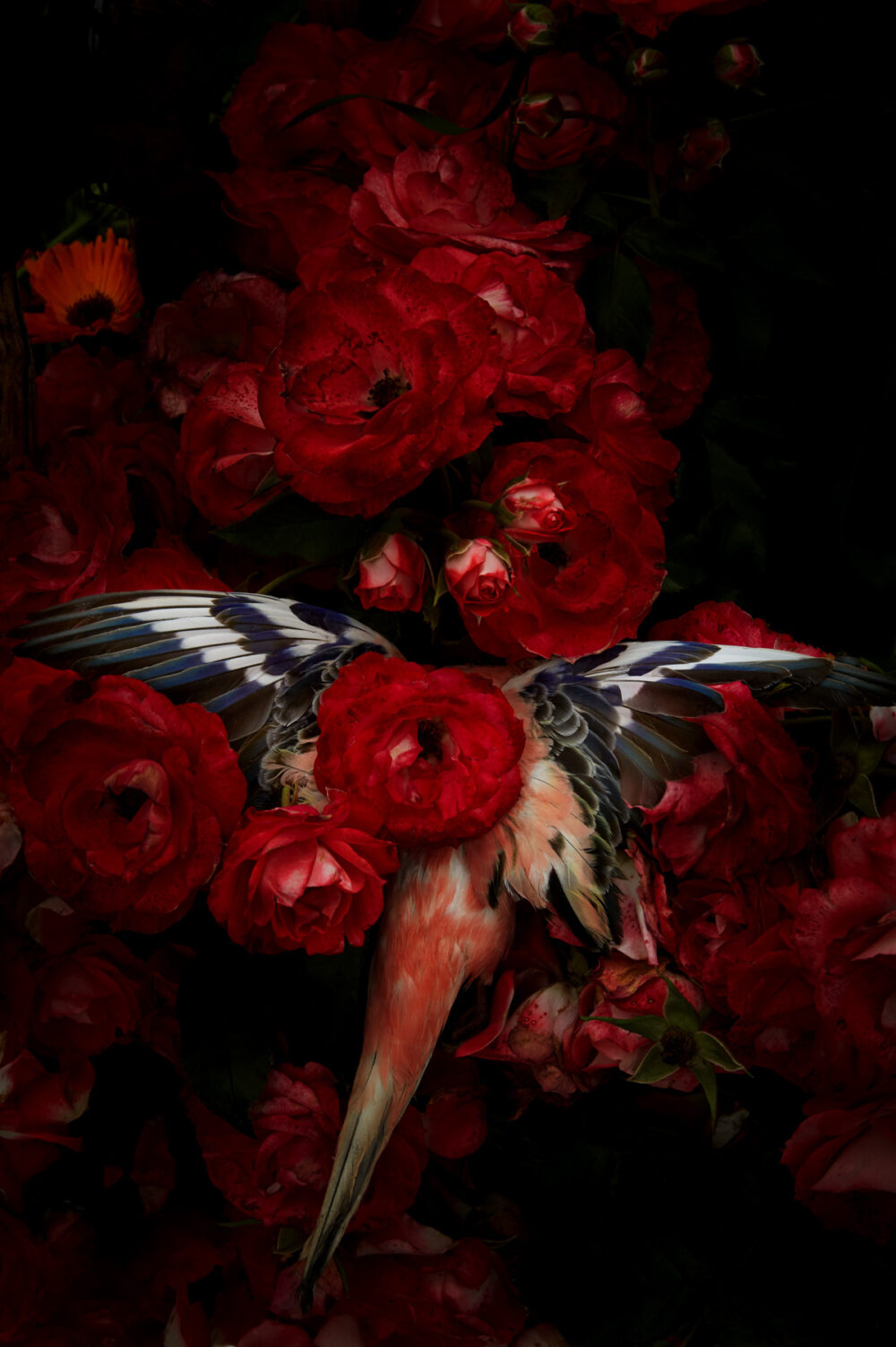
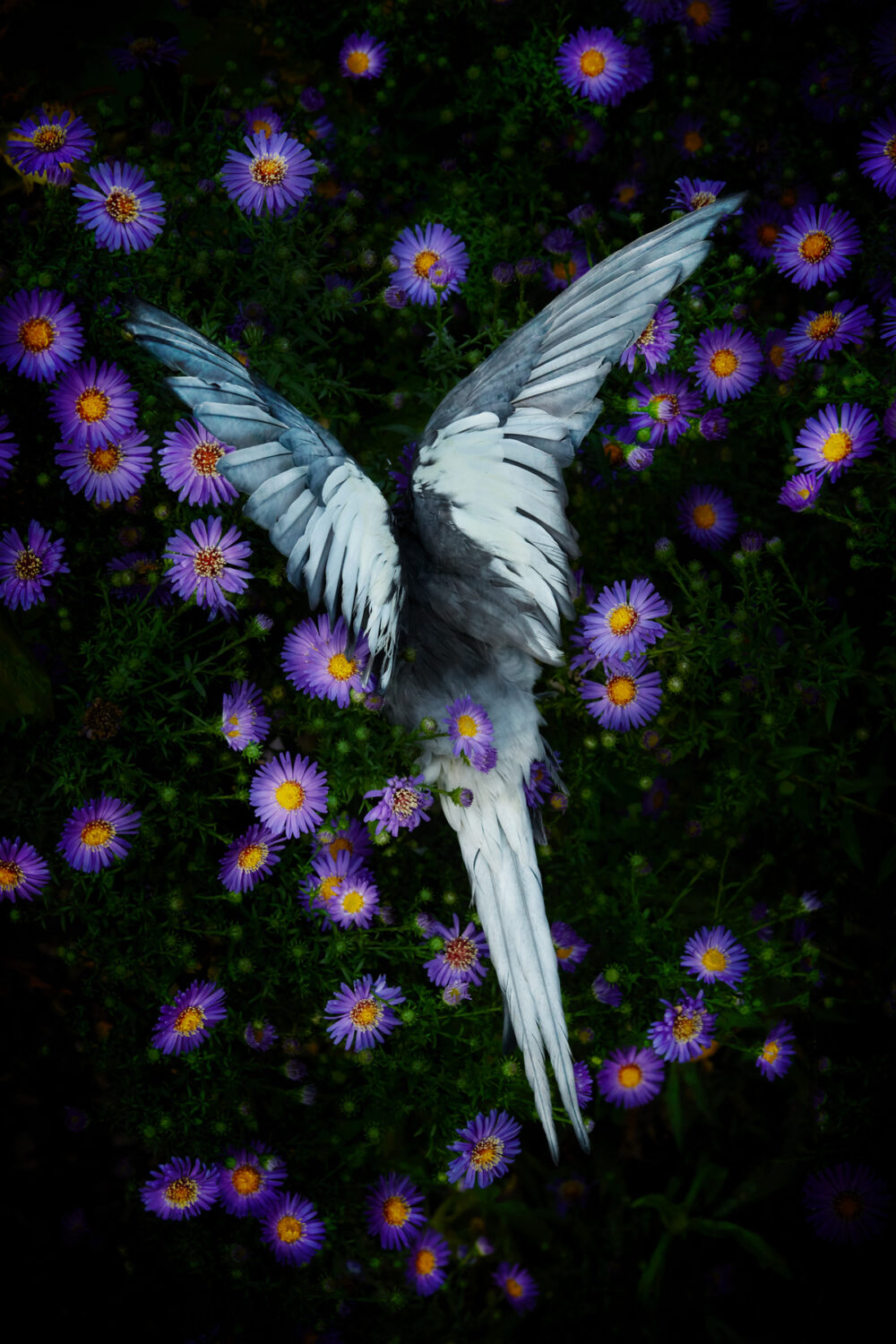
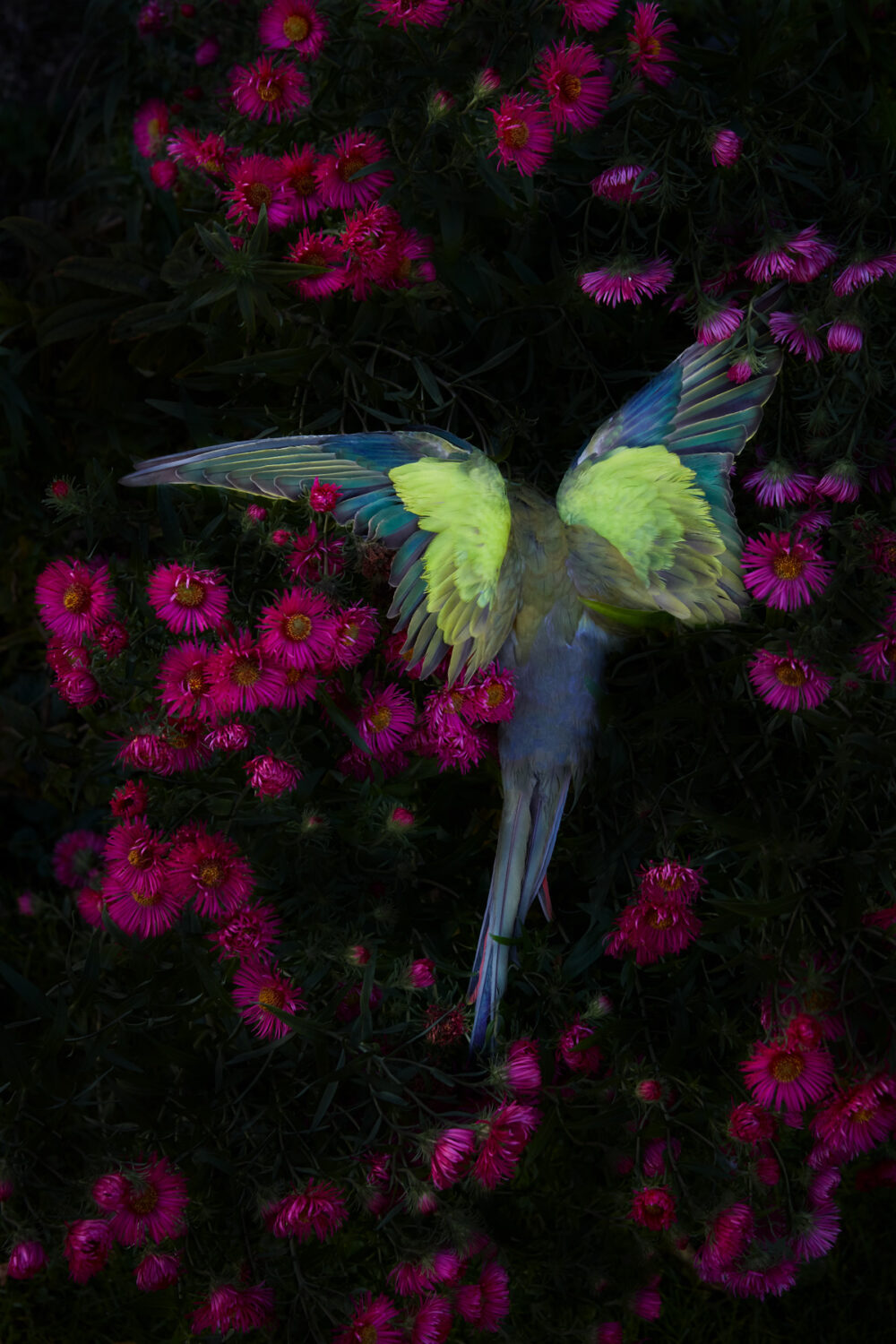
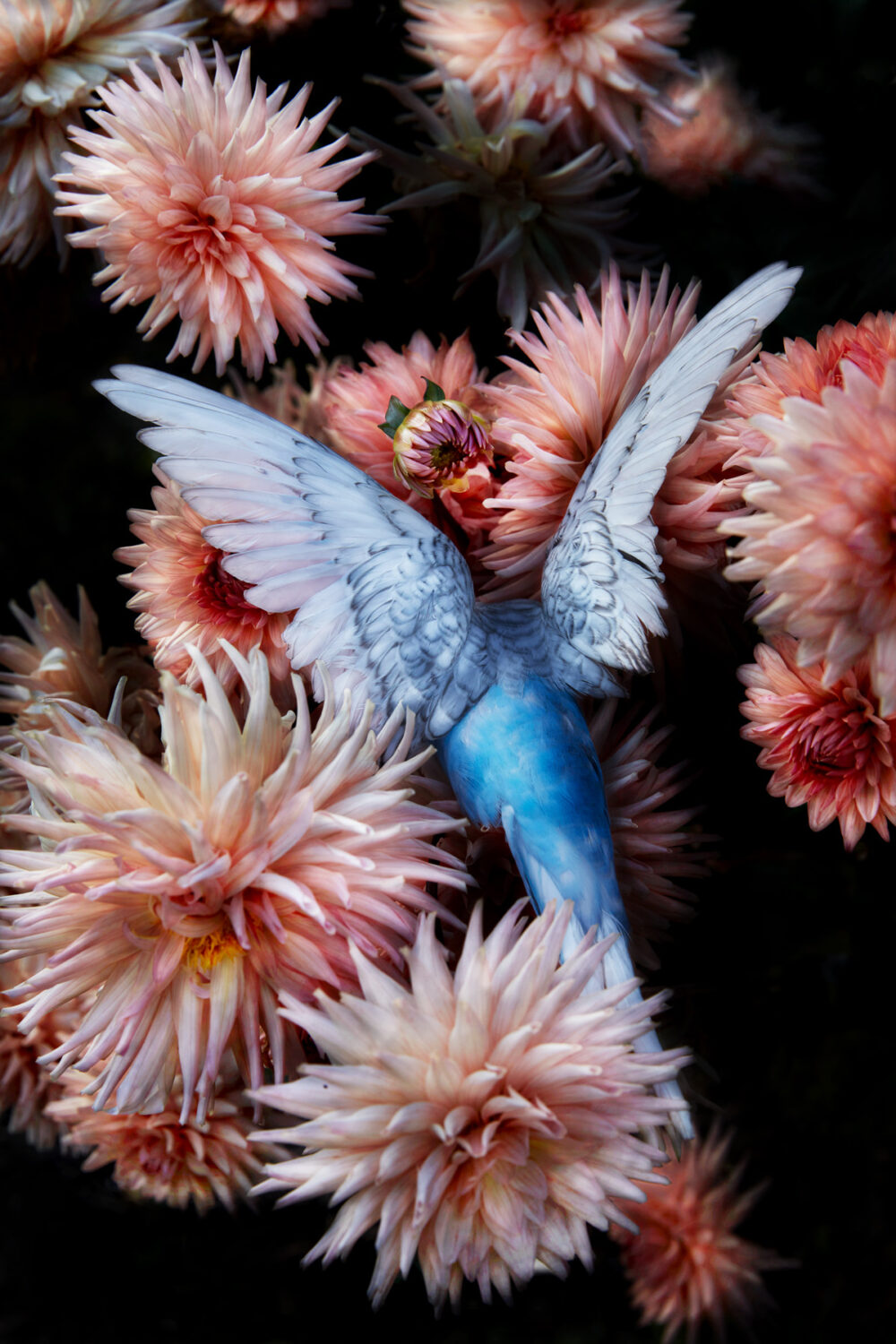
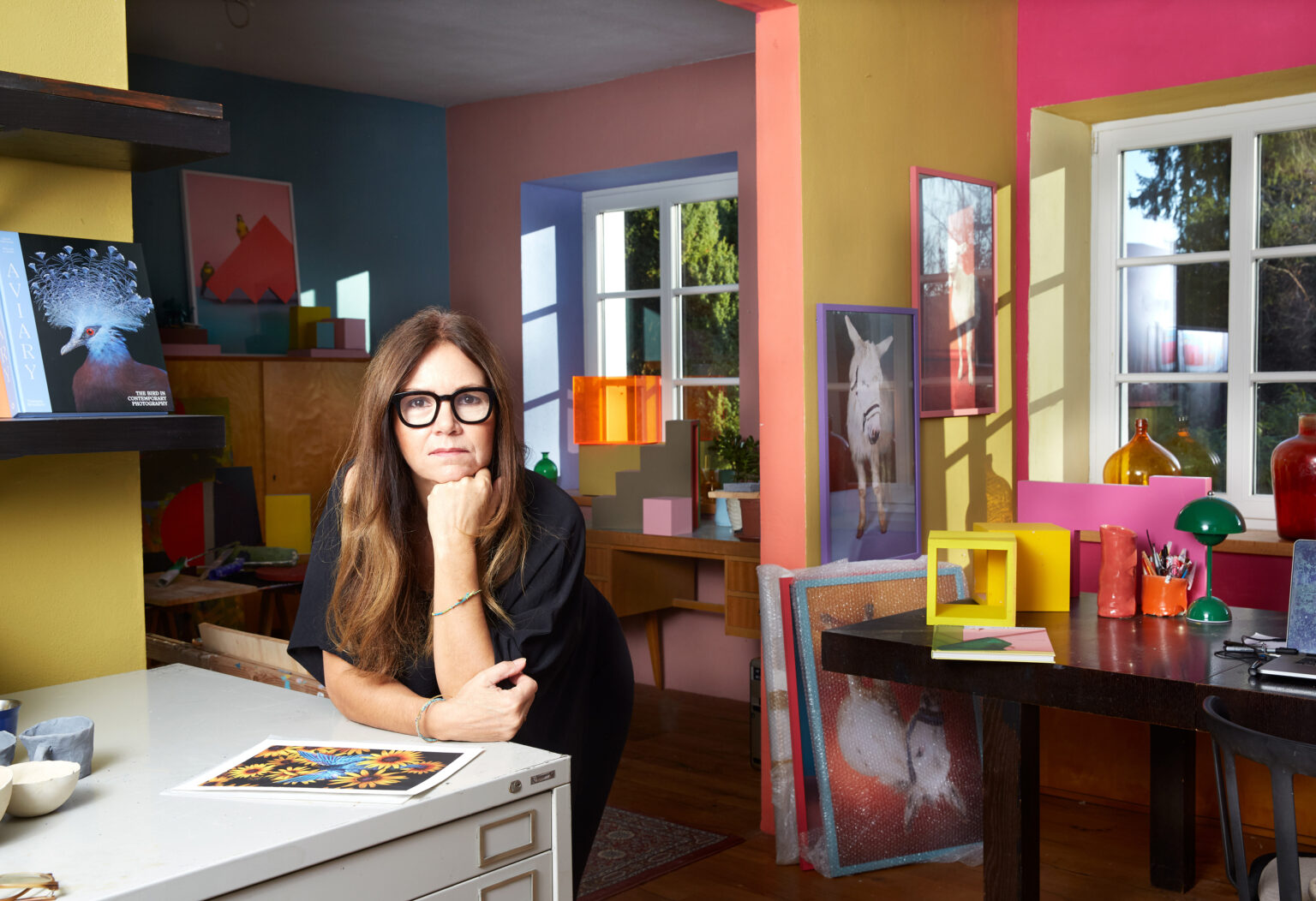
In the lead-up to our first solo exhibition from Kristin Schnell, Of Cages and Feathers – and ahead of our opening celebration at the gallery on Saturday, 24 January, where the artist will be on hand to offer insight into her works – the Michael Reid team sat down with the German-born, Baltic Sea-based artist to discuss the ideas, inspirations, creative approach and environmental themes that inform her vibrant photographic practice.

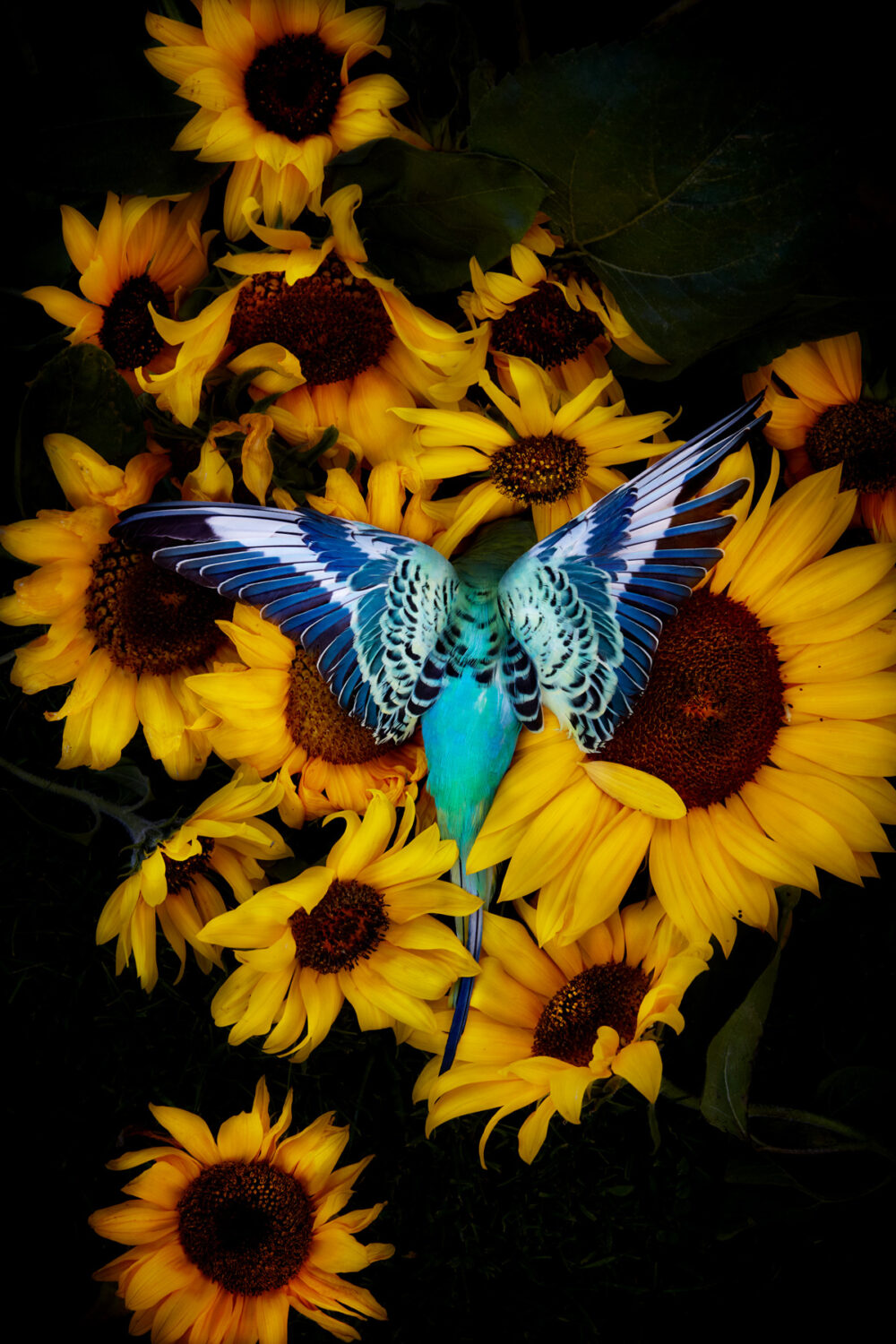
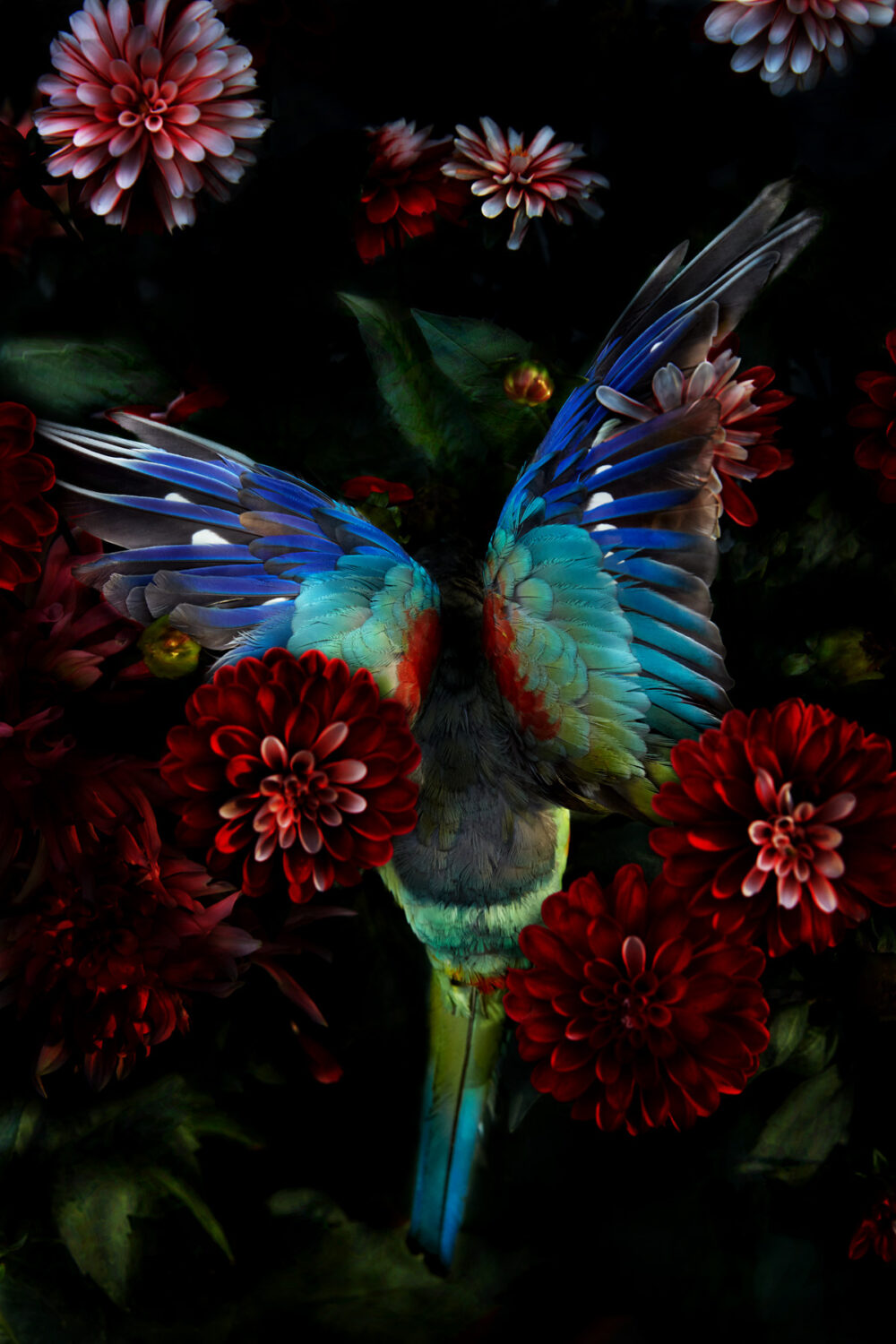
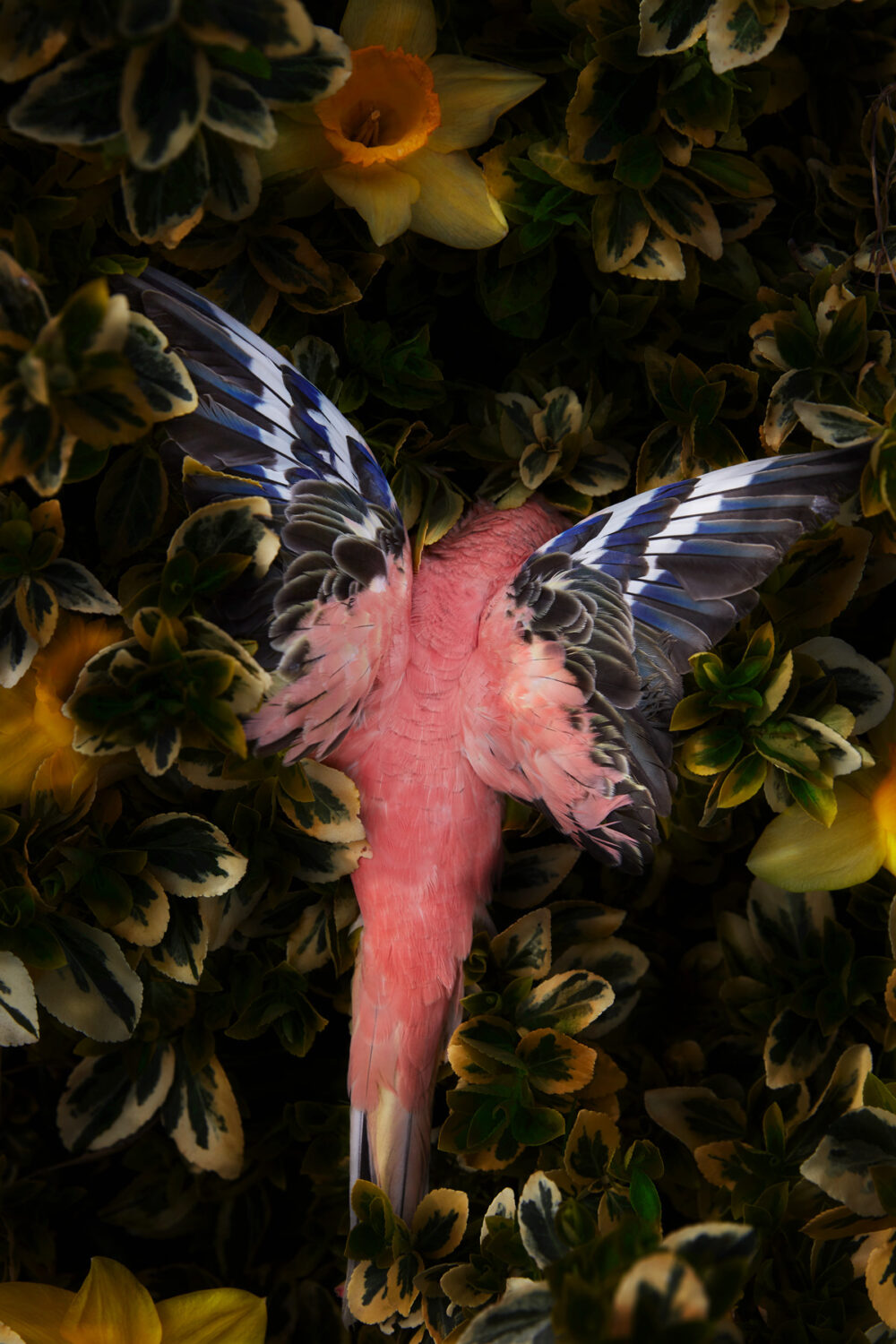
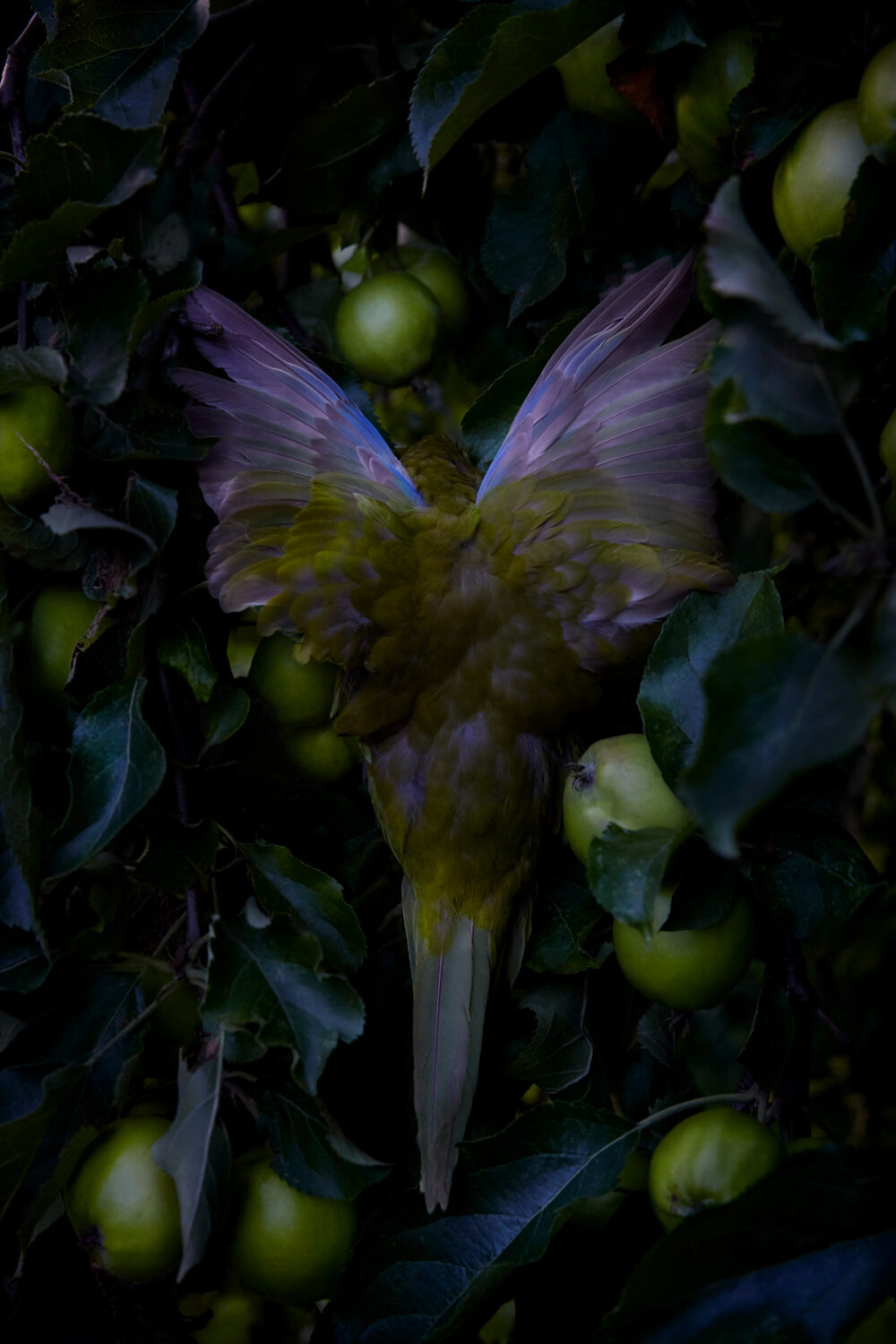
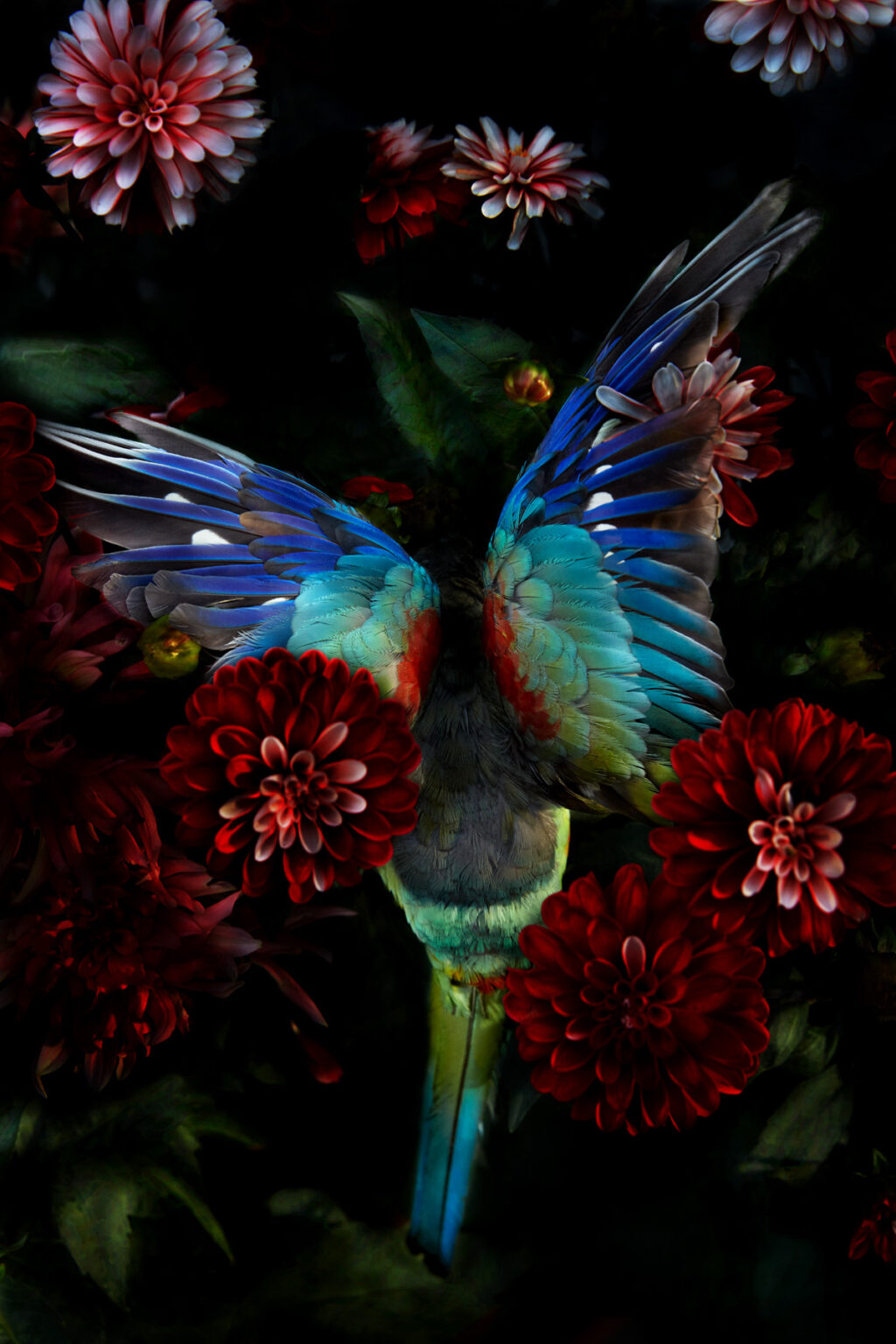
“The exhibition brings together several bodies of work that revolve around the same central questions: freedom and constraint, care and control, and the complex emotional space between humans and animals,” says Schnell, who recently exhibited her work Son and Father in Sydney as a finalist in the prestigious Head On Photo Awards. “My bird models are originally from Australia. Colonial trade carried their ancestors to Europe, and generations have lived behind bars, far from their natural habitats,” she notes. “With the Head On Festival exhibition, they return home – at least visually – and that makes me very happy.”

Read our interview with Kristin Schnell below. Of Cages and Feathers is on view at Michael Reid Berlin until Saturday, 28 February, and all works can be explored and acquired online, at the gallery and by request.

For enquiries, please email colinesoria@michaelreid.com.au

How did your career begin, and what key moments or decisions shaped your path as an artist?


My artistic career began relatively late and very consciously. In 2020, I decided to focus seriously on photography as an artistic practice and joined a LensCulture Masterclass in Amsterdam. That experience was a turning point – it helped me understand photography not just as an image, but as a language for thinking and questioning the world.

A key decision was to work long-term on a single subject instead of moving quickly from project to project. My ongoing work with birds became a way to explore themes of freedom, control, vulnerability, and the complex relationship between humans and nature. Building my own visual world – rather than responding to trends or expectations – was essential.

Another important moment was realising that artistic development requires patience and investment. The first years were not financially easy, but exhibitions, publications, and the growing international dialogue around my work confirmed that this path was the right one.

Looking back, the most formative choices were committing fully to the work, allowing it to evolve slowly, and trusting that depth and consistency would eventually find their audience.

Can you describe your working process, from the initial idea to the final image?


My working process usually begins with an idea or a question rather than a fixed image. I’m interested in states of tension – between freedom and control, nature and construction, intimacy and distance. From there, I start building a visual situation rather than staging a narrative.

I work with carefully composed sets, colours, and geometric elements that create a kind of framework or stage. Within this constructed environment, chance plays an important role. The birds I photograph are never directed; their movements, pauses, and interactions introduce unpredictability and presence. I’m attentive to light, timing, and small shifts, allowing the image to emerge rather than forcing it.

The final image is the result of this balance between control and openness. I edit very carefully, choosing photographs that retain a sense of ambiguity – images that don’t explain themselves fully, but leave space for viewers to bring in their own emotions and interpretations.

What draws you to working with animals, particularly birds, as central subjects in your photographs?


I’m drawn to working with animals, and especially birds, because they exist at a powerful intersection of beauty, vulnerability, and symbolism. Birds are often associated with freedom, yet many live in conditions shaped or controlled by humans. That contradiction reflects broader questions about autonomy, care, and responsibility.

Working with birds allows me to speak about human conditions without directly depicting people. They become stand-ins through which themes of longing, confinement, tenderness, and projection can surface. At the same time, they remain fully themselves – unpredictable, present, and resistant to narrative.

Their presence introduces a form of truth into the image. No matter how carefully a scene is constructed, the animal cannot be fully controlled, and that tension is central to my work.

What have been some of your favourite career experiences?


Some of my favourite experiences have been moments when the work moved beyond the studio and entered a real dialogue with others. Seeing my photographs included in museum and institutional contexts was deeply affirming – not as validation, but as a sign that the work could hold meaning beyond my own intentions.

The publication of my first book, Of Cages and Feathers, was another important experience. Working closely with an editor and seeing the project take shape as a physical object clarified the long-term nature of my practice and how individual images relate to one another.
Equally meaningful have been conversations – with curators, editors, and viewers – where unexpected interpretations emerged. Those moments, when the work begins to live independently and provoke thought or emotion, are often more memorable to me than any single event.

What ideas and experiences have informed your more recent work?


My more recent work has been shaped by a growing awareness of responsibility – towards the animals I work with, toward the images I create, and toward the narratives they may generate. Over time, my focus has shifted from making single, resolved images to thinking more about relationships: between humans and animals, control and care, presence and absence.

Personal experiences have also deepened this shift. Living closely with animals has made me more attentive to subtle forms of communication, to trust, and to the ethics of proximity. I’m increasingly interested in moments that feel quiet or unresolved, where meaning emerges through restraint rather than spectacle.

At the same time, my work has become more open formally. I allow more space for chance, fragility, and imperfection – seeing these not as weaknesses, but as essential elements that mirror the complexity of the world we inhabit.

What questions are you most interested in exploring through your practice right now?


Right now, I’m most interested in questions around care, power, and responsibility – particularly in the relationships between humans and animals. I’m exploring how acts of protection can also become forms of control, and where the line lies between care and domination.

I’m also thinking a lot about projection: how humans assign meaning, emotion, and symbolism to animals, and what that reveals about ourselves. Working with birds allows me to approach these questions indirectly, through presence and gesture rather than narrative.

More broadly, I’m interested in how images can hold complexity without offering clear answers – how photography can create spaces for reflection rather than conclusion, and invite viewers into a more attentive way of looking

Can you tell us more about the works presented in this exhibition?


The works presented in this exhibition bring together several bodies of work that revolve around the same central questions: freedom and constraint, care and control, and the complex emotional space between humans and animals.

The photographs are carefully composed, often using strong colours and geometric elements to create a constructed environment. Within these settings, birds appear as living presences rather than symbols to be decoded. Their movements, stillness, and interactions introduce chance and vulnerability, subtly shifting the meaning of each image.

Some works feel more intimate and quiet, others more theatrical, but all share an interest in ambiguity. Rather than offering a single narrative, the exhibition invites viewers to move between images and form their own connections  – allowing the works to resonate on both an emotional and reflective level.

Tali Ngura Wiru – Beautiful Sandhill Country

Posted by

Tali Ngura Wiru – Beautiful Sandhill Country

  • Artist
    Priscilla Singer and Trisha Singer
  • Dates
    5—21 Feb 2026
  • Gallery Location
    Eora / Sydney

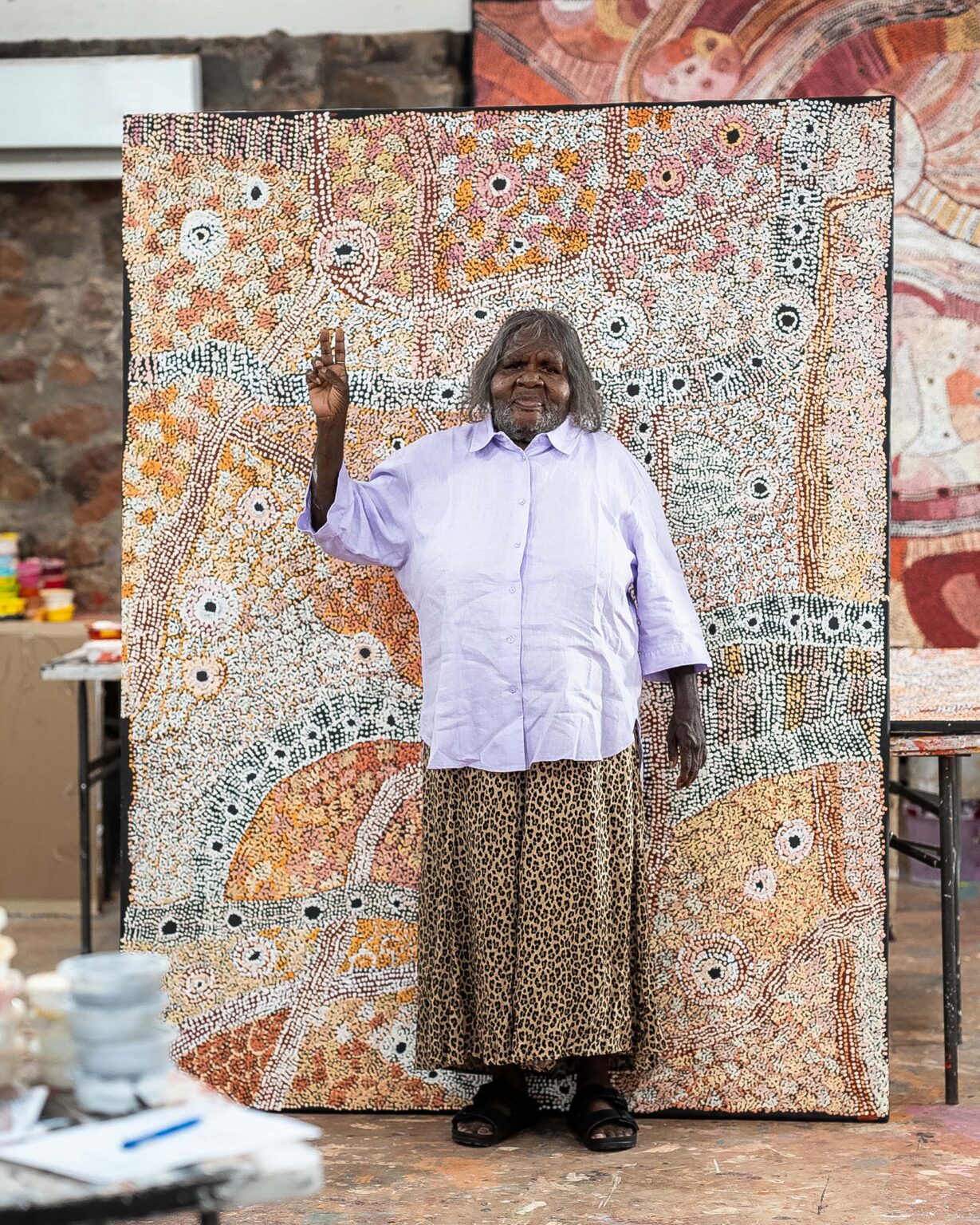
Michael Reid Sydney is delighted to present a joint exhibition from sisters Priscilla Singer and Trisha Singer – two bright stars within the celebrated school of First Nations painters at Iwantja Arts in the rocky desert country of Indulkana on the Aṉangu Pitjantjatjara Yankunytjatjara Lands.

Since its founding in the early 1980s, Iwantja Arts has played a vital role in championing Aṉangu self-determination and cultural expression – a legacy inseparable from the work of Priscilla and Trisha’s mother, the late artist Kunmanara (Sadie) Singer, who co-founded Iwantja Arts alongside Alec Baker. A revered artist, cultural leader and advocate, Sadie Singer’s influence continues to resonate through the practices of her daughters.
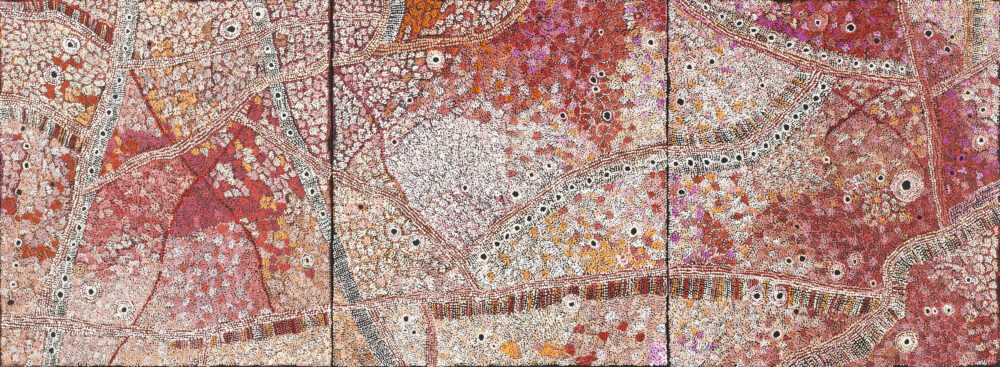
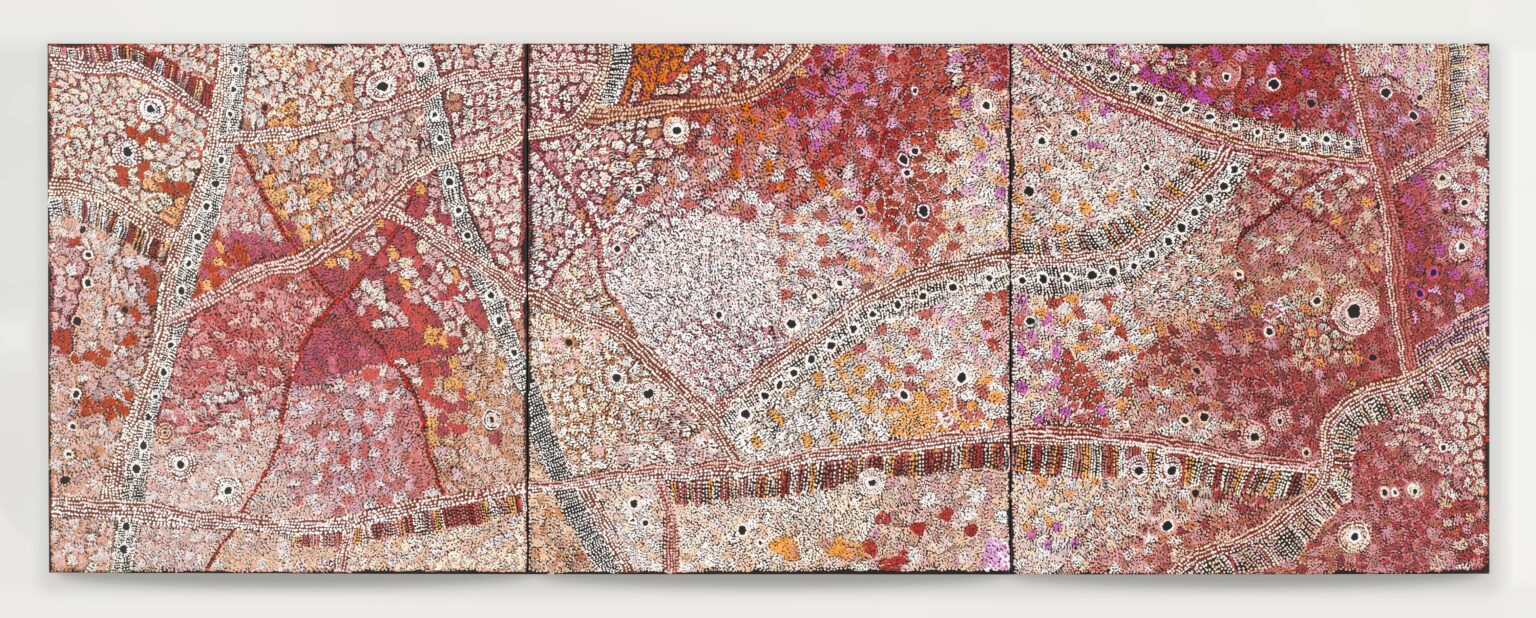
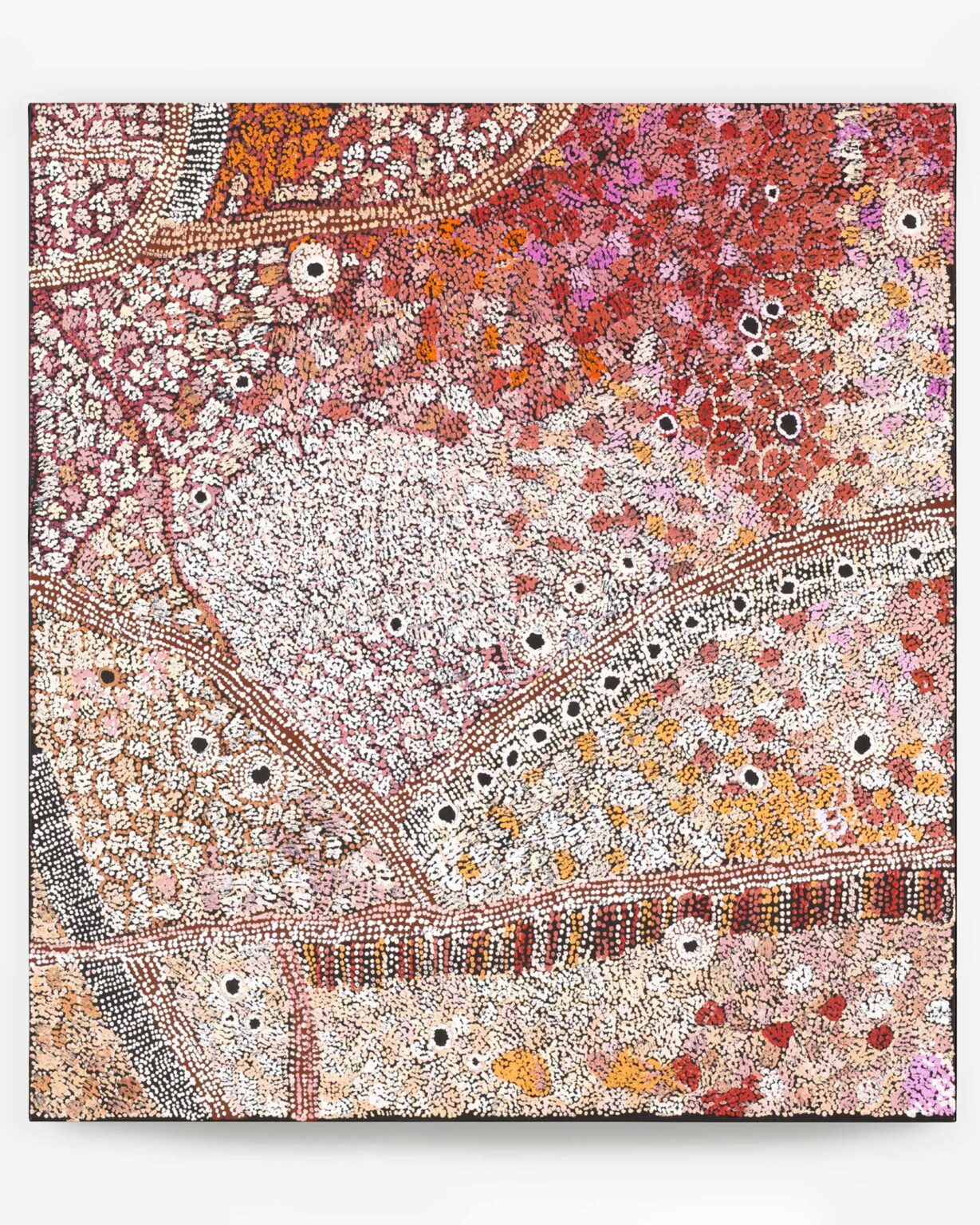
Anchoring the two sisters’ joint exhibition, Tali Ngura Wiru – Beautiful Sandhill Country, are two newly completed, large-scale diptychs – one by each artist – conceived as twin pillars around which a constellation of vibrant canvases now circulate. Together, these works trace a shared geography while allowing space for individual cadence, colour and mark-making to emerge.

“I’ve been making art since I was a young girl,” says Trisha Singer, who paints Tali Ngura – sandhill Country – on Yankunytjatjara land. “You can see sandhills in the colours I use, desert colours, with dusty reds and oranges. I paint the important places that I know well, that my mother shared with me. There’s a lot of my mum in my work – what she liked and what she taught me. I like looking at different flowers, and going on Country and getting the knowledge of the land, and the story, passed on from grandparents … When you travel, you see the changes in the land. It comes alive.”

For Priscilla Singer, a senior Pitjantjatjara woman and long-time leader within the Iwantja community, painting is an act of remembrance, transmission and care. “When I’m painting, I always think about my grandfather’s Country and my mother’s painting. I try to paint the places they travelled around,” she says. “I look to my mum’s painting and show some of that same story in my work. I paint the red sand. The red sand never changes; it is always here. When the sun sets, you can see the glow of the earth. I paint this country so people can see my land, they can appreciate its beauty and understand its power.”

Family, language and collective strength sit at the heart of both artists’ practices. “Family and community are so important to Aṉangu culture,” says Priscilla Singer, who previously exhibited her work to great acclaim in the 2025 Michael Reid Southern Highlands group show Ngura Pilunpa – Peaceful Country. “Our connection to each other and to our Country informs everything we do, especially making art and passing on culture to our younger generations. Being together makes us strong.”

For enquiries, please email hughholm@michaelreid.com.au

2026 Exhibition Program Highlights at Michael Reid Sydney + Berlin

Posted by

2026 Exhibition Program Highlights at Michael Reid Sydney + Berlin

Michael Reid Sydney + Berlin is pleased to share selected highlights from our 2026 exhibitions program and invite collectors to sign up for exclusive previews and priority access to these and other projects set to light up next year’s culture calendar. This dynamic slate encompasses new and ambitious bodies of work from many of the most acclaimed, in-demand and directional voices in Australian contemporary art.

We look forward to presenting these artists’ forthcoming projects at our Eora/Sydney and Berlin galleries – as well as with our second foray into the United States – across a packed year ahead. To discuss our forthcoming program with a gallery representative, please contact danielsoma@michaelreid.com.au or dean@michaelreid.com.au


John Honeywill

Posted by

John Honeywill

Celebrated Meanjin/Brisbane-based contemporary painter and master of the still life John Honeywill returns to Michael Reid Sydney in August for his first solo exhibition in more than two years. Brought to life with meticulous precision and masterly control of light and mood, Honeywill’s paintings set everyday objects within deceptively simple compositions that appear quietly radiant and seemingly lit from within.

His acclaimed practice is propelled by a curious, almost ineffable affinity for the objects of his gaze – unsentimental yet emotionally resonant subjects that draw the eye with the quiet authority of their presence. From sugary sweets to elegant vessels enclosing fruit or delicately unfolding flowers, these still-life elements exude a serene stillness and subtle alchemy as they coalesce and converse in graceful, mesmerising arrangements.

By suspending these objects against ambiguous, softly luminescent planes – at times subtly reflective, at others gauze-like and atmospheric – and rendering them with astonishing, ultra-precise detail, Honeywill heightens their sense of poise and intimacy. His paintings stand as a paean to the interplay between an object’s presence and the artist’s perception – the organising idea behind his 2023 monograph, Presence and Perception.

To sign up for first access to the artist’s forthcoming series, please email dean@michaelreid.com.au

Aotearoa Art Fair 2026

Posted by

Aotearoa Art Fair 2026

  • Artist
    Scott Perkins
  • Dates
    30 Apr—3 May 2026
  • Gallery Location
    Aotearoa Art Fair, Auckland

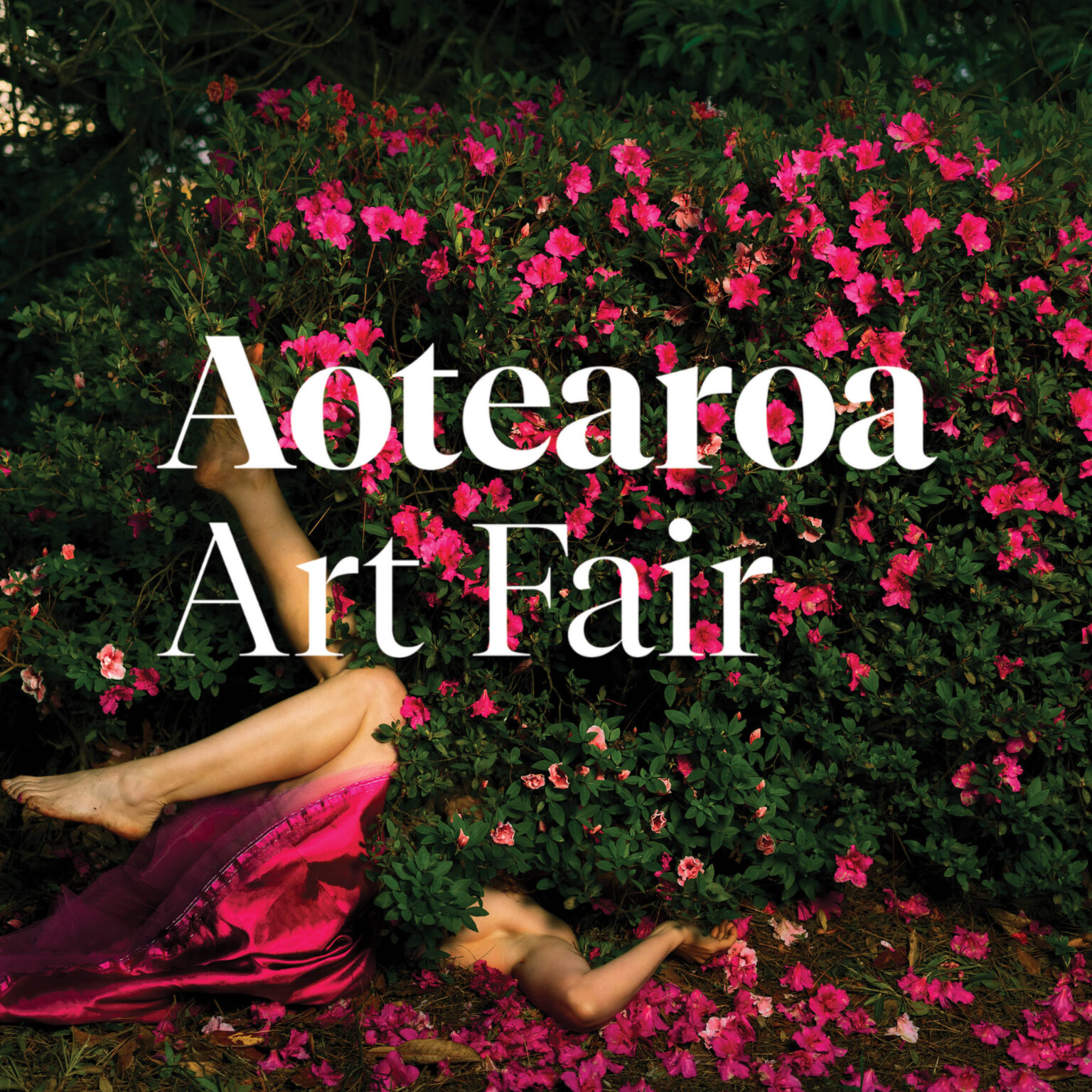
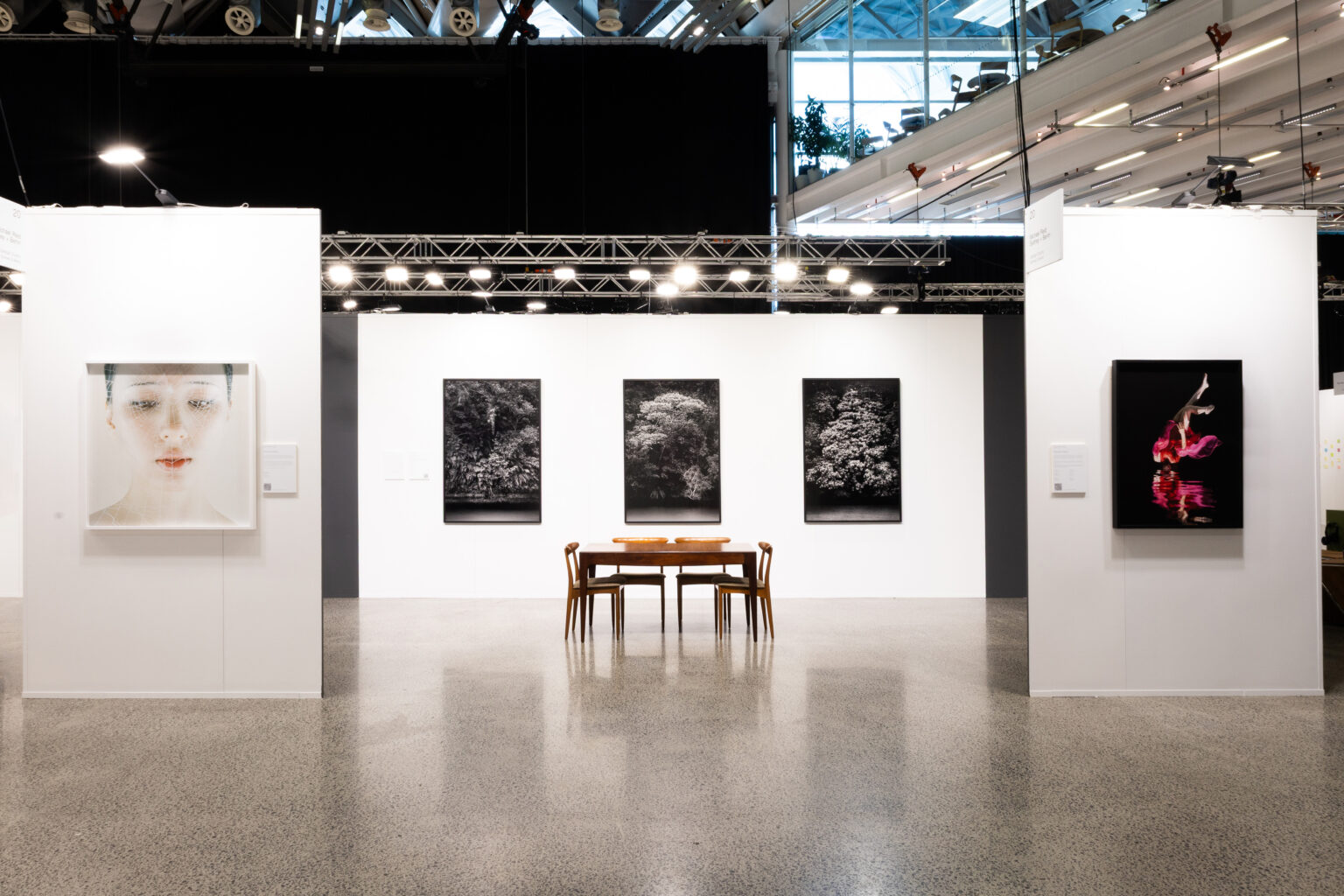
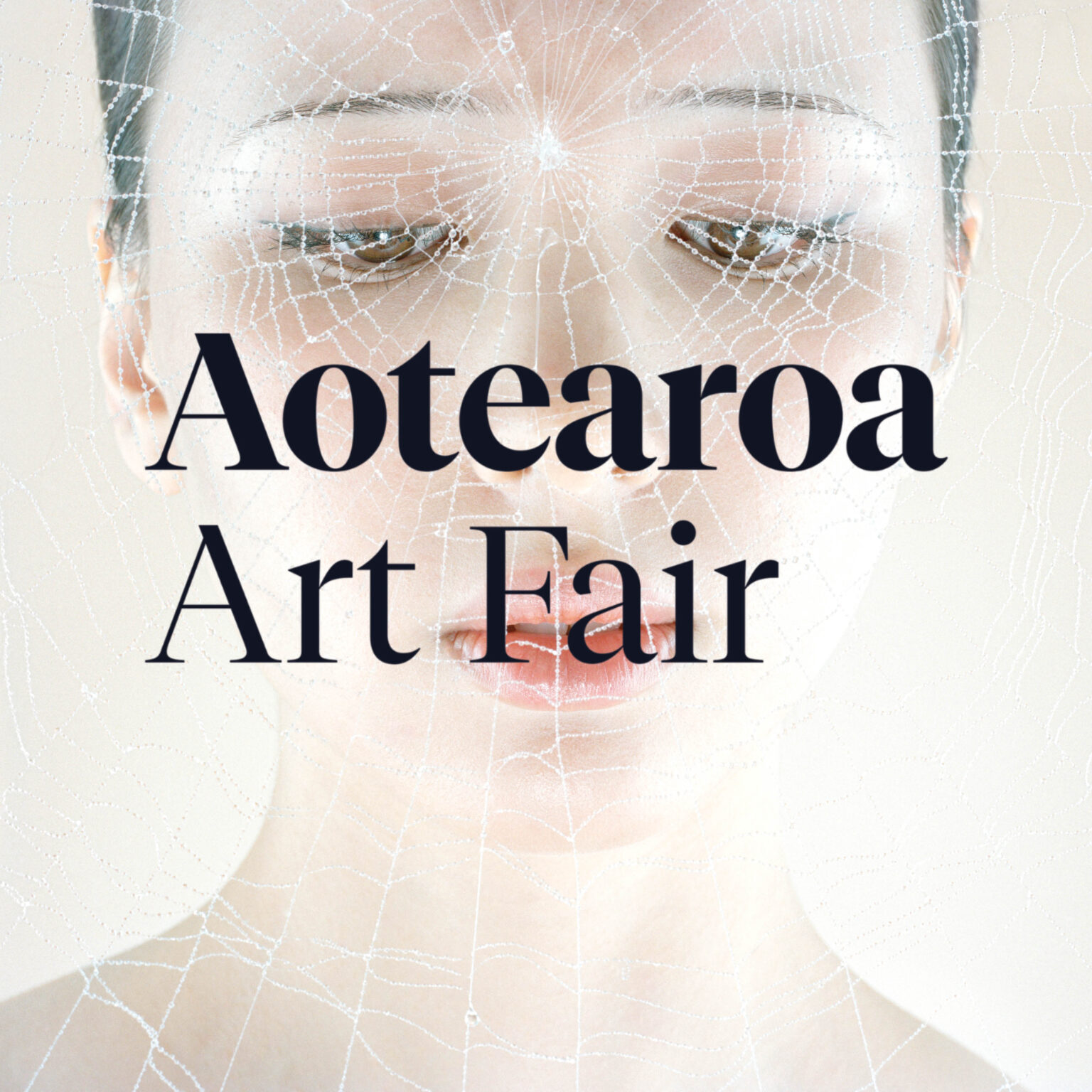
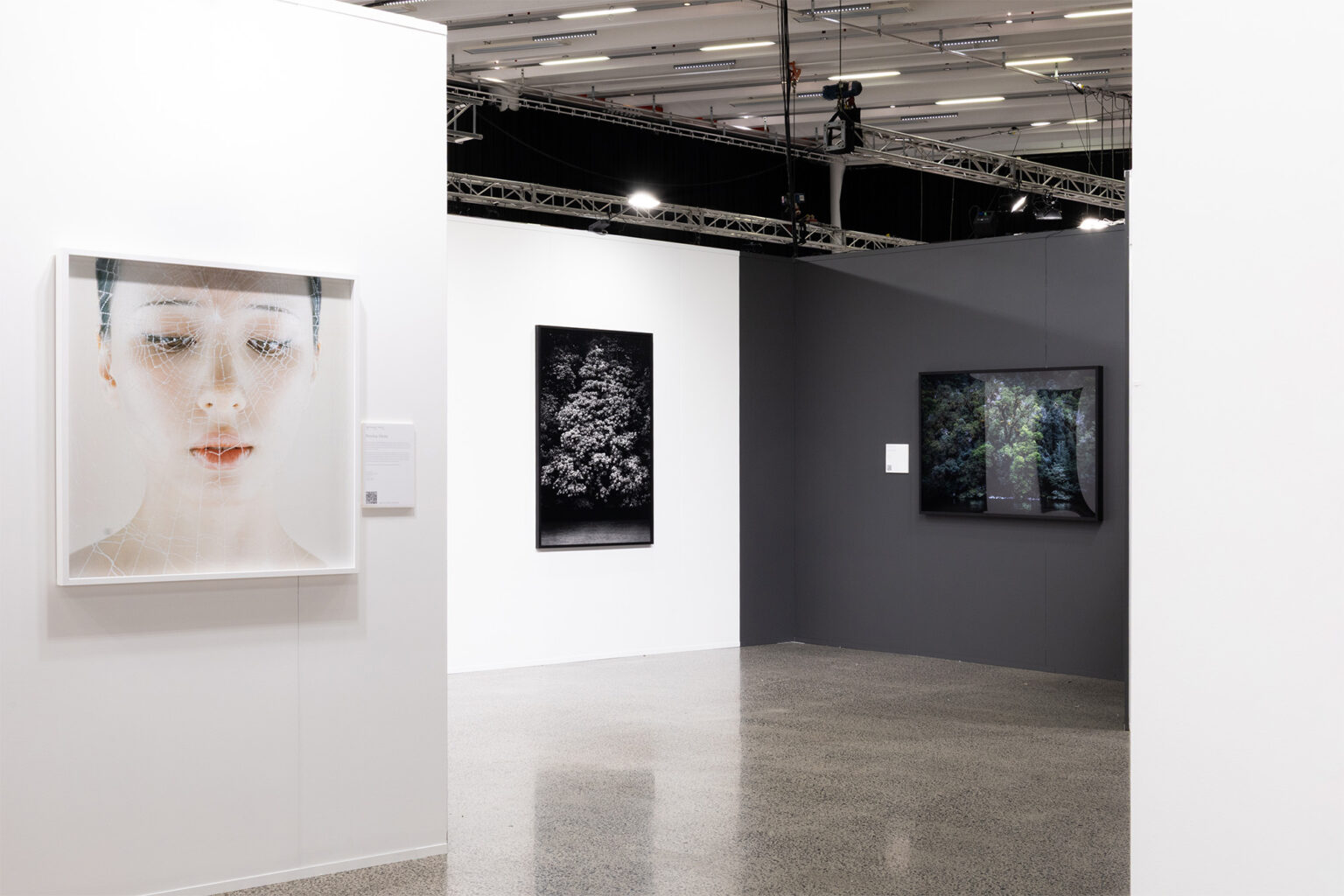
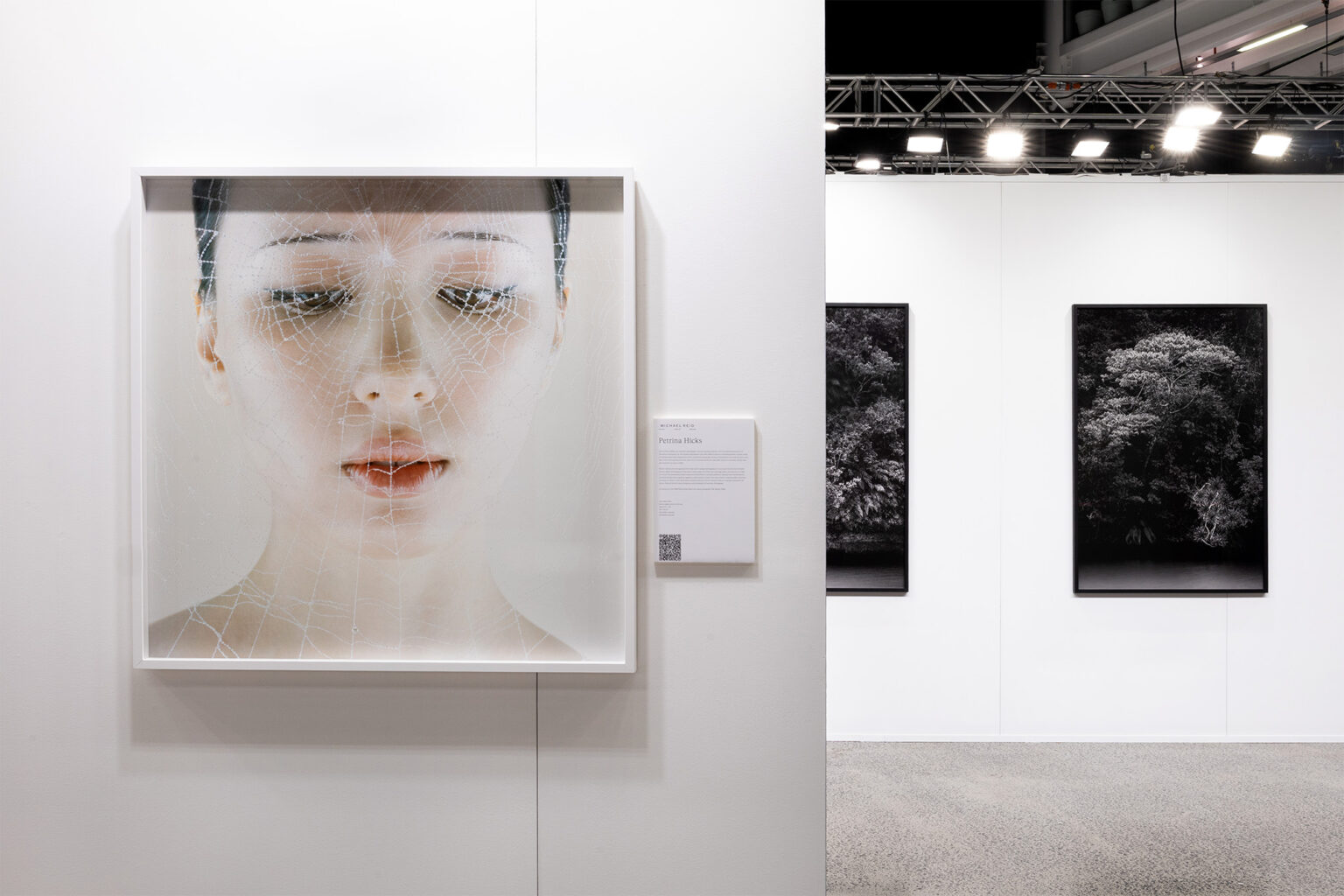
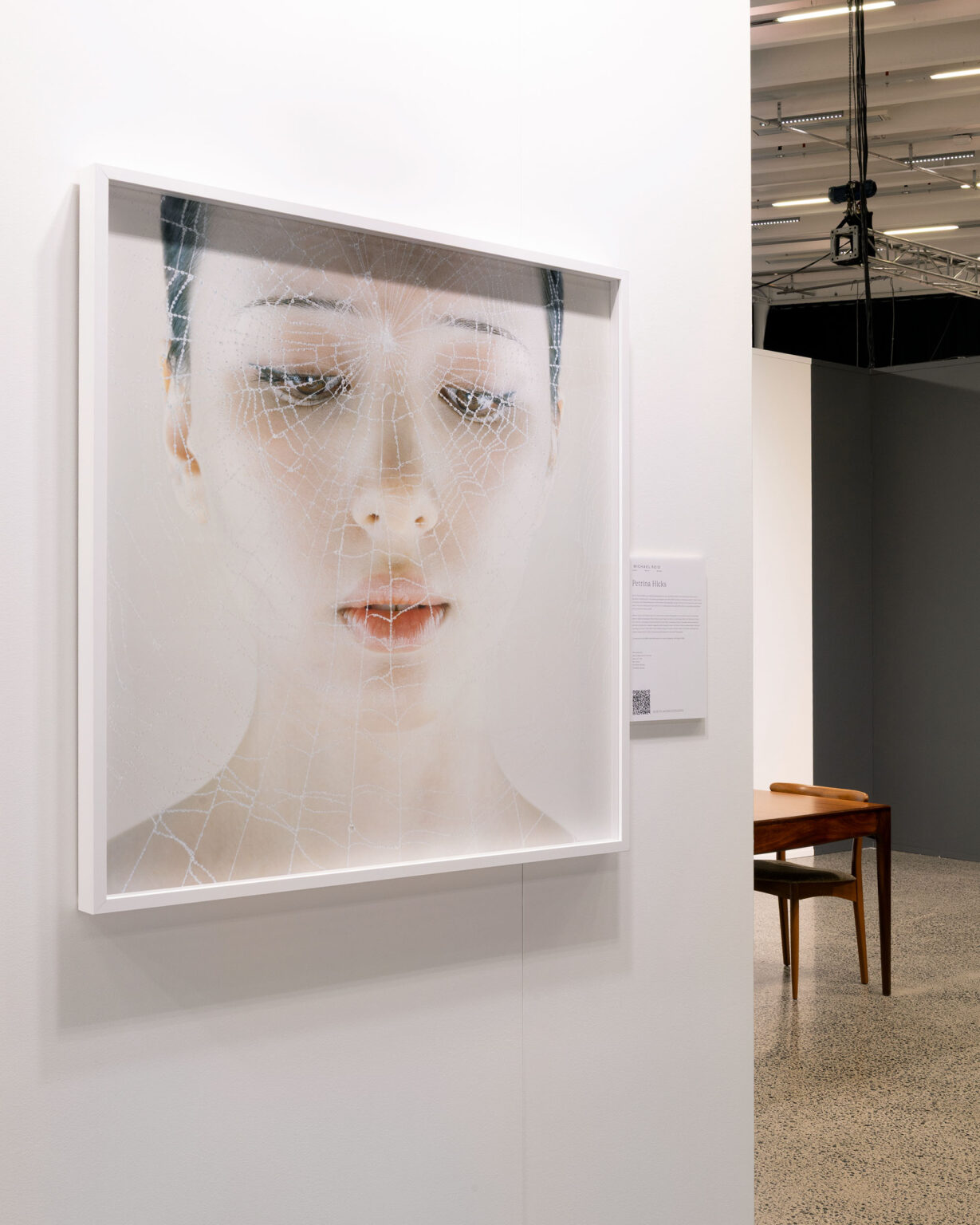
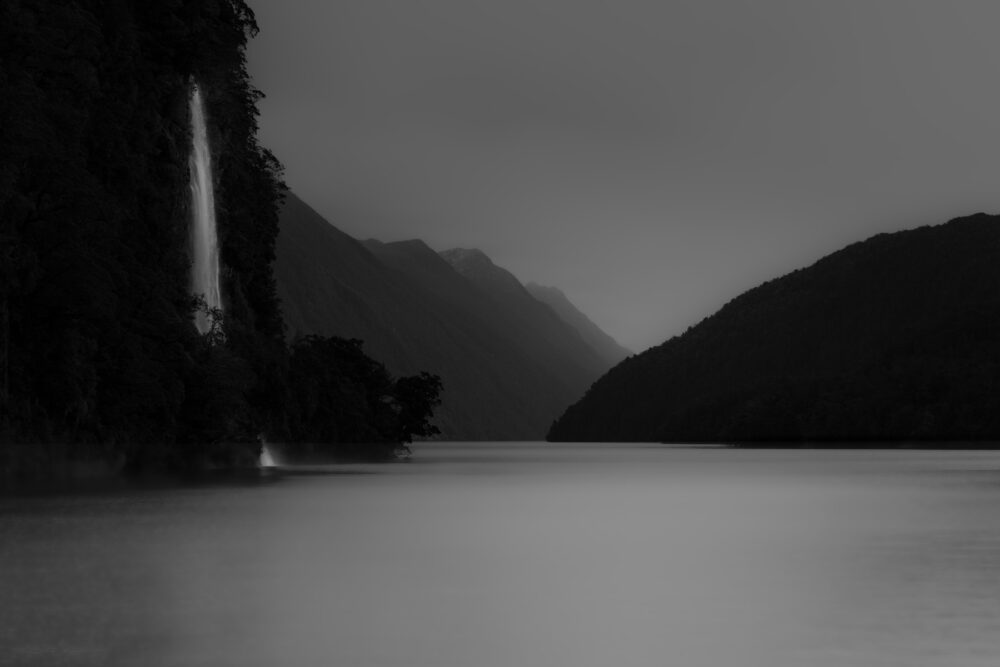
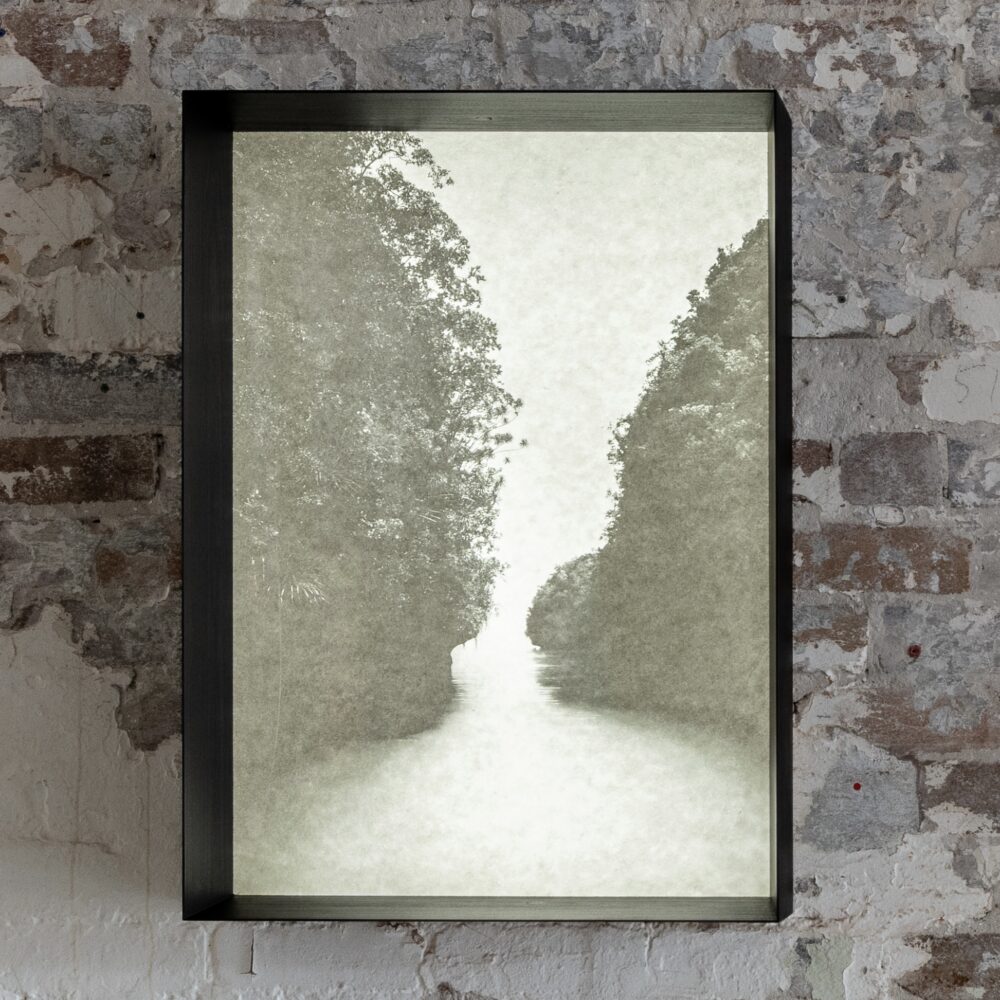
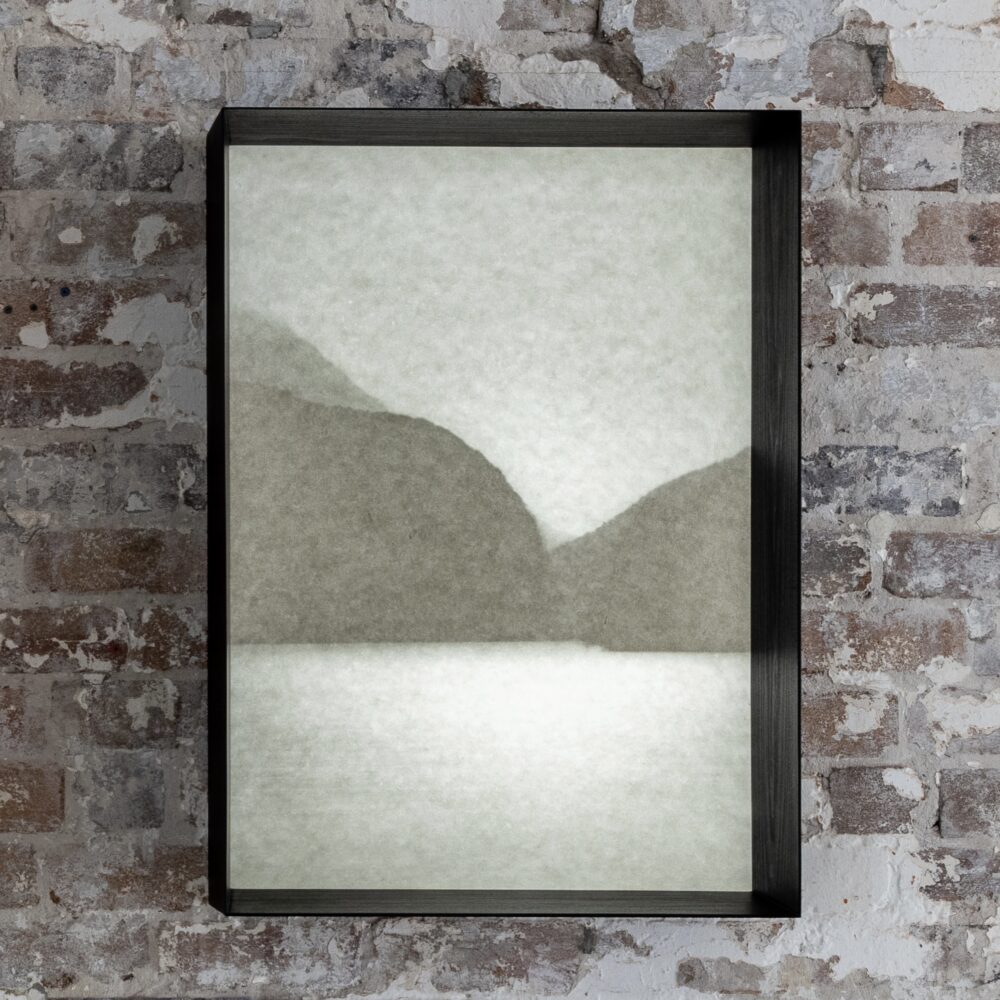
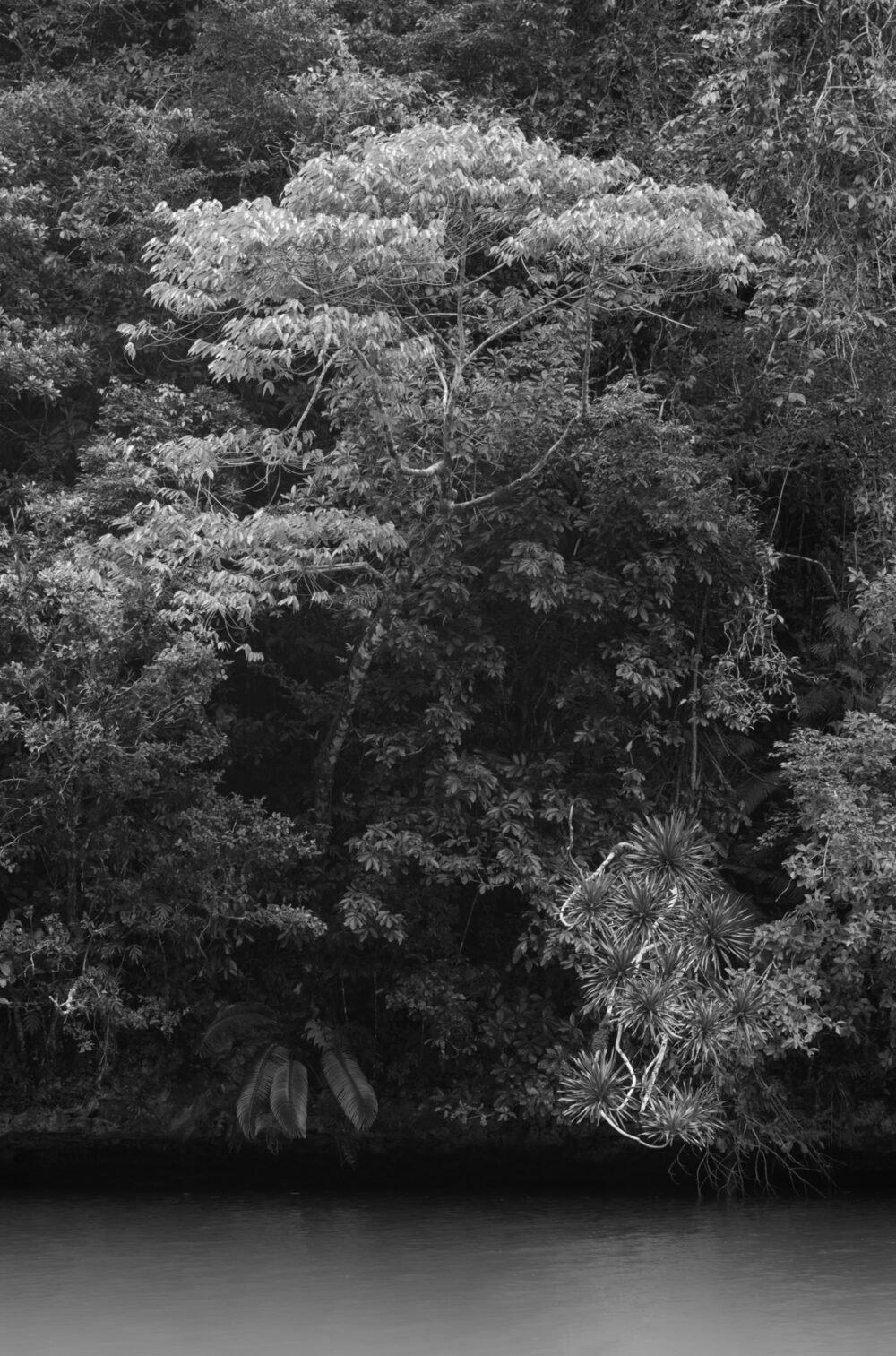
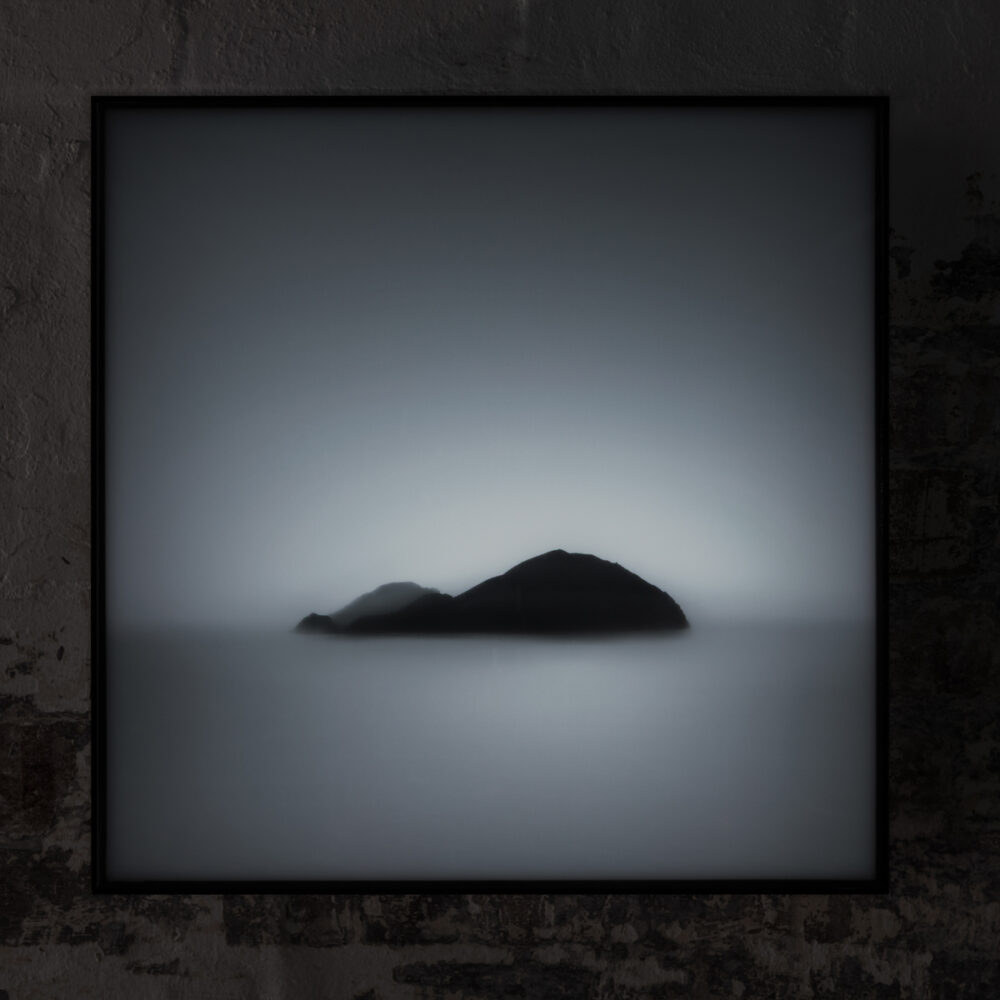
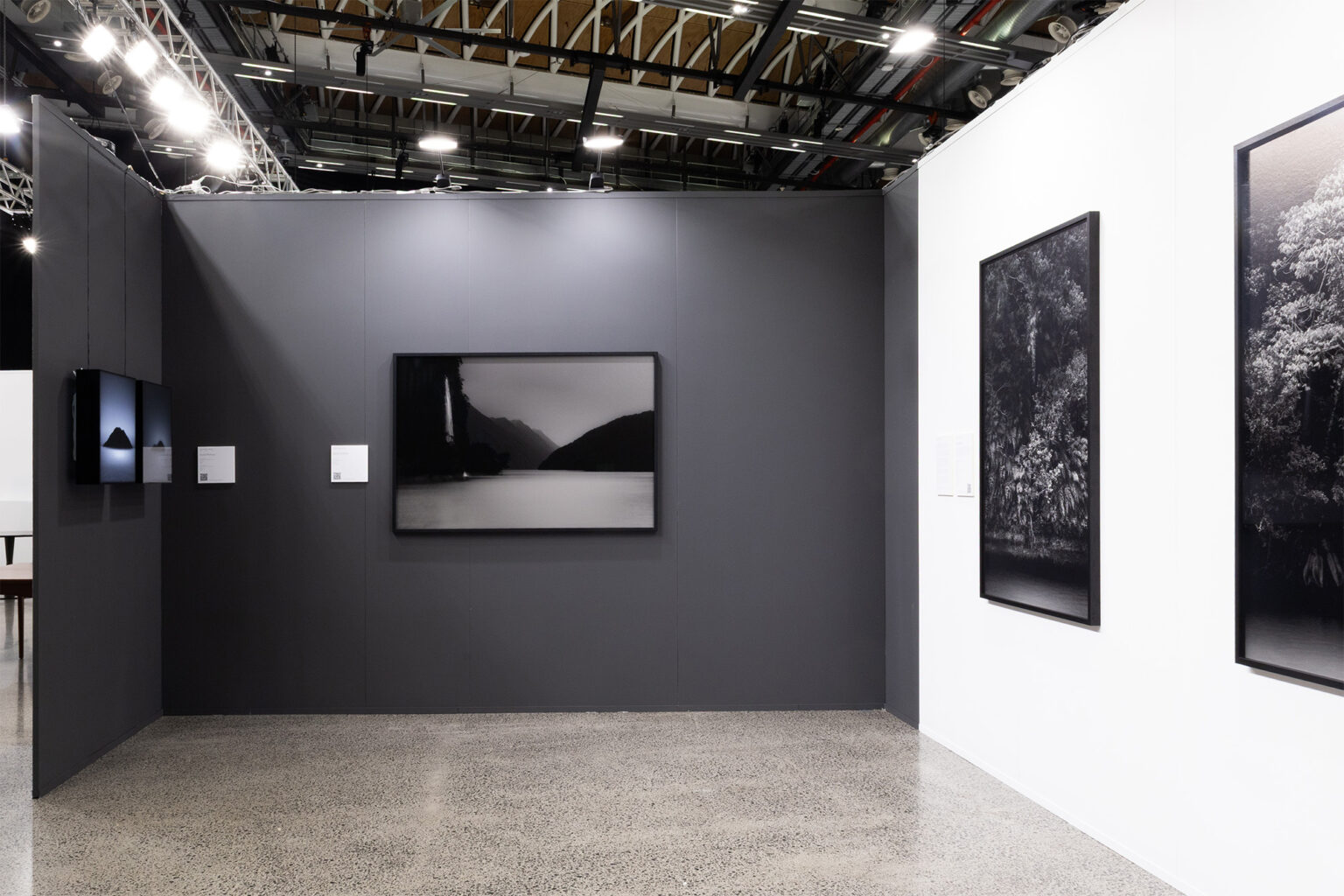
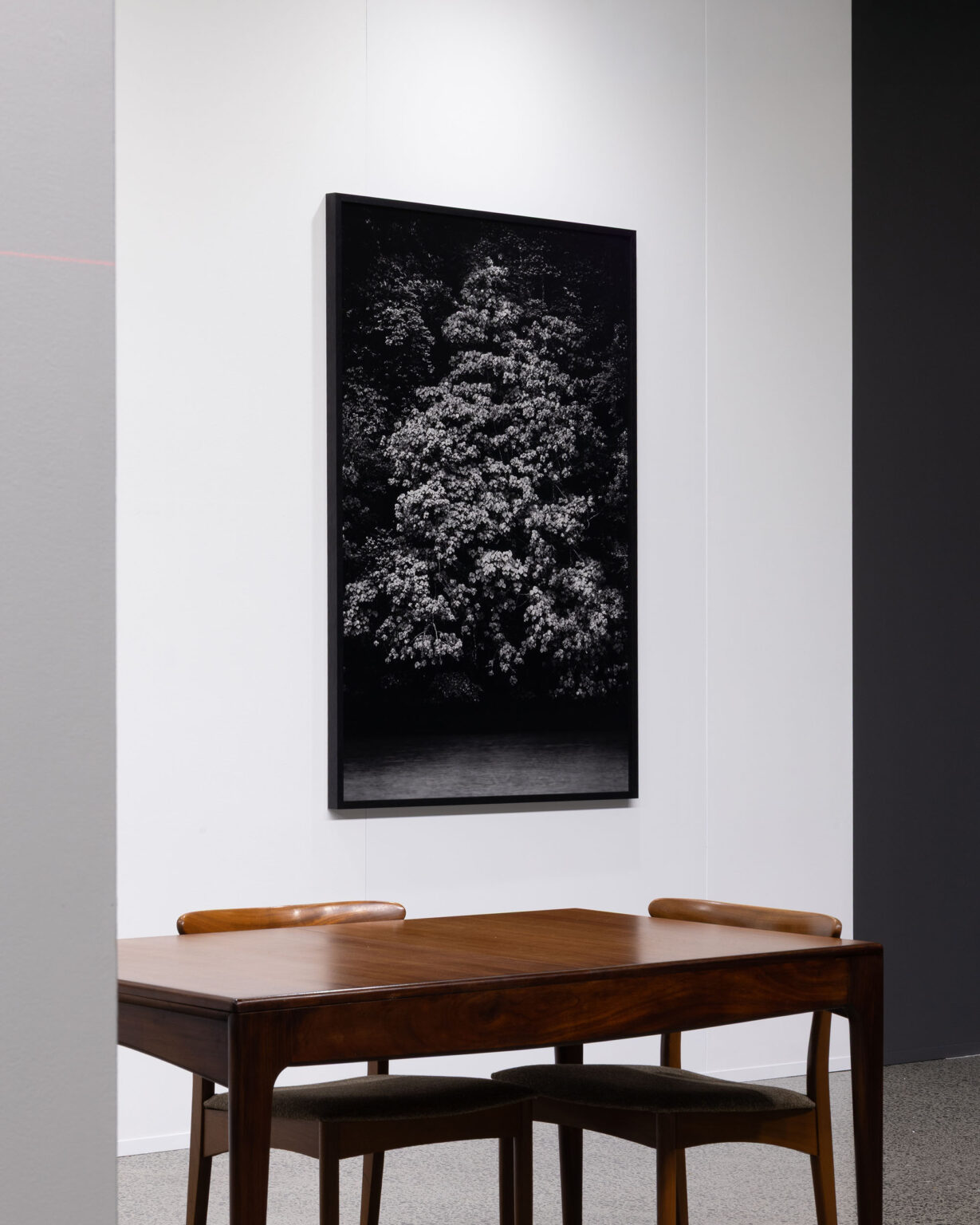
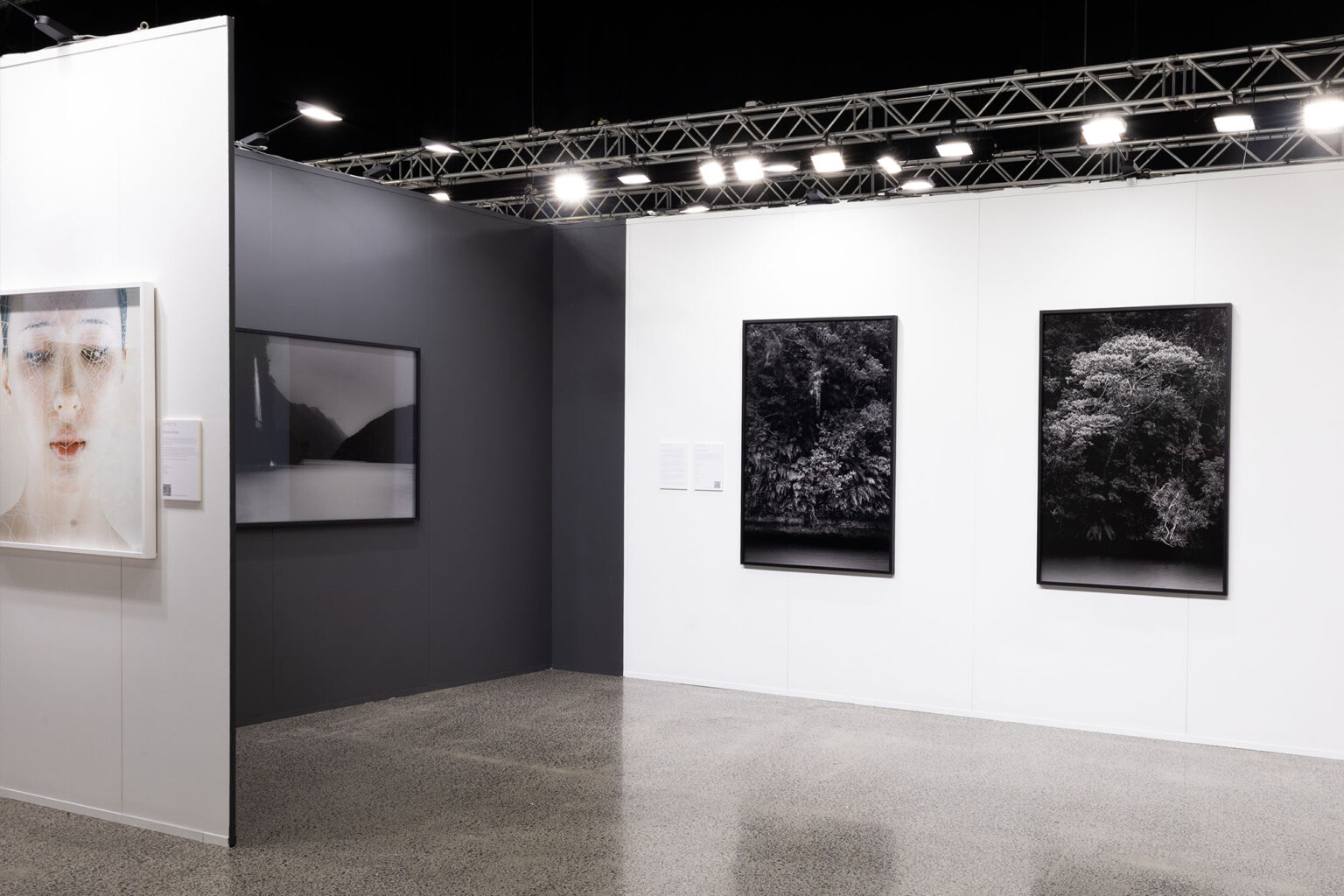
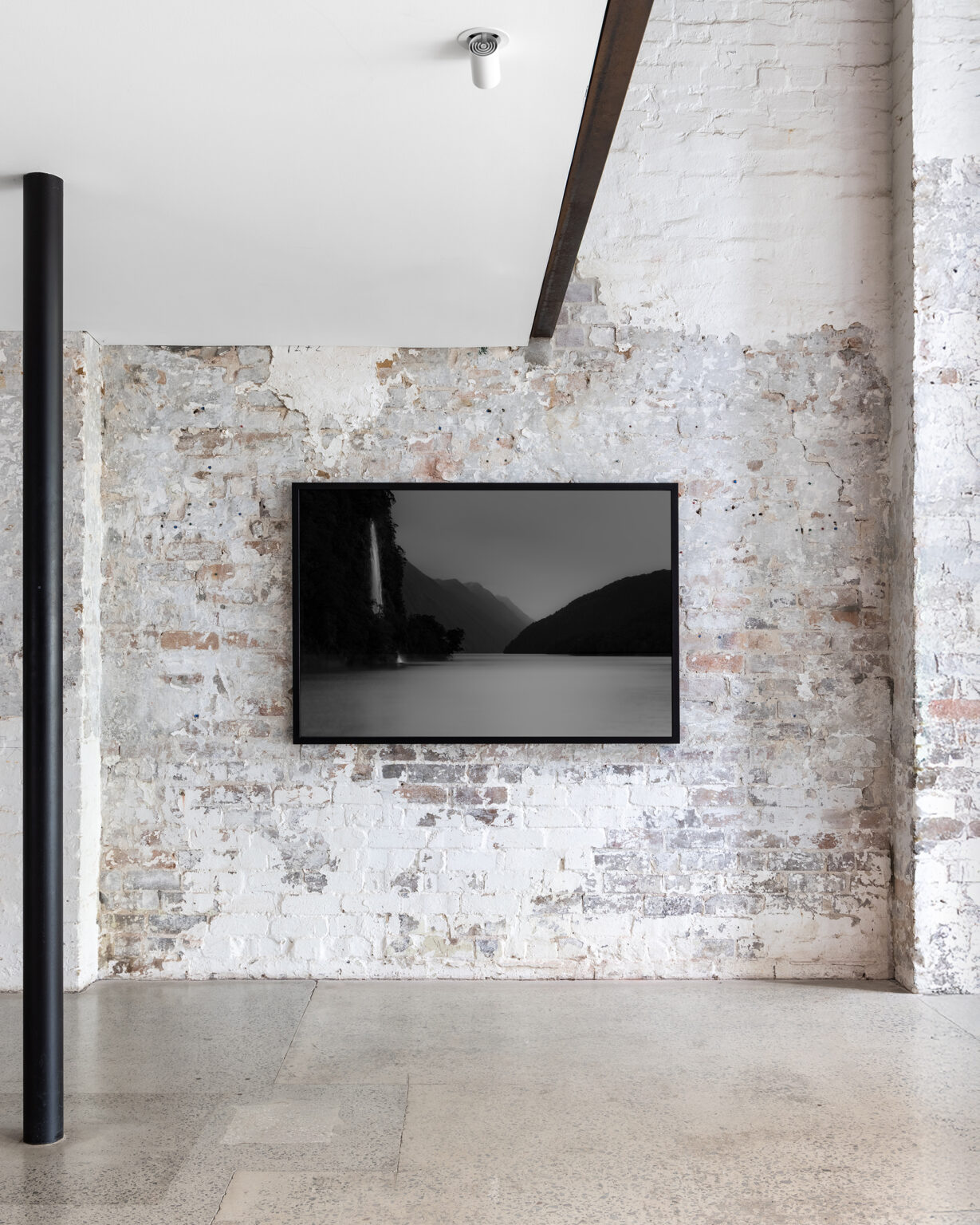
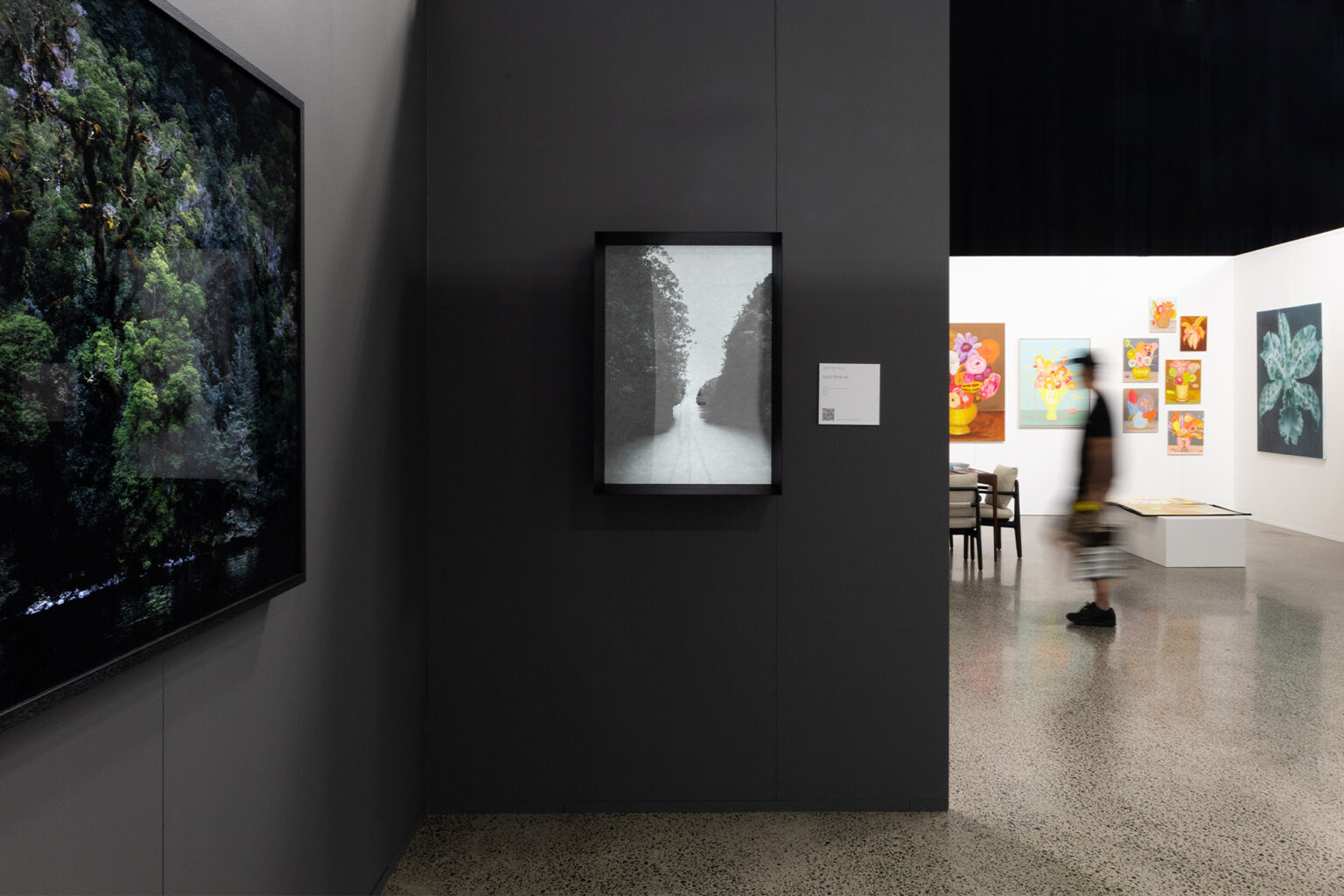
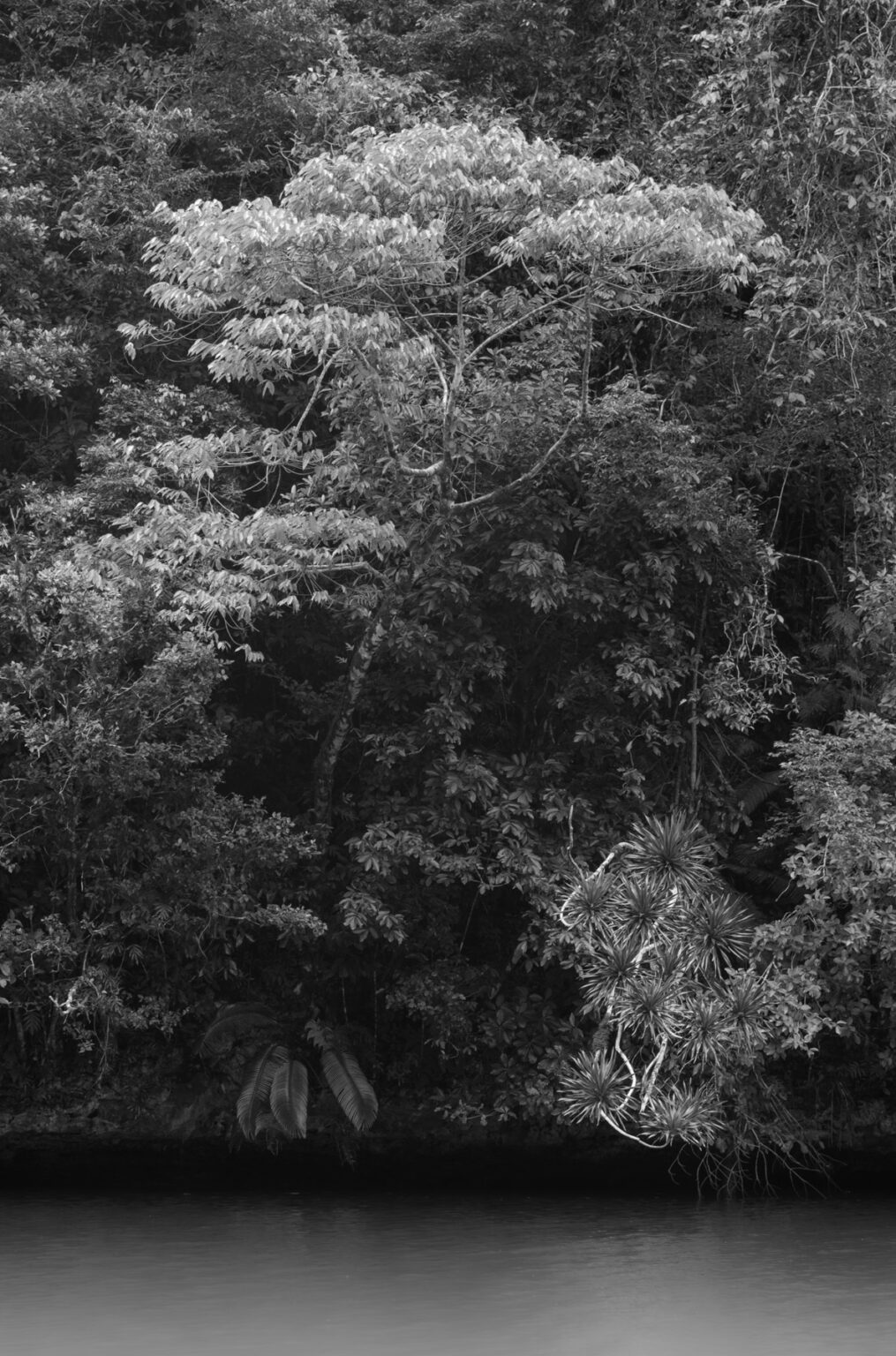
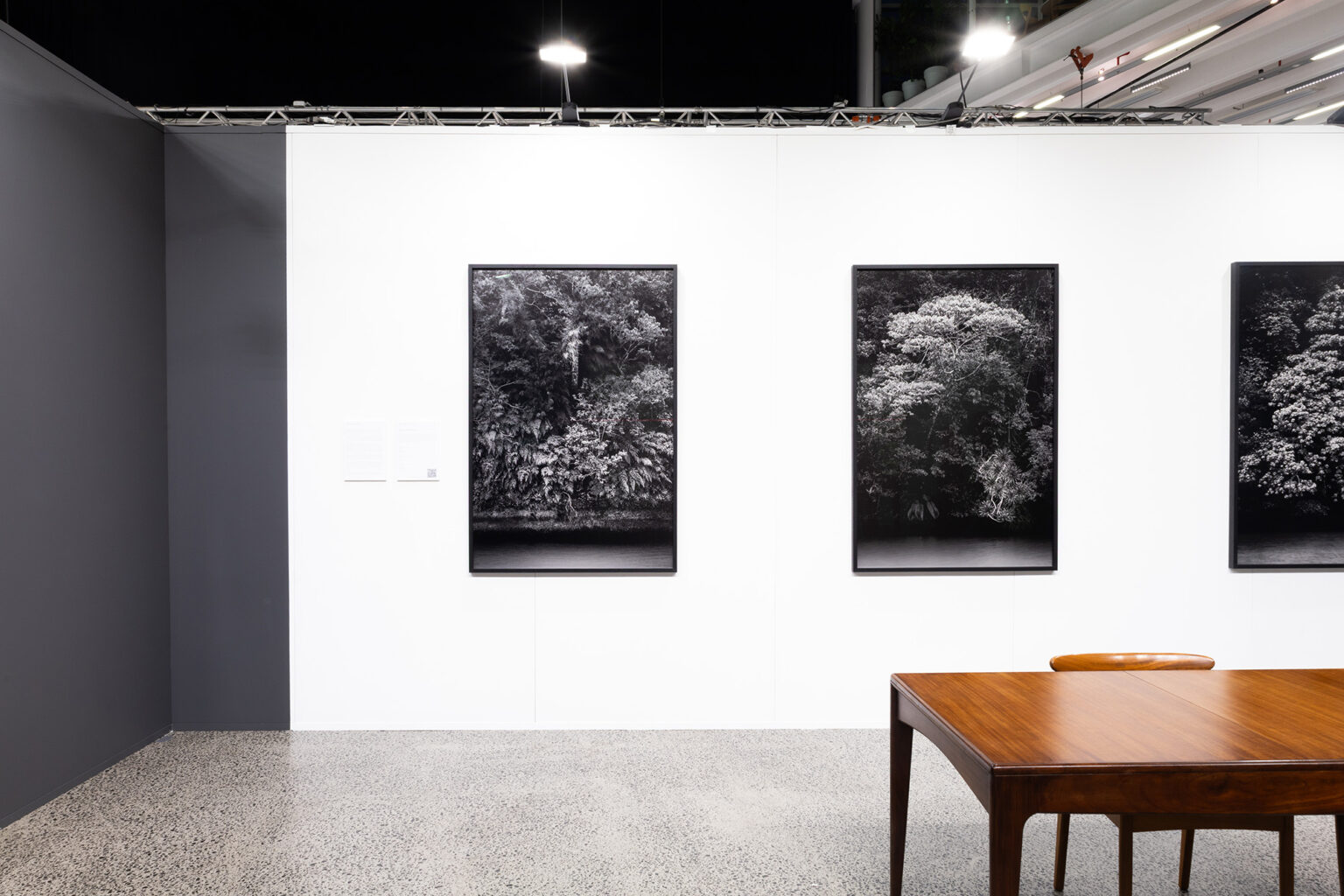
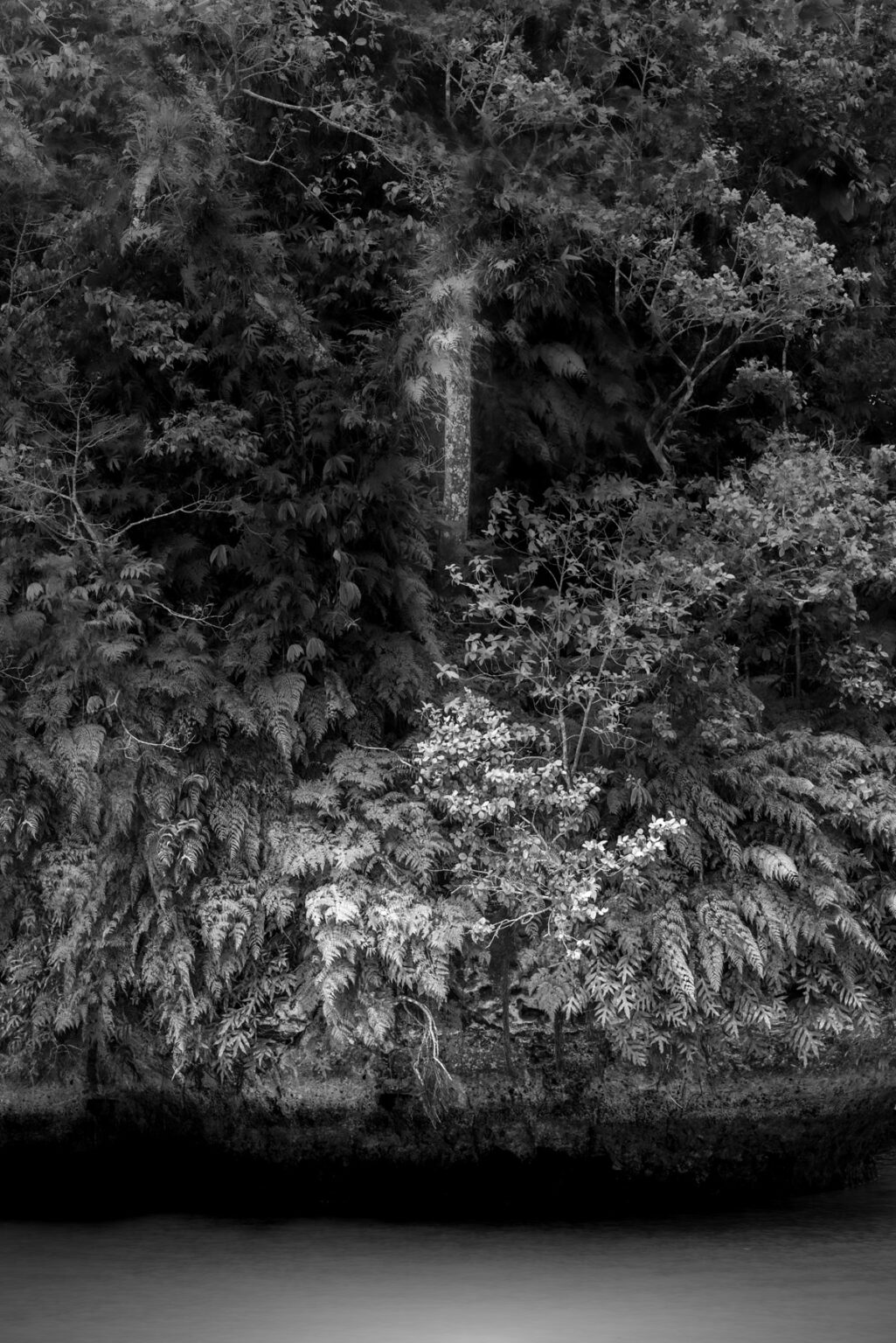
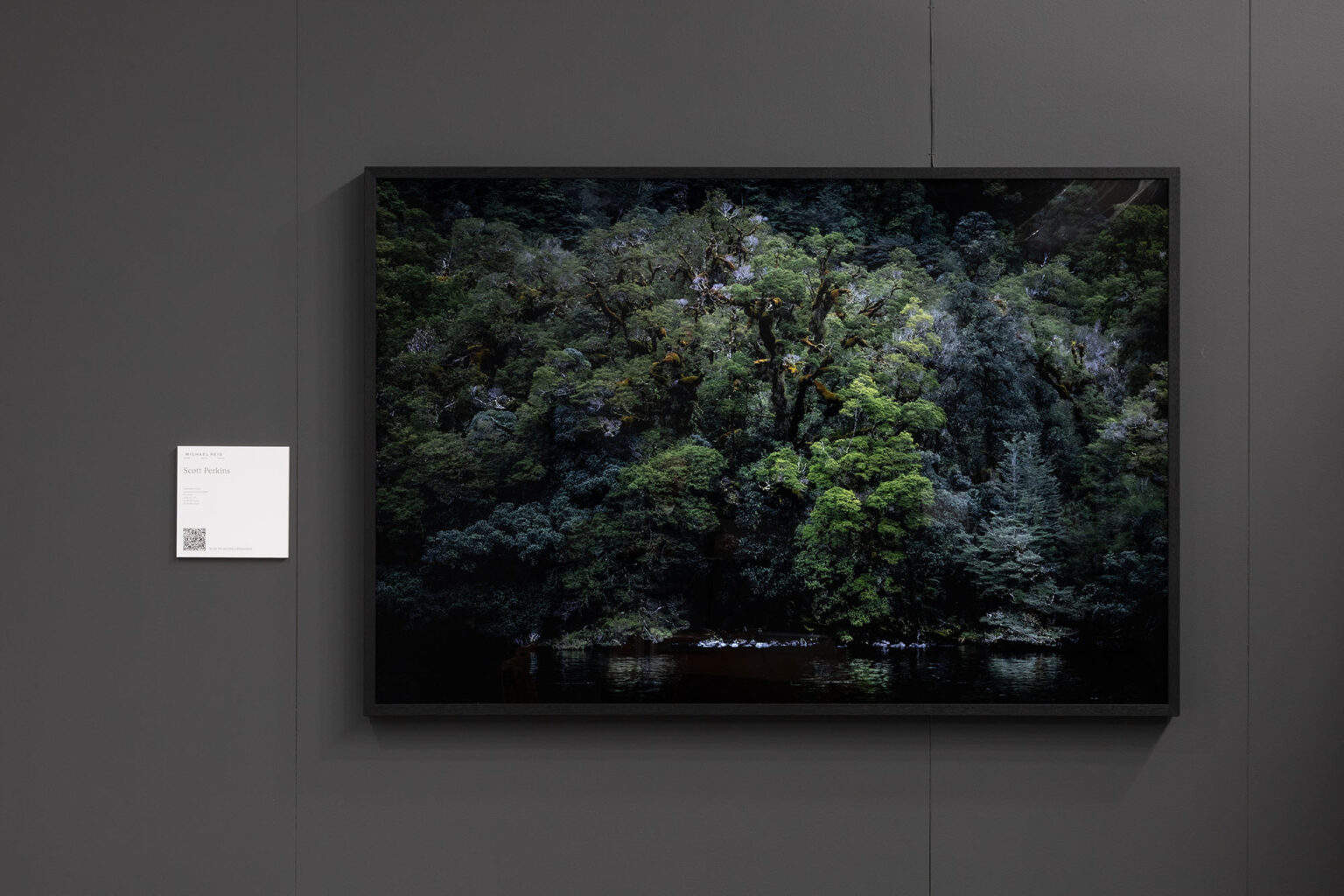
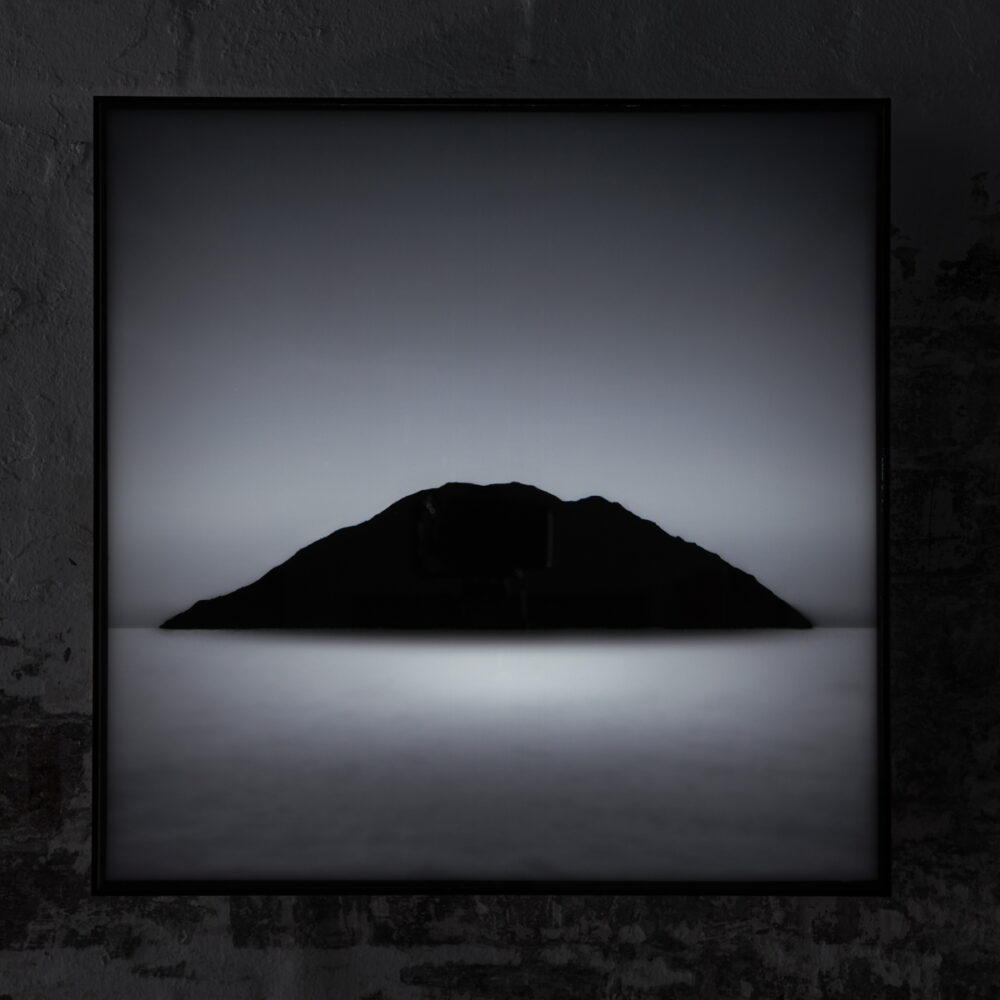
Michael Reid Sydney + Berlin travels to Auckland in April for the 2026 edition of the Aotearoa Art Fair, taking visitors inside the atmospheric worlds of Auckland-born, Eora/Sydney-based contemporary photographer Scott Perkins.

In his newest collection, Perkins creates a space beyond the visible, capturing the viewer’s imagination through serene, atmospheric environments. Perkins orchestrates an elegant synthesis of photo-media and design elements, demonstrating innovation across printing, framing and lightbox presentation. His lightboxes introduce a sculptural dimension to his photographs, transforming the spaces they inhabit with considered lighting and exceptional materials, including crafted timber, handmade Japanese washi and metallic Hahnemühle papers. Grounded in abstract landscape photography, Perkins’s accomplished aesthetic amplifies the majesty of his sharply composed subject matter.
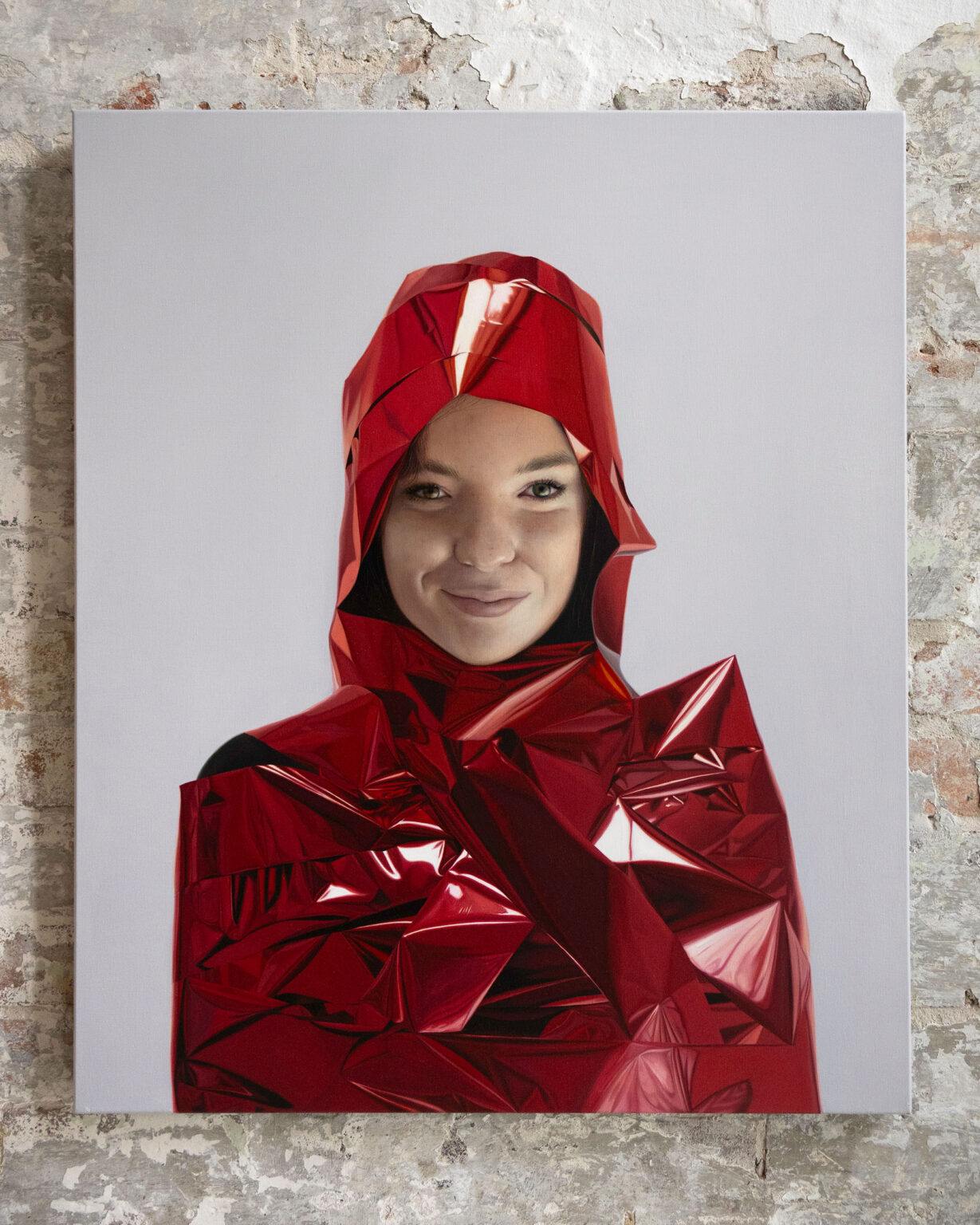
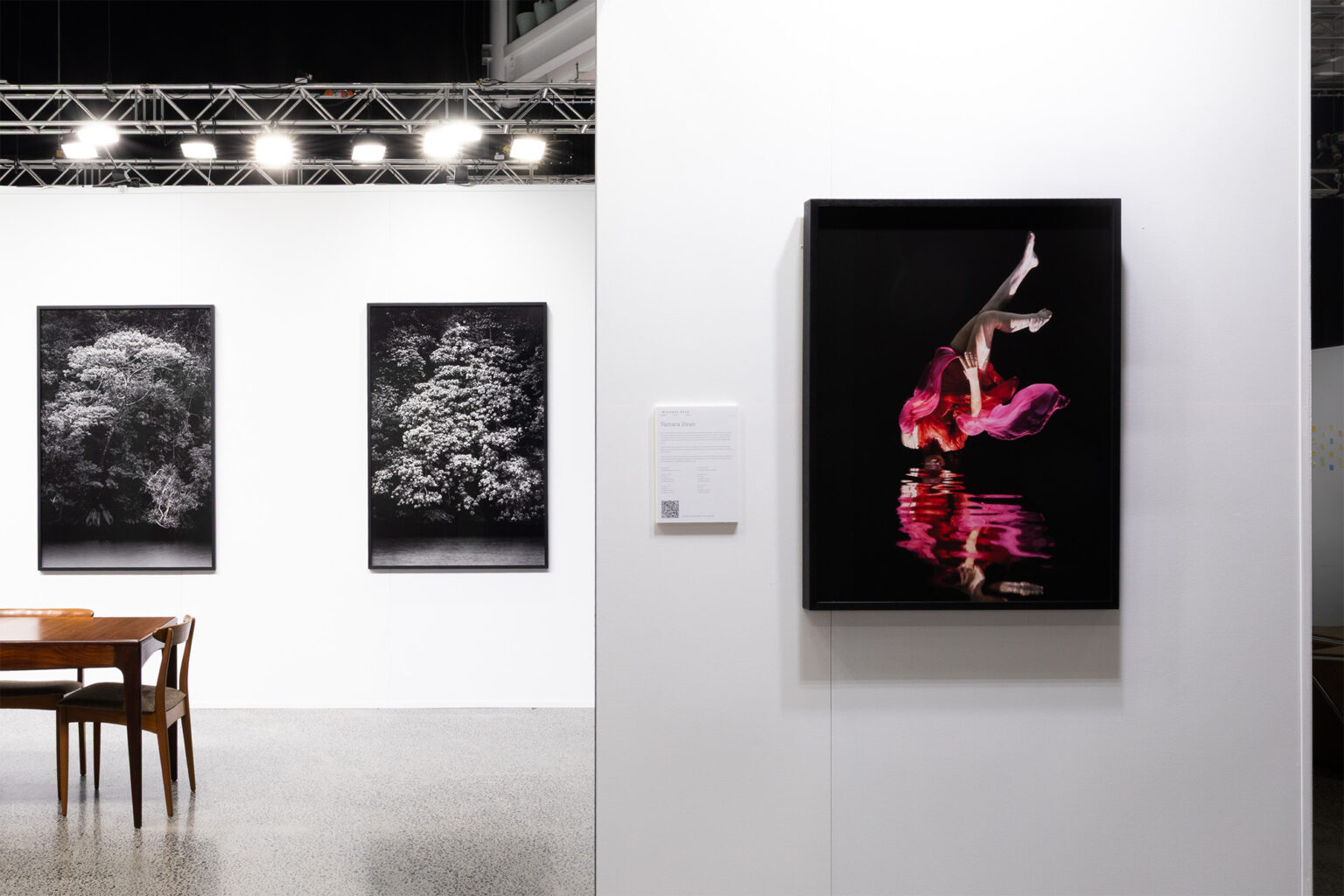
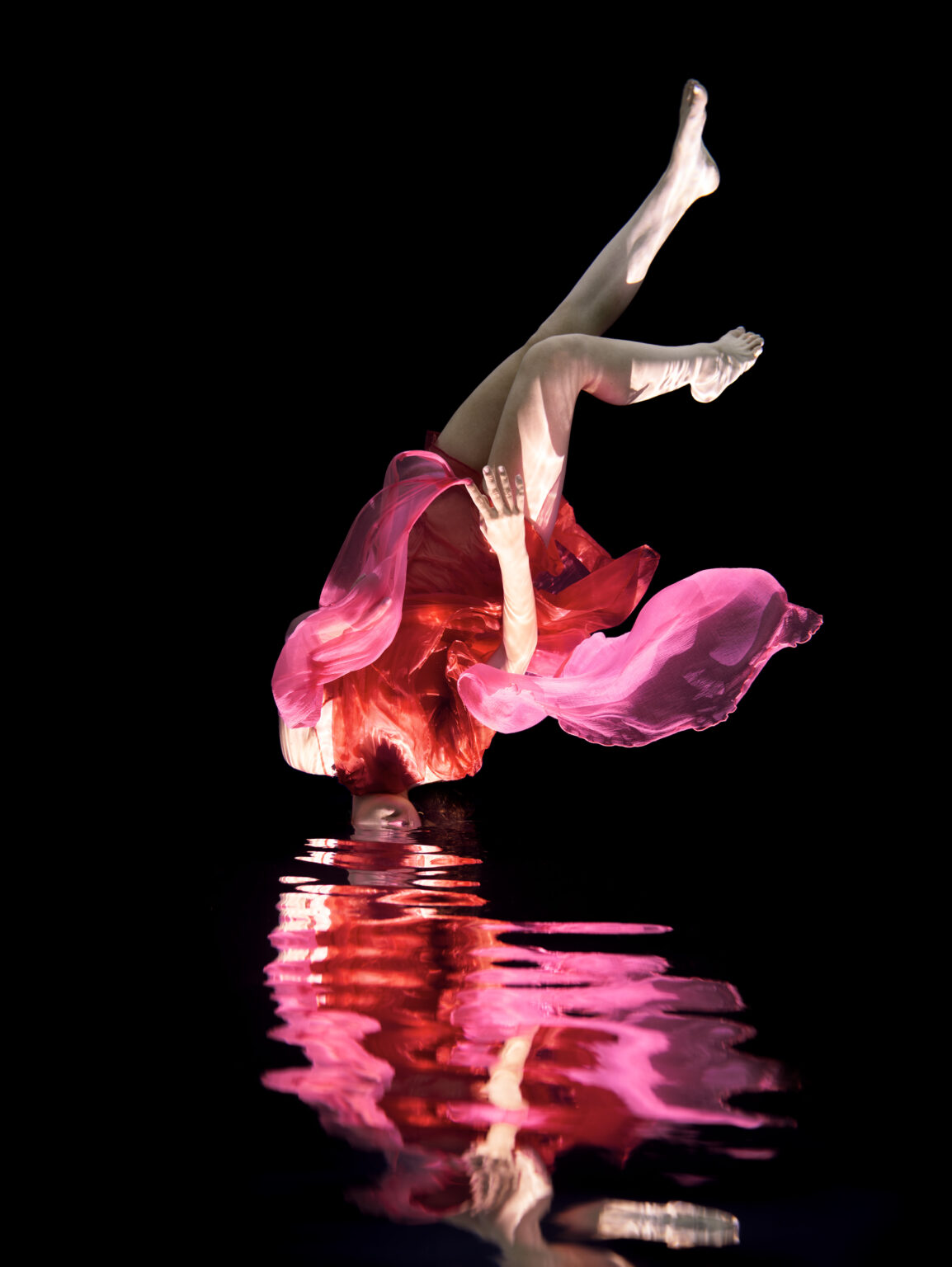
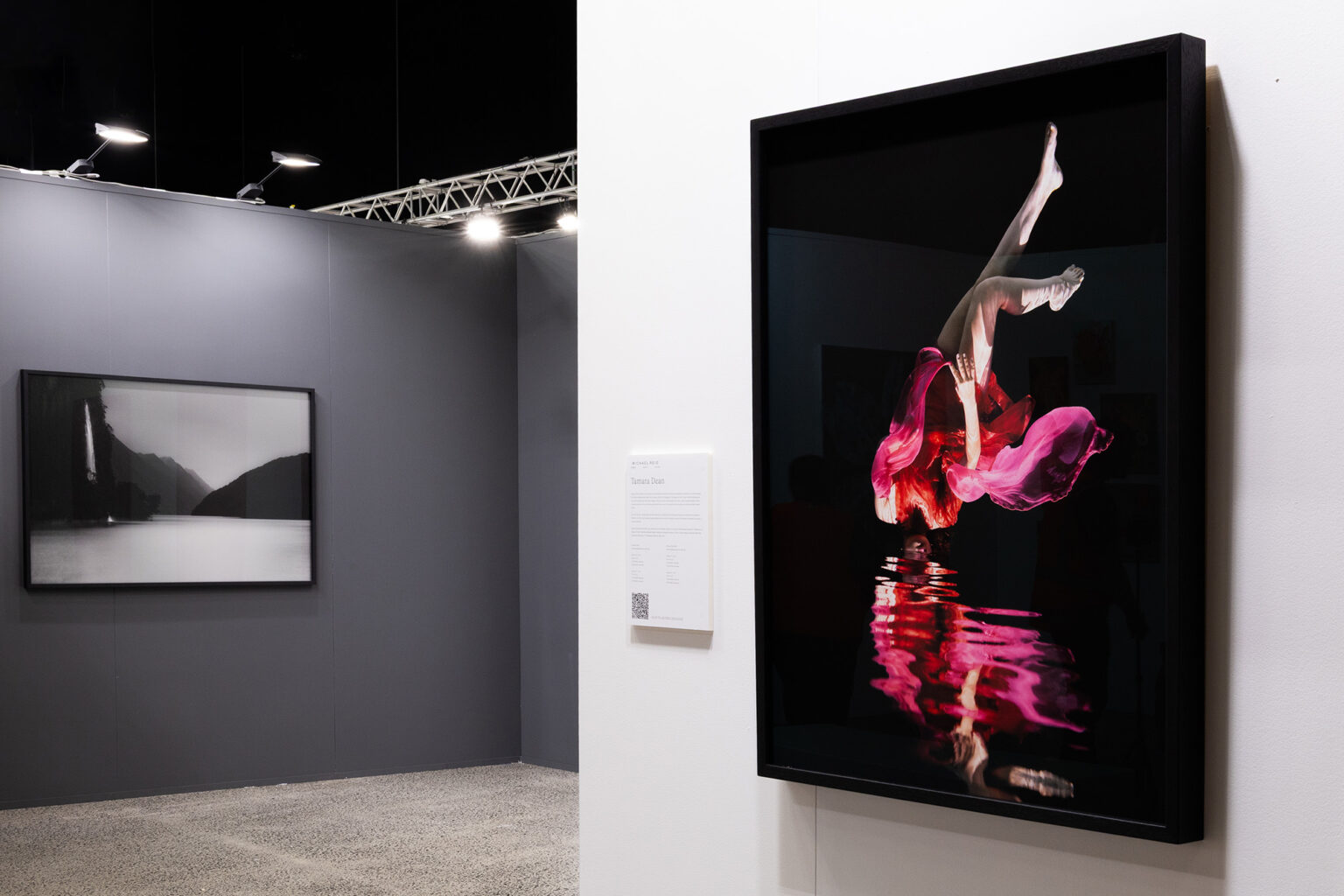
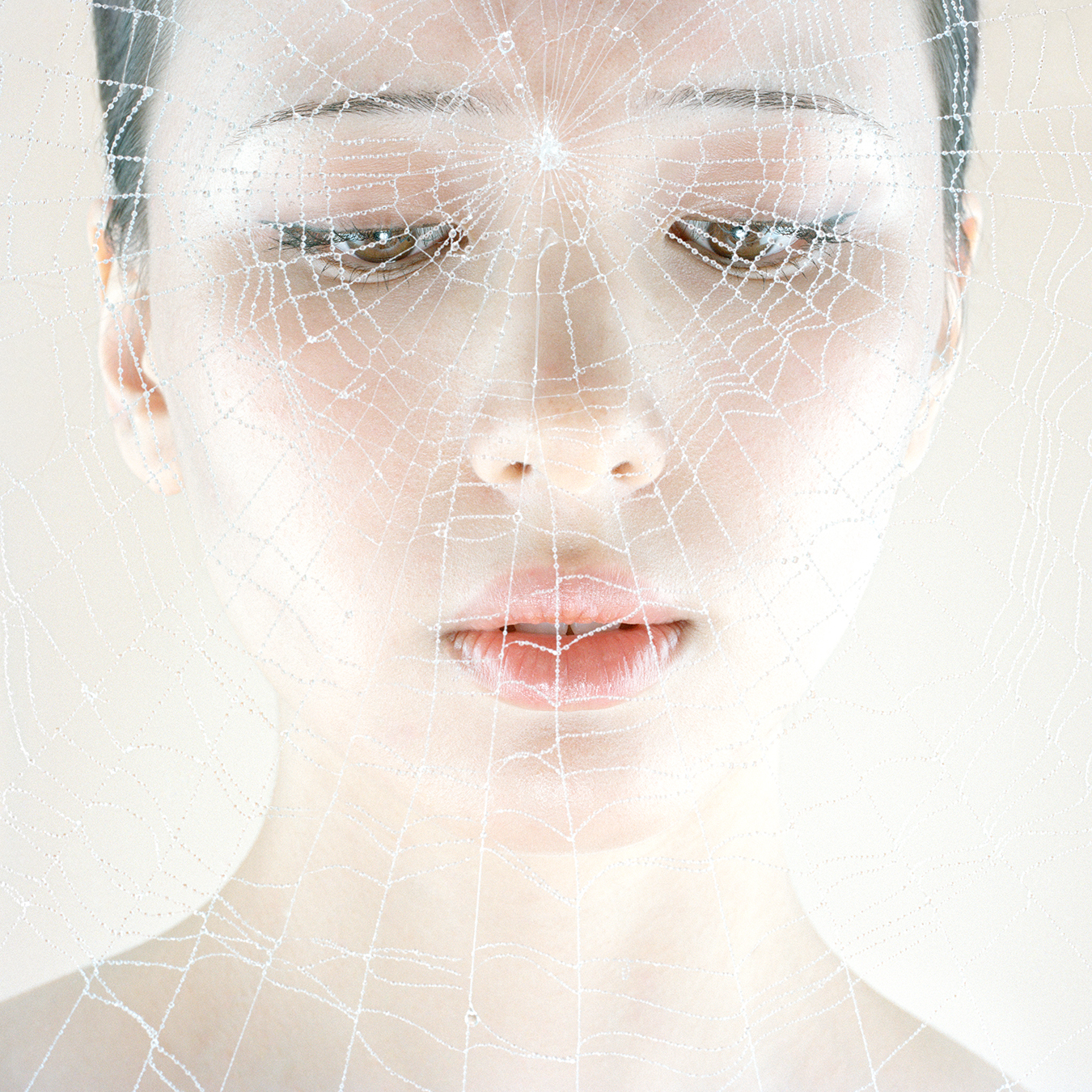
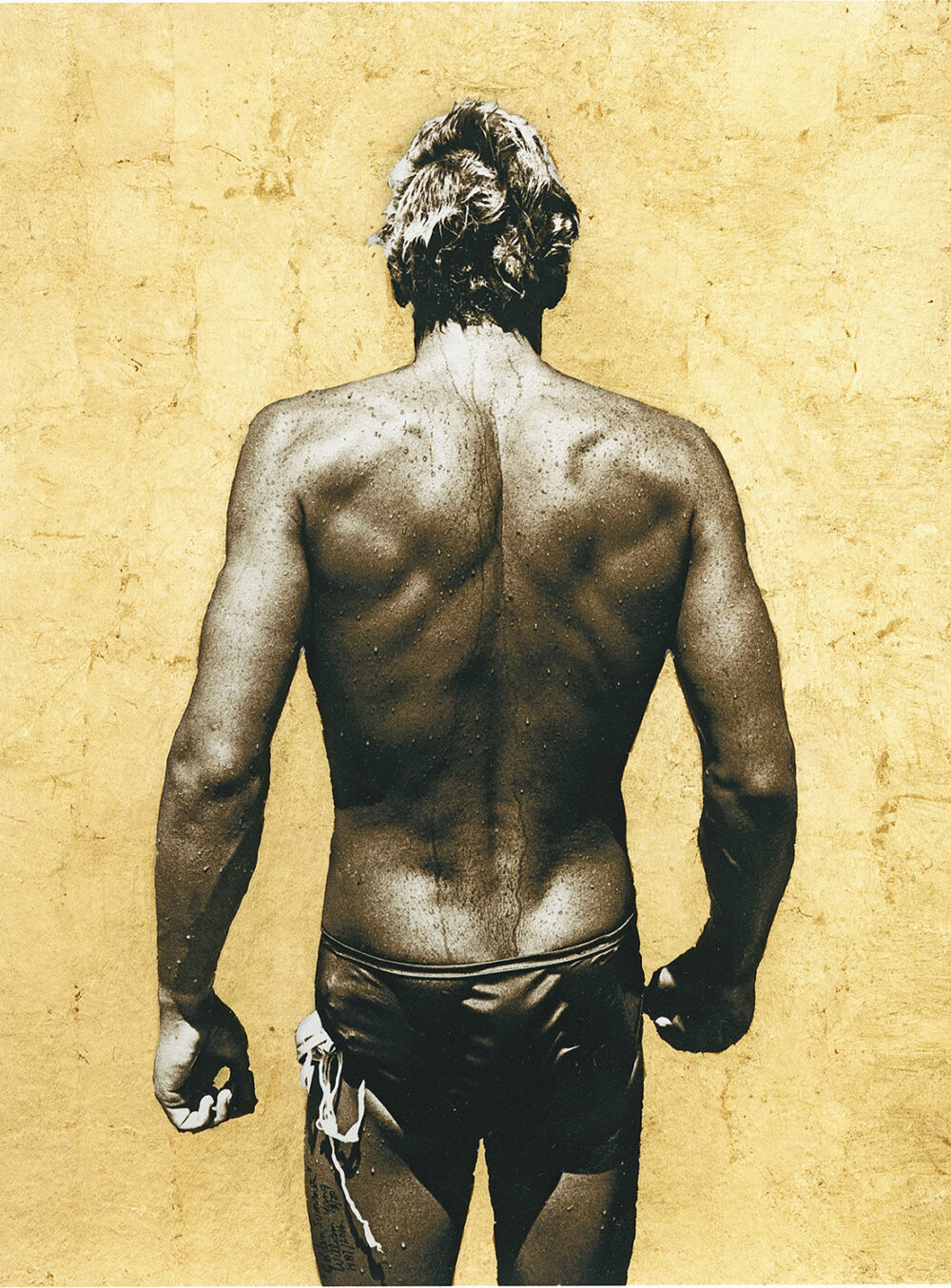
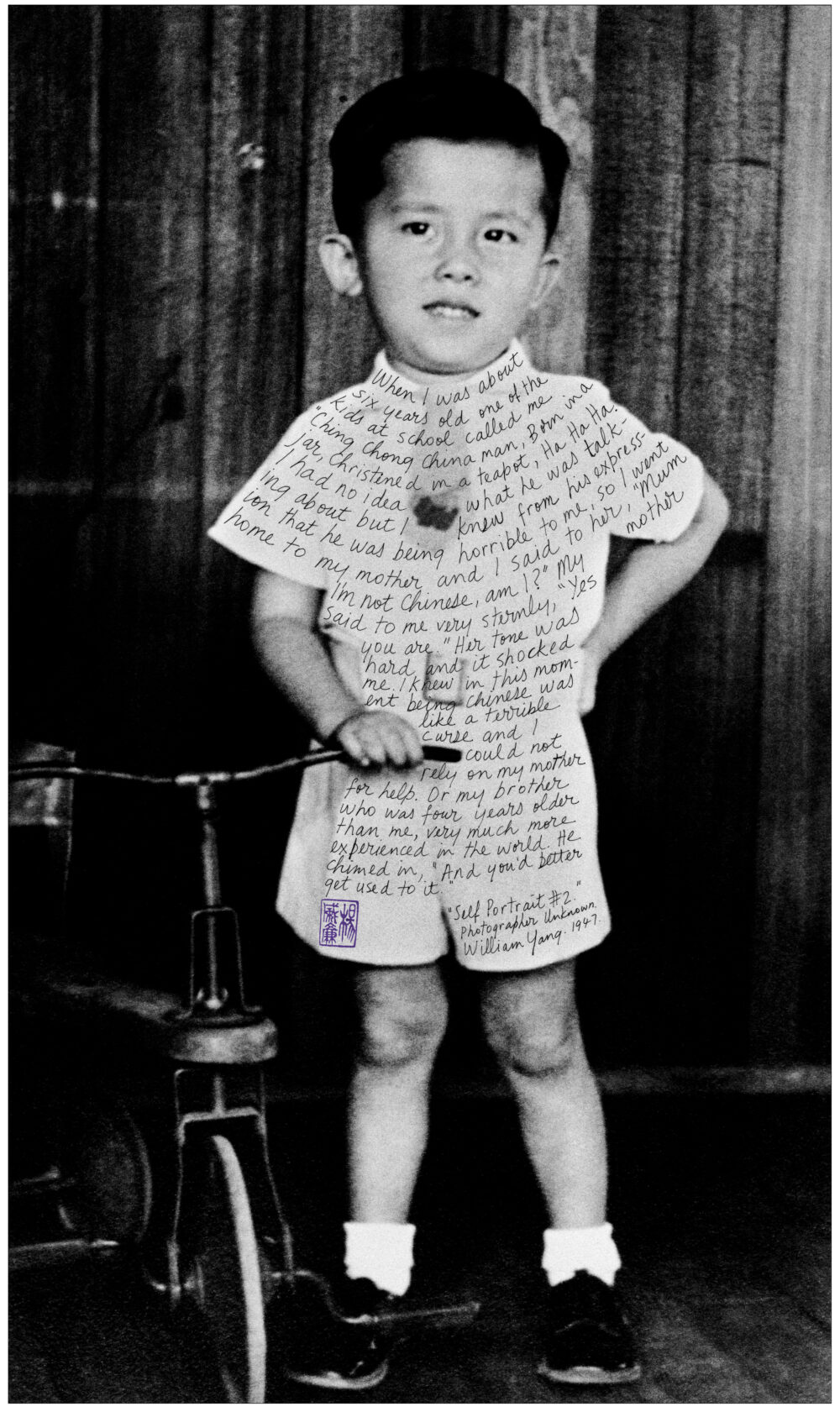
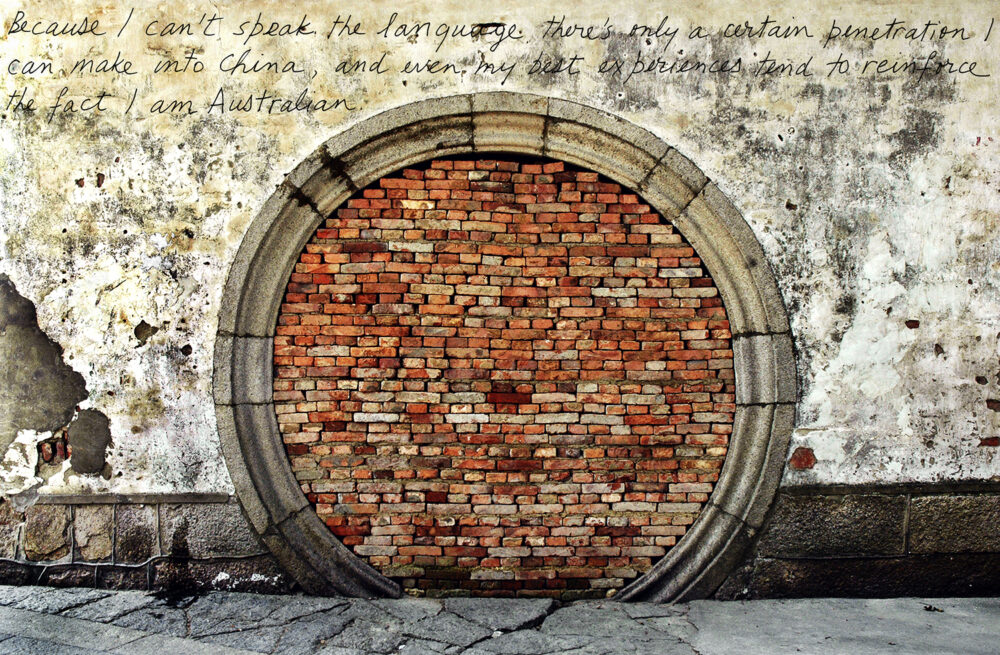
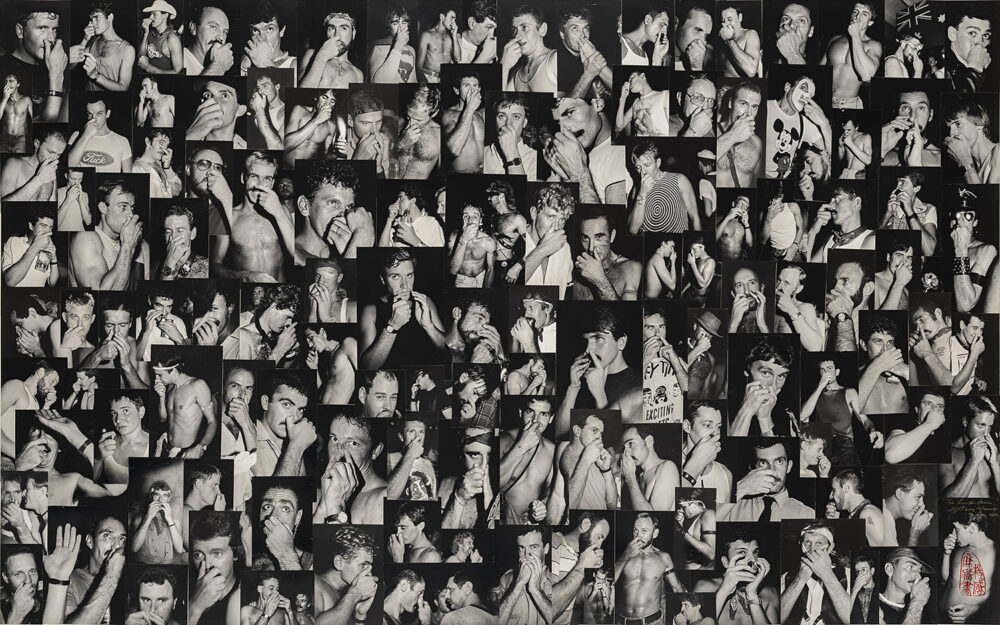
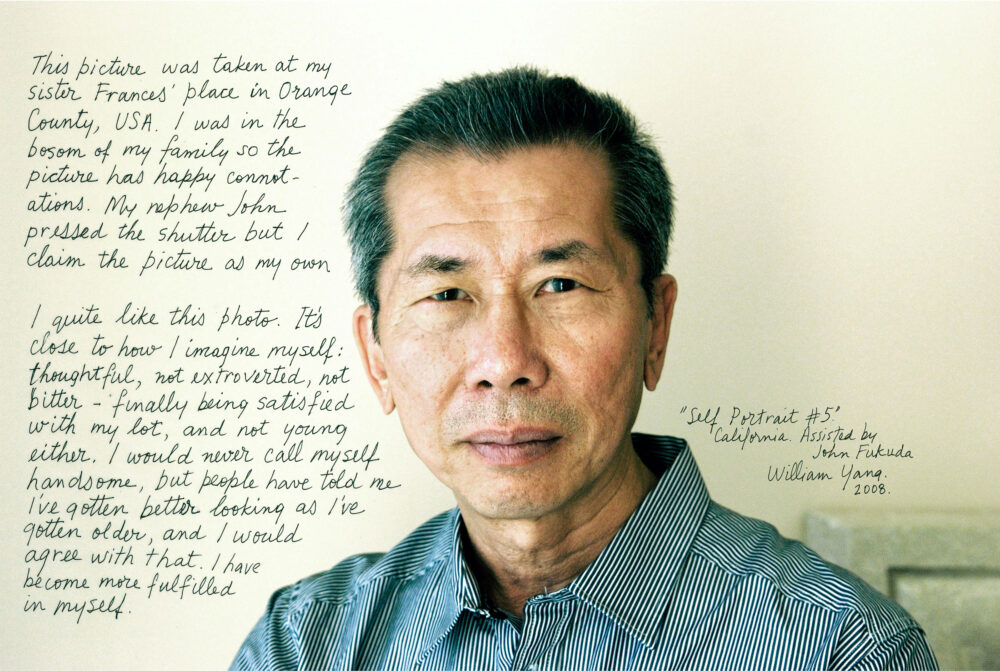
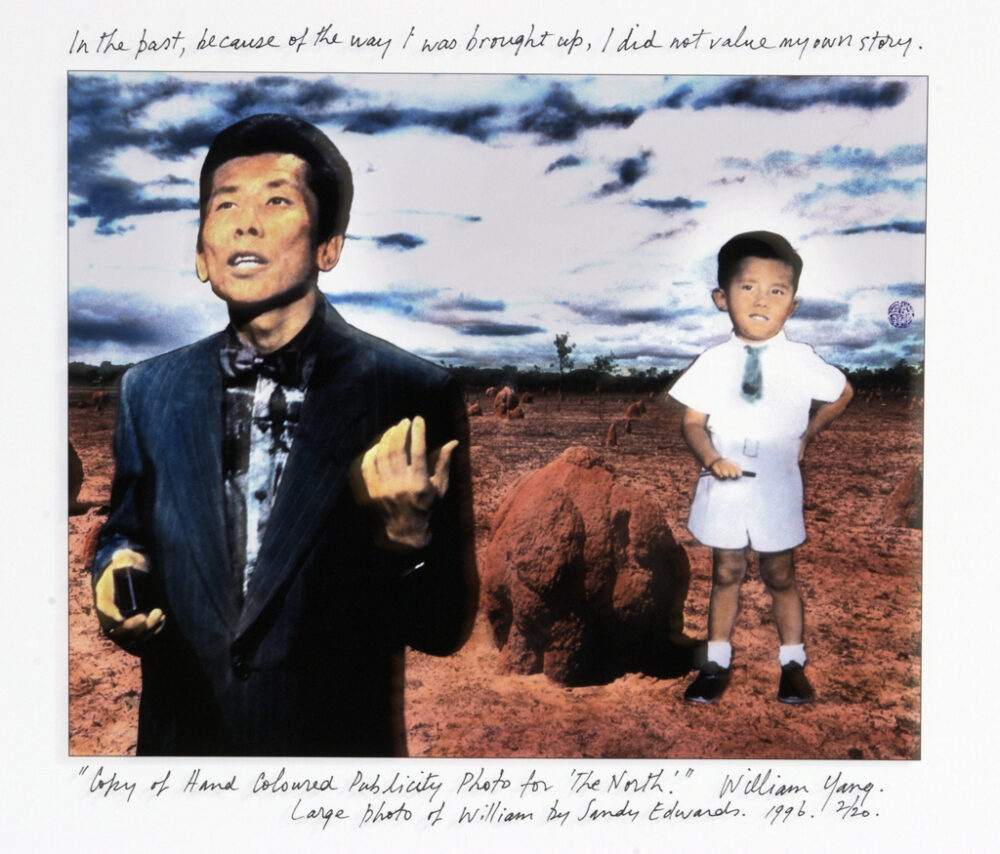
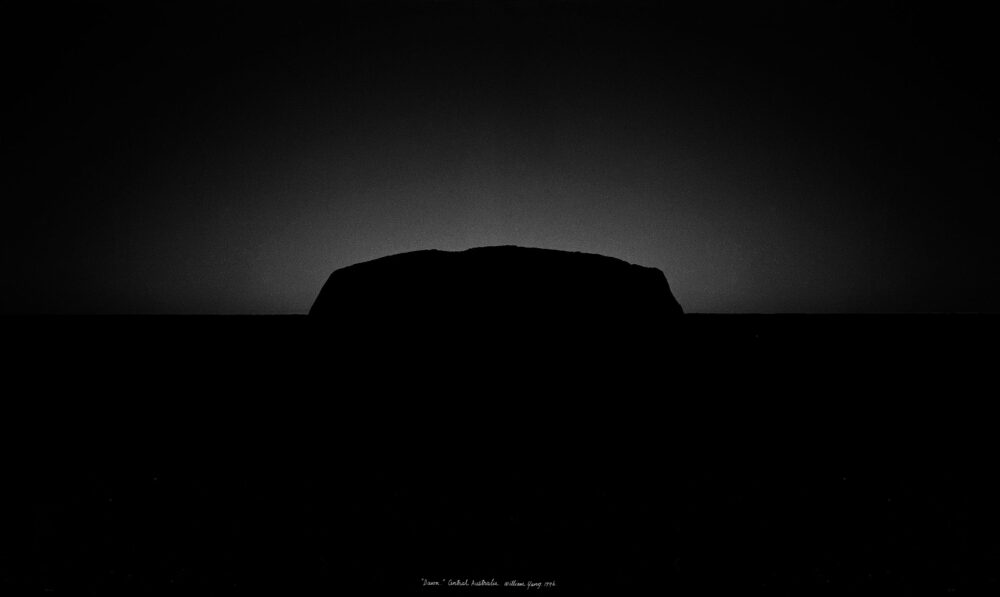
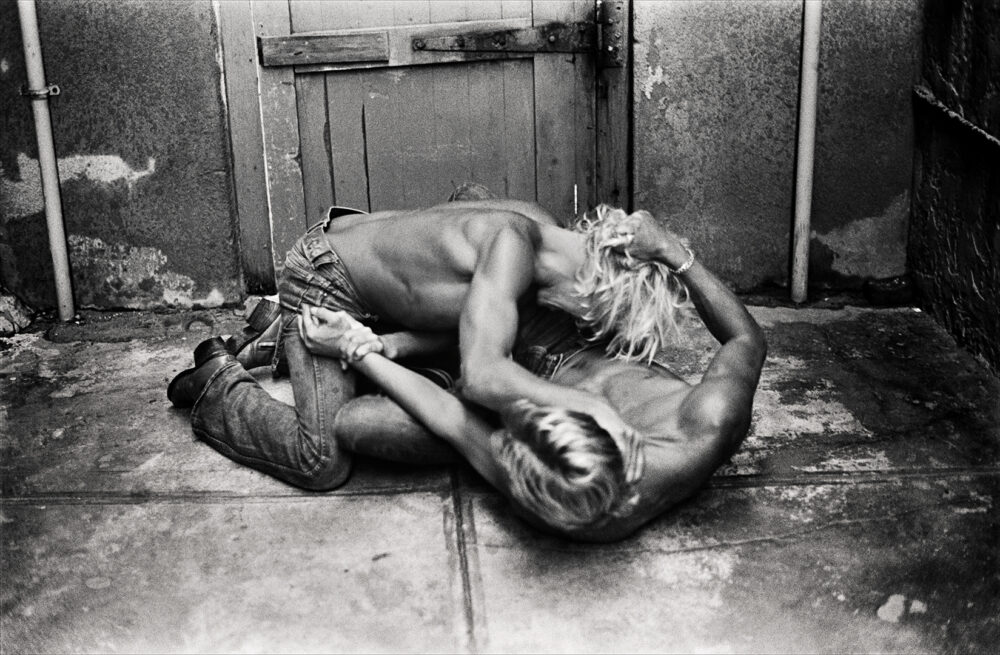
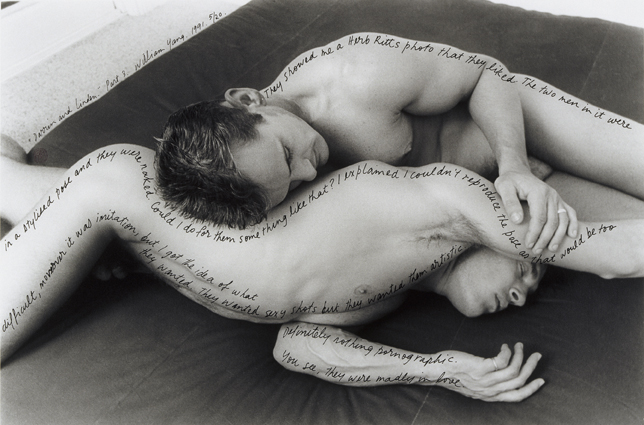
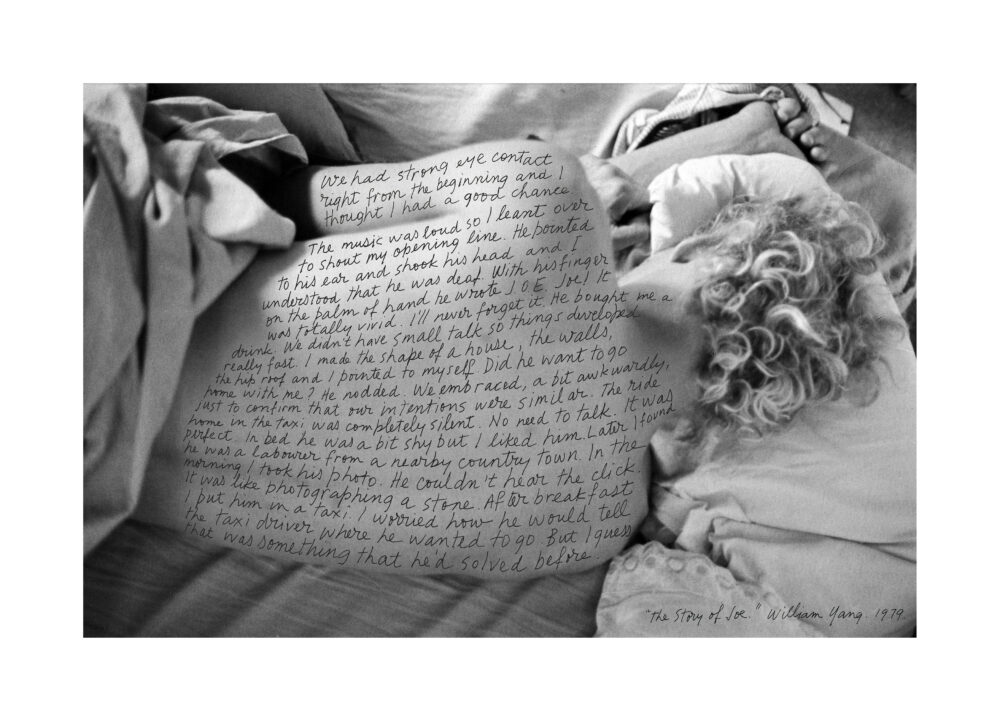
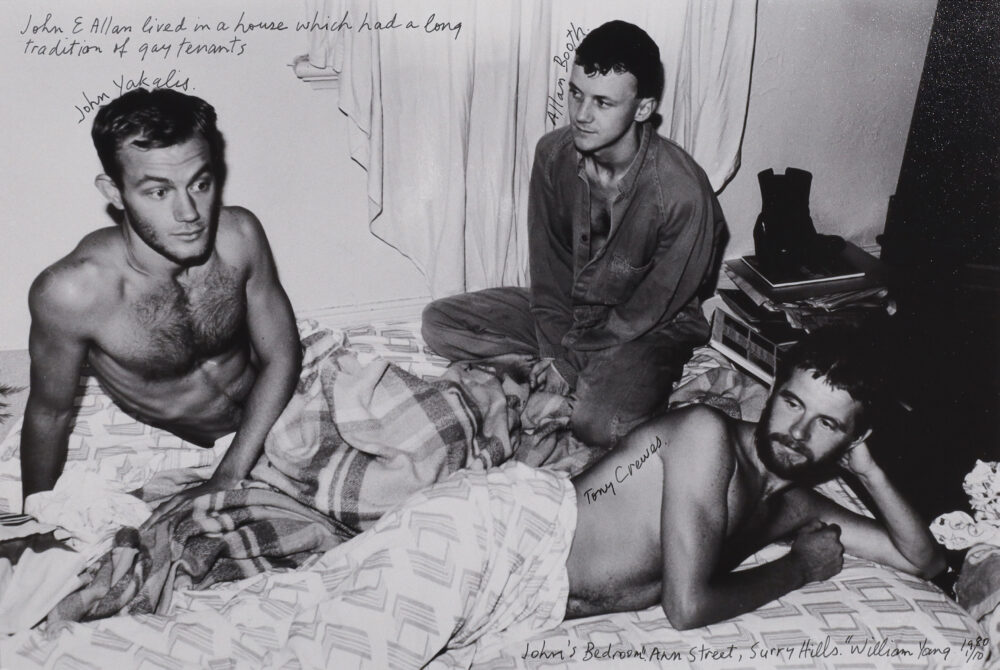
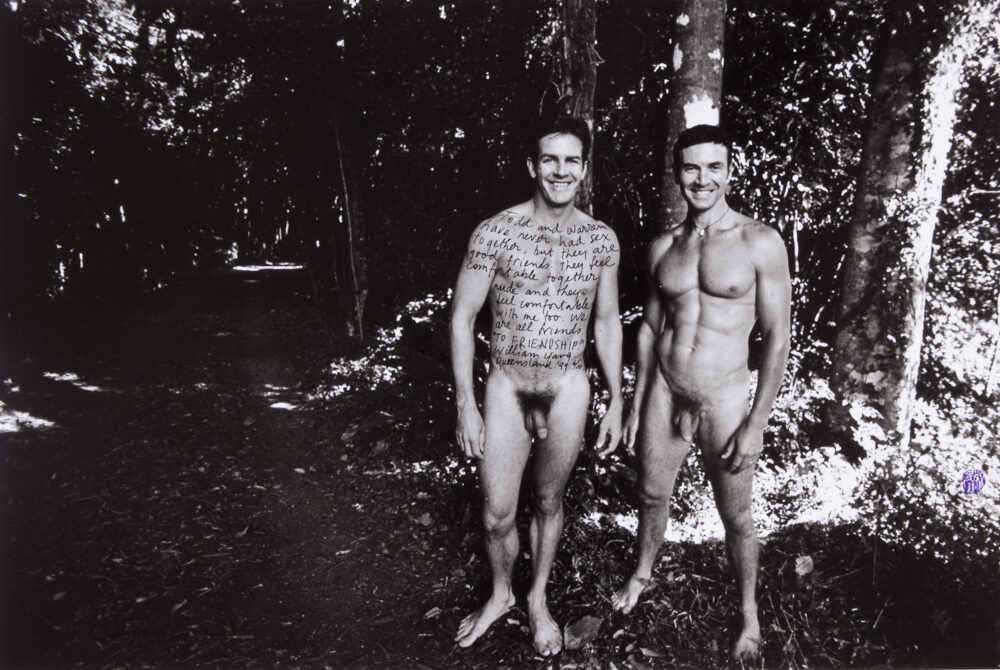
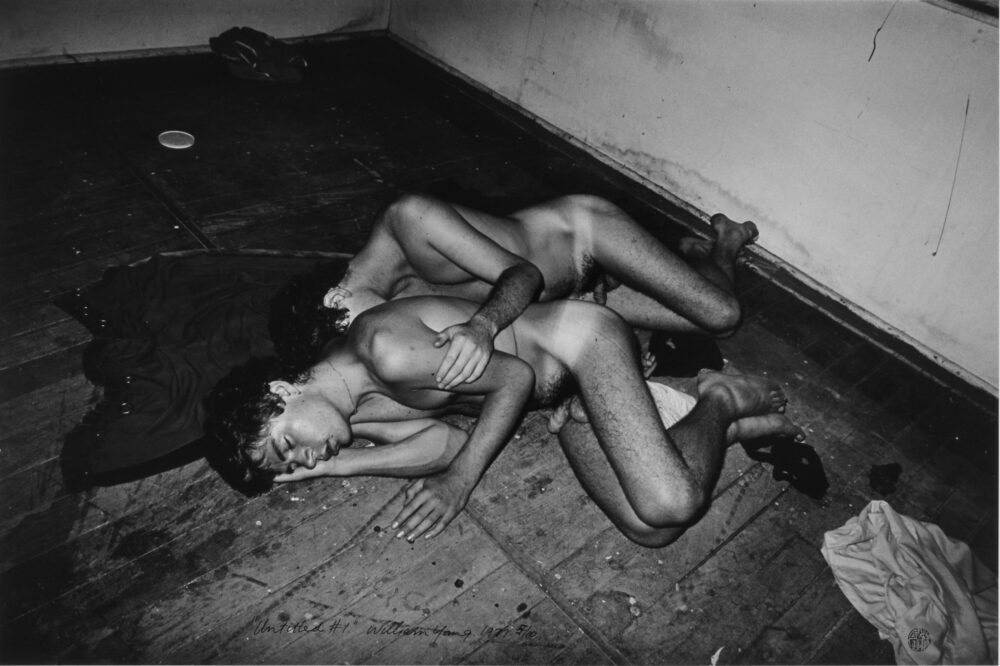
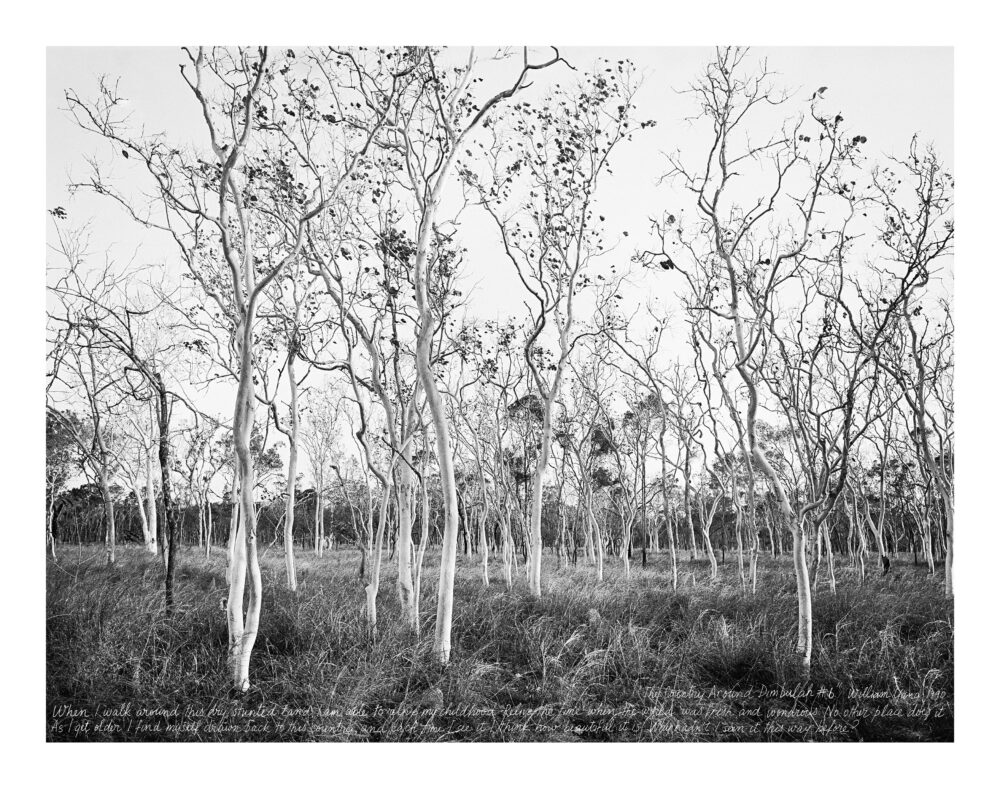
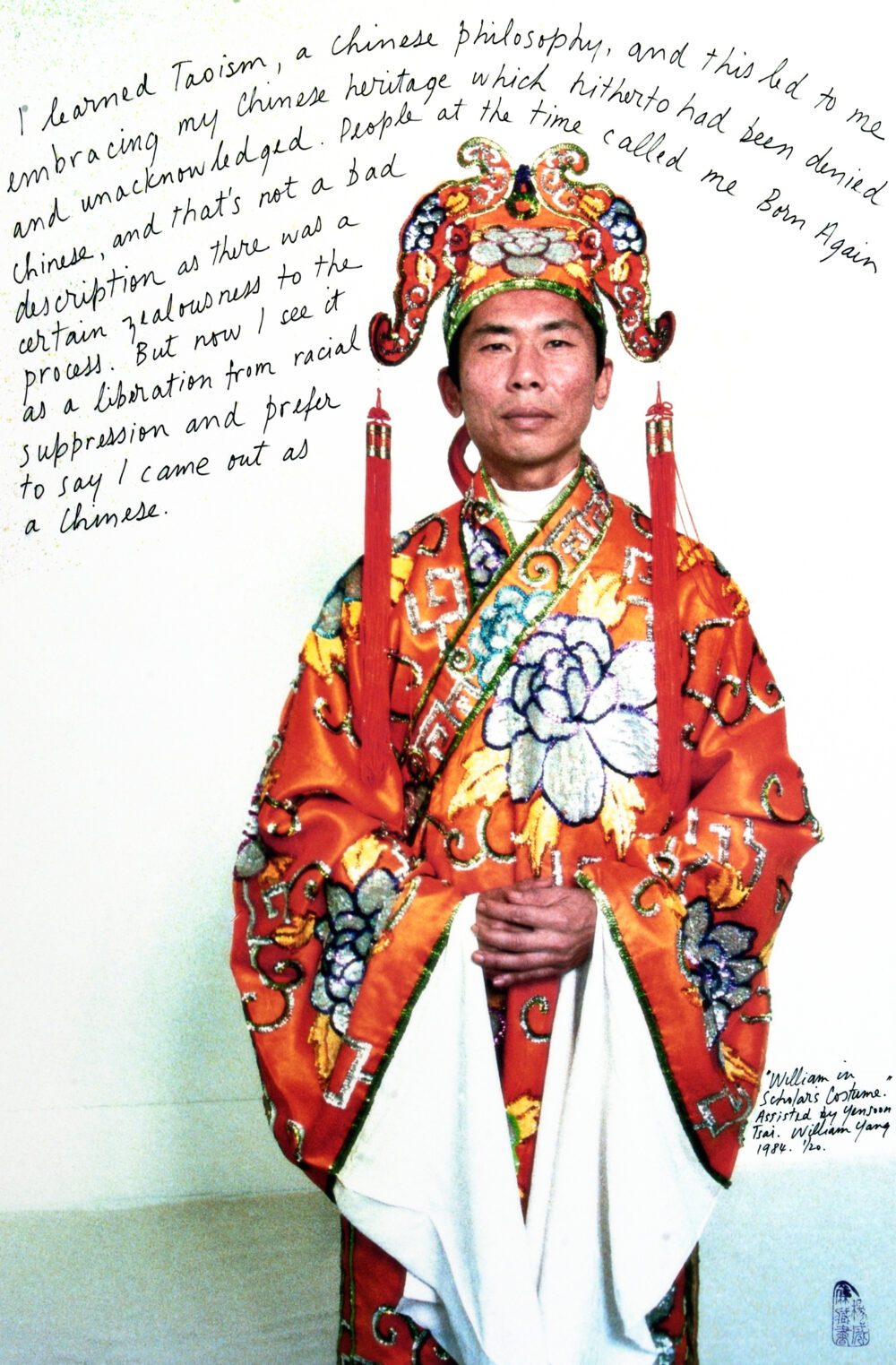
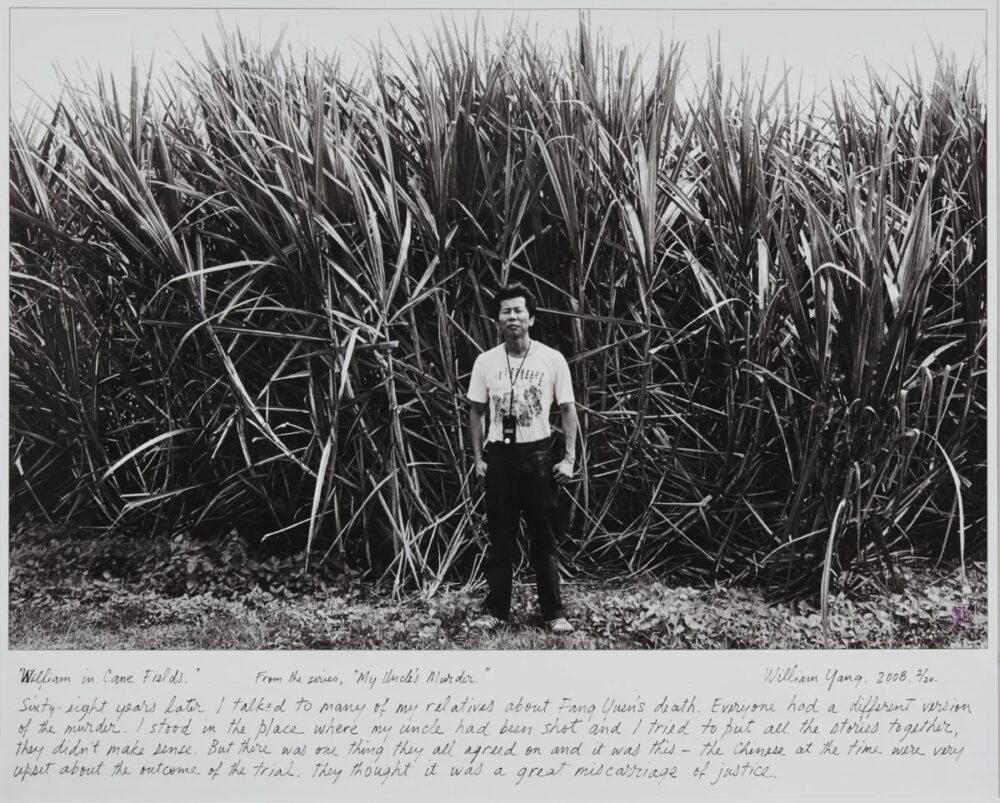
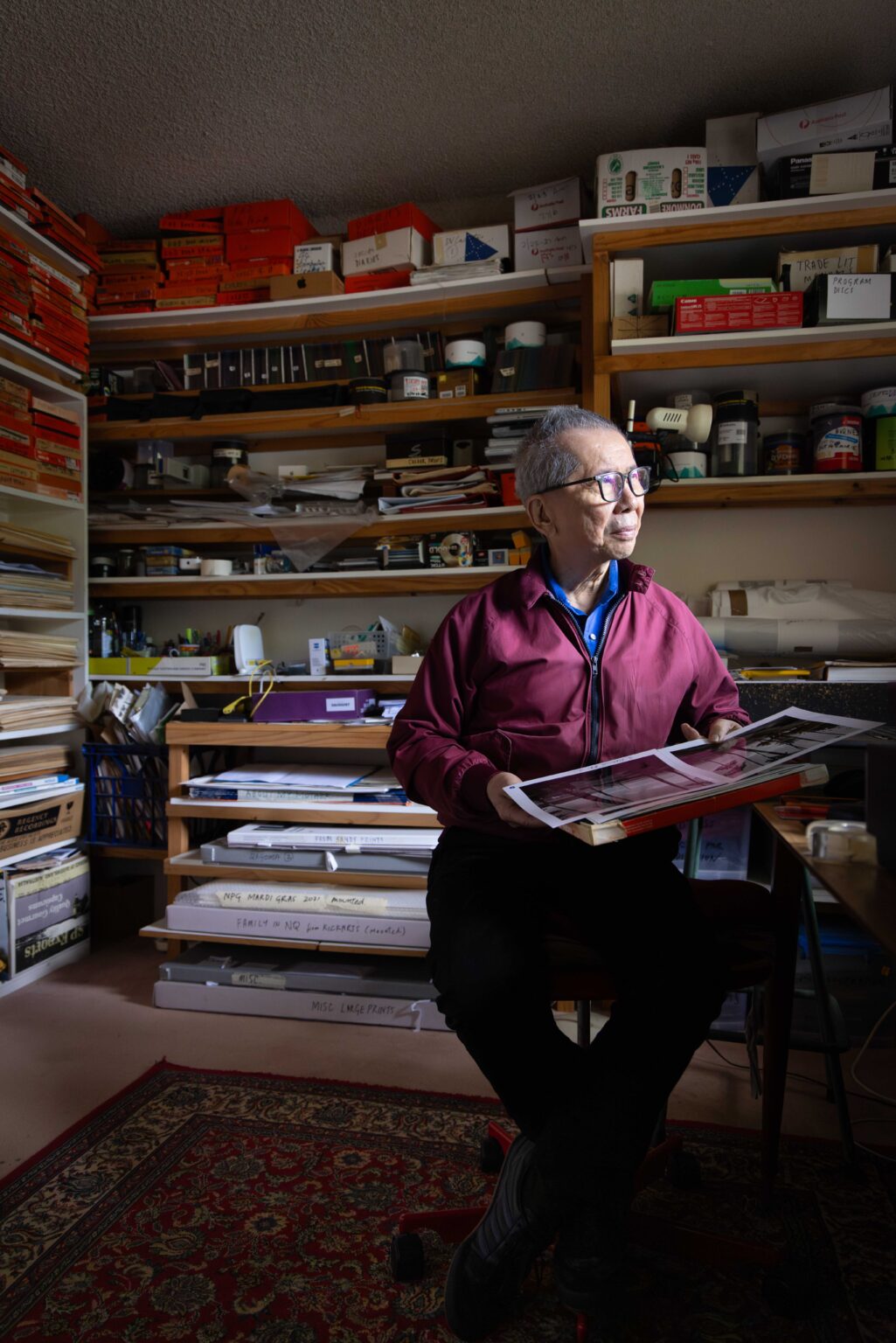
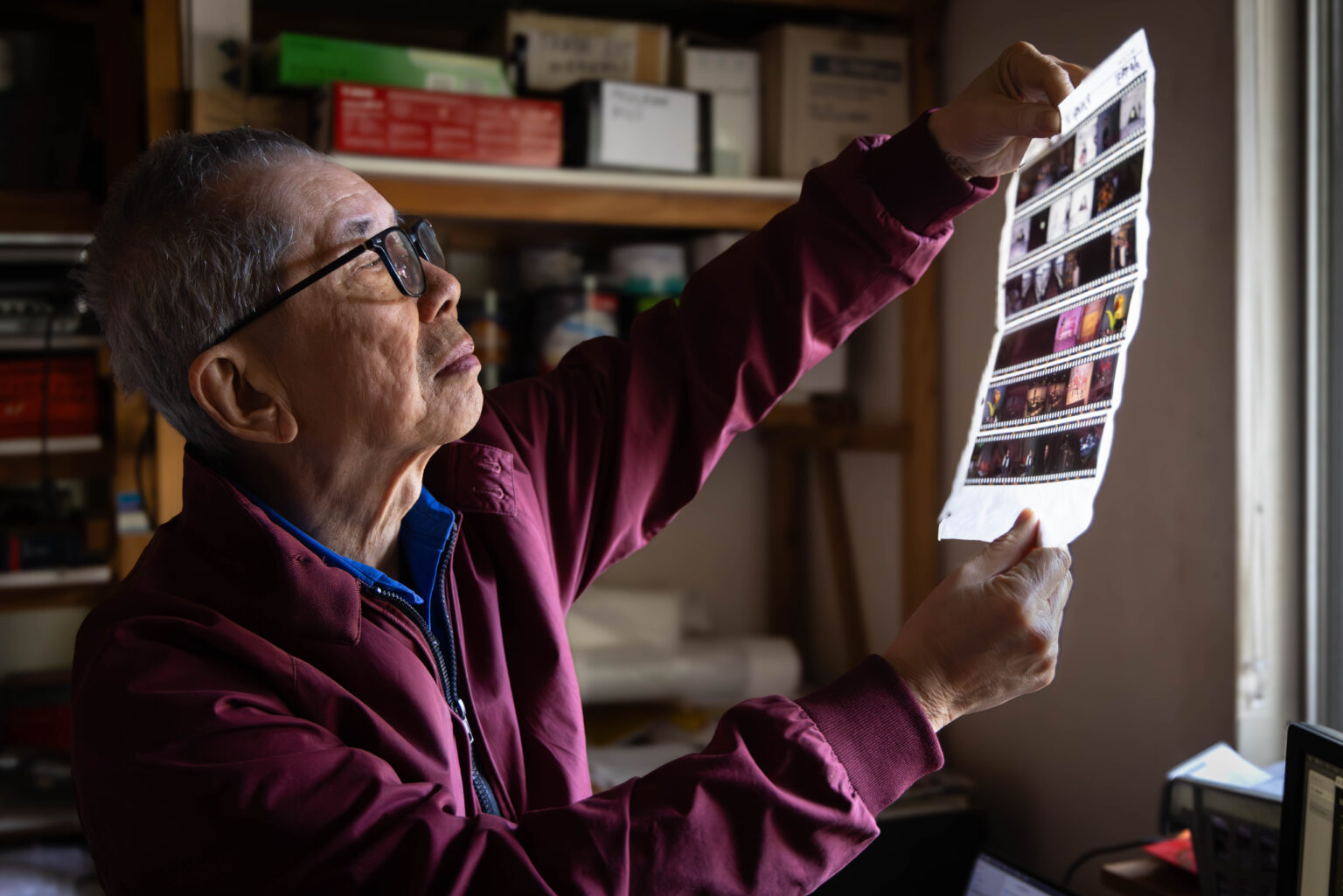
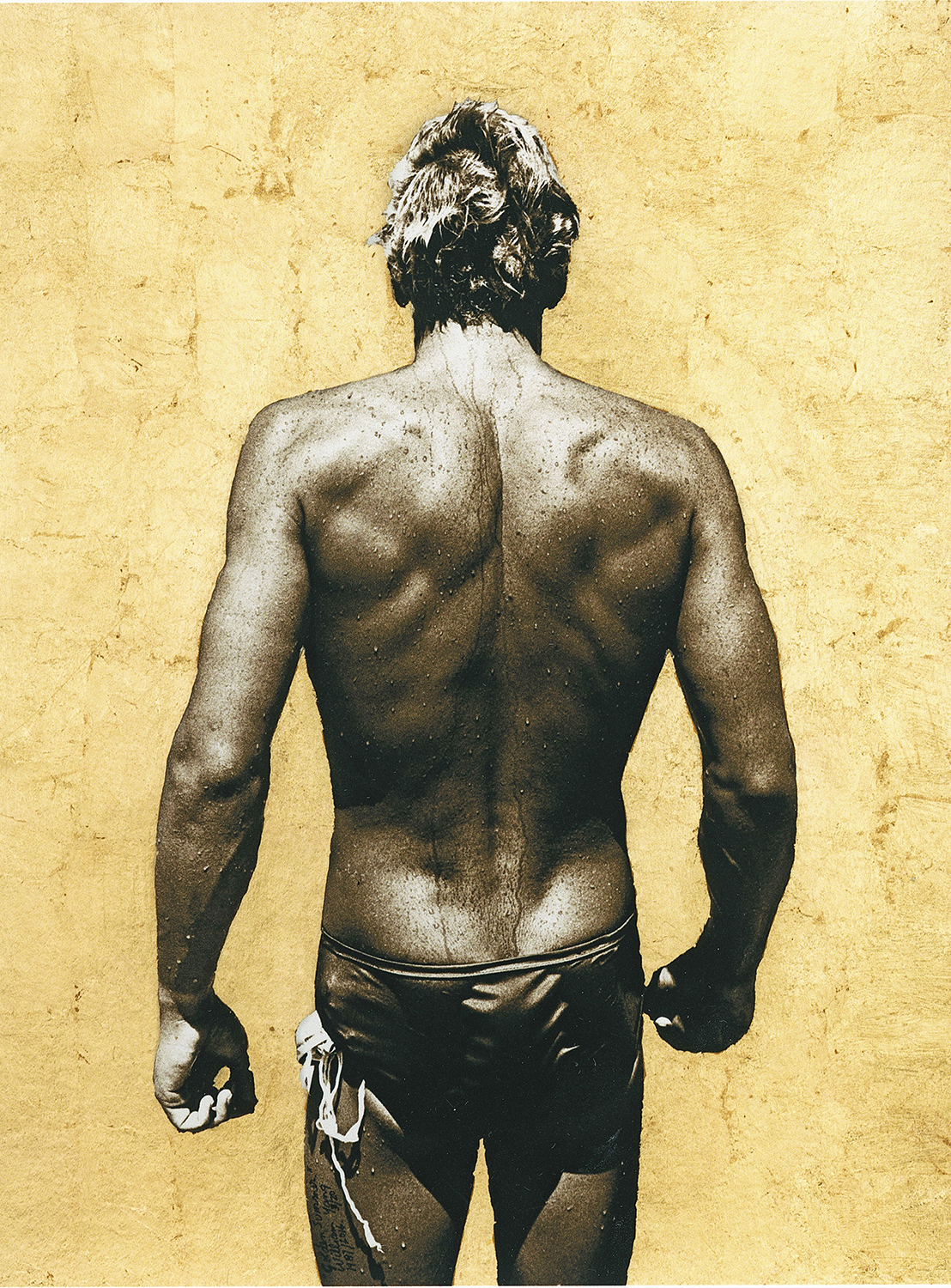
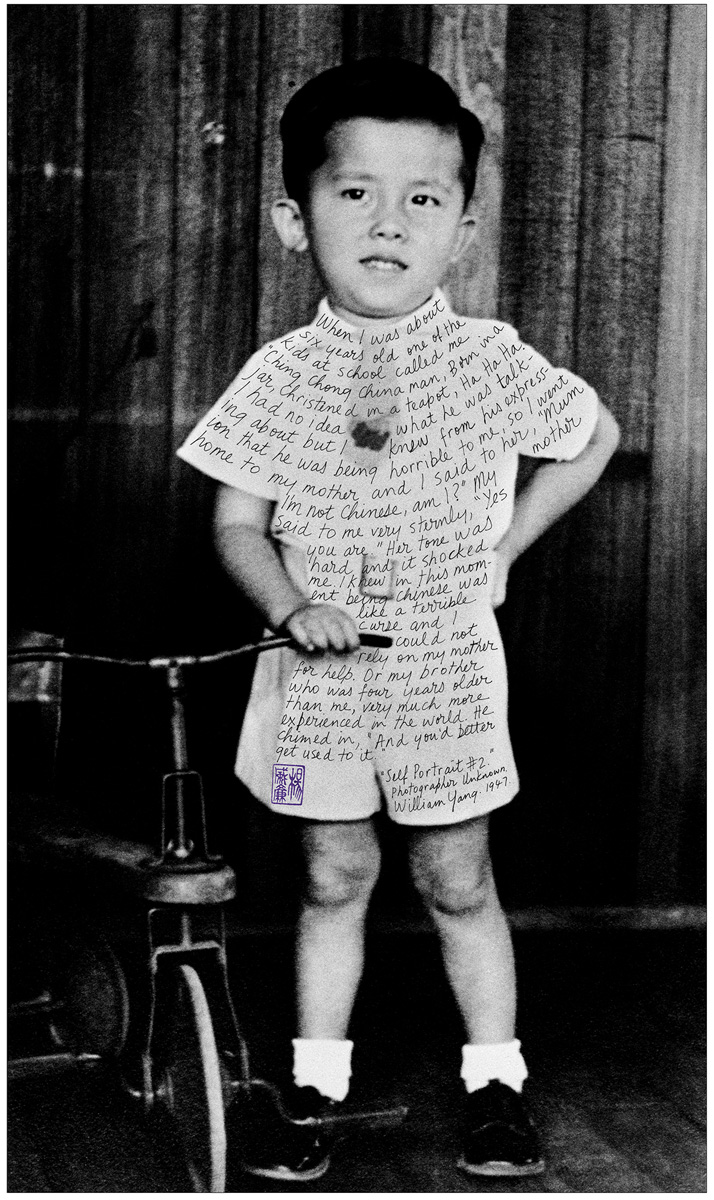
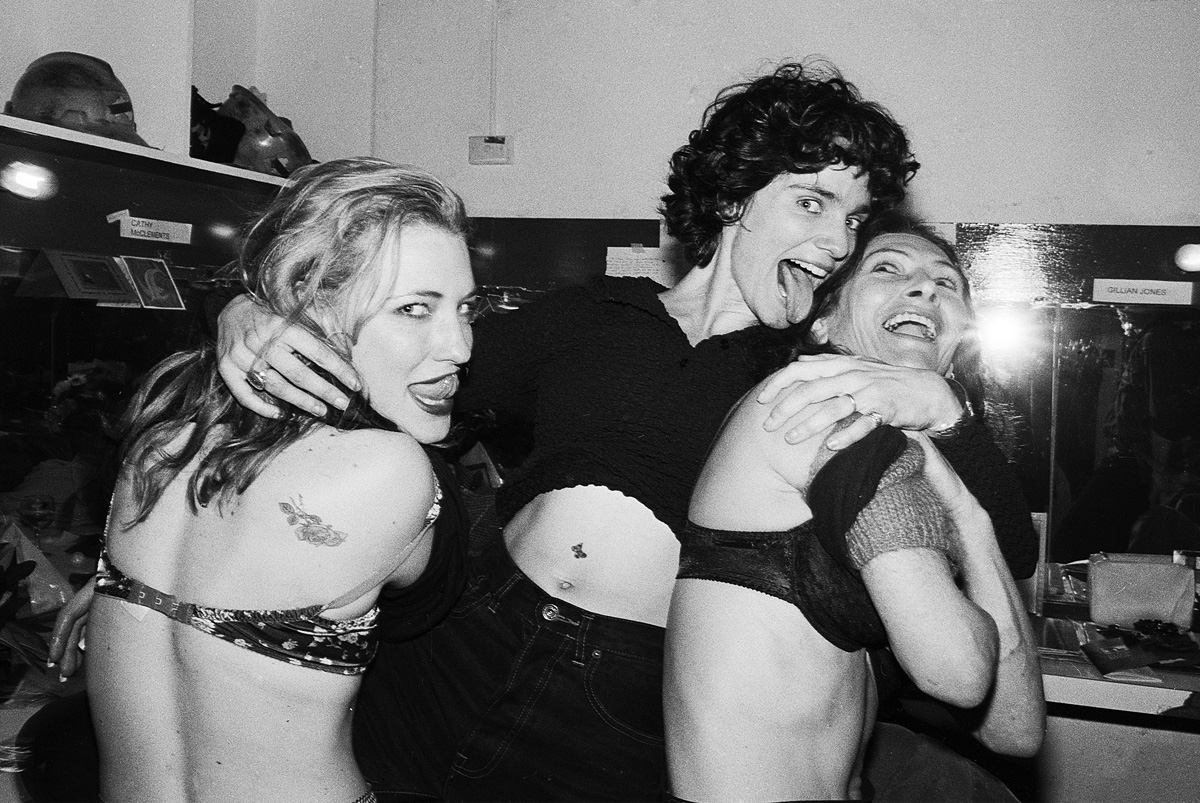
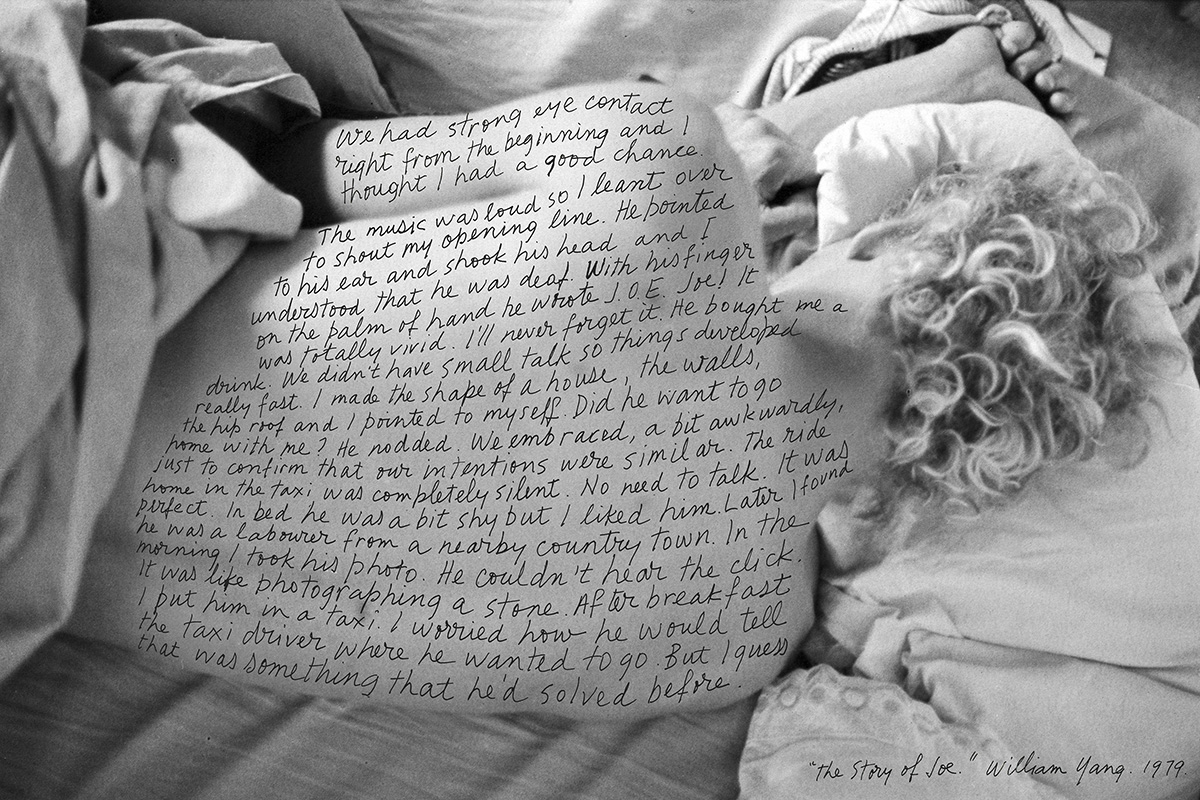
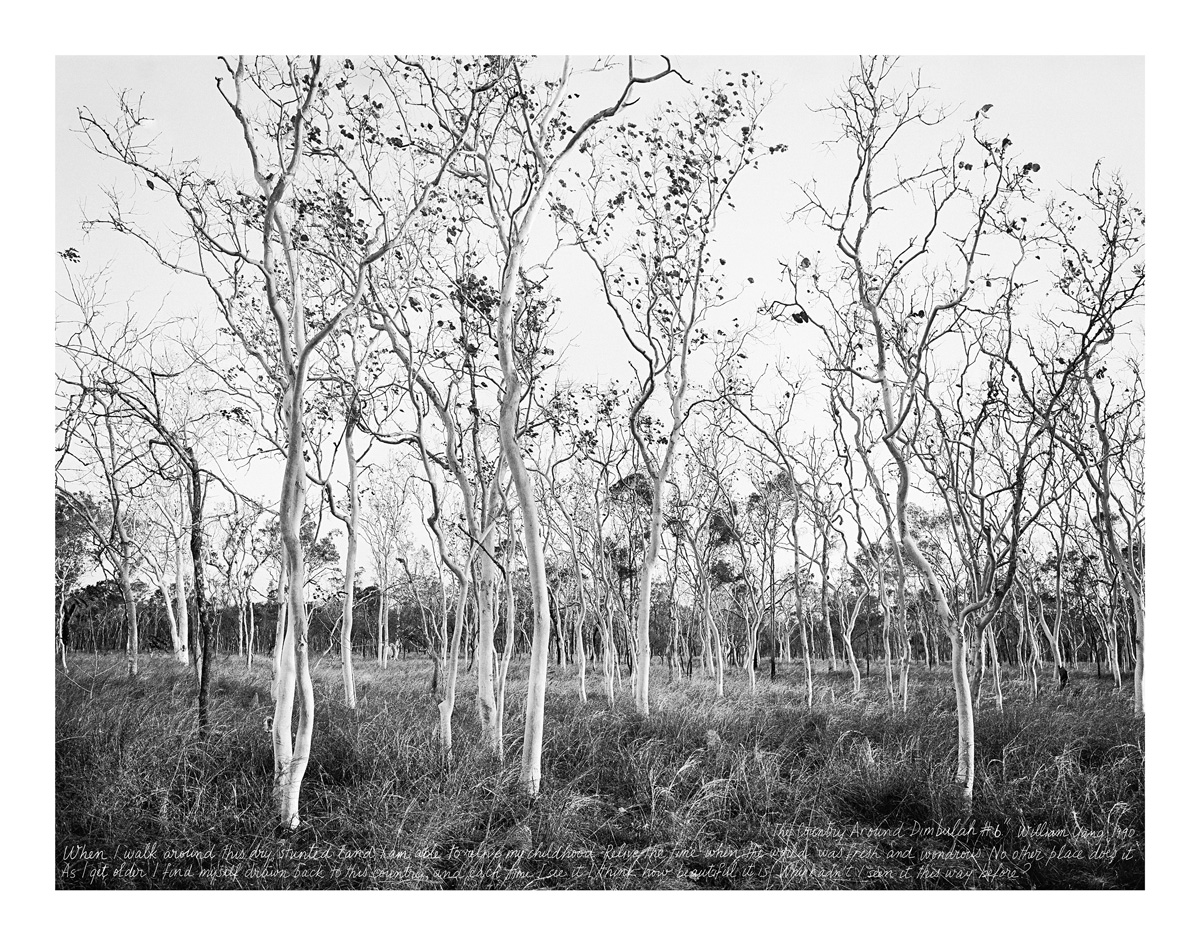
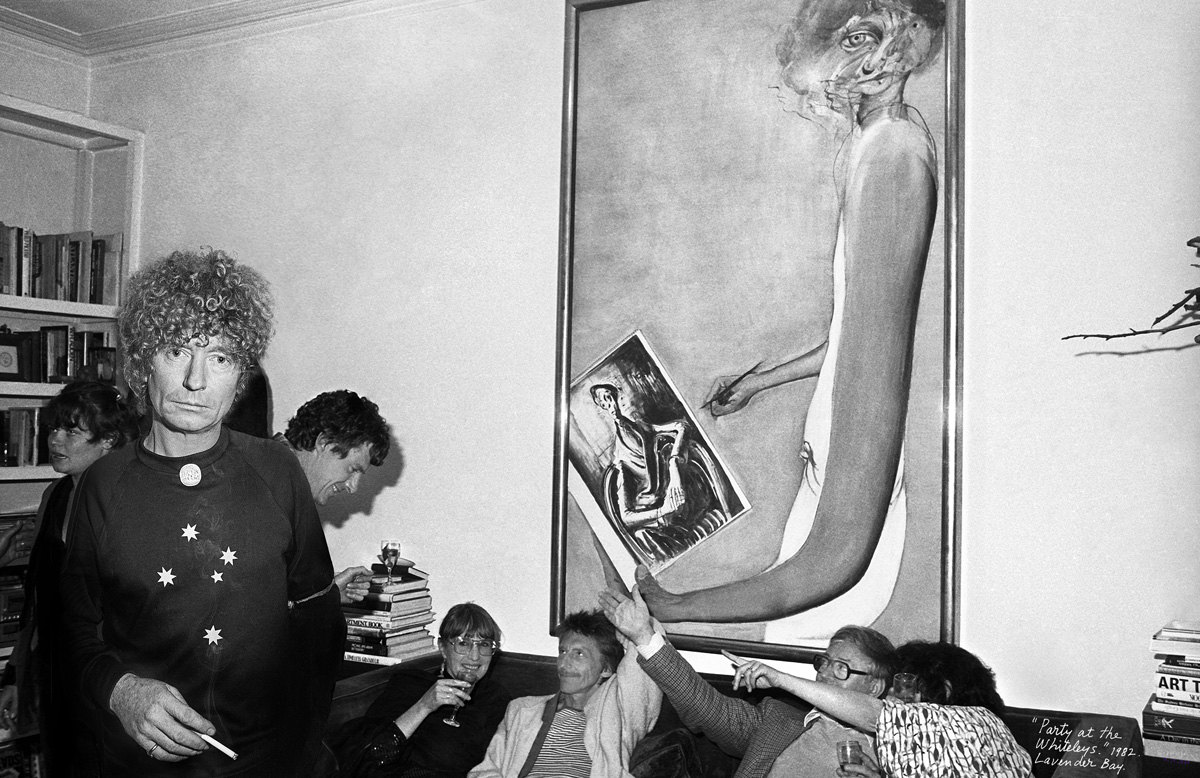
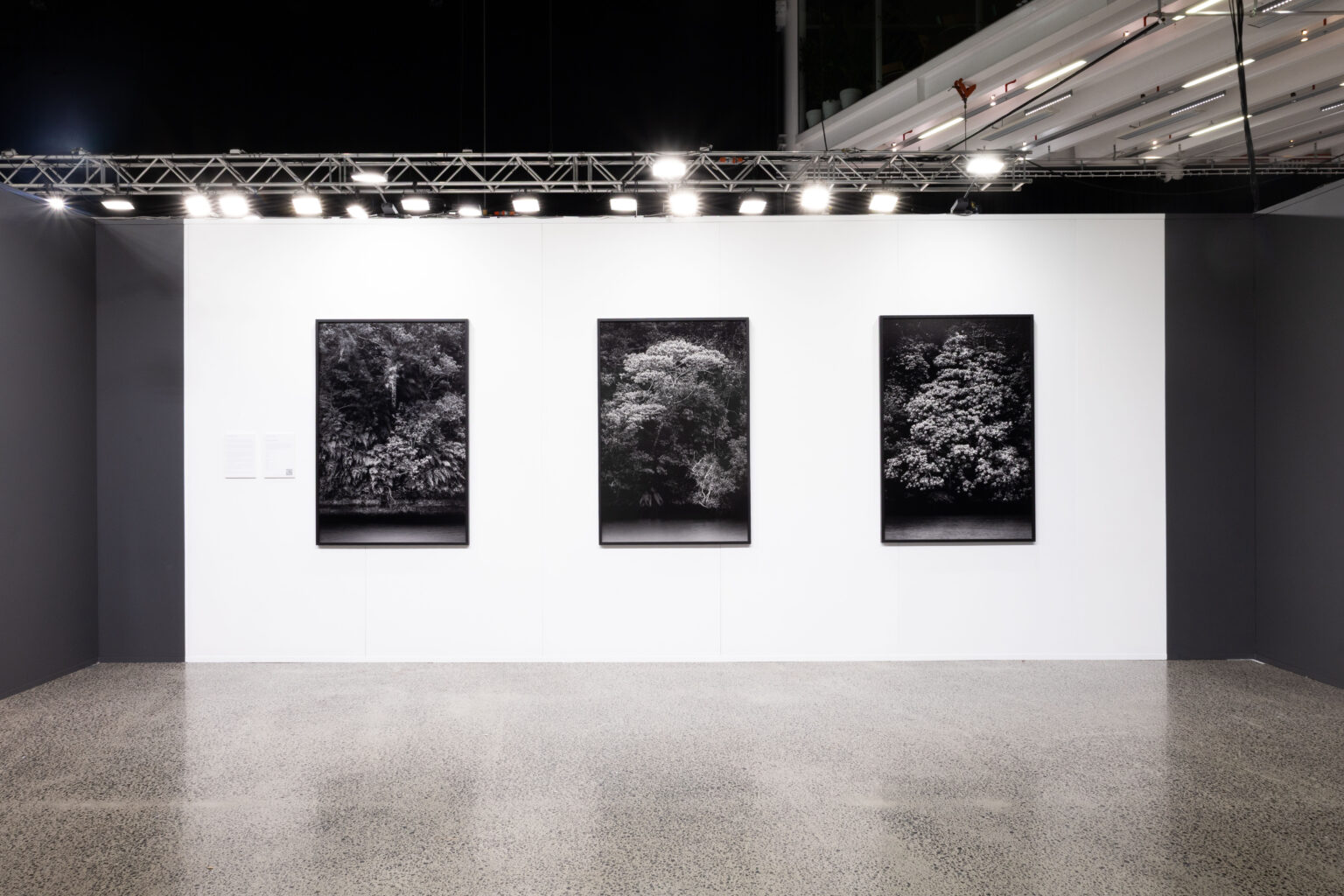
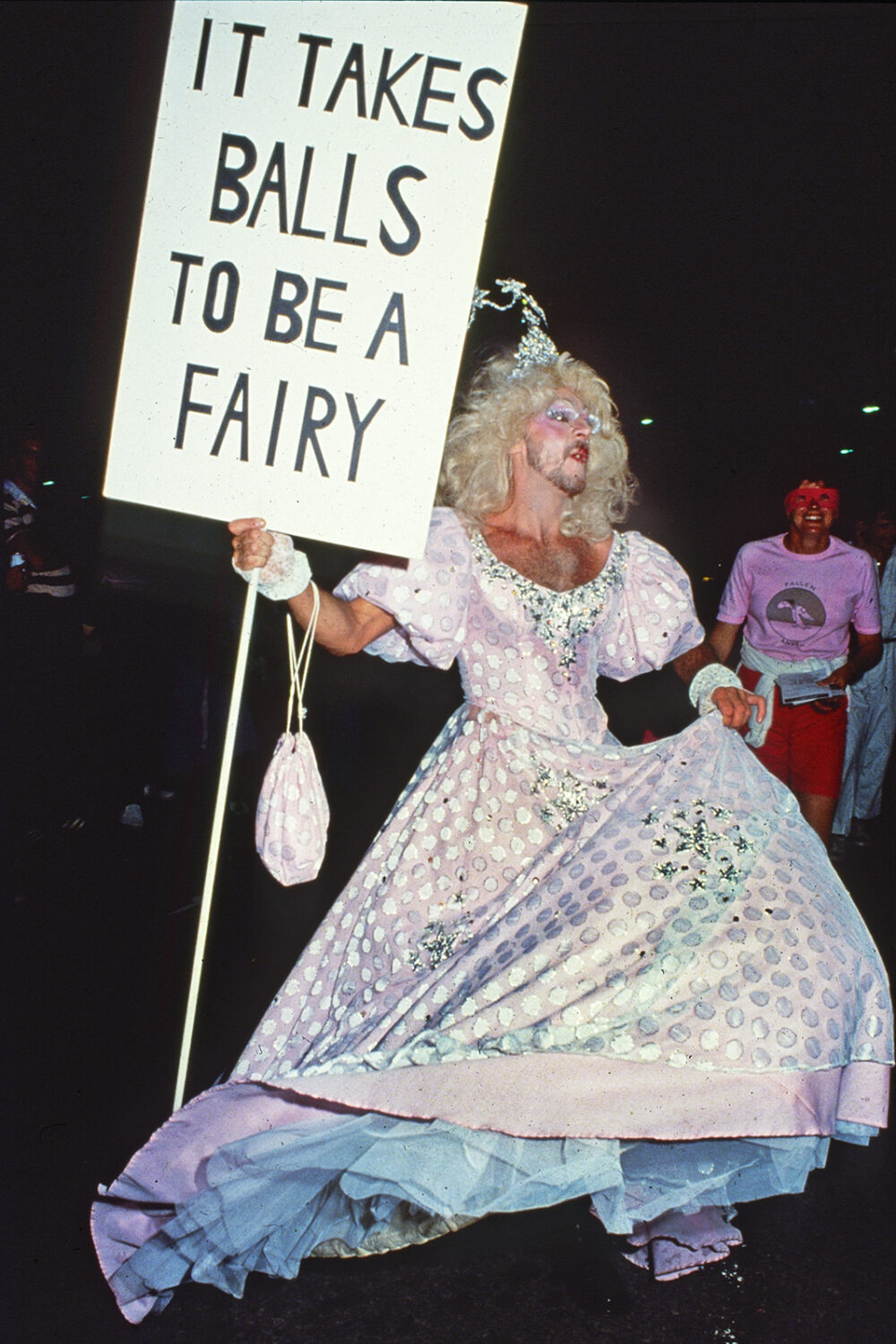
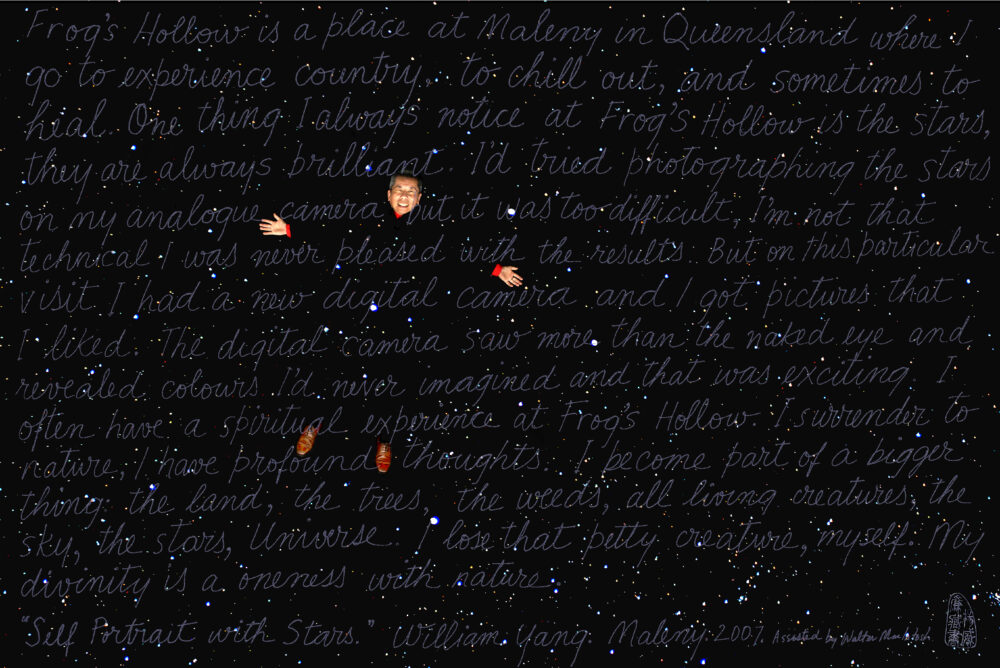
Also on view at Aotearoa Art Fair will be a curated selection of important works by Australian photographers Tamara Dean, William Yang and Petrina Hicks, as well as new paintings by Regina Pilawuk Wilson and photographs by German artist Kristin Schnell.

To enquire about viewing appointments in Sydney ahead of Aotearoa Art Fair, please phone (02) 8353 3500 or email danielsoma@michaelreid.com.au

Between Dust & Rain

Posted by

Between Dust & Rain

The Things I Love To Paint

Posted by

The Things I Love To Paint

  • Artist
    Stacey McCall
  • Dates
    14 May—6 Jun 2026
  • Gallery Location
    Berlin
  • Catalogue
    Download now

Michael Reid Berlin ushers in the European spring with the first international solo exhibition from Naarm/Melbourne-based contemporary painter and celebrated stalwart of our Murrurundi gallery, Stacey McCall. The culmination of an extended artist residency in Paris, McCall’s series builds on the glittering success of her most recent Murrurundi show, Lucent, which similarly emerges from the sketchbooks she keeps during a sojourn in the City of Light.

Titled after the gorgeous, gauzy glow that washes through each picture and lights up her elegant, effortlessly arranged accoutrements and tableware, Lucent finds McCall honing her softly expressive painterly language rooted in tonal underpainting. Evoking the essence of her still-life objects with an economy of graceful gestures and pared-back textural markings that filter through clouds of earthy, peachy tones, McCall’s deceptively simple, deftly realised style feels perfectly attuned to the warm insouciance and easy eclecticism of a Parisian pied-à-terre.

With her distinctive and richly evocative approach to still life, McCall allows the cumulative impact of timeworn objects and artfully undone florals and fruit to conjure a familiar yet faraway mood.

For further information please email colinesoria@michaelreid.com.au

Small Fires Everywhere, All The Time

Posted by

Small Fires Everywhere, All The Time

Sid Pattni’s practice is concerned with how aesthetics shaped under empire can be reclaimed and reconfigured to tell new stories about migration, memory and identity. In Small Fires Everywhere, All The Time, faceless figures sit at the centre of sumptuously embellished portraits edged by ornate decorative borders, each adorned with painted floral patterns, gold-leaf animal motifs and hand-beaded appliqué. Wrapped in opulent regalia and pictorially ensconced within their nested frames, Pattni’s subjects project the pomp and grandiosity of historical portraiture, but with only their eyes left floating amid a cosmic, void-like abyss. Stripped of what is conventionally read as a portrait’s defining feature, these eyes without a face upend the power dynamics of their historical precedents and send us looking for markers of identity and meaning within the structures and stylised flourishes that enclose them.

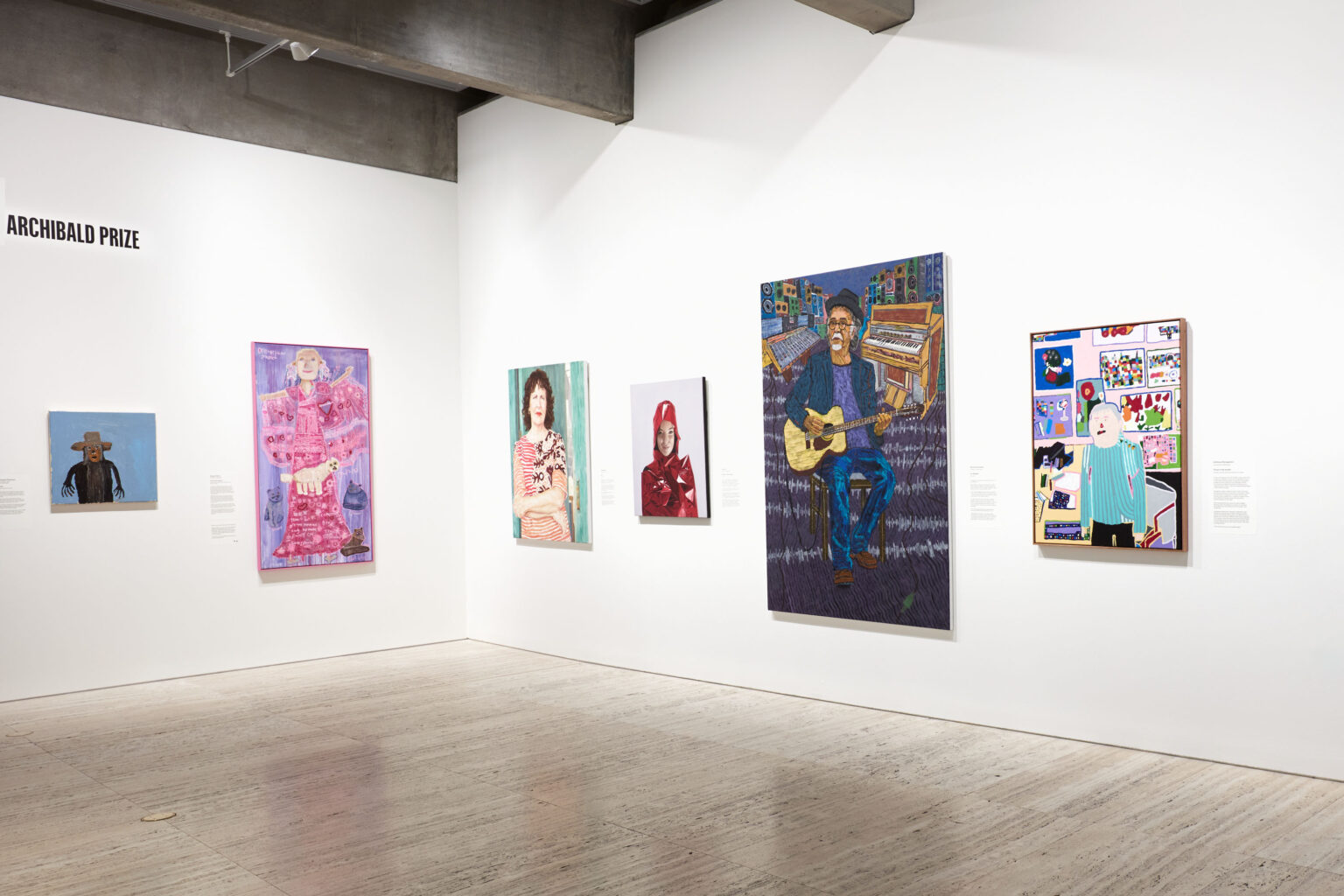
“This body of work explores the psychological afterlife of empire,” says the Naarm/Melbourne-based artist and 2025 Archibald Prize finalist. “The paintings depict women who historically operated as symbols of purity, civility and moral authority, helping construct a hierarchy that cast the West as ordered and the colonised world as unruly and inferior. Rather than depicting individuals, these paintings treat them as an ideological apparatus that enforced power through imagery.”
Referencing Mughal miniatures, Indian textiles, British botanical illustration and 19th-century Company Painting – a genre that is itself a complex hybrid, melding Rajput and Mughal traditions with Western conventions and shaped by fraught politics of patronage and spectacle – Pattni weaves a dynamic tapestry from styles, symbols and compositional logics remixed and remade. The resulting works ask how selfhood might be similarly pieced together – cut from the cloth of cultural inheritances and external projections – and how internalised hierarchies might be unsettled by imagining their visual antecedents anew.
“Growing up within the Indian diaspora in Australia, I recognise how inherited visual hierarchies continue to organise my own mind,” says Pattni, who was born in London and spent his early years in Kenya before moving to Melbourne via Boorloo/Perth. He describes his latest series as less concerned with historical reconstruction than with interrupting history’s lingering psychological echoes. “Repainting these figures becomes an act of re-encounter.”

In these acts of re-encounter, the flattened pictorial space and nested framing of Mughal miniatures become forms of containment; their embellishments a site of critique. “The animals surrounding the figures function simultaneously as record and metaphor,” he says. “They reference the impulse of classification and documentation imposed by the British while resisting containment through constant movement, reflecting an identity that is negotiated rather than fixed.”

Small Fires Everywhere, All The Time arrives after a banner year for the artist, who was shortlisted for the 2025 Archibald Prize and Lester Prize and presented his first solo exhibition with Michael Reid Sydney after joining the gallery’s stable in May. The exhibition is Pattni’s most ambitious solo presentation to date and commences a series of major projects, culminating in the prestigious Cité Internationale des Arts residency in Paris – awarded by the Art Gallery of New South Wales and accompanied by Pattni’s first solo exhibition at Michael Reid Berlin.

“Pattni invites us to examine the inheritances that exist within the subconscious of our collective and individual psyche,” writes Louise Martin-Chew in an eight-page Vault magazine cover story. “His criticality sits within an aesthetic that is richly decorated, beautiful and seductive.”

For enquiries, please email danielsoma@michaelreid.com.au

Melbourne Art Fair 2026 | Troy Emery

Posted by

Melbourne Art Fair 2026 | Troy Emery

Troy Emery is among the most distinctive and accomplished voices in Australian contemporary art. The Naarm/Melbourne-based artist’s showing at Melbourne Art Fair 2026 marks his first significant presentation in his home city since joining the Michael Reid Sydney + Berlin stable of represented artists in 2023.

Remixing references to art and natural history, decorative crafts and the conventions of museum display, Emery’s widely celebrated soft-sculptural practice reflects on our position within – and apart from – the natural world, casting magnificent animal forms as playful representations of the unknowable other. Adorned with silky tendrils, taffeta tufts and dazzling Day-Glo threads, his sculpted fauna exude a captivating mystique and a touch of camp – haughty and inscrutable beneath their lurid pelts and appearing to melt into their own being.

Each impossible creature is meticulously fashioned by hand with a couturier’s precision and imaginative flourish. More recently, Emery has introduced hand-threaded, scintillating glass beadwork to his sculptures, further enriching a material palette that has, throughout his career, stood in opposition to the hard, masculinist conventions and monumental pretensions of art-historical sculpture.

At Melbourne Art Fair, a pride of his fringed and fabulous felines strike languorous poses on plinths and podiums throughout the Michael Reid Sydney + Berlin booth, appearing at once as decorative objects unto themselves and as emblems of ecological ruin and contemporary alienation. This presentation follows the unveiling of his largest sculptural commission to date, Guardian Lion – a sprawling, kaleidoscopic, illuminated landmark now soaring above Southbank and welcoming visitors to the arts precinct abutting the National Gallery of Victoria.

Emery has exhibited across Australia and internationally since completing a Master of Fine Arts at the University of Sydney in 2009. His work is held in numerous significant private and public collections, including the National Gallery of Victoria – where his room-sized pom-pommed panther was a centrepiece of Melbourne Now (2023) – as well as Artbank, City of Townsville, Goulburn Regional Art Gallery, Deakin University Art Museum, Deloitte Australia, Macquarie University Art Gallery and Maitland Regional Art Gallery.

For enquiries, please email dean@michaelreid.com.au

Melbourne Art Fair 2026 | Gaypalani Waṉambi

Posted by

Melbourne Art Fair 2026 | Gaypalani Waṉambi

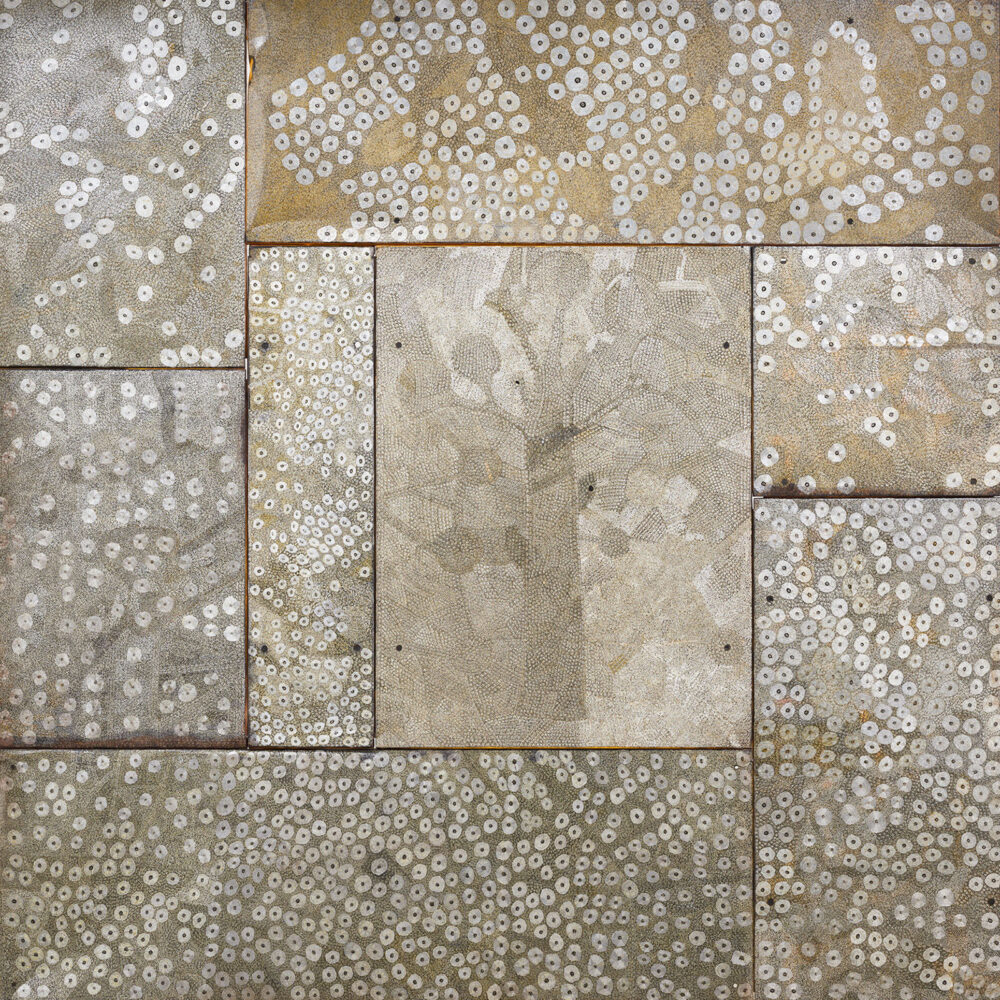
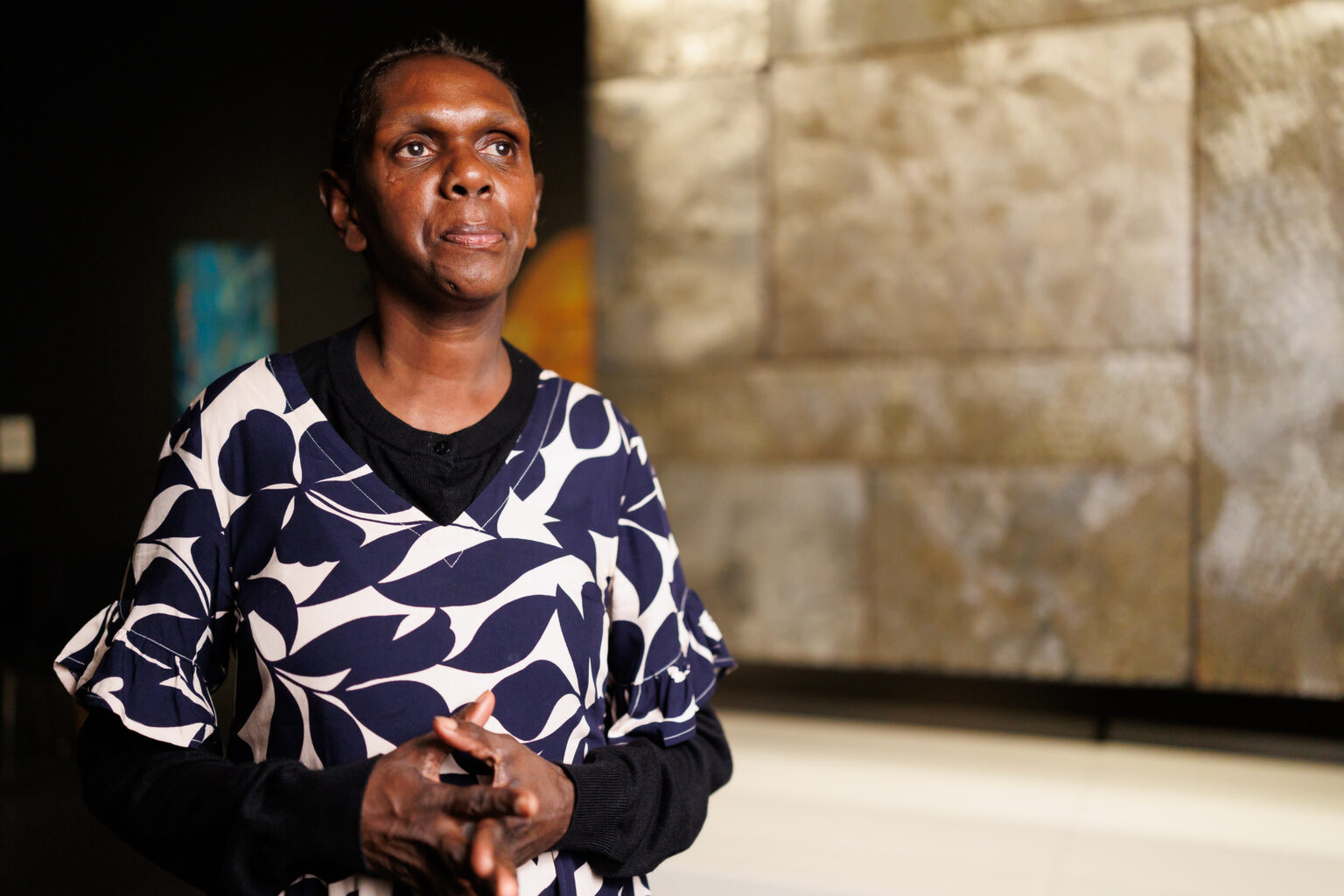
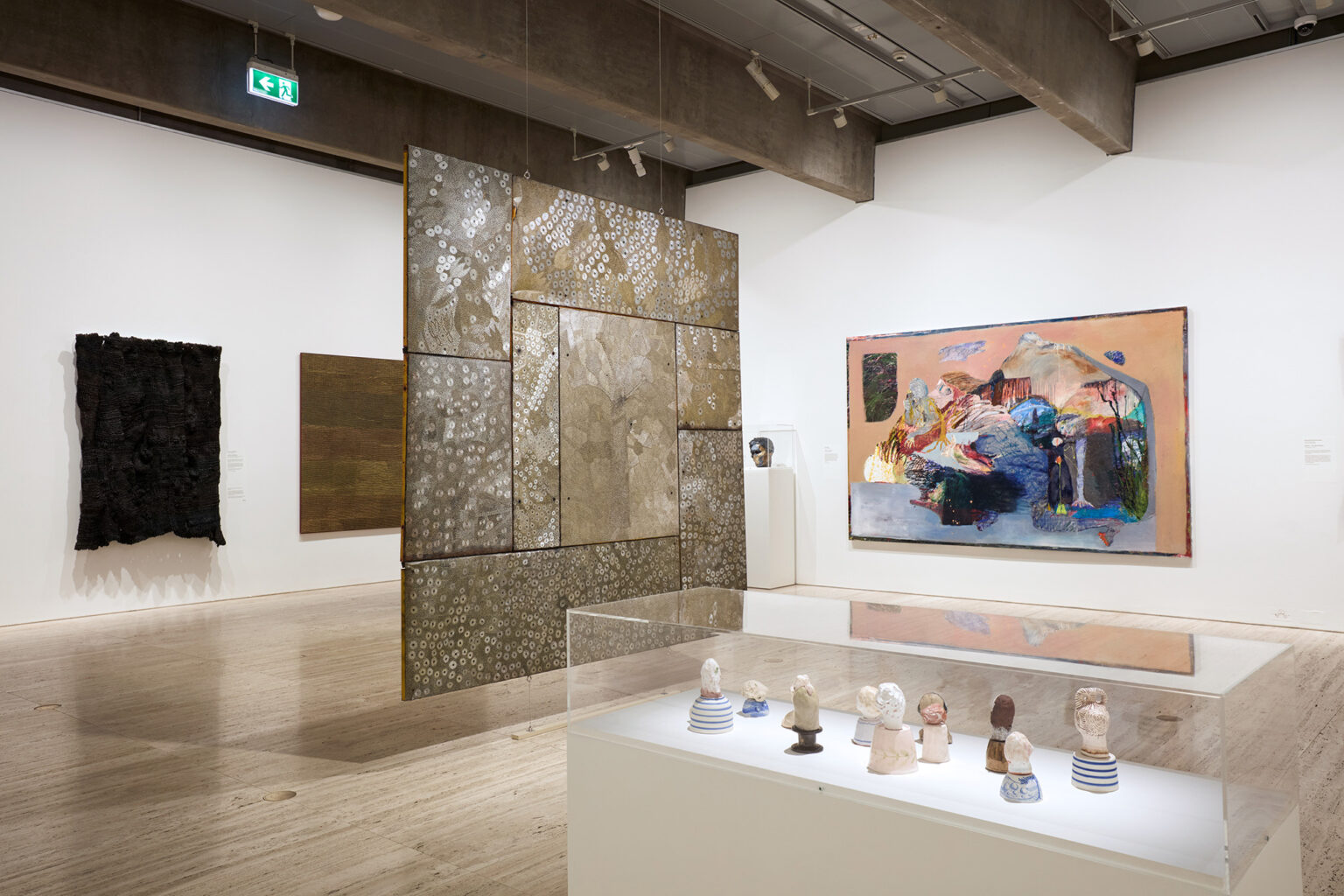
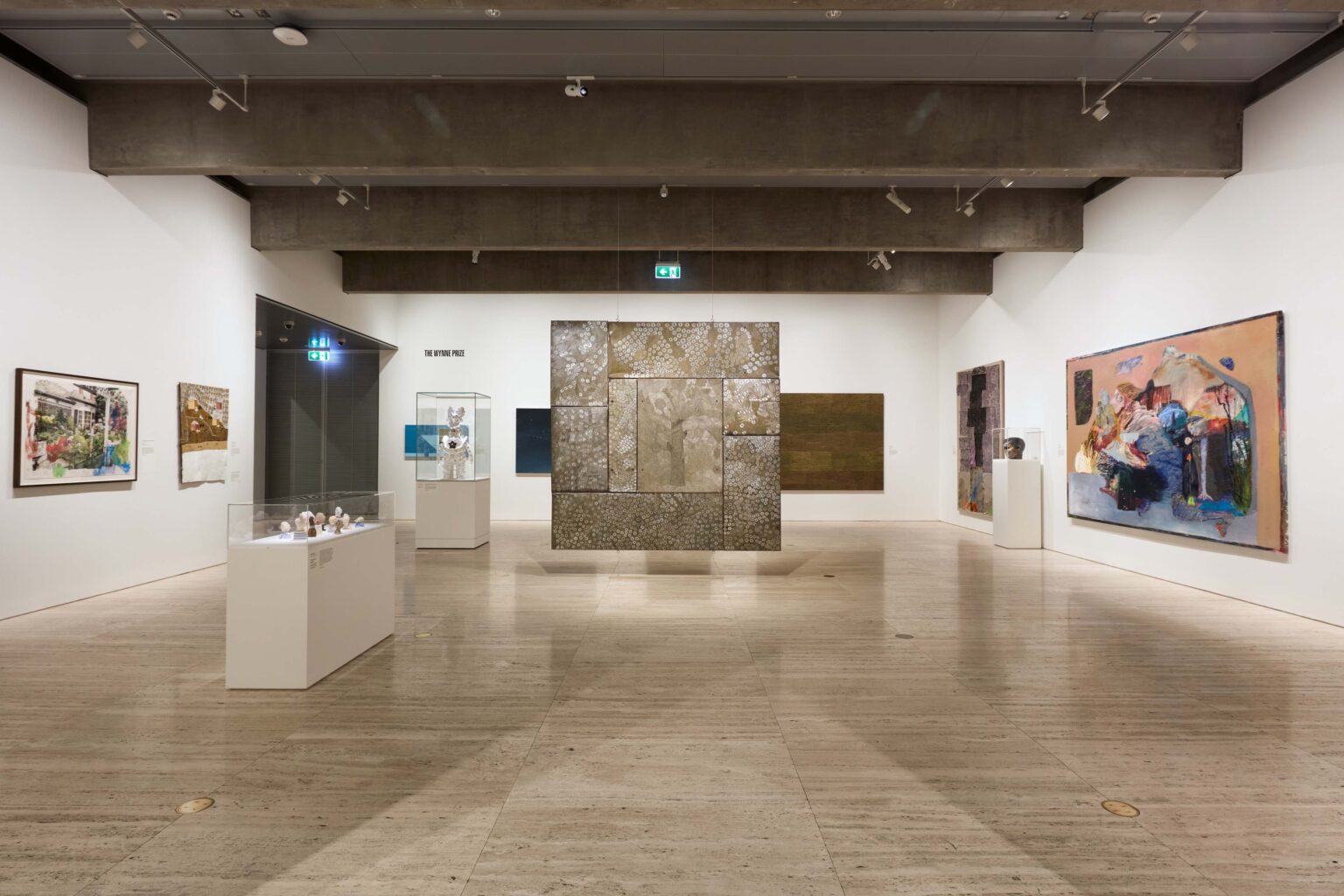
The Michael Reid Sydney + Berlin installation at Melbourne Art Fair 2026 is anchored by a vast constellation of etched-metal works by Yolŋu artist Gaypalani Waṉambi, who is visiting the Victorian capital for the occasion.

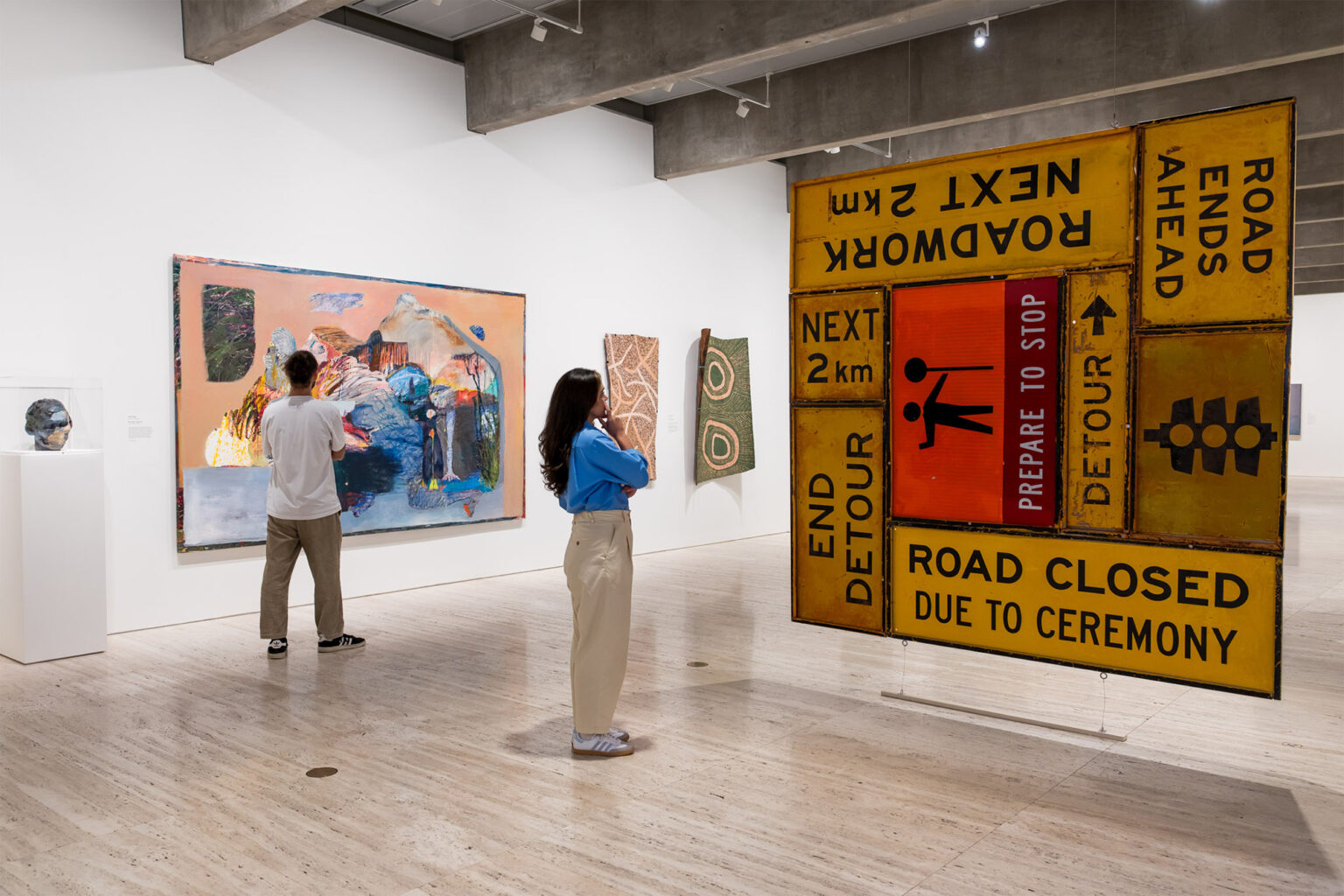
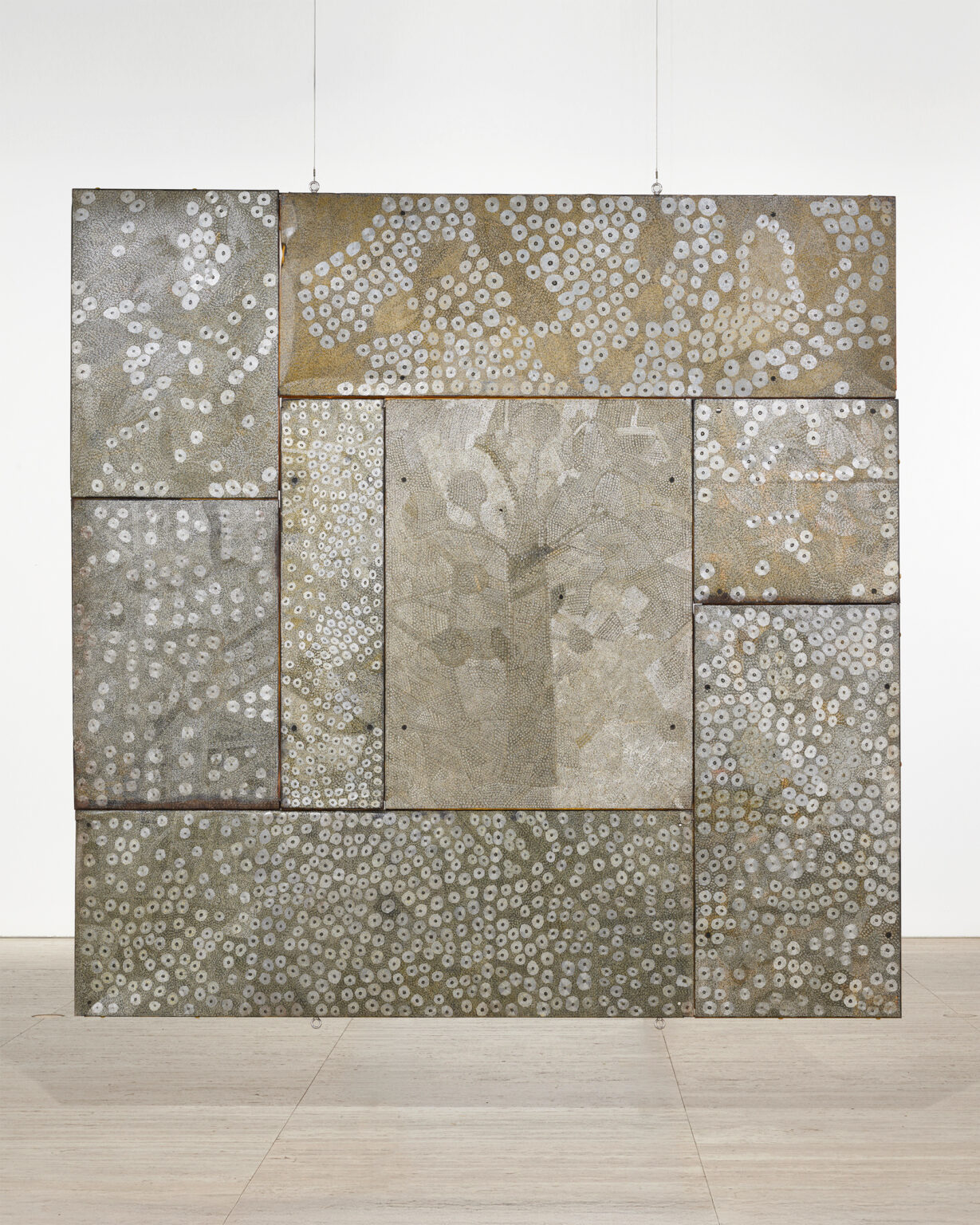
Waṉambi’s latest body of work arrives after her historic triumph at the 2025 Telstra National Aboriginal and Torres Strait Islander Art Awards (NATSIAA), the country’s oldest and most prestigious prize dedicated to First Nations art. There, she received the program’s ultimate accolade, the $100,000 Telstra Art Award, for Burwu, blossom — a mesmerising multi-panelled installation of reclaimed road signs, dazzlingly reimagined with intricately etched depictions of the epic Ancestral journeys of Wuyal.

The artist’s first Melbourne Art Fair presentation extends the monumentality and lyricism of her NATSIAA installation across a new suite of composite etched-metal works on a similarly breathtaking scale – including The River of Honey, an epic assemblage extending more than four metres wide.

Working with the Buku-Larrŋgay Mulka Art Centre in Yirrkala, Northeast Arnhem Land, Waṉambi is the leading female practitioner within the Found Movement, which was pioneered by her father, the late artist and cultural leader Mr Waṉambi, whom she assisted for many years and whose legacy she now continues.

While adhering to the Yolŋu law that art made about Country must use the materials of Country, Waṉambi’s virtuosic practice at the forefront of the Found Movement reflects a new generation’s expanded conception of what such materials can encompass.

In 2025, another sprawling, suspended installation formed the centrepiece of Michael Reid’s most ambitious Sydney Contemporary presentation to date — a showing that closely followed Waṉambi’s work being celebrated in the landmark Art Gallery of New South Wales exhibition Yolŋu Power: The Art of Yirrkala.

For enquiries, please email dean@michaelreid.com.au

Join our mailing list
Interests(Required)
REGISTER YOUR INTEREST: Holly O’Meehan
This field is hidden when viewing the form
Artist
This field is hidden when viewing the form
Centres
This field is hidden when viewing the form
Interests