
Djirrirra Wunuŋmurra Yukuwa and Moyurrurra Wunuŋmurra

Posted by

Djirrirra Wunuŋmurra Yukuwa and Moyurrurra Wunuŋmurra

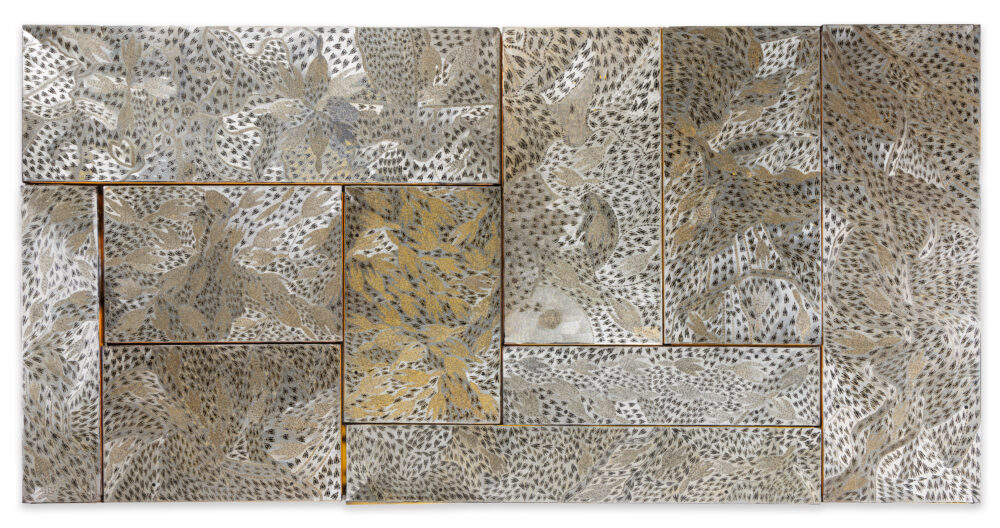
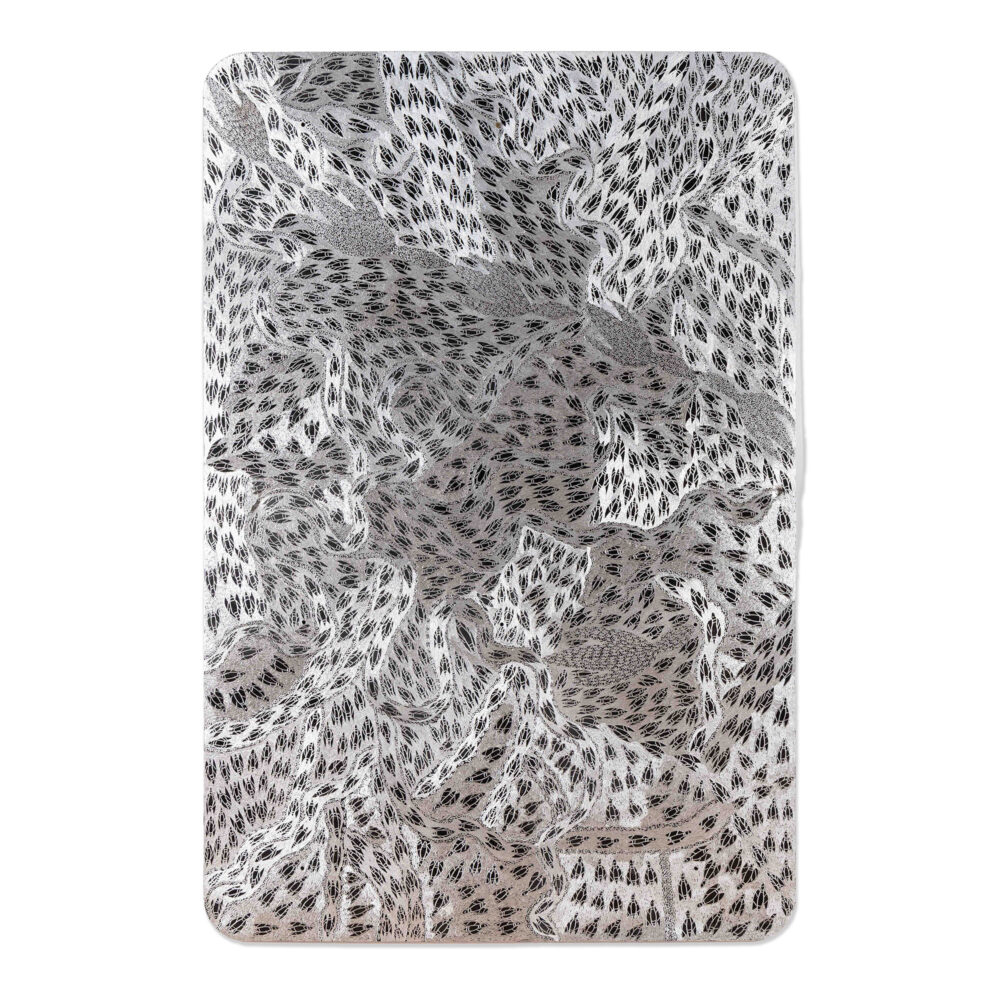
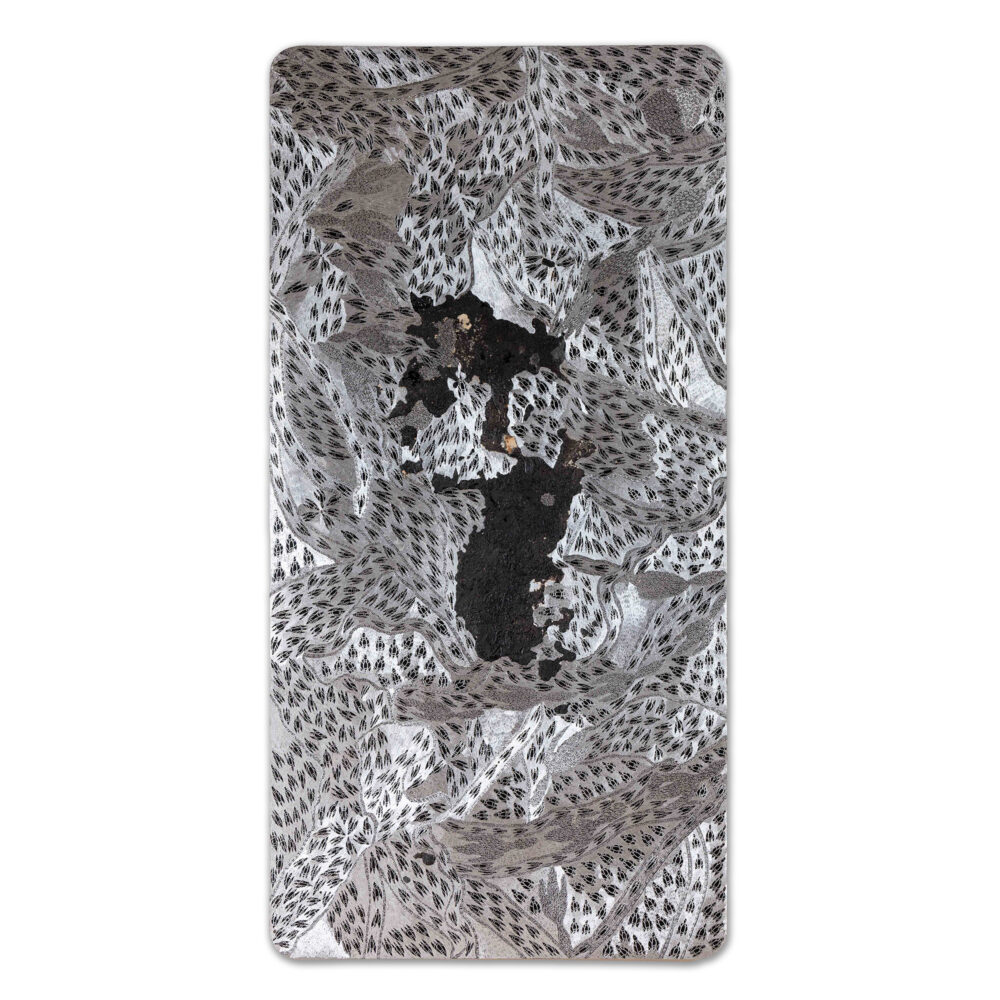
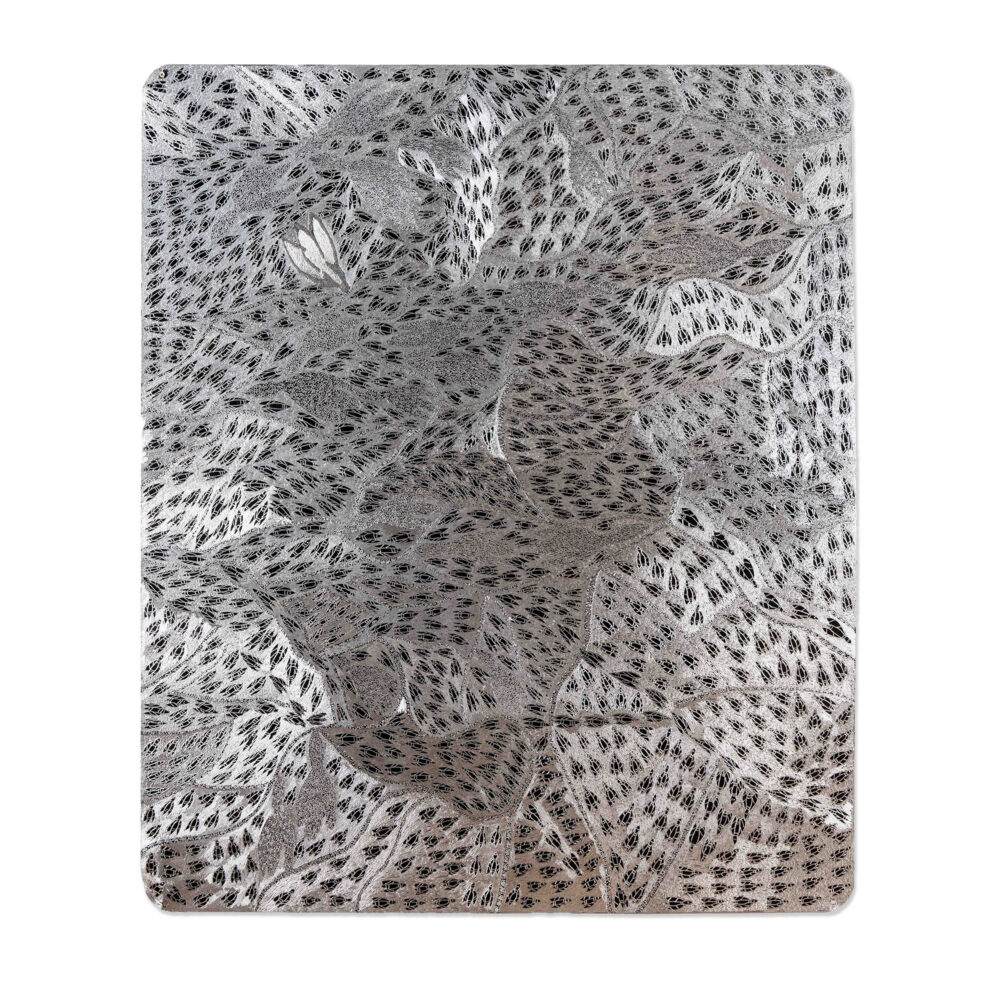
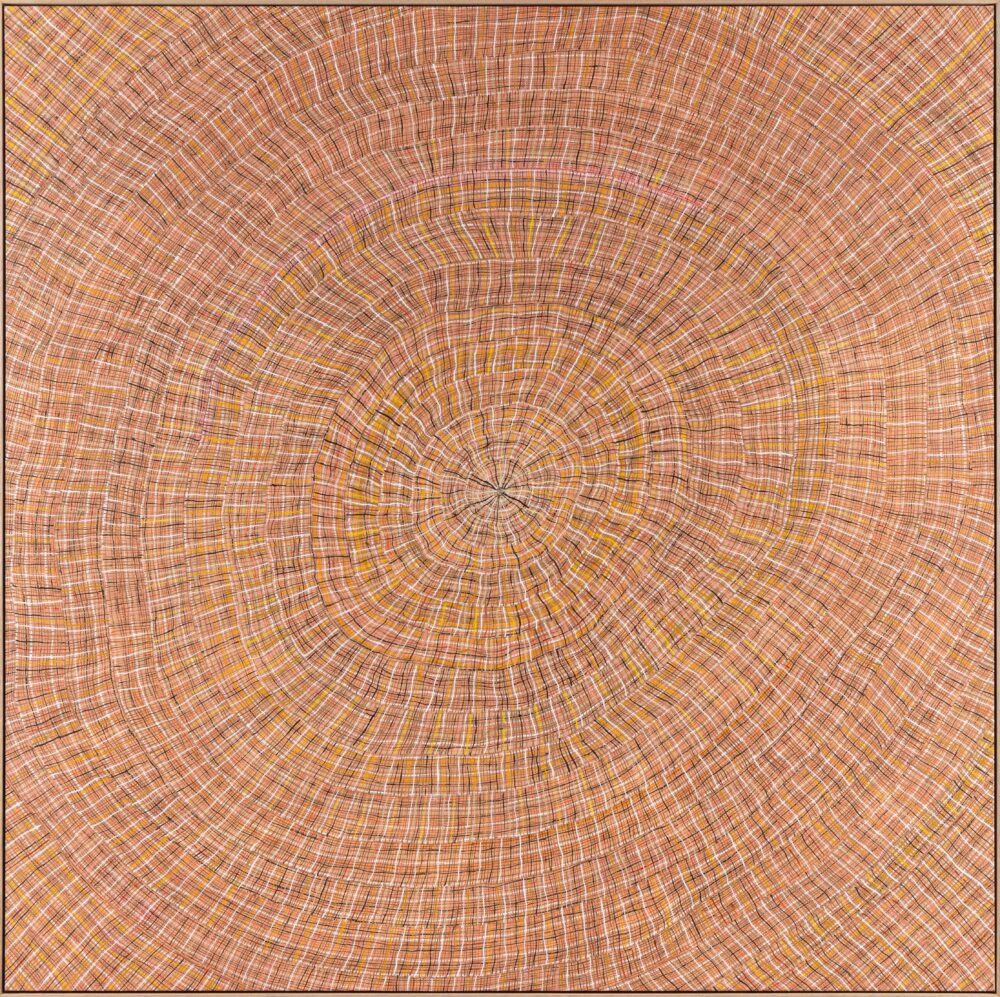
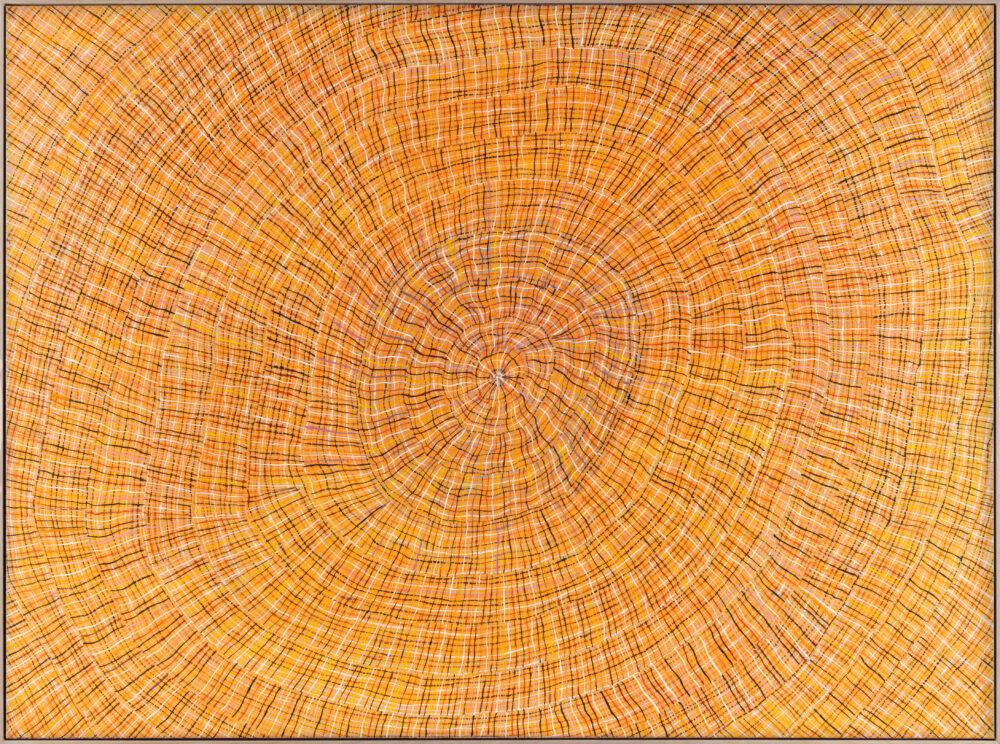
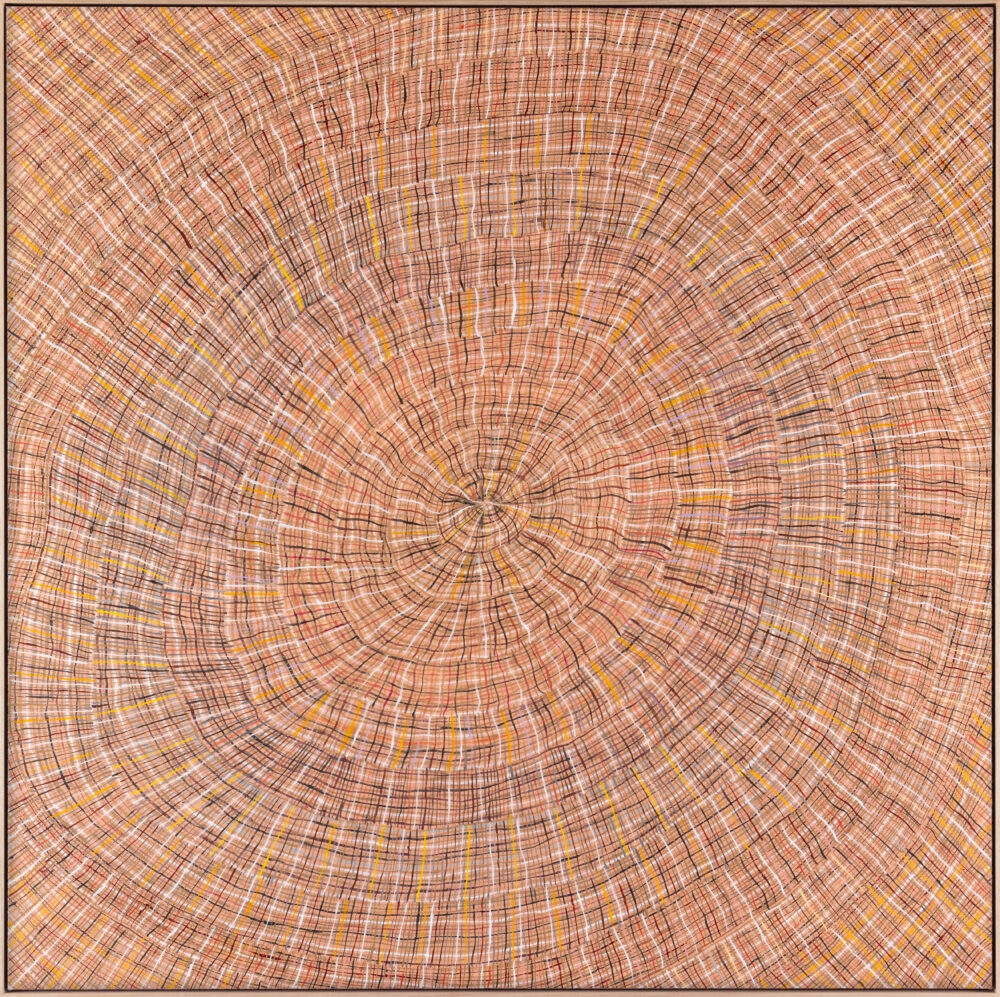
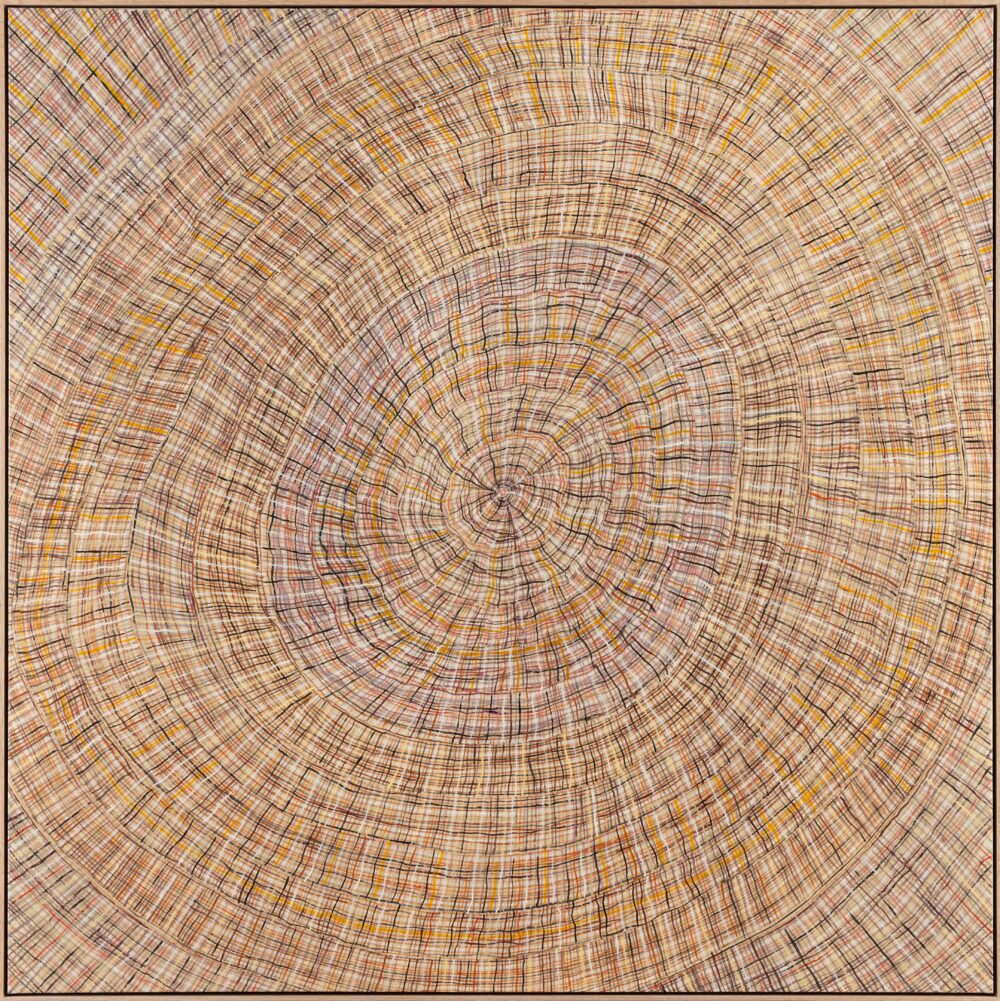
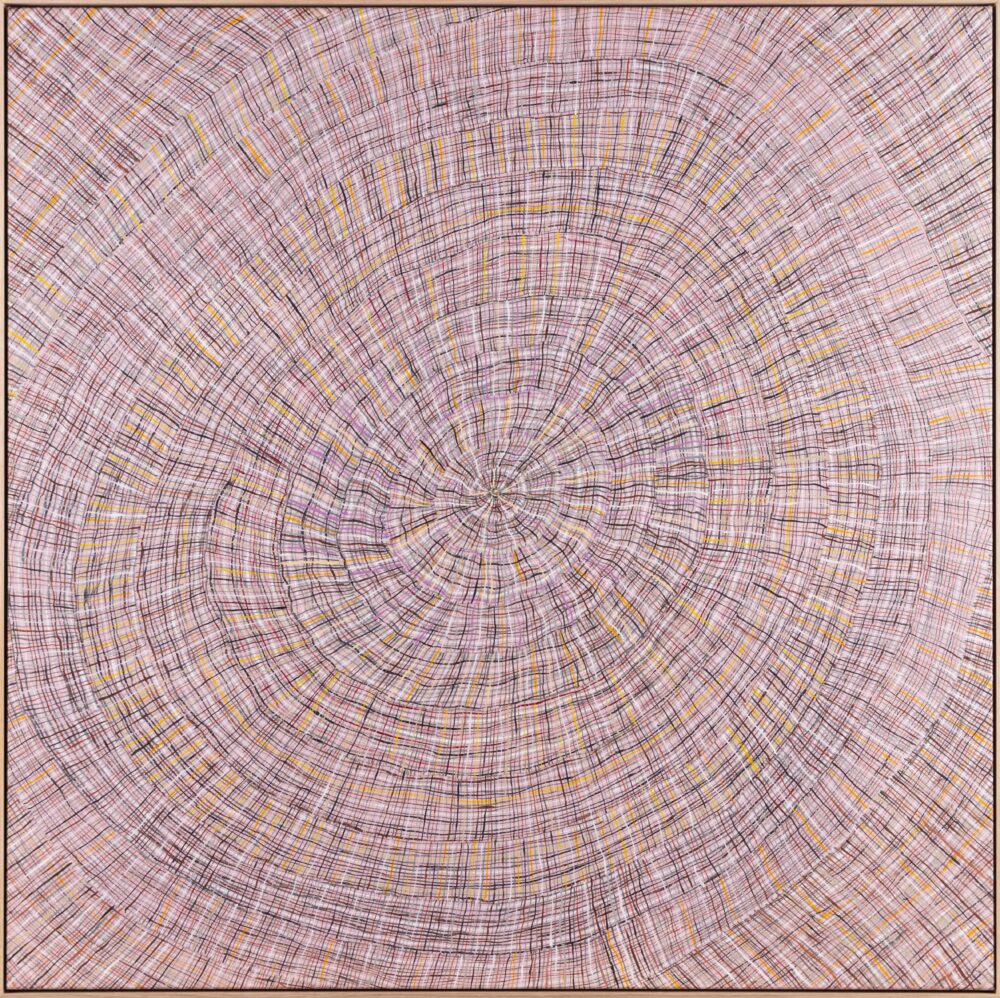
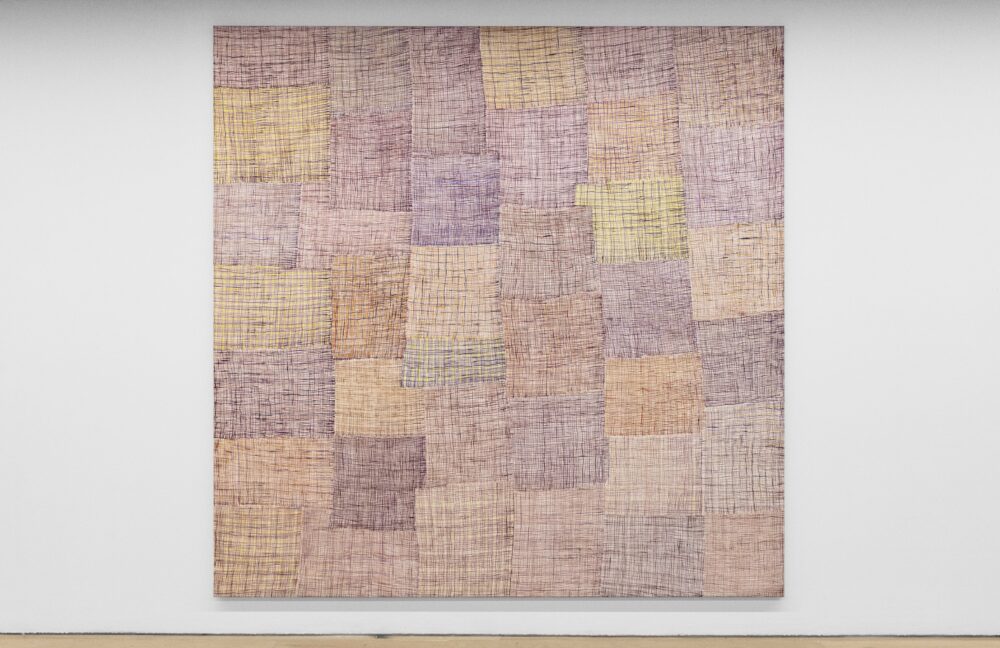
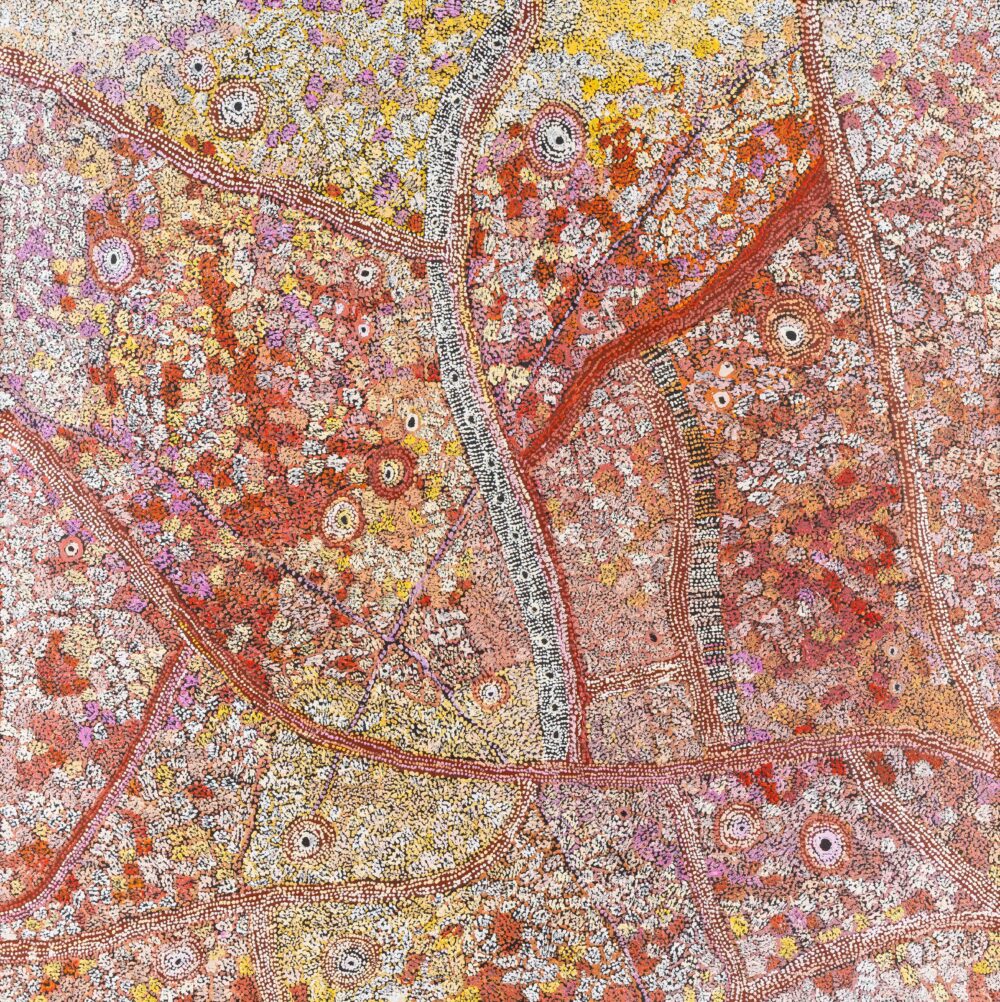
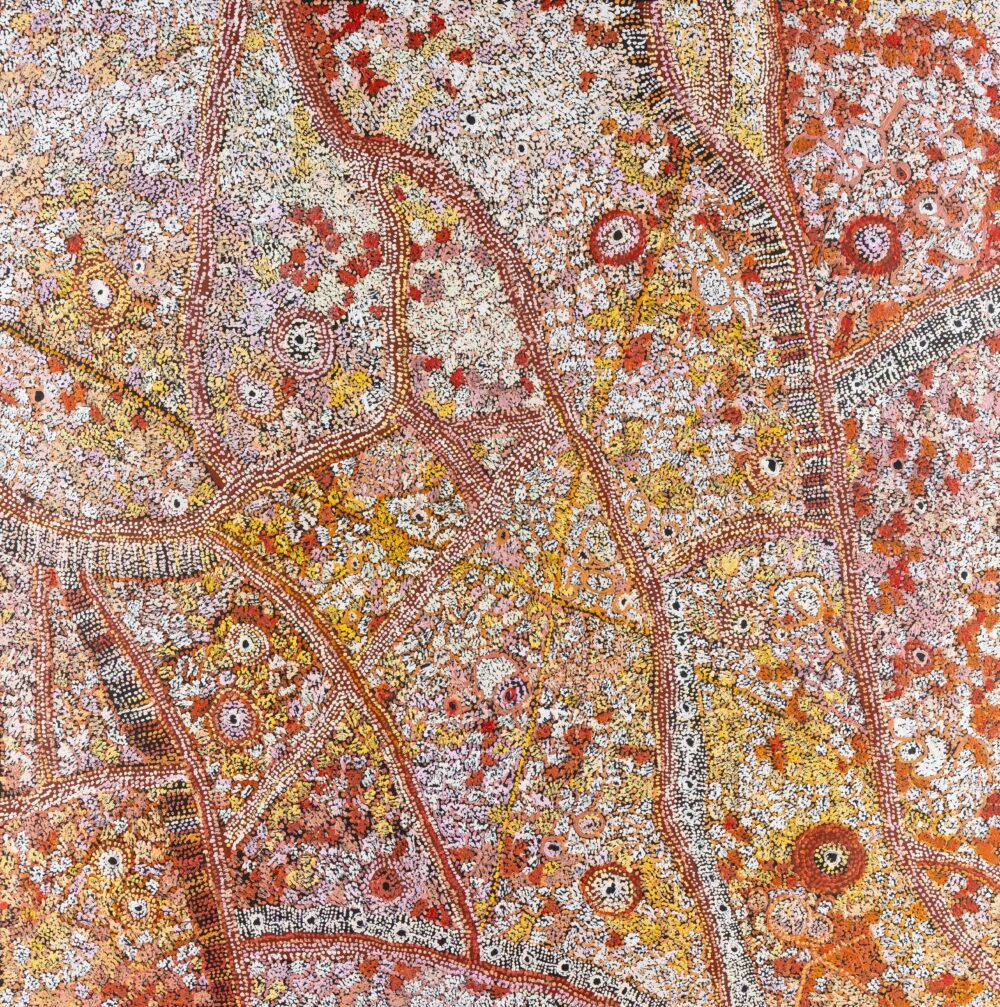
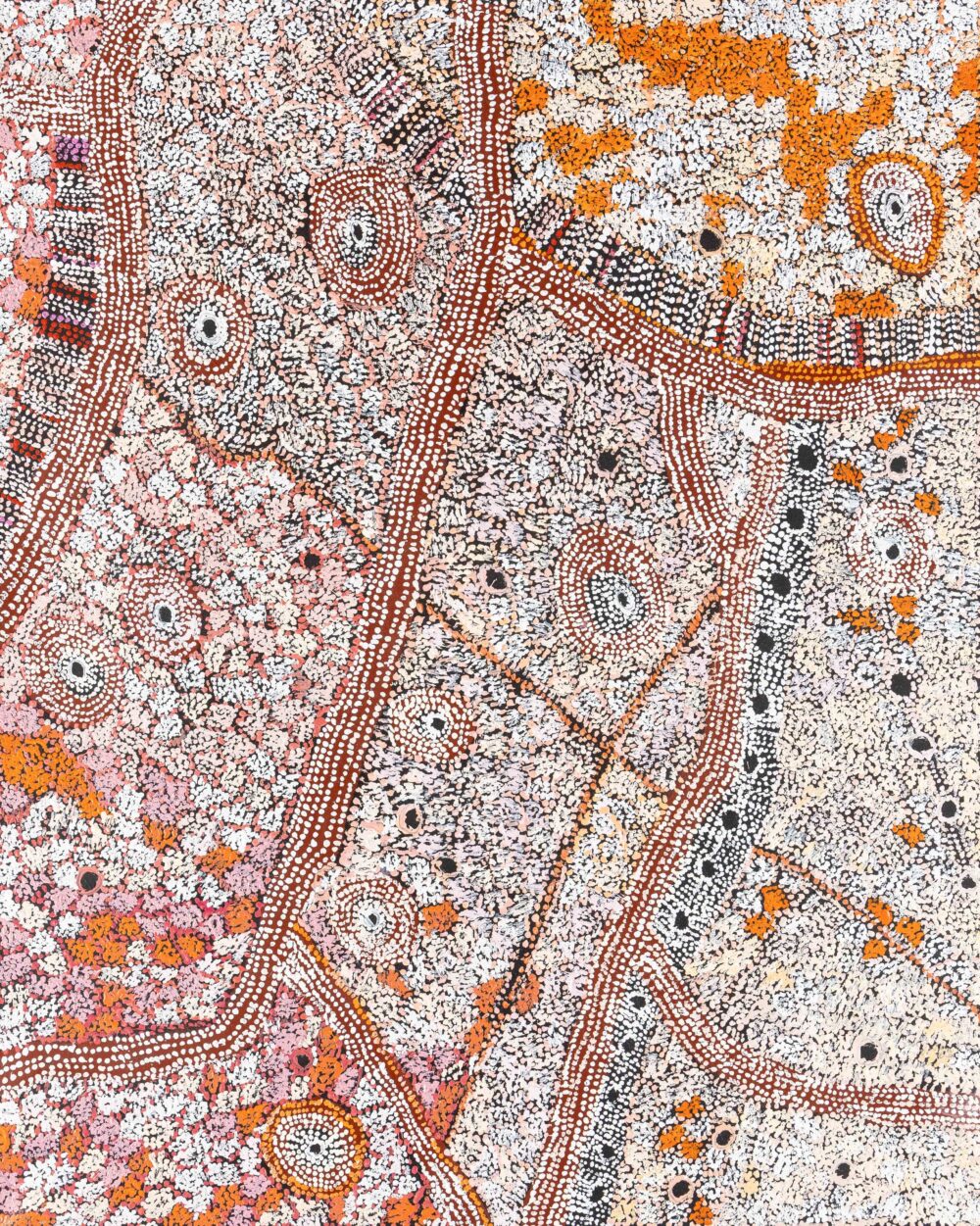
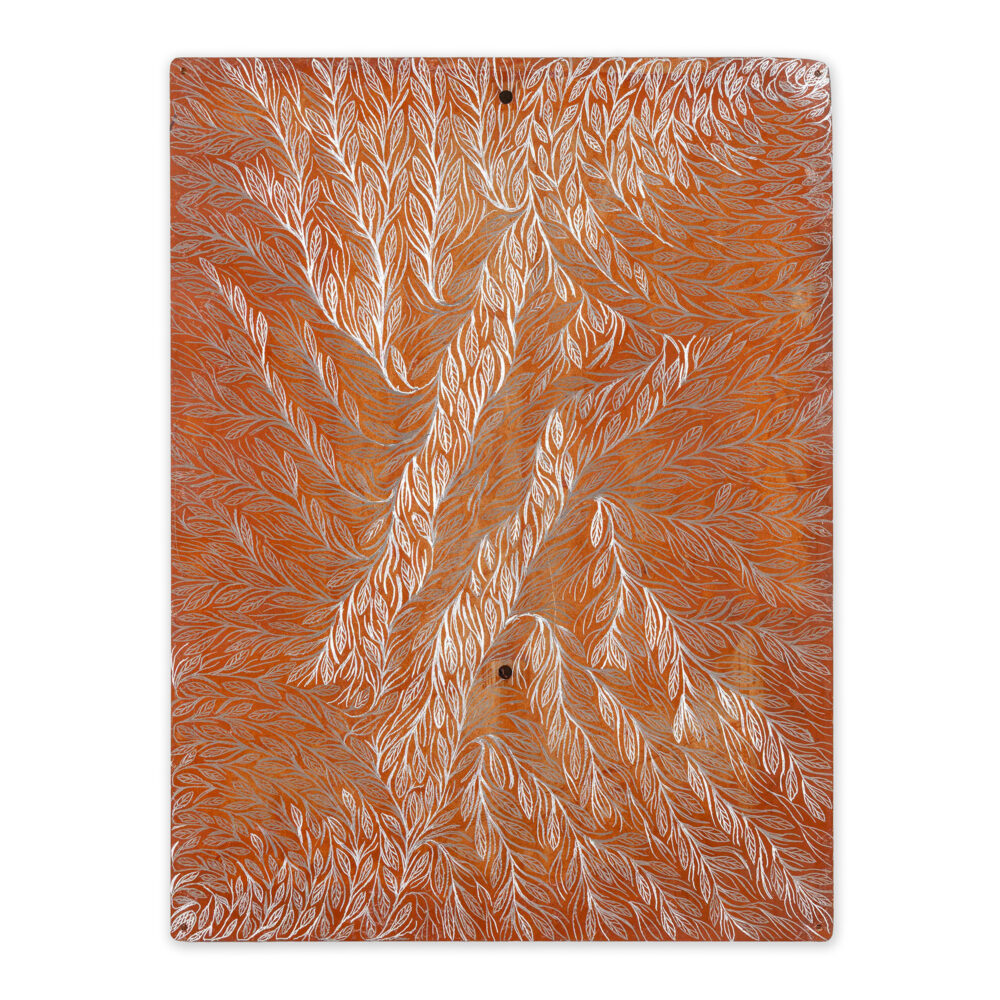
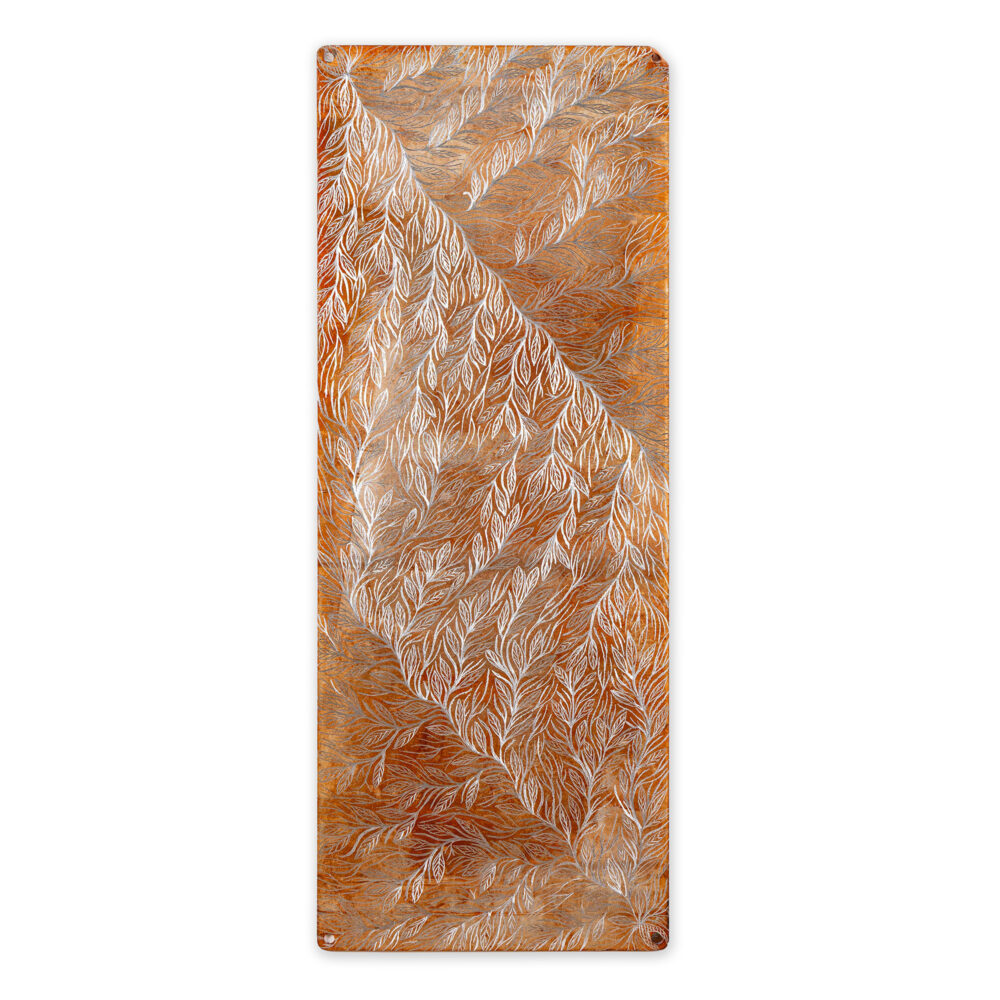
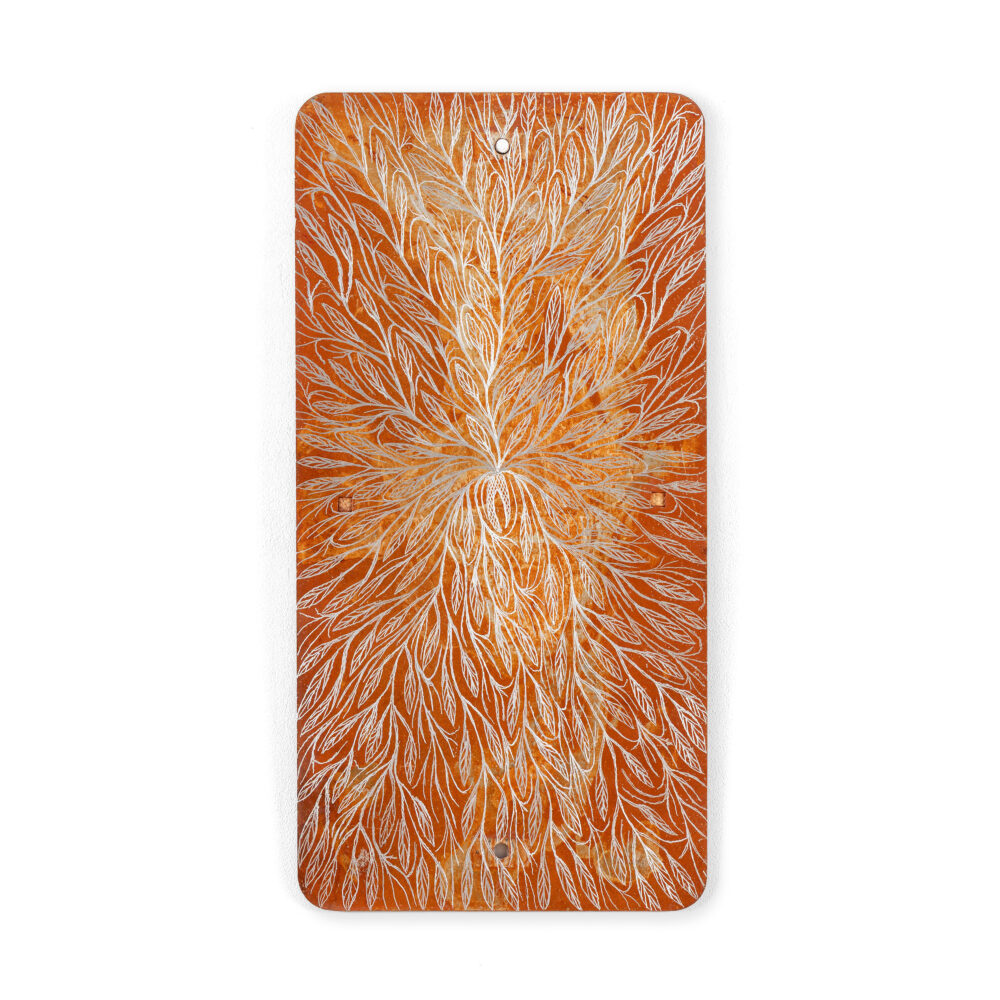
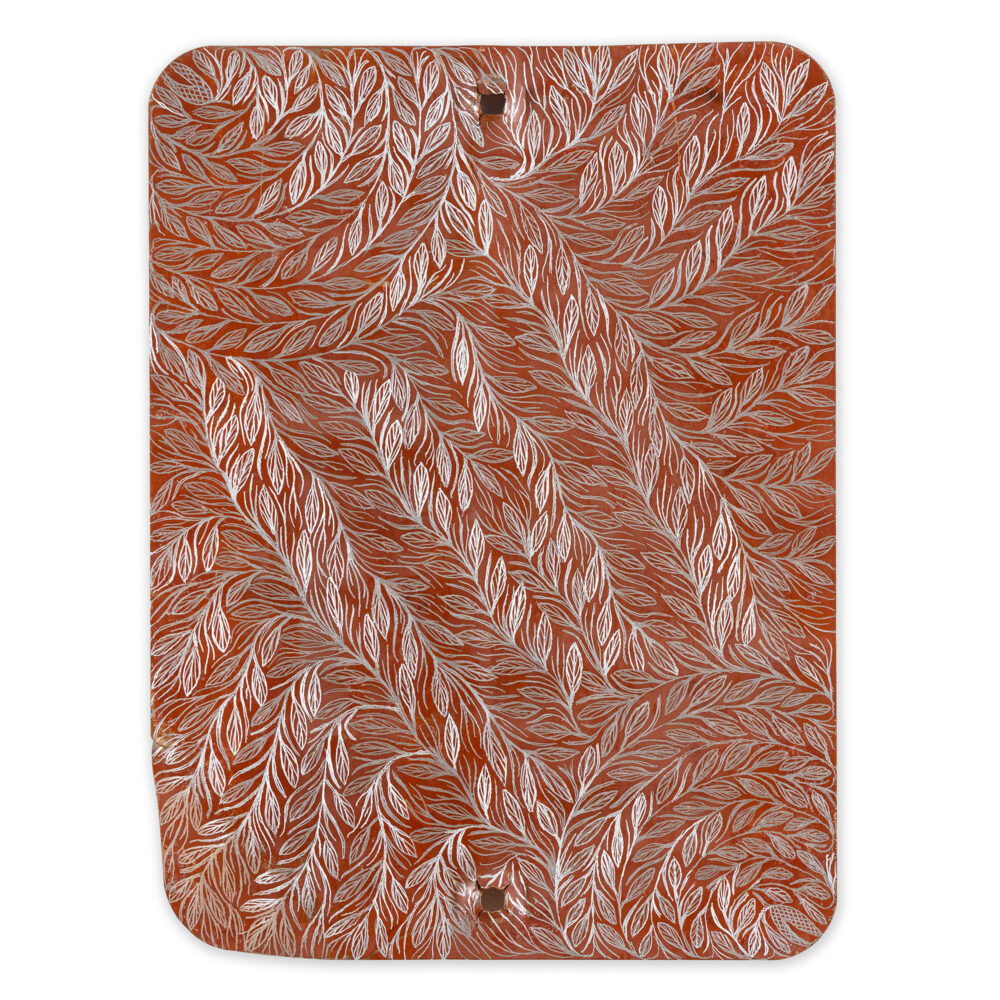
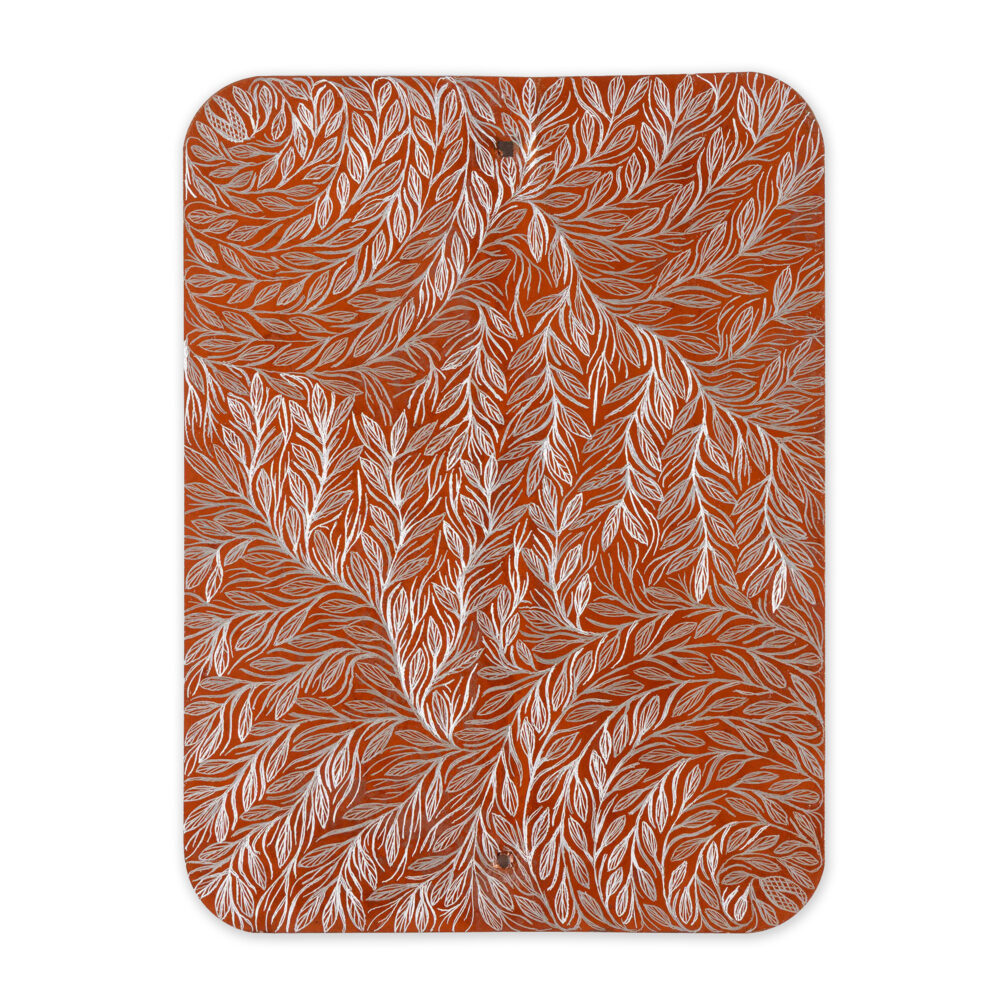
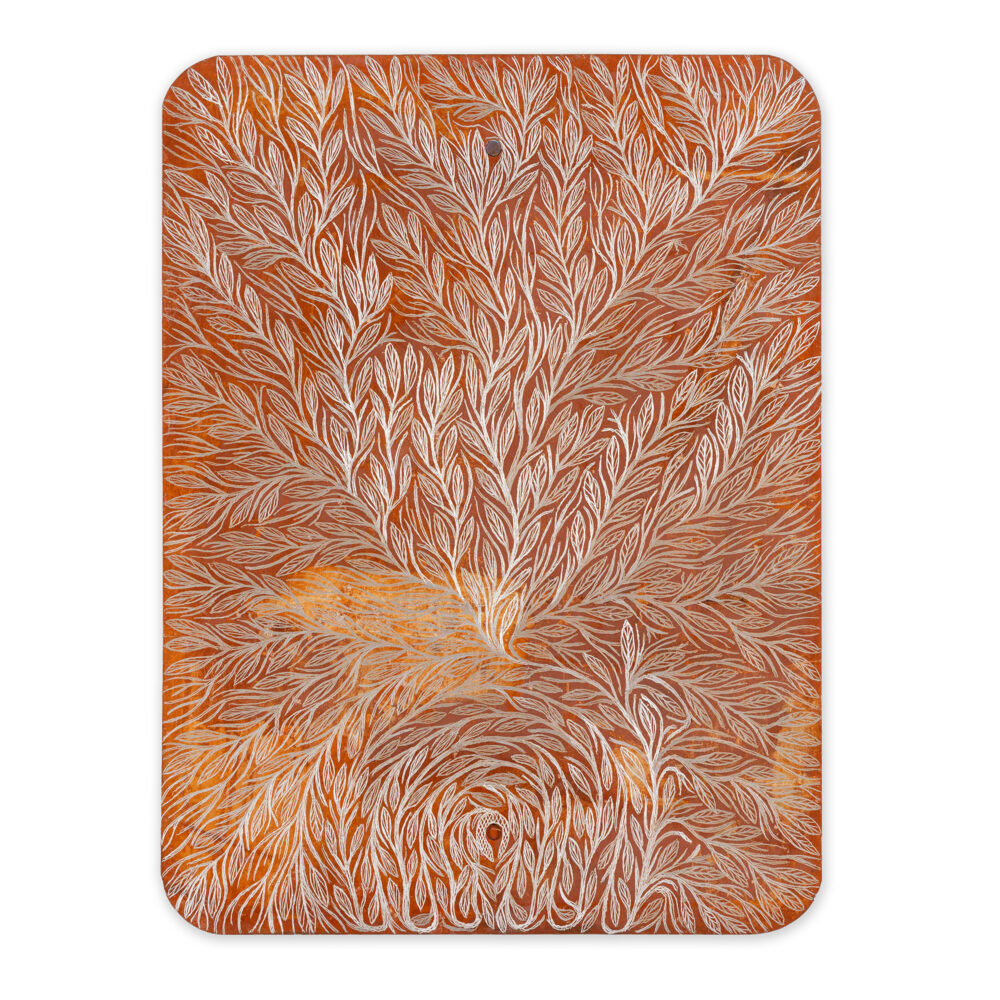
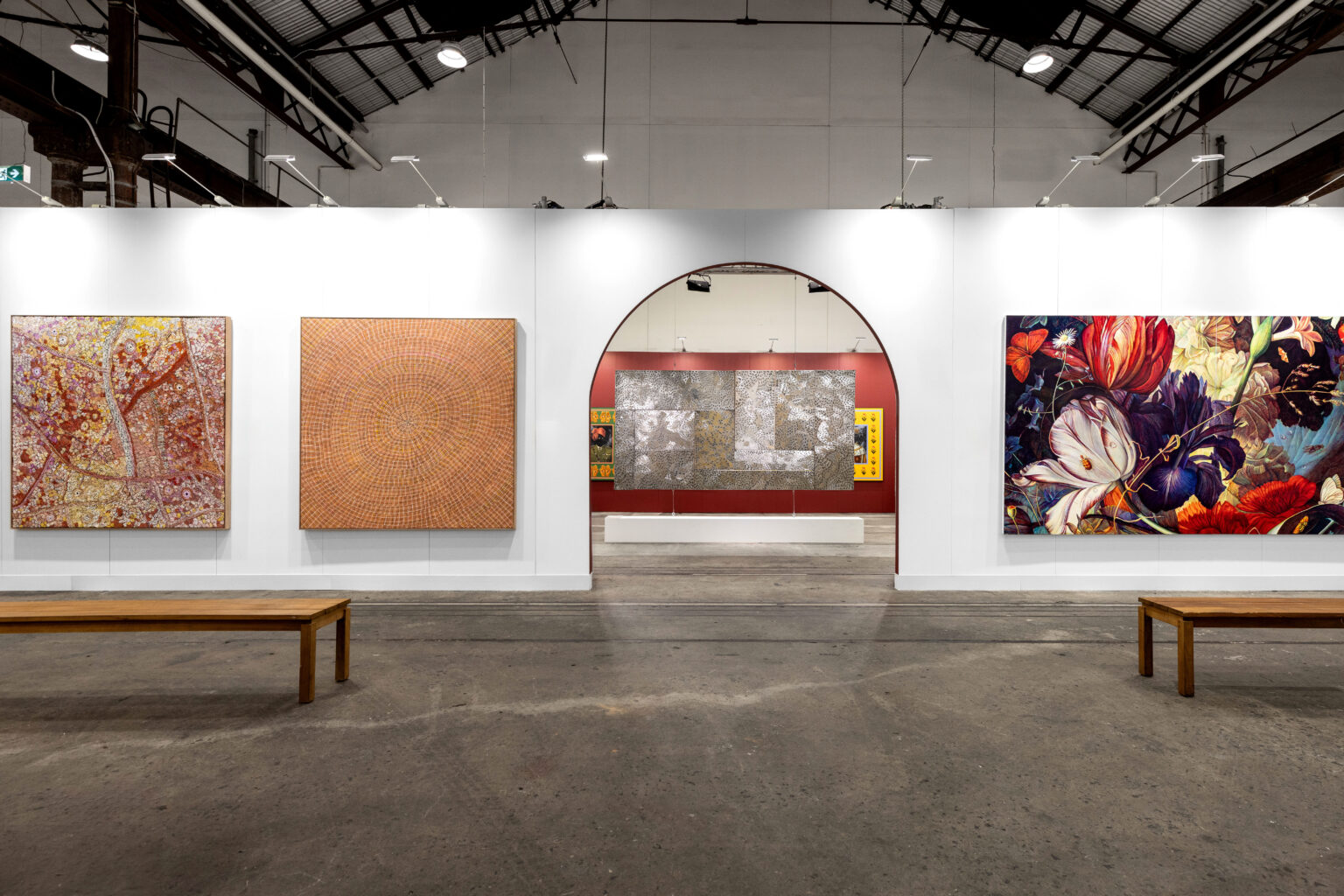
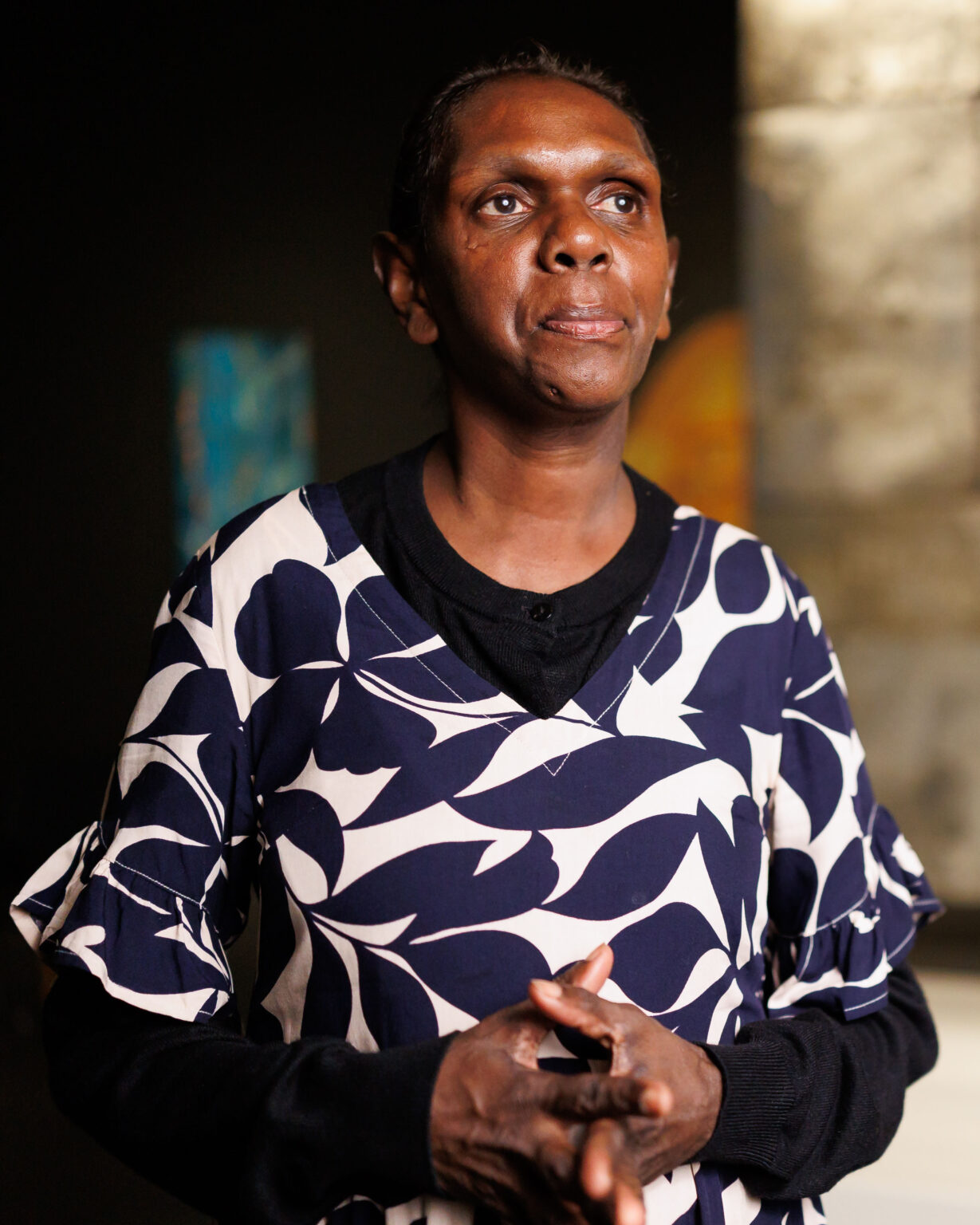
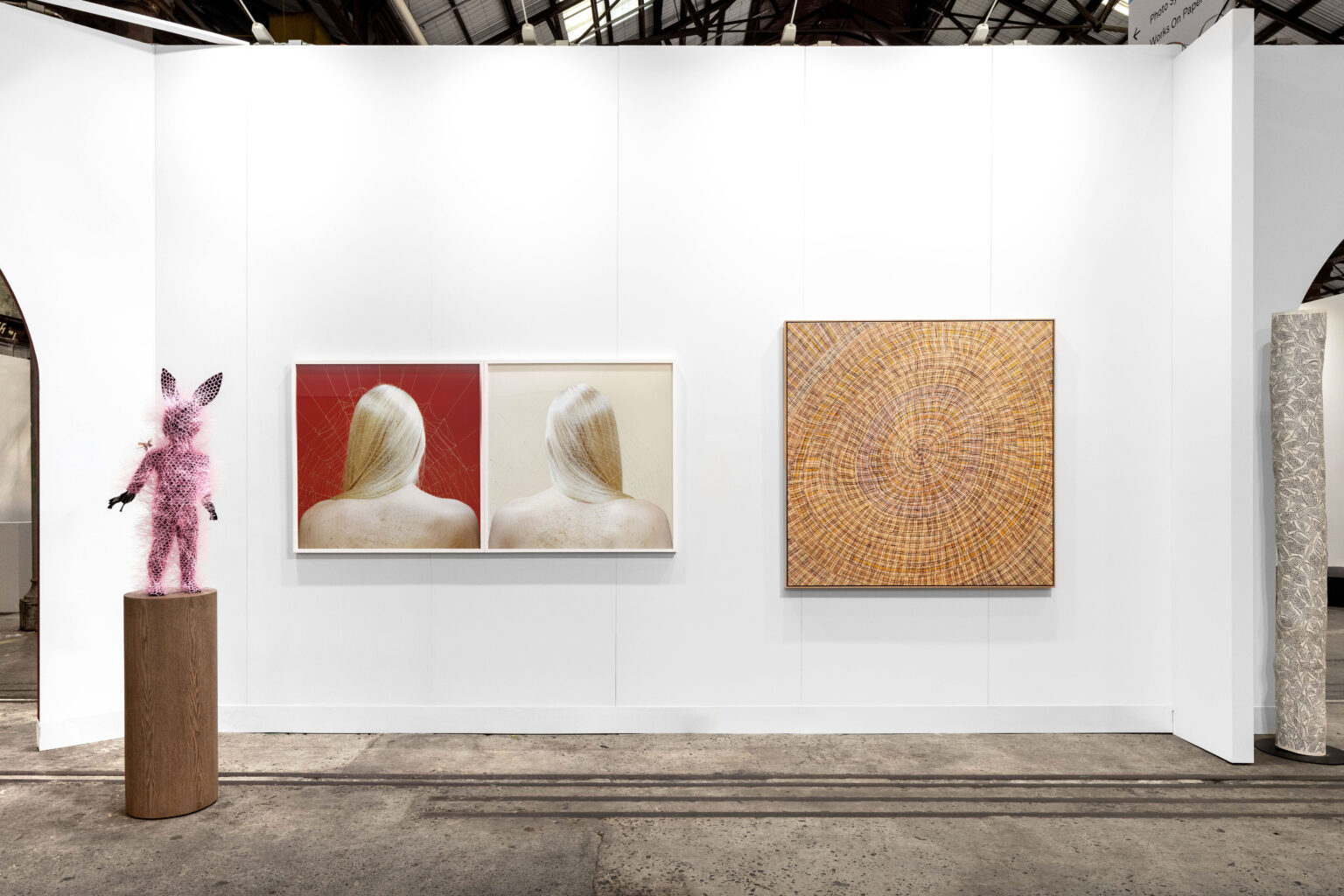
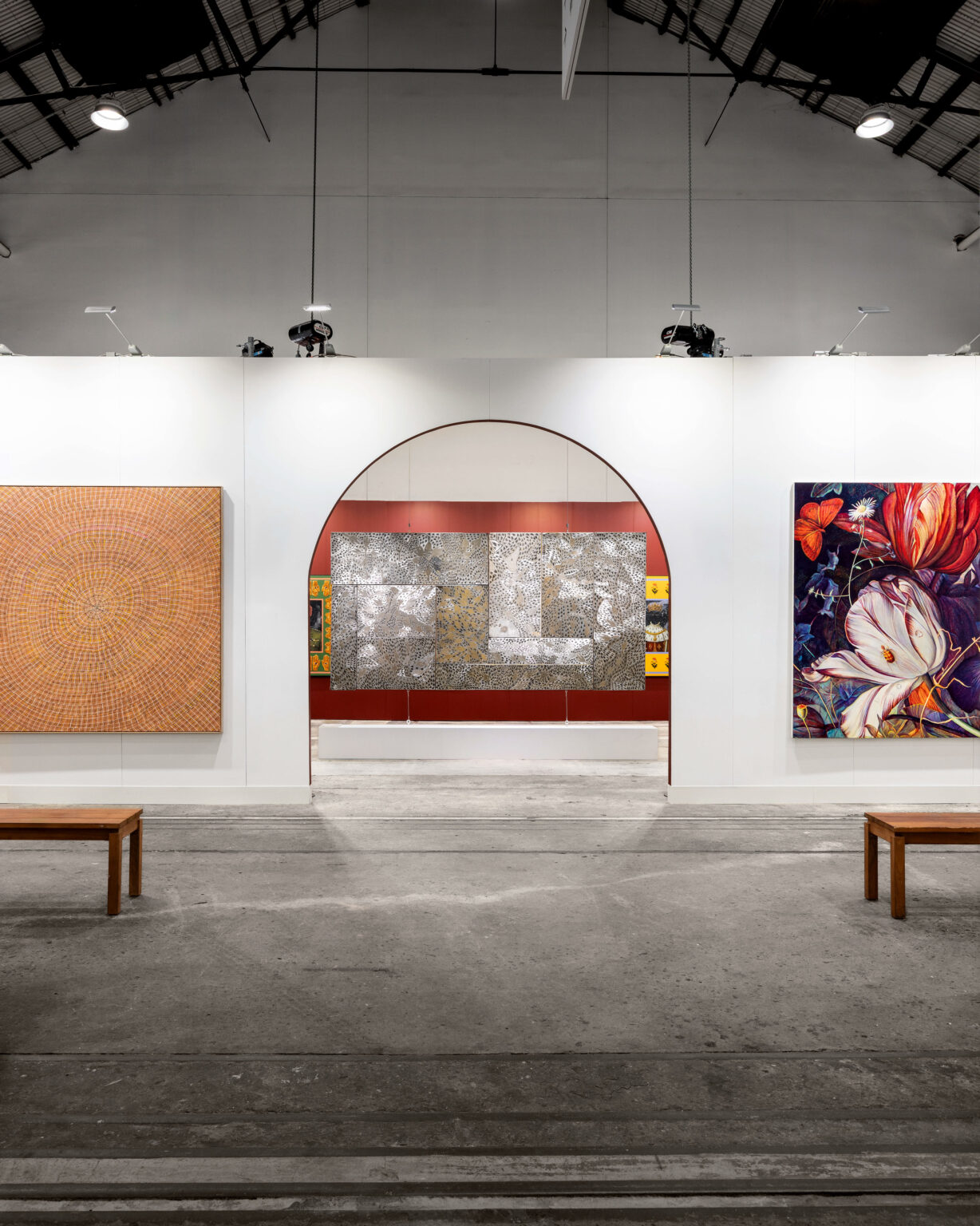
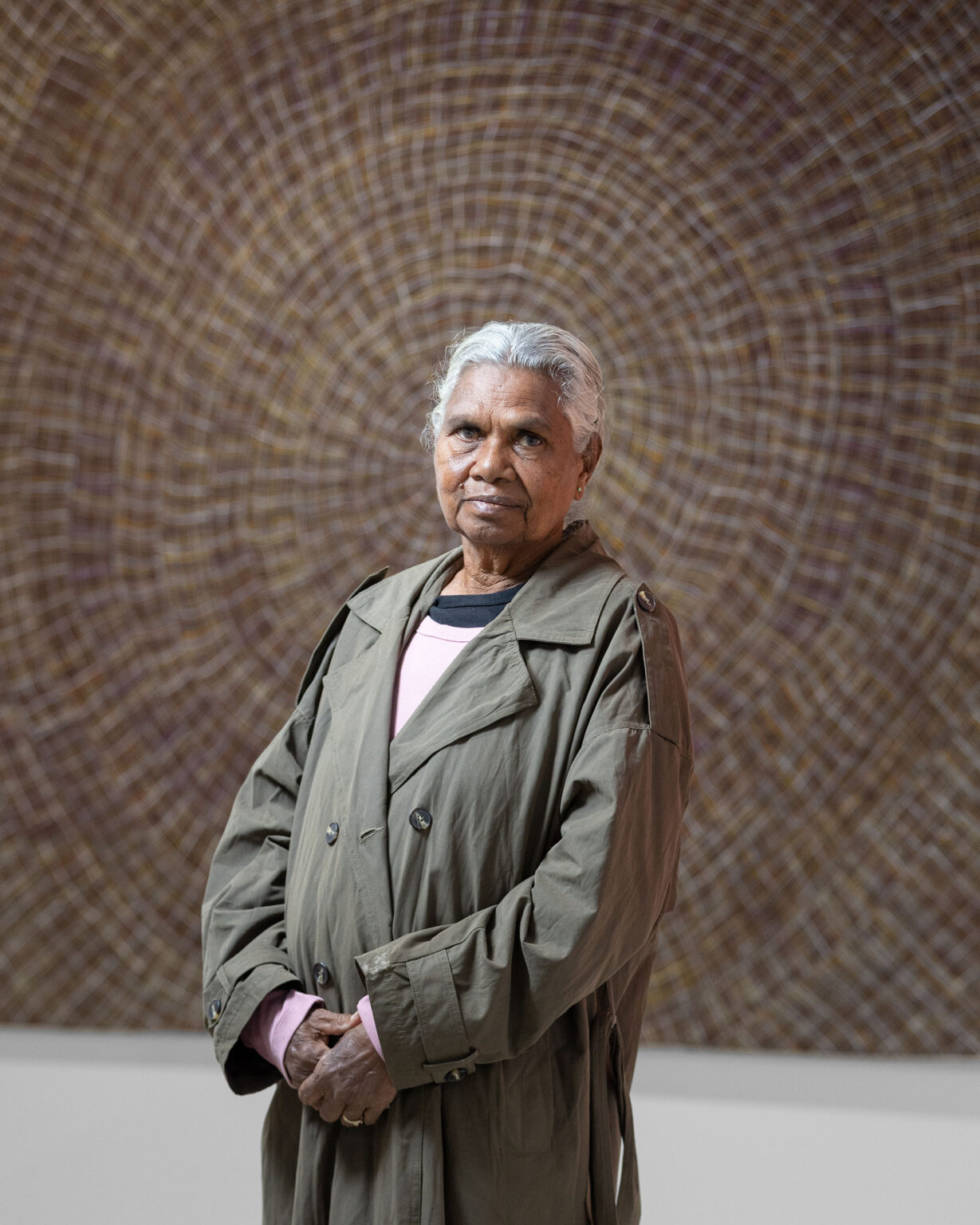
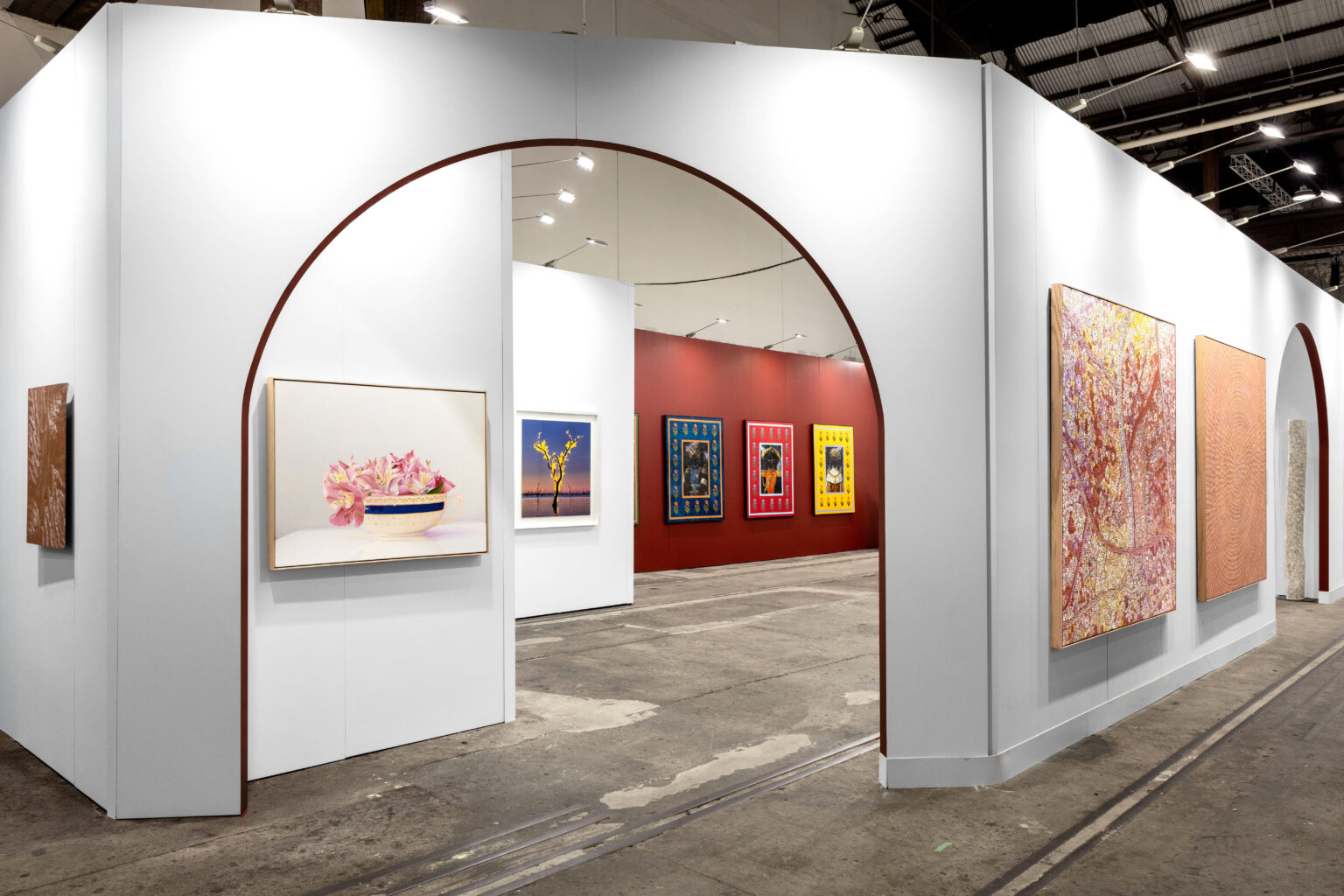
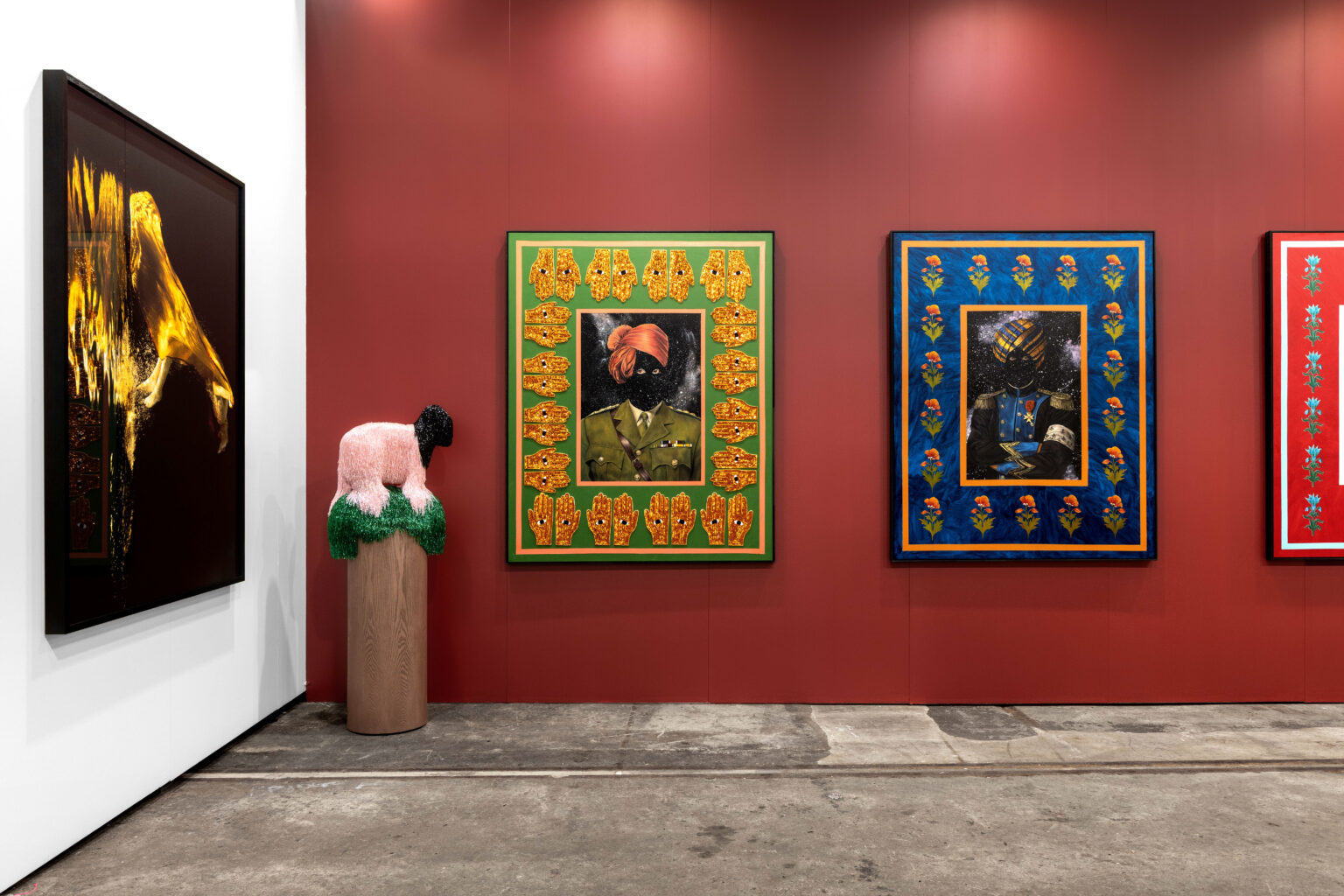
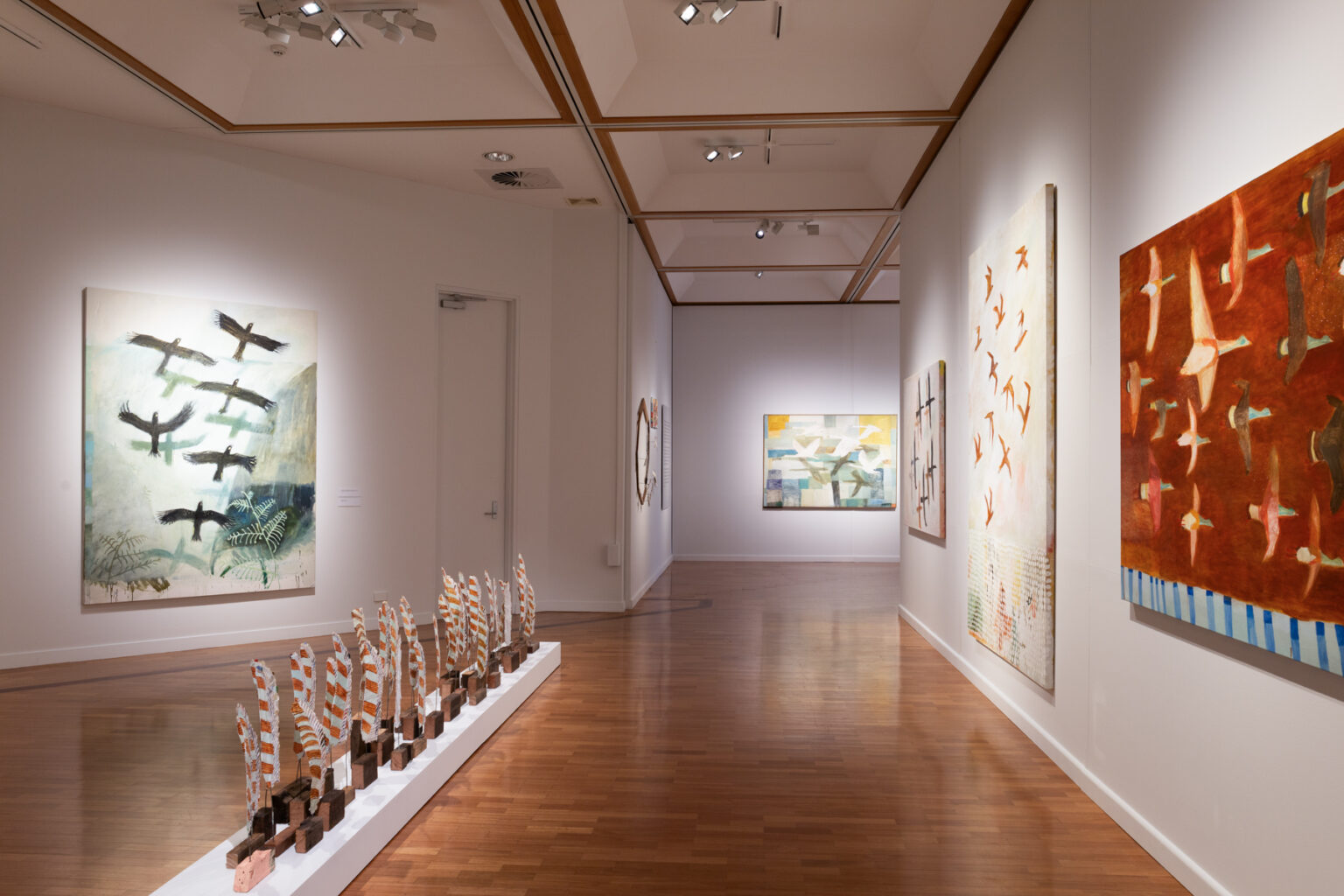
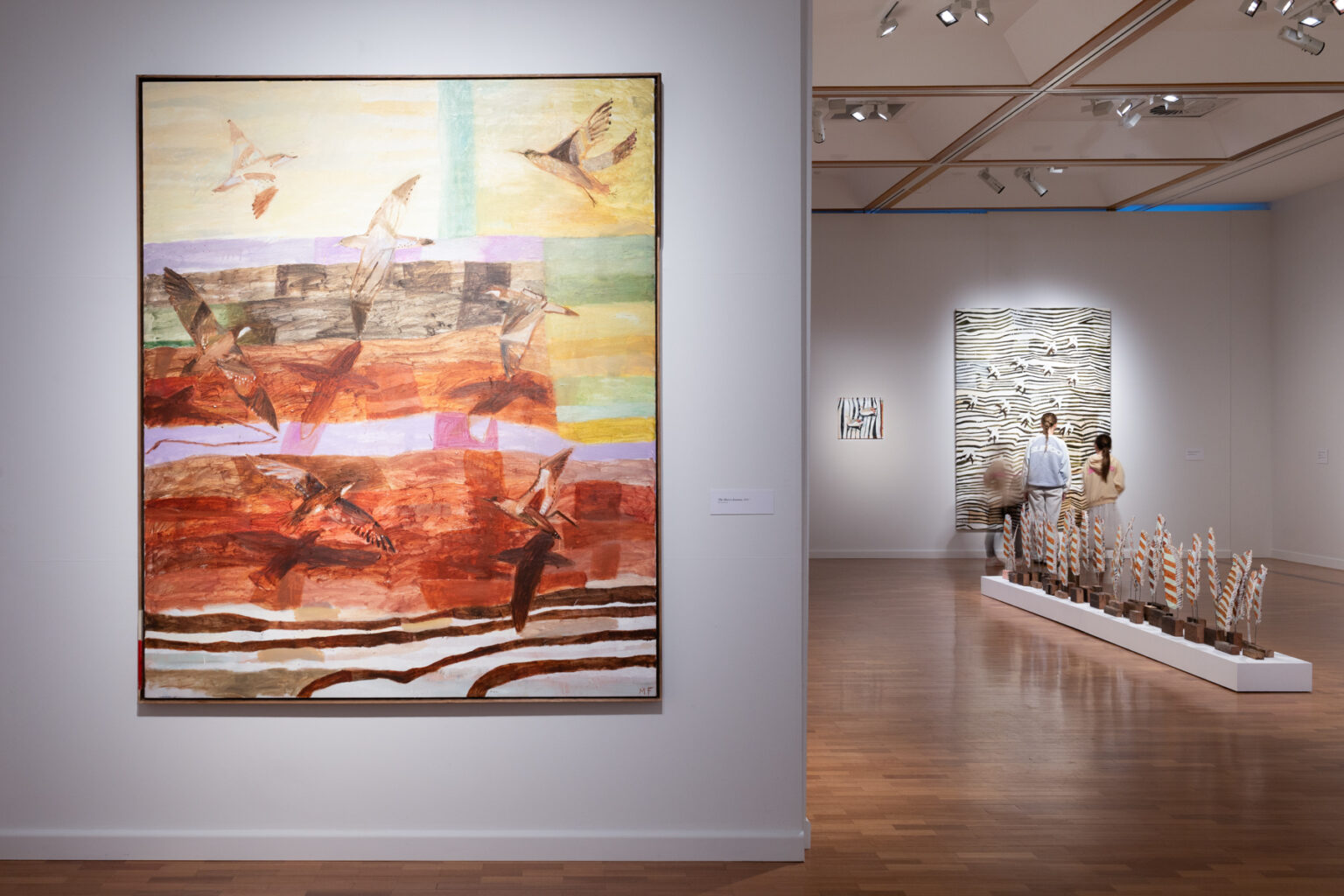
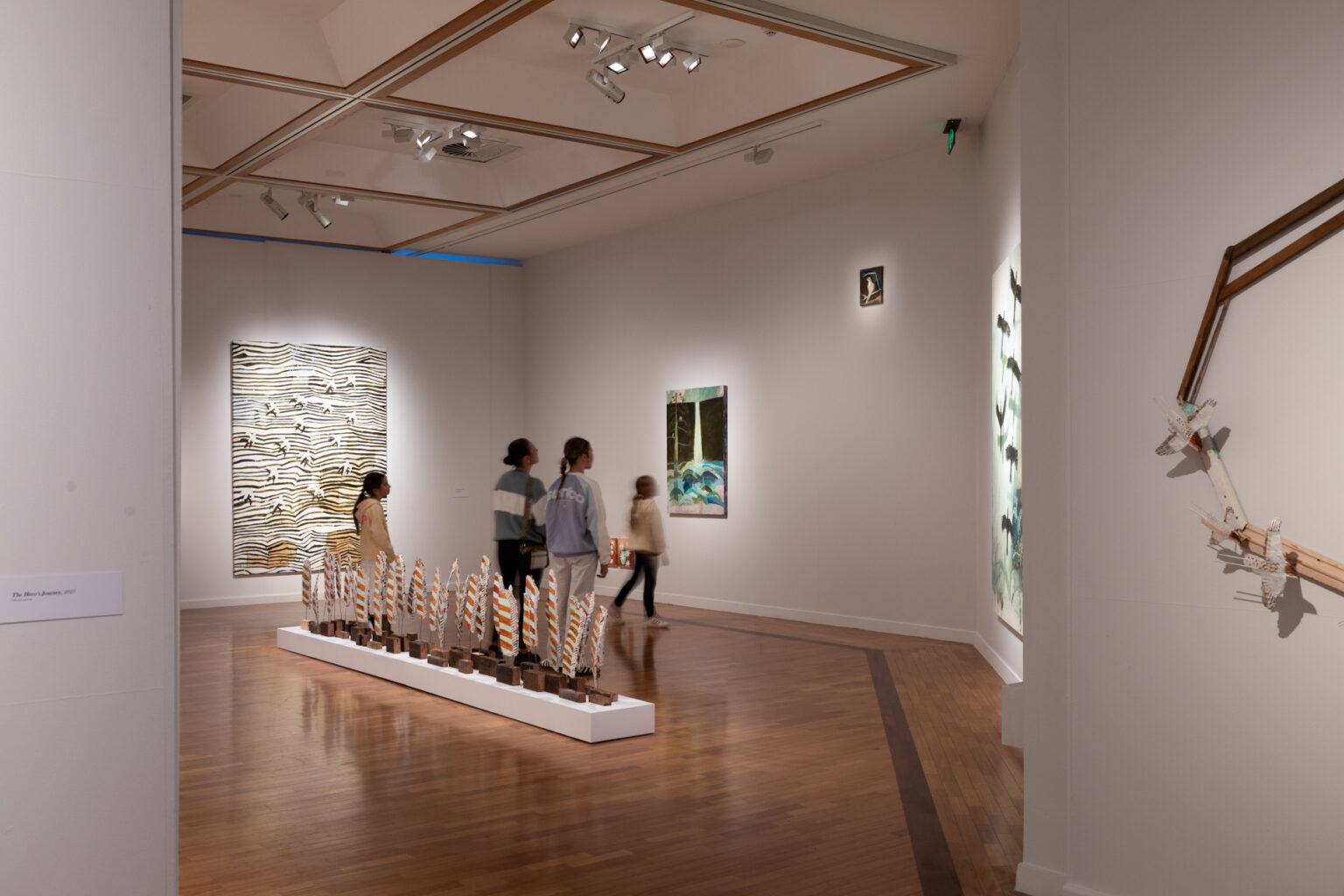
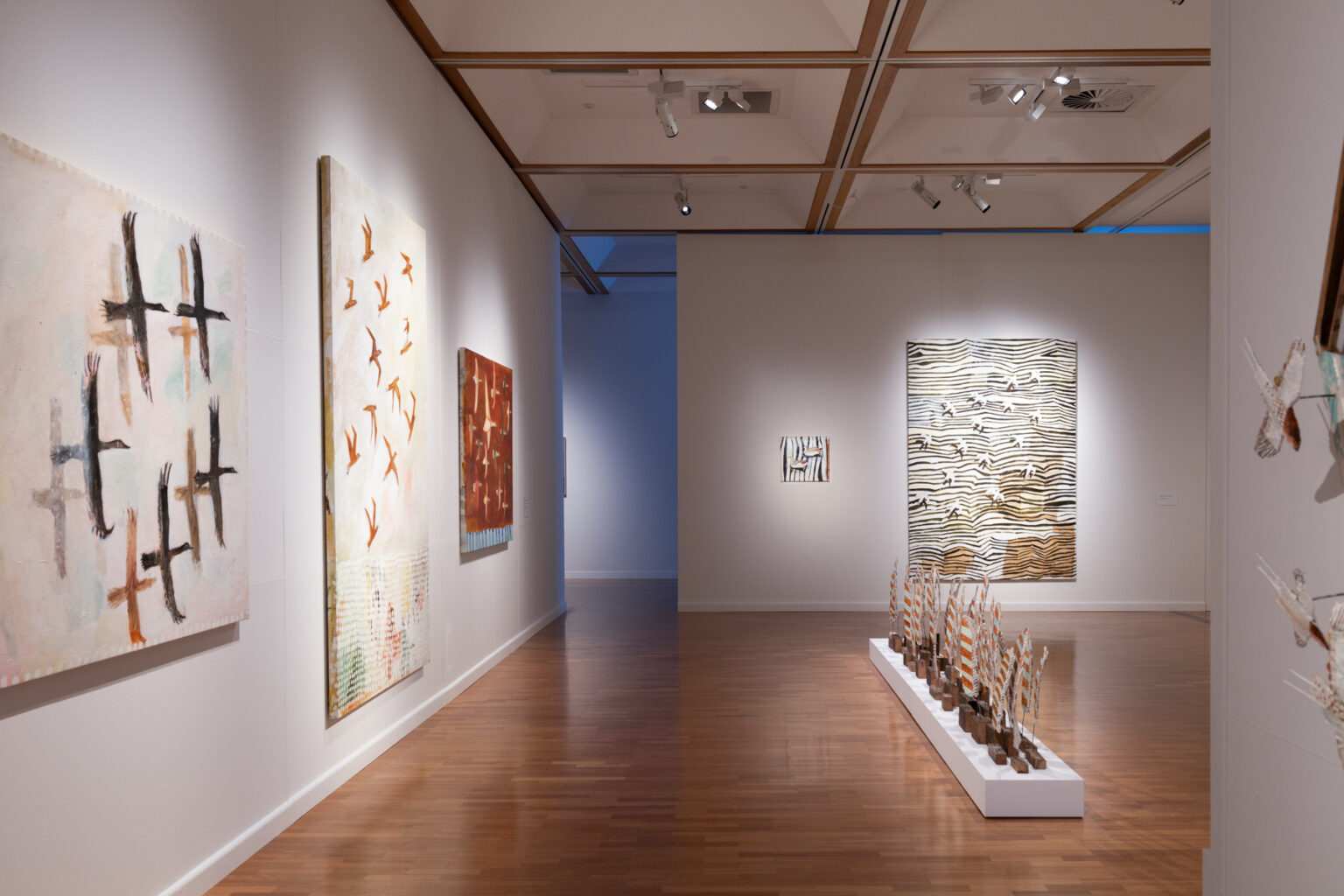
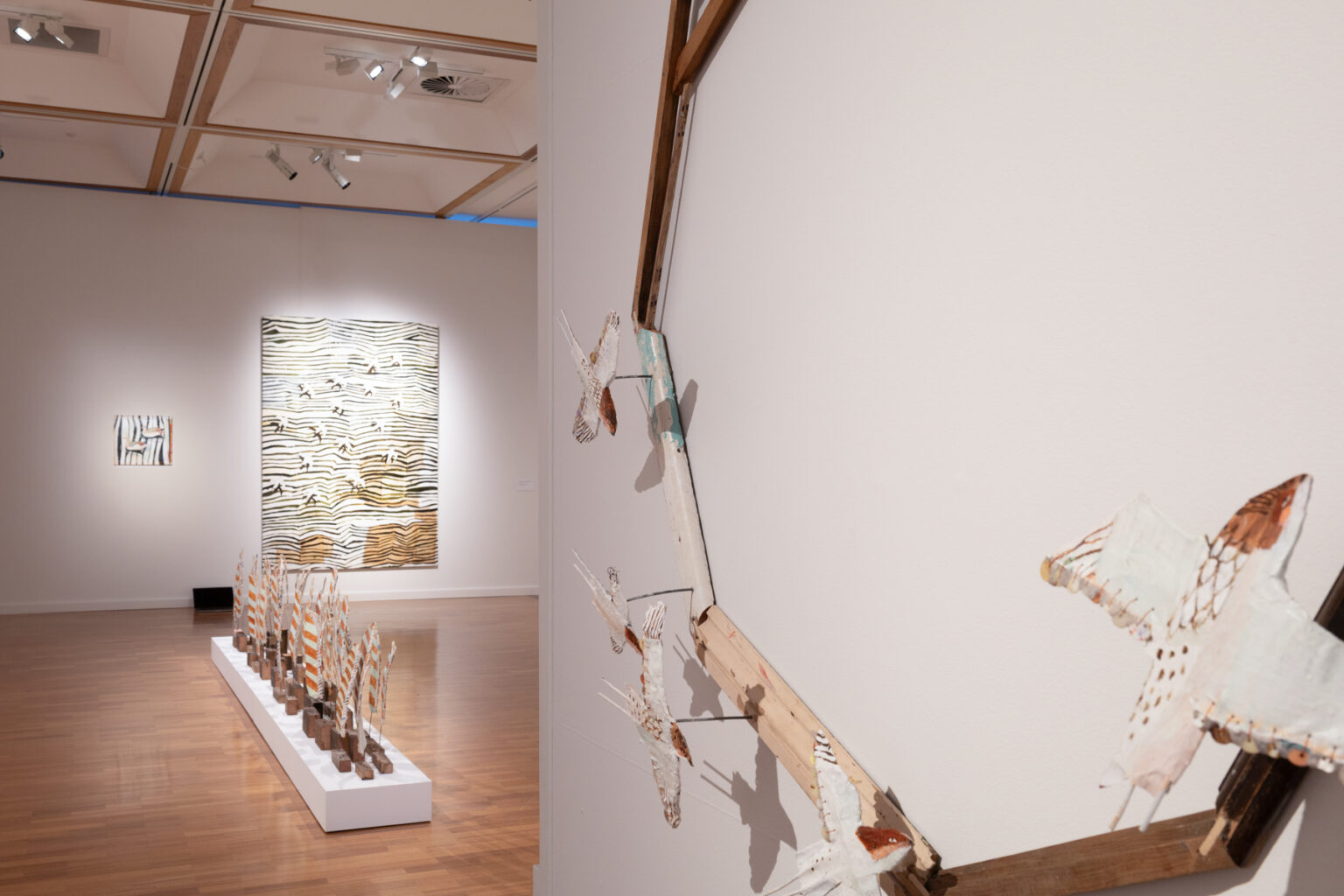
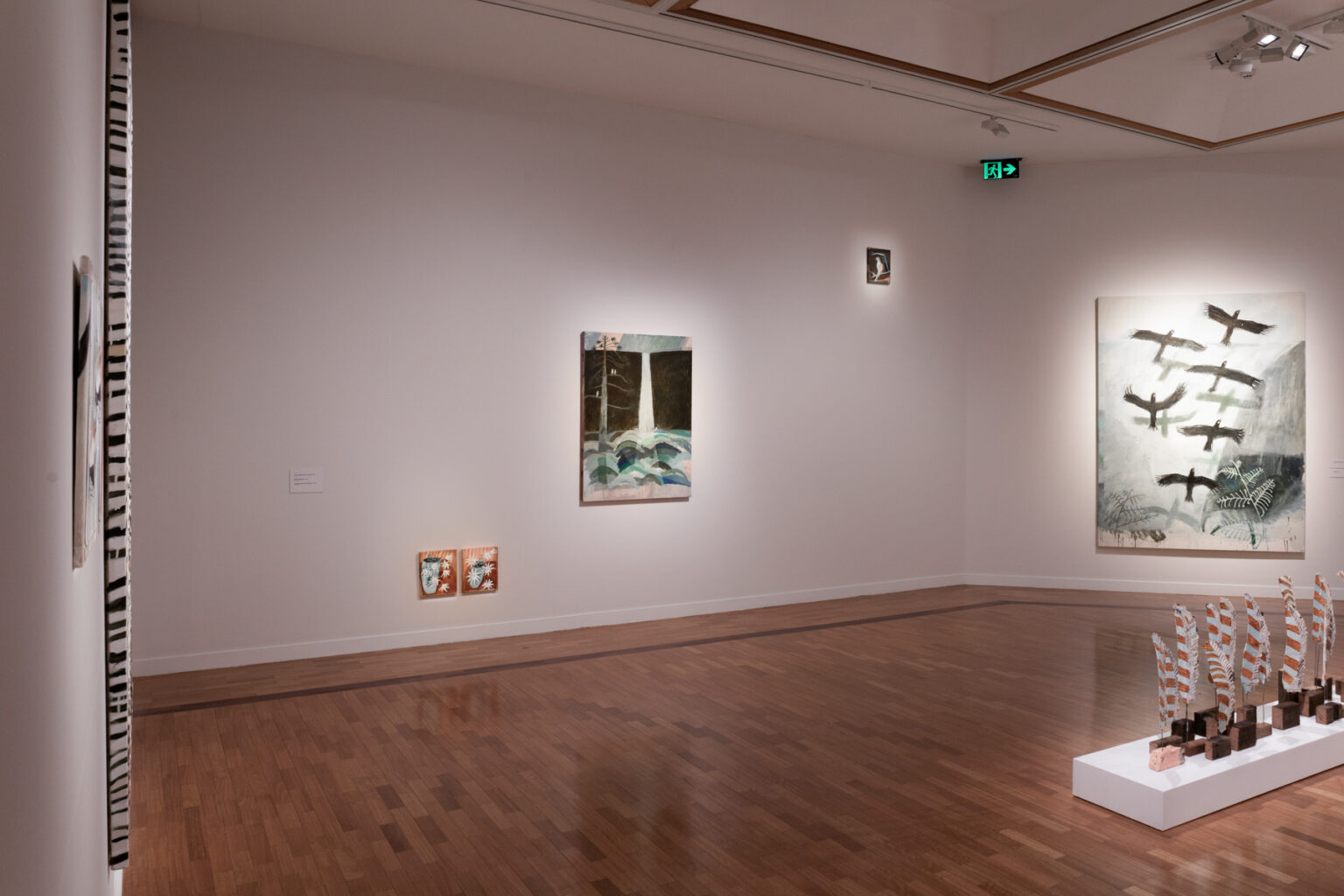
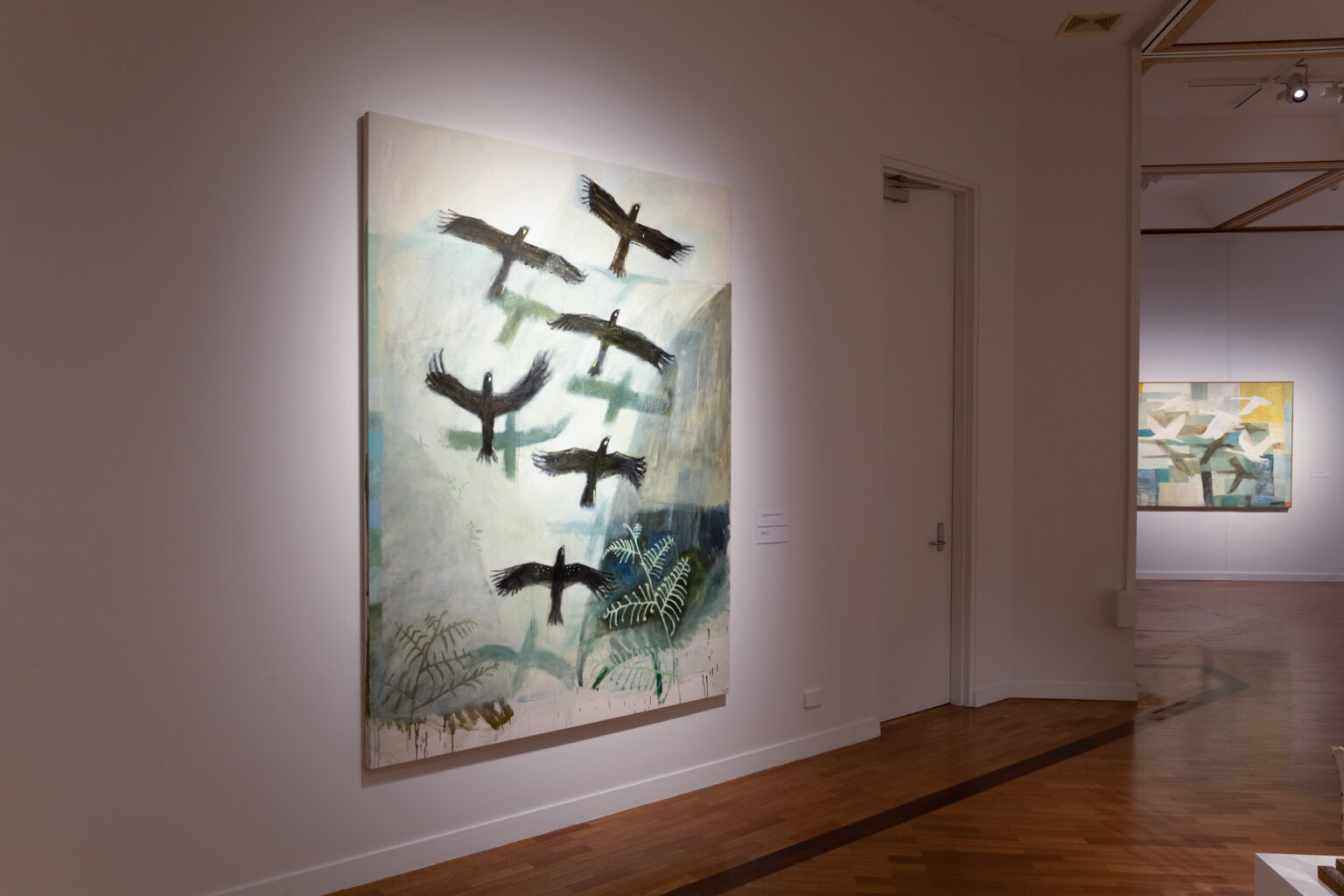
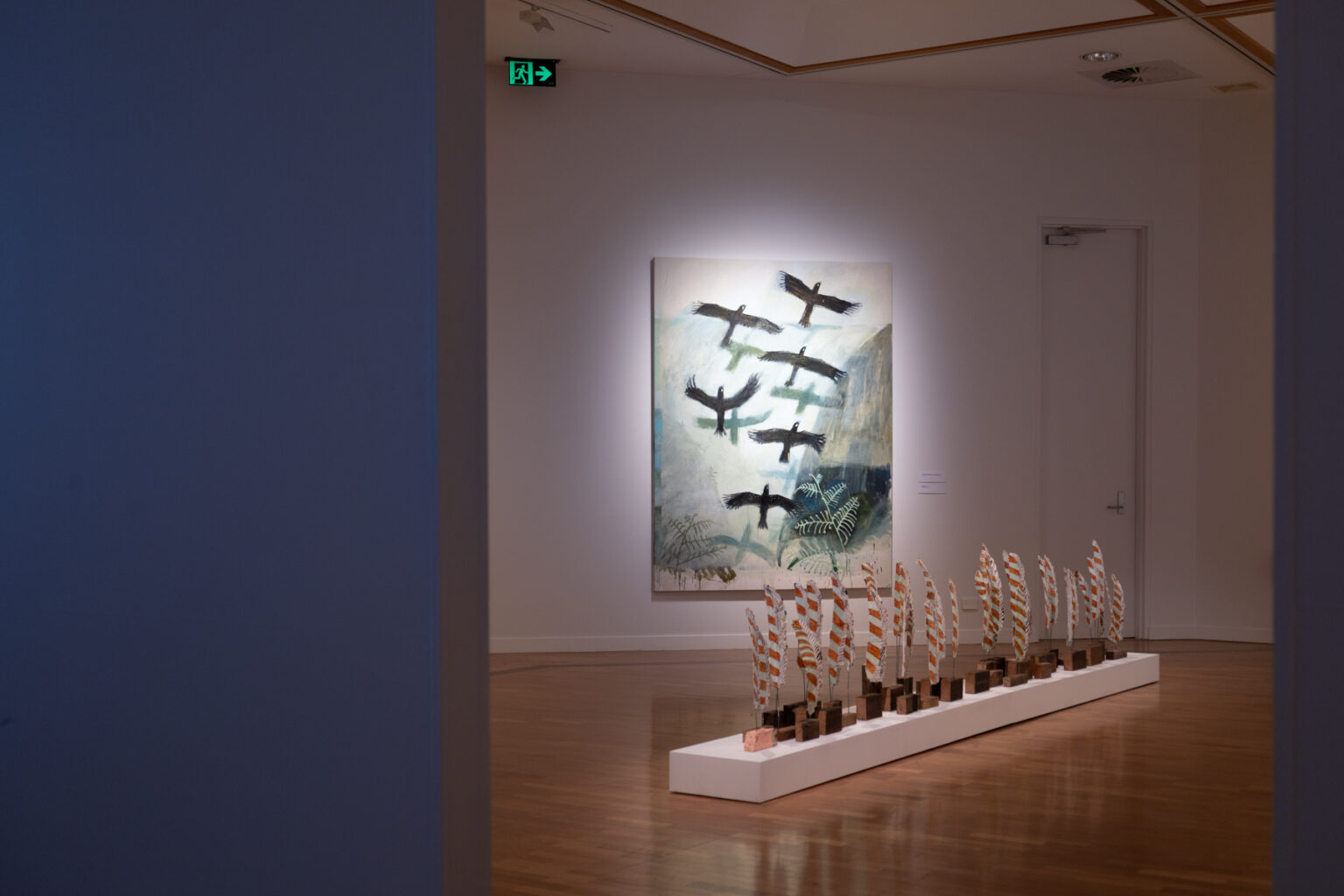
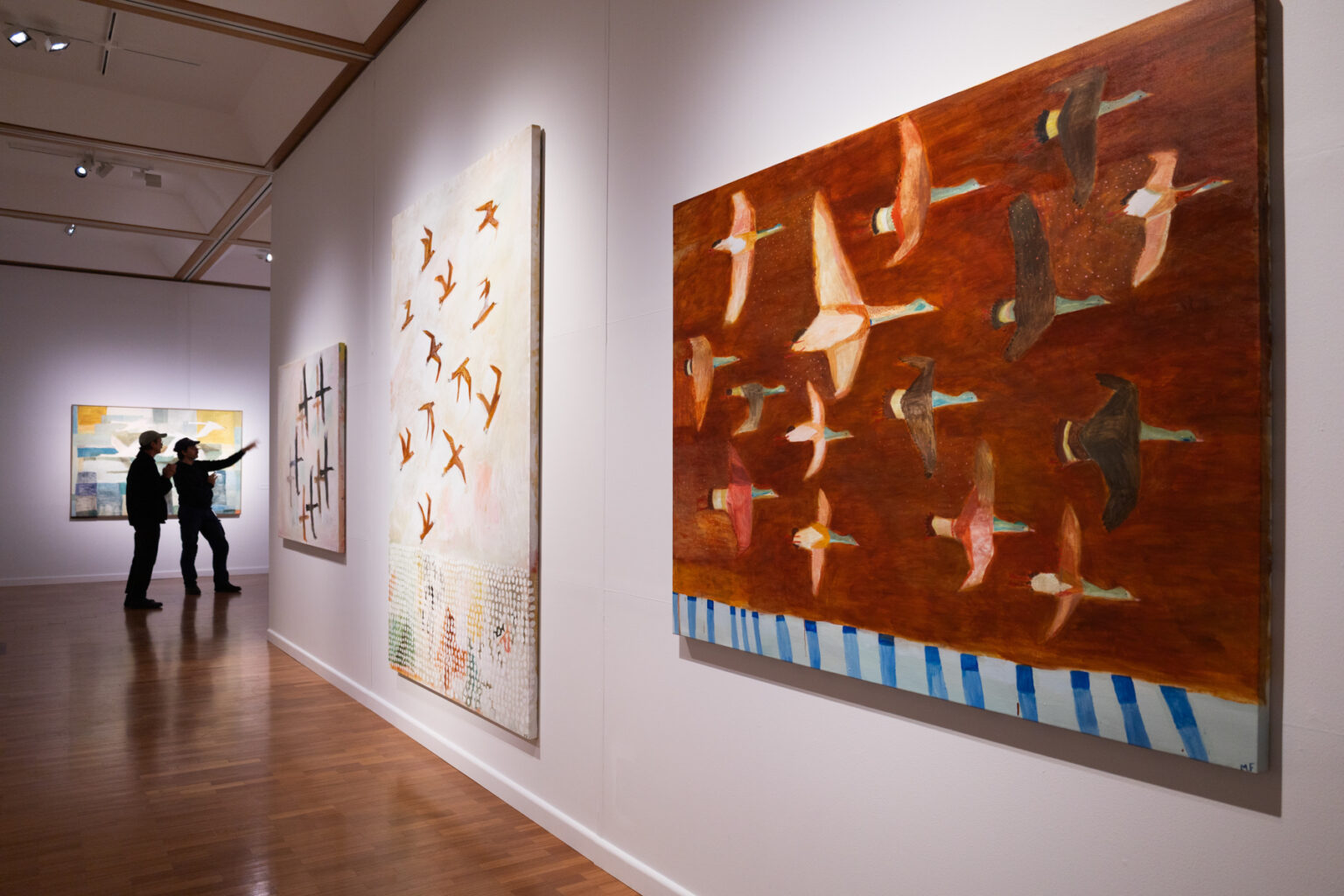
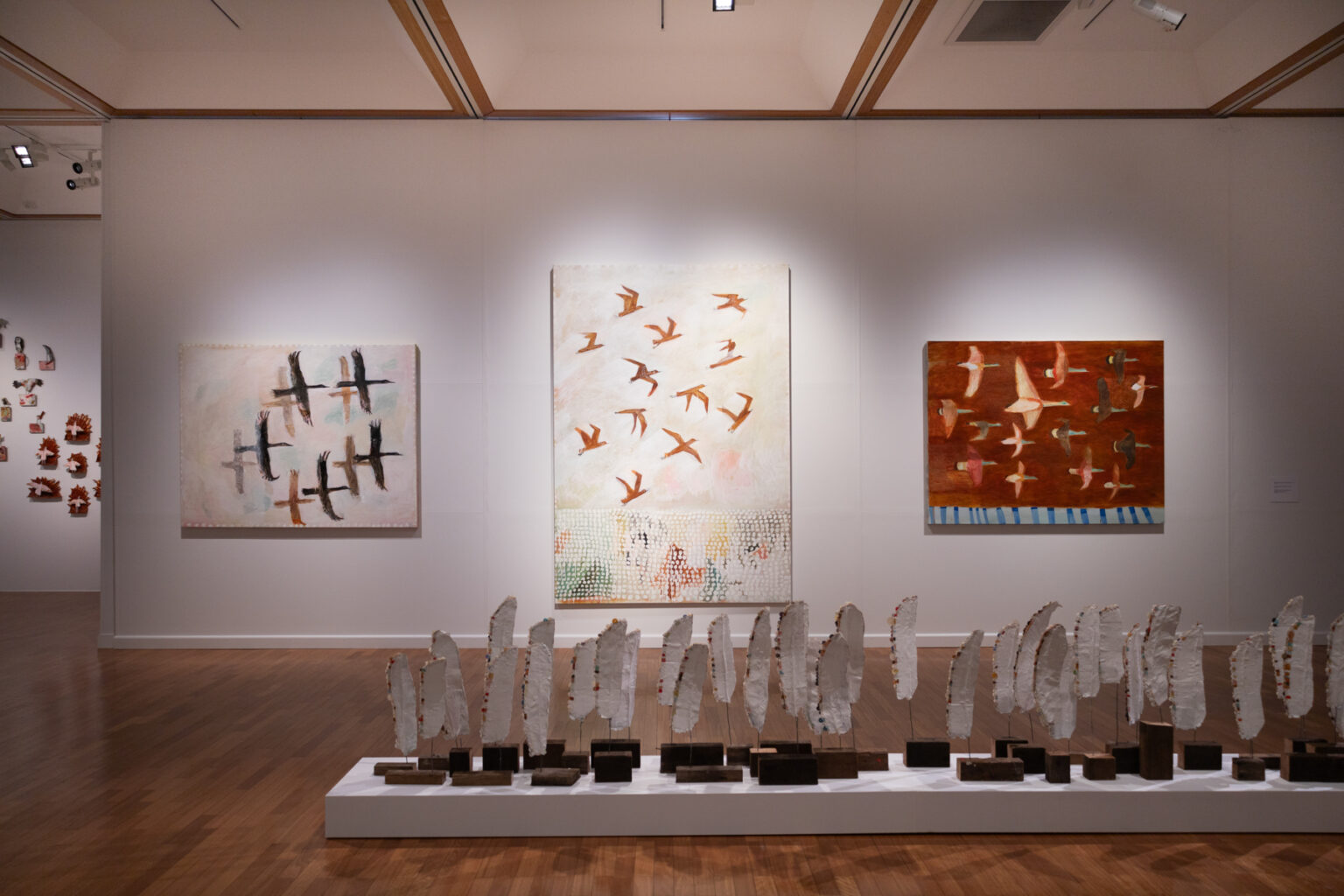
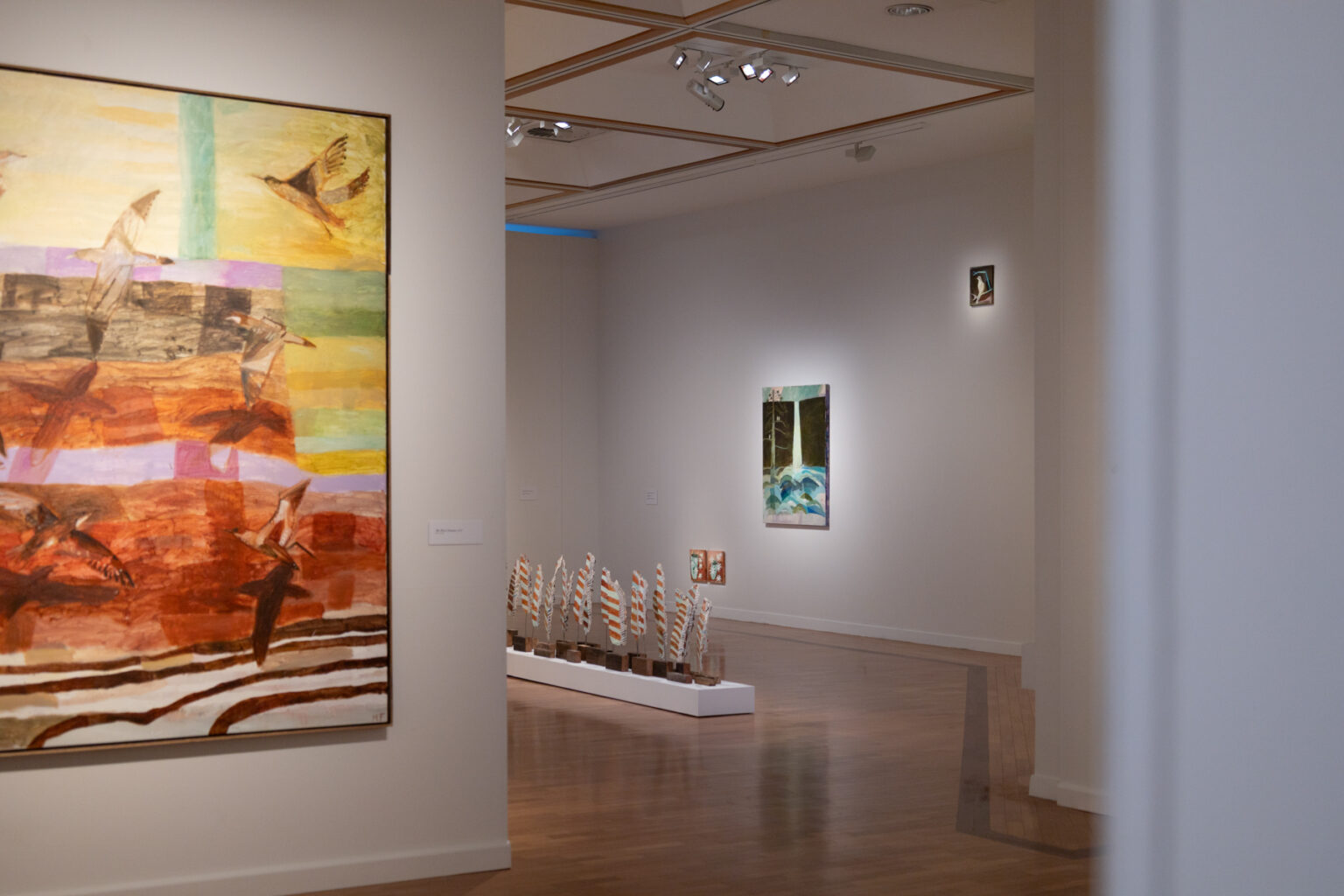
Michael Reid Sydney is delighted to announce our forthcoming presentation from Yolŋu artists Djirrirra Wunuŋmurra Yukuwa and Moyurrurra Wunuŋmurra, sisters and leading creative forces at the Buku-Larrŋgay Mulka Centre at Yirrkala, Northeast Arnhem Land. Bringing together their distinct yet deeply connected practices, the artists’ joint exhibition, Classical, can be previewed by request ahead of its opening on Thursday, 11 June. Early acquisitions and private viewing appointments are available at our Eora/Sydney gallery.

It is almost twenty years since Djirrirra Wunuŋmurra Yukuwa won her first major art prize, the 2008 Northern Territory Contemporary Art Award, and almost thirty years since the monumental bark painting she worked on – assisting her father, Yaŋgarriny Wunuŋmurra – won First Prize at the 1997 National Aboriginal and Torres Strait Islander Art Award. And it is exactly eighty years since that same father was photographed at a larrakitj ceremony at Yirrkala, interring the bones of a deceased clan member into the highly patterned hollow memorial pole that would hold them until decaying back to the earth.

This lineage is a vivid expression of the bifocal nature of Yolŋu art and culture. The same designs can represent cutting-edge contemporary practice and ancient spiritual observance in the same instant. Classical holds these threads together, with two sisters tracing contrasting trajectories that sketch out the realm between these classical and contemporary manifestations of Yolŋu art.

Djirrirra has a well-documented history of success in the art world both in Australia and abroad, travelling to countries such as France, Germany, Belgium and the United States, and presenting her work in more than 100 exhibitions, including nine solo shows. Across a career that has included her showing in the landmark Bundanon survey Miwatj Yolŋu – Sunrise People and her work’s accession to major collections such as the Kluge-Ruhe in the United States, her practice has been distinguished by an interplay of two distinct visual languages.

The diamond design that flourishes across the varied surfaces of her paintings depicts the waters surrounding her homeland and refers to freshwater fish traps, reflecting the ancestral cycles of fish trap ceremonies and their spiritual, social and educational importance. The Yakuwa motif speaks directly to the artist’s identity. Distinct from the angular precision of her diamond patterning, this sinuous, floral, fractal design refers to a yam flower unfurling on the vine – its annual reappearance echoing the cyclical rhythms of the land and its people.

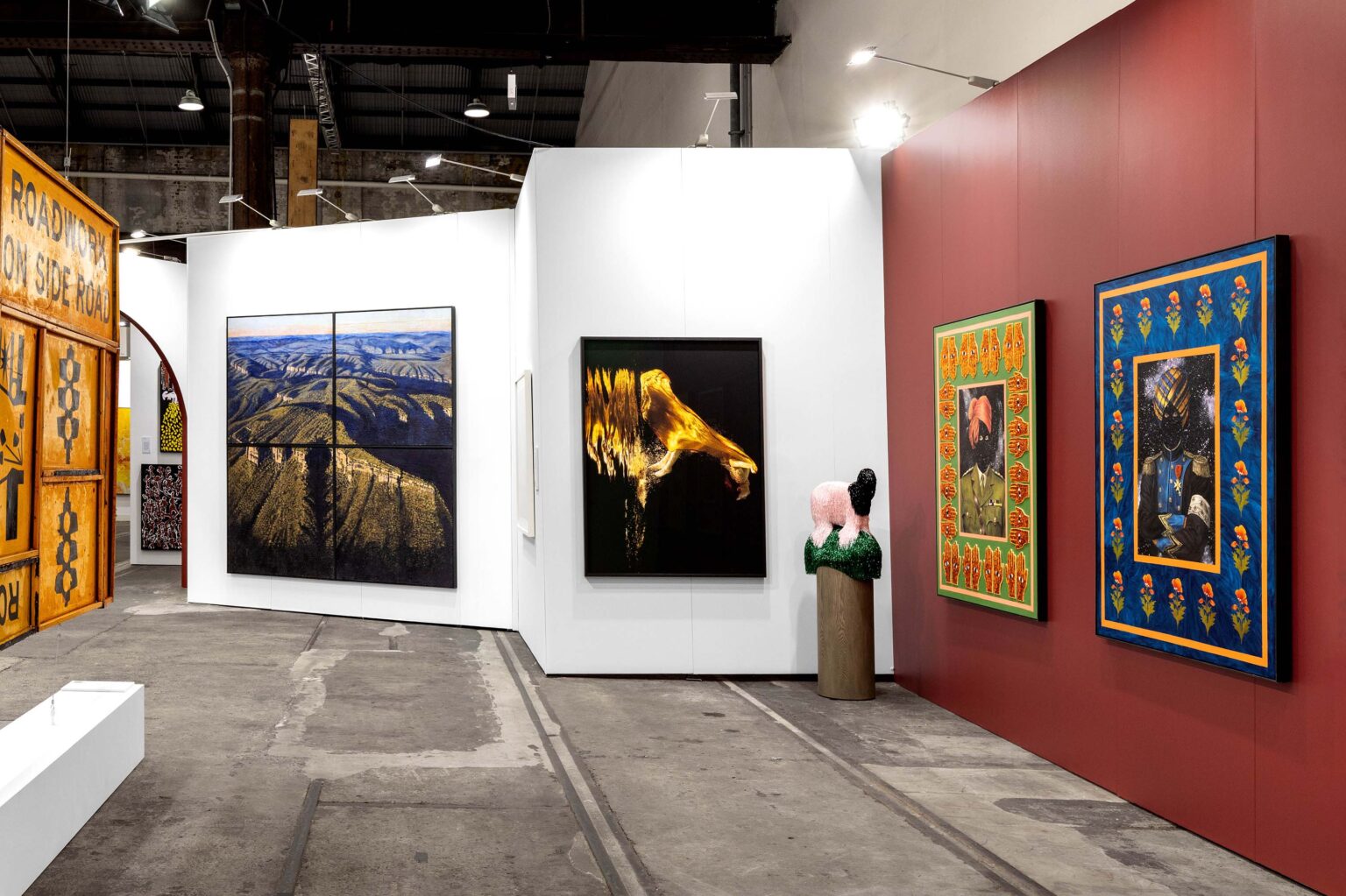
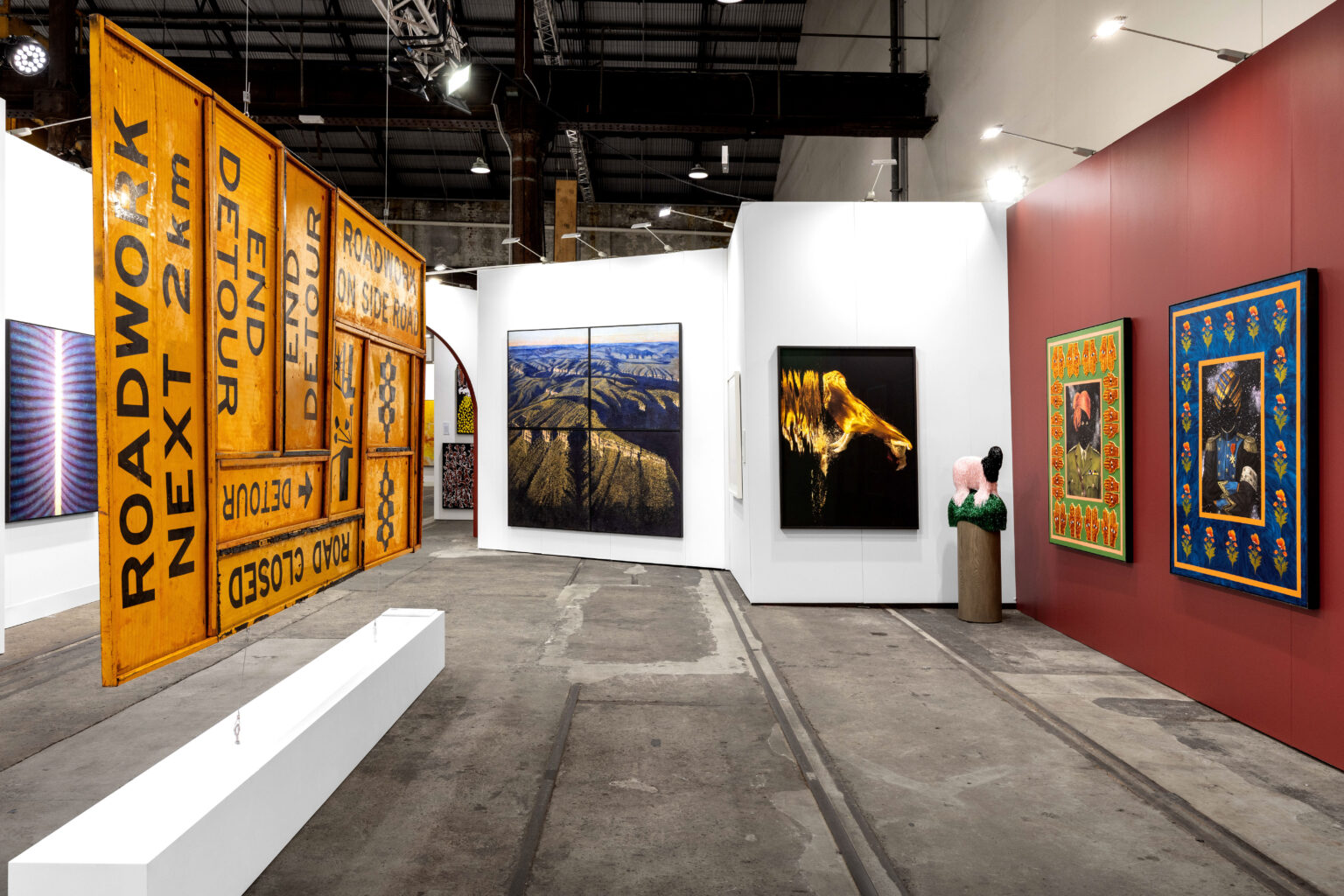
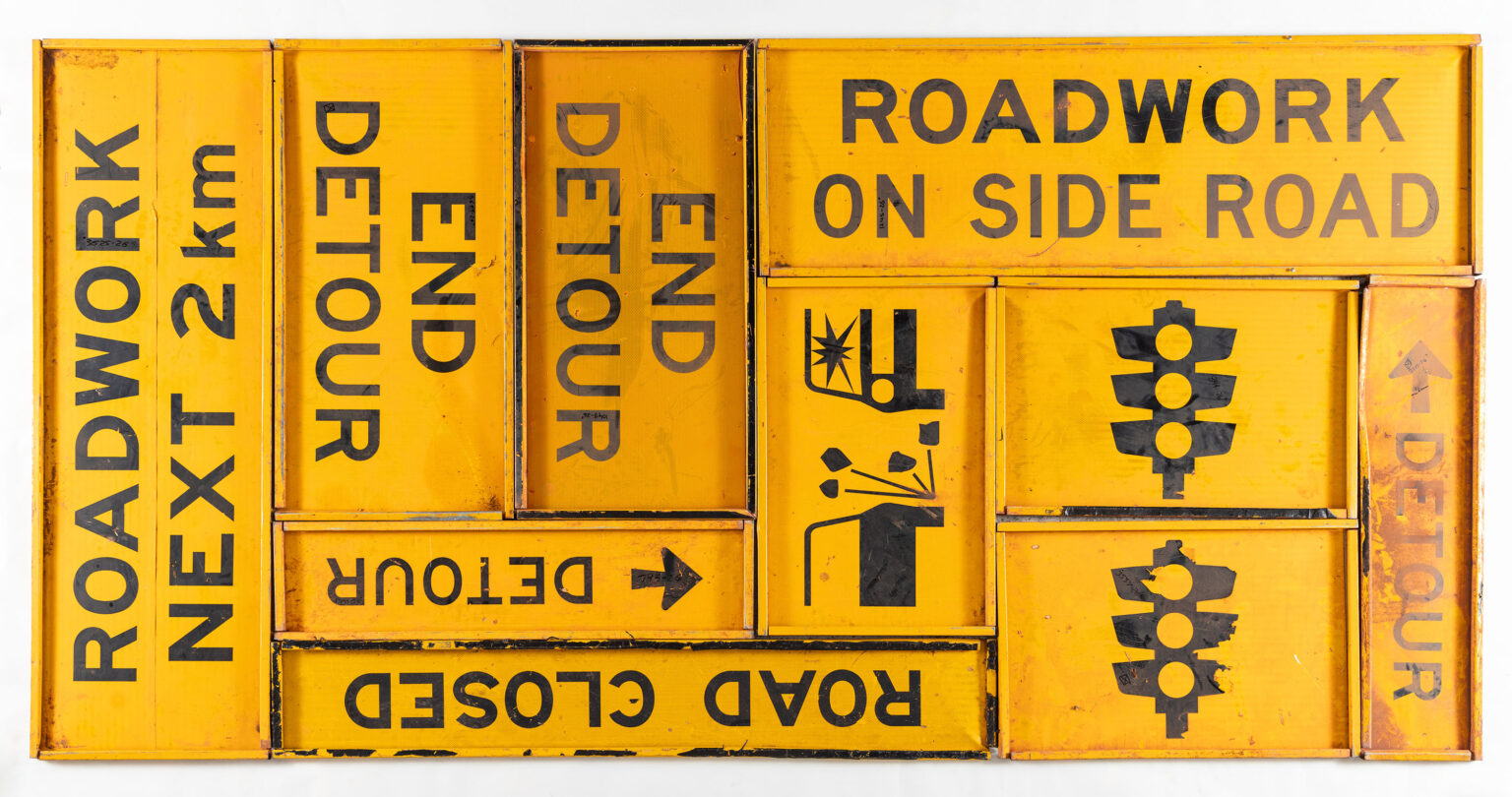
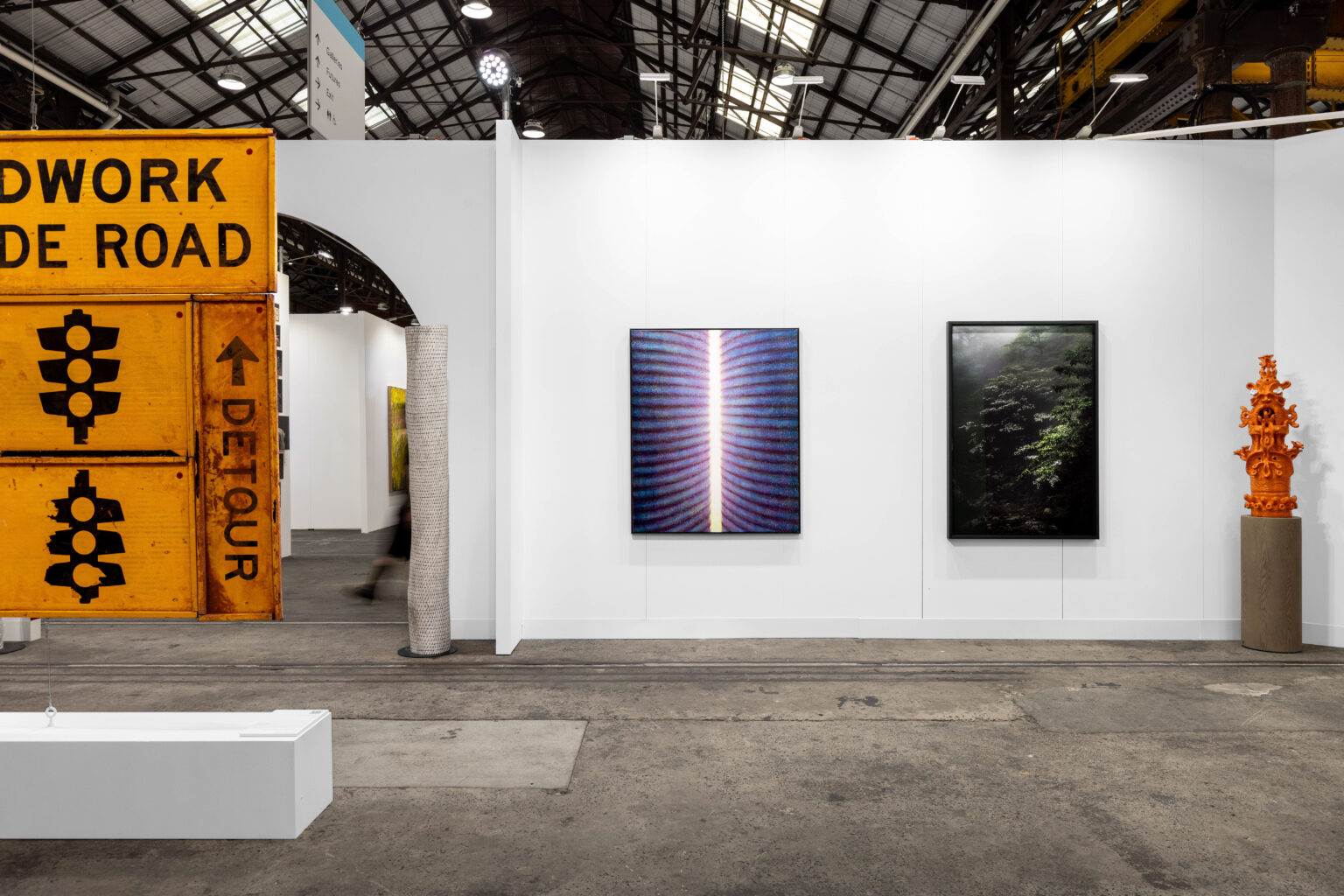
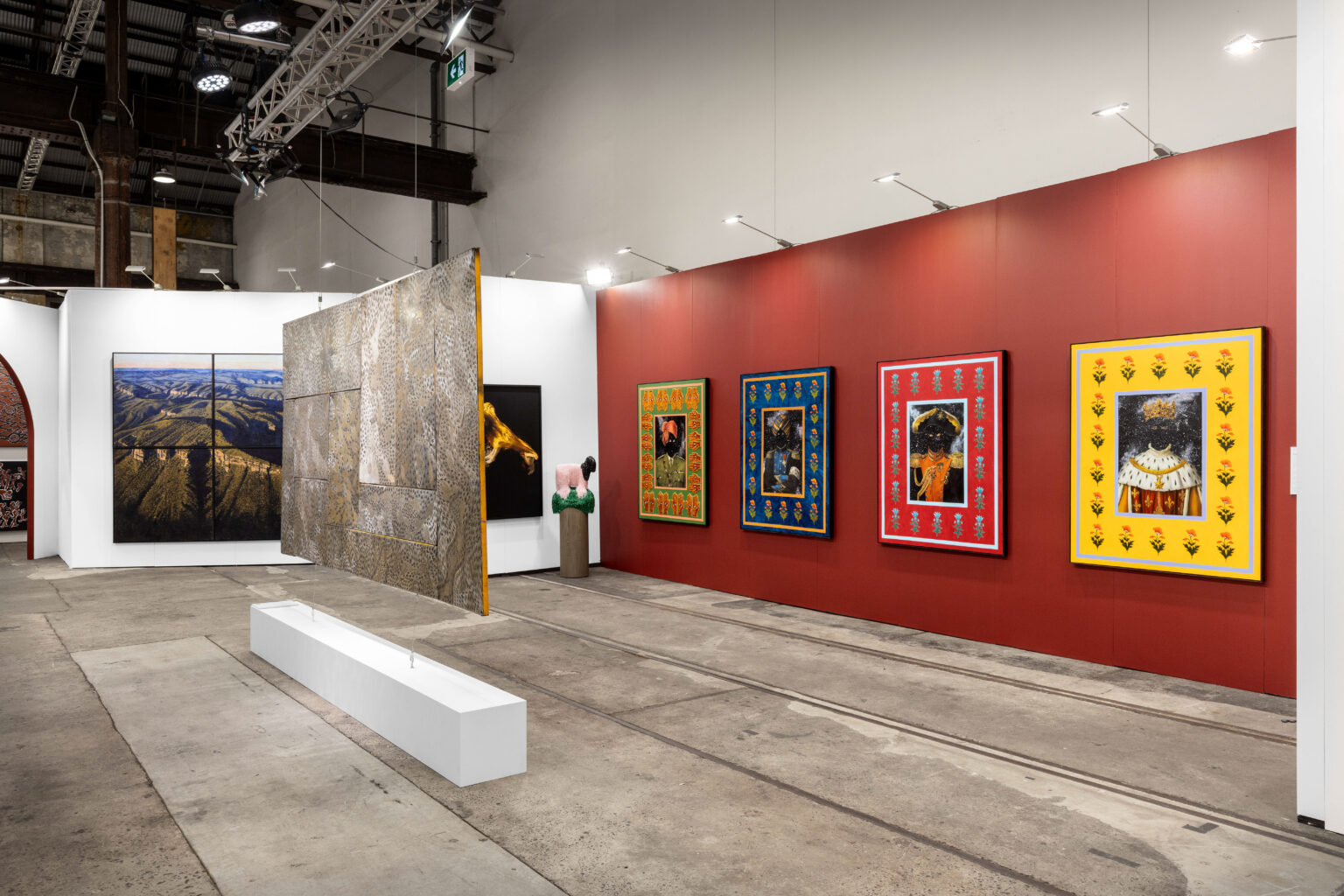
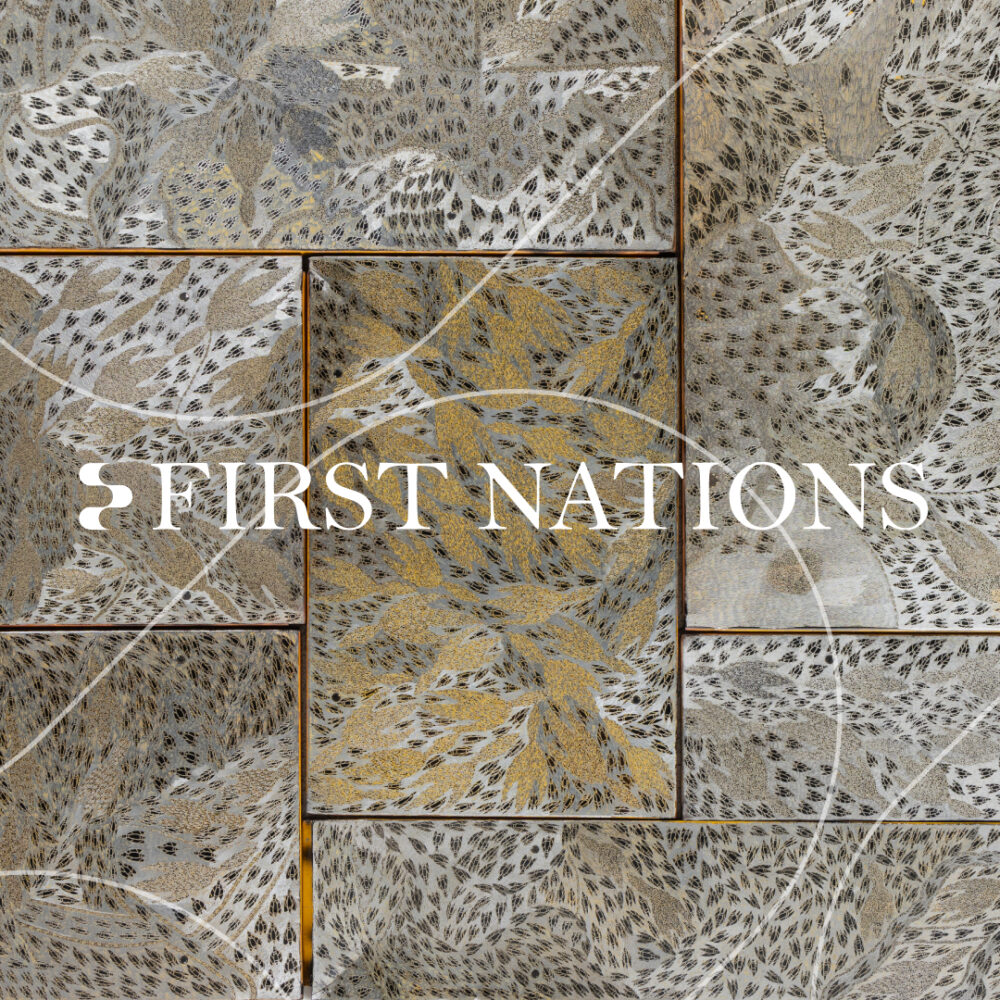
Djirrirra’s latest body of work finds her experimenting for the first time with found metal road signs as a surface – a material salvaged on Country and one pioneered by her peers at Buku-Larrŋgay Mulka Centre – and it proves a natural fit. The lightly weathered surfaces of the reclaimed signs echo the undulating rhythms of the artist’s flowering Yakuwa motif, while gleaming passages of exposed metal introduce rich amber tones that sit beautifully alongside the warm peach and ochre palette of her breathtaking diamond-patterned works on sprawling rhomboid boards.

While Djirrirra is rightly lauded both at home and on the world stage, Classical will mark the first major presentation in her own right for her sister, Moyurrurra Wunuŋmurra. The latter has remained at her homeland at Gängan, continuing to work within the formal Dhaḻwaŋu iconography their father entrusted to them. It might be tempting to interpret one sister’s work as innovative and the other’s as traditional. But that is not how Moyurrurra’s work feels. This is not rote repetition of well-trodden themes but classical art at a high point, rendered with extraordinary delicacy and intention. Her designs are best understood more expansively as classical rather than traditional – hence the title of the sisters’ joint show.

The throughline between their work is precision and skill – the kind of dedication demanded by a sacred vocation and contributing to its great aesthetic power. To request a preview catalogue, secure an advance acquisition or book a viewing appointment at Michael Reid Sydney, please email hughholm@michaelreid.com.au
Artist Profile – Stephanie Tabram

Posted by

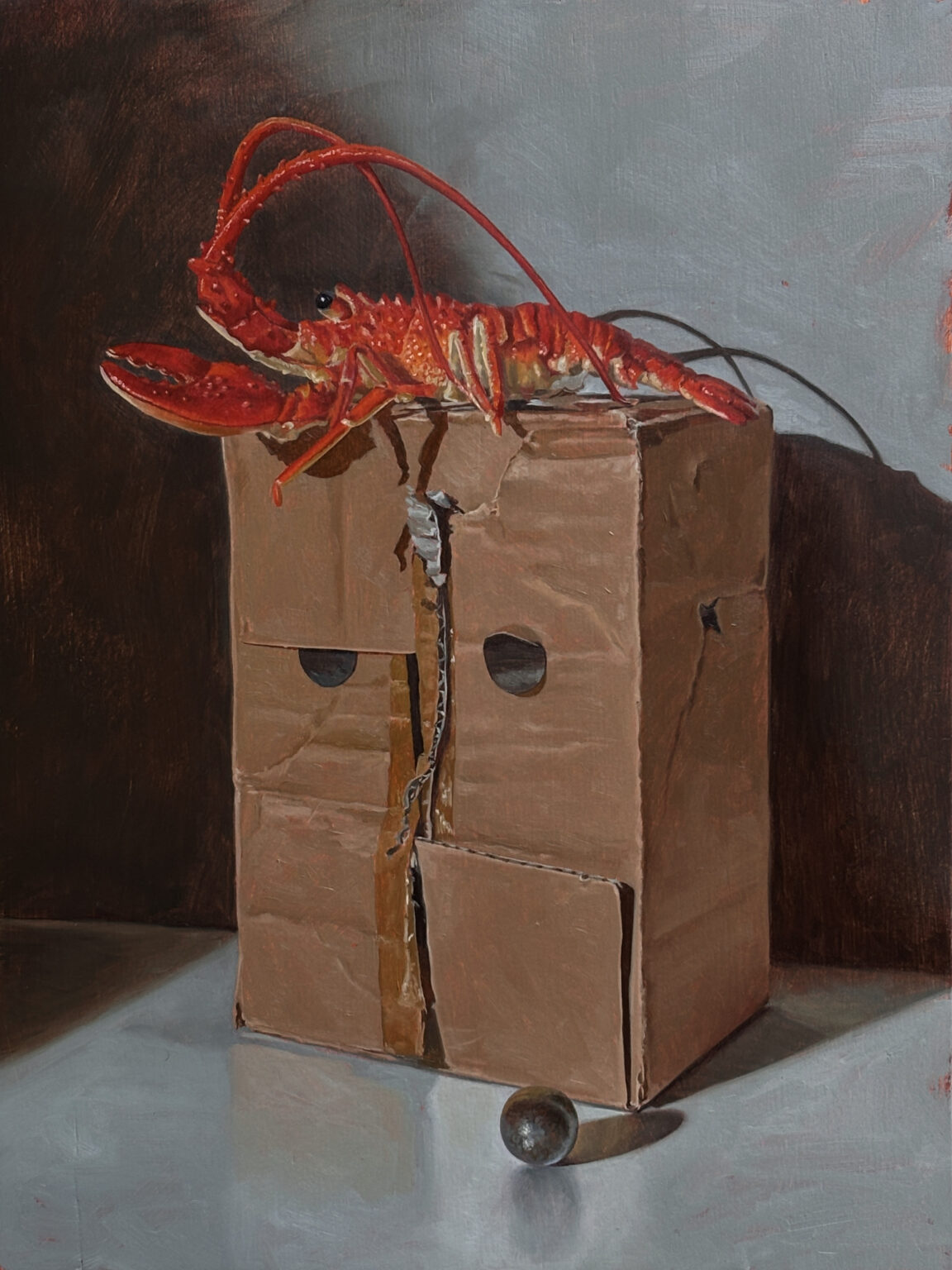
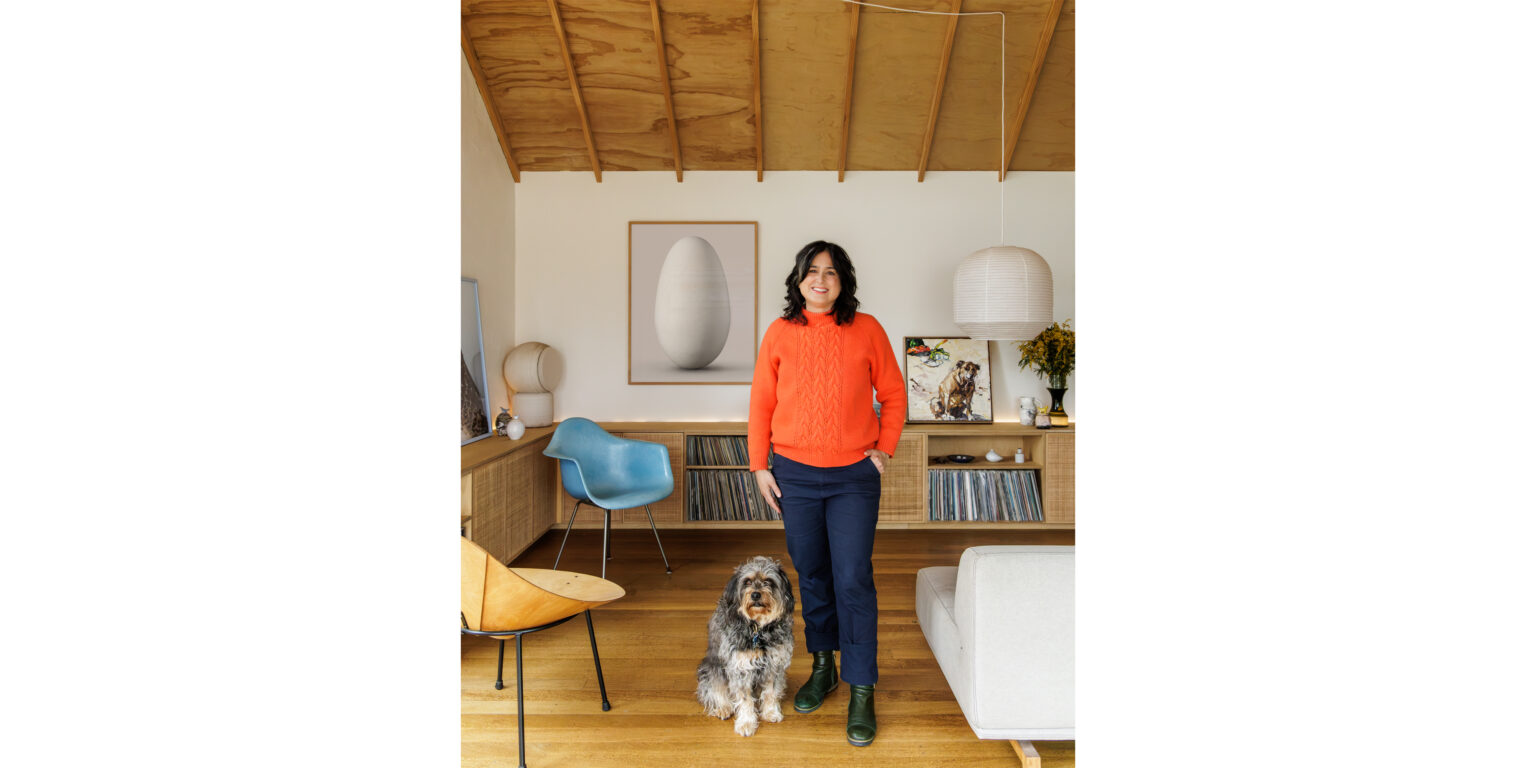
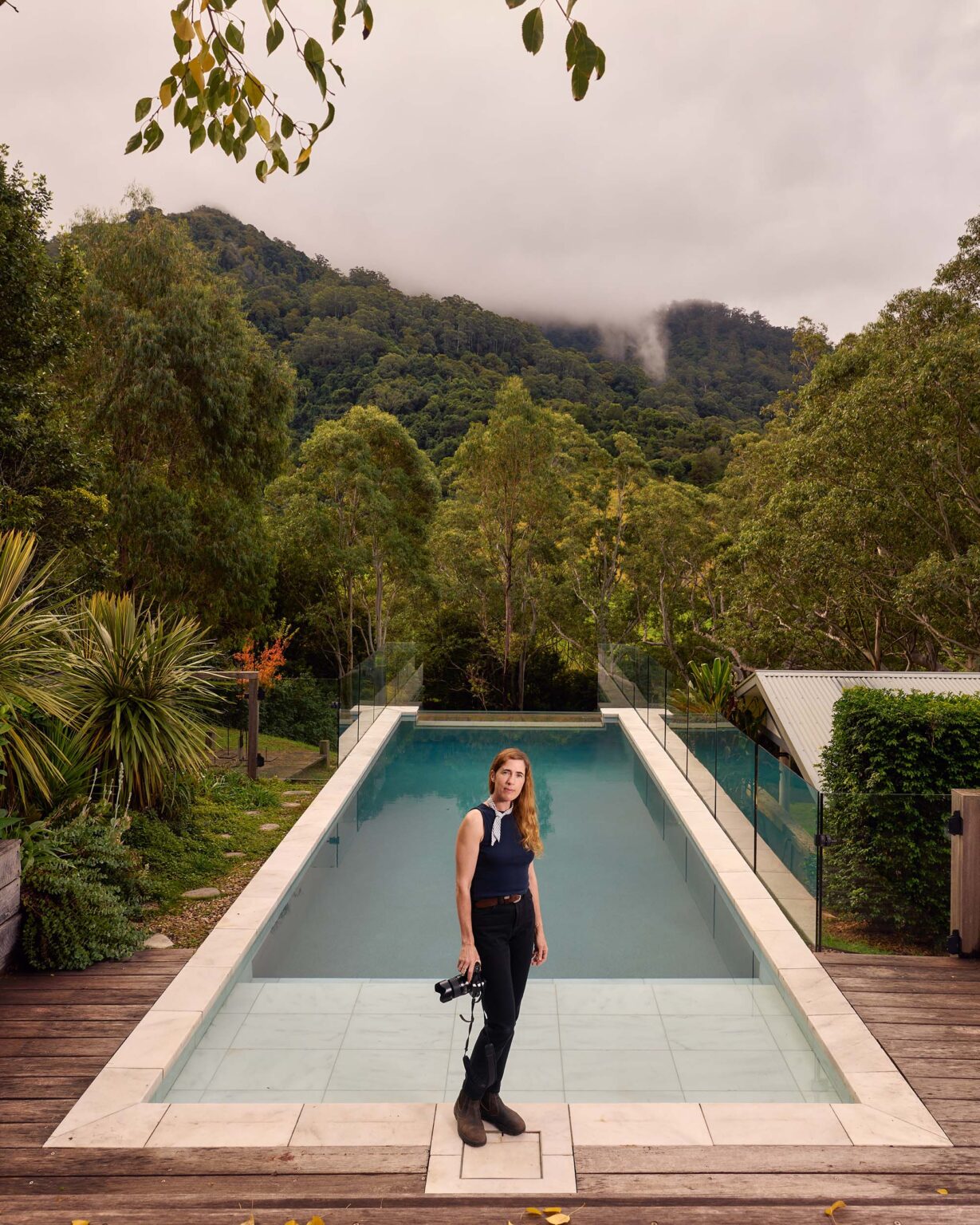
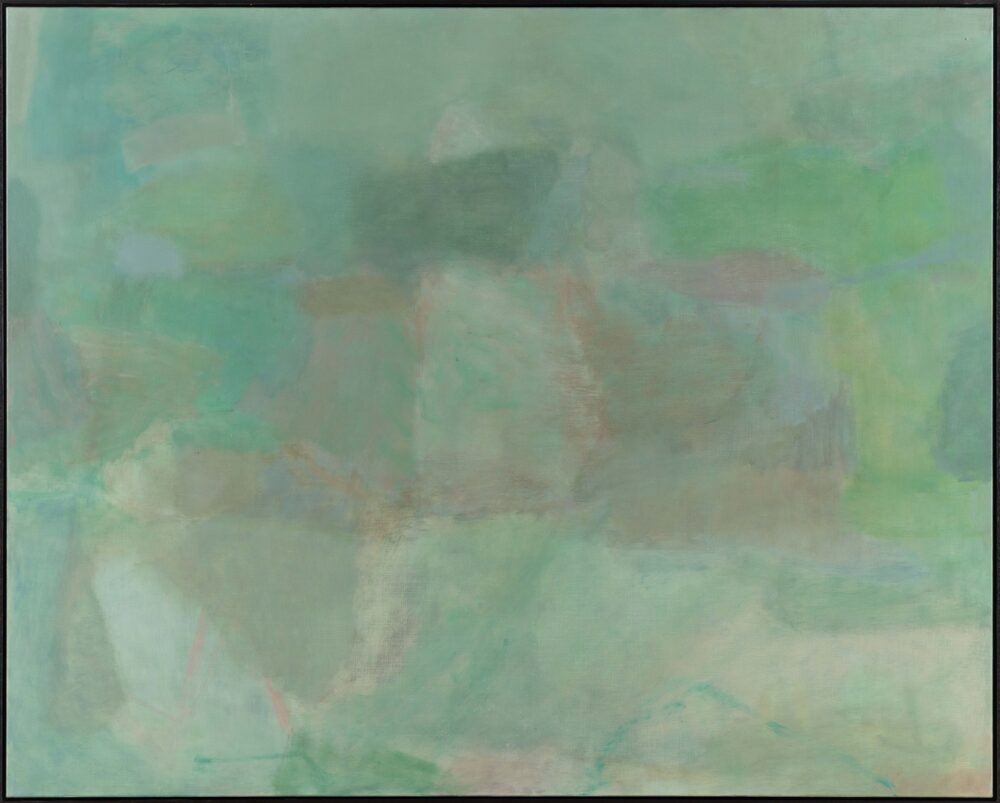
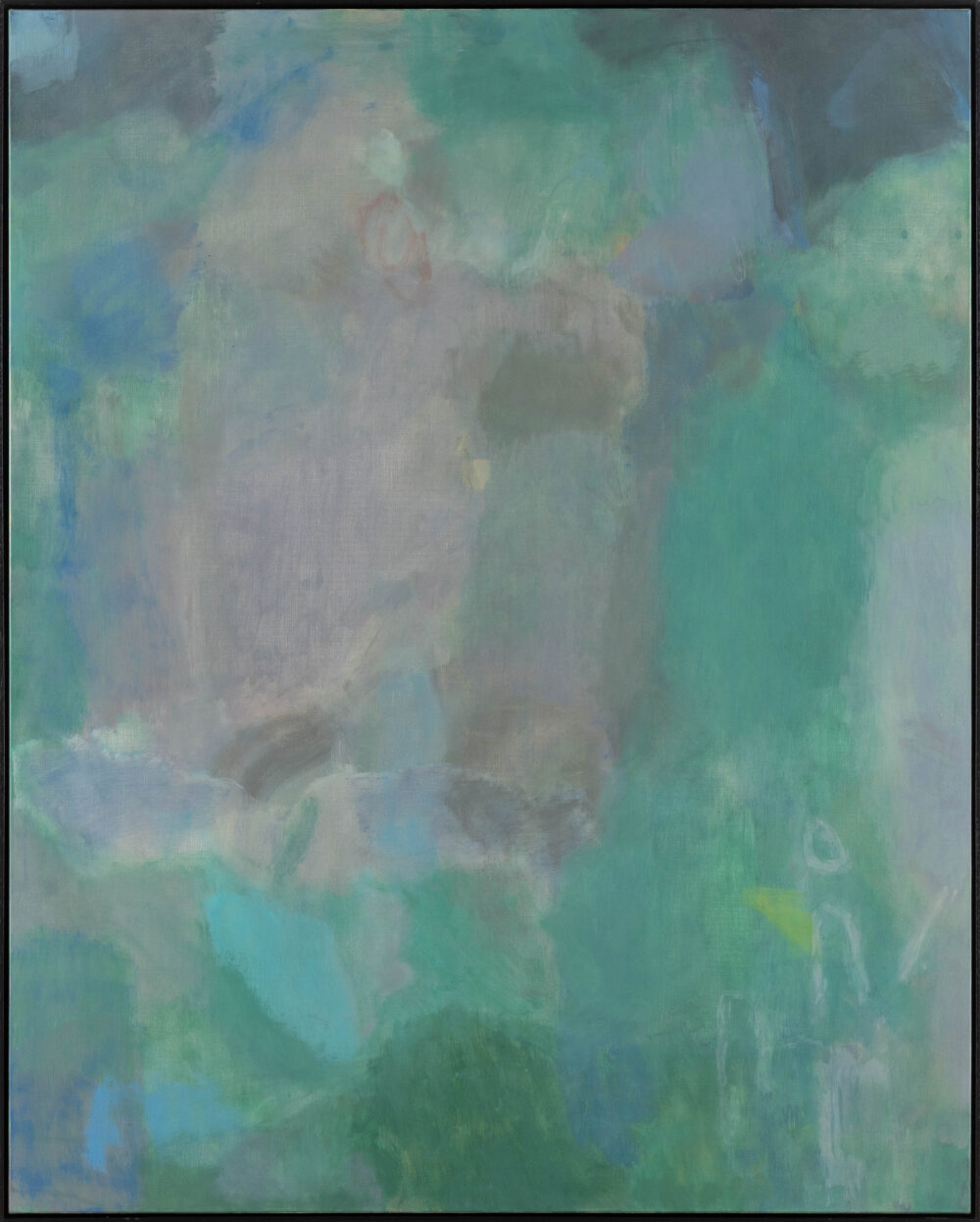
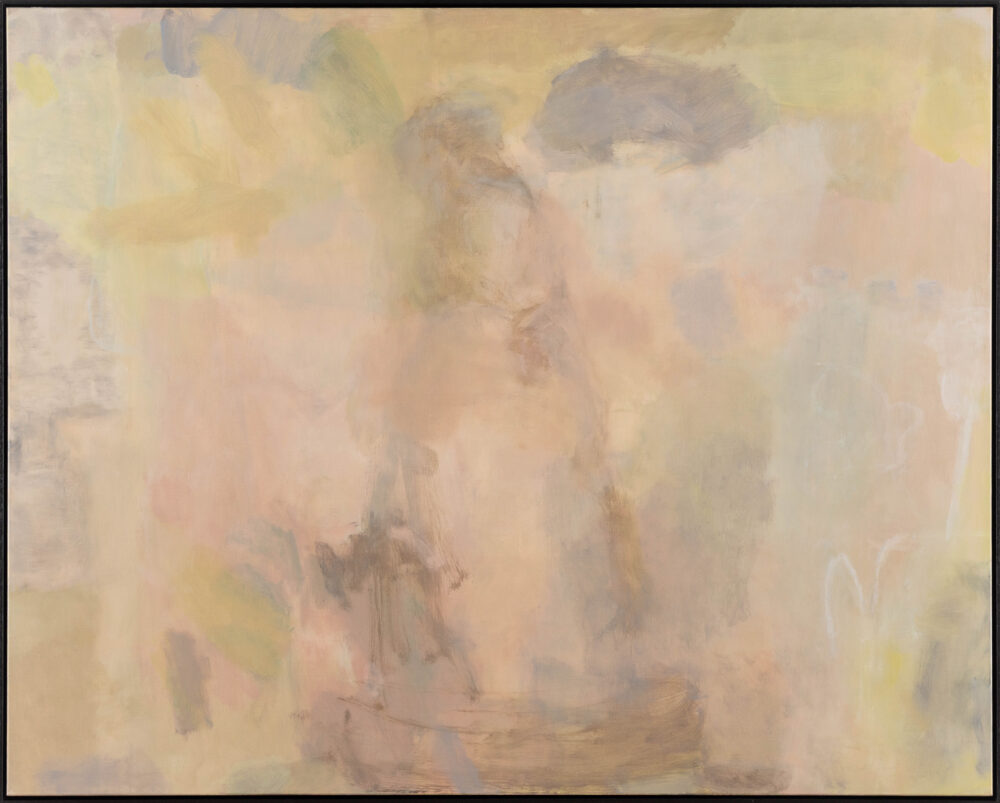
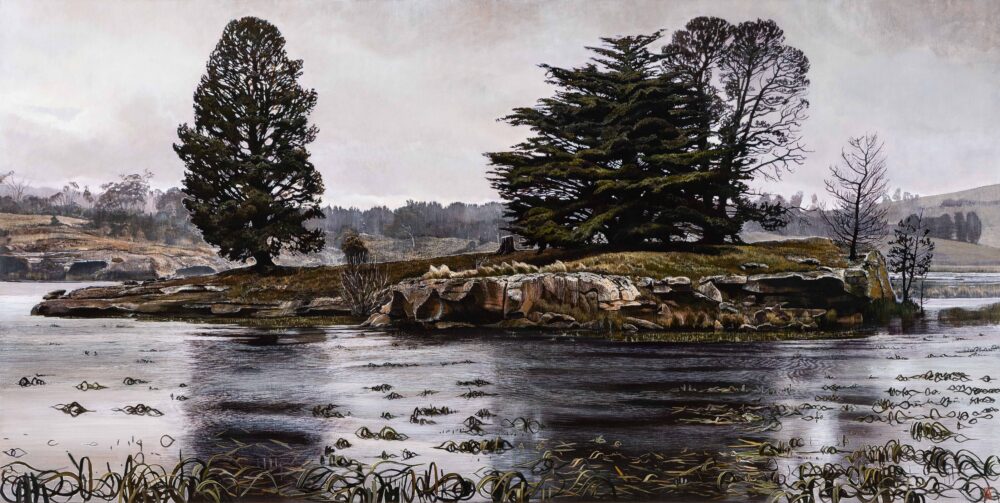
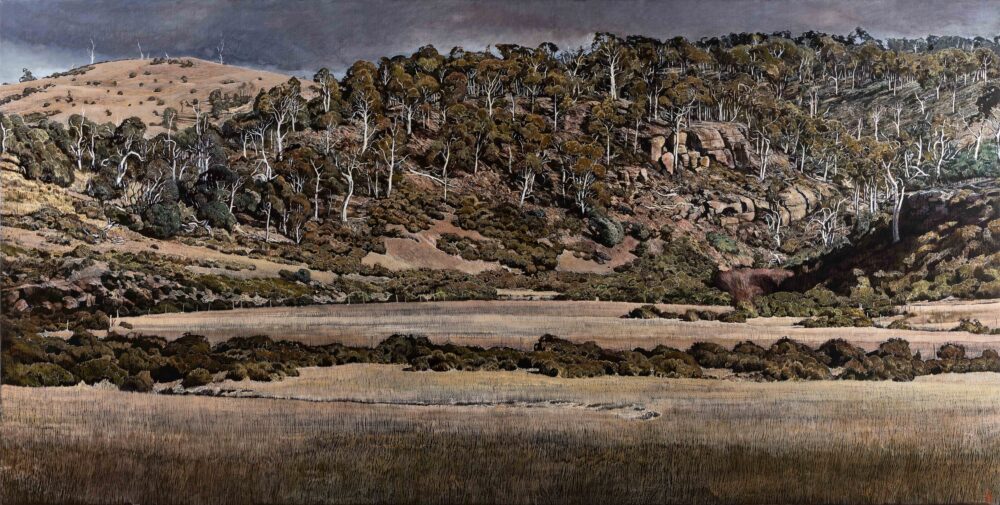
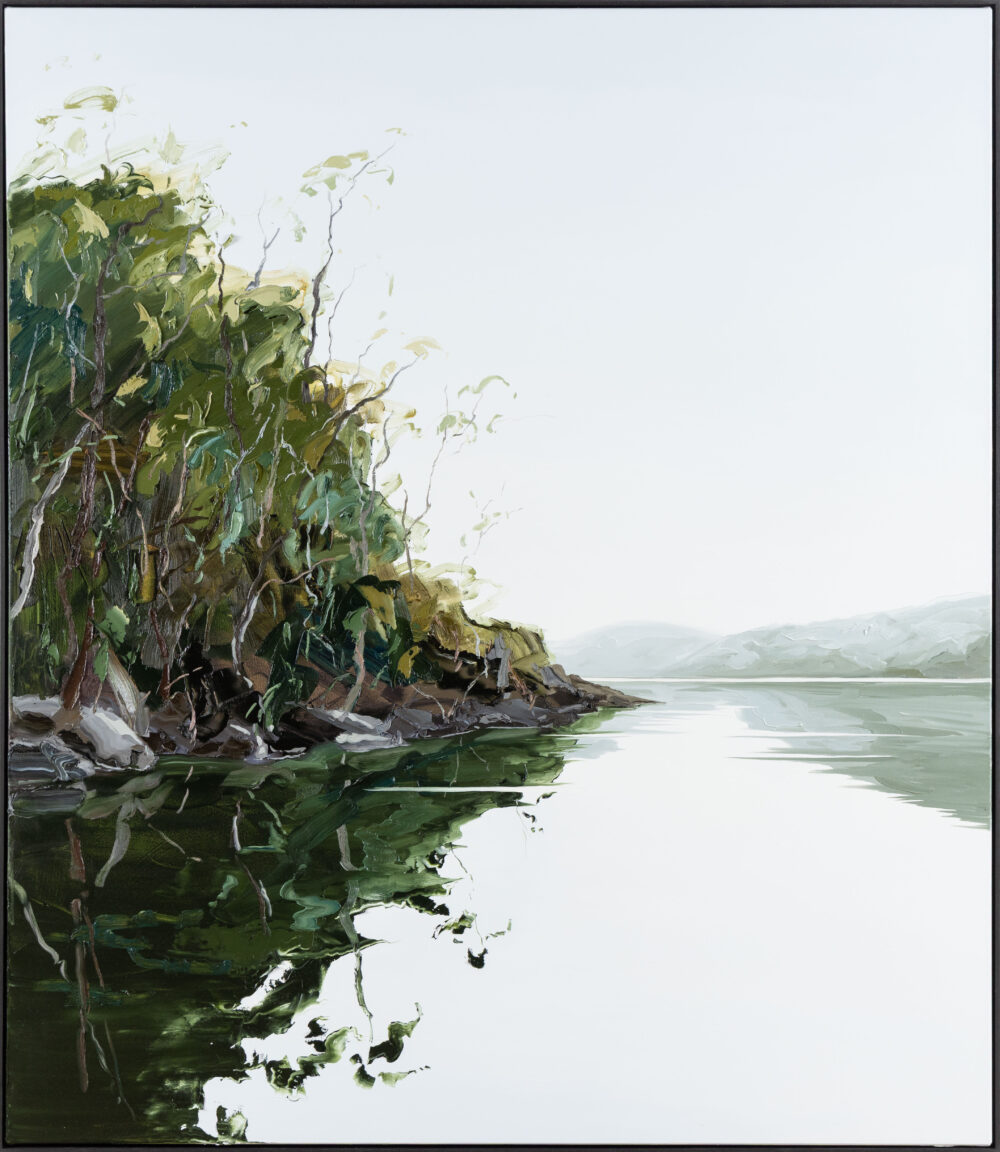
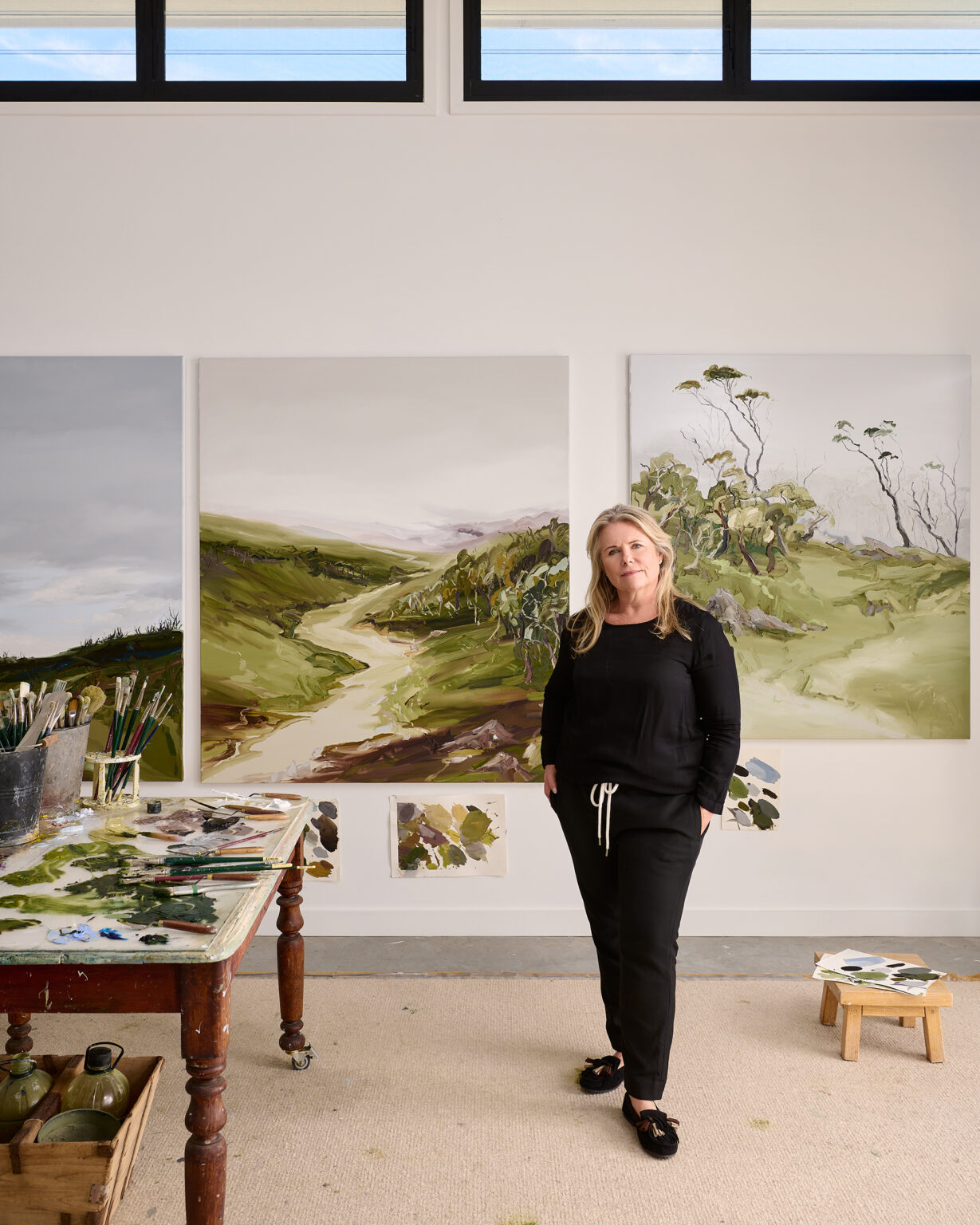
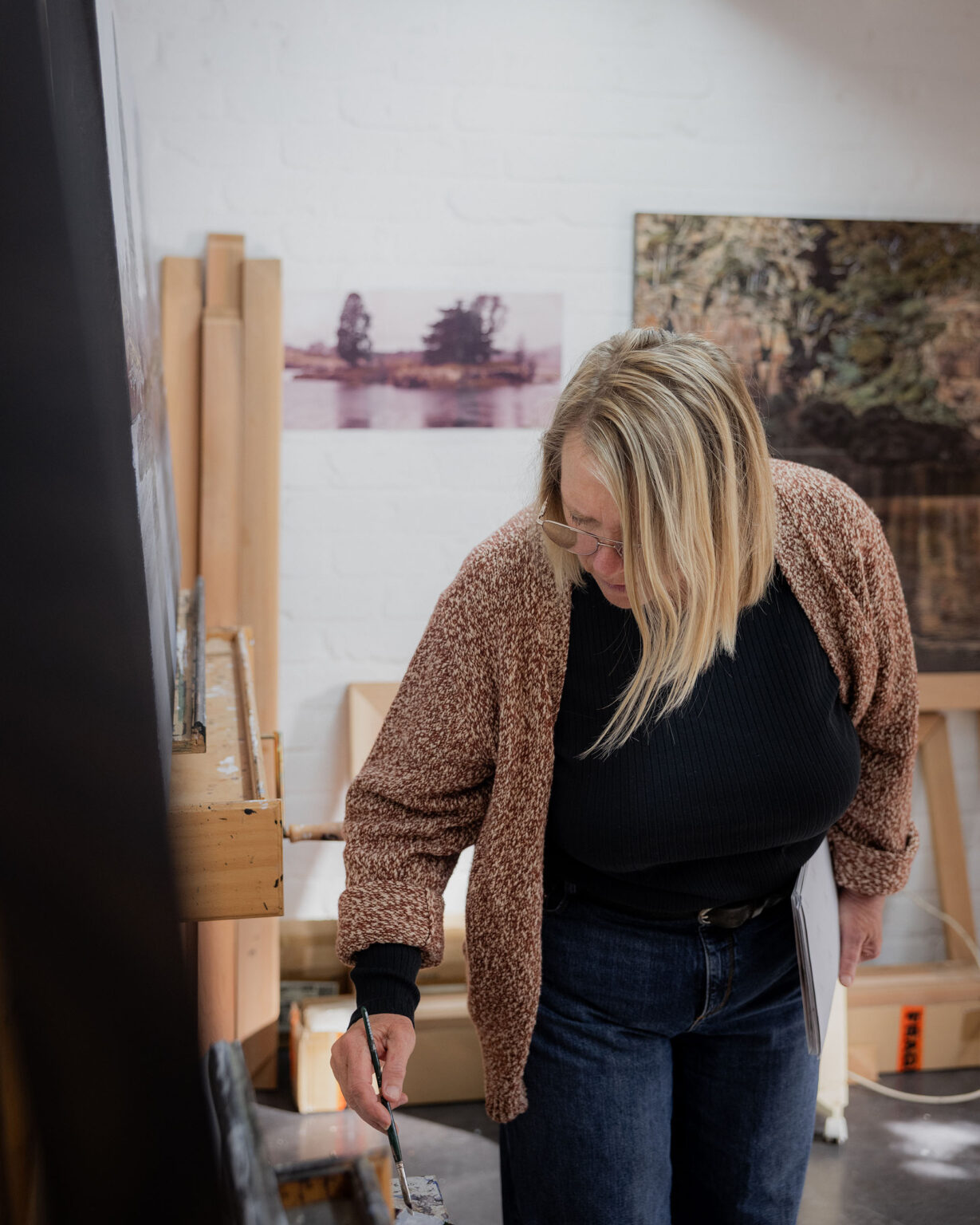
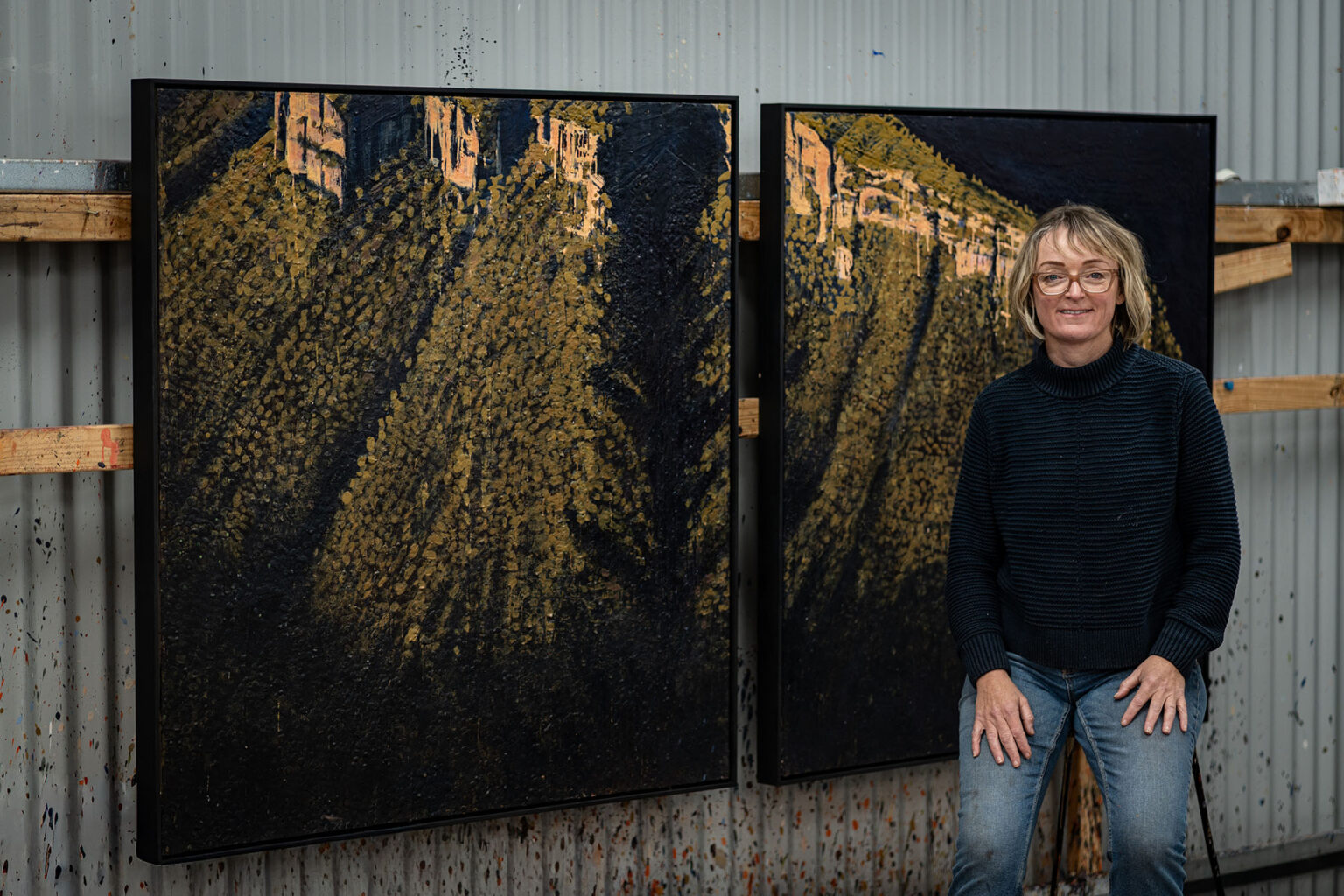
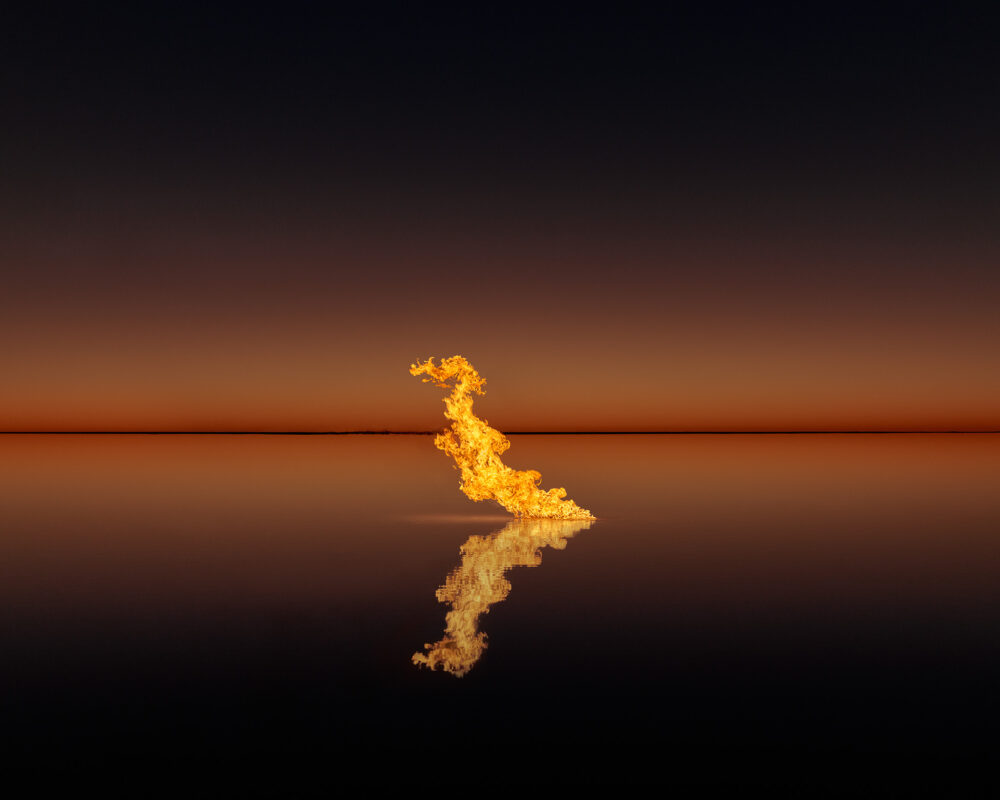
In the lead-up to the announcement of Stephanie Tabram’s representation by Michael Reid Sydney + Berlin, the gallery team visited the artist at her studio in New Norfolk, on the banks of the River Derwent in southeast Tasmania, where each working day begins with a walk along the water before she returns to the studio to translate her encounters with the landscape into paint.

“It has become a daily meditation: observing the minutiae, the subtle changes, the passing seasons and the life and flow of the river itself,” says Tabram in our conversation, which explores the ideas, processes and enduring engagements with landscape that have shaped her celebrated practice across four decades. “After this time of reflection, I clock on – time in my studio is another day spent exploring what paint can do.”

Read our interview with Stephanie Tabram below. To sign up for early previews, exclusive news and priority access to forthcoming releases by the artist – including her first solo exhibition at Michael Reid Sydney – please email hughholm@michaelreid.com.au
Could you tell us about some of your early creative influences?

I was fortunate to attend art school in my mid-twenties. It took considerable effort to get there, and I was determined to gain as much from the experience as I could. I have loved art since childhood. Experiencing and viewing art brought me joy, and making art became one of my primary forms of expression.

My degree was in Visual Arts Education at the College of Fine Arts in Sydney. Studio practice was strongly encouraged, and I took full advantage of that opportunity, majoring in life painting during my early studies.

In my final years at art school, while living on the Hawkesbury River, I developed a deep connection to landscape painting. Around that time, Australian landscape artist Ian Grant became Head of Painting. Ian’s work sat firmly within the realist tradition, a genre I had always been drawn to. I was particularly intrigued by the work of William Delafield Cook and artists ranging from the Hudson River School to Jeffrey Smart. A lifelong fascination with landscape painting began to take shape. Within realism, I sensed ideas that extended far beyond the simple image.

“Before beginning work each day, I spend an hour or two walking along the riverbank. It has become a daily meditation: observing the minutiae, the subtle changes, the passing seasons, and the life and flow of the river itself. After this time of reflection, I clock on – time in my studio is another day spent exploring what paint can do.”

STEPHANIE TABRAM

___

How did you develop your approach to painting, and how would you describe your process today?

During this period I also encountered acrylic paint. Initially, it seemed limited and flat – too difficult to manipulate compared to the generous consistency of oils. Nevertheless, I persisted, moving between both mediums until I spent a year living in Strahan on Tasmania’s damp West Coast, where drying times became a constant challenge and acrylics proved the obvious choice.

Since the early 2000s, I have worked exclusively in acrylics, gradually developing them into a far more malleable medium. To what extent the medium has influenced my work is difficult to gauge; its particular qualities have come to suit my style, or perhaps vice versa.

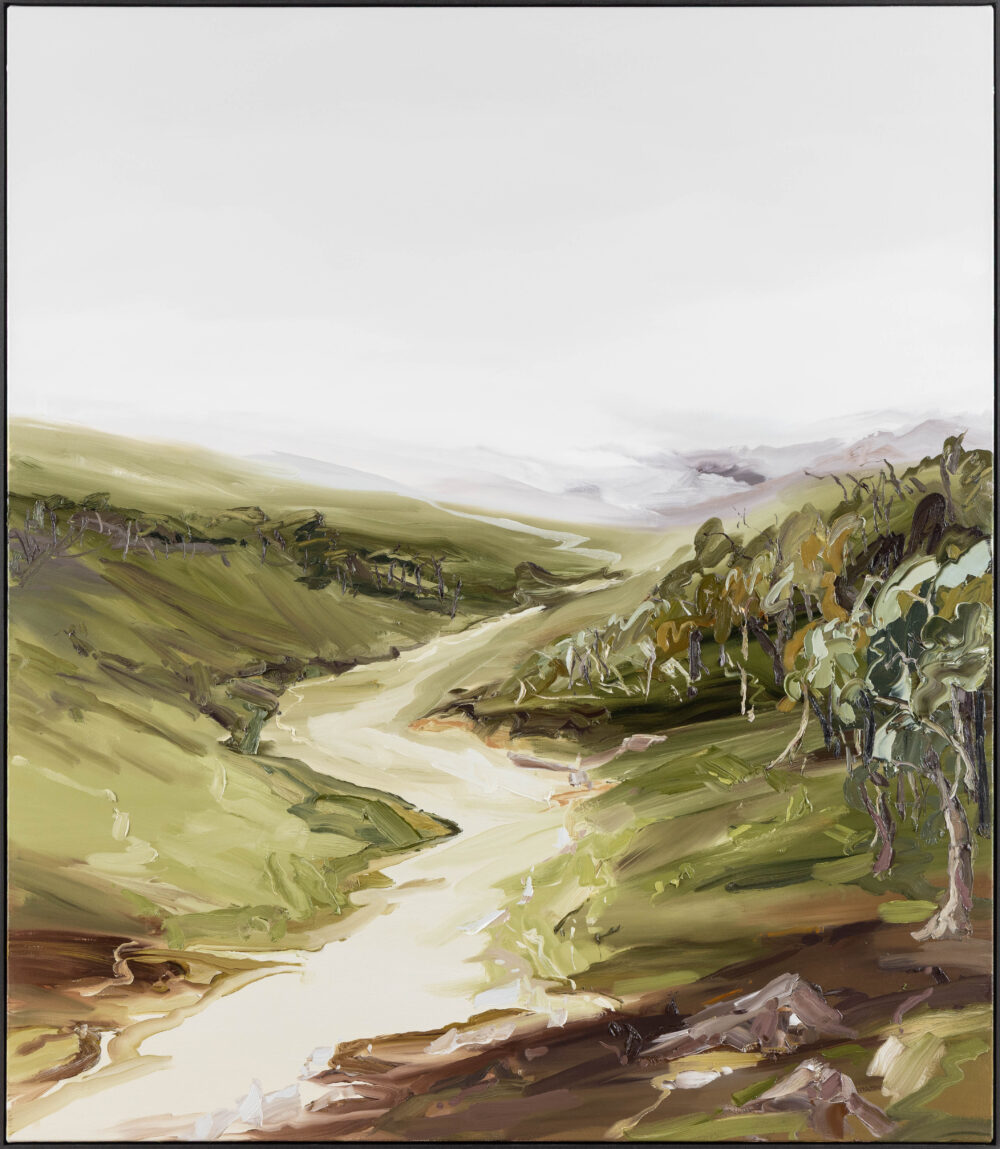
Over the past two decades, my paintings have primarily depicted the pastoral life of the Upper Derwent Valley, the Southern Highlands and the Southern Midlands. I feel at home in this country. It is deeply familiar to me and carries many of the hallmarks of my childhood spent in rural New South Wales.

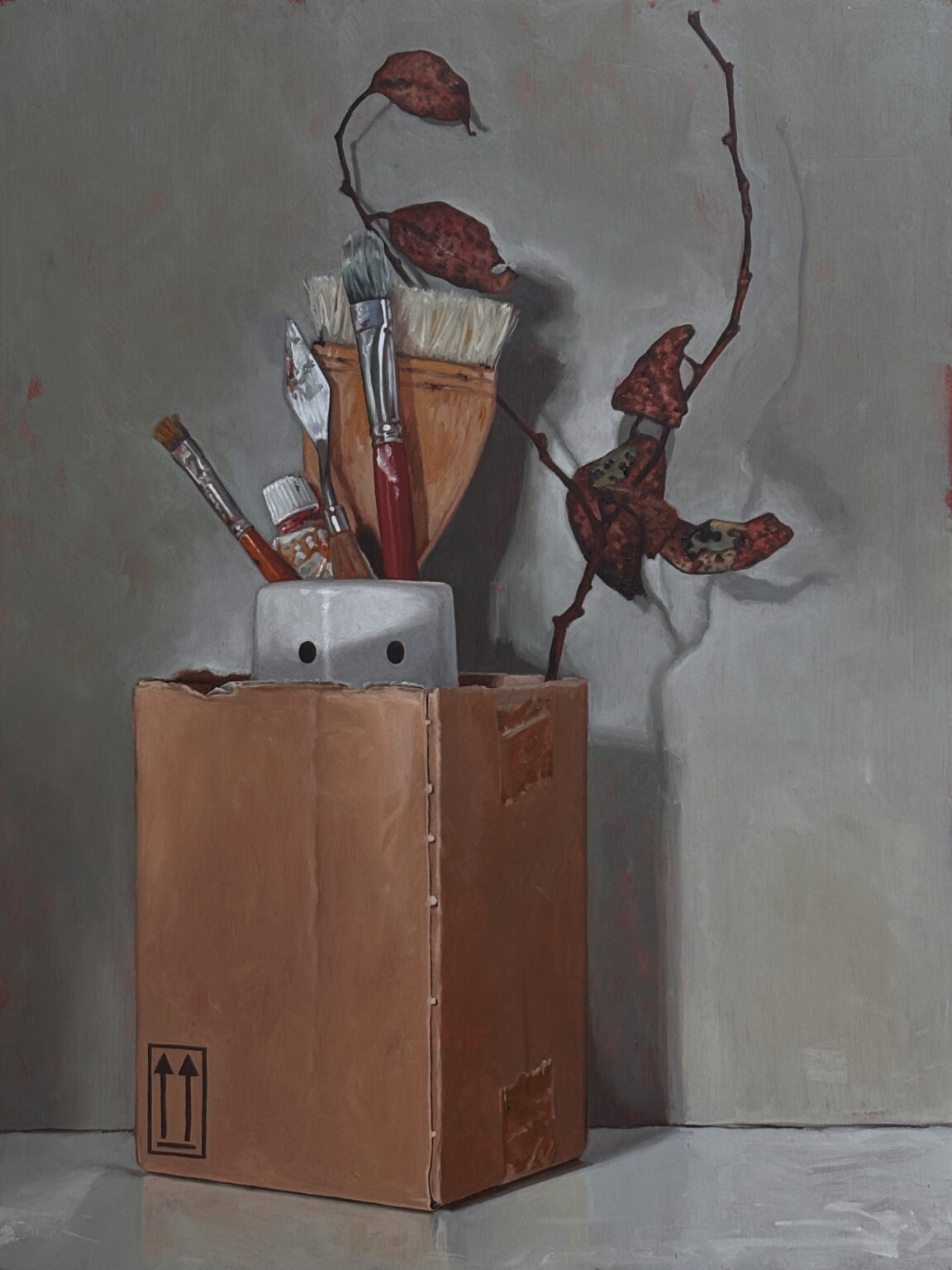
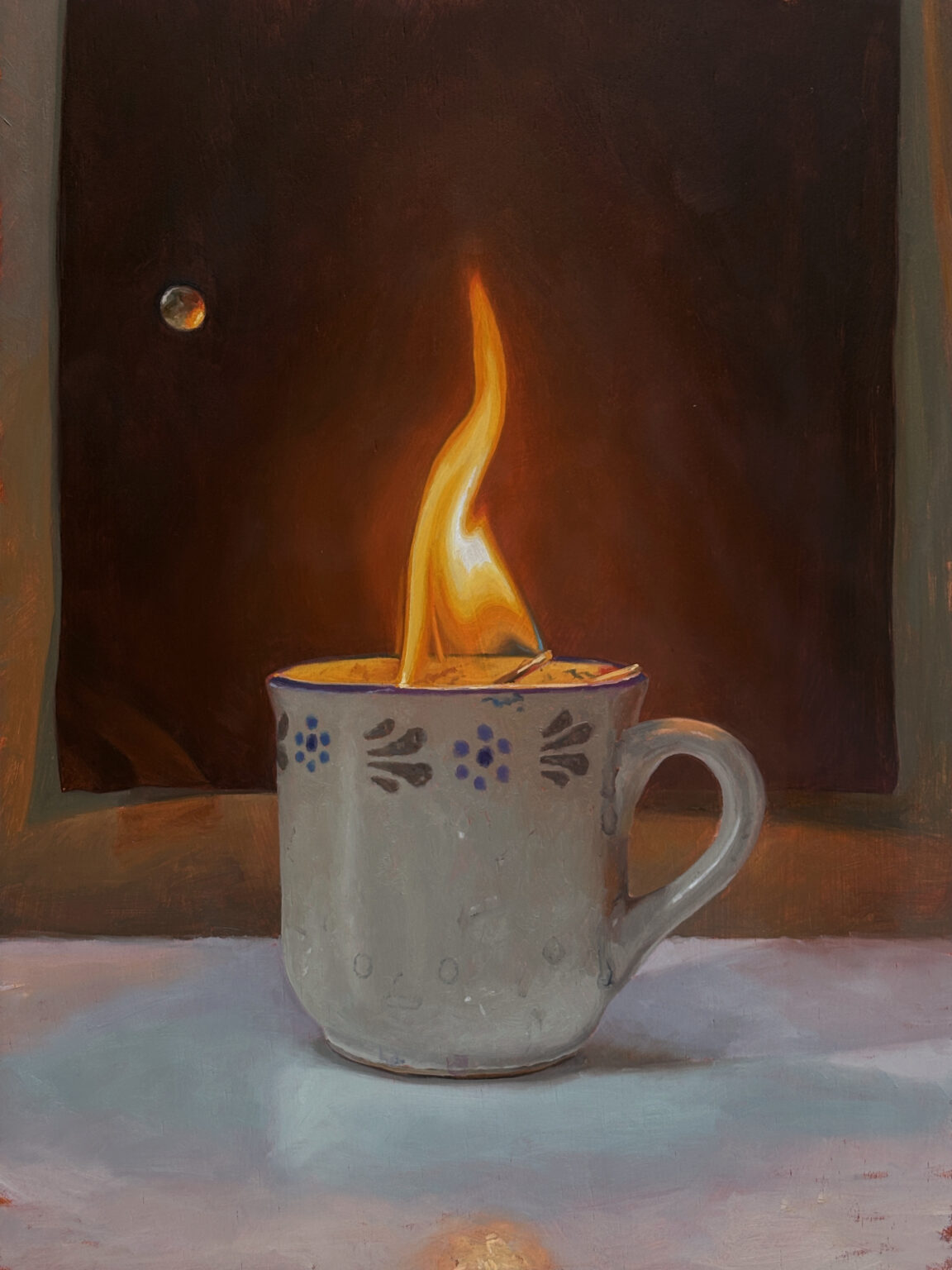
Still life also regularly appears within my exhibitions. I move comfortably between both genres; the still life works reflect lives being lived within the landscape. They are not separate from place, but of place – small stories existing within the larger whole.

Could you tell us about your relationship to the landscapes that have recurred in your work?

For the past fifteen years I have lived in the rural town of New Norfolk. Situated above the Derwent River, my studio looks beyond the town limits toward distant blue mountains. Before beginning work each day, I spend an hour or two walking along the riverbank.

It has become a daily meditation: observing the minutiae, the subtle changes, the passing seasons, and the life and flow of the river itself. After this time of reflection, I clock on – time in my studio is another day spent exploring what paint can do.

“The river carries this country’s DNA. Along with nutrient-rich sediment, it carries history – both ancient and recent. Like all rivers, its health reflects the health of the country surrounding it. Like all rivers, it tells a story.”

STEPHANIE TABRAM

___

What was the starting point for your most recent series, The River?

The River combined both the rural landscapes through which the River Derwent flows and the vast watershed from which this 240-kilometre watercourse emerges.

The river carries this country’s DNA. Along with nutrient-rich sediment, it carries history – both ancient and recent. Like all rivers, its health reflects the health of the country surrounding it. Like all rivers, it tells a story.

Comprising seventeen works, The River included eight tondos, a format I have explored in previous exhibitions. I find them deeply satisfying, particularly the challenge of resolving compositions within the circular form.

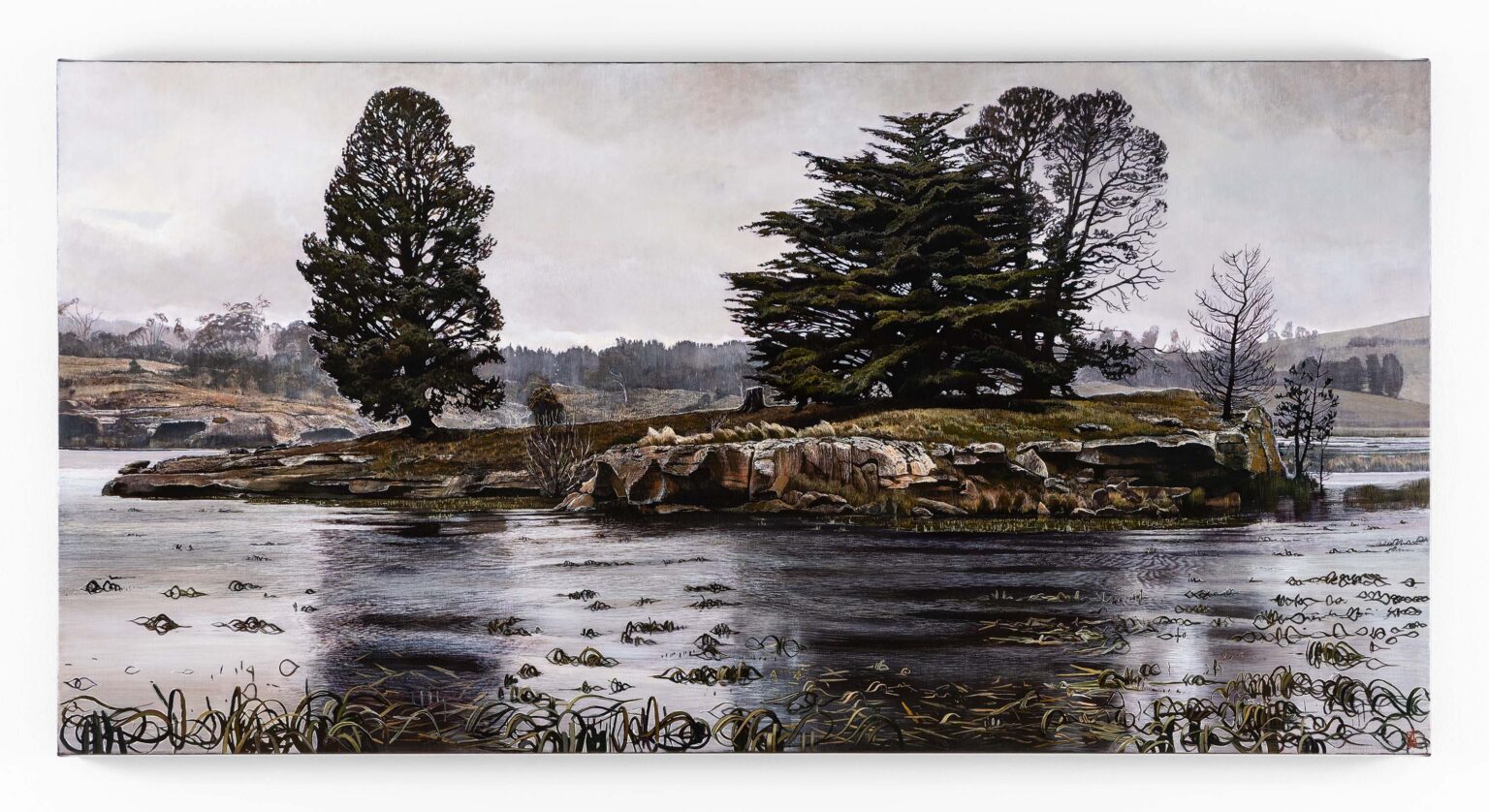
Could you tell us the story behind your 2024 Hadley’s Art Prize work, Afternoon Below Table Mountain?

I begin planning exhibitions eighteen months to two years in advance. I like to consider how each work contributes to the broader narrative. Depending on scale and composition, a single painting can take months to complete.

Because of exhibition commitments, finding the time required to enter art prizes and awards can be difficult. In 2024, I entered the Hadley’s Art Prize, was selected as a finalist and was honoured to receive the People’s Choice Award for Afternoon Below Table Mountain.

In many ways, that work marked the beginning of The River, which followed two years later. The lake depicted beneath Table Mountain – Lake Crescent – stores the waters of the River Clyde, which eventually feeds into the River Derwent. It is a long journey that ultimately arrives at New Norfolk, beside my daily walking path, before joining the saltwater and flowing out to sea.

What ideas and subjects feel most inspiring to you at the moment?

Nothing is unconnected. Every day in the studio I learn something new – stories continue to unfold. I’m looking forward to my next exhibition, in Sydney towards the end of 2027.

Fiona Pompey

Posted by

Fiona Pompey

  • Artist
    Fiona Pompey
  • Dates
    11—28 Jun 2026

Michael Reid Sydney is delighted to announce our first solo exhibition by Alice Springs-born, Kaltjiti/Fregon-based artist Fiona Pompey, whose richly absorbing, large-scale paintings will be on view next month in our upstairs gallery and are now available to preview and acquire by request.

Currently on view at the National Gallery of Australia in the landmark exhibition Ngura Puḻka – Epic Country, Pompey’s work interprets the undulating sandhills of the desert Country surrounding Kaltjiti/Fregon on the APY Lands of South Australia, revealing the influence of her late mother, Tali Tali Pompey, a celebrated artist also known for her powerful desert paintings.

“My paintings look down on the land from above, a bit like looking at a map,” says Pompey, who was awarded the Emerging Indigenous Art Award in last year’s Ravenswood Australian Women’s Art Prize. “This is ngura puḻka tali – big sandhill Country.”

Set to overlap with her continued presence in Ngura Puḻka, Pompey’s first solo exhibition at Michael Reid Sydney will bring together her epic, transportive paintings in an expansive presentation, drawing the eye across intricate, fractal markings that trace the rhythmic topographies of her homeland. “Fiona’s artwork captures the vibrancy and colour of the desert landscape,” note the curators of Ngura Puḻka in the exhibition’s accompanying large-format hardback, which dedicates a chapter to Pompey’s practice.

“The ridges of sandhills typical of the desert country around Fregon refer to her mother’s work of tali (sandhills). The small, rounded shapes reflect the habitat of shrubs, trees and bushes. These grow on the sides and at the base of the sandhill where the water collects after the rain. They provide a valuable source of many food-bearing grasses and shrubs.”

Works from Fiona Pompey’s forthcoming exhibition have arrived at Michael Reid Sydney ahead of the official opening in June. To request a preview catalogue and secure a work in advance, please email hughholm@michaelreid.com.au
Holly O’Meehan

Posted by

Holly O’Meehan

  • Artist
    Holly O'Meehan
  • Dates
    8 May—21 Jun 2026

Michael Reid Berlin is delighted to present a new offering of ceramic sculptures by Berlin-based Australian ceramic artist Holly O’Meehan.

Now available online and at the gallery, this new body of work is a companion to O’Meehan’s warmly received Spaces Between series, which debuted at Michael Reid Berlin earlier this year.

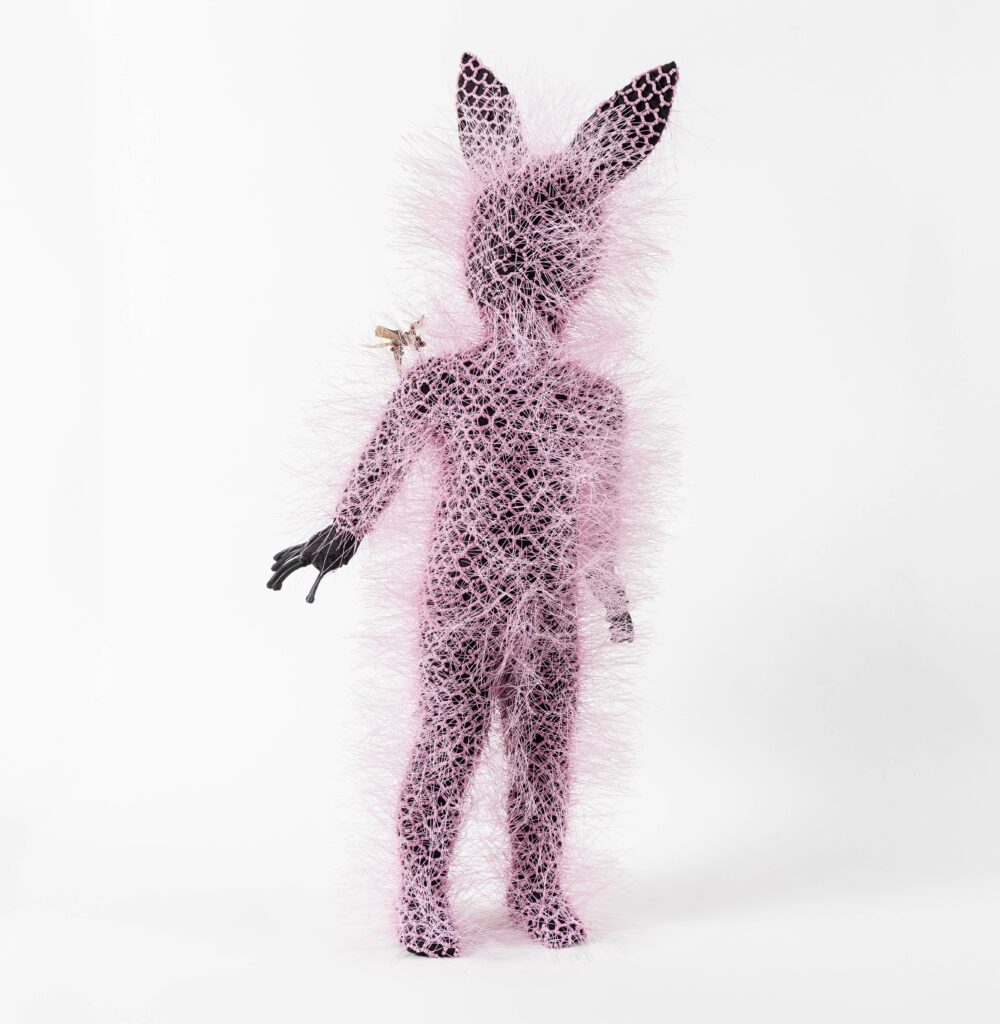
With the intricately realised ceramic sculptures and vessels comprising this expanded iteration of Spaces Between, O’Meehan imagines impossible worlds in which curious, organism-like forms appear to pulse with life as they emerge from fragments of the urban environment.


The prices include international delivery.

Archibald, Wynne and Sulman Prizes 2026

Posted by

Archibald, Wynne and Sulman Prizes 2026

This year’s Archibald, Wynne and Sulman Prize exhibition opens at the Art Gallery of New South Wales on Saturday, 9 May, and Michael Reid Sydney + Berlin is delighted to share that three artists represented by our galleries are among the Class of 2026. Congratulations to Gaypalani Waṉambi, who was awarded the 2026 Wynne Prize for her work The Waṉambi Tree, receiving the program’s $50,000 prize. Congratulations as well to Betty Chimney, also shortlisted for the Wynne Prize, and to Juan Ford, who is a finalist in the Archibald Prize. These three artists’ selected works are now hanging at the Art Gallery of New South Wales in the state gallery’s flagship program, on view until 16 August. Two more Michael Reid-represented artists are also looming large – albeit in the frame – with Sid Pattni immortalised by finalist Elizabeth Barden and William Yang sitting for Kean Onn See, while David Darcy’s third Archibald nod coincides with his solo show Self Sabotage at Tamworth Regional Gallery, co-presented with Michael Reid Murrurundi and available to explore online here.

To enquire about work by Betty Chimney, Gaypalani Waṉambi and Juan Ford and sign up for previews of their forthcoming projects, please email hughholm@michaelreid.com.au
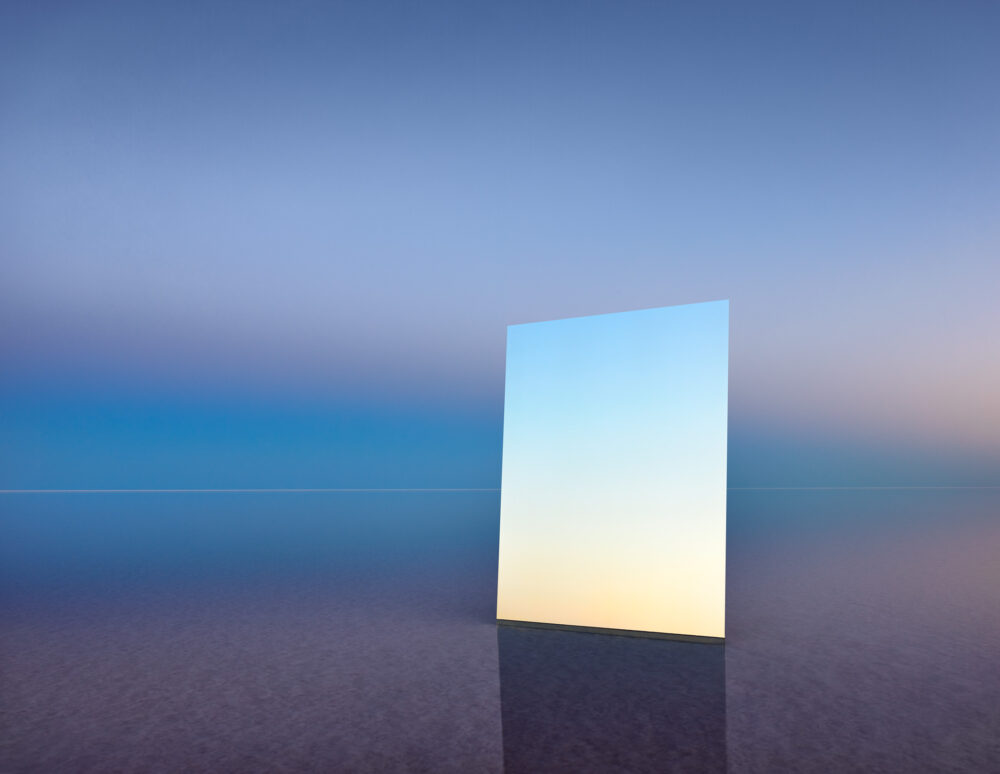
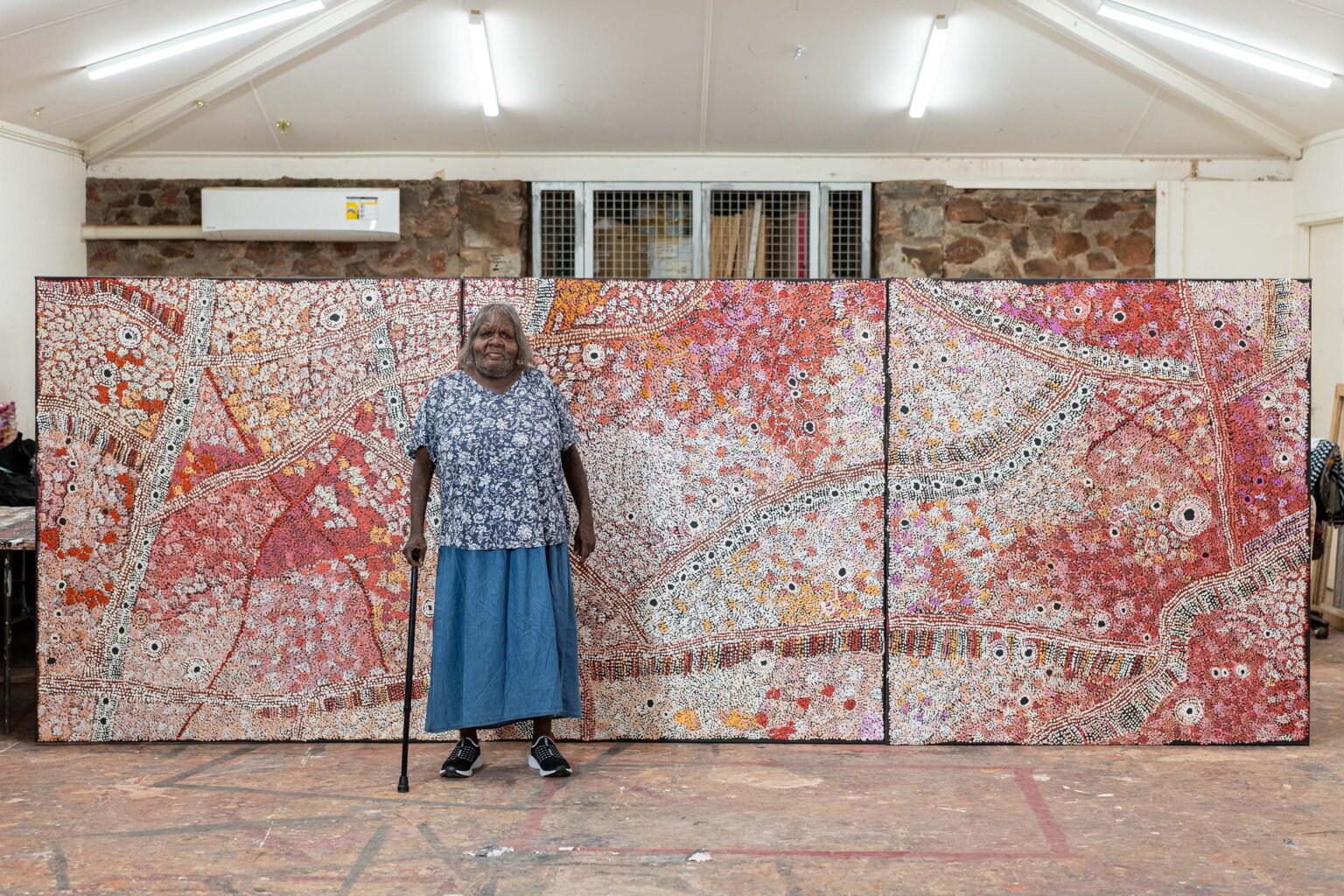
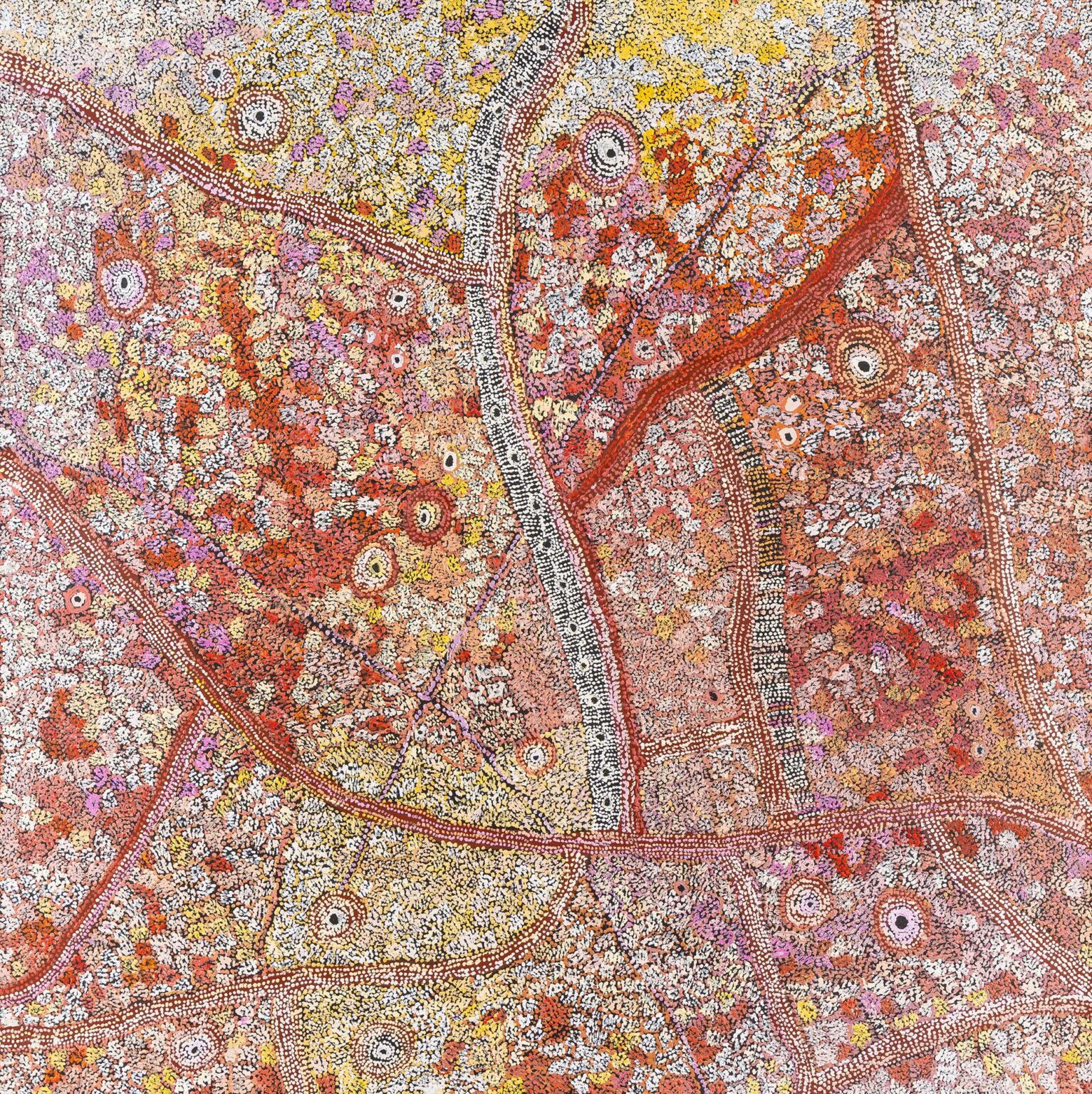
Yankunytjatjara artist Betty Chimney has been named a finalist in the 2026 Wynne Prize for her monumental three-panel painting Ngayuku ngura (my country), marking her fourth nomination for the preeminent accolade for Australian landscape painting and figurative sculpture. Chimney is a longtime director and leading creative force at Iwantja Arts, the Indigenous-owned and governed art centre in Indulkana on the Aṉangu Pitjantjatjara Yankunytjatjara Lands. “Indulkana is my home,” says the artist, whose breathtaking Wynne work extends across an almost five-metre span. “For a long time, I’ve been painting this way – painting the story of this place, all the good stuff!” Chimney’s fourth Wynne Prize selection coincides with her continuing presence in the landmark exhibition Ngura Puḻka – Epic Country at the National Gallery of Australia and will be followed in July by her showing in The Gold Award at the Rockhampton Museum of Art.

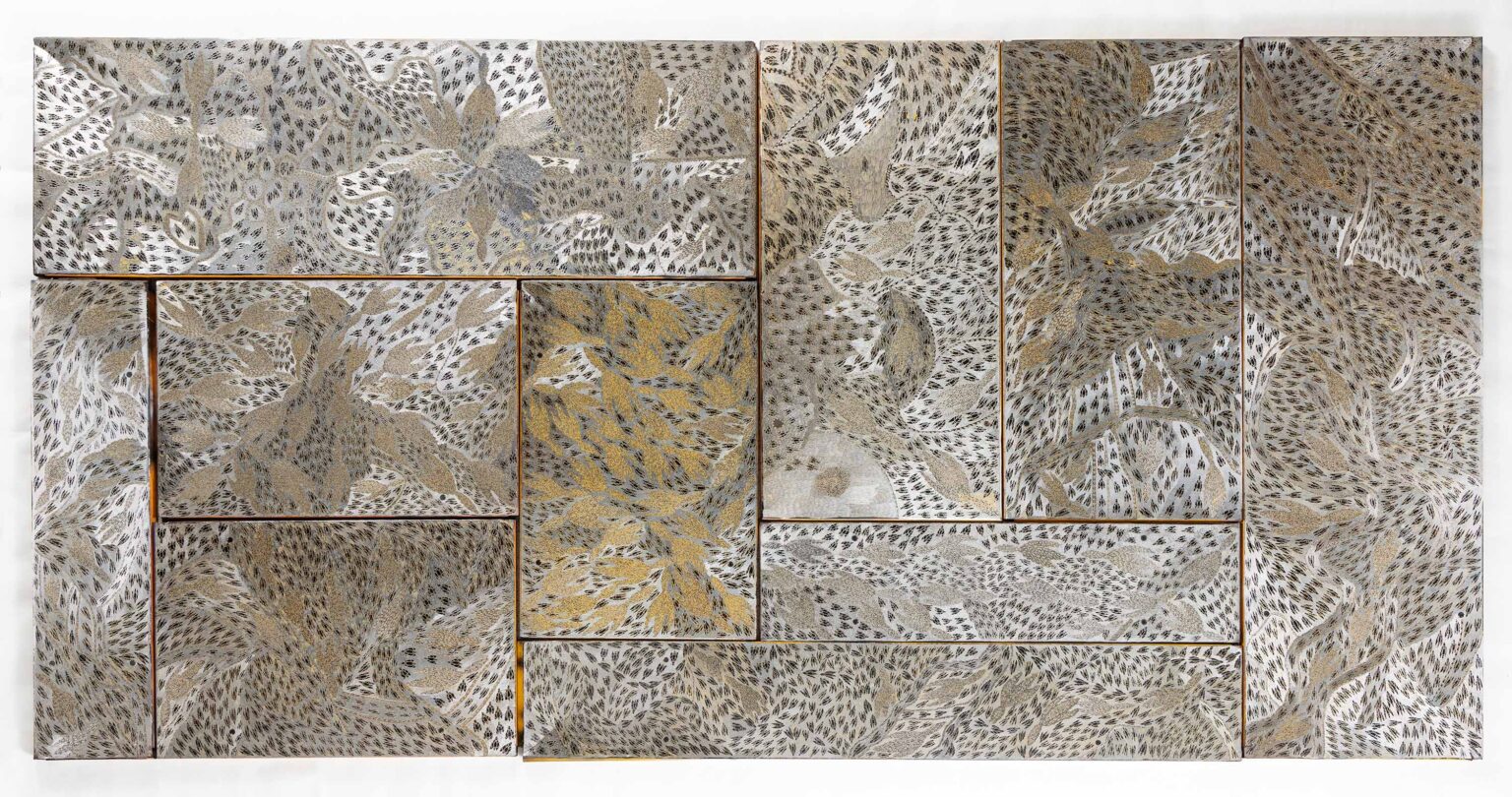
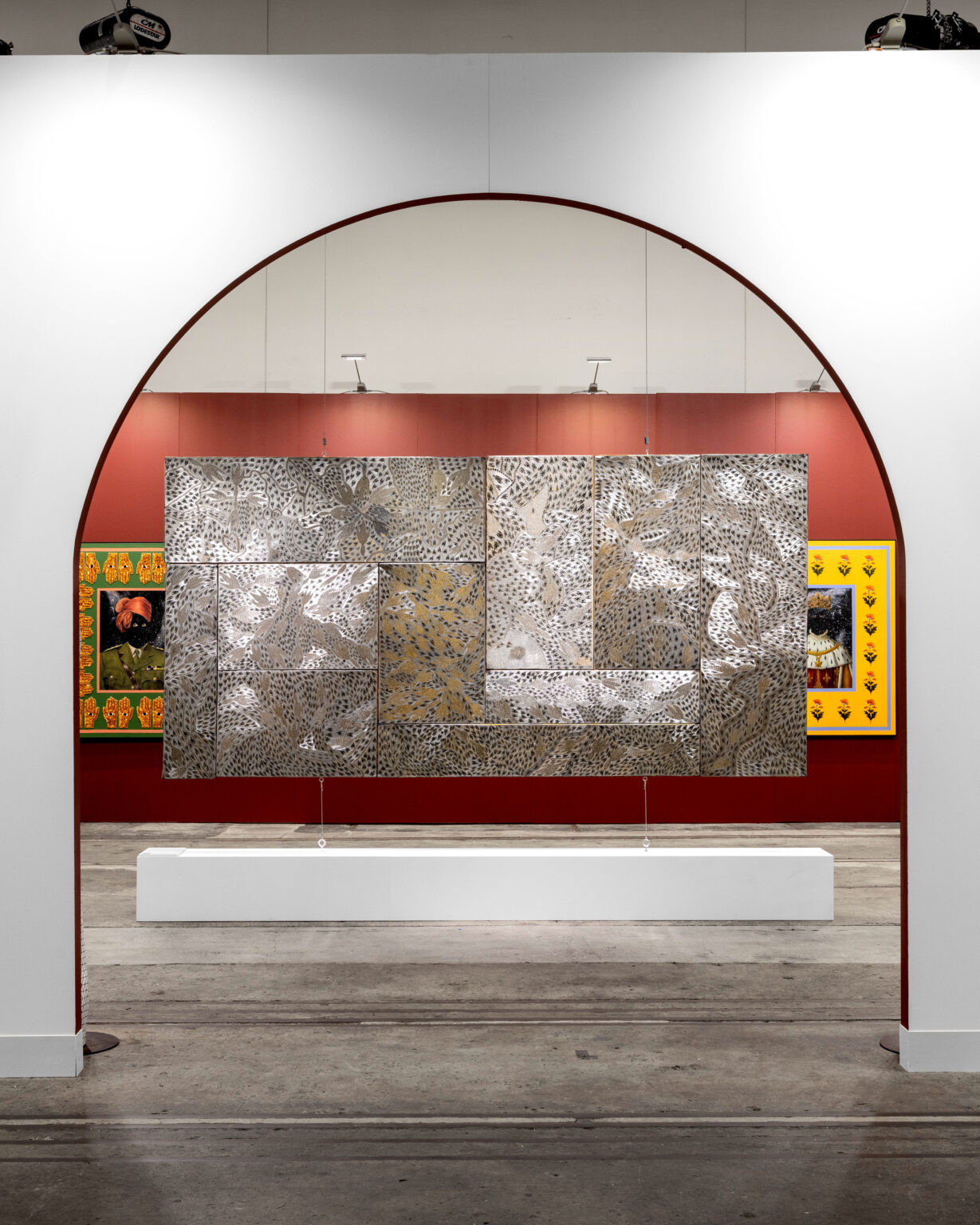
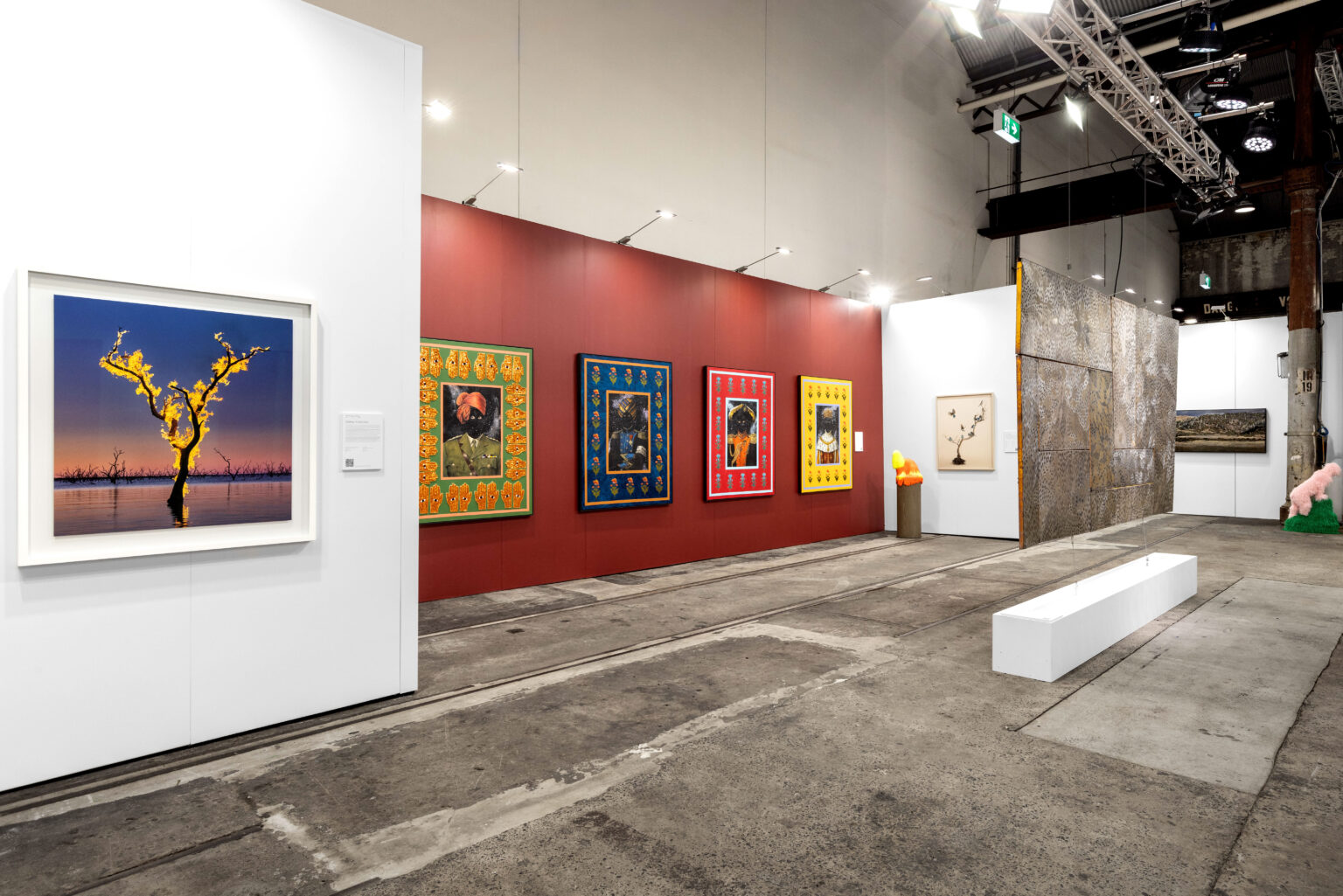
Yolŋu artist Gaypalani Waṉambi is a finalist in the Wynne Prize for her multi-panel etched-metal work The Waṉambi Tree. Made from road signs found on Country, each dazzlingly reimagined with intricately etched depictions of the epic Ancestral journeys of Wuyal, The Waṉambi Tree tessellates to form a sprawling, suspended installation. “This work is about Wuyal, the ancestral honey hunter,” says Waṉambi, whose Wynne nod follows her historic win at the 2025 Telstra National Aboriginal and Torres Strait Islander Art Awards, where she received the $100,000 Telstra Art Award for Burwu, blossom – another composite etched-metal work on an equally spectacular scale. Working with the Buku-Larrŋgay Mulka Art Centre in Yirrkala, Waṉambi is the leading female practitioner within the Found Movement, which was pioneered by her father, the late Mr Waṉambi, whom she assisted for many years and whose legacy she now continues.

Naarm/Melbourne-based Spanish-Australian artist and many-time Wynne and Sulman Prize finalist Juan Ford is a finalist in the 2026 Archibald Prize for his portrait of actor, author and podcaster Chloé Hayden. “I met Chloé in an unexpected manner when I was invited to attend a 2025 Friend in Me event,” says Ford, whose subject is an advocate for disability and women’s rights as well as an ambassador for Friend in Me, which supports inclusion and mental wellbeing for children who are neurodiverse or have disabilities. “I found Chloé friendly, engaging, appreciative and unerringly professional, even as I wrapped her in red reflective foil.” Ford’s shortlisting follows the announcement of his most significant commission to date – a 15-metre, three-panel painting for the third NGV Triennial, to be unveiled this December.

Petrina Hicks: Aotearoa Art Fair 2026

Posted by

Petrina Hicks: Aotearoa Art Fair 2026

  • Artist
  • Dates
    30 Apr—3 May 2026

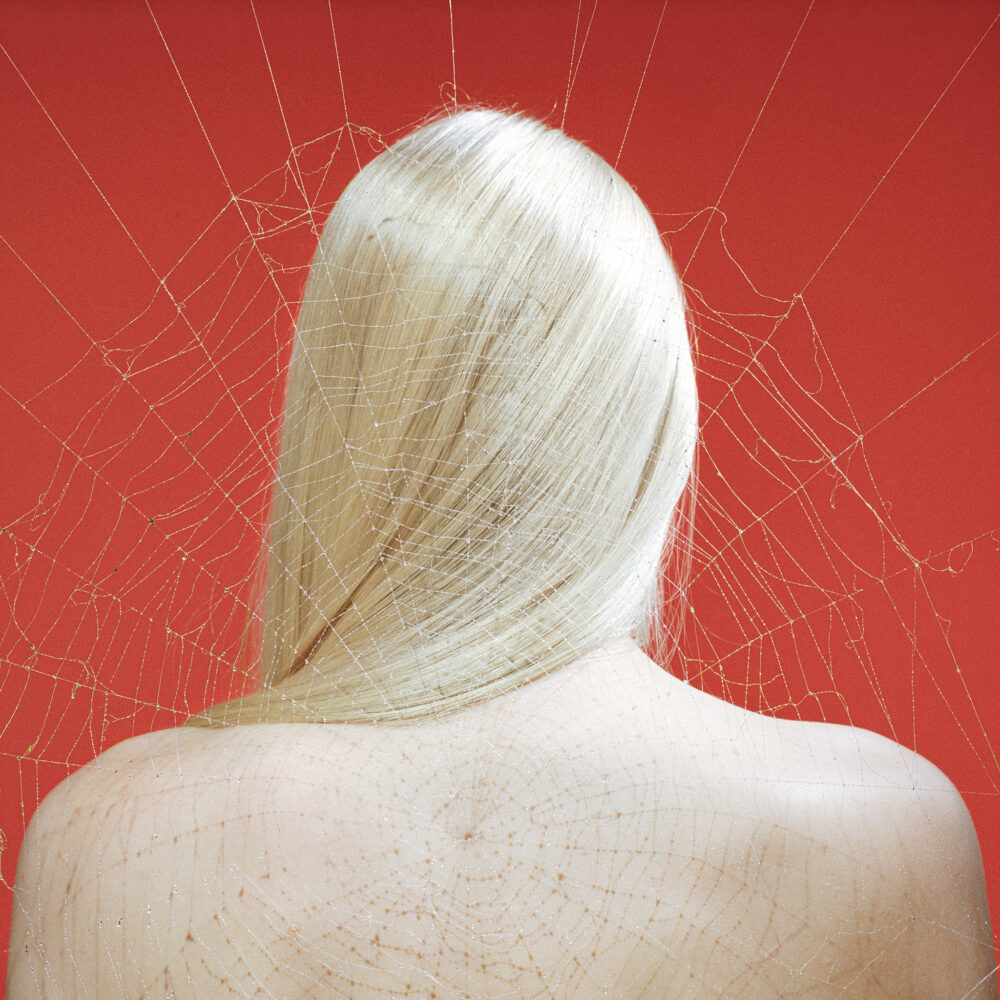
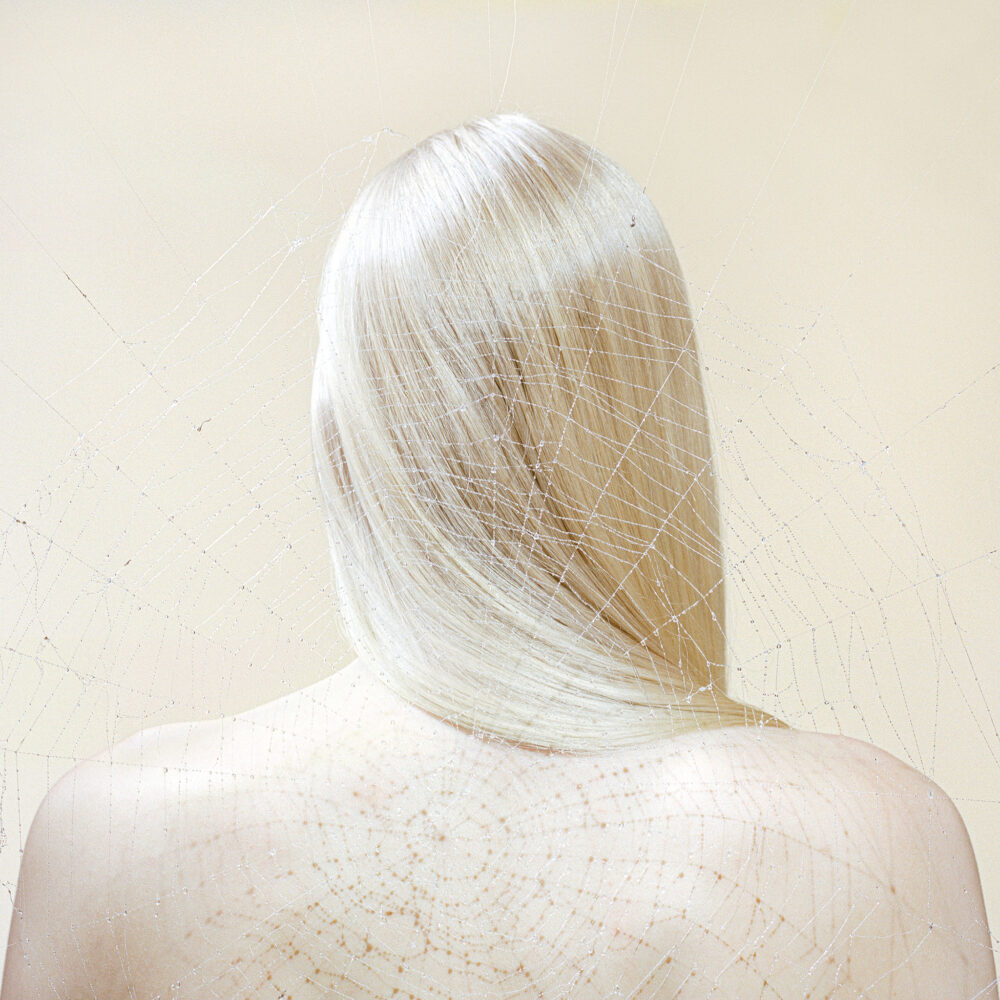
This year’s Aotearoa Art Fair will see the debut of a luminous new work by globally lauded Australian photographer Petrina Hicks. Over more than two decades, Hicks has honed her singular style and cemented her place at the forefront of her field. The subject of several institutional surveys – including her 2018 NGV retrospective and, in late 2024, Snakes and Mirrors at the Museum of Australian Photography – her ultra-refined images are rendered with hyperreal precision, subverting the coolly seductive language of advertising while drawing motifs from classical myth and folklore. Projecting a beguiling equipoise against crisp, ambiguous backdrops, the outward polish and quietude of her subjects is undercut by tension, eroticism or disquiet – qualities dialled up to a spellbinding degree in her new work, Fate Spinner. Arriving after record auction results for her historical works, editions of Fate Spinner can now be acquired by request.

Please contact dean@michaelreid.com.au for acquisition enquiries.
Tamara Dean: Aotearoa Art Fair 2026

Posted by

Tamara Dean: Aotearoa Art Fair 2026

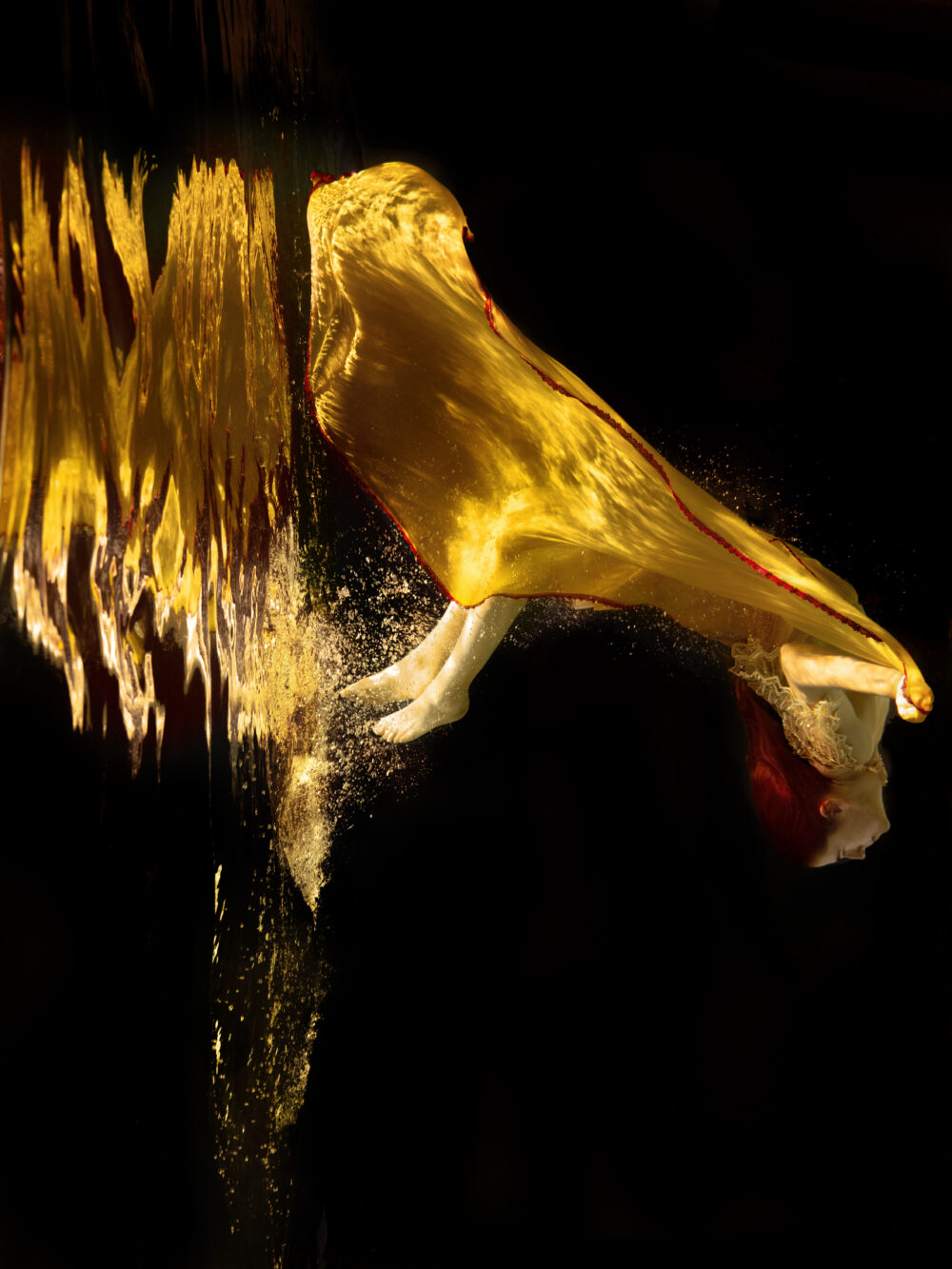
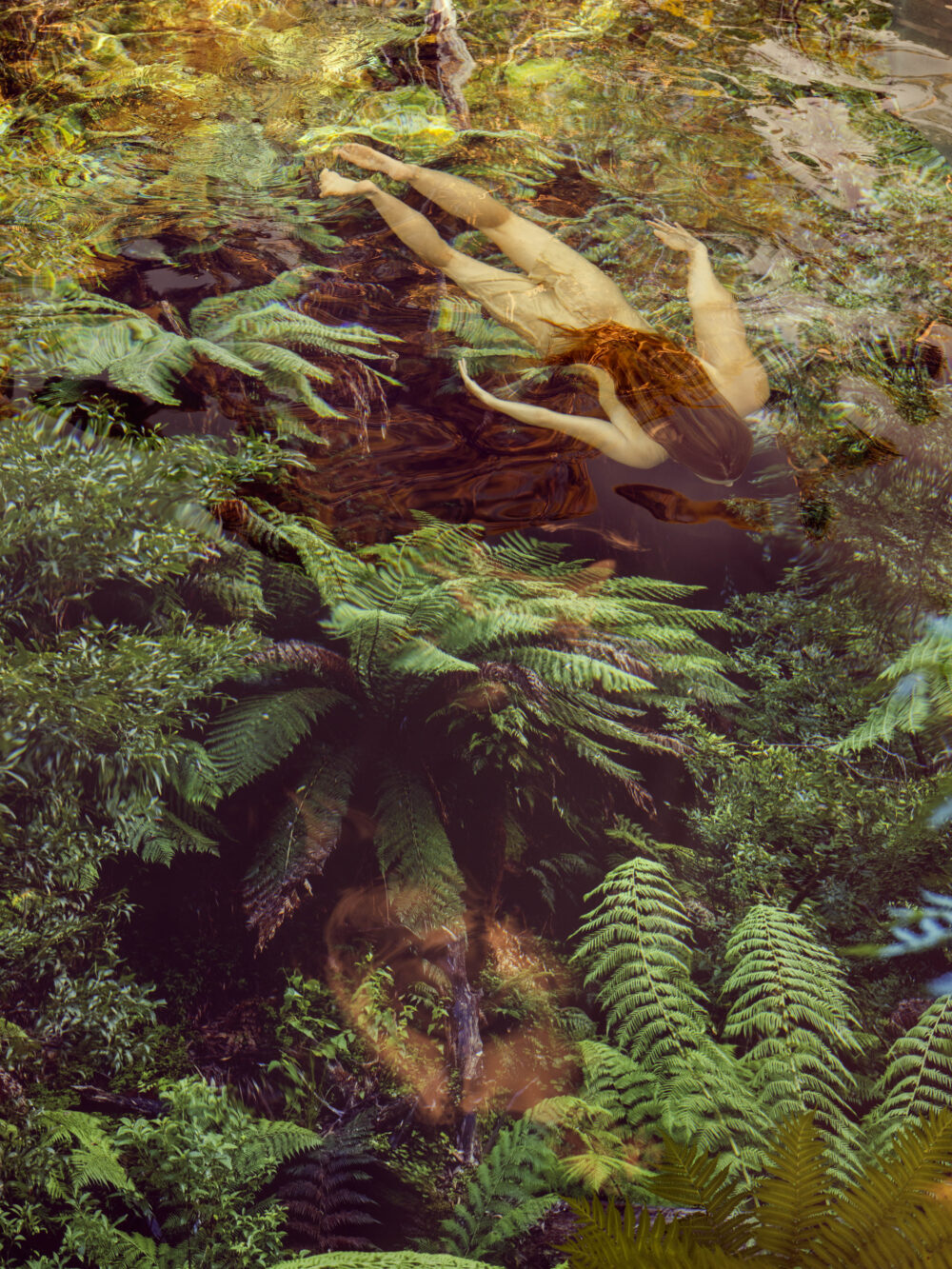
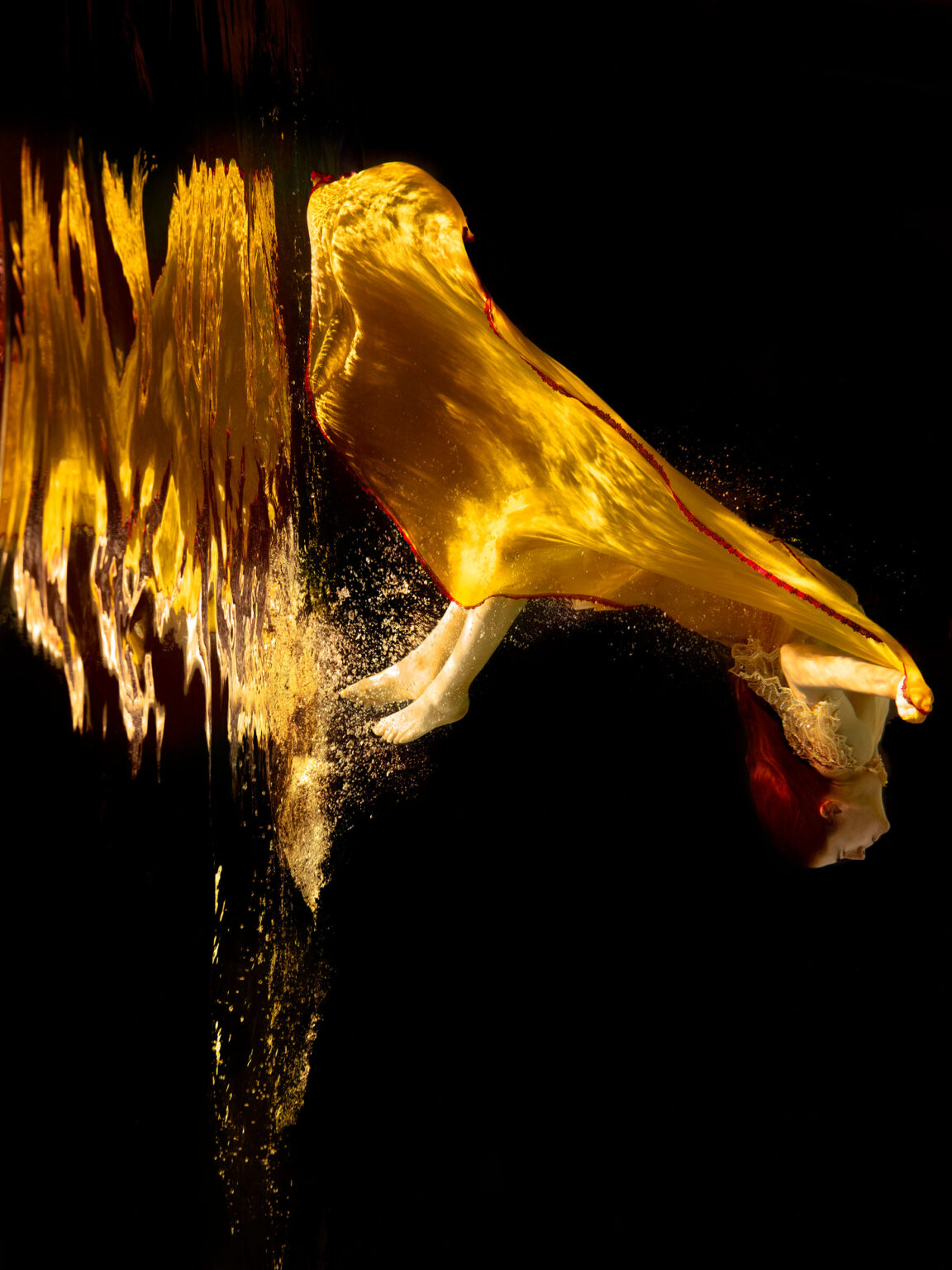
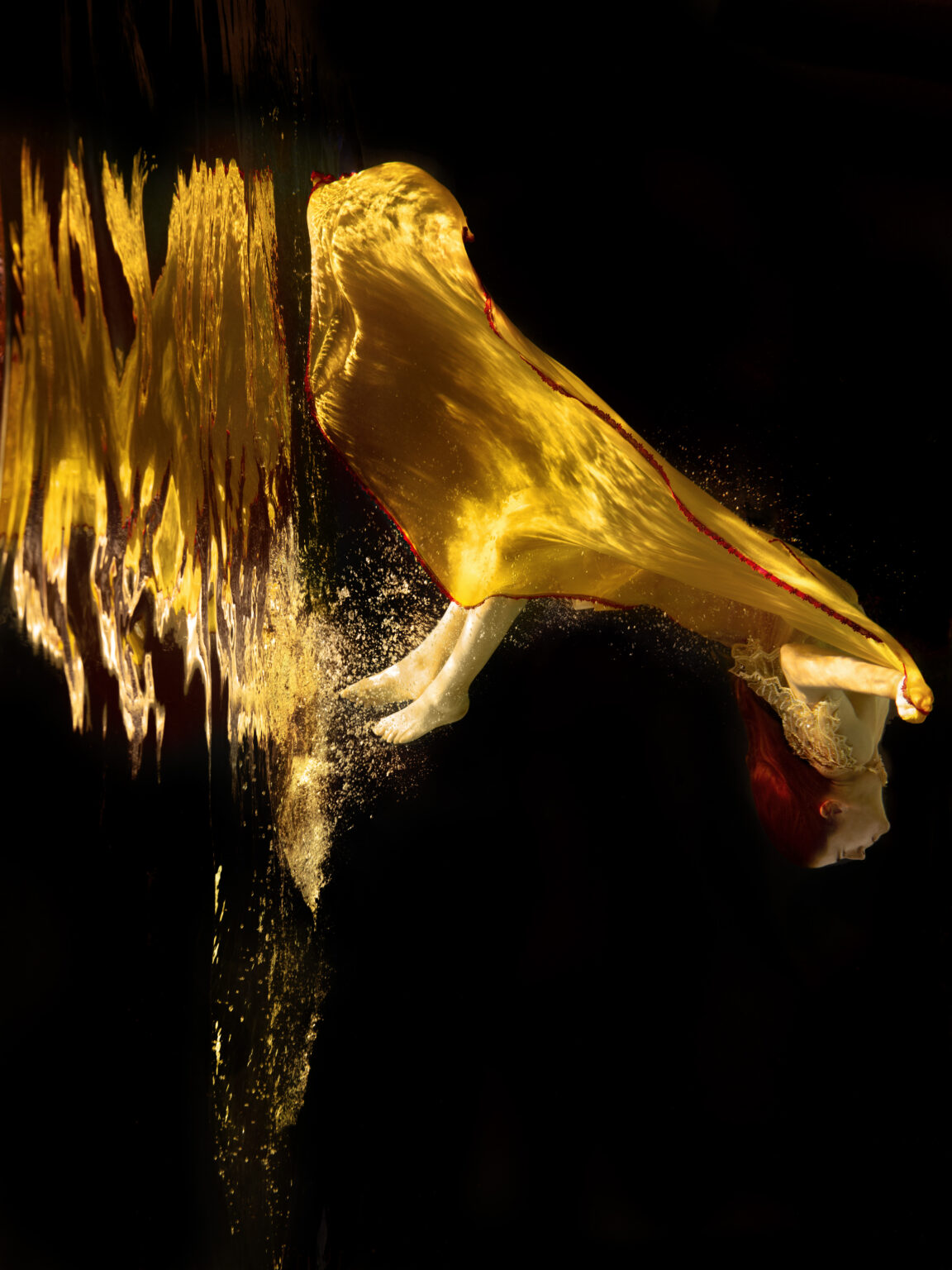
The Aotearoa Art Fair will mark the first public showing for the latest project from acclaimed Australian contemporary photographer Tamara Dean, one of the defining image-makers, visual storytellers and photographic innovators of her generation. Dean is set to debut two new works from her forthcoming series, The Garden, in which lithe, colourfully clad subjects are gracefully transformed into hybrid flower-human figures. The Garden has already garnered significant acclaim, with select photographs shortlisted for the 2026 Blake Prize and the 10th-anniversary edition of the Ravenswood Australian Women’s Art Prize. Following the news of these dual awards shortlistings, Michael Reid Sydney + Berlin is pleased to host the inaugural outing for this already lauded project and invites collectors to register for priority access.

Working between her custom-built underwater photo studio and the wild floral abundance of the natural world, Dean describes The Garden as a series created through two distinct formats and approaches, connected through colour, flora and an ongoing exploration of our place within natural ecosystems. “Flowers, plants and fabrics are carefully selected and composed to create visual relationships between images,” says the artist, whose Blake and Ravenswood Prize nods add to an extraordinary run of recent accolades, including her triumphs at the 2025 Hornsby Art Prize and Naked & Nude Art Prize. “Materials used in the underwater works echo the colours of the flowers found in the garden photographs, allowing the two approaches to remain aesthetically and conceptually connected despite their different environments.”

For acquisition enquiries, please contact tobymeagher@michaelreid.com.au
 

Join our mailing list
Interests(Required)
REGISTER YOUR INTEREST: Between Dust & Rain
This field is hidden when viewing the form
Artist
This field is hidden when viewing the form
Centres
This field is hidden when viewing the form
Interests